
13 Outdoor Pergola Design Ideas for Backyards, Patios, and Gardens
Thirteen outdoor pergola ideas—from vine-covered walkways and poolside shade to modern dark frames and dining pavilions—to help you plan a backyard structure that fits your home.
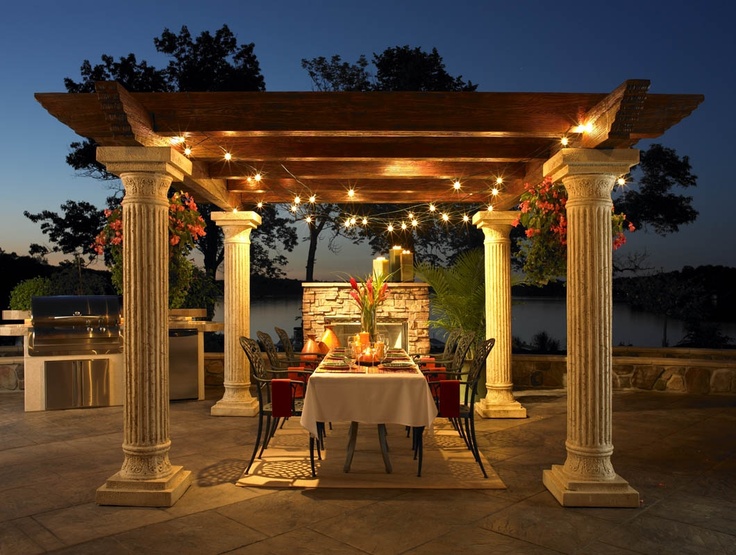
A well-planned pergola can turn an ordinary backyard into a place you actually want to linger. Unlike a fully enclosed patio roof, a pergola filters light, frames views, and defines outdoor rooms without sealing you off from the garden. Whether you want morning coffee shade, a dining alcove, or a climbing-plant tunnel, the right structure sets the tone for how you use the yard.
Below are thirteen outdoor pergola design ideas drawn from classic and contemporary backyard styles. Use them as a menu: match materials, proportions, and plantings to your home’s architecture and the way you spend time outside.
1. Classic timber frame with open rafters
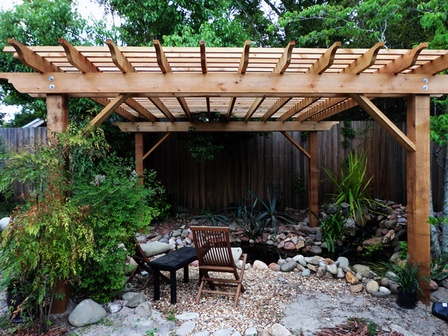
The most timeless pergola is a simple post-and-beam frame in warm wood with evenly spaced rafters. Open spacing lets sun stripe the patio in the morning and soften by late afternoon. Pair it with a stone or brick patio so the structure feels grounded. Keep the proportions honest: posts thick enough to look structural, beams that overhang a few inches past the posts, and a height that clears standing guests without towering over a one-story house.
Stain rather than paint if you want the grain to age gracefully. Cedar and redwood resist weather well; pressure-treated lumber works when budget matters more than appearance. Add outdoor seating under the center bay so the architecture and the furniture share one axis.
2. Vine-covered garden walkway
When climbing plants weave through the rafters, a pergola becomes living architecture. Wisteria, grapevine, climbing roses, or jasmine can create a dappled canopy that cools the air and scents the path. Plan for weight and maintenance: stout beams, strong fasteners, and annual pruning so growth does not overwhelm the frame or block gutters nearby.
A long, narrow pergola works beautifully as a walkway between house and garden shed, or from lawn to pool. Underplant with low perennials so the eye travels along the tunnel rather than stopping at bare posts. In cold climates, choose hardy vines; in hot zones, deciduous climbers give summer shade and winter light.
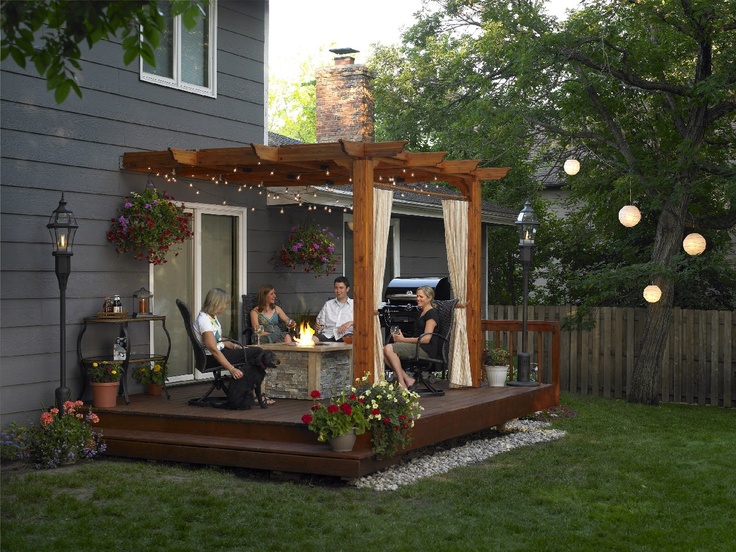
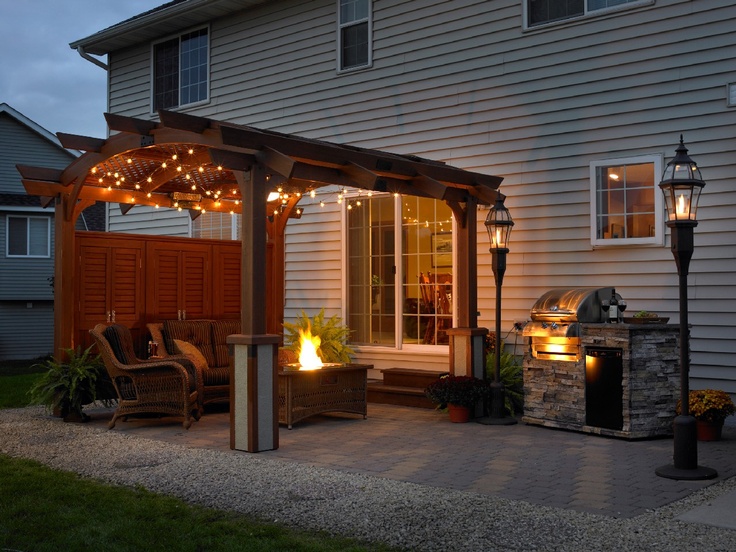
3. Attached patio pergola off the house
Connecting a pergola to an exterior wall extends indoor living outdoors. Ledger-mounted beams create a seamless transition from kitchen or living room to dining table and lounge chairs. Make sure flashing and attachments meet local code so water cannot sneak behind siding. Match paint or stain to trim colors if you want the addition to feel original; contrast with a darker stain if you prefer a deliberate outdoor pavilion look.
Furniture scale matters here. A rectangular dining set under a rectangular bay reads as intentional. Leave clearance for doors to swing and for traffic past the table. Soft lighting—string lights or recessed fixtures on beams—keeps evening meals useful without glare.
4. White-painted cottage pergola
A crisp white pergola brightens shaded yards and suits cottage, farmhouse, and coastal homes. Painted wood needs more upkeep than stained cedar, but the payoff is a clean silhouette that photographs well and makes planting colors pop. Use exterior-grade paint and reseal as needed so moisture does not peel the finish at joints.
Surround the base with boxwood, lavender, or hydrangeas for a garden-party mood. White furniture or linen cushions reinforce the look; dark metal accents keep it from feeling washed out. If your house is already white, echo that finish so the yard and facade share one palette.
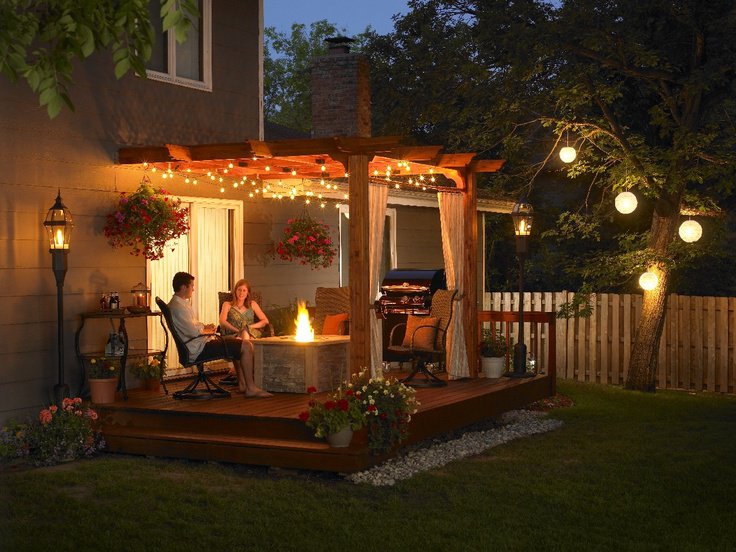
5. Modern minimalist steel or dark-stained frame
Contemporary yards often favor slim profiles, flat roofs, and dark finishes. A black or charcoal pergola with simple geometry reads modern without needing ornate brackets. Metal frames offer durability and thin members that suit glass doors and concrete patios. Wood can achieve a similar effect with dark stain and crisp joinery.
Keep accessories restrained: one lounge grouping, a single planter row, maybe a fire feature aligned with the structure’s centerline. Overcrowding undercuts the minimalist idea. If sun is intense, add retractable shade cloth in a neutral tone rather than heavy curtains that fight the architecture.
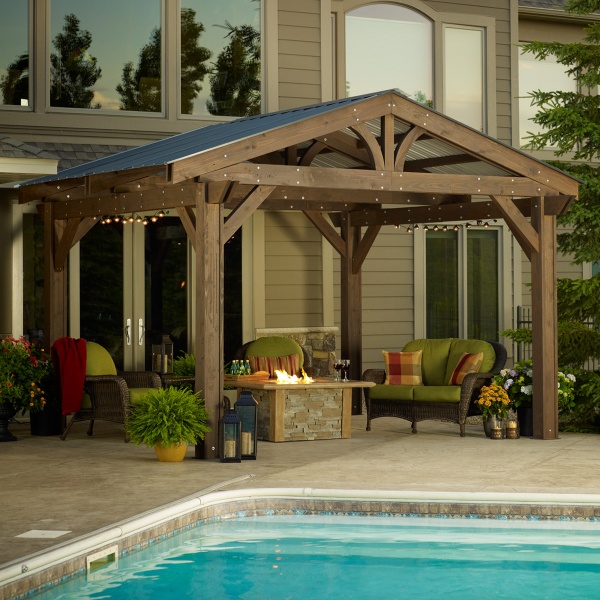
6. Poolside shade pavilion
Near a pool, a pergola creates a dry-zone lounge for towels, drinks, and afternoon rest. Orient rafters to cut the harshest midday sun over seating, and keep posts clear of splash zones when possible. Non-slip decking or stone underfoot matters as much as the overhead structure.
Choose materials that tolerate humidity and chlorine mist—sealed hardwoods, composites, or powder-coated metal. Avoid rough finishes that snag towels. A ceiling fan rated for damp locations can make humid afternoons usable; check electrical codes for outdoor installs near water.
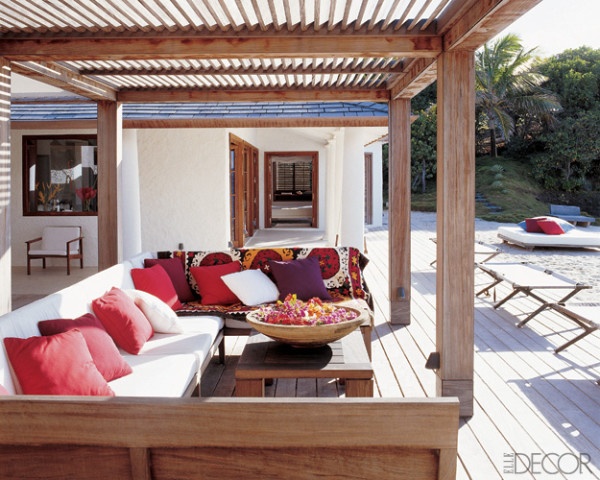
7. Corner pergola for awkward yards
Not every lot offers a wide, centered patio. A corner pergola claims leftover space along fence lines and turns it into a destination. Two walls or fences can help define the “room,” while open sides keep sightlines to the lawn. Built-in benches save floor area and make the corner feel intentional rather than leftover.
Use vertical planting on the fence side—espalier fruit trees or trellis panels—to soften boundaries. A small café table for two may be more useful here than a full dining set. Lighting is especially valuable in corners that feel dark at dusk.
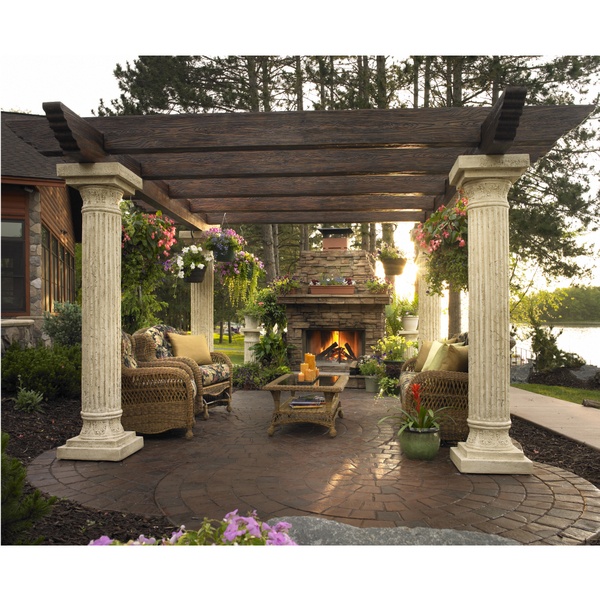
8. Dining pergola with centered table
Design the structure around how you eat outdoors. Center a long table under the main bay, leave chair clearance on all sides, and hang a weather-rated pendant or string lights along the beam axis. Sideboards or potting benches along the edges hold serving dishes without cluttering the table.
If wind is common, add partial privacy screens or outdoor curtains on the windward side only, so the space does not feel boxed in. Gravel or pavers underfoot should drain well after rain so guests are not stepping through puddles between courses.
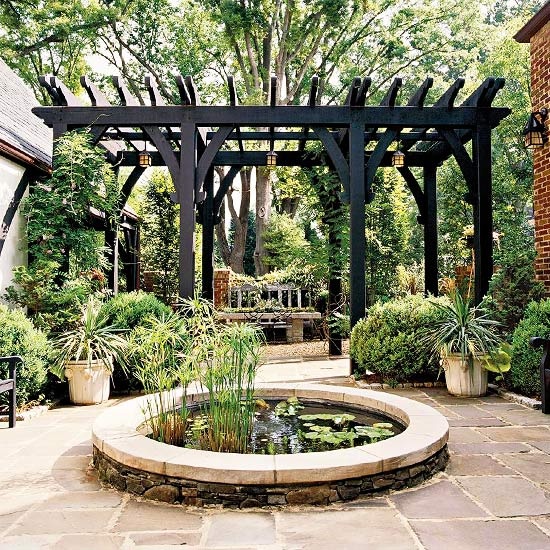
9. Rustic reclaimed-wood look
Rough-sawn beams, visible hardware, and weathered tones create a barn-yard or mountain-cabin mood. Reclaimed timber can look authentic, but inspect for structural soundness and treat against insects and rot. New lumber with a weathered stain often costs less and performs more predictably.
Pair rustic frames with gravel, corten planters, or stone fire pits. Avoid ultra-glossy furniture that fights the texture. Lanterns and wool throws lean into the cabin story; sleek stainless appliances under a rustic roof can work if you keep the palette earthy and simple.
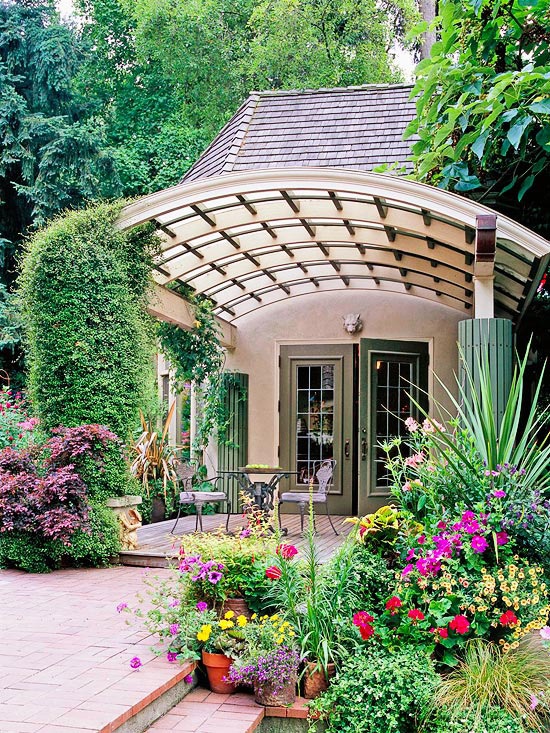
10. Freestanding garden room in the lawn
Placing a pergola in the middle of the yard, away from the house, creates a destination. Paths of stepping stones or mown grass lead guests outward; planting beds around the posts make the structure feel grown-in rather than dropped on the turf. This layout works when the house facade is busy and you want a quieter outdoor room with its own identity.
Anchor posts carefully—wind loads are higher in open lawns. Consider a slightly denser rafter pattern for more shade, or train vines for seasonal cover. A freestanding pavilion also suits yoga mats, reading chairs, or a kids’ play table that you do not want beside the kitchen door.
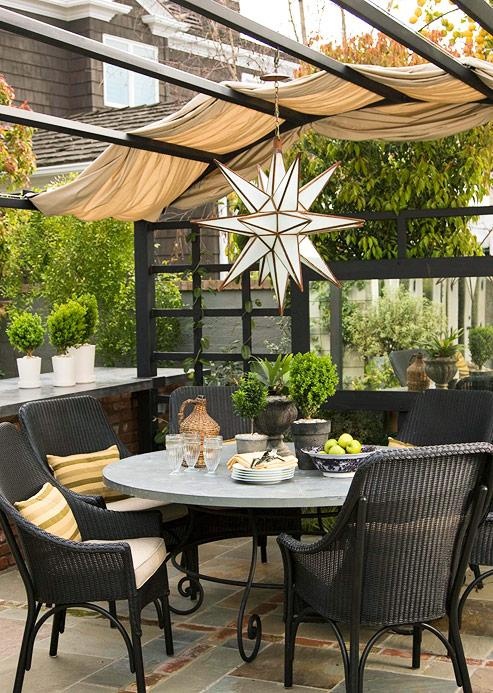
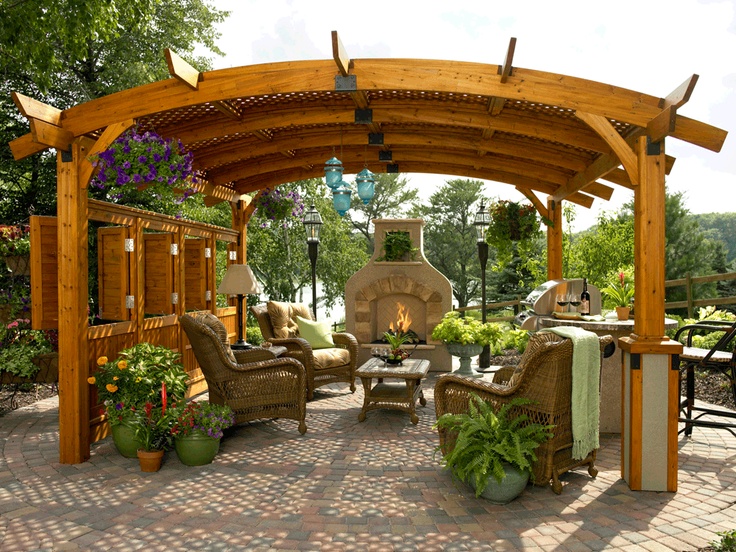
11. Lattice and louvered privacy sides
Open pergolas feel exposed on urban lots. Lattice panels, horizontal slats, or adjustable louvers on one or two sides add privacy without building a full wall. Aim the solid sides toward neighbors or streets; keep the garden-facing side open for light and views.
Paint or stain side panels to match the frame so the addition looks designed, not bolted on later. Climbing plants on lattice soften hard lines. In windy areas, solid panels catch gusts—use open patterns or leave gaps near the top so pressure can escape.
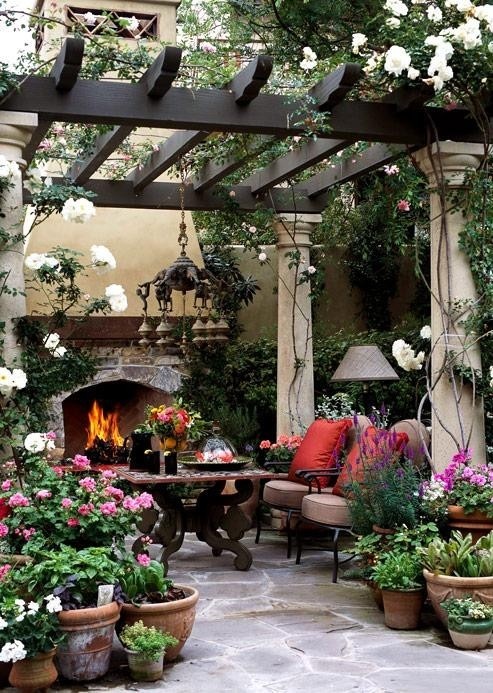
12. Small-entry or side-yard pergola
Even a narrow side yard can host a compact pergola that marks a gate, frames a bench, or shades a trash-bin screen you would rather hide. Scale down posts and shorten the span so the structure fits the corridor. A two-post arbor-style pergola over a path is often enough to signal arrival and support a climbing rose.
Keep materials consistent with fences and gates nearby. One repeating motif—arched beam ends, a particular bracket, or a paint color—ties the side yard to the main patio. Lighting a small pergola improves evening safety on dark paths without lighting the whole property.
13. Entertaining pergola with outdoor kitchen adjacency
If you cook outside, place the pergola so it shades seating next to—not directly over—a grill or pizza oven, unless the design includes proper ventilation and fire-safe clearances. Guests stay comfortable while the cook works a step away. Align counter heights and traffic paths so platters move easily from prep to table.
Durable flooring, outdoor-rated outlets, and weather covers for cushions make frequent use realistic. Storage for dishes and blankets nearby keeps the pergola from becoming a dumping ground. When the structure supports both cooking nights and quiet mornings, it earns its footprint year after year.
Choosing what fits your yard
Start with sun path, prevailing wind, and how you already use the patio. Then pick a style that echoes your house—cottage white, modern dark, rustic timber, or classic natural stain. Confirm local permits for attached structures and post footings. Budget for finish work and furniture; an empty frame rarely feels finished until seating, lighting, and a little planting land in place.
Any of these thirteen directions can work at modest or ambitious scales. Sketch the footprint on the ground with stakes and string before you order lumber. Live with that outline for a weekend of meals and shade. If the imaginary room still feels right, build toward it—and let the pergola become the outdoor habit your backyard was missing.

Comments
Continue reading
15 Outdoor Dining Design Ideas for Patios, Pergolas, and Gardens
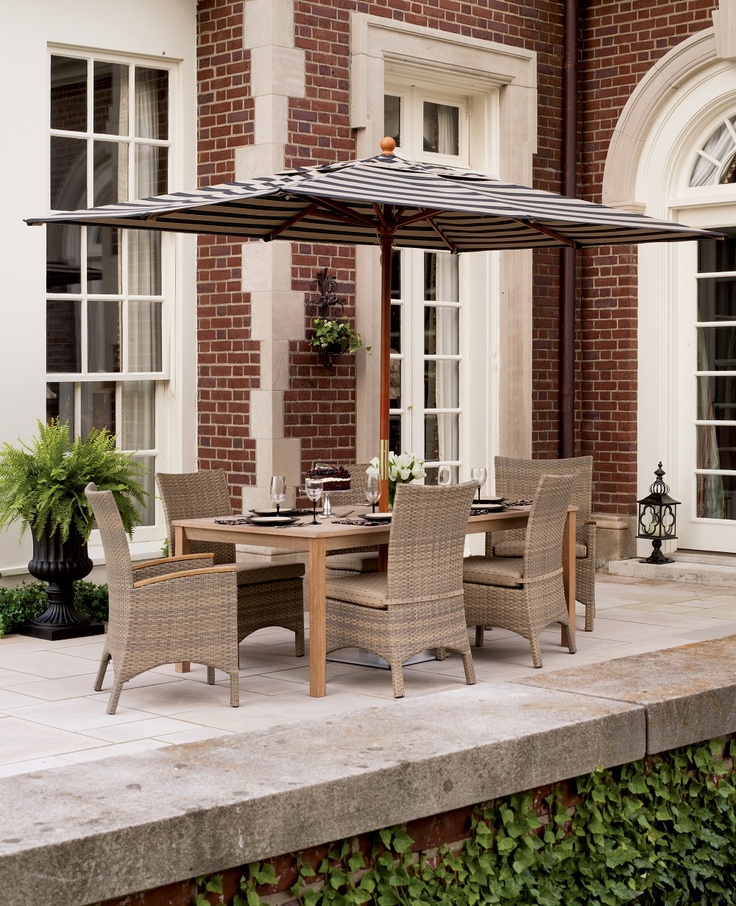
Fifteen outdoor dining ideas—from striped-umbrella patios and vine pergolas to poolside picnic tables, floor-cushion picnics, and covered porch setups—with practical shade and layout tips.
Fabulous Fireplace Ideas: Modern, Classic & Rustic Hearths
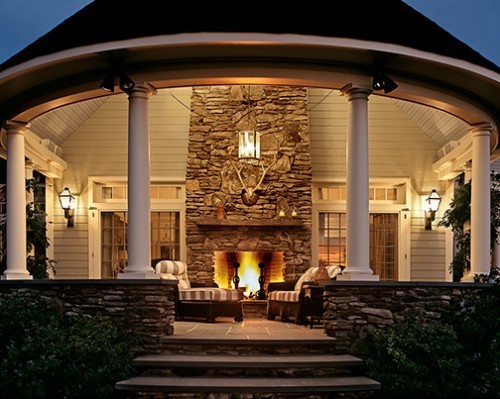
From flush modern surrounds to classic mantels and textured stone, fireplace ideas that help you choose materials, proportion, and styling for your home.
15 Small Bathroom Design Ideas That Make Compact Spaces Feel Larger
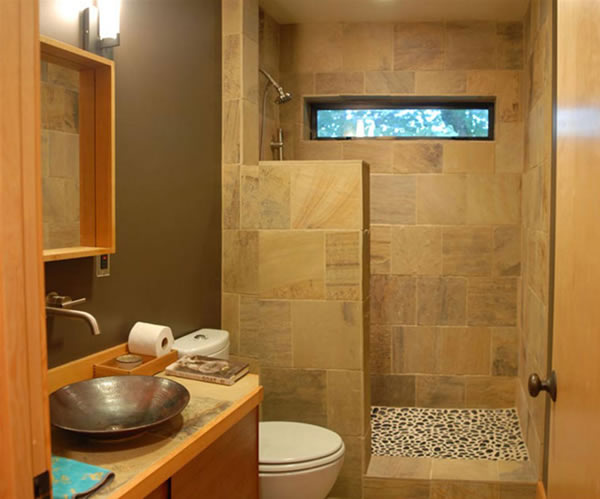
Fifteen compact bathroom layouts—floating fixtures, glass showers, continuous tile, and daylight tricks—that stretch a small footprint without looking sparse.