
20 Amazing Photos Around the World: Cities, Coasts, and Wild Horizons
Twenty travel photographs—from Venice and Istanbul to Molokini, Palau, and Hayman Island—with notes on light, vantage points, and what makes each place photograph.
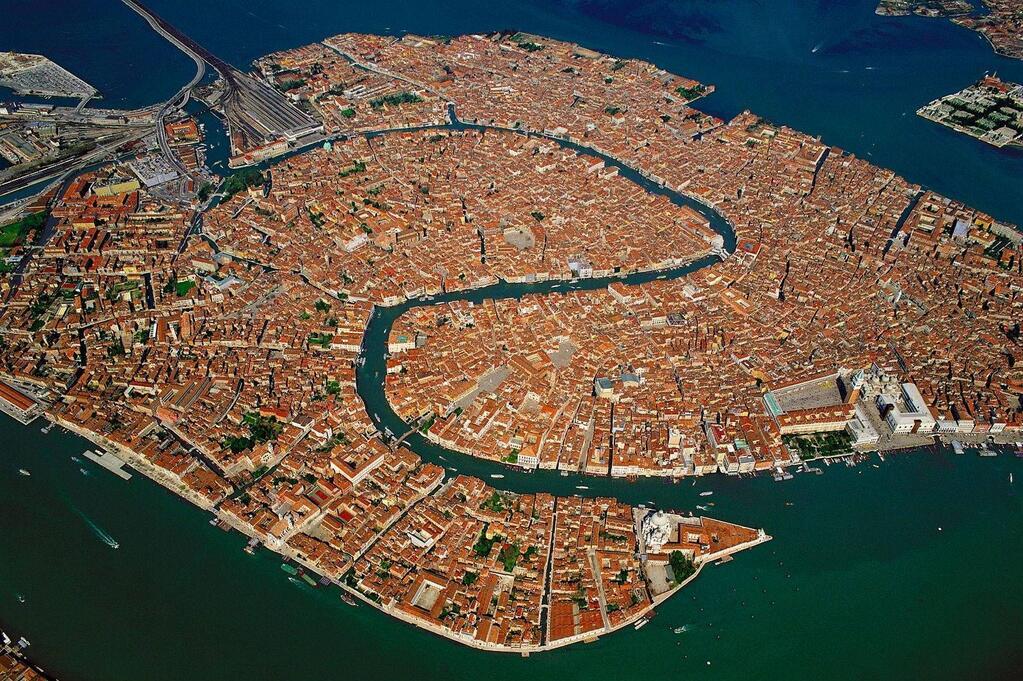
Some places announce themselves before you unpack a camera: canals that mirror façades, bridges that cut fog, cliffs that drop into chalk-white sea. This set of twenty photographs travels from Venetian waterways to Australian reef islands, pausing in cities, volcanoes, and autumn woods along the way. Treat each frame as a reminder that “amazing” usually means light meeting geography at the right hour—not a checklist of famous names alone.
If you shoot travel yourself, notice what these images share: a clear subject, room for atmosphere, and enough context that you know where you are standing. Use them as mood references when planning trips or editing your own files.
1. Venice, Italy
Venice rewards patience more than speed. Reflections double every façade; boats draw leading lines through canals; soft morning haze turns stone warmer than midday glare. Step away from the densest bridges when you can, and let water and silence do part of the composition.
2. Istanbul, Turkey
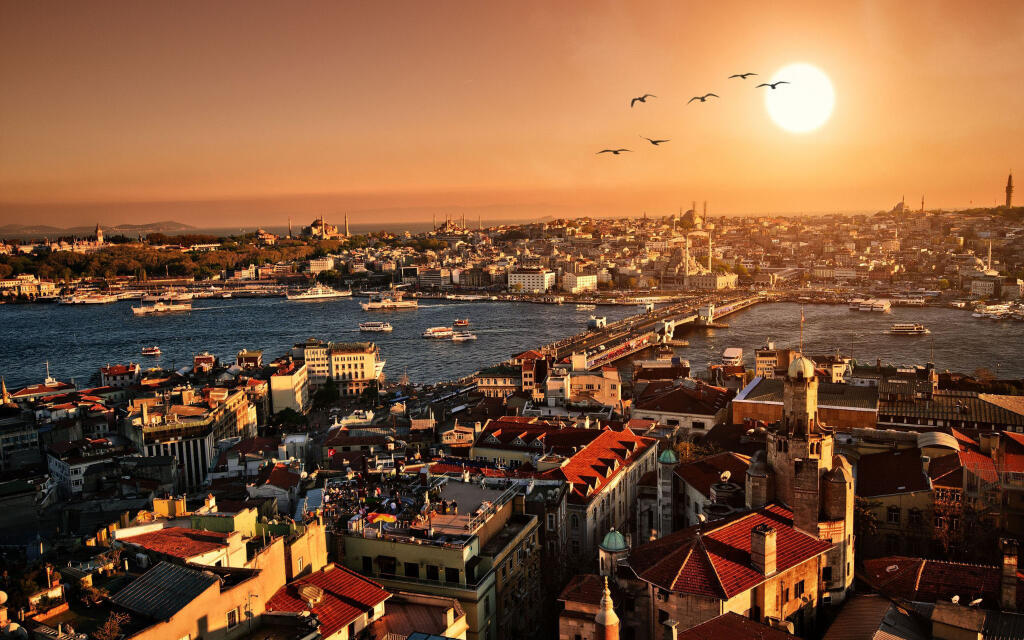
Istanbul’s skyline mixes domes, minarets, and waterfront energy. Photographs that work here often balance architecture with human scale—ferries, markets, and hillside streets—so the city feels lived-in rather than postcard-flat. Golden hour along the water is generous; midday contrast can be harsh, so shade and side light help.
3. Ronda, Spain
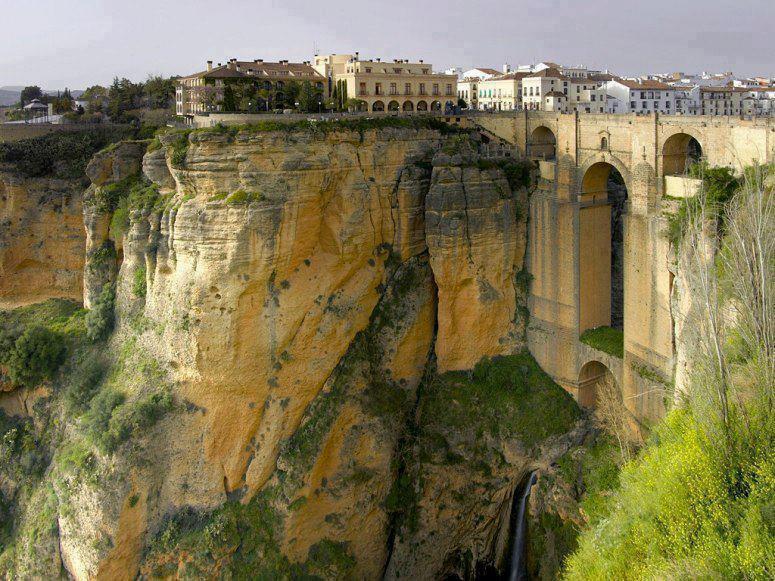
Ronda’s drama is vertical: cliffs, bridges, and a gorge that makes ordinary town views feel cinematic. Wide lenses capture the drop; telephotos isolate bridge arches against distant hills. Visit when soft light scrapes the canyon walls; hard noon sun can flatten the stone.
4. Golden Gate Bridge, San Francisco
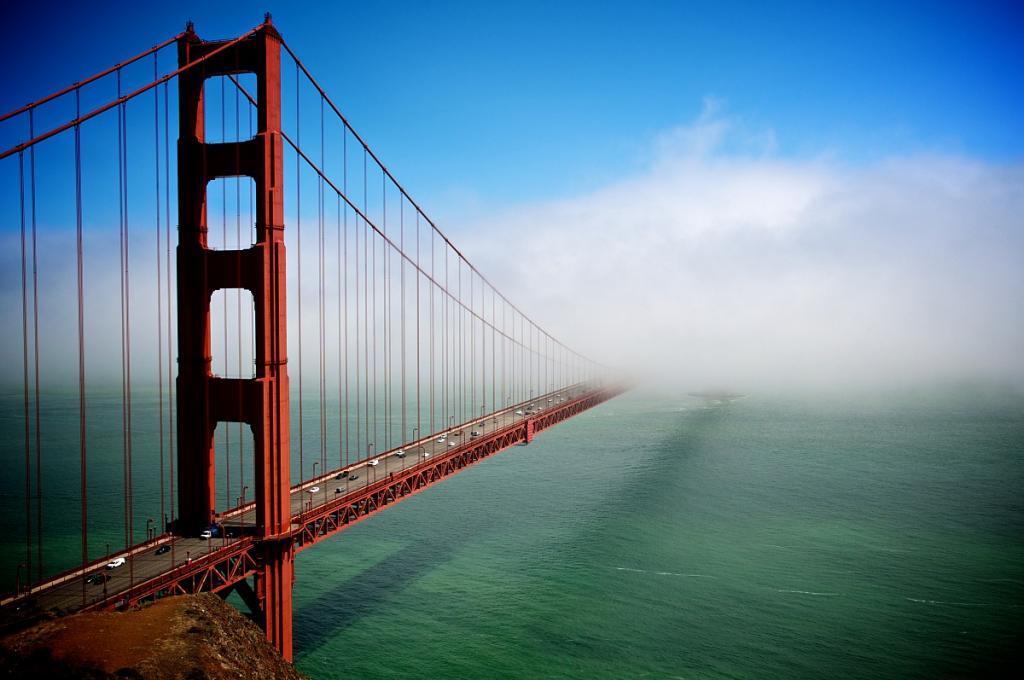
The Golden Gate is one of photography’s most repeated subjects—and still worth shooting when fog wraps the towers or sunset paints the International Orange cables. Change your vantage: Battery Spencer, Crissy Field, or a ferry deck each rewrite the same structure. Embrace weather; clear blue sky is rarely the most interesting version.
5. Molokini Crater, Hawaii
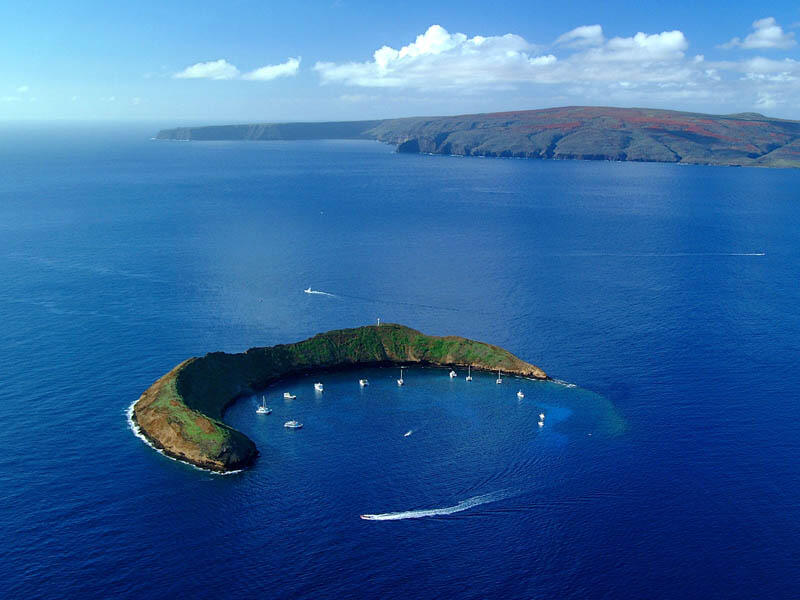
Molokini’s crescent of volcanic rock rising from clear water is a study in shape and turquoise. Aerial or boat views emphasize the curve; underwater frames (where permitted and safe) add a second world beneath the rim. Protect gear from salt spray, and respect marine rules that keep the crater special.
6. Central Park, New York City
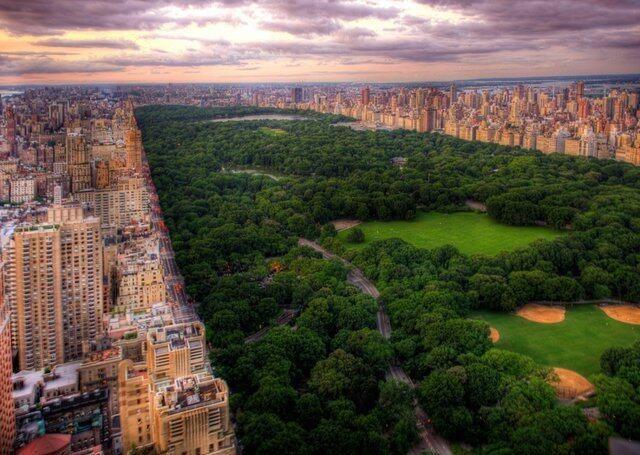
Central Park is a green pause inside vertical density. Bridges, lakes, and tree tunnels give classic compositions; skyline peeking through branches reminds you the city never left. Autumn and snowstorms are generous seasons; summer greens can overwhelm unless you find shade, water, or human moments.
7. Kliuchevskoi Volcano, Russia
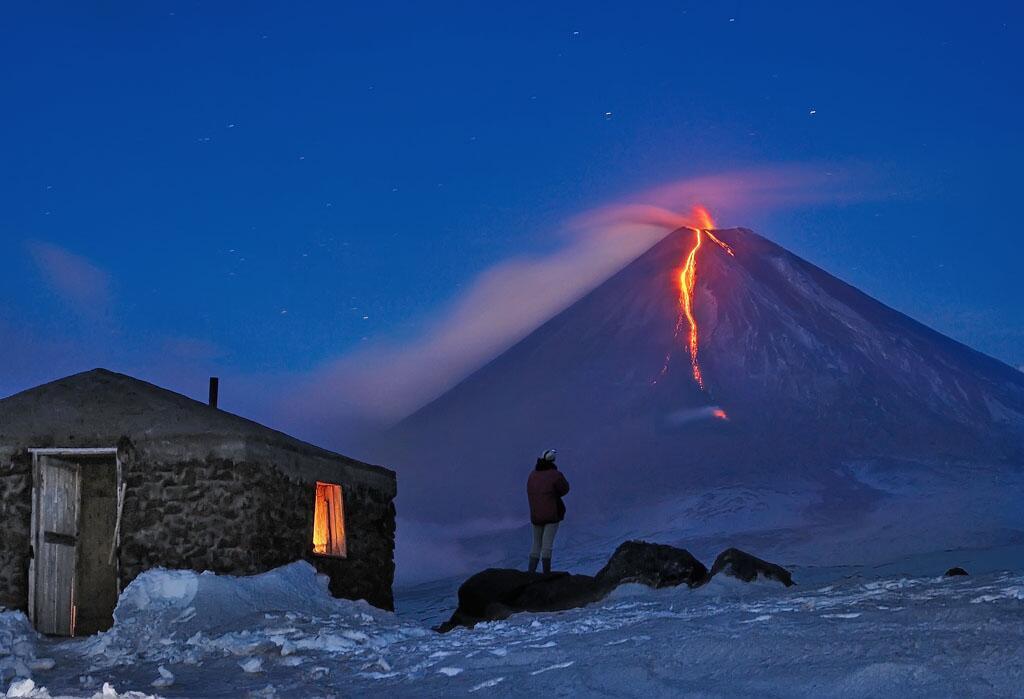
Kliuchevskoi (also spelled Klyuchevskaya) is a reminder that landscape photography can mean remote logistics and patience with weather. Plumes, snow, and scale make the mountain feel almost unreal. Long lenses compress distance; foreground ash or tundra texture keeps the frame from floating as a lone triangle of peak.
8. Ikaria Island
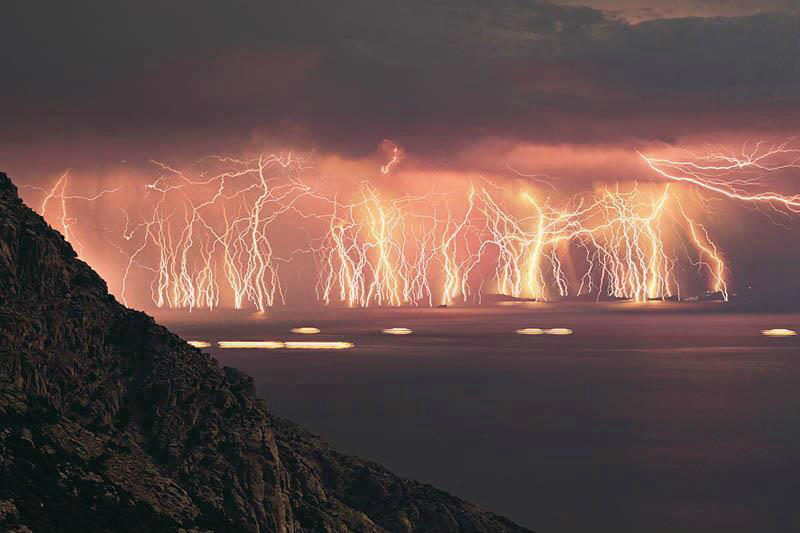
Ikaria, in the Aegean, offers hillside villages, rocky coasts, and a slower island rhythm. Photographs thrive on whitewashed walls, deep blue water, and late light that softens stone. Walk rather than rush viewpoints; small harbors and terrace views often outlast the famous overlooks.
9. Beachy Head, England
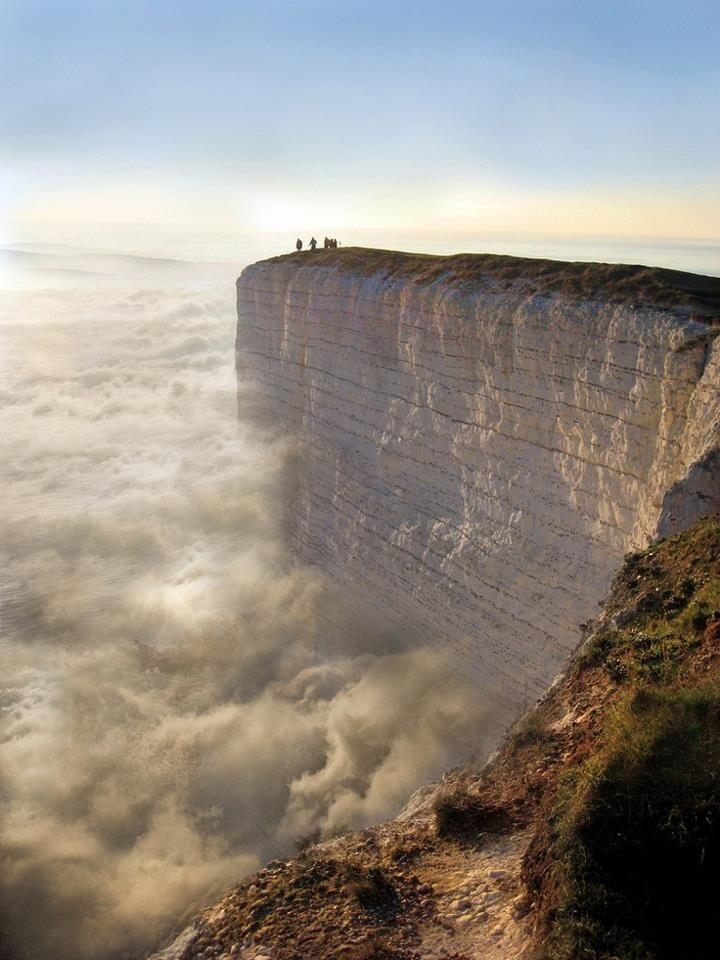
Beachy Head’s chalk cliffs and lighthouse scenes are iconic—and demand respect for wind and edges. Vertical compositions emphasize height; include grass or path in the foreground for scale. Soft overcast English light can be kinder than harsh sun on white chalk.
10. Bern, Switzerland
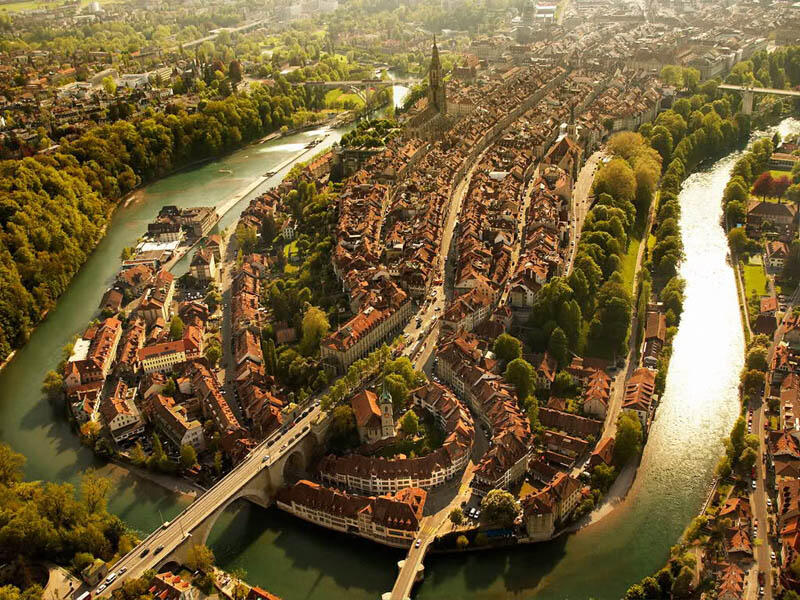
Bern’s old town, river bends, and arcaded streets reward careful walking. Look for red rooftops, the Aare’s curve, and winter fog that turns the city quiet. Architecture photography here is about rhythm—repeating windows, arches, and bridges—more than a single trophy landmark.
11. Africa
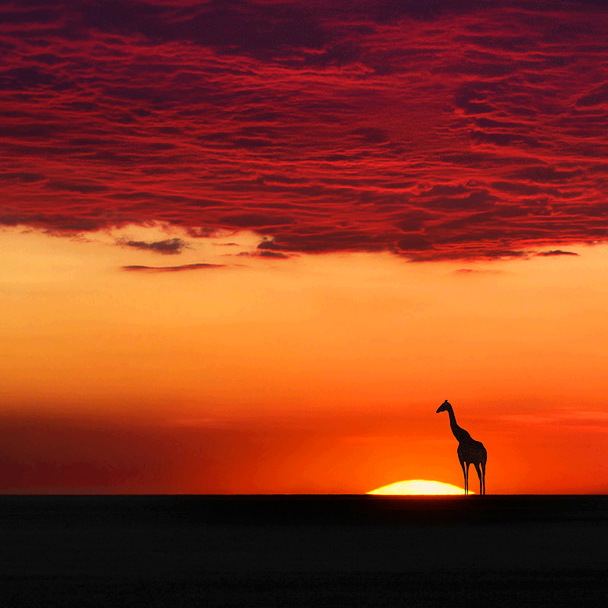
A single image labeled “Africa” cannot represent a continent, but it can still carry the feeling of open land, warm light, and wildlife or horizon that many travelers associate with safari country. When you shoot similar scenes, prioritize ethics and distance: animals first, photographs second. Dust, heat haze, and long glass shape the craft as much as composition.
12. Rock Islands, Palau
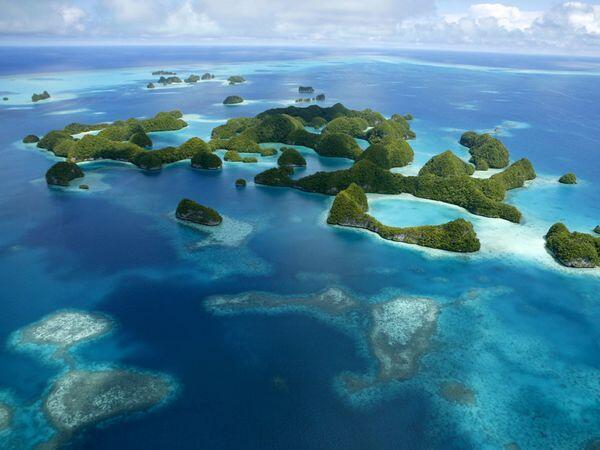
Palau’s Rock Islands are limestone mushrooms rising from turquoise water—shapes that look invented until you stand among them. Aerial and boat perspectives both work; protect marine parks by following local guidance. Color is the story: green canopy, white rock, blue lagoon in layered bands.
13. Bali, Indonesia
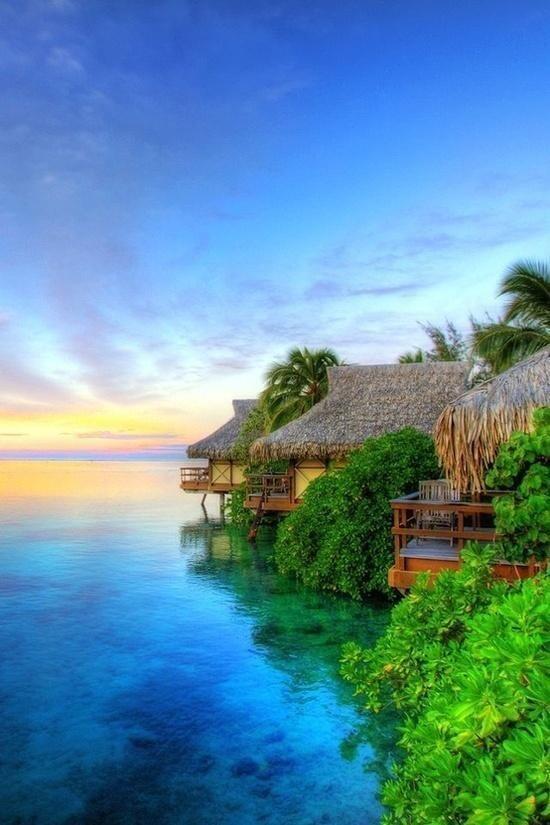
Bali’s visual language includes terraces, temples, coasts, and dense green. Respect sacred sites when photographing; ask before including people in ritual spaces. Soft morning mist on rice fields remains a classic for good reason—steam and light turn geometry into atmosphere.
14. Burgundy Street, Madrid
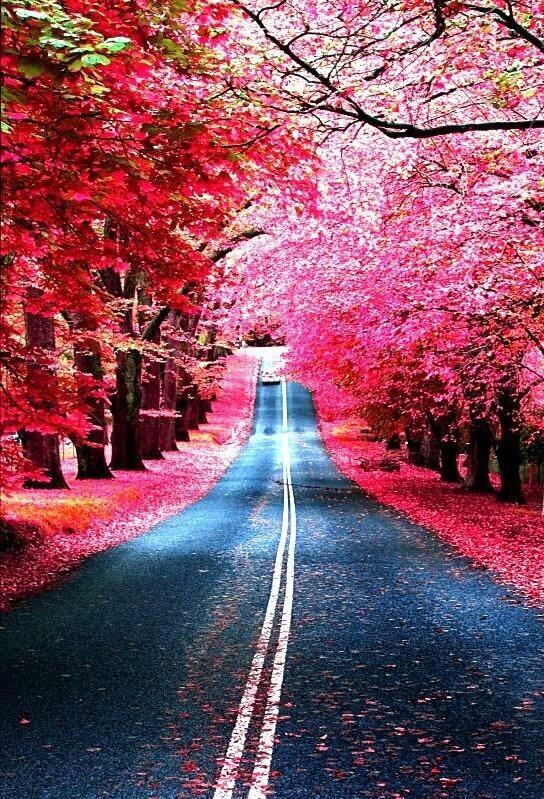
Street scenes in Madrid thrive on color, café life, and late Iberian light. A “burgundy” corridor of façades or shop fronts becomes a study in warm tones and vertical framing. Shoot when sidewalks feel alive but not crushed; include one human figure for scale when privacy and courtesy allow.
15. Fairytale Cottages, England
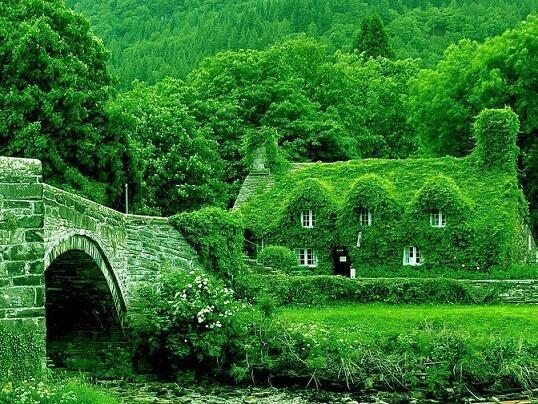
Thatched cottages and cottage-garden paths read like storybook covers because texture does the work: straw, stone, climbing roses. Overcast days reduce harsh shadows on white walls. Stay on public paths; these homes are lived-in, not theme-park sets.
16. Red Autumn Woods, Portugal
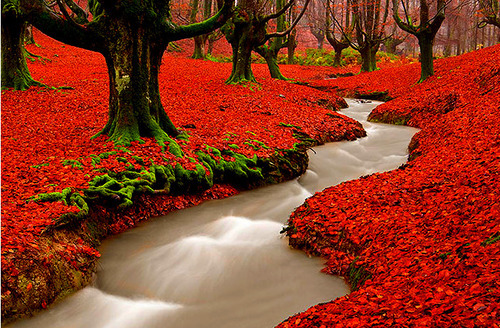
Autumn woods in Portugal can blaze with red and copper when the season aligns. Look for paths as leading lines, leaf carpets as foreground, and soft backlight that makes foliage glow. A polarizer can deepen sky between branches; expose carefully so reds do not clip.
17. Portofino, Italy
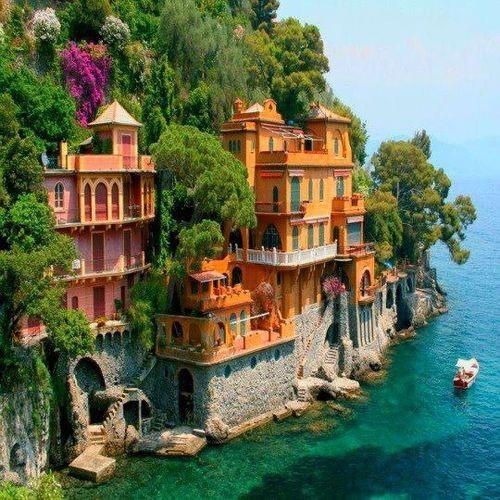
Portofino’s harbor colors—pastel houses, boats, steep green hills—are almost unfairly photogenic. Climb slightly above the quay for a classic bowl-of-color composition, or stay at water level for intimate boat details. Early morning reduces crowds that fill the same frames by midday.
18. Cherry Blossoms, Germany
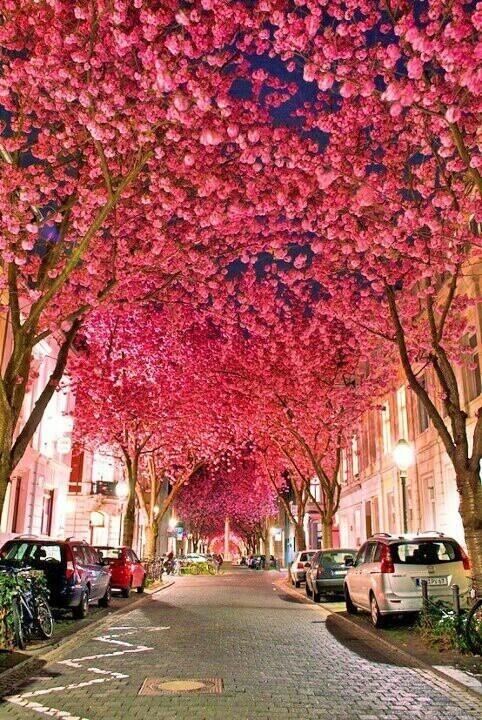
Cherry blossoms in Germany—often celebrated along avenues such as Bonn’s famous stretch—turn ordinary streets into pink tunnels. Shoot under the canopy looking up, or along the road for vanishing lines of bloom. Peak windows are short; weather and wind decide whether petals last another day.
19. Water Tower Place, Chicago
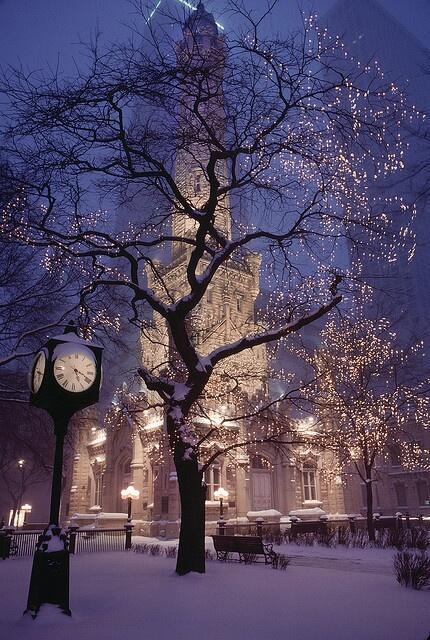
Chicago’s historic Water Tower and nearby Water Tower Place sit in a corridor of glass and limestone. Night lights and winter snow make the old stone tower glow against modern towers. Urban photography here is about contrast: historic detail against skyscraper grids, street life against cold architecture.
20. Hayman Island, Australia
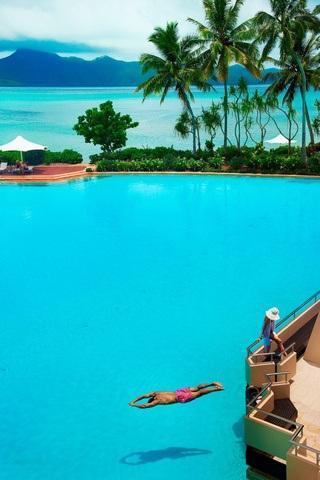
Hayman Island, in the Whitsundays, offers reef-edge blues, white sand, and resort-framed horizons. Water clarity and sky drama do most of the work; a simple foreground—palm frond, boat bow, or wet sand reflection—keeps frames from feeling like brochure stock. Protect coral and follow local access rules when exploring beyond the beach.
What ties the set together
Across canals, cliffs, volcanoes, and city streets, these photographs succeed when place remains legible. Color helps—turquoise lagoons, pink blossoms, International Orange steel—but structure matters more: a bridge spanning fog, a harbor bowl of houses, a path into red woods.
If this gallery sparks a trip list, pick one region and go deep rather than racing for twenty stamps. Return to the same overlook at a different hour. Learn how locals move through the space. The file you keep will rarely be the first shutter press; it will be the one where weather, timing, and curiosity finally lined up.

Comments
Continue reading
World’s Famous Cities in the Past
From Prague 1964 to Paris 1948 and Las Vegas 1959, a photo tour of well-known cities as they looked in earlier decades—streets, crowds, and transit before today’s skyline.
Travel Wish List: Austria’s Palaces, Lakes, and Alpine Valleys
Vienna’s Schönbrunn, Melk Abbey, Salzburg gardens, Hallstatt and Gosau lakes, Innsbruck, and Vorarlberg—Austria as imperial culture and alpine landscape in one passport.
Darkened Cities by Thierry Cohen: Starry Skies Restored to Megacities
Paris photographer Thierry Cohen composites daylit cityscapes with desert star fields from the same latitude—giving Hong Kong, New York, Tokyo and more the night skies light pollution hides.