
Paper Flower Wedding Bouquets: Keepsake Ideas Without the Fresh-Flower Price
Why paper bridal bouquets work—cost, travel, color, and keepsake value—plus style, materials, DIY vs maker tips, and day-of care for lasting handmade blooms.
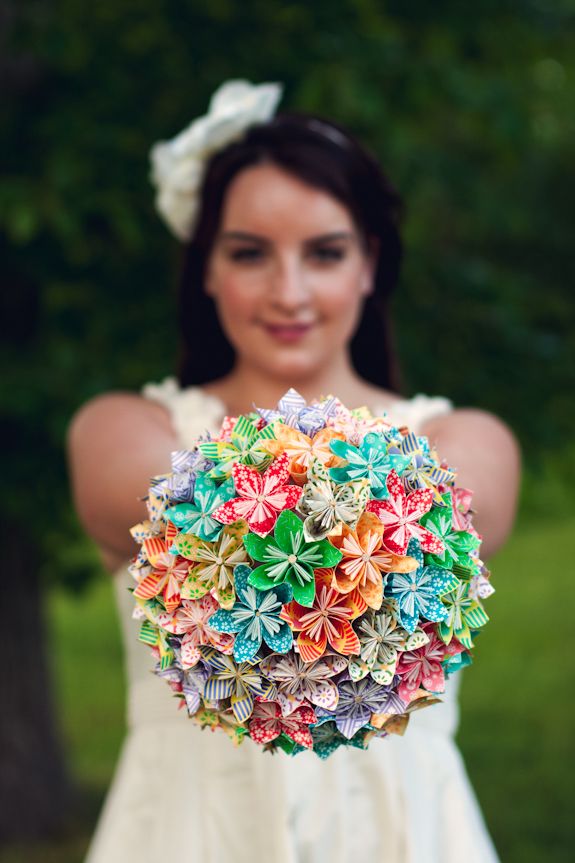
A bridal bouquet does not have to drain the floral budget to feel intentional. Paper flower arrangements—whether crisp white, soft blush, or boldly colored—can look refined in photographs, travel better than delicate fresh blooms, and become a keepsake you actually keep. Many couples choose them because the materials are relatively low-cost compared with premium fresh stems, yet the finished piece still feels handmade and personal rather than like a last-minute substitute.
If you have ever wondered whether a paper bouquet can hold its own on a wedding day, the short answer is yes—when the design is deliberate, the scale matches your dress, and the stems are built to survive hugs, humidity, and a long receiving line. Some brides commission artists; others fold and assemble their own. Either path can produce something you will want to display long after the cake is gone.
Why paper flowers work for wedding bouquets
Fresh flowers are beautiful and perishable. They bruise in transit, wilt in heat, and vanish into compost or a vase that lasts a week. Paper flowers flip that timeline. Petals can be shaped weeks in advance, packed carefully, and still look camera-ready at the ceremony. For destination weddings, outdoor summer dates, or winter ceremonies when certain blooms are scarce or expensive, paper becomes a practical design tool rather than a craft compromise.
Cost is part of the appeal, but it is not the only one. A handmade bouquet can echo invitations, table numbers, or a paper flower backdrop so the whole day shares one material language. Guests notice coherence. Photographers notice that the bouquet still looks sharp in golden-hour portraits when fresh petals might have started to nod. And when the reception ends, you can place the bouquet on a shelf instead of watching it fade on the kitchen counter.
Paper also widens color options. True whites stay white. Saturated reds and blues do not rely on dyed fresh stems that may bleed or look artificial under flash. Metallic accents, watercolor washes, and patterned scrap papers can reference a cultural motif or a favorite book without fighting botanical seasonality.
Styles that photograph well
Round, classic hand-tied shapes still dominate bridal imagery, and paper translates them cleanly when blossom sizes are mixed—larger focal “roses” or peonies surrounded by smaller filler blooms and a few green leaves for depth. Cascading bouquets work if the hanging elements are wired securely; gravity is less forgiving with paper than with flexible fresh stems, so reinforce the spine of any trailing piece.
All-white paper bouquets read ethereal and formal, especially against lace or satin. Soft pastel mixes feel garden-party without pollen. Bold color-blocked designs suit modern dresses and graphic venues. Some makers build botanical accuracy—crepe-paper roses with carefully frilled edges—while others lean sculptural, with geometric petals that read as art objects in the hand. Neither approach is wrong; match the bouquet’s personality to the dress and the room.
Scale matters as much as style. A bouquet that looks perfect on a craft table can overwhelm a slender sheath or disappear against a ballgown. Hold mock-ups against the dress in natural light. Check how the bouquet sits when you walk, sit, and pass it to a maid of honor. Paper can be surprisingly light, which helps tired arms—but a dense foam core or heavy wiring can erase that advantage, so ask makers about weight before you fall in love with a towering design.
Materials and construction basics
Crepe paper remains a favorite because it stretches and shapes into petal curves that catch light like real blooms. Cardstock and lighter craft papers suit graphic or origami-inspired flowers. Tissue creates soft volume for filler. Book pages, sheet music, and maps turn a bouquet into a narrative object—beautiful when the story is genuine, cluttered when every petal tries to tell a different tale. Pick one paper family as the lead and use accents sparingly.
Stems are usually floral wire wrapped in floral tape, with optional wood dowels for structure in larger blooms. Secure joins matter: a blossom that twists loose mid-aisle is the nightmare you avoid with glue that cures fully and tape wrapped under tension. Leaves and calyxes should be finished on the back and sides; cameras catch angles you do not pose for.
If you DIY, build a timeline. Petal cutting can happen in evenings weeks ahead. Assembly and bouquet binding should finish early enough for a dress rehearsal with your actual gown or a similar silhouette. Store finished flowers away from humidity and direct sun so whites do not yellow and dark papers do not fade before the first look.
DIY versus commissioning a maker
Making your own bouquet can feel invaluable precisely because your hands were in it—late nights, playlist on, friends helping with petal stacks. It is also a real time commitment. Templates, glue dry times, and imperfect first attempts are part of the process. Start with a small practice bloom before you cut a hundred petals for the real set. Budget for better crepe and sharp scissors; cheap paper that tears will cost more in frustration than in cash.
Commissioning a paper florist or specialty maker buys skill and consistency. Share dress photos, color swatches, bouquet size preferences, and must-have flower types. Ask for a sample bloom if the budget allows. Clarify shipping dates for destination events and whether the maker includes a bouquet wrap, ribbon, or stems finished for photos. Handmade does not automatically mean informal—many paper artists deliver couture-level finish.
Hybrid approaches work too: a professional focal bouquet for the bride, simpler DIY paper posies for bridesmaids, or paper blooms mixed with a few hardy fresh sprigs if you want scent without full floral cost. Keep proportions honest so the mix looks designed, not accidental.
Color stories: white, soft, and bold
White and ivory paper bouquets remain favorites for traditional ceremonies. They photograph cleanly, pair with almost any bridesmaid palette, and age into keepsakes that still feel bridal on an anniversary shelf. Add subtle texture—pearlescent paper, faint embossing, or a single soft gray leaf—so the arrangement does not read as flat under bright sun.
Blush, peach, and butter yellow create warmth without heavy saturation. Deep burgundy, navy, and forest green paper flowers make dramatic statements in autumn and winter weddings or against pale stone venues. If your invitations already use a strong accent color, echoing it in a few paper blooms ties stationery to the aisle without forcing every petal to match a Pantone chip.
Patterned papers should be edited. One map rose among solid crepe blooms can be poignant; twenty competing patterns fight the dress. The same rule applies to metallic foils—use them as light catchers, not as the entire bouquet.
Day-of logistics and longevity
Assign someone to carry a spare ribbon and a small repair kit: extra floral tape, a glue pen, and a few spare petals in matching paper. Paper resists wilt, not crushing—do not leave the bouquet under coats or in a hot car. For outdoor wind, a slightly tighter binding and fewer ultra-light tissue layers help. Rain is the main enemy; have an umbrella plan and a towel for hands before portraits so dye or sizing from cheap papers does not transfer to the dress.
After the wedding, dust gently and keep the bouquet out of prolonged sunlight if you want colors to hold. Some couples commission a shadow-box frame; others simply place it in a vase without water as a permanent object. Either way, you keep the shape of the day in a way fresh flowers cannot offer.
Choosing an idea that fits your day
Paper wedding bouquets succeed when they solve a real need—budget, travel, season, allergy, or the desire for a handmade keepsake—while still looking like a bouquet you are proud to hold. Decide white versus color, classic round versus cascade, DIY versus maker, and how the piece will live after the reception. Then build or commission with enough lead time that the last week is about calm, not glue drying on the kitchen counter.
You do not need to pay an arm and a leg for a dream bridal bouquet. With thoughtful paper flowers—colorful or simply white—you can walk the aisle with something tailored, photographable, and lasting. Whether you fold every petal yourself or trust a specialist’s hands, the best arrangements feel inevitable in the photos: not a craft project you settled for, but the bouquet that belonged to the day.

Comments
Continue reading
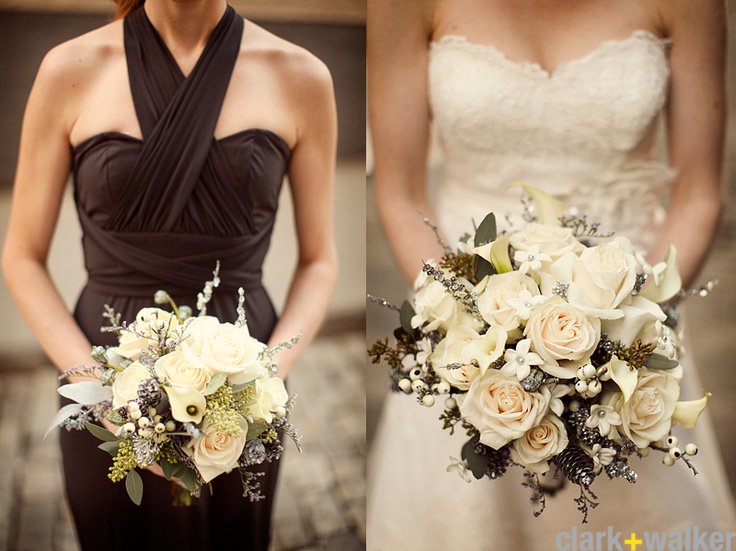
Winter Wedding Bouquets: Berries, Evergreens, and Cold-Season Texture
Inspiration for bridal bouquets that embrace winter—evergreens, berries, dried elements, feathers, and practical tips for cold venues and coats.
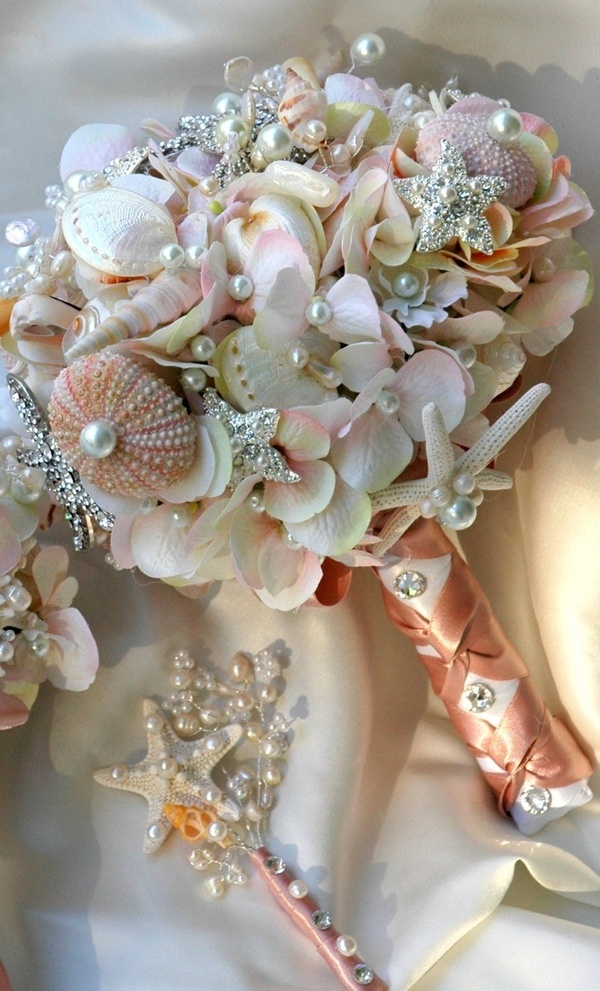
Pink Bridal Bouquets: Peonies, Roses, and Soft Pastels
Pink wedding bouquet ideas—peonies, roses, ranunculus, mums—with shade matching, shapes, and practical tips for brides.
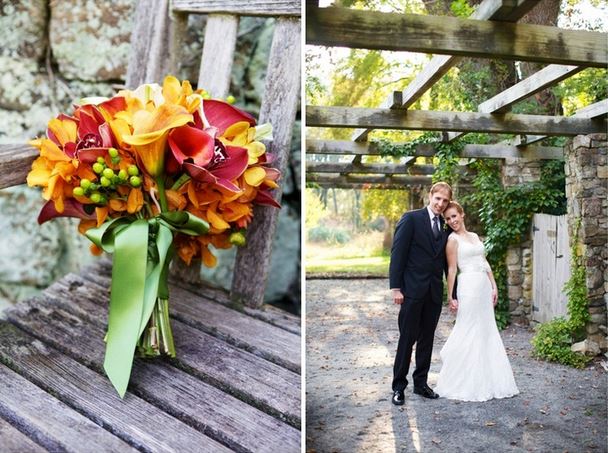
Warm and Earthy Fall Wedding Bouquets
Rust, burgundy, amaranthus, and garden texture — how to build seasonal bridal bouquets that feel like autumn, not forced pastels.