
5 Creative Ways to Turn Old Items into New Art: Bend, Sit, Collage, Combine, Sew
Bend ladders and metal, build suitcase seating, collage scrap, combine broken pieces into mosaics, and sew worn fabric into bags—five upcycling methods for new art.
Throwaway culture treats almost everything as temporary: a ladder that looks tired, jeans with one bad tear, a suitcase that no longer travels, glass that cracked once. Upcycling starts from a different premise. Old objects still hold shape, color, and story. With a few techniques—bending, seating, collaging, combining, and sewing—you can turn discards into artful furniture, wall pieces, and everyday bags without waiting for a craft-store identity crisis.
The five approaches below are methods more than rigid recipes. Use them as lenses when you open a closet or garage. Ask what an object can become once you stop insisting it remain what it was.
1. Bend it
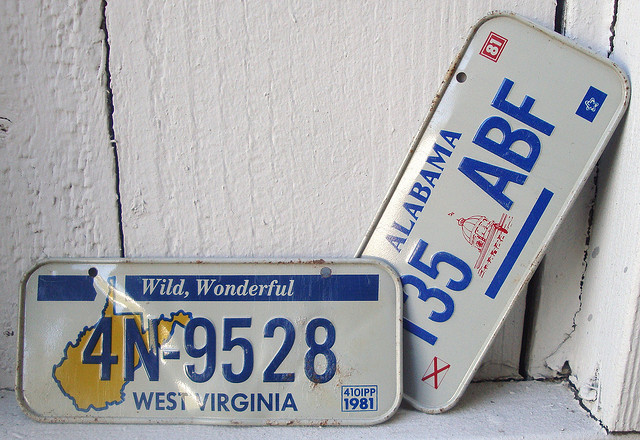
Bending is both literal and mental. Literally, metal and some woods can be reshaped; mentally, you reassign function. A wooden ladder cut carefully and set into a corner becomes a vertical bookshelf with built-in rungs for display. License plates or thin scrap metal can wrap a plain mailbox, riveted or screwed into place, until the curb presence feels like folk assemblage rather than hardware-store default.
Work with respect for structure. If you cut a ladder, confirm remaining rails are sound and fasten the piece to the wall if height or load demands it. Sand splinters. For metal wraps, wear eye protection, drill clean holes, and avoid sharp edges at hand height. Paint or clear-coat when weather will touch the piece.
The artistic win is silhouette. A bent or reoriented object keeps recognizable DNA—rungs still look like rungs; plates still carry typography—while serving a new job. That tension between memory and use is what makes upcycled work feel intentional instead of merely thrifty.
Start small if tools intimidate you: reshape a wire hanger into a wall hook sculpture, or curve a soft metal strip into a simple desk tray edge. Once you trust your hands, larger “bend it” projects become less mysterious.
2. Sit on it
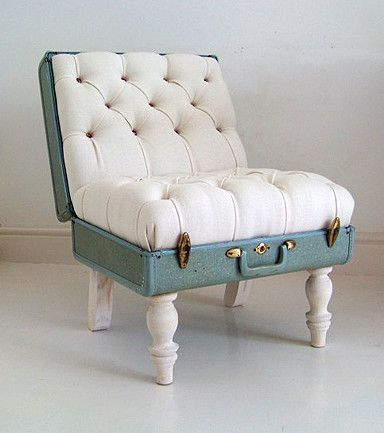
Some of the best upcycled art doubles as seating. An old suitcase, reinforced and fitted with sturdy legs and a cushion, becomes a statement chair or ottoman that still whispers travel. A solid crate, trunk, or industrial remnant can take the same treatment: secure base, safe legs from a craft supplier or salvaged furniture, padding that actually invites sitting.
Strength and safety come first. Legs must be rated for weight and attached with proper brackets, not hopeful glue. Suitcase shells vary; reinforce weak corners. Use foam and fabric you can clean. If the piece will live in a hallway, keep the footprint honest so people do not trip.
Visually, let the original material show. Scuffed leather, vintage stickers, or worn canvas are part of the composition. Over-refinishing can erase the reason you saved the object. A tailored cushion in a coordinating fabric bridges “found” and “finished.”
This method teaches a useful design habit: look for volume and a flat top. Anything with a stable upper plane and enough depth for cushioning is a candidate. Reject soft, rotting, or chemically unsafe materials. Art that collapses under a guest is only a punchline.
3. Collage it
Collage is the childhood skill adults forget they already know. Gather small objects you nearly tossed—buttons, tickets, hardware, fabric scraps, broken jewelry findings—discard anything that will rot or attract pests, then arrange them inside a frame, shadow box, or shallow tray before gluing. The loose layout stage is where the art happens; attachment comes second.
Theme helps. A travel collage, a monochrome hardware study, or a color-family arrangement reads clearer than a random junk drawer glued flat. Leave negative space so the eye can rest. Vary height if the box is deep enough; dimensional collage catches light better than a single flat layer.
Adhesives should match materials: fabric glue for cloth, strong craft adhesive for metal and plastic, museum gel or removable options if you want to revise. Seal paper elements if humidity is an issue. Hang with hardware that supports the finished weight.
Collage also works at room scale: a painted board as ground, larger salvaged pieces as focal points, smaller bits as rhythm. The rule remains the same—compose first, commit second.
4. Combine it with other old items
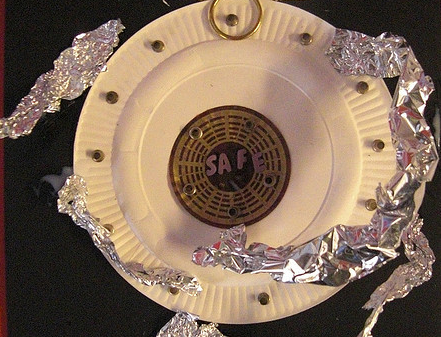
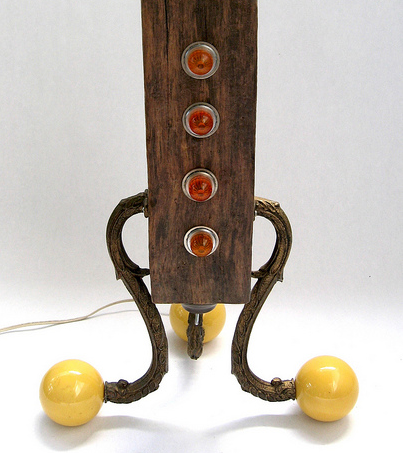
Combination is collage’s bolder cousin. When one object cannot carry a new life alone, join it to others until a coherent piece appears. A plank becomes a shelf when brackets and a salvaged drawer front collaborate. Damaged glass, handled carefully, can become mosaic tesserae for a window panel or framed artwork—never a project to rush without gloves, eye protection, and dulling of razor edges.
Fantasy combinations also belong here: small glass pieces adhered as “scales” on a fabric or stuffed form, mixed-media creatures built from toys and scrap, lamps assembled from mismatched bases and shades that somehow agree on color. The artistic question is unity. Shared palette, repeated shape, or a single dominant silhouette keeps “stuck together” from reading as chaos.
Safety notes are non-negotiable with glass and electronics. Do not create functional drinking vessels from unknown salvaged glass coatings. Do not wire lamps unless you understand safe electrical practice—or have a qualified person help. Decorative mosaics behind glass or with thoroughly smoothed edges belong in homes; jagged experiments belong in the discard bin.
Combination rewards inventory. Lay candidates on a table and force marriages: wood with metal, soft with hard, matte with gloss. Photograph promising pairings before permanent attachment.
5. Sew it
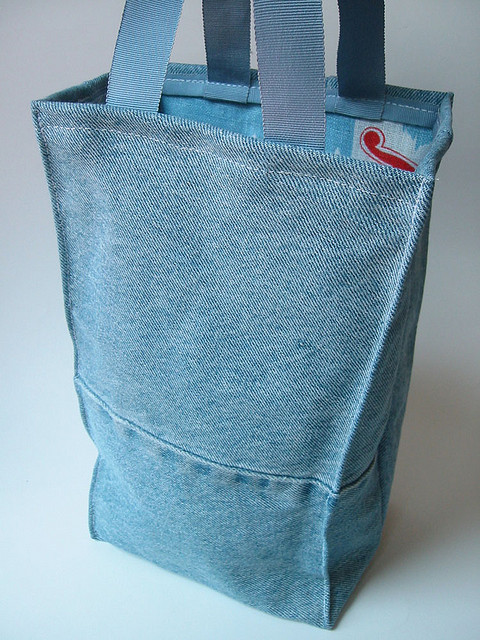
Fabric fails in one role and thrives in another. Jeans with a rip that is not easily invisible can become a lunch tote, purse, or bike bag if you cut panels strategically and reinforce seams. Curtains become pillow backs. Sweaters become cozy soft-sculpture covers. Sewing is the upcycler’s way of keeping textile history in circulation until fibers are truly spent.
Design around the damage. Place worn areas where pockets or folds hide them, or celebrate patches as visible mending. Use a denser stitch where straps meet the body of a bag. Line soft bags if contents need structure. Wash and dry materials before sewing so later shrinkage does not warp your work.
You do not need couture skill. Straight seams, simple straps, and careful pressing already lift results. If you hand-sew, shorter stitches on stress points repay the time. Keep needles and pins off the floor; upcycling spaces get cluttered quickly.
When fabric is finally threadbare, smaller uses remain: stuffing, cleaning rags, or quilt scraps. The sew-it mindset delays the trash bag without demanding every scrap become a masterpiece.
A working habit, not a one-weekend purge
Upcycling sticks when it becomes a pause before disposal. Bend what can change shape. Sit on what has volume. Collage what is small and evocative. Combine what needs partners. Sew what is still strong in the fiber. Those five verbs cover most of the garage without requiring a new personality—only a willingness to see second purposes.
Keep a “maybe” bin with size limits so saving does not become hoarding. Set a date to make or release each item. The art is not in owning scraps forever; it is in the moment an old object earns a new job and looks like it always belonged that way.

Comments
Continue reading

DIY Craft Ideas Roundup: Pin Cushions, Upcycled Furniture, and Seasonal Décor
From cupcake pin cushions and crayon wreaths to pallet herb shelves and wine-barrel chairs—practical DIY crafts built from scraps, salvage, and weekend patience.
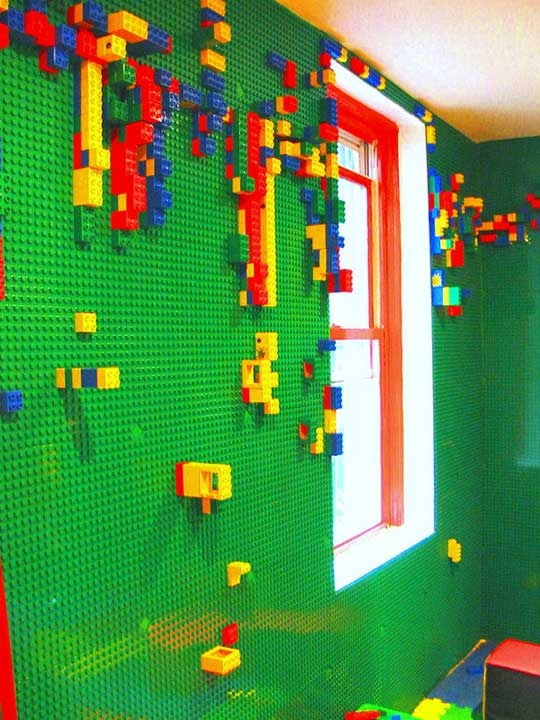
DIY Crafts Roundup #3: Mason Jar Lights, LEGO Walls, and Salvage Projects
Mason jar chandeliers, crayon street-art canvases, belt handbags, LEGO play walls, and salvaged-door mirrors—DIY projects that change how a room works.
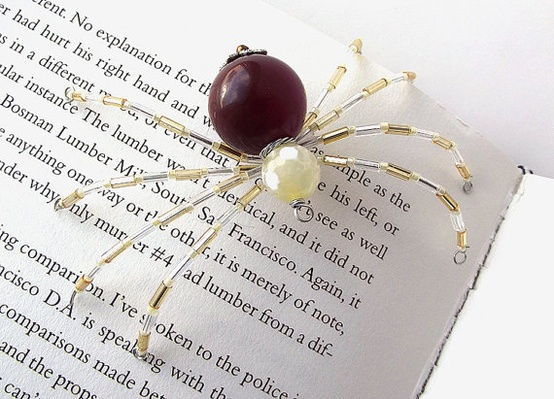
DIY Craft Ideas: Ornaments, Upcycling, and Kitchen Hacks
Beaded spiders, melting snowmen, cork trees, sock animals, mason-jar cranberries, and kitchen upcycles—handmade projects from thrift finds and leftovers.