
Abandoned Cars Reclaimed by Nature: Rust, Growth, and Quiet Ruin
When neglected vehicles are left outdoors long enough, rust, moss, and trees rewrite them into strange still lifes—sad, photogenic, and slowly returning to the ground.
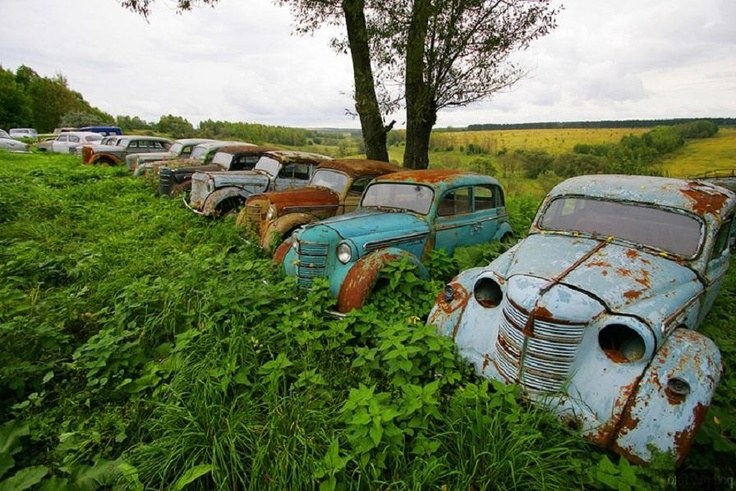
Nature has always fed artists with texture, light, and time. The relationship between people and the living world becomes especially sharp when a manufactured object is left outdoors long enough for weather, plants, and soil to rewrite it. Abandoned cars are among the clearest examples: steel, glass, and rubber slowly turn into habitat, sculpture, and cautionary still life at once.
Left alone for years, a vehicle’s body softens into rust, moss, and shadow. What once promised speed becomes a quiet study in decay—and, oddly, in beauty. The photographs below sit in that tension: sad because someone once drove away and never returned, stunning because nature refuses to leave empty space alone.
Why abandoned cars draw the eye
A car is designed to look finished. Paint is sealed, panels are aligned, chrome is polished. When that finish fails, the object becomes readable in a new way. You see seams, welds, and the thinness of sheet metal. You notice how water pools in a wheel well, how a tree root lifts a bumper, how ivy treats a door handle like any other branch. Photographers and painters have long chased this kind of honesty—surfaces that admit age instead of hiding it.
There is also a human story inside every wreck, even when no name is attached. Someone bought the car, parked it, maybe meant to fix it “next season.” Then seasons stacked up. Ownership became rumor. The machine stopped being transportation and started being landscape. That shift—from tool to ruin—is what makes these scenes feel dramatic without needing a special effect.
In visual terms, abandoned cars offer strong contrast: hard geometry against soft foliage, industrial color against earth tones, straight lines broken by vines. A single frame can hold nostalgia and indifference at the same time. Nature does not “win” in a moral sense so much as it continues. The car is simply no longer defended.
How nature reclaims steel
Reclamation is rarely sudden. It begins with small failures—a cracked seal, a broken window, a drip that freezes and expands. Moisture reaches bare metal. Oxidation spreads as orange bloom, then flakes, then holes. Interior foam collapses. Upholstery becomes soil for seeds that blow in through open doors. In damp climates, moss and ferns colonize roofs and hoods. In dry climates, dust and sun bleach paint into pale maps of former color.
Trees do slow, patient work. A sapling that germinates beside a fender can, over a decade, split a panel or lift a chassis. Roots seek moisture under shade the car itself creates. Birds nest in cavities. Insects treat the cabin like a cave. What looks like stillness in a photograph is usually a long negotiation among water, oxygen, plant pressure, and gravity.
Color tells part of the timeline. Fresh abandonment still shows factory paint and relatively intact glass. Mid-stage wrecks glow with rust and lichen. Late-stage hulks dissolve into silhouette: a recognizable grille shape, a collapsed roof line, a wheel half swallowed by grass. Each stage photographs differently. Early ruin can feel eerie because the car still looks almost usable. Late ruin feels archaeological—an artifact half returned to the ground.
Places these scenes tend to appear
You find reclaiming cars in forgotten farmyards, behind barns, along old logging roads, in desert washes, and at the edges of small towns where storage turned into neglect. Some sit in forests where canopy light freckles chrome that no longer shines. Others rest in open fields, exposed to every storm. Coastal wrecks pick up salt and faster corrosion. Mountain wrecks may freeze and thaw until metal fatigues into lace.
There are also intentional “car cemeteries” and scrap yards where rows of vehicles wait for parts or crushing. Those sites can look cinematic, but they are workplaces with hazards and ownership rules. The quieter, accidental abandonments—single cars left where a driveway ended—often feel more intimate. One machine, one patch of earth, one long pause.
Whatever the setting, the ethics of looking matter. Private land is private. Unstable metal can cut. Glass shatters. Fluids may remain toxic. The best approach for photographers is curiosity without trespass: shoot what you can from public ground, ask permission when possible, and leave the scene as found. Nature is already doing the editing; you do not need to rearrange the wreck for a better composition.
Reading a photograph of ruin
A strong image of an abandoned car usually does more than document rust. It balances scale. Include enough surrounding growth to show that the vehicle is no longer the center of a driveway but a temporary island in living matter. Use available light: overcast days soften glare on metal and deepen color in moss; late sun rakes texture across flaking paint; fog can turn a familiar sedan into something half-dreamed.
Detail frames matter as much as wide shots. A cracked speedometer under leaves, a seat spring erupting through fabric, a tire flattened into the shape of the ground—these close views make time tangible. Wide frames tell the story of place. Close frames tell the story of material. Together they explain why the subject keeps appearing in art books and mood boards: it is industrial design meeting entropy, and both are photogenic.
Black-and-white treatments emphasize form and tonal drama. Color treatments emphasize the unlikely palette of oxidized paint beside living green. Neither is more truthful; each chooses a different emphasis. What matters is honesty about the scene’s stillness. These are not action photographs. They are portraits of aftermath.
Man-made objects, living systems
Artists return to abandoned cars because the subject compresses a larger theme: human systems are temporary, while biological and geological processes keep going. A highway network can look permanent until a single vehicle, left alone, proves how quickly “permanent” becomes porous. The car was marketed as freedom and status. In decay, it becomes a reminder that status does not maintain itself against weather.
That reminder does not have to be preachy. Many viewers simply respond to the strangeness of seeing a familiar object out of context—like finding a chair in a river or a clock in a tree. Familiarity makes the transformation visible. You know what a door should do; watching vines hold it shut forever is enough story for a quiet afternoon of looking.
There is melancholy in that, and also a kind of relief. Nature’s reclaiming is not revenge so much as metabolism. Carbon, iron, and water rearrange. Seeds take opportunity. The landscape absorbs what people stop tending. In that sense, photographs of reclaimed cars are less about cruelty and more about continuity—proof that the world does not wait for permission to keep growing.
What to notice next time you see one
If you pass a long-forgotten vehicle on a rural road, pause—safely—and notice stages rather than novelty. Is paint still dominant, or has rust taken the surface? Are windows intact? Has a plant chosen the cabin as shelter? Is the car sinking, listing, or still sitting level on tired tires? Those questions turn a quick glance into observation.
For makers—photographers, illustrators, writers—the subject rewards patience. Return in different seasons. Winter strips leaves and reveals structure. Spring softens edges with new growth. Autumn adds warm color against cold metal. A single wreck can yield a small series if you treat it as a changing set rather than a one-time curiosity.
And if you never shoot at all, the lesson still travels home. Objects we stop maintaining become part of whatever environment surrounds them. Homes, tools, and vehicles are not exempt. Care is what keeps a thing looking “finished.” Without care, nature supplies its own finish: irregular, living, and slow.
Abandoned cars regained by nature remain both sad and stunning because they hold two truths in one frame. People make precise machines. Time and weather remake them into something less useful and, for a while, strangely more eloquent—until even the eloquence dissolves into soil, and only the photograph remembers the shape.

Comments
Continue reading
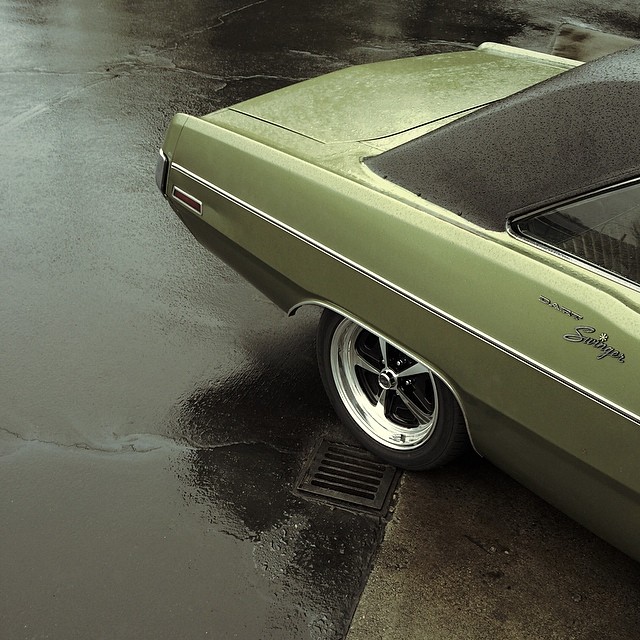
Scott Brown’s Old Car Photography: Seattle Streets on an iPhone
Seattle photographer Scott Brown (Supersangron) finds weathered classics on ordinary streets—close crops, rain light, and phone-camera honesty.
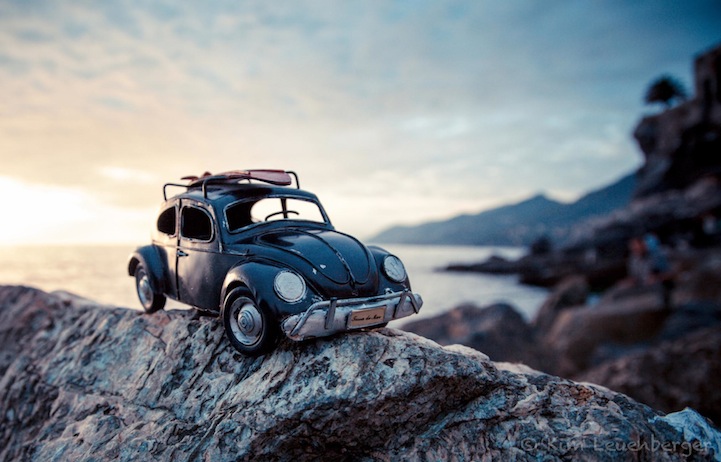
Kim Leuenberger’s Traveling Cars Adventures
Swiss photographer Kim Leuenberger stages vintage toy cars in real landscapes—a playful forced-perspective series about miniature road trips and story.

Classic Car Photography by Ken Brown: Black Studios and Polished Icons
Ken Brown’s cinematic classic-car photographs—museum-trained looking, black-box studio light, and vintage machines treated as formal portraits.