
Alessandra Ambrosio for Arkitect’s Summer 2013 Campaign
A look back at Alessandra Ambrosio’s Arkitect summer 2013 campaign—bright commercial fashion photography from the Victoria’s Secret era.
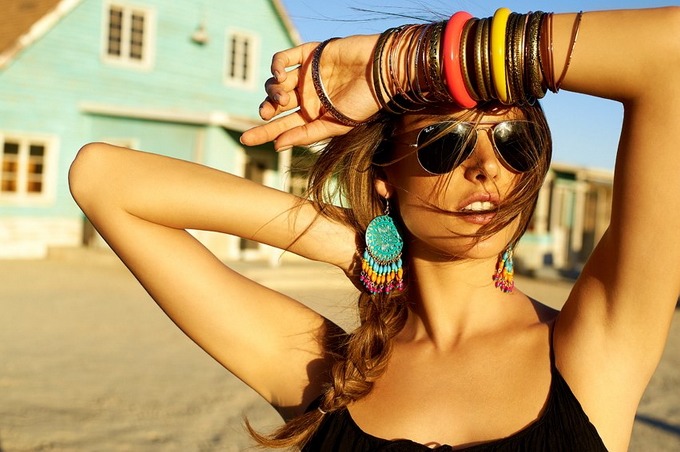
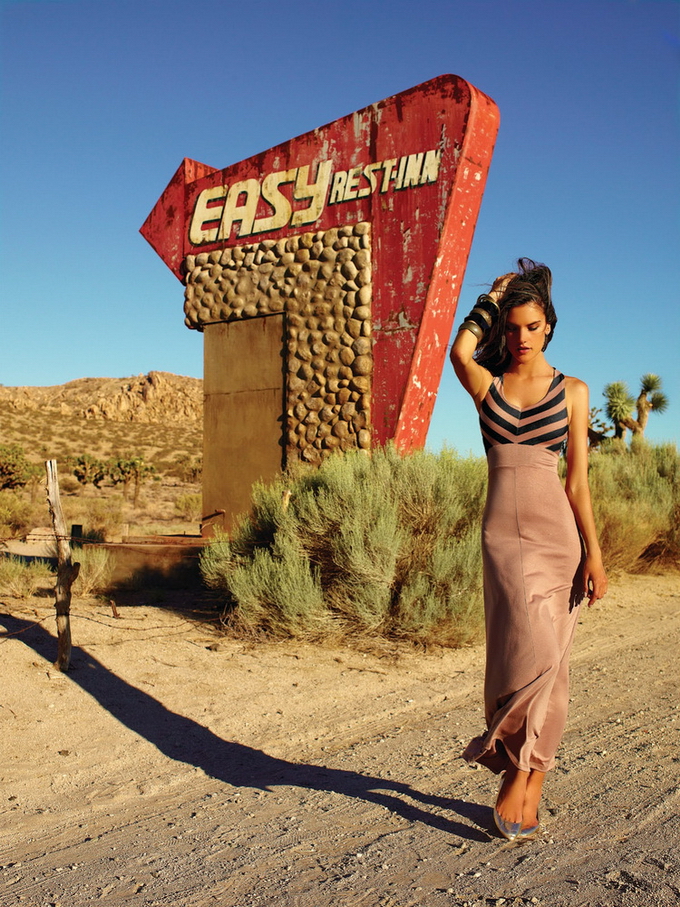
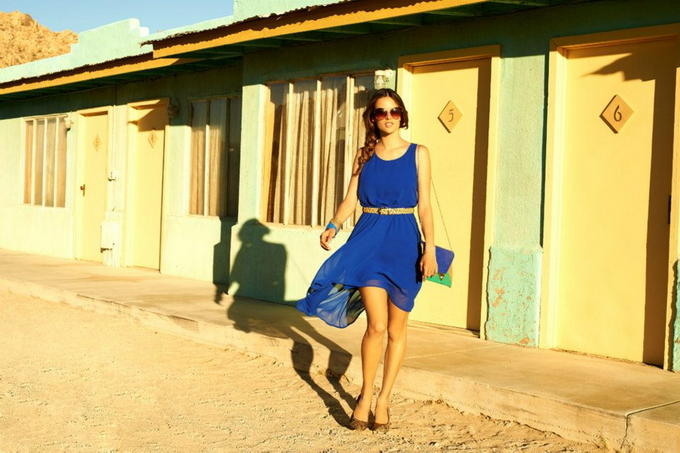
In the spring of 2013, fashion coverage treated summer campaigns as early weather reports for the season ahead. Among the looks circulating that March was a sunny, commercial set for Arkitect starring Alessandra Ambrosio—already a familiar face from Victoria’s Secret runways and international editorial work. The images below belong to that moment: a brand campaign built around warm light, easy movement, and the kind of approachable glamour retailers wanted for summer floors.
This is not a later-career retrospective. It is a snapshot of how Ambrosio was positioned in 2013—as a global model whose name could carry a seasonal collection without needing a complicated concept statement. The photographs do the talking: color, pose, and polish aimed at summer shoppers as much as at fashion-page browsers.
Ambrosio in 2013: a familiar campaign face
By 2013, Alessandra Ambrosio had spent years as one of the most visible Brazilian models in mainstream fashion. Victoria’s Secret associations gave her wide recognition; commercial campaigns and magazine work kept her image circulating between runway seasons. Brands hiring her for summer stories were not discovering an unknown—they were borrowing a known warmth: athletic ease, a camera-ready smile, and a presentation style that translated well from billboard to lookbook.
That familiarity mattered for retail campaigns. A summer collection needs to feel wearable and desirable at once. Ambrosio’s mid-career presence in 2013 offered both: aspirational enough for fashion coverage, approachable enough for clothing that customers might actually try on. Arkitect’s choice fits that logic. The campaign does not reinvent Ambrosio’s public image; it places her inside a seasonal wardrobe story and lets her familiarity do part of the selling.
Readers encountering these frames in 2013 would have recognized the grammar immediately—clean lighting, confident posture, garments styled for movement rather than for museum stillness. The set reads as commercial fashion photography of its period: bright, flattering, and paced for browsing.
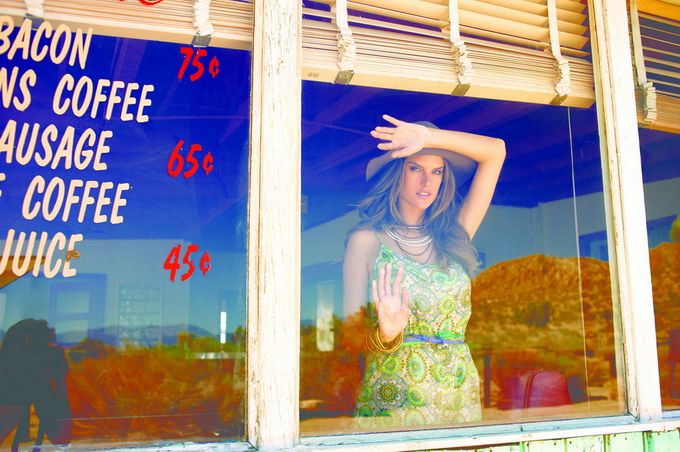
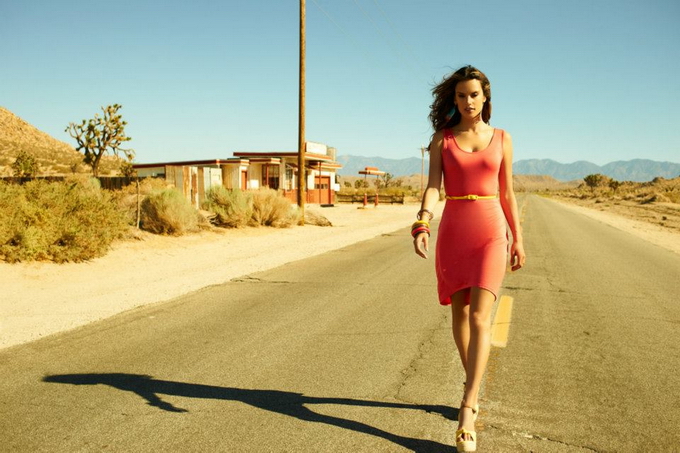
What a summer campaign was selling
Summer fashion stories in the early 2010s often leaned on light: literal sun, pale backgrounds, and fabrics that suggest heat without looking limp. Campaigns aimed to preview how a wardrobe might feel on vacation, on a city weekend, or at an outdoor evening—scenarios more than narratives. Arkitect’s Ambrosio images sit comfortably in that tradition. They are less about a plot and more about a climate of ease.
Color and cut do the seasonal work. Looks that read as day-to-evening, pieces that photograph cleanly at mid-distance, and styling that keeps accessories from competing with silhouette were standard tools. Ambrosio’s poses—open, upright, occasionally playful—support the idea that the clothes are for living in, not only for looking at. That distinction is the quiet job of many commercial summer campaigns: convince the viewer that glamour and comfort can share a frame.
Retail calendars also explain the timing. A “summer 2013” campaign released in March was not late; it was on schedule. Fashion media and brand sites used late winter and early spring to seed desire before store floors fully turned over. Posting or circulating these images in March 2013 placed Ambrosio’s face at the front of that seasonal conversation for Arkitect’s audience.
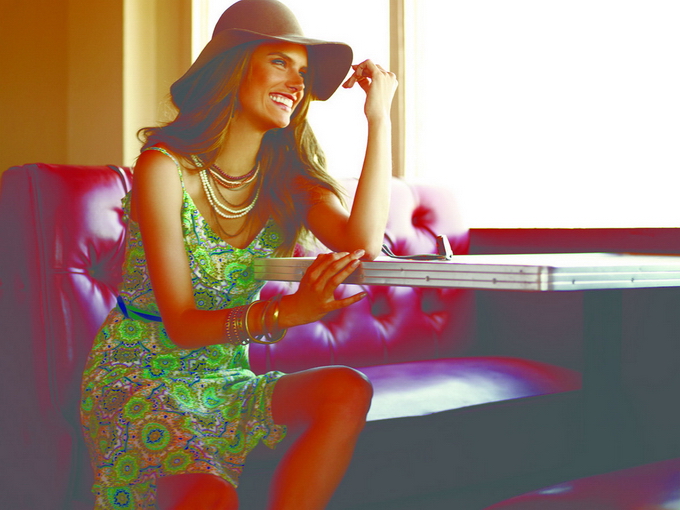
Reading the campaign frames
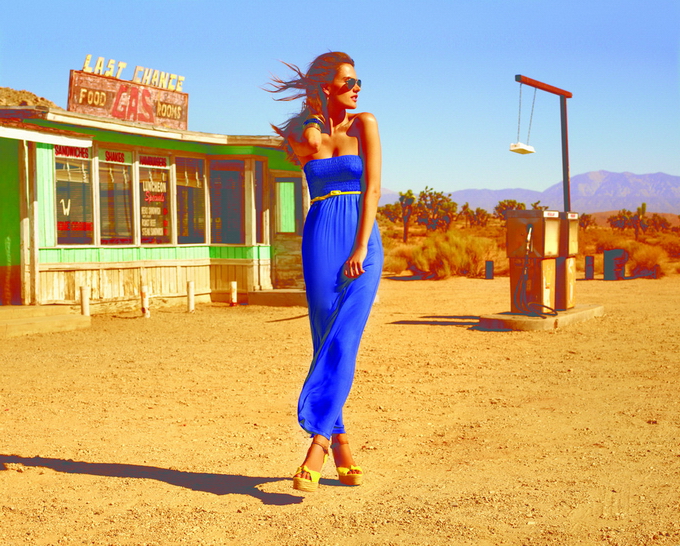
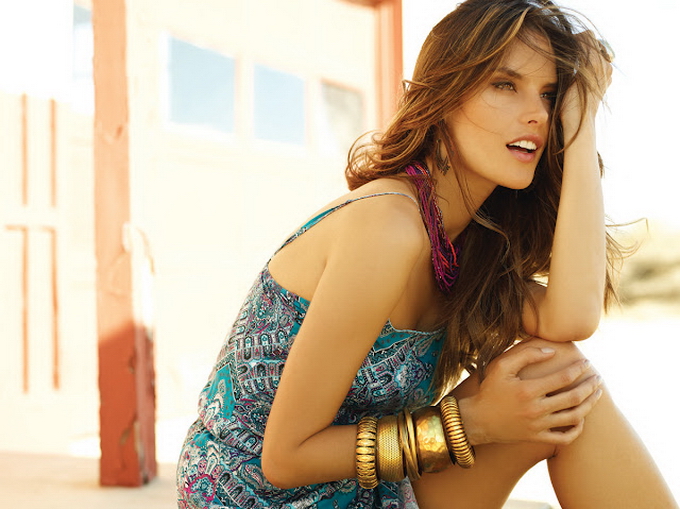
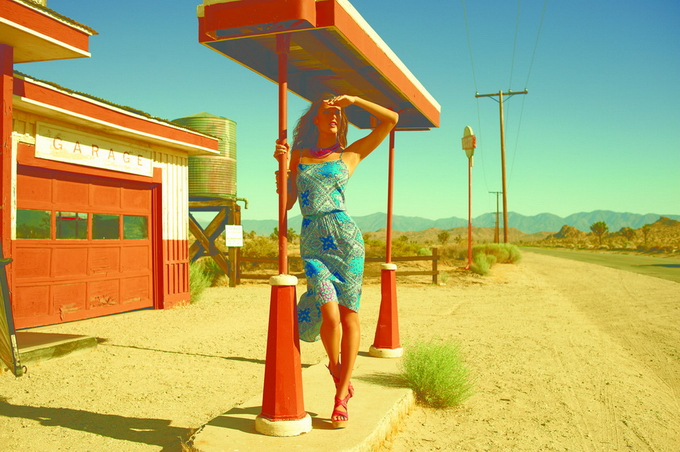
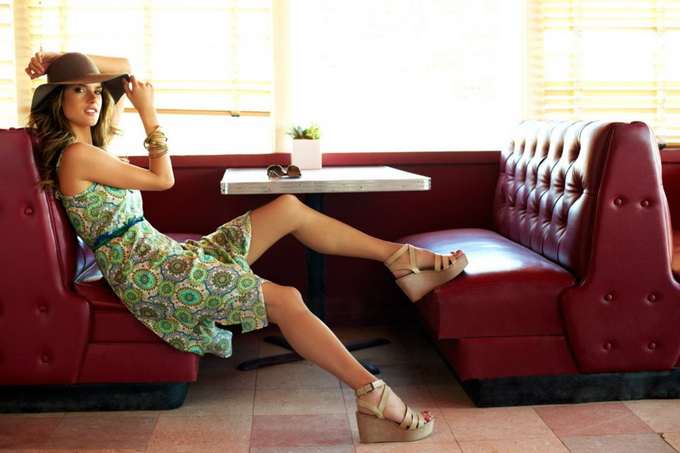
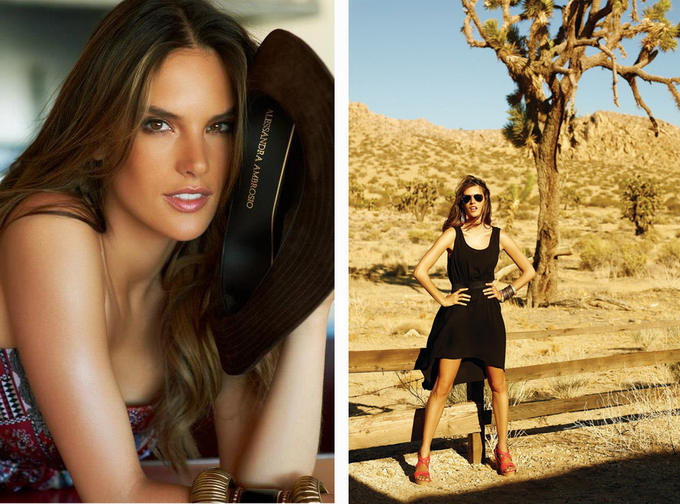
Look across the set and a few visual habits repeat. Framing often keeps Ambrosio centered or gently off-center with space for garment line. Mid-shots and three-quarter views dominate because they show both face and clothes—essential for a sales-driven campaign. Closer frames emphasize expression and hair; wider ones give the outfit room to register as a full look.
Light stays friendly. Hard, moody shadow would fight a summer retail brief; softer, brighter illumination keeps fabrics readable and skin luminous. That choice is editorial strategy as much as aesthetics. Shoppers (and magazine readers skimming campaign roundups) need to understand texture and color quickly. Ambrosio’s experience in high-volume campaign work shows in how consistently she holds the camera’s attention without overpowering the wardrobe.
Movement appears in small doses—weight on one hip, a turn of the shoulder, hands that suggest mid-gesture rather than frozen mannequin stillness. Those micro-motions keep commercial images from feeling static. In 2013’s lookbook culture, that liveliness helped campaign stills compete with the rising flood of lifestyle photography online.
Why campaign roundups mattered then
Sites and blogs that collected campaign images in 2013 performed a simple cultural job: they turned brand advertising into a shared visual feed. A reader might never walk into every store, but they could still track who was fronting which summer story. Ambrosio’s Arkitect set entered that circuit as part of a larger habit of circulating fashion imagery—screenshot culture before “screenshot culture” had a name, fueled by galleries, forums, and style blogs.
Preserving the set in that 2013 context matters because campaign images age differently than runway reportage. Runway photos are tied to a show date and a collection name; campaigns are tied to a selling season and a face. Years later, the clothes may look dated or newly charming, but the casting decision remains a historical fact: Arkitect chose Ambrosio to speak for summer 2013.
For model-history readers, that fact sits beside her better-known Victoria’s Secret chapters. Commercial campaigns rarely redefine a career, yet they fill the calendar between tentpole moments. They show how a model’s image traveled through regional and international retail, not only through American lingerie television specials. Ambrosio’s 2013 Arkitect work is one of those connective tissues.
Looking at the set now
Seen today, the gallery still works as a period document. Hair, makeup, and garment proportions quietly date themselves; the overall brightness and Ambrosio’s direct camera rapport do not. That mix—of time-stamped styling and durable star presence—is typical of successful early-2010s campaigns. They were built to sell a season, yet they remain readable as portraits of how fashion wanted summer to look in 2013.
If you study the images for craft rather than for shopping, notice continuity of expression across outfit changes, how vertical compositions leave room for full-length silhouettes, and how color stories shift without breaking the campaign’s mood. Those are production choices: a team aligning wardrobe, light, and performance so a multi-look set feels like one story.
Arkitect’s summer 2013 campaign with Alessandra Ambrosio remains a clear example of that commercial craft—sunny, polished, and anchored by a model whose public image already meant summer confidence to a wide audience. The frames below (and above) keep that season’s pitch intact: clothes for light days, worn by someone who knew exactly how to hold the light.

Comments
Continue reading
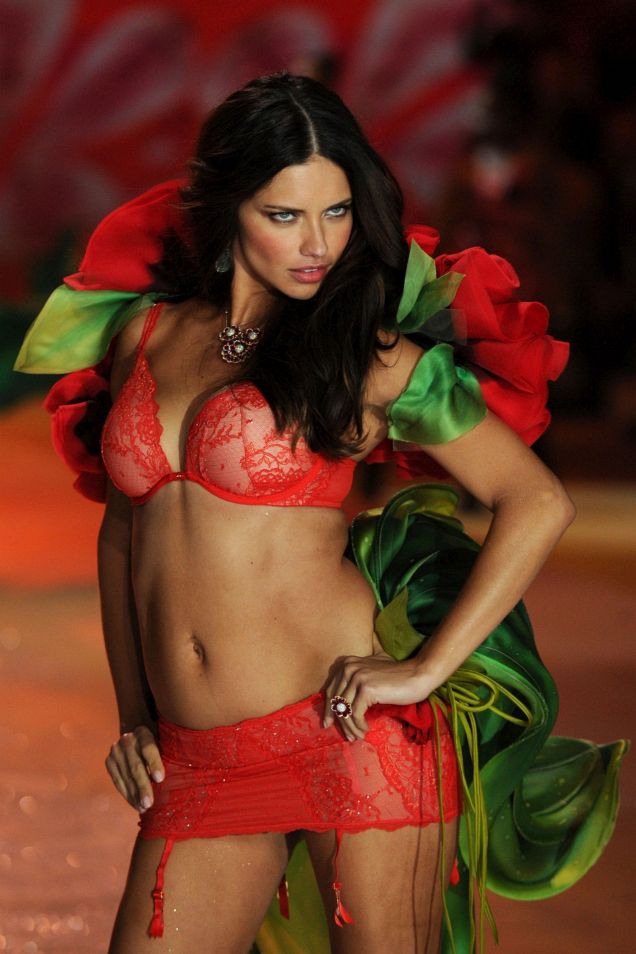
Victoria’s Secret Fashion Show, New York 2012
Six runway segments, live sets by Rihanna, Justin Bieber, and Bruno Mars, and the costume spectacle at the 69th Regiment Armory after Hurricane Sandy.
Victoria’s Secret Bridal Lingerie: Lace, Ivory, and Early-2010s Romance
A tasteful look at early-2010s Victoria’s Secret bridal lingerie—lace, soft colour, campaign mood, and how commercial bridal codes shaped intimate fashion.
Penélope Cruz for the Campari Calendar 2013
Campari’s 2013 Kiss Superstition Goodbye calendar stars Penélope Cruz in thirteen red-soaked tableaux shot by Kristian Schuller—a dated campaign gallery with fashion-house wardrobe and Milan creative credits.