
Charming Photos of Winter Scenery
Snow bridges, glowing phone boxes, frosted houses, and quiet paths—plus exposure tips and field habits for photographing winter’s white edit.
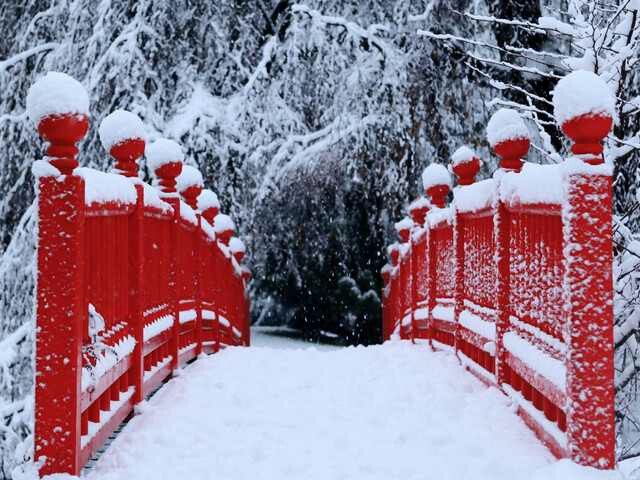
Winter rearranges the world into fewer colors and sharper edges. Snow covers small distractions, turns ordinary trees into ink drawings, and makes a red bridge or a glowing telephone box feel like a signal fire. Although every season has its own weather personality, winter’s white blanket is unusually thorough: it edits the landscape whether you asked it to or not. This gallery collects that edited world—rural houses, city corners, forests, fences, and quiet paths—so you can study how photographers find charm in cold light rather than waiting for a postcard mountain summit.
Some frames are high-key and almost weightless. Others depend on a single warm lamp or a saturated painted structure against monochrome ground. Both approaches belong to winter: purity and contrast. The collection dates from a period when lifestyle photography loved that contrast—clean snow, one accent color, soft overcast—and the pictures still teach the same visual grammar.
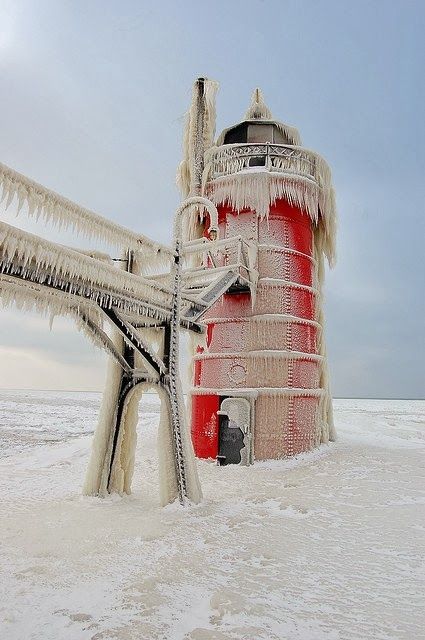
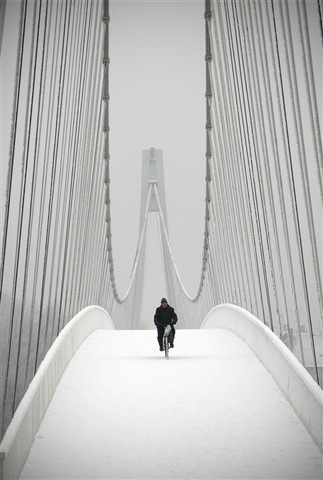
A bright red bridge under fresh snow is a lesson in contrast. Soft overcast light removes harsh shadows so the paint can shout while the forest behind softens into white-on-white. Snow piled on railings and finials becomes temporary architecture. Walk toward a scene like this slowly; footprints in the foreground can help or hurt depending on whether you want human scale or untouched quiet. Low angles emphasize the path into the trees; standing height can flatten the bridge into a simple stripe. Either choice is fine if it is deliberate.
Color against the white field
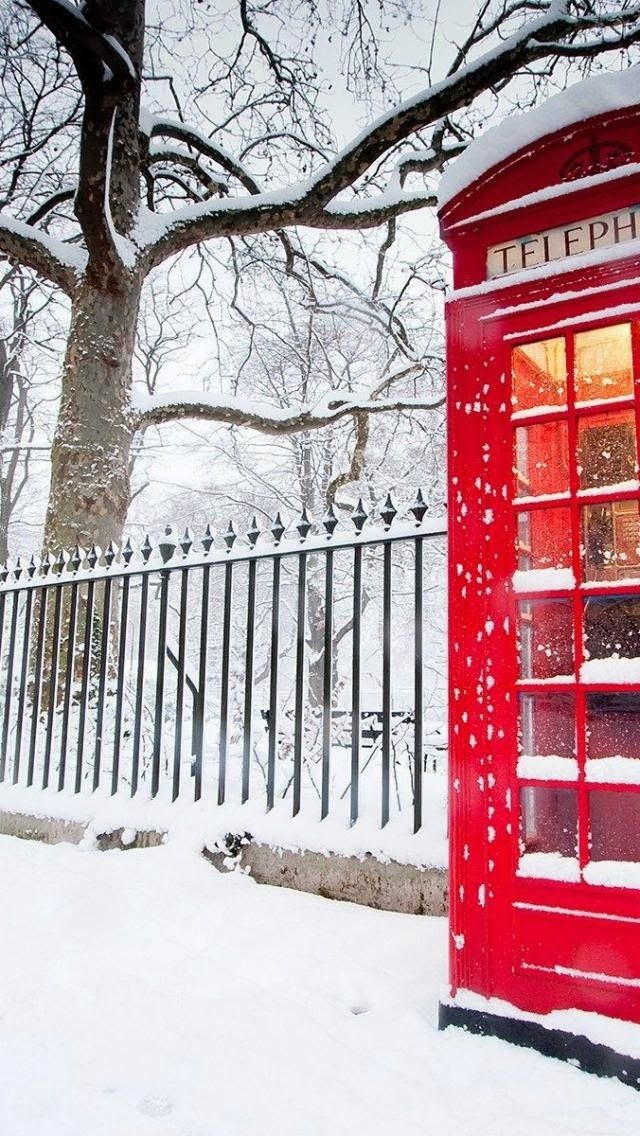
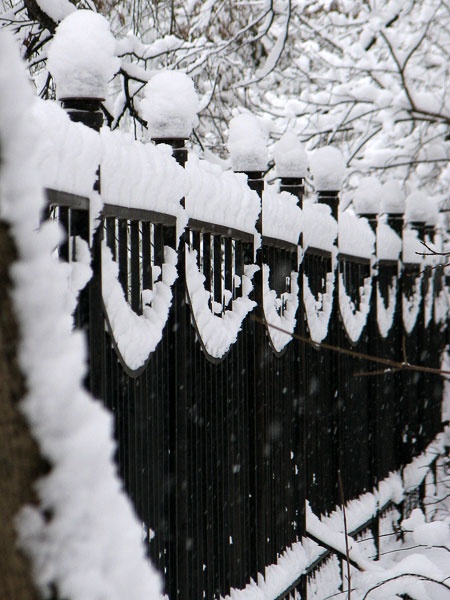
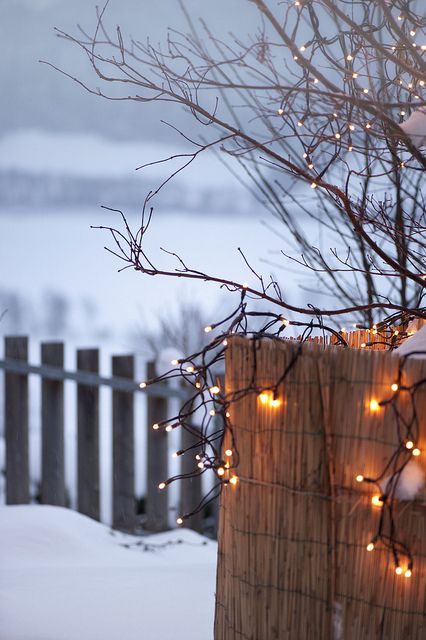
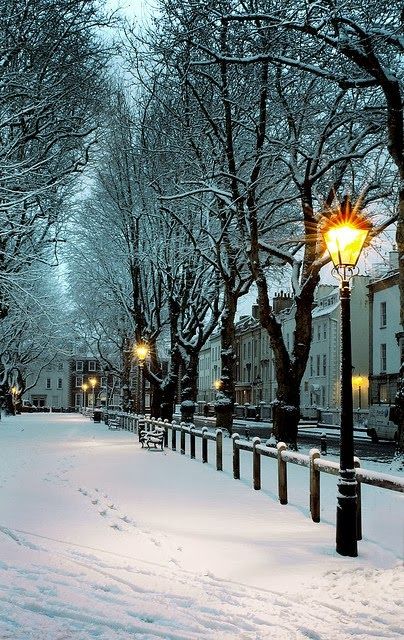
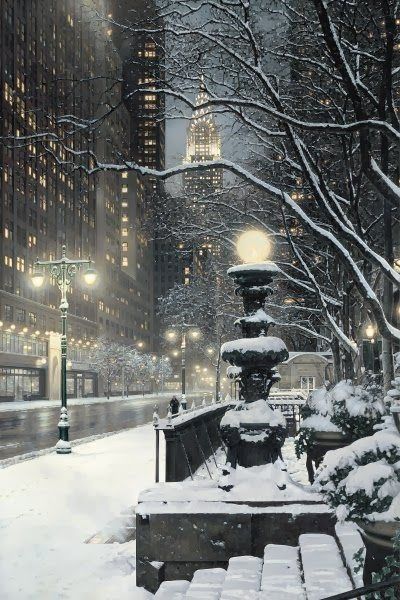
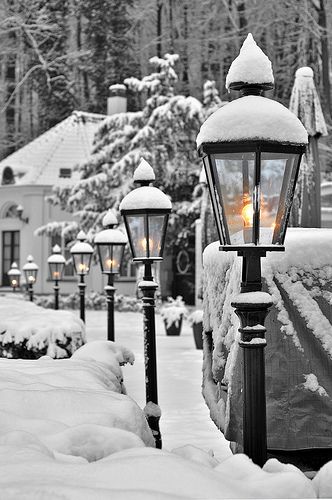
Winter charm often arrives as a single warm note. A telephone box with snow on every ledge and a lamp lit inside turns a park corner into a story without needing a person in frame. The wrought-iron fence, the laden branches, the undisturbed foreground snow—all of it supports the red. When you shoot urban winter, look for that one reliable pigment: a door, a bus, a scarf, a neon sign reflected in wet slush. Too many colors and the season’s simplifying gift is wasted.
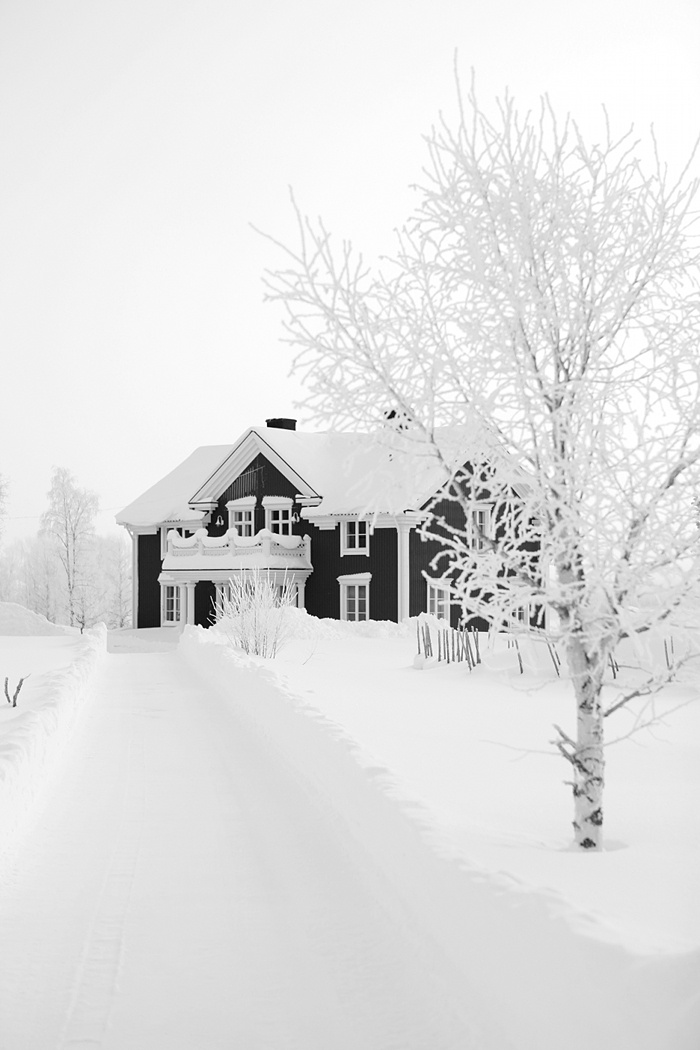
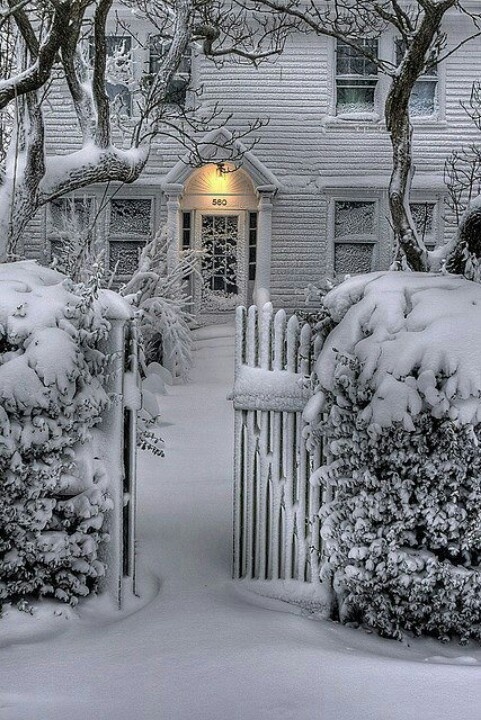
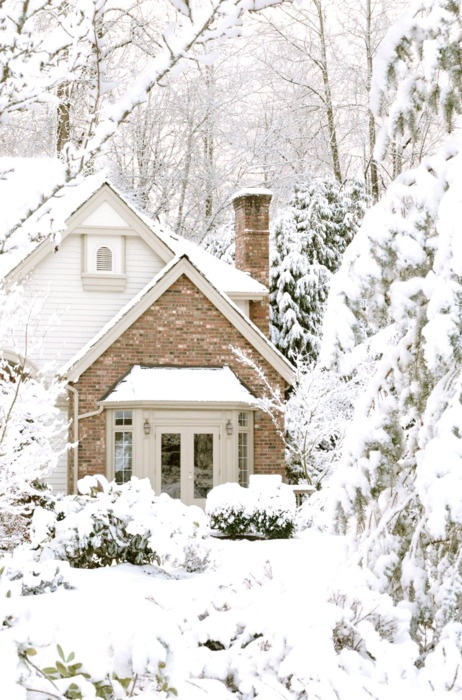
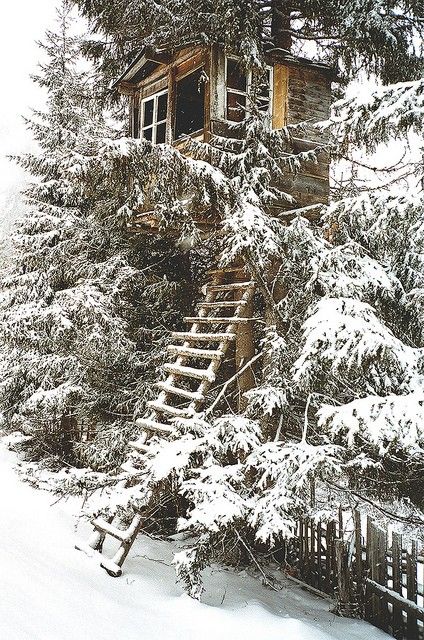
Rural houses work differently. In black and white, dark siding and white trim become geometry against a high-key sky. A frosted birch in the foreground adds delicate line work. Cleared paths leading to a porch invite the eye home. If you keep color, a deep red or deep green house can play the same role as the bridge—an anchor in a pale world—provided the exposure protects the snow from turning gray and the trim from blowing out.
Think of winter color the way a designer thinks of accent pillows: one commitment, then restraint. If the red bridge is in the frame, let jackets, cars, and signs stay quiet when you can. If the phone box is glowing, protect that interior warmth in the edit; cooling the whole file until the lamp dies defeats the picture.
Exposure, weather, and the quiet hour
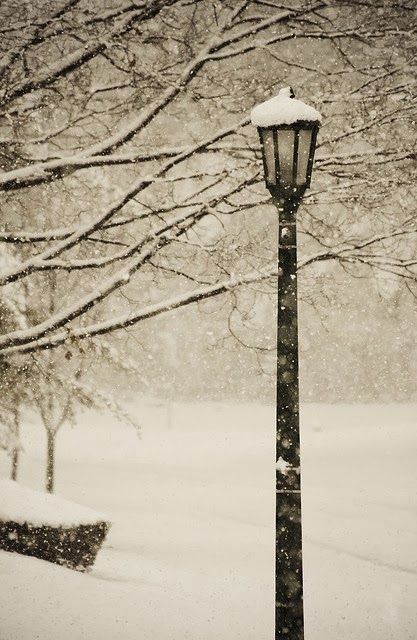
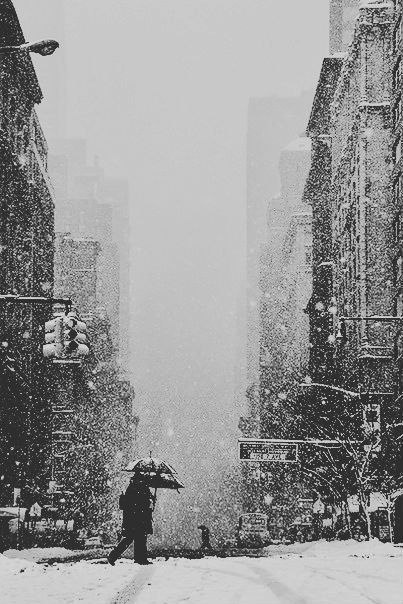
Snow fools meters. Cameras often underexpose bright white scenes, turning magic into mud. Dial exposure compensation up, check the histogram, and decide whether you want sparkling highlights or soft gray atmosphere. Overcast days are gifts for texture: every flake on a branch stays visible. Hard sun after a storm can be spectacular too, but it digs deep shadows; use them as design, not as accidents. Rim light on ice and backlit falling snow can be beautiful when you accept flare and lowered contrast as part of the weather.
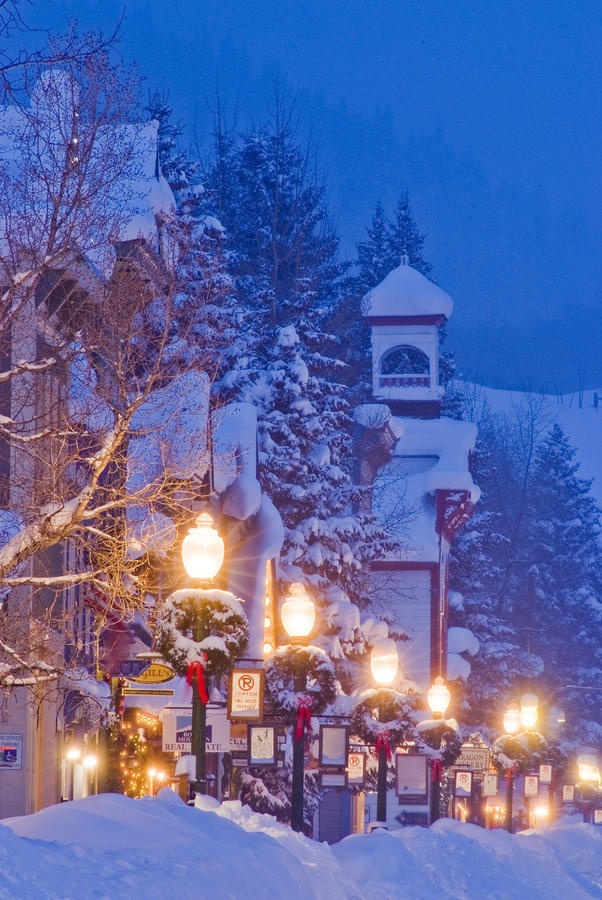
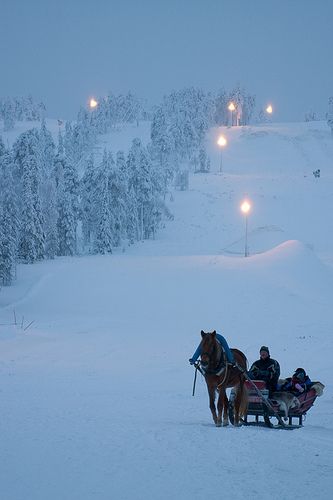
Winter also rewards the hours when most people stay indoors. Early morning after overnight snow, late afternoon when street lamps warm up, the brief blue of dusk on ice—these windows give you empty paths and cleaner compositions. Dress for standing still. Cold fingers quit focusing before cold landscapes quit being beautiful. Carry spare batteries in an inner pocket; lithium cells lose voltage fast at low temperatures, then revive indoors, which can trick you into thinking gear has failed.
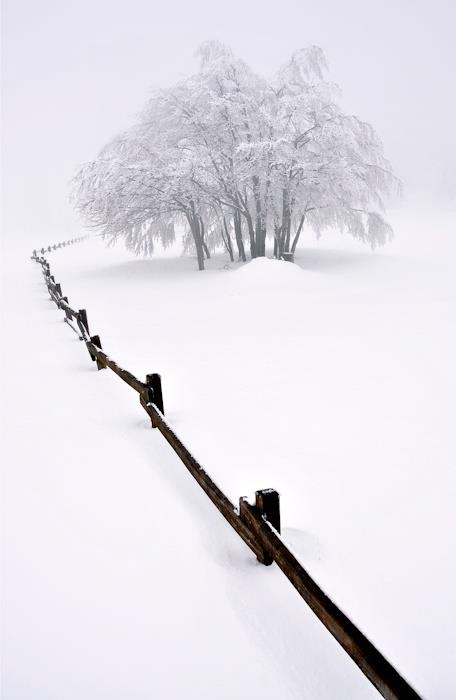
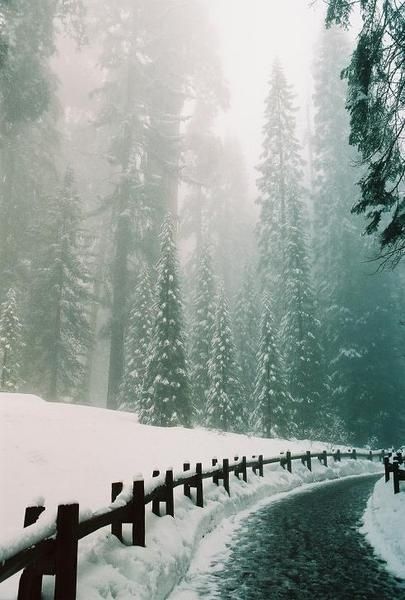
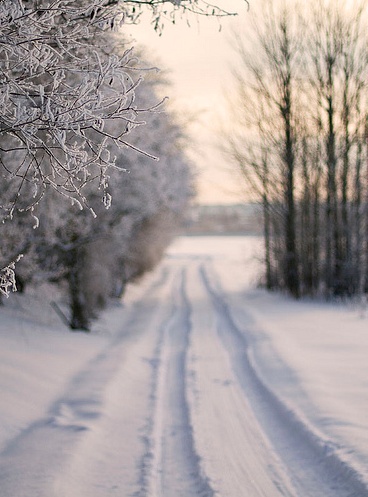
Fog, blowing snow, and whiteouts change the job again. Detail disappears; tone and silhouette remain. In those conditions, look for a fence line, a lone tree, or a building mass that can hold shape. Do not force mid-tone clarity that the air did not offer. Charming winter photographs often admit how little you could see.
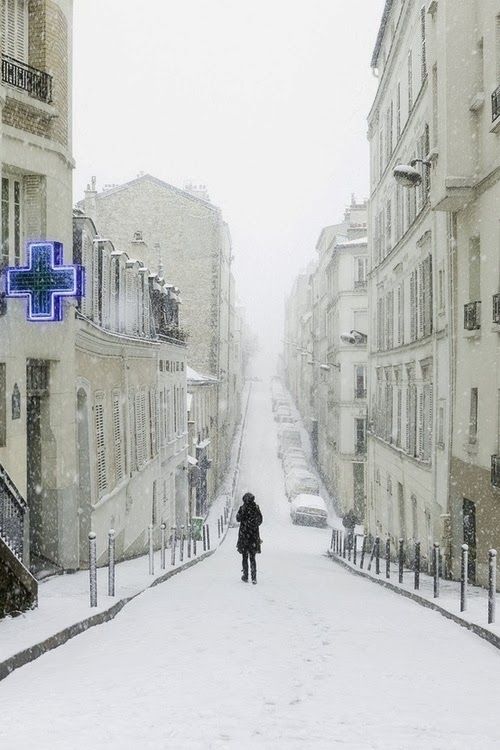
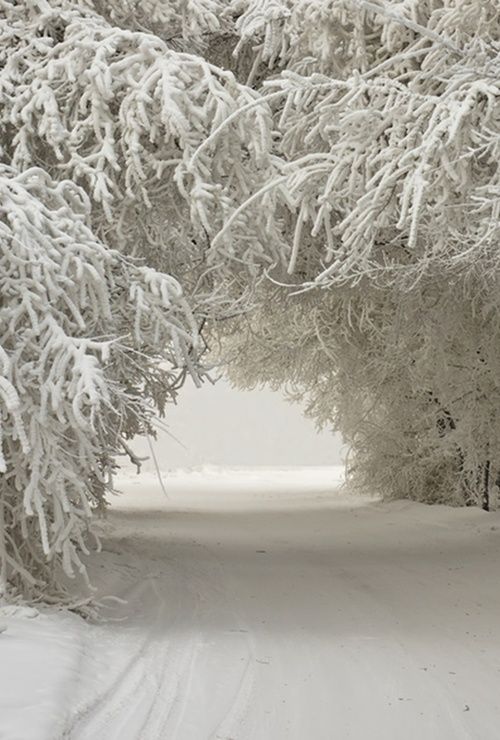
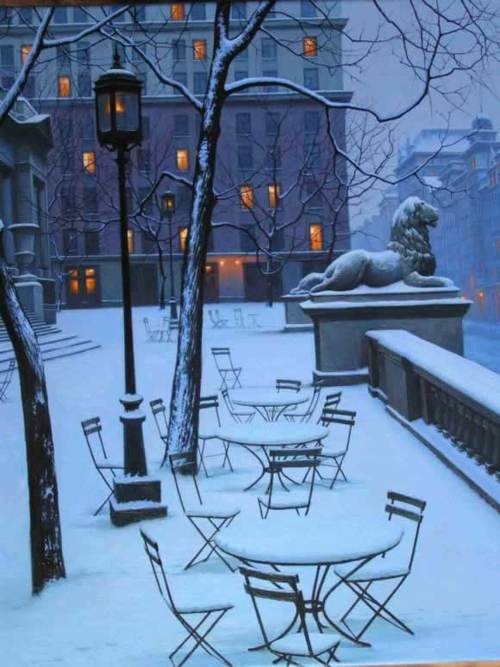
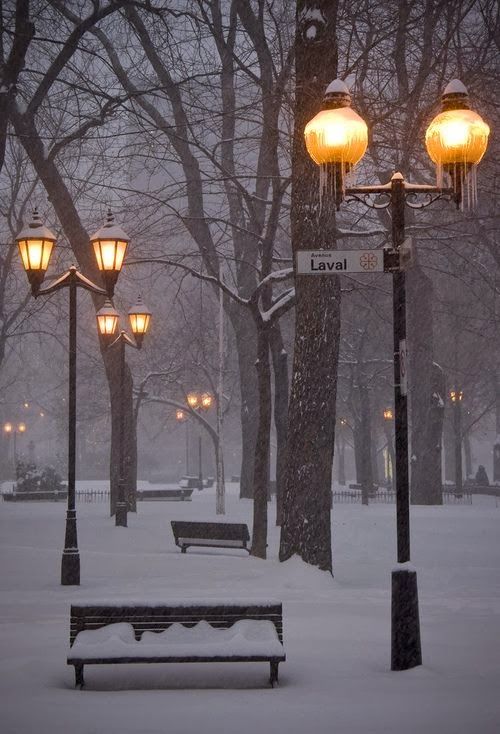
Subjects that thrived in this set
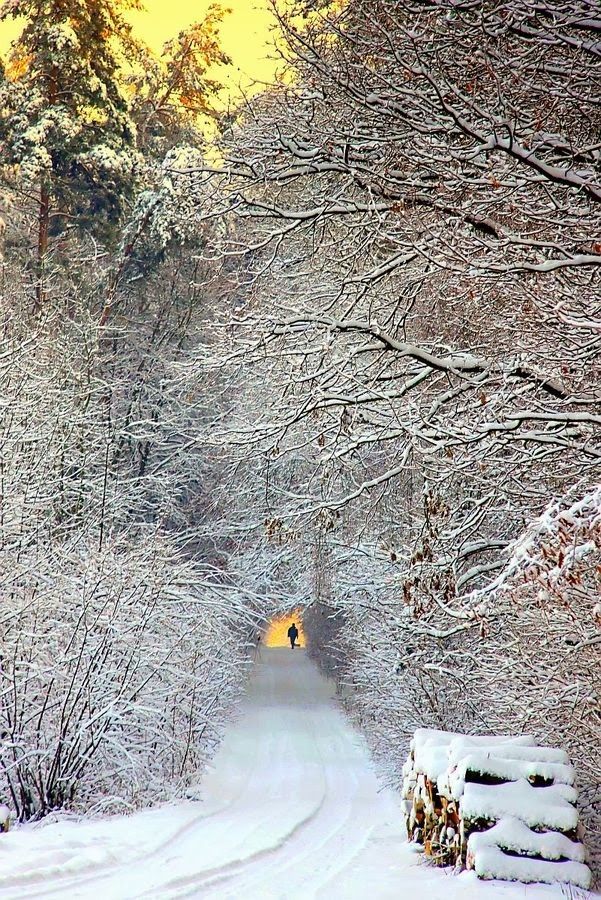
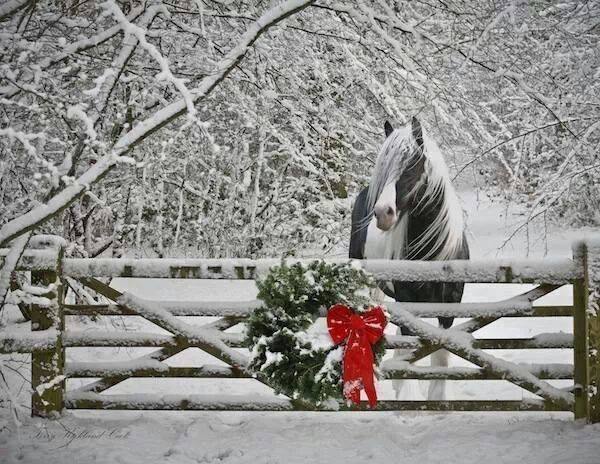
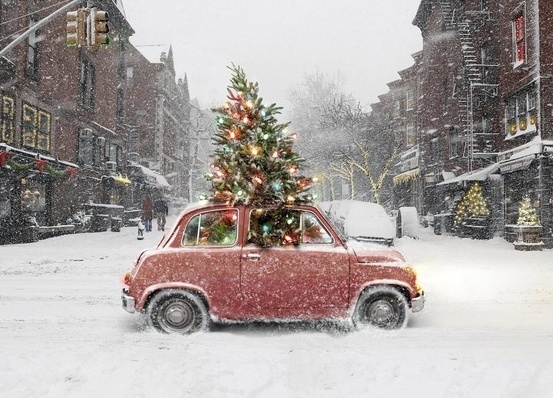
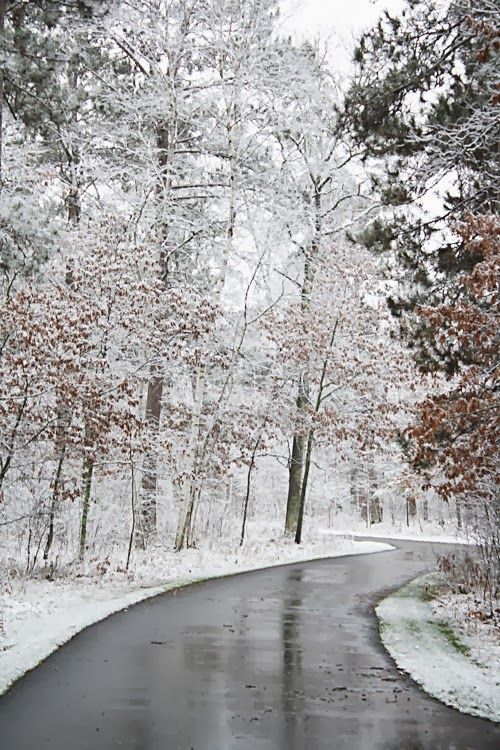
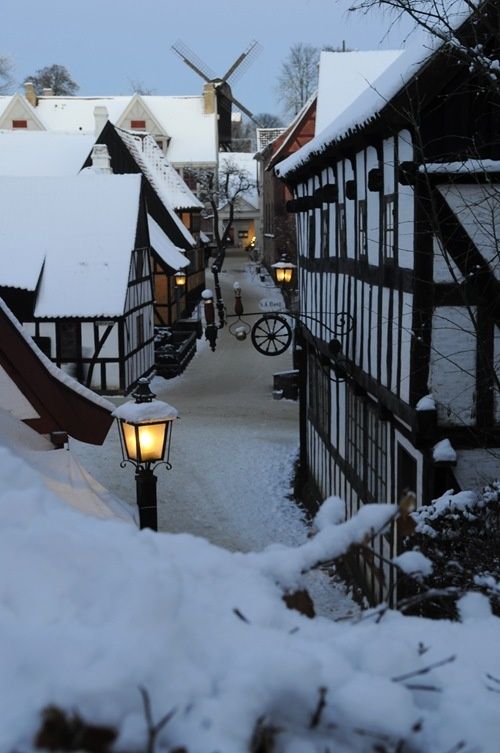
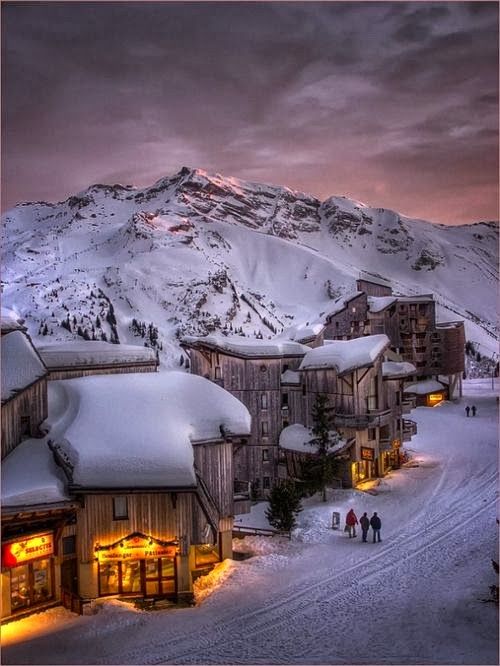
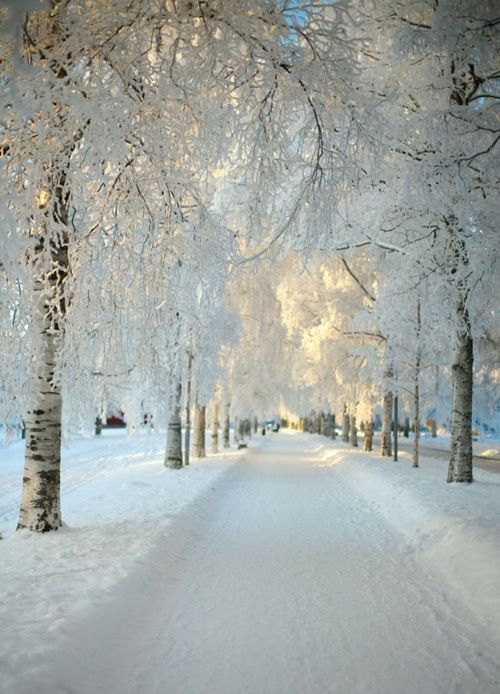
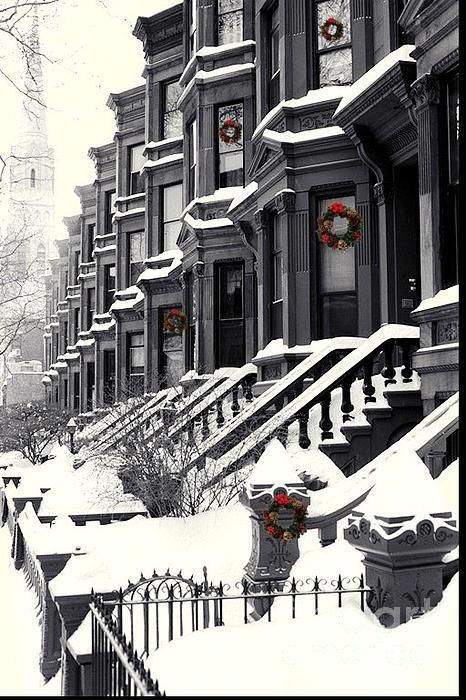
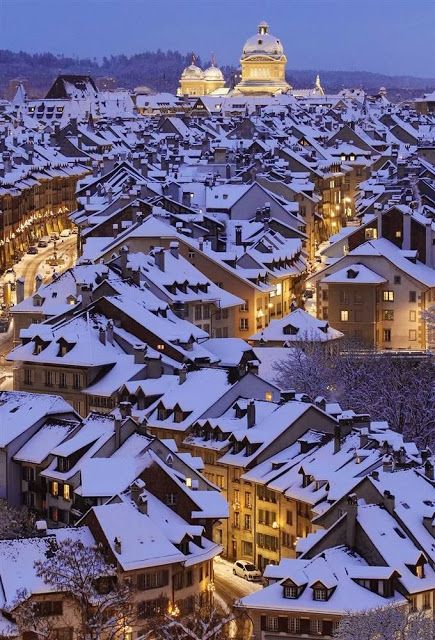
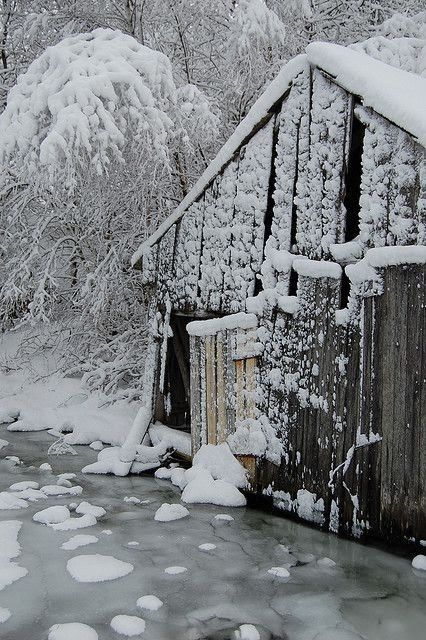
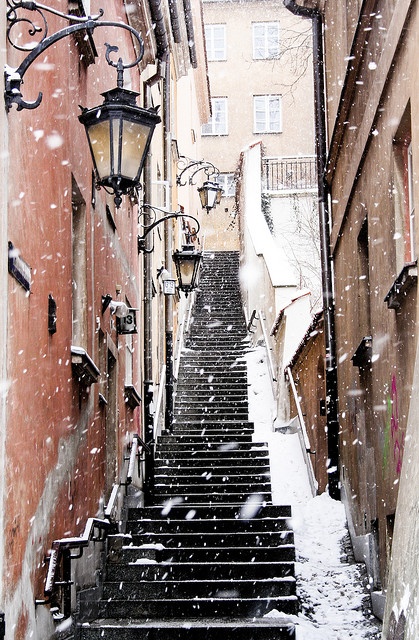
Browse for categories rather than for “pretty.” Architecture under snow: roofs become soft geometry; fences turn into dotted lines. Forests: trunks dark, branches white, depth collapsing into lace. Urban icons: phone boxes, lamps, shopfronts. Open fields: almost abstract, where sky and ground meet in a pale seam. Each category asks for a different focal length. Wide lenses exaggerate empty space; short telephotos compress tree layers into tapestry.
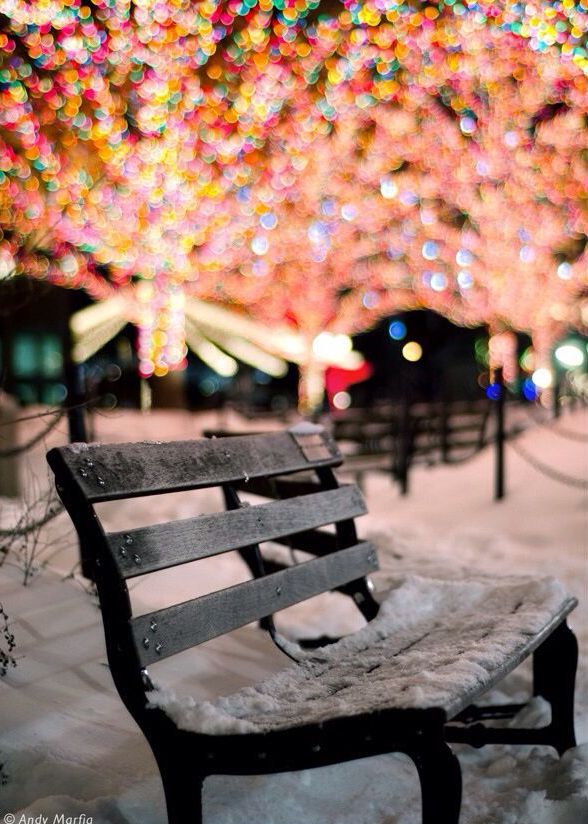
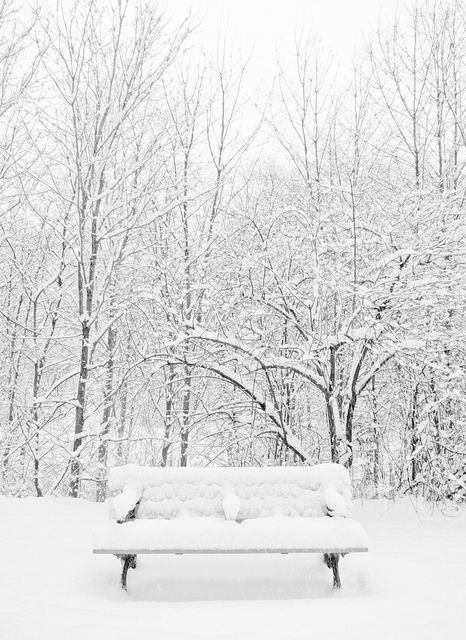
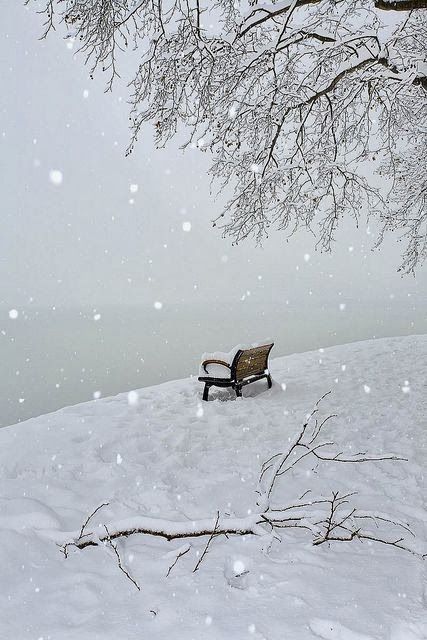
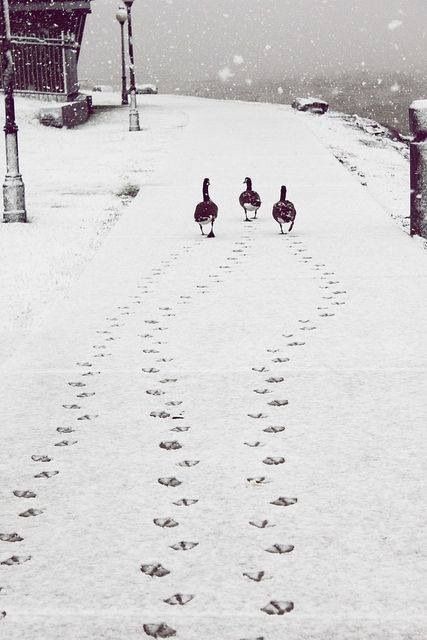
Do not ignore the small scale. A single bench, a bird track, ice on a puddle—these intimate frames often feel more charming than distant mountain drama, especially when weather is local and ordinary. Winter photography is not only expedition gear and alpine summits. It is also the walk between your door and the corner shop after a night of quiet snow. Those local frames age well because they belong to a life, not only to a vacation.
Vertical compositions appear often here for a reason. Tall trees, tall booths, and narrow paths suit portrait orientation. If your habit is always horizontal, force a few vertical sequences on the next snow day. You may find the season’s height again—branches, poles, falling snow streaks—easier to organize.
Editing without killing the cold
Winter files tempt heavy blue casts and crushed shadows. A slight cool bias can feel seasonal; an extreme one looks like a filter fad. Protect specular highlights on ice if they carry sparkle. Lift shadows gently so tree trunks keep texture. Black-and-white conversions thrive when you adjust color channels before desaturating—red accents can be darkened or lightened to control where the eye goes even after color disappears.
Crop with the season’s emptiness in mind. Do not automatically fill the frame. Negative space is part of winter’s subject. A small house low in a large white field can be more eloquent than a house centered and large. Likewise, leave room above laden branches so the snow-weight of the canopy can breathe.
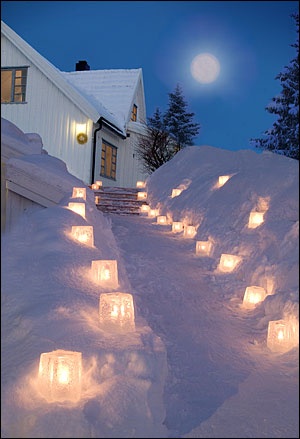
A short field checklist
- Expose for snow; review the histogram before you leave the spot.
- Protect batteries in an inner pocket; cold drains them fast.
- Wipe meltwater off lenses before it freezes into haze.
- Look for one color accent or commit fully to monochrome.
- Decide whether footprints belong in the story before you walk into the frame.
- Pack gloves you can shoot in, and a cloth that will get wet and stay useful.
After the walk, make tea and edit while your hands warm. Keep the files that still feel cold in a good way—the ones where air seems quiet, where red still startles, where white is a surface with weather written on it. Winter comes once a year in many places. The charming photographs are usually made by people who went outside anyway.

Comments
Continue reading
Puddle Reflections: Winter Streets Doubled in Rainwater
After rain, shallow puddles become street-level mirrors—a #puddlegram gallery of winter and city reflections from photographers who shoot low and wait for still water.

A Cup of Coffee for Winter: Cozy Mugs, Spices, and Slow Gatherings
Vanilla, caramel, cinnamon, knit socks, and candlelight—a photo essay on winter coffee, friend gatherings, and the small heat that makes cold days bearable.
15 Winter Landscape Photos: Alpine Light, Snow, and Mountain Craft
Fifteen Alpine winter landscape frames—plus practical notes on cold light, snow exposure, storm weather, and field craft for mountain photography.