
Classic, Casual, Geeky Men’s Fashion: How the Three Styles Work Together
A practical guide to mixing classic menswear bones, casual ease, and geeky accents—knit layers, Oxfords, dark denim, and thoughtful details that still look intentional.
Men’s style often gets sold as a single personality. Classic means suit-and-tie seriousness. Casual means weekend softness. Geeky means costume. Real wardrobes are messier—and more interesting. The most wearable men’s fashion sits in the overlap: traditional pieces, relaxed proportions, and a little intellectual quirk that keeps an outfit from looking like a catalog clone.
That mix was already visible in early-2010s “geek chic,” when thick frames, fitted knits, and thoughtful accessories stopped reading as accidental and started reading as intentional. The point was never to dress like a stereotype. It was to prove that curiosity, craft, and comfort can share the same closet.
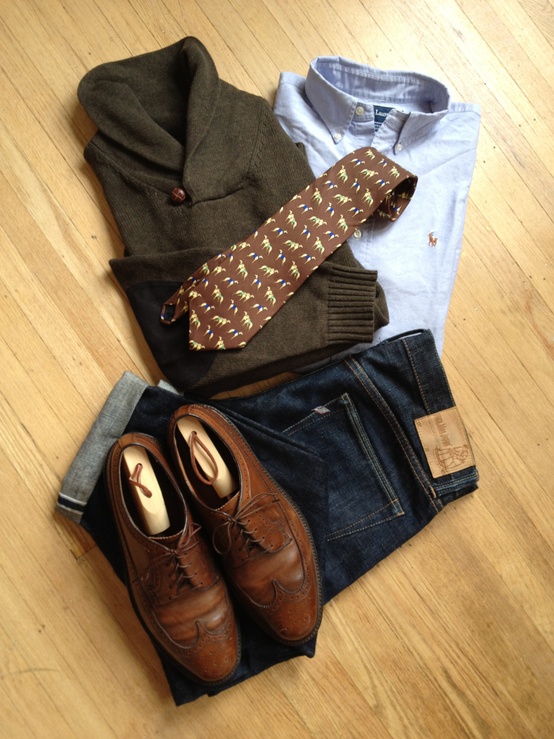
Look at a flat lay like the one above and you can already see the three registers working together. A shawl-collar sweater with elbow patches nods to library chairs and workshop elbows. A light Oxford shirt keeps the look grounded in classic menswear. A patterned silk tie adds ceremony without demanding a full suit. Dark selvedge denim and cognac wingtips finish the sentence: dressed, but not stiff; polished, but still human.
Classic: the bones of the wardrobe
Classic menswear is not nostalgia for its own sake. It is a set of garments that survive trends because their jobs never change. A button-down Oxford shirt frames the face and sits under almost anything. A well-cut blazer turns jeans into an appointment. Leather shoes with a defined shape—brogues, derbies, plain oxfords—make casual trousers look finished instead of unfinished.
Color discipline helps. Navy, charcoal, olive, camel, white, and light blue do most of the heavy lifting. Patterns can appear, but they work best when one piece carries the story: a foulard or sporting-motif tie, a subtle check, a textured knit. If every layer shouts, nothing is heard.
Fit remains the quiet difference between “classic” and “costume.” Shoulders should sit where your shoulders sit. Shirt sleeves should show a little cuff under a sweater or jacket. Trousers need enough room to move without ballooning. Classic style fails most often through neglect of proportion, not through lack of logos.
Build classic pieces first if your budget is limited. One good pair of dark jeans, one white or light-blue shirt, one midweight sweater, and one pair of brown leather shoes will outlast a drawer of novelty tees. Classic is the scaffolding. Everything else hangs on it.
Casual: comfort without collapse
Casual does not mean careless. It means the outfit can walk, sit, travel, and still look deliberate. Soft cotton shirts, chinos, unstructured jackets, clean sneakers, and midweight knits belong here. The goal is ease that still shows editing.
A useful casual rule: keep one surface intentional. If the jeans are broken-in and cuffed, the shoes should be cleaned. If the sweater is slouchy, the shirt collar should be crisp. Casual style often fails when every element is equally soft and equally vague. Contrast—texture against smooth, dark against light, structured against relaxed—creates the sense that someone chose the look.
Layering is casual’s best friend. A sweater over an Oxford, a chore coat over a tee, a light scarf in cooler months: each layer lets you adjust temperature and formality without changing the whole outfit. Shawl collars, elbow patches, and ribbed hems are not only decorative; they signal that the garment was designed for repeated wear rather than a single photo.
Weekend clothes still benefit from a small ceremony. Cuff the jeans once. Tuck the shirt halfway. Polish the brogues even if you are only going to brunch. Casual becomes stylish when it respects the same craft as formalwear, just at a lower volume.
Geeky: curiosity as ornament
Geeky menswear is not a license for chaos. Done well, it is classic and casual clothing with a point of view: thick-rimmed glasses, a patterned tie that rewards a second look, a knit that feels academic, socks with character, a watch with an interesting dial, a bag that looks used by someone who carries books or tools.
In the years around 2013, mainstream fashion rediscovered these signals. Horn-rim and acetate frames moved from punchline to punctuation. Cardigans and sweater vests returned in cleaner cuts. Graphic references stayed smarter when they were quiet—an embroidered detail, a print that reads up close, a motif borrowed from sport or literature rather than a giant slogan across the chest.
The risk is overacting. Three geeky signals at once usually tip into costume: novelty frames plus cartoon socks plus a loud graphic tee plus a bow tie. Pick one or two accents and let the classic base do the rest. A patterned tie against an olive knit and dark denim is enough. The viewer fills in the personality.
Geeky style also rewards maintenance. Elbow patches look intentional when the sweater is clean and the patches are matched. Glasses look sharp when they fit the face and are not constantly sliding down. Even a quirky accessory becomes elegant when it is cared for.
How the three registers combine
Think in layers of intent rather than outfits named after tribes.
- Base classic: shirt, trousers or dark jeans, leather shoes.
- Casual softeners: knit, softer outerwear, rolled cuffs, open collar when the day allows.
- Geeky accent: frames, patterned tie, interesting knit detail, or one accessory that suggests a hobby or intellect.
The flat-lay formula in the image is a clean example: classic Oxford and wingtips, casual denim and shawl-collar comfort, geeky-academic elbow patches and a narrative tie. Nothing in that stack requires a costume party. Everything in it suggests a person who likes texture, history, and a little humor.
Season matters. In colder months, heavier knits and textured ties carry the story. In warmer months, a lighter Oxford, rolled sleeves, and distinctive frames may be enough. The registers stay; the weight changes.
Shopping and editing without starting over
You do not need a new wardrobe to move toward this mix. Audit what you already own.
- Remove pieces that never fit, never match, or never leave the hanger.
- Identify your best classic anchors: shirts, dark trousers or jeans, shoes.
- Add one knit that has character—shawl collar, interesting stitch, elbow detail—rather than five blank crewnecks.
- Choose one accent that feels like you: frames, a patterned tie, a watch, a quality bag.
- Repair before replacing. Resole shoes, sew buttons, clean leather. Craft is part of the aesthetic.
Color stories help editing. An olive or brown knit with blue denim and cognac leather is a proven path. Navy knit with grey trousers and black shoes is another. Once you have two or three working stories, shopping becomes selective instead of random.
Avoid chasing every micro-trend labeled “nerd chic.” Trends name the mood; quality garments survive the name. A good Oxford will still work when the phrase has left the magazines. A poorly fitting novelty piece will not.
Dressing for real days
Style only matters if it survives the calendar. For workdays that allow smart casual, lead with classic and trim the geeky accent. For creative offices or weekends, let the knit and frames speak louder. For evenings, keep the shirt crisp and the shoes clean even if the jeans stay.
Travel favors the same mix. Dark jeans hide miles better than pale ones. A midweight sweater handles planes and evenings. Leather shoes with wooden trees at home last longer and look sharper when you pack them. A patterned tie rolls small and upgrades a shirt in minutes.
Confidence finishes the look more than any brand mark. Stand in natural light, check the silhouette from the side, and ask whether the outfit looks like a person or a checklist. If it looks like a person—curious, put-together, slightly unexpected—you are in the right territory.
Classic gives you structure. Casual gives you breath. Geeky gives you voice. Wear all three lightly, and men’s fashion stops being a performance. It becomes a practical language for showing up as yourself.

Comments
Continue reading
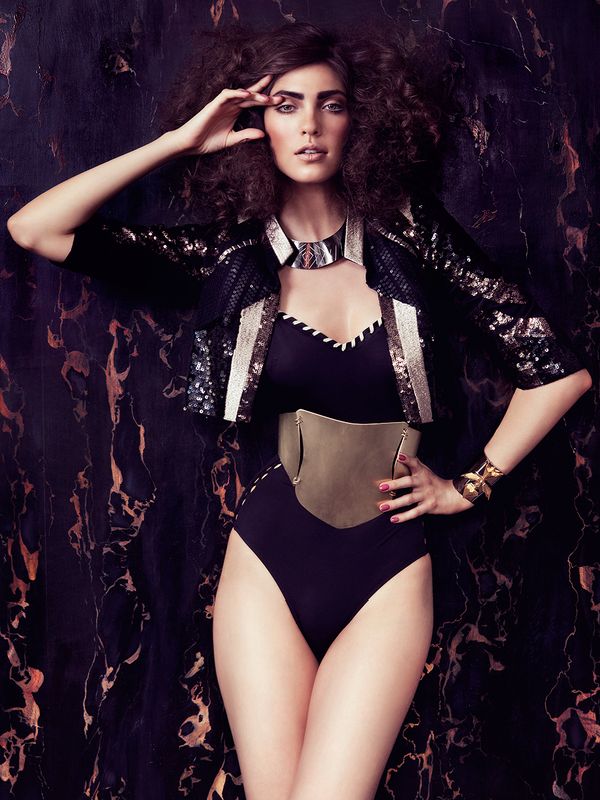
ELLE Bulgaria September 2012: Georgi Andinov’s Editorial
A historical look at ELLE Bulgaria’s September 2012 fashion story—Georgi Andinov’s photographs, the creative team, and how early-2010s magazine polish still reads.
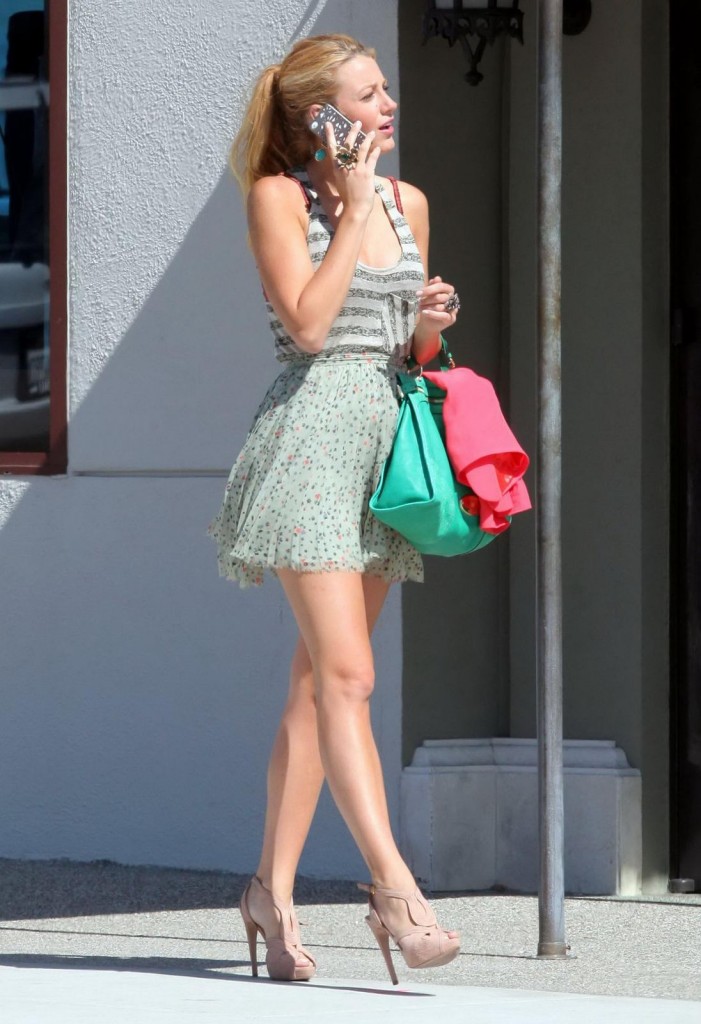
Blake Lively Street Style: Celebrity Sidewalk Fashion
How Blake Lively’s early-2010s off-duty looks turned paparazzi sidewalks into usable lessons in polish, proportion, and one-statement accessories.
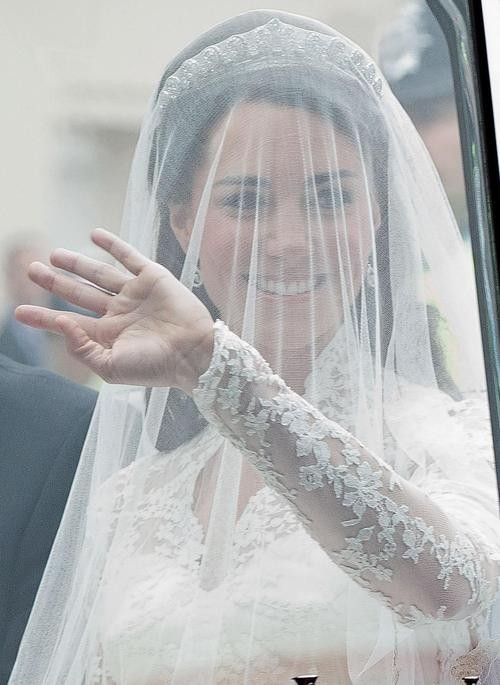
Adorable Kate Middleton Style: The Early Duchess-Era Lookbook
A historical look at the “Kate Middleton effect”—coat dresses, occasion polish, and the early Duchess of Cambridge wardrobe vocabulary—plus a gallery of outfit references.