
Cute, Funny Illustrations by David Olenick
A look at David Olenick’s minimalist food-and-drink illustrations—where snacks and beverages voice cravings, excuses, and everyday human frailty with sharp, shareable humor.
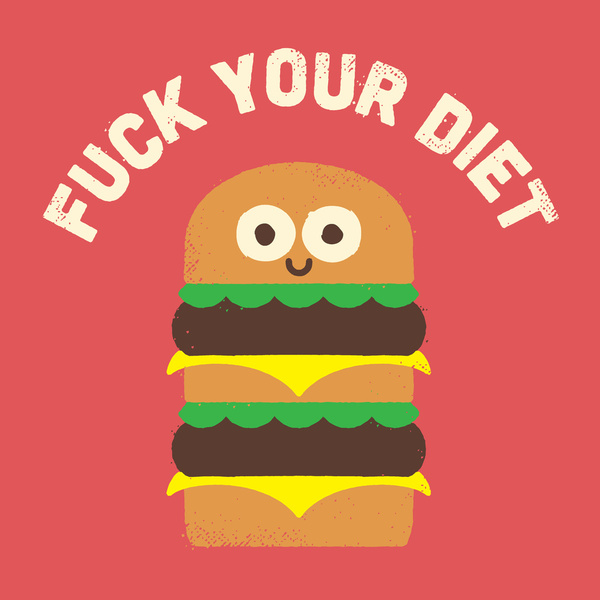
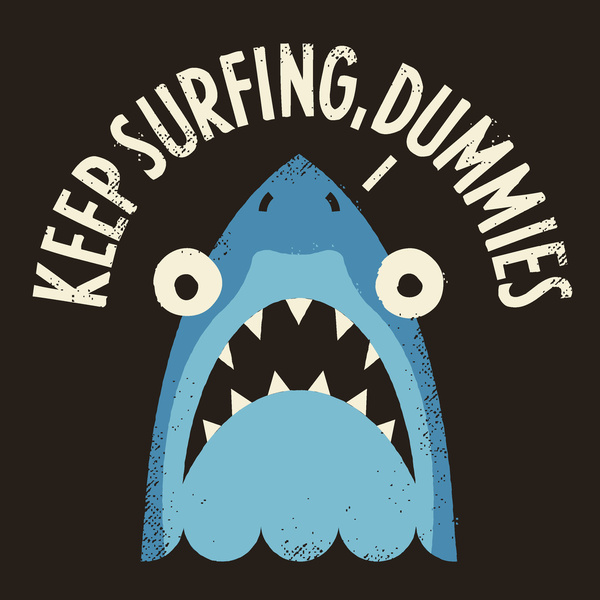
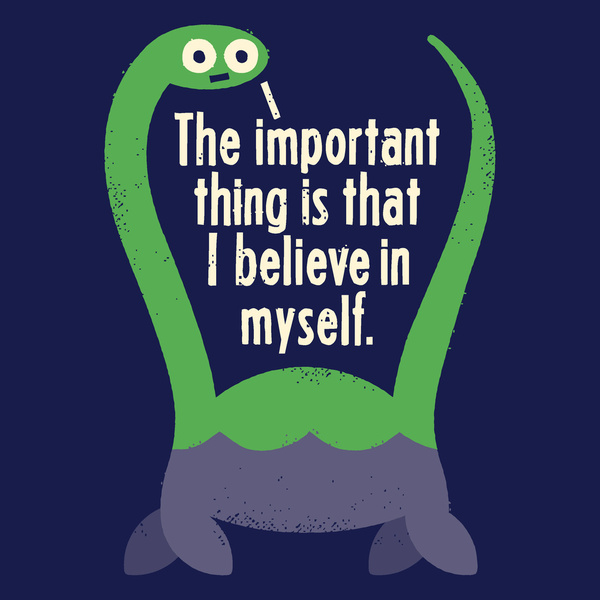
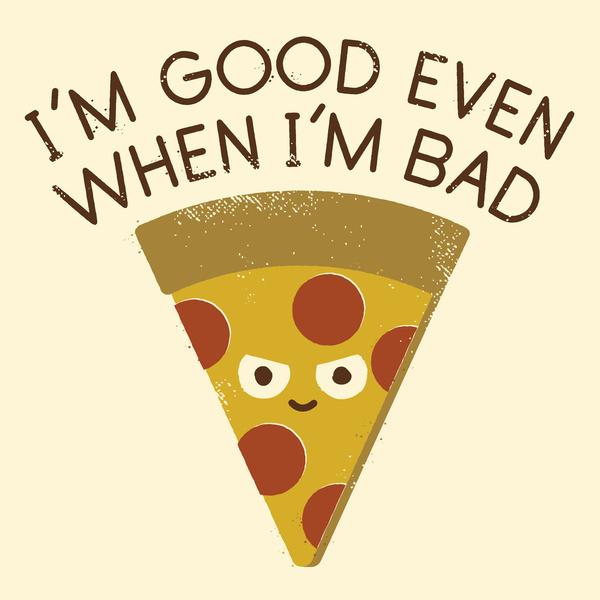
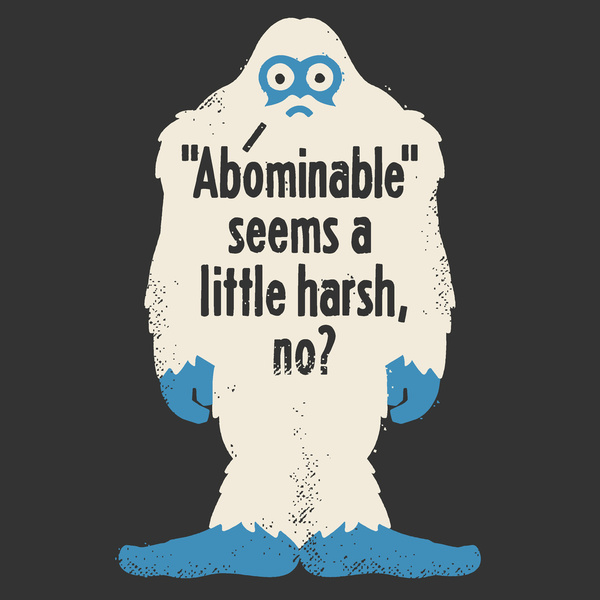
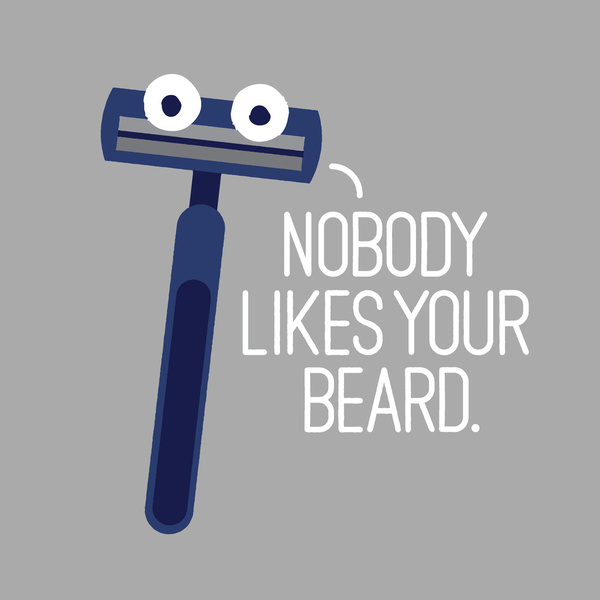
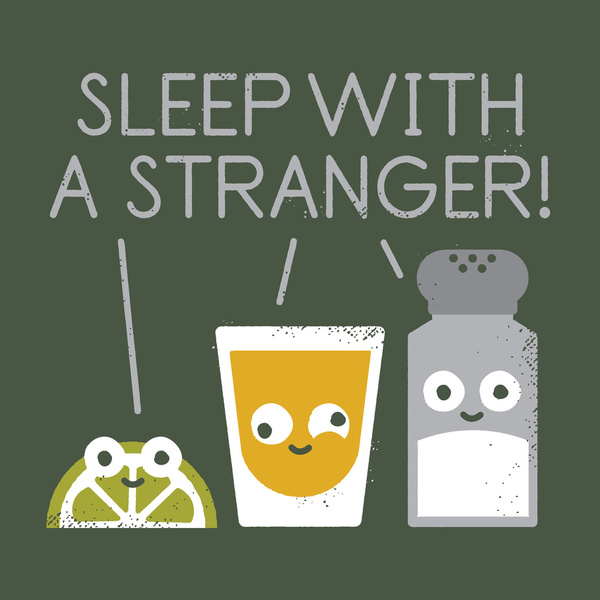
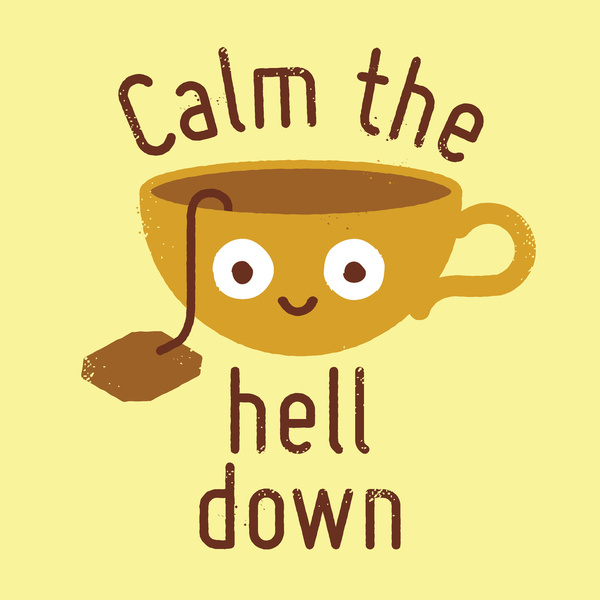
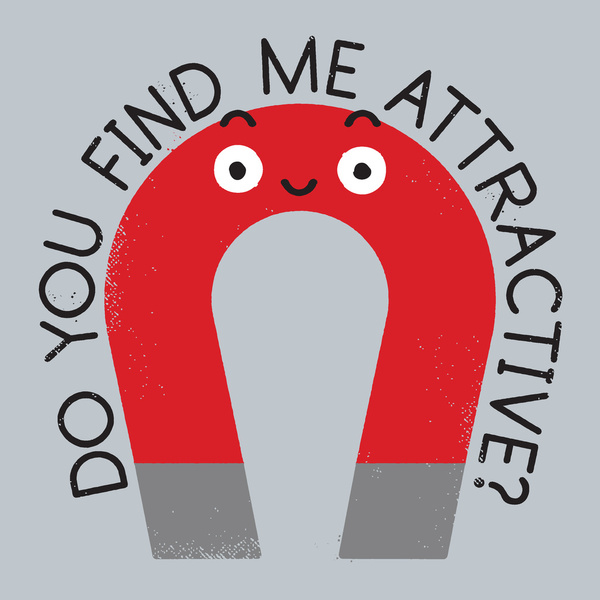
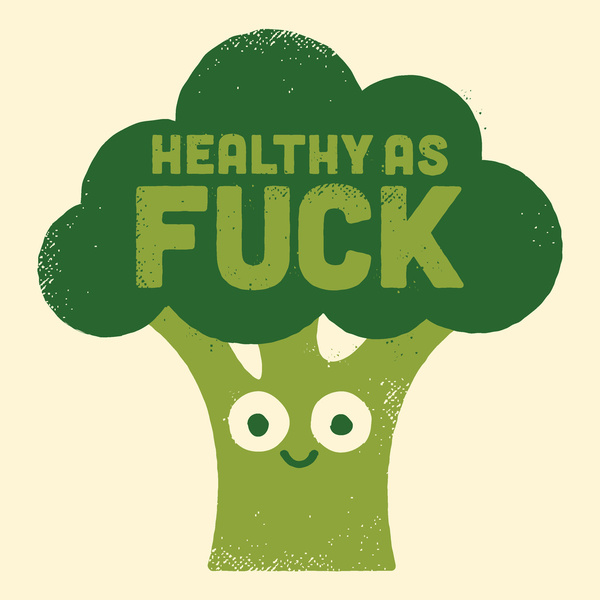
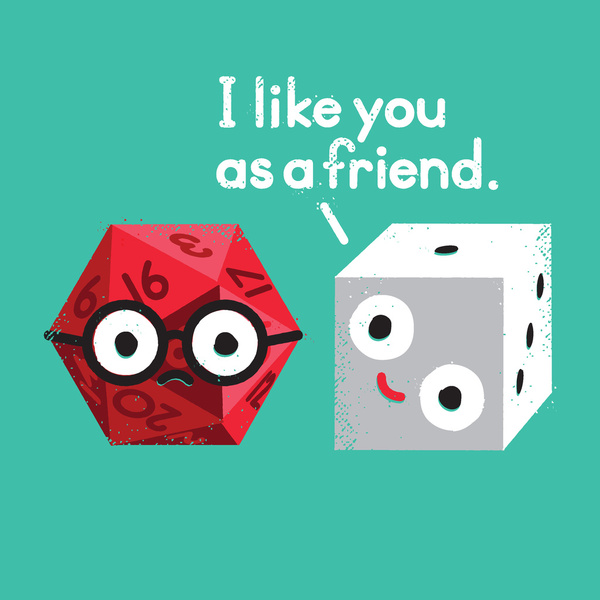
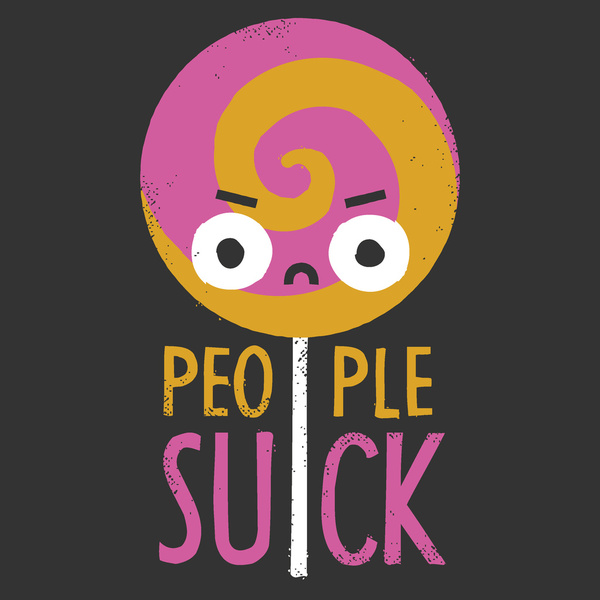
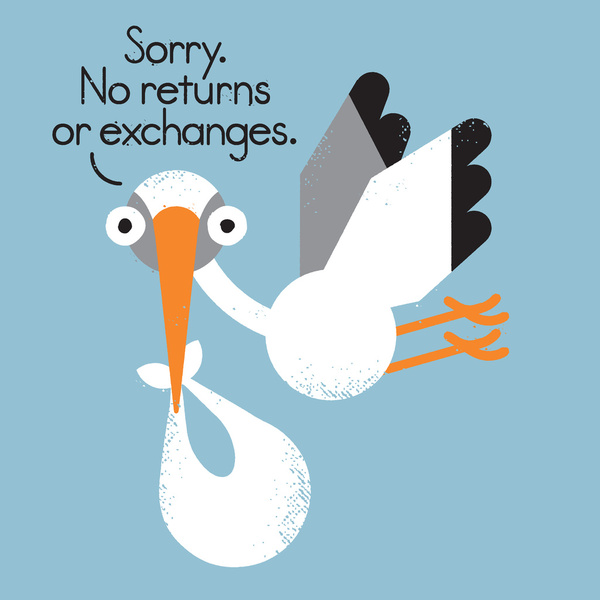
David Olenick draws the quiet negotiations people have with snacks, drinks, and comfort food—then puts those negotiations in the mouths of the snacks themselves. His illustrations are spare: clean shapes, limited color, and characters that often stare back with wide, slightly unhinged eyes. The jokes land because they feel overheard rather than invented. You recognize the half-eaten pint of ice cream that still somehow wins the evening, the coffee that runs the morning meeting, the vegetable that lectures while the burger waits patiently nearby.
This gallery gathers a stretch of that work: food and drink as tiny therapists, enablers, and critics. The humor sits next to embarrassment on purpose. Olenick’s best pieces are funny first and a little pointed second, which is why people save them, share them, and wear them on shirts long after a scroll session ends.
Who David Olenick is as an illustrator
Olenick works in a graphic, poster-ready style that translates cleanly from screen to print. Geometry keeps compositions balanced; a lightly distressed finish keeps them from feeling sterile. He has long been associated with witty food-and-drink series and with merchandise platforms where a strong one-liner plus a simple character can live on a tee, print, or mug. The craft is economical: few lines, clear silhouettes, captions short enough to read in a scroll without losing the punch.
That economy is not emptiness. Negative space does narrative work. A single cup, cone, or bottle centered on a field of color becomes a stage. The caption does what a longer comic strip would—names the craving, the guilt, the rationalization—while the drawing stays friendly enough that the punch does not feel cruel. Viewers often describe the work as brutally honest about food, which fits: the drawings do not moralize so much as admit what people already know about their habits when no one else is in the kitchen.
His process, as he has described in interviews over the years, favors capturing jokes in the wild—notebooks, restaurants, overheard phrases—then refining shapes until the character can carry the line alone. That origin story matters for how the gallery feels. These are not labored office gags; they have the snap of something noticed at a table and sharpened later in Illustrator.
Food and drink as the inner monologue
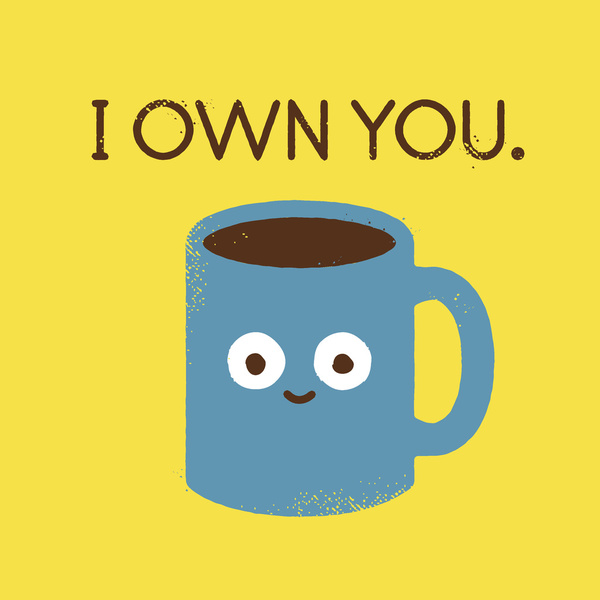
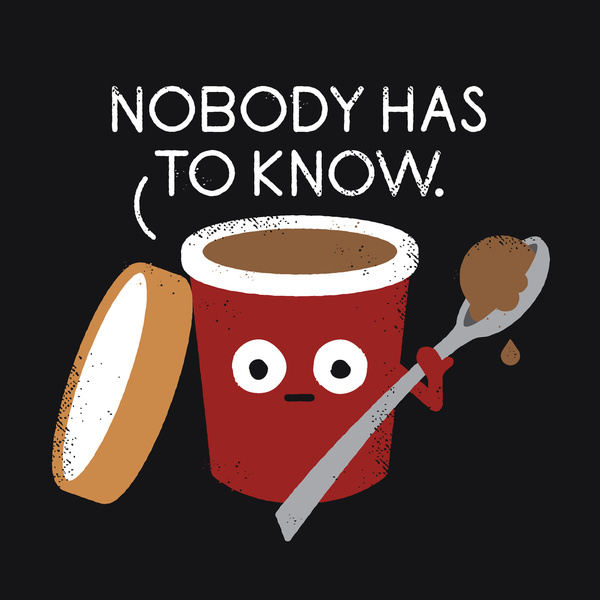
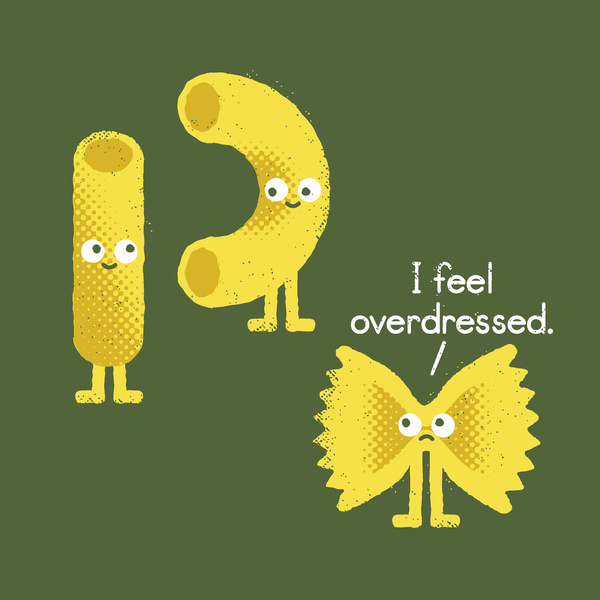
The recurring trick in these illustrations is personification with attitude. Alcoholic drinks and high-calorie treats speak the lines people usually keep private: just one more, you deserve this, tomorrow’s problem. Healthy foods sometimes answer back, which turns a fridge shelf into a small debate club. The drawings make that debate visible without needing a full scene of kitchen realism or a cast of human extras.
Because the characters are simplified, the emotion sits in posture and eyes as much as in text. A slumped dessert can look apologetic; a bright cocktail can look persuasive; a stern cup of tea can look like the only adult in the room. That contrast—cute drawing, adult confession—is the engine. It is also why the work travels well online: the image reads instantly, the caption rewards a second look, and the feeling sticks after you close the tab.
Olenick’s food jokes often touch anxiety as much as appetite. Coffee becomes a personality. Ice cream becomes a coping plan. A vegetable becomes a well-meaning friend who is not invited to the party. The frailty on display is ordinary, which is the point. You are not laughing at a cartoon stranger so much as recognizing a Tuesday night you have already lived. When the joke includes a little sadness or self-awareness, it usually lasts longer than a pure pun.
Some pieces flirt with sharper language; the tone can be cheeky enough that you would think twice before pinning every print in a shared office kitchen. That edge is part of the honesty. Softness without any bite would feel like greeting-card food art. Bite without softness would feel mean. Olenick walks the line by keeping the characters adorable while letting the caption say the uncomfortable part out loud.
Minimalism that still feels handmade
Look closely at the edges and fills: the work aims for compositional harmony while keeping a touch of organic irregularity. That balance keeps a digital illustration from looking like clip art. Shapes nest; colors stay limited; type—when present—supports rather than crowds the figure. The result is gallery-wall clean and phone-thumb clear at the same time, which is harder than it looks.
Many pieces work as standalone posters because they do not depend on a series cliffhanger. Each drawing is a complete joke with a complete mood. Viewed together, though, they form a personality study of modern eating: convenience, craving, restraint, and the stories people tell themselves between the first bite and the last. The repetition of eyes, centered subjects, and short captions becomes a signature the way a musician’s voice becomes recognizable across songs.
Merchandise thrives on that clarity. A design that reads at mug scale and at billboard scale is doing structural work underneath the humor. If you imagine removing the caption, the character should still feel like it has an opinion. If you imagine removing the character, the caption should still sound like something someone muttered near a fridge. The strongest pieces survive both thought experiments.
Why the humor sticks
Puns help, but they are not the whole toolkit. Some pieces lean on song references or double meanings; others are simply blunt. The ones that linger usually combine a soft visual with a sharper line—sweet drawing, salty honesty. That mix is friendlier than pure sarcasm and smarter than pure cuteness. It is also why the same artist can move between food anxiety jokes and other character-driven one-liners without changing his visual handwriting.
There is an empathy under the jokes. The drawings do not scold anyone for liking sugar or needing caffeine. They name the habit out loud, which can feel like relief. Sharing one of these images often functions as a shorthand confession among friends: this is me, without a paragraph of explanation. In that sense the illustrations behave like social stickers for adult moods—lighter than a diary entry, more specific than a generic laugh-cry emoji.
Timing matters too. A coffee joke hits harder before noon; a dessert joke hits harder after a long week. Because the subjects are universal pantry citizens, the gallery stays readable across years without needing news hooks or celebrity cameos. The human frailties on display do not expire when a meme format does.
How to look through this set
Scroll the images as a set rather than hunting for a single favorite on the first pass. Patterns appear: repeating eye style, centered subjects, caption placement that leaves the character room to speak. Notice which pieces make you laugh out loud and which ones make you wince in recognition—often they are the same drawing five minutes later, once the joke settles into memory.
Try sorting them mentally into roles: the enabler, the scold, the comfort object, the false promise. That game reveals how much storytelling Olenick packs into a single object on a plain field. If a particular snack or drink character hooks you, that is usually the one closest to your own routines. The art is doing portraiture by proxy.
For more of Olenick’s catalog beyond this selection, his site at davidolenick.com collects additional work and projects in the same vein—same economy of line, same willingness to let a googly-eyed snack tell the truth.
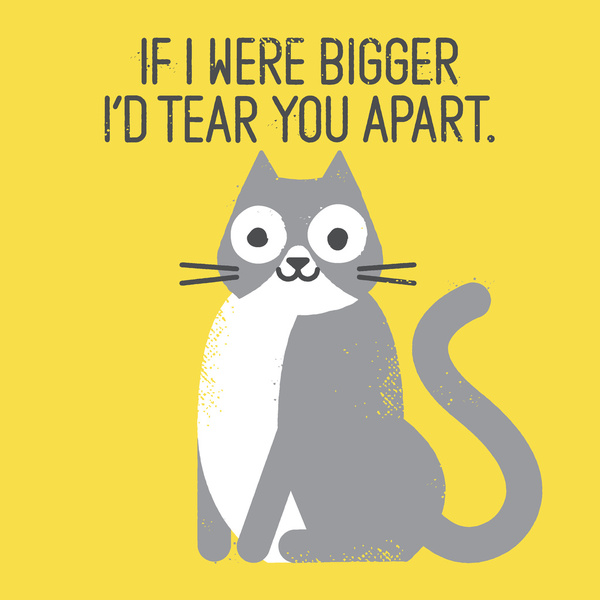
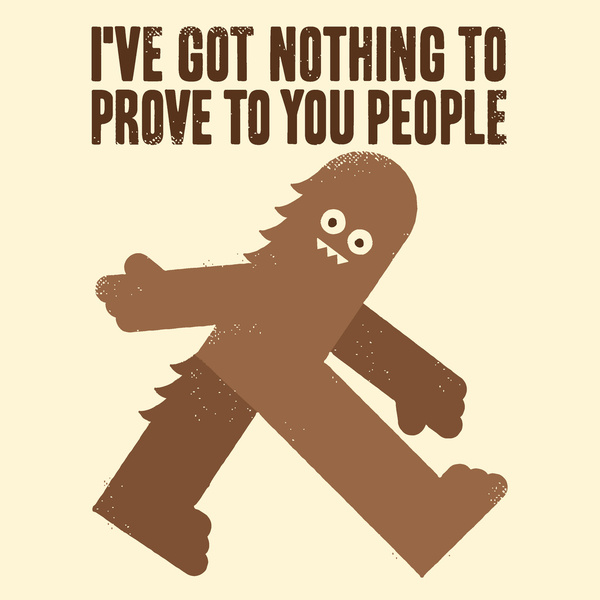
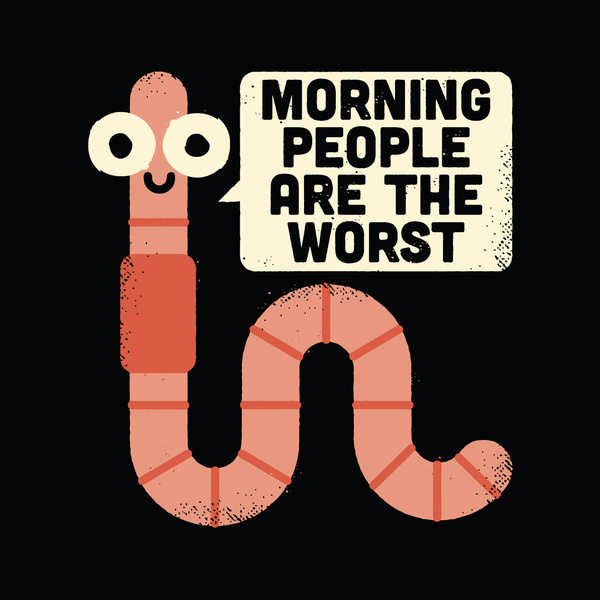
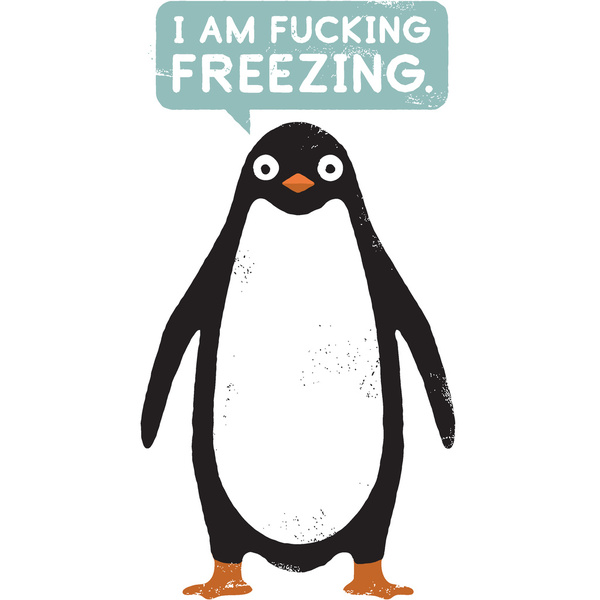
Which piece feels most like your kitchen at 10 p.m.—the persuasive dessert, the bossy coffee, or the snack that already knows it has won?

Comments
Continue reading
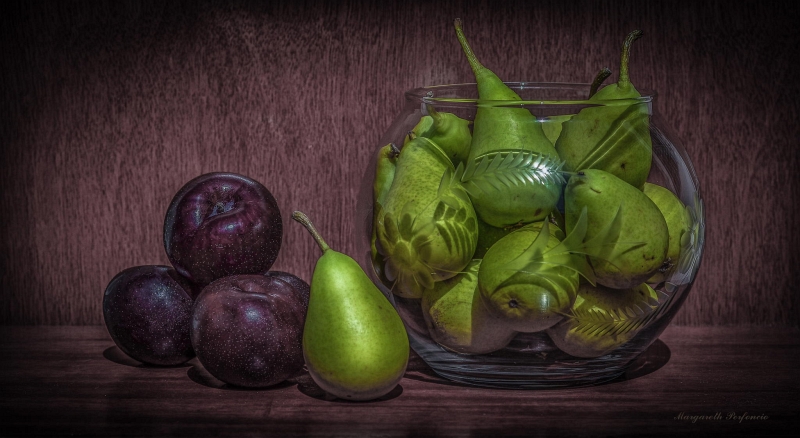
Still-Life Photography by Margareth Perfoncio
São Paulo photographer Margareth Perfoncio’s still lifes of food and flowers—Old Master light, dark wood, and tables that feel inevitable.
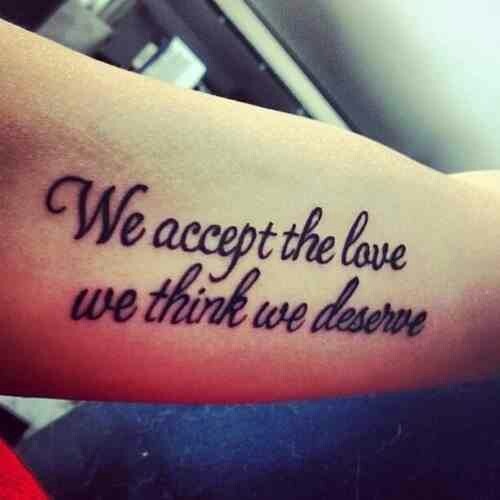
Meaningful Love Quotes for Inspiration (and Ink)
Meaningful love quotes that still feel true — short lines for tattoos, gifts, and everyday reminders, with placement and wording tips.
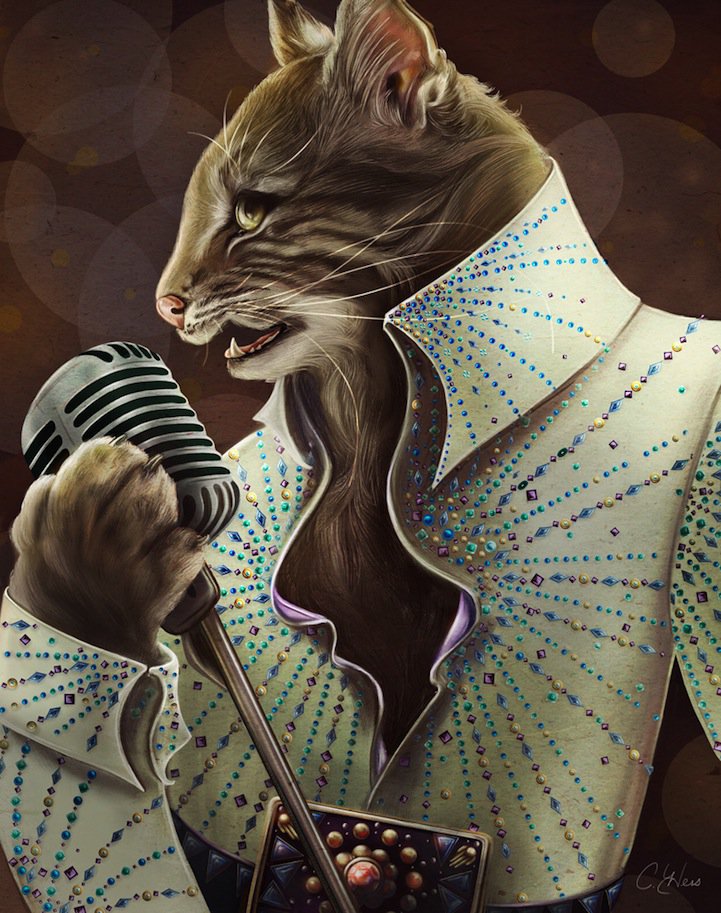
Christina Hess’s Animals From History: Costumed Pets as Playful Portraits
Illustrator Christina Hess reimagines historical icons as ornate animal portraits—Elvis Petme and friends—mixing puns, costume detail, and soft history lessons.