
Gingerbread Houses for Christmas: DIY Building & Food Safety
Bake sturdy walls, assemble with royal icing, decorate with candy, and keep edible builds food-safe—practical tips for a Christmas gingerbread house.
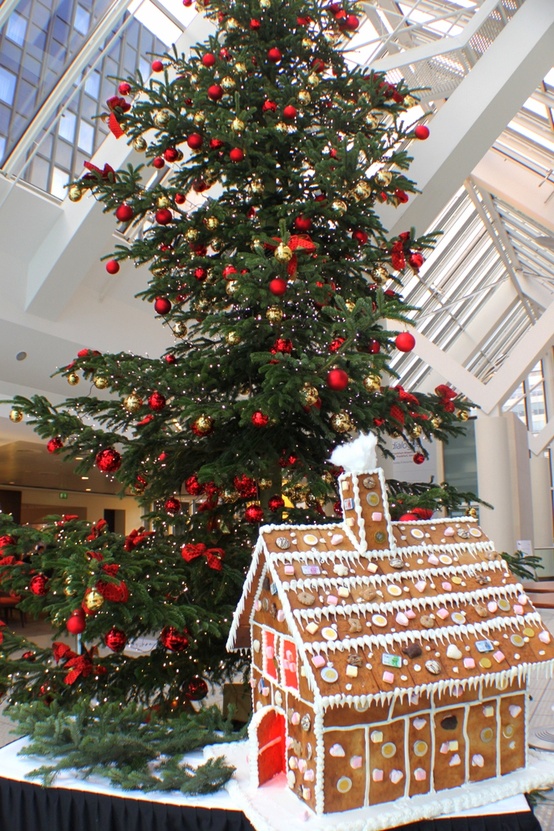
Gingerbread houses sit at the sweet spot of Christmas cooking: part baking project, part craft table, part centrepiece. Some families eat every gumdrop by New Year’s; others build a display house that stays on a sideboard until the tree comes down. Either way, the difference between a leaning ruin and a sturdy little cottage is less about artistic talent and more about dough strength, icing that sets like mortar, and a few food-safety habits.
This guide covers practical DIY construction—from baking panels to decorating—plus how to keep the project safe to eat when you want it edible, and clearly decorative when you do not.
Decide: edible centrepiece or display only
Make the choice before you shop. An edible house needs food-grade everything: fresh spices, icing sugar, candies within date, clean tools, and hands washed as carefully as for any cookie bake. A display house can use the same recipes but may sit out for weeks; once it has collected dust, curious pets have sniffed it, or non-edible craft glue has entered the picture, it should not be eaten.
Label the platter if children are around. “Look, don’t nibble” avoids confusion when royal icing decorations look identical to cookie icing meant for dessert plates.
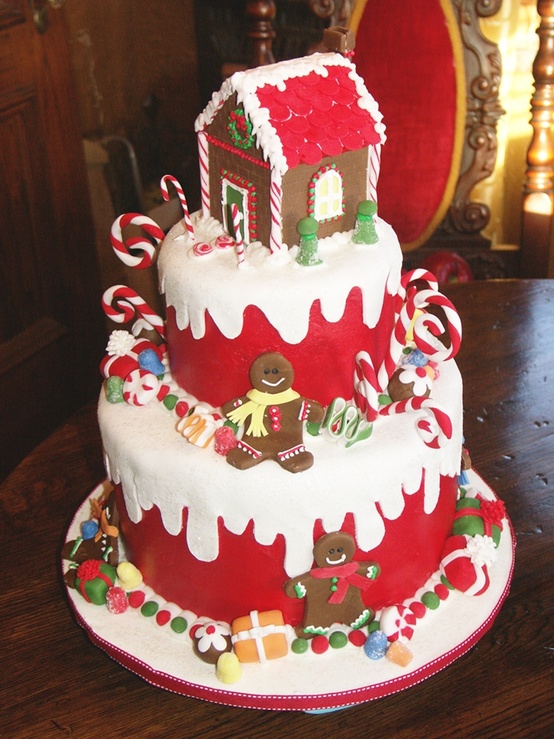
Dough that holds walls
Soft, chewy gingerbread made for sandwich cookies will sag under a roof. Construction dough is typically firmer: enough flour and a proper chill so cut panels keep sharp edges. Roll evenly—aim for a consistent thickness so walls bake at the same rate and stand the same height. Cut windows and doors before baking if you want clean openings; cutting hot cookies shatters them.
Bake until the surfaces feel firm and dry rather than soft in the centre. Slightly overbaked (within reason) is sturdier for building than underbaked. Cool panels completely on racks; warm gingerbread flexes and then cracks when icing hardens against it.
Templates help. Cardboard or parchment patterns for two side walls, two gable ends, and two roof rectangles keep symmetry. Score lightly with a knife for shutter lines or roof tiles before baking if you want texture without heavy candy.
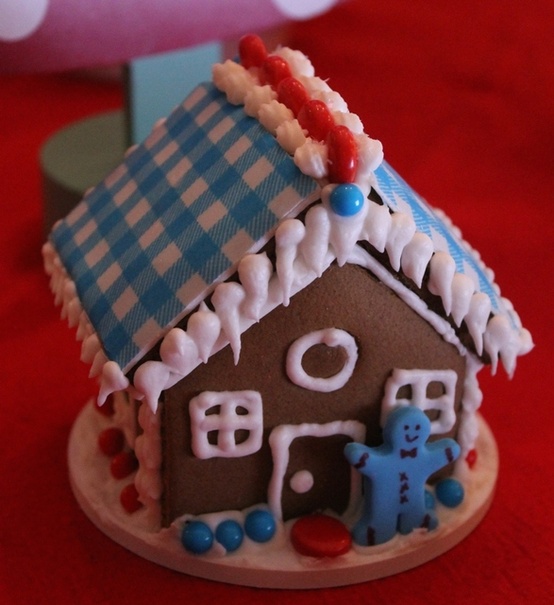
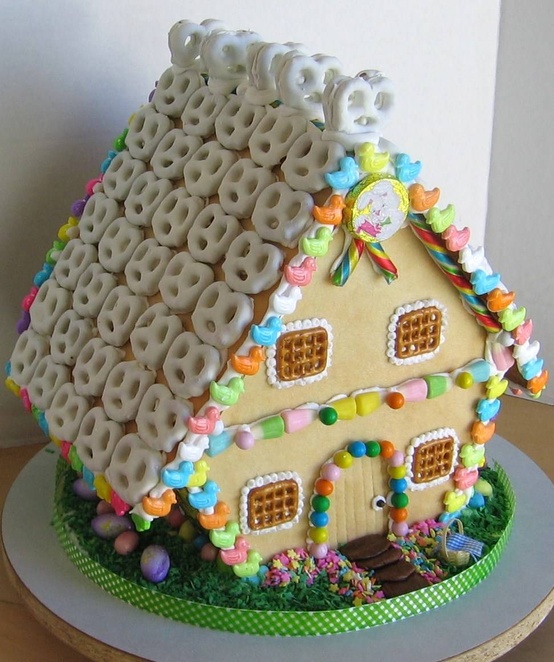
Royal icing as edible mortar
Royal icing—egg white or pasteurised egg-white powder (meringue powder) whipped with icing sugar—dries hard and is the standard “glue.” Pasteurised powder is the safer default for houses that might be tasted, especially with pregnant guests or anyone avoiding raw egg. Consistency matters: pipeable for seams, slightly thicker for attaching heavy candy, thinner for flooding small wall areas.
Assemble on a covered cake board or heavy platter you can move without flexing. Pipe a line of icing, stand the first wall with a can or mug as a temporary brace, add the adjacent wall, and let the corner set before rushing the roof. Many builders wait until wall seams are firm—sometimes an hour or more—before adding roof panels. Patience here prevents the classic midnight collapse.
Roofs, chimneys, and candy logic
Roof panels meet at a ridge; a thick line of icing along the peak and eaves holds them while gravity argues otherwise. Support from underneath with a scrunched foil prop if needed until set. Chimneys are small rectangles stacked with icing; attach them after the roof is stable.
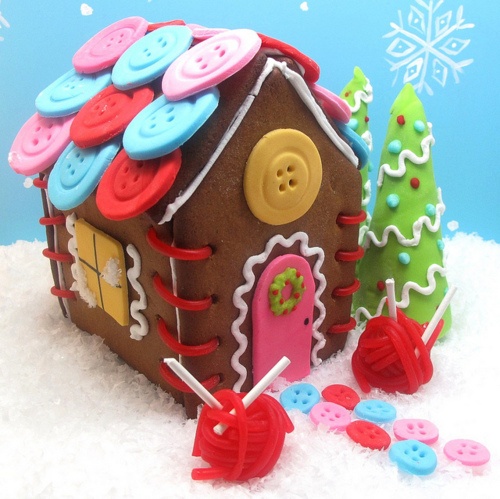
Candy strategy: heavier pieces (chocolate bars as shutters, large peppermints) go on while icing is fresh and thick. Delicate sanding-sugar “snow” goes last. Pretzel sticks make rustic fences; shredded coconut can look like drifted snow but goes stale—use it close to serving day on edible houses.
Food safety while you build and serve
- Wash hands, boards, and cutters; keep raw dough away from ready-to-eat candies until panels are baked.
- Prefer pasteurised egg-white powder for royal icing when the house may be eaten.
- Check candy and icing sugar dates; discard anything with off smells or moisture damage.
- Do not use craft glitter, hot glue, Styrofoam supports left inside walls, or floral wire if anyone might eat the house.
- Keep the build area clear of pets; fur and curious tongues are not holiday flavours.
- If the house sits out as décor for more than a couple of days in a warm room, treat it as display-only—dust and humidity are not kind to food.
- Allergies: tree nuts, wheat, eggs, and dairy hide in candies and icings. Label shared tables.
Kits versus from-scratch
Boxed kits are ideal for young decorators: panels are uniform, icing is included, and the afternoon stays about candy placement. From-scratch builds taste better and let you control spice level and panel thickness, but they ask for time—dough rest, baking, cooling, and staged assembly often span two days. A hybrid works well: bake your own walls, buy candy, and use a kit’s icing sugar pouch if you are short on meringue powder.
Decoration ideas that still stand up
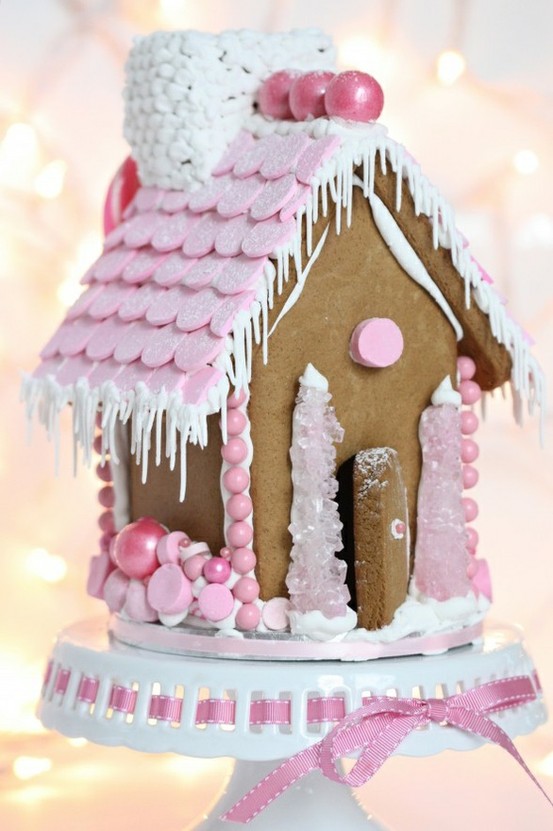
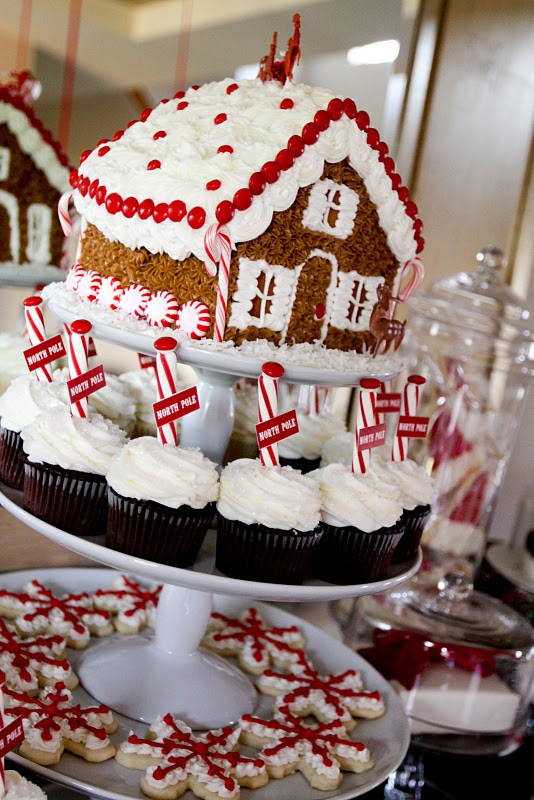
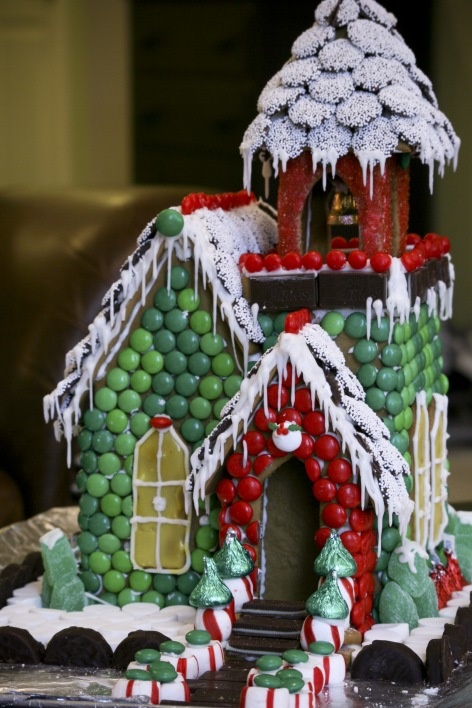
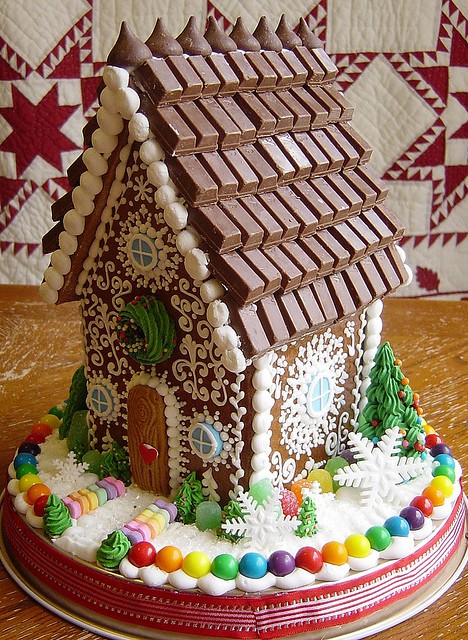
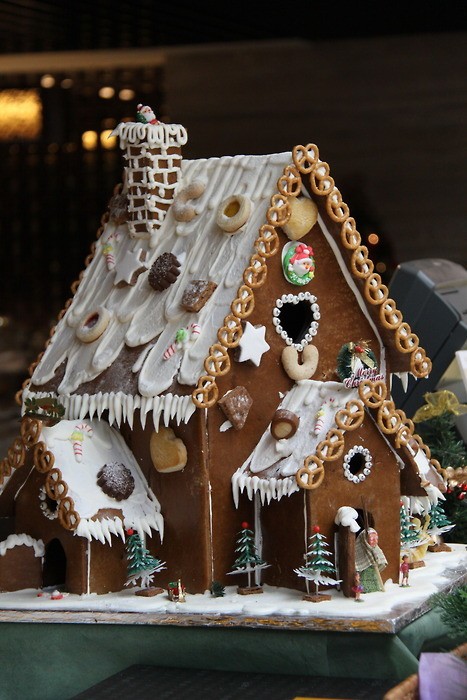
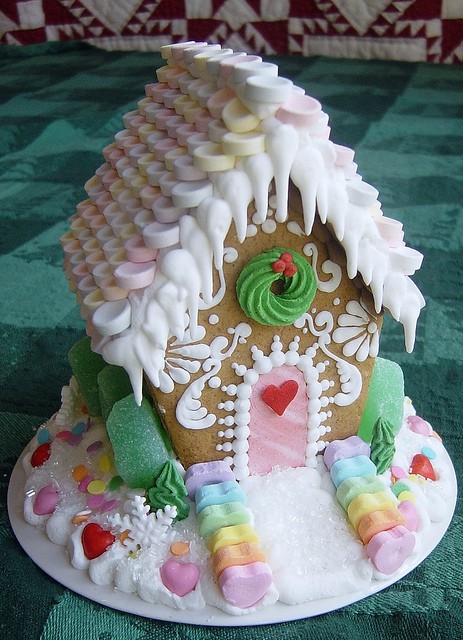
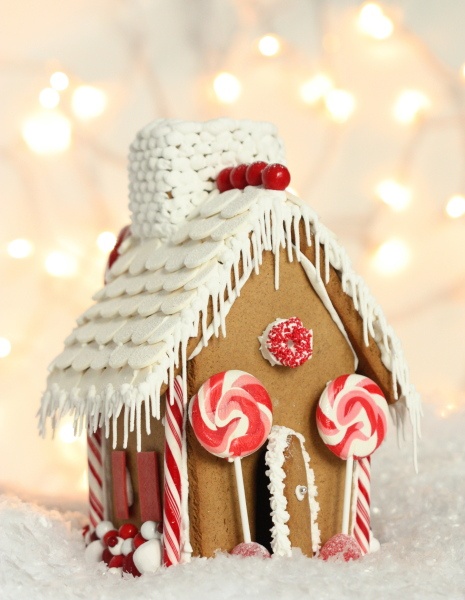
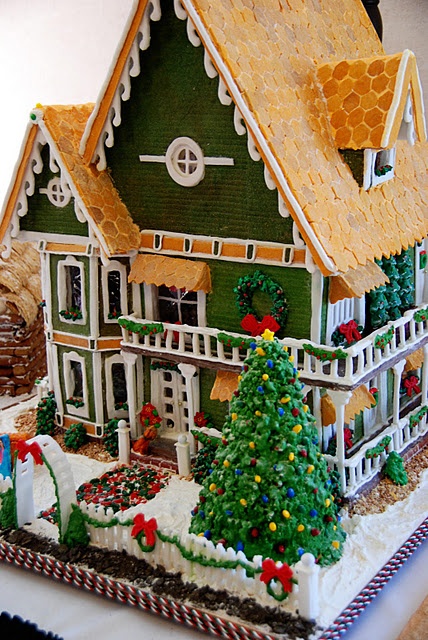
White icing icicles along eaves read as snow without weighing the roof down. Crushed candy “stained glass” can fill window cutouts if you add crushed clear candies for the last few minutes of baking so they melt into panes—cool completely before moving. A path of crushed cookies or small candies leads the eye to the door. Keep colour stories simple: red and white; forest green and gold; or cocoa brown with white snow only.
Lighting belongs outside the food. Battery tea lights beside the board are safer than candles near sugar and paper doilies. Never put a candle inside an edible house.
Working with kids
Give children a cooled, pre-assembled shell or a single flat “façade slab” to decorate if walls are still soft. Put candies in small bowls, set a time limit before icing crusts, and accept asymmetry—crooked gumdrop paths are the point. Have a plate of spare cookies so hungry helpers are not demolishing structural beams.
Storage and the end of the season
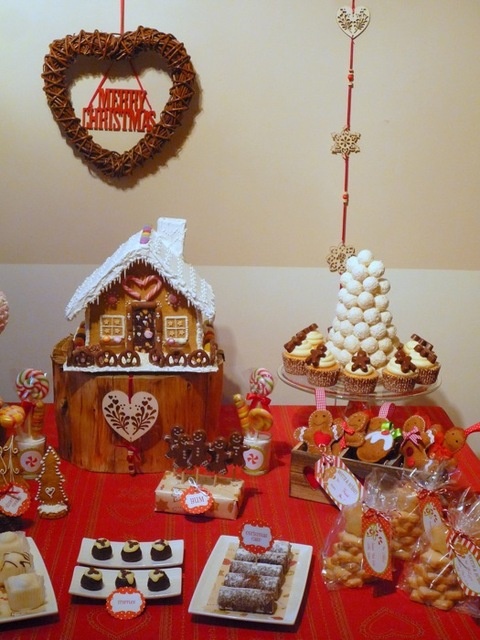
For an edible house meant to be eaten within a day or two, keep it covered loosely against dust, away from heat vents, and out of direct sun so colours do not weep. For longer display, accept that texture will stale; move it to display-only status and plan a separate batch of soft gingerbread people for actual dessert.
When it is time to retire the house, hard candy can sometimes be salvaged if clean and dry; otherwise compost what you can and bin the rest. Do not leave a sugar structure where rodents or ants will find a winter buffet.
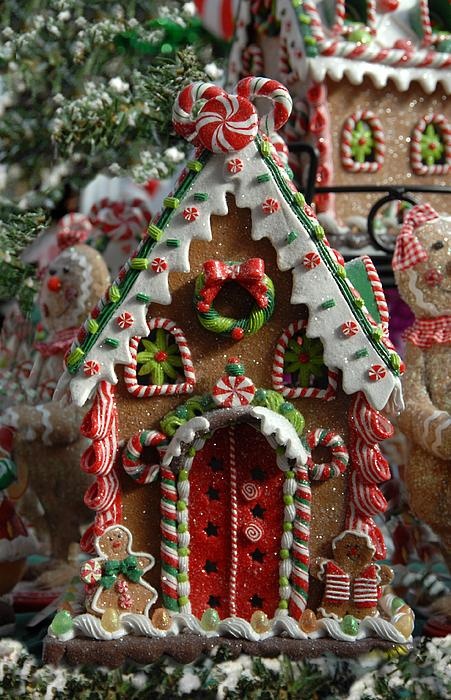
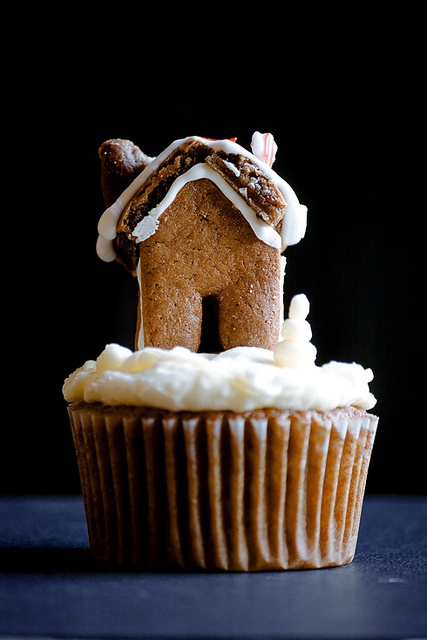
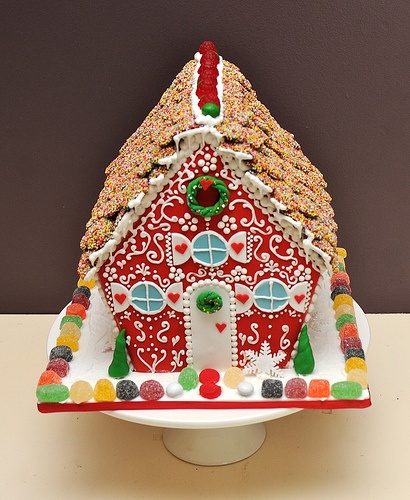
Bake the walls a day ahead, glue with icing that truly sets, and keep craft supplies off the edible build. The house on the table will look more intentional—and if you meant it to be tasted, it will still be something you are willing to break apart with a smile on Twelfth Night.

Comments
Continue reading

Red Christmas Lingerie as Seasonal Fashion
A tasteful look at red holiday lingerie—lace, satin, and winter silhouettes—as seasonal fashion history and styling reference, not a hard sell.
Christmas Cupcake Decoration: Snow Swirls, Fondant, and Festive Toppers
Holiday cupcake inspiration—from piped snow and candy canes to character toppers—plus baking, transport, and dessert-table tips.
Christmas Themed Food and Drink Inspiration
Cookies, cupcakes, candies, and holiday drinks—colour stories, styling tips, garnish ideas, and make-ahead formulas for a cohesive Christmas table.