
Hidden Landscapes by Sam Alive: iPhone Windows on a Blurred World
Sam Alive’s Through the Phone series keeps an iPhone sharp in the foreground while the real city softens into color—hidden landscapes revealed on the screen.
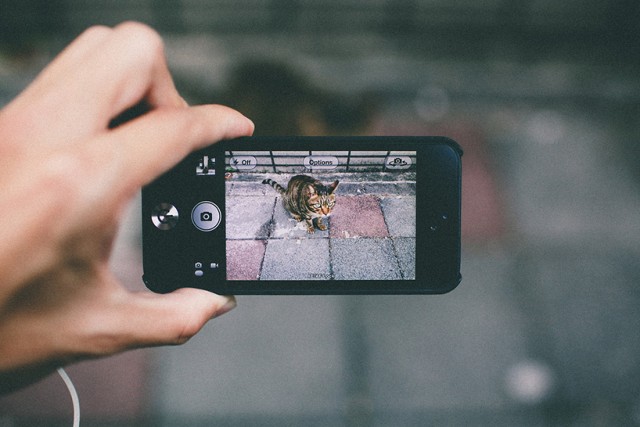
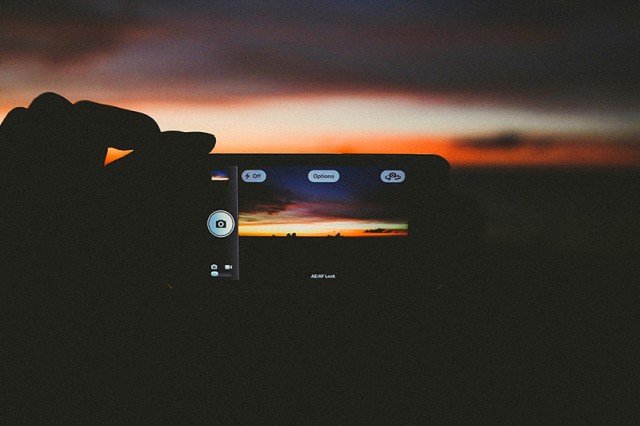
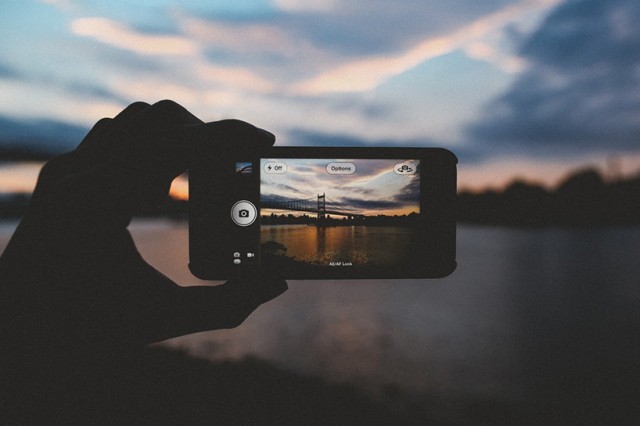
New York–based photographer Sam Alive built a simple visual puzzle that traveled widely in the early 2010s: hold an iPhone in the foreground, keep the phone sharp, let the real world behind it dissolve into color, and let the phone’s screen carry the “true” landscape. The series—often titled Through the Phone and discussed online as hidden landscapes—turns a pocket device into both subject and window.
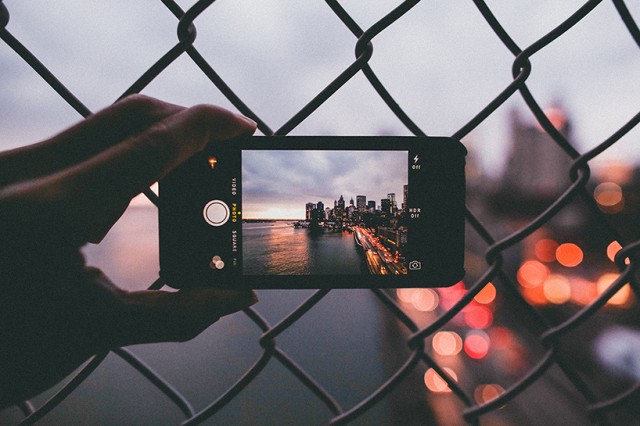
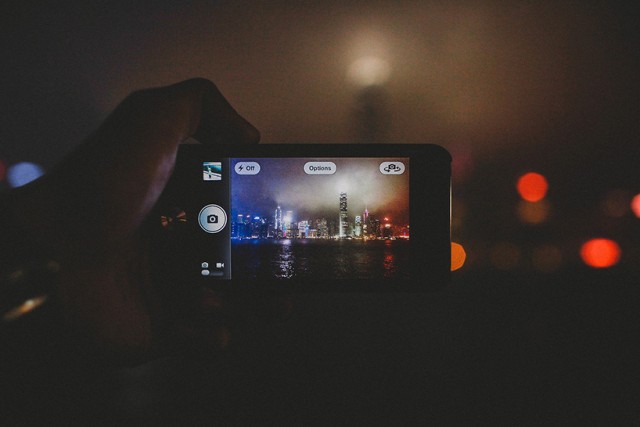
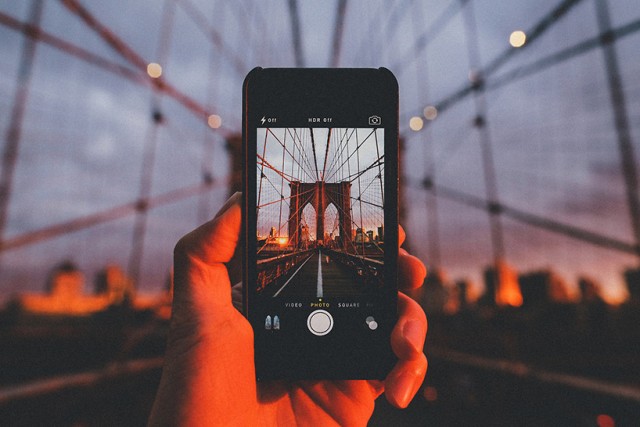
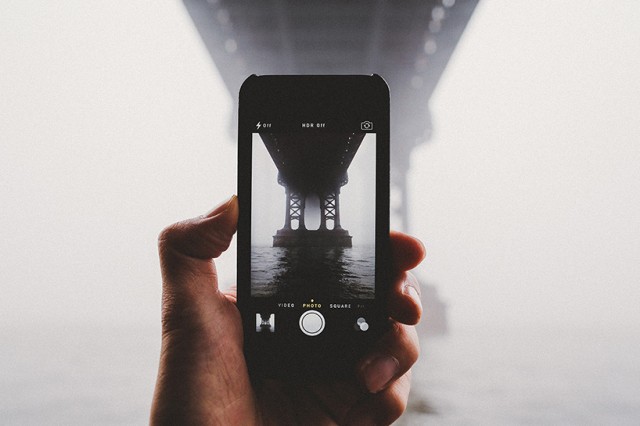
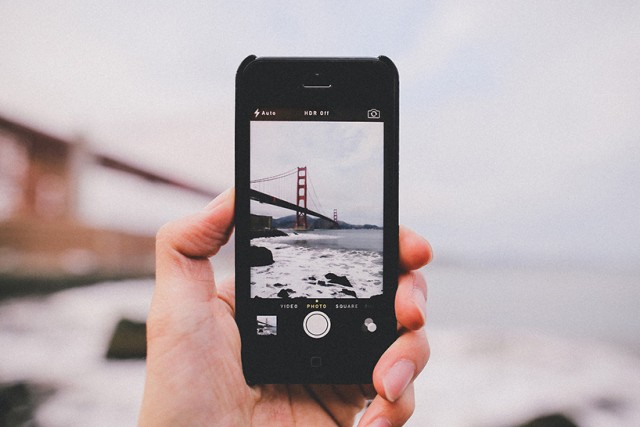
At first glance the pictures look like double exposures or heavy digital composites. Most of them are not. They are observational tricks of focus, distance, and timing. The hand and the handset stay crisp. The street, skyline, park, or sunset behind them soften into abstract bands. Inside the glowing rectangle, the same scene reappears in focus, as if the phone alone knows how to see.
Who Sam Alive is in this series
Coverage from design and photography blogs of the period consistently places Sam Alive as a New York photographer—sometimes noted as Taiwan-born and living in the city—whose everyday archive lived across Flickr, Tumblr, Instagram, and related feeds. The Through the Phone pictures sit inside a broader habit of treating routine urban moments as material: walks, weather shifts, transit light, and the small theater of holding a camera in public.
What made this particular project stick was not exotic travel. It was a portable concept. Anyone who has ever raised a phone to frame a skyline already understands the gesture. Sam Alive simply made that gesture the entire composition. In a city as photographed as New York, that restraint is almost radical: no skyline checklist, no tourist overlook, just the act of looking through a device you already carry.
The optical idea, without mystique
The method is easy to describe and harder to execute cleanly:
- Place the iPhone (and usually the hand holding it) close to the second camera’s lens.
- Focus on the phone screen so the displayed image is sharp.
- Allow the background—the actual environment the phone is photographing—to fall out of focus.
- Match the phone’s framing to a subject that still reads when reduced to a glowing rectangle: a bridge, a face, a horizon line, a run of streetlights.
The result is a picture with two information speeds. The periphery is atmospheric—color fields, smeared neon, soft architecture. The center is documentary. Viewers toggle between “Where am I?” and “What is on the screen?” That toggle is the series’ entertainment and its argument about attention. It also explains why the work spread so easily on design blogs: you can explain it in one sentence, then spend much longer noticing how carefully each layer is balanced.
Why the blur is not a mistake
In conventional landscape photography, soft backgrounds often mean shallow depth of field used to isolate a subject. Here the “subject” is mediation itself. By blurring the world and clarifying the phone, Sam Alive inverts tourist logic. The postcard clarity lives inside the device; the lived environment becomes mood.
That inversion felt especially timely when smartphones were cementing themselves as the default camera. Millions of people were already experiencing cities through a bright rectangle. The series makes that habit visible as form. It does not scold phone culture so much as diagram it: we stand in a place, yet we look at a miniature of the place.
Color does heavy lifting. Out-of-focus city lights become abstract painting. Sunset gradients turn into soft washes. Green parks reduce to color temperature. Against those fields, the phone’s sharp edges and UI chrome remind you that you are looking at a manufactured window, not a magic portal. When the blur is muddy instead of beautiful, the whole frame fails—so location scouting for color is as important as finding a sharp subject for the screen.
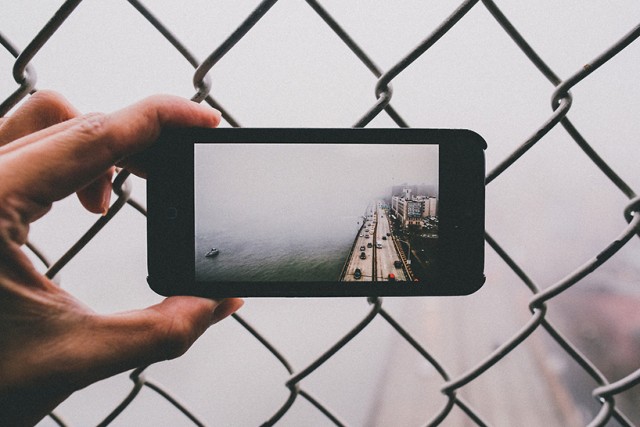
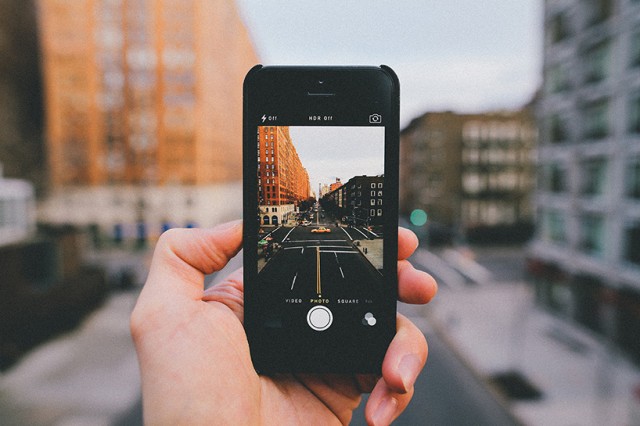
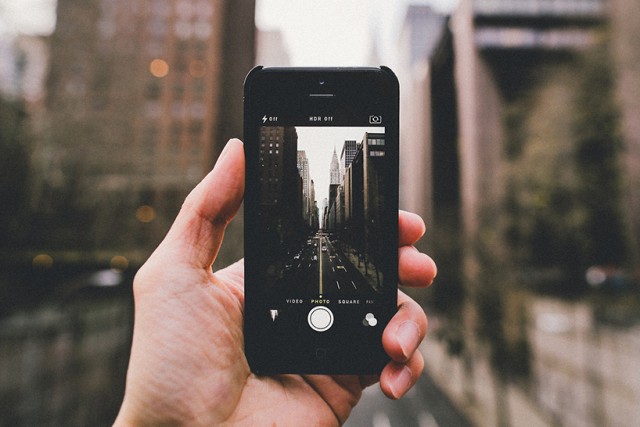
Composition habits that repeat across the set
Scan the gallery and several patterns appear:
- Hand as scale. Fingers and a wrist establish human size against skyline or sky. Without the hand, the phone could feel like a floating prop.
- Centered or near-centered phone. The device often sits where a classical subject would—stable, almost heraldic.
- Screen content that still reads small. Strong horizontals, high contrast, recognizable silhouettes.
- Backgrounds chosen for color more than for landmarks. The blur has to be beautiful on its own, or the frame collapses into a tech demo.
Those habits keep the series coherent. Variation comes from place and palette—daytime haze versus night neon, warm dusk versus cool overcast—rather than from constantly reinventing the camera trick. Portrait moments on the screen feel intimate; wide cityscapes feel like compressed postcards. Either way, the phone remains the actor that organizes the picture.
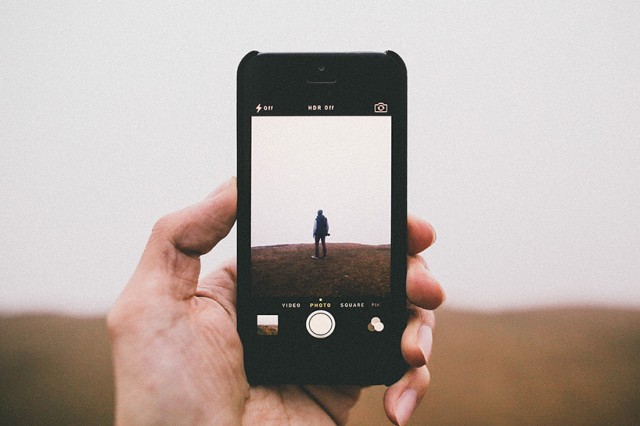
How to look at these pictures slowly
Online, images like these get a two-second reaction: clever. A slower look pays more:
- First, ignore the phone and name the blur’s color story.
- Second, read only the screen and decide what documentary claim it makes.
- Third, notice mismatches—where the blur’s suggestion and the screen’s detail disagree slightly in angle or exposure. Those tiny gaps prove the picture is a negotiation between two cameras, not a single seamless render.
That third step is where the craft lives. Matching brightness, white balance, and framing between the world and the screen is the hard part. Too bright a screen and the phone becomes a white rectangle. Too dim and the “hidden landscape” disappears. Sam Alive’s strongest frames keep both layers legible. If you try the idea yourself, you will discover how often one layer wins and ruins the balance—evidence that the published set is edited with a strict eye, not just a cute concept.
Where the series sits in phone-era photography
Plenty of projects celebrate mobile cameras as tools for making the final image. Sam Alive’s series treats the phone as a character inside someone else’s photograph. That is closer to still-life or conceptual street work than to “shot on iPhone” advertising. It also anticipates later conversations about screens mediating experience—without needing academic language to land the point.
Imitators found the idea easy to copy badly. A phone held up against a blurry background is not automatically interesting. Without careful color, a readable screen image, and a hand that feels natural rather than posed for a tech unboxing, the concept collapses into a meme template. The original set’s value is consistency of eye: Sam Alive keeps choosing moments where the miniature view is worth the larger blur.
Seen together, the photographs also function as a quiet diary of moving through a city with two cameras at once—one making the picture you will share, one making the picture about sharing. That nested attention is what still feels contemporary years later, even as phone models and interface chrome have changed.
If you leave this gallery with a question, let it be practical rather than nostalgic: the next time you raise a phone to “capture” a place, which layer are you actually looking at—the world, or the glowing proof that you were there? Sam Alive’s hidden landscapes do not answer that question for you. They simply make it impossible to pretend the two layers are the same.

Comments
Continue reading
David Shield Landscape Photos: Blue Hour, Reflections, and Honest Color
Eighteen landscape photographs by David Shield—coastal twilight, alpine mirrors, and light-handed color that preserves place over spectacle.
10 Norwegian Landscape Photographs by Tore Heggelund
Lighthouses, skerries, winter mountains, and storm light—ten atmospheric landscape photographs by Norway-based photographer Tore Heggelund.

15 Winter Landscape Photos: Alpine Light, Snow, and Mountain Craft
Fifteen Alpine winter landscape frames—plus practical notes on cold light, snow exposure, storm weather, and field craft for mountain photography.