
Illustrations on Photography by Johan Thörnqvist
Swedish illustrator Johan Thörnqvist (Snarlik) draws imaginary cities into real photographs—comic invention grounded in camera-made streets and light.
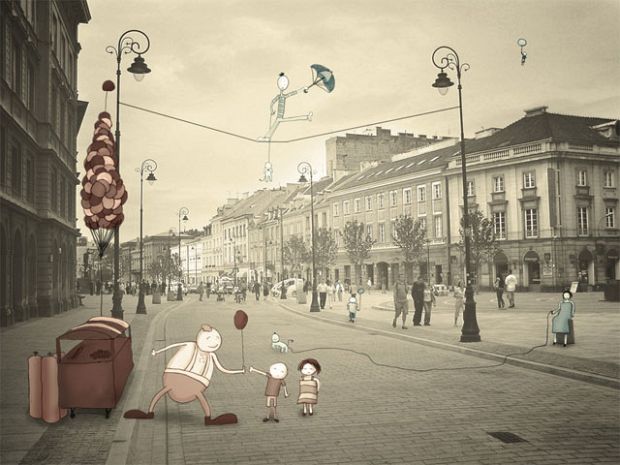
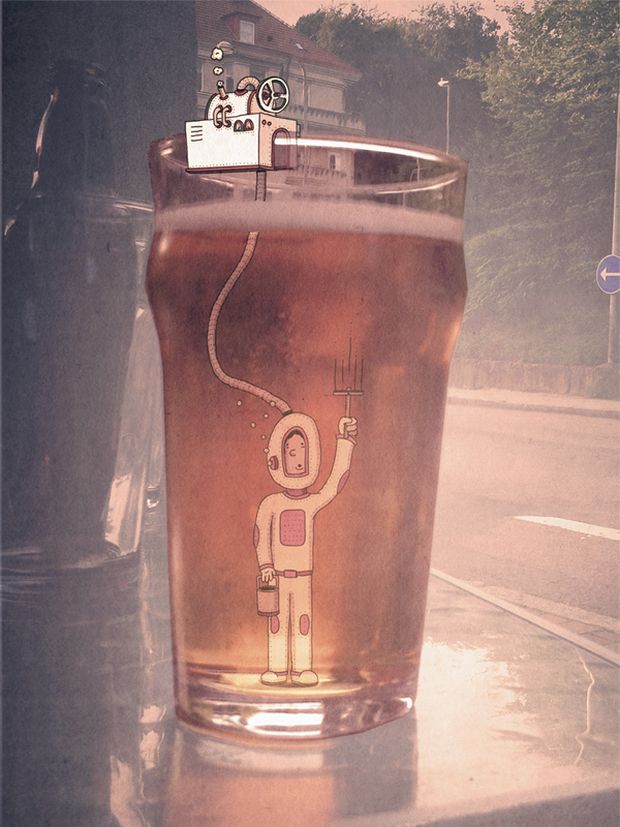
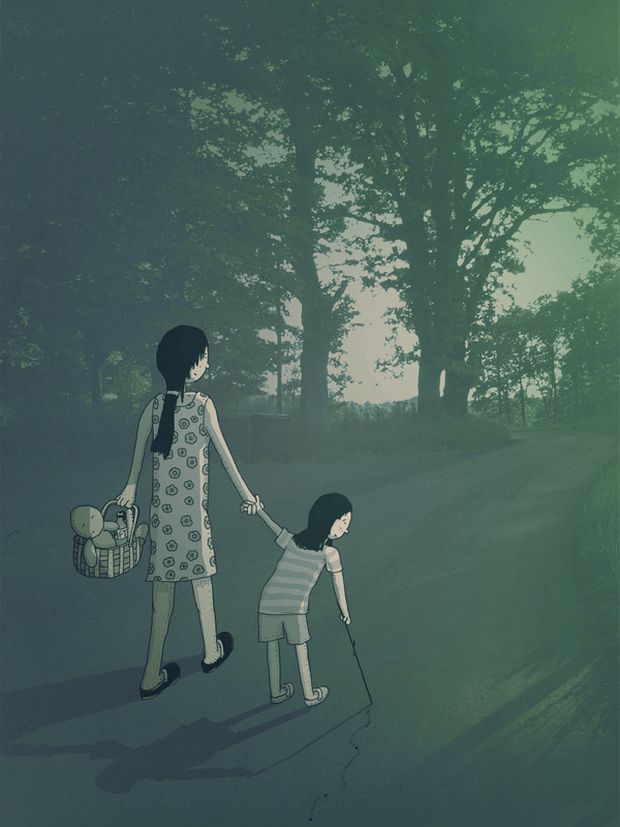
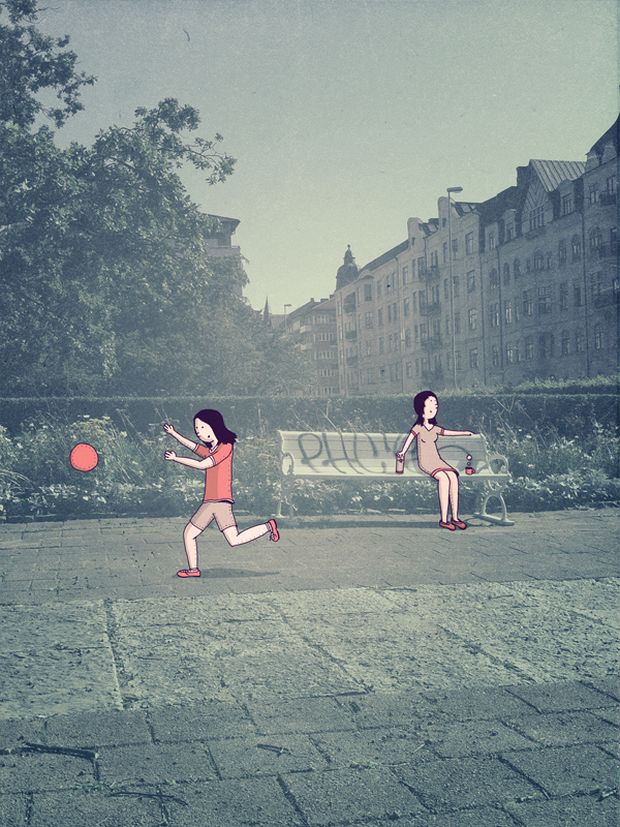
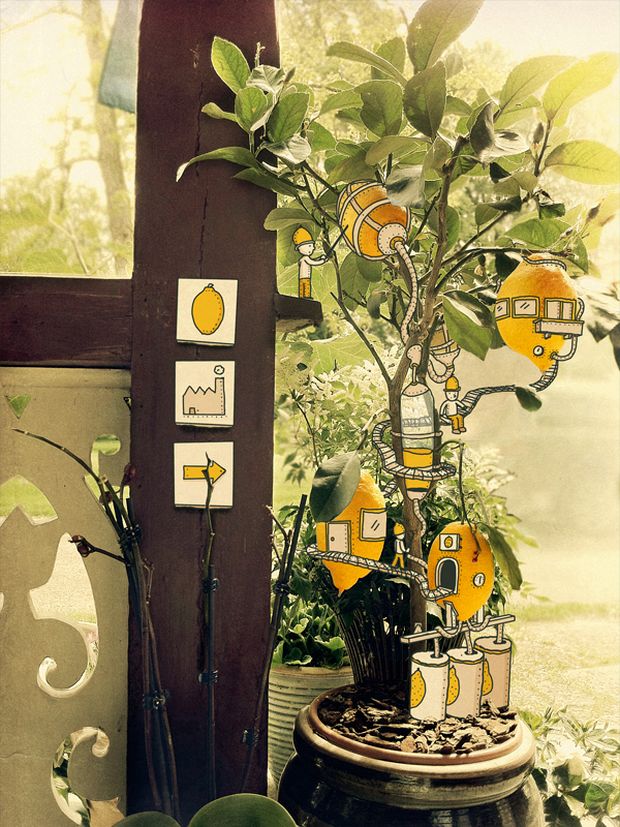
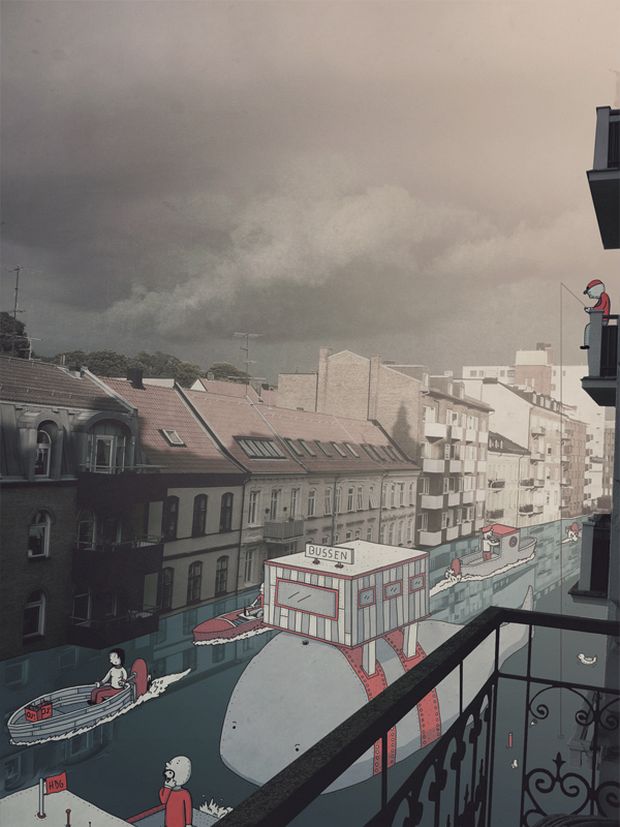
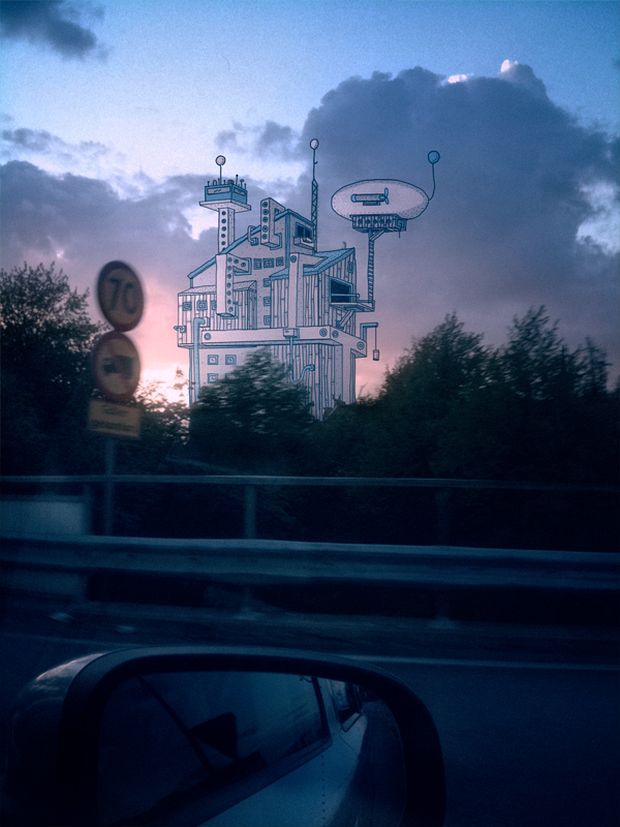
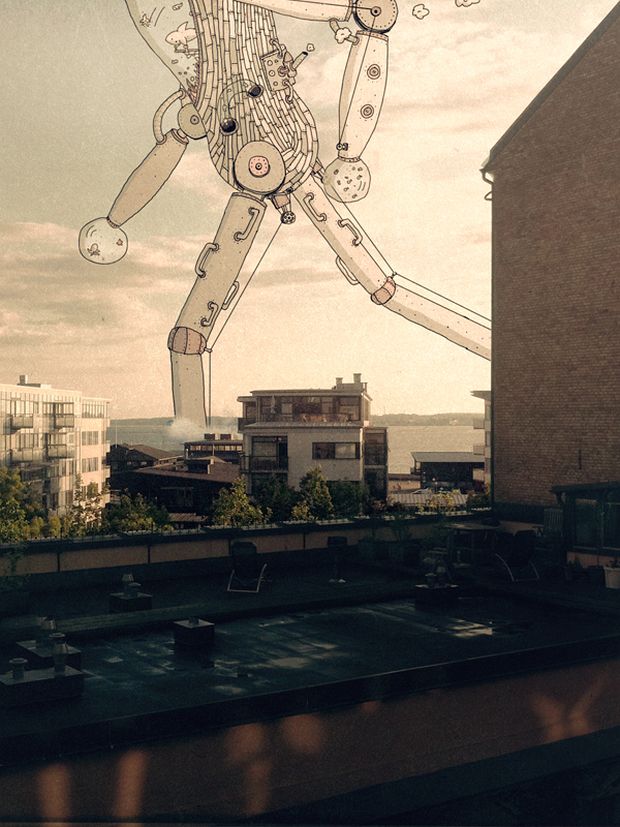
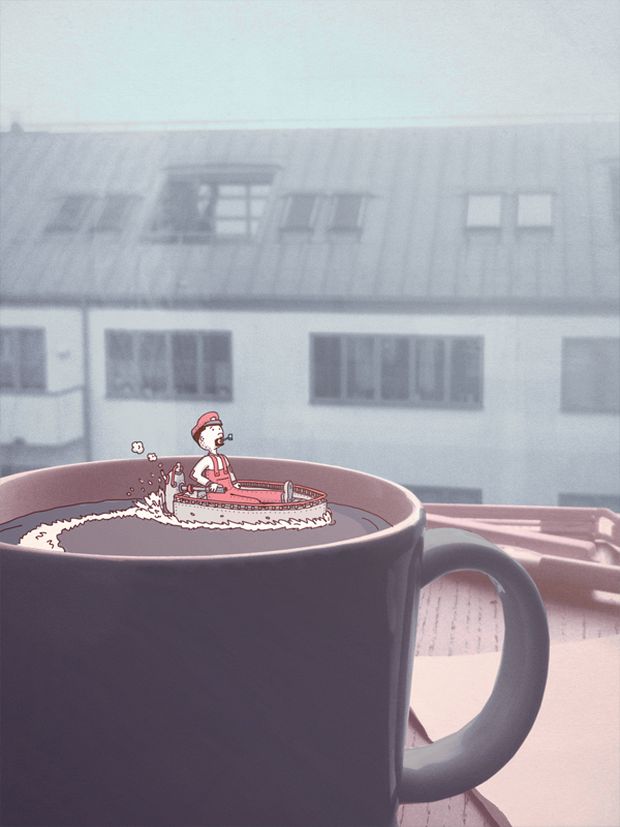
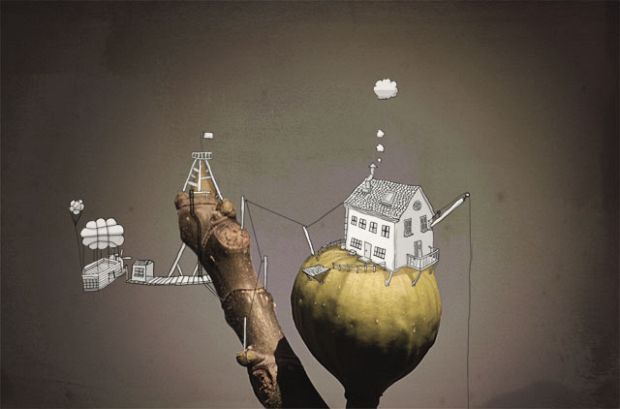
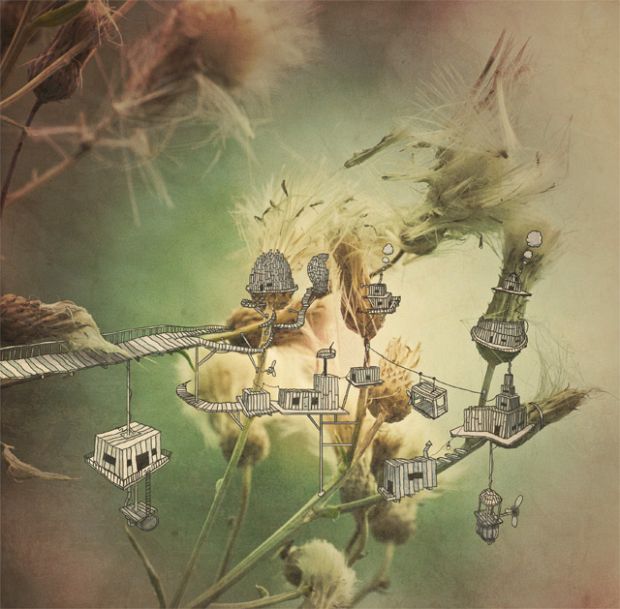
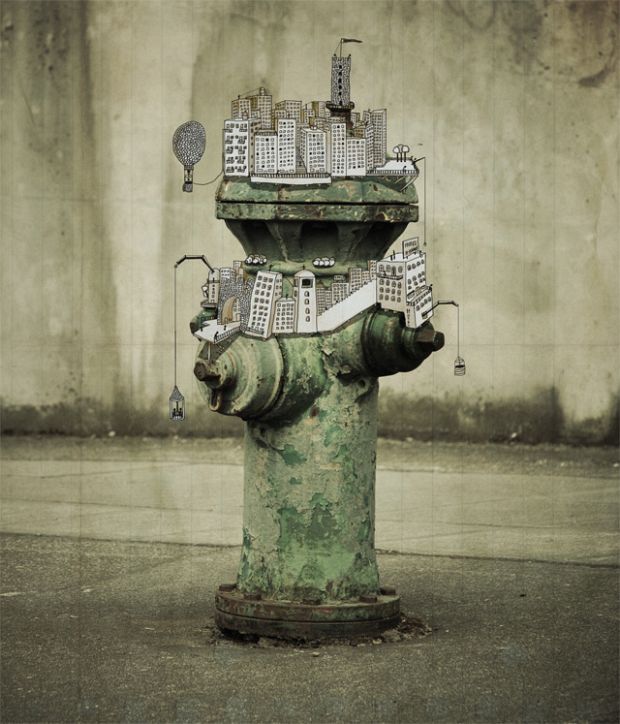
Swedish illustrator and animator Johan Thörnqvist builds pictures in the gap between a camera and a pen. His signature move is simple to describe and hard to fake: start with real-life photography—often ordinary streets, rooms, or landscapes—then draw imaginary cities, structures, and characters into the scene until the photograph feels like a doorway into another urban physics. The results look dreamy without dissolving into vague fantasy mist. You can still name the pavement. You just cannot trust the skyline anymore.
Working under the studio name Snarlik, Thörnqvist has made images for advertising, editorial, children’s books, games, apps, and personal series. Brands and institutions in his credit history have included names such as AT&T, American Express, Sainsbury’s, Norwegian, GroupM, and public-service campaigns. Across those contexts, the photo-plus-drawing hybrid remains the recognizable fingerprint: comic-informed line and shape negotiating with photographic texture and light. Helsingborg roots and a Scandinavian clarity of staging show up even when the invented towers refuse every building code.
What “illustrations on photography” means in practice
Plenty of artists collage drawings beside photos. Thörnqvist’s stronger frames treat the photograph as terrain. Perspective lines in the real scene become rails for invented architecture. A blank wall becomes a billboard for a floating neighborhood. A horizon that was merely weather becomes a shelf for impossible towers. The drawing does not sit on top like a sticker; it argues with the depth already captured by the lens.
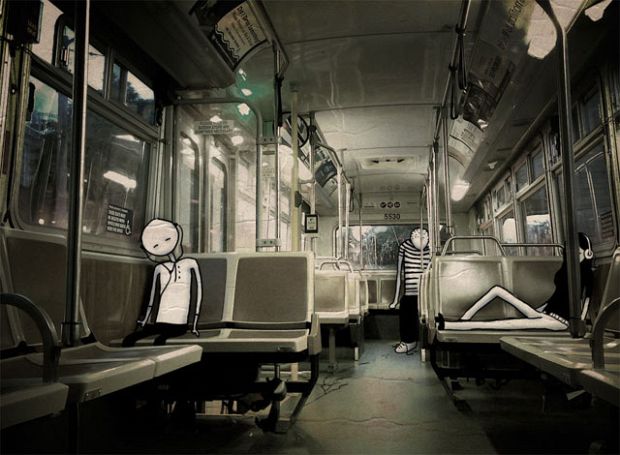
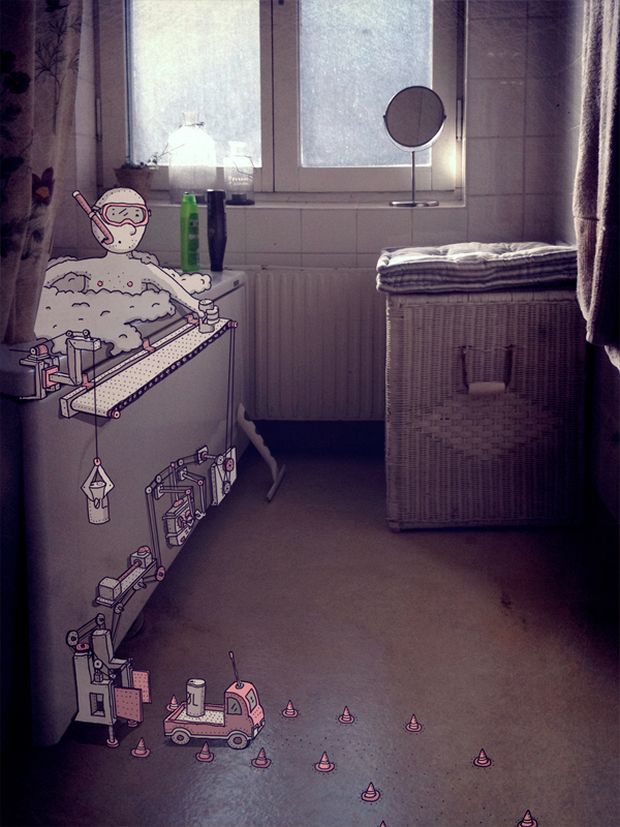
He has described, in portfolio contexts, a love of combining photo manipulation and illustration—creating worlds rather than only decorating surfaces. Comic-book energy shows up in character design and in the willingness to let physics loosen. Yet the photos keep a documentary gravity: shadows, asphalt grain, window reflections, the accidental truth of a phone snapshot or location still. That friction—cartoon invention versus photographic fact—is the pleasure center of the work.
Technique typically includes shooting or gathering reference images, adjusting color and texture, sometimes compositing several photos into one base, then drawing into the file so edges and values match. The craft question is always the same: do the invented forms share a light source and a ground plane with the photo, or do they float like clip art? When the match is right, your brain accepts a city that cannot exist. When the match is lazy, you see a filter. Thörnqvist’s circulated pieces rarely feel lazy.
Imaginary cities as a recurring subject
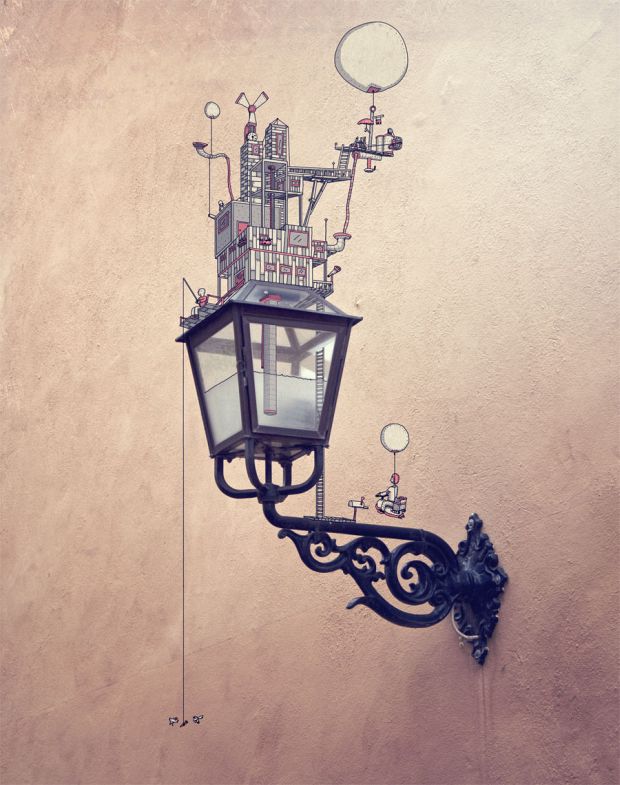
Cities in this work are rarely sober masterplans. They lean, stack, sprout, and hover. Blocks look handmade. Towers behave like toys that learned engineering overnight. The mood sits between children’s-book wonder and a slightly uncanny urban dream—familiar enough to walk, strange enough to remember after you close the tab.
Why cities? Photography already loves streets; illustration can densify them beyond zoning laws. Adding invented architecture comments on how we already fictionalize cities in memory. A hometown in recollection is never only the cadastral map; it is exaggerated corners, missing shops, and buildings that grew taller in nostalgia. Thörnqvist makes that cognitive habit visible and generous. He also gives commercial clients a flexible metaphor: networks, growth, play, logistics, “how things work,” explained with charm instead of cold diagrams alone.
Look for how figures—when they appear—scale against the invented skyline. Tiny people make towers mythic; larger characters turn the city into a playset or a stage. Either choice changes the emotional temperature of the same technical method. Scale is storytelling, not only composition.
How to read one of these images
A slow pass helps more than a quick “wow”:
- Isolate the photo. What would remain if every drawn mark vanished—street, room, landscape, object?
- Trace the seam. Where does ink meet pixel? Soft blend, hard cut, or a clever middle?
- Check the light. Do invented forms share highlights and shadow direction with the photograph?
- Name the fantasy rule. Floating blocks? Extra gravity? Toy scale? Once you name the rule, the image feels designed rather than random.
- Ask what emotion the hybrid produces. Playful, lonely, busy, tender, comic, bittersweet?
- Imagine the sound. Would this place hum like traffic, or click like a model railway?
That last question sounds odd until you try it. Thörnqvist’s worlds often imply a soundtrack. Commercial pieces may want optimism and motion; personal pieces can hold quieter oddness. The same hybrid method serves both because it is a language, not a single punchline repeated forever.
Why the hybrid still feels fresh
Digital tools make pasting drawing onto photo trivial. Convincing world-building remains rare. Viewers can sense when an illustrator has walked the location—or at least studied its perspective until the vanishing points became muscle memory. Thörnqvist’s images often feel walked. Even when the final city is impossible, the ground truth under it seems earned. Phone photography, location scouting, and careful value matching do unglamorous work before the whimsical towers arrive.
Comic influence helps avoid the stiffness of architectural visualization. Lines can be playful; characters can be slightly wrong in the best way; environments can prioritize delight over code compliance. At the same time, photographic noise and lens reality keep the work from floating off into pure vector cuteness. The middle path is the style: neither pure documentary nor pure cartoon, but a negotiated city.
For students of illustration, useful takeaways include: shoot more of your own reference; match values before adding detail; let one fantasy rule govern a whole piece; leave some photographic accidents intact; and resist explaining everything in the frame. A tower that should not stand is funnier—and stranger—if the photo around it remains calmly believable. Ambiguity, handled with craft, beats a caption that tells the viewer what to feel.
A small experiment instead of a finale
The gallery on this page is a cross-section of the photo-illustration mode that carried Johan Thörnqvist’s name through design blogs: imaginary cities blooming out of real places, craft aimed at wonder rather than shock. His site at snarlik.se remains the clearest route into newer commissions, personal sequences, animation, and editorial work beyond any single viral set.
If one image sticks, print a street photo of your own block and redraw only an invented layer on tracing paper. Match one shadow. Invent one impossible roof. You will feel immediately how much precision the “simple” idea demands. That small experiment is better praise than another adjective. Thörnqvist’s gift is not merely that he invents cities. It is that he teaches your eyes to accept them on the same block where the bus still runs and the photograph still tells the truth—until the drawing gently refuses to.

Comments
Continue reading

Still-Life Photography by Margareth Perfoncio
São Paulo photographer Margareth Perfoncio’s still lifes of food and flowers—Old Master light, dark wood, and tables that feel inevitable.

Meaningful Love Quotes for Inspiration (and Ink)
Meaningful love quotes that still feel true — short lines for tattoos, gifts, and everyday reminders, with placement and wording tips.

Christina Hess’s Animals From History: Costumed Pets as Playful Portraits
Illustrator Christina Hess reimagines historical icons as ornate animal portraits—Elvis Petme and friends—mixing puns, costume detail, and soft history lessons.