
Lana Del Rey for Vogue China: Say Goodbye to the Wonderland
Wee Khim and Grace Lam’s ethereal January 2013 Vogue China story—soft waves, cat eyes, and dreamlike fashion far from French weekly bronze.
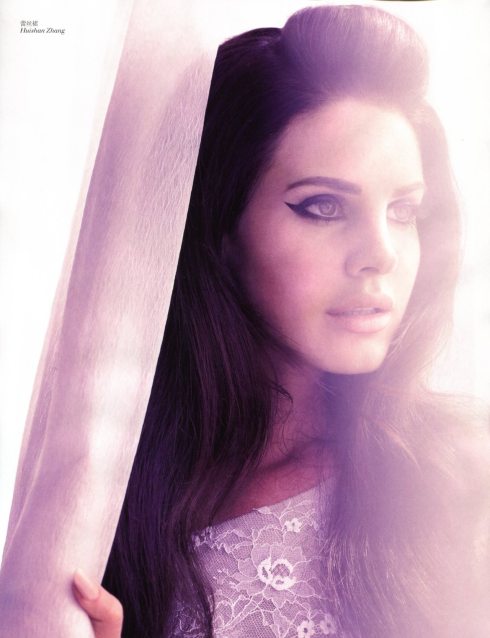
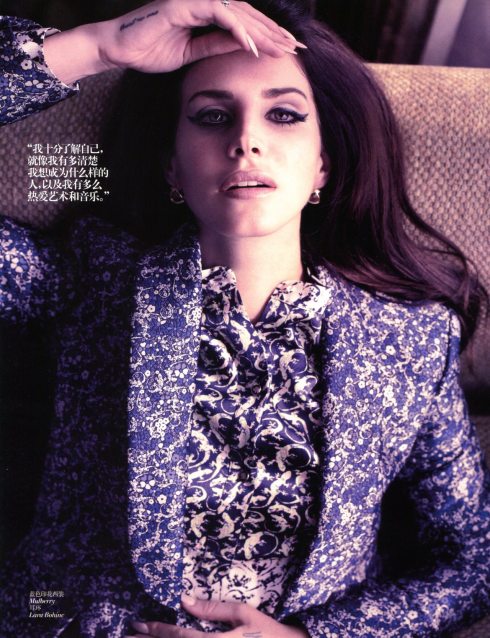
For its January 2013 issue, Vogue China published a Lana Del Rey fashion story photographed by Wee Khim and styled by Grace Lam—often circulated under the editorial title “Say Goodbye to the Wonderland.” The images that traveled online in December 2012 are soft, whimsical, and deliberately dreamlike: waved hair, cat-eye makeup, nude lips, and feminine wardrobe that feels closer to storybook couture than to French weekly cover heat. This gallery is about that China editorial mood. It is not Jean-Baptiste Mondino’s bronze prairie package for Madame Figaro, and it is not a mixed scrapbook of random magazine stills. It is one fashion story for one edition of Vogue.
By late 2012 Del Rey had become a preferred international cover and editorial subject. Asian editions of major fashion titles used her the way European and American ones did: as a ready-made cinematic character who could carry high fashion without needing a plot explanation. Vogue China’s contribution was tonal. Where some Western covers pushed Americana grit or Hollywood lacquer, this set leans ethereal—lighter color stories, softer edges, a farewell-to-wonderland melancholy that matches the songwriting myth without copying a California motel set.
Wee Khim’s “Wonderland” register
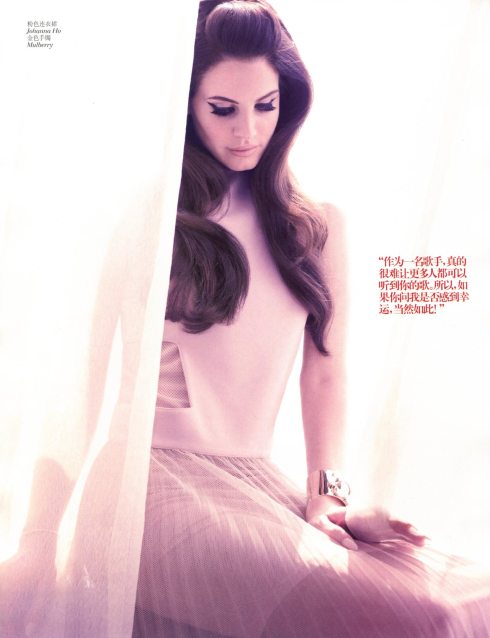
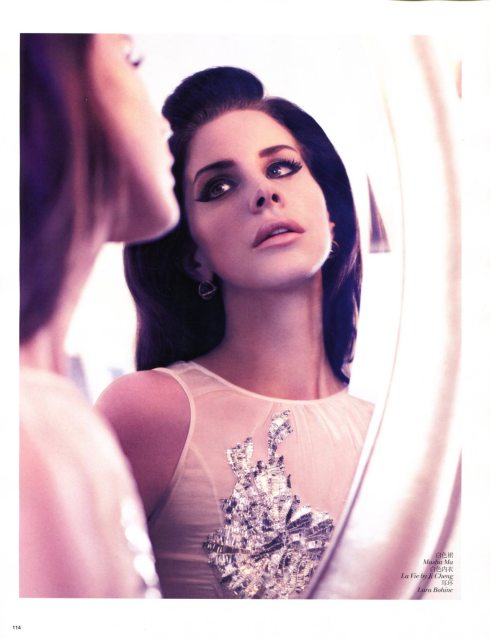
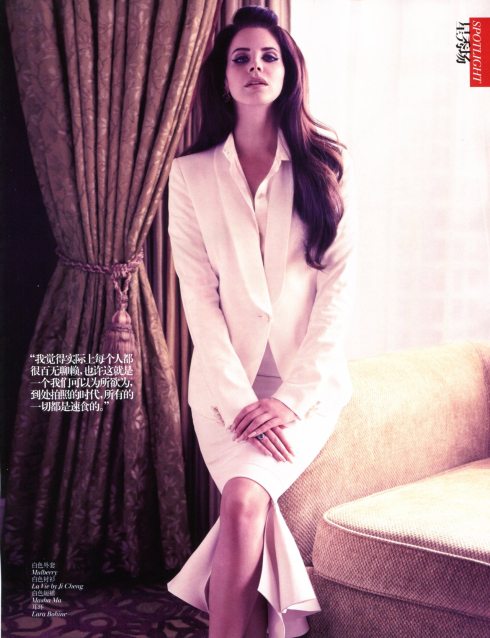
Singaporean photographer Wee Khim shot the session in October 2012 for the January 2013 Chinese edition. The published frames favor intimacy over spectacle. Faces fill more of the emotional space than grand location tourism. Makeup reads as fashion-editorial femininity—graphic yet soft cat eyes, restrained mouths, hair arranged in coifed waves that suggest classic glamour filtered through contemporary beauty retouching. The wardrobe, under Grace Lam’s styling, stays in a romantic register: delicate fabrics, soft silhouettes, clothes that behave like costume for a dream rather than armor for a red carpet.
That dream quality is the editorial’s signature. “Say Goodbye to the Wonderland” implies narrative: exit, memory, a character leaving a fantasy zone. Fashion stories often borrow literary titles to give clothes a psychological weather. Here the weather is bittersweet. Del Rey looks less like a pop star selling dominance and more like a heroine mid-transition—still beautiful, slightly elsewhere. For a singer whose public myth already mixed innocence and danger, the China story chose the floating side of the spectrum.
How this differs from Figaro and from scrapbook galleries
Confusion is easy because several Del Rey fashion packages hit the internet in the same winter. Differentiation keeps the archive usable.
- This page — Vogue China, January 2013: Wee Khim / Grace Lam; ethereal, whimsical, soft feminine styling; “Wonderland” editorial mood; images widely shared from December 2012 onward.
- Madame Figaro, January 2013: Paris shoot by Jean-Baptiste Mondino with Johnny Blueeyes; haute-hippie / prairie / bronze neutrals for a French weekly cover package—more tactile suede-and-fur energy than storybook softness.
- “Photos taken from magazines” roundups: Mixed stills from many titles, no single photographer or issue claim—useful as collage, useless as one-story citation.
If you are matching screenshots to sources, ask three questions: Is the palette bronzed and prairie-coded, or pale and dreamlike? Does the hair read festival-headband or waved coif? Does the page claim one magazine title? China answers soft, waved, and titled. Figaro answers earthy, headbanded, and French-weekly. Roundups answer “all of the above, unsorted.”
Why a Chinese Vogue story mattered for her image
International fashion editions do more than reprint the same celebrity in local type. They renegotiate the star for regional taste and for the magazine’s own visual identity. Vogue China in the early 2010s was building a reputation for lush, high-production storytelling. Casting Del Rey aligned a global pop figure with that ambition. For Western fans discovering the images through blogs, the China set also expanded the map of her fashion career: she was not only an American and European cover girl; she was circulating through Asia’s most prestigious fashion brand as well.
There is a quiet power in that. A singer whose early controversies included debates about authenticity and persona could still be absorbed cleanly by high fashion once the photographs were strong enough. Magazines rarely wait for critical consensus; they wait for a face that can carry clothes. Del Rey’s face could. Wee Khim’s version simply chose a gentler temperature than many Western covers of the same era.
Beauty and wardrobe cues to study
Slow looking rewards this set because the details are quiet. Watch the eye line—cat-eye wings that sharpen the gaze without tipping into costume drama. Watch lip color—nude or soft rather than signature crimson, which changes the emotional read of the same mouth. Watch hair architecture—waves and volume that suggest classic studio glamour while staying fashion-contemporary. Fabrics tend to photograph as light-catching and soft-edged; even when jewelry appears, it rarely overwhelms the face.
Compare that with Mondino’s Figaro vocabulary, where texture (suede, fur, headbands) and bronze skin do heavier symbolic work. Or compare with mixed magazine stills, where red-lip Americana and high-contrast Hollywood lighting may dominate simply because those images were more widely clipped. The China editorial’s restraint is its identity. It asks you to meet Del Rey in a quieter room.
Context for the winter of 2012–2013
Print was still a primary fashion authority when these frames first spread. Blogs could amplify a story within days of a magazine’s leak or release, but the photographs themselves were made for paper scale, retouching standards, and editorial pacing of that moment. Looking at them now means accepting early-2010s beauty ideals—glow, defined eyes, polished skin—as historical style, not as a timeless absolute. It also means remembering that Del Rey’s public image was then mid-construction: post-breakthrough, heavily photographed, endlessly argued over, and unusually photogenic for myth-making.
“Say Goodbye to the Wonderland” fits that moment almost too well. The wonderland was fame’s first surreal season; the goodbye was never literal. Magazines kept inviting her back into new dream rooms. This China story is one of the softer rooms—worth filing under Wee Khim, Grace Lam, and January 2013 Vogue China, then leaving separate from French weekly bronze and from unsorted scrapbook piles. When you want the ethereal farewell mood, these are the frames. When you want prairie heat or mixed magazine collage, go elsewhere on purpose.

Comments
Continue reading
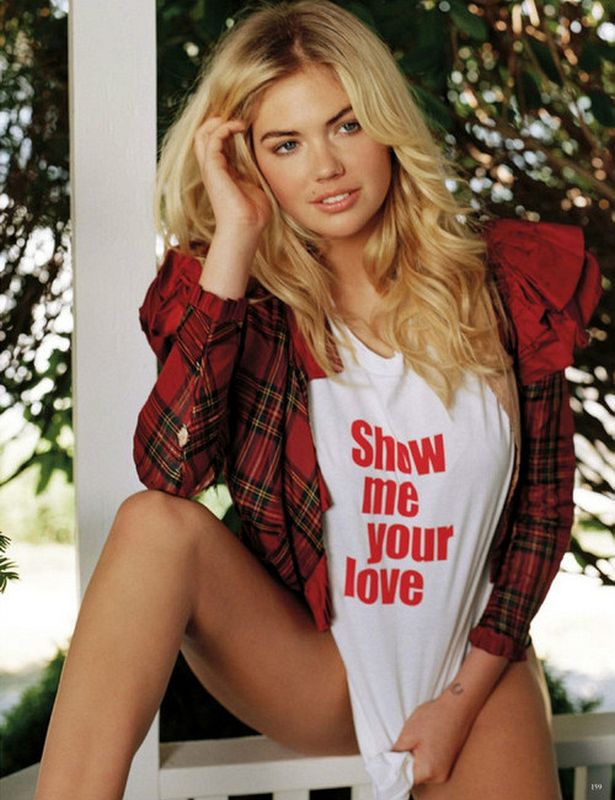
Kate Upton for Vogue Germany January 2013: Bruce Weber
Bruce Weber and Anne Christensen’s January 2013 Vogue Germany feature—outdoor European wardrobe romance, from Ackermann to Eres.
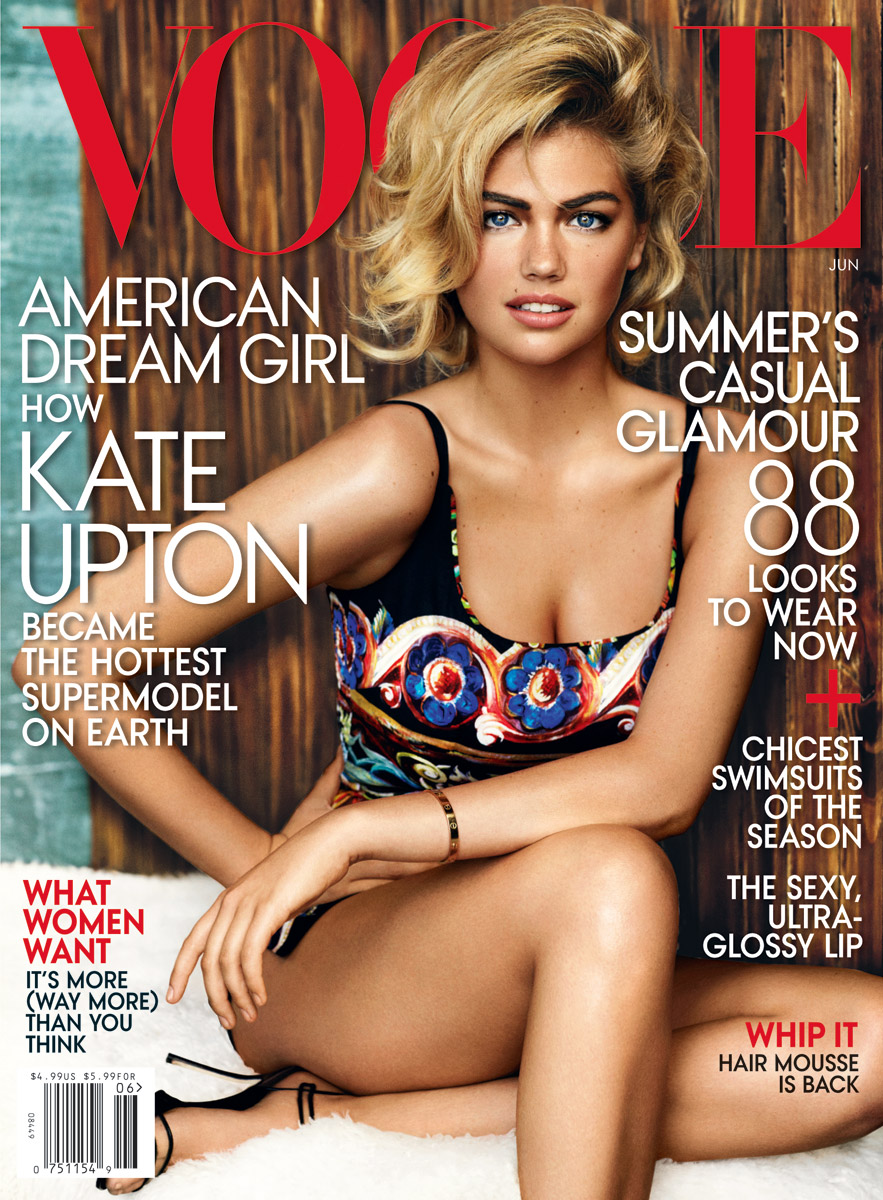
Kate Upton for Vogue US, June 2013
Mario Testino’s sunlit Uruguay cover story for American Vogue’s June 2013 issue—The Kate Upton Effect—in summer knits, swim, and casual glamour.
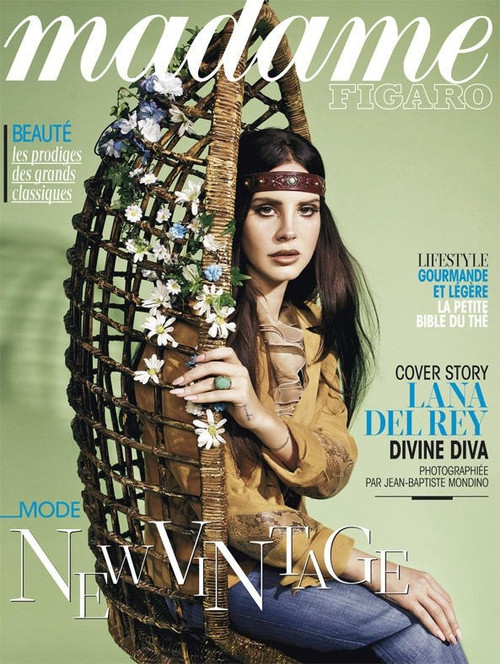
Lana Del Rey for Madame Figaro, January 2013
Jean-Baptiste Mondino’s Paris haute-hippie cover package for Madame Figaro’s January 2013 issue—suede, bronze light, and French weekly glamour.