
Magical Bokeh Photography: How Soft Blur Becomes the Subject
A technique-led gallery of bokeh photographs—what quality blur is, which lights work best, and how aperture, distance, and focal length create those glowing discs.
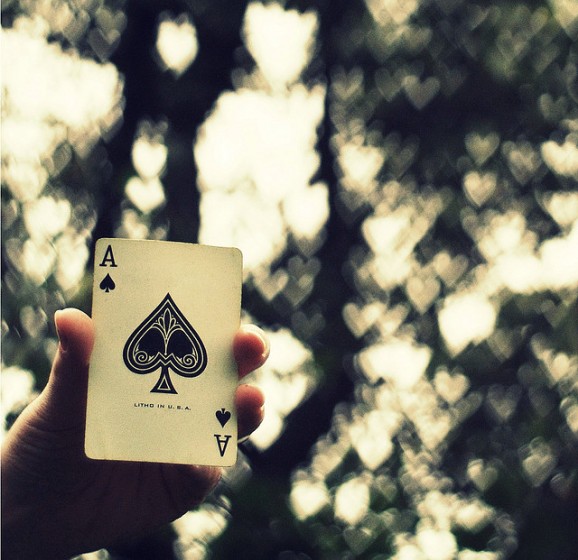
Bokeh is the soft, out-of-focus glow that turns background lights into discs, hexagons, or smears of color while the subject stays sharp. The word comes from Japanese photography talk about the quality of blur—not blur itself. Good bokeh feels creamy and intentional. Harsh bokeh looks busy, nervous, or full of hard edges. This gallery collects photographs that lean into that optical magic, and the sections below explain how to chase it with a camera rather than a filter.
People fall for bokeh because it simplifies a complicated world. A busy street becomes a constellation. A living room becomes a constellation of warm coins. The technique is old—fast lenses and short focus distances have always produced it—but digital sharing made the look a genre of its own. Understanding the optics keeps the “magical” part honest: you are not inventing light; you are shaping how glass fails to resolve it.
What bokeh actually is
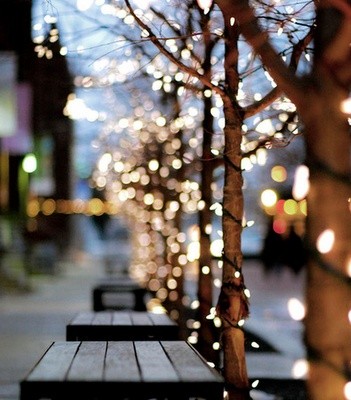
When a lens focuses on one plane, everything closer or farther falls out of focus according to aperture, focal length, and distance. Specular highlights in that out-of-focus zone become shapes—often circles, sometimes polygons that echo the iris blades. Street lamps at night, sunlight through leaves, fairy lights on a tree, reflections on wet pavement: these are classic bokeh sources because they are bright points against darker surroundings.
Bokeh is not the same as simply “blurry photo.” A soft portrait background can still look ugly if the blur is nervous or the highlights look like broken glass. Photographers chase lenses and apertures that render blur as smooth tonal transitions. The images in this set succeed because the out-of-focus light feels like atmosphere, not like a mistake. Smooth transitions, gentle edge roll-off, and colored highlights that keep their hue all signal quality blur.
There is also cultural taste inside the science. Some shooters love “soap bubble” outlines from certain vintage formulas. Others want invisible, buttery melt. Neither camp is wrong. What matters is matching the render to the mood: romance, nightlife, product glow, or quiet documentary softness.

Aperture, distance, and focal length
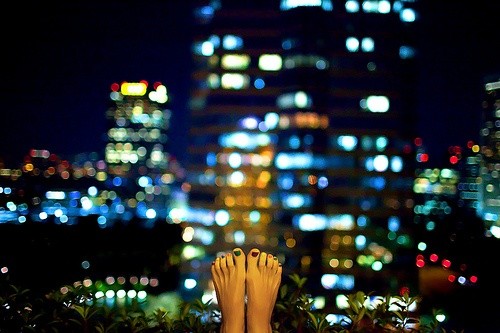
Three levers control how strong and how beautiful the effect becomes. Open the aperture (smaller f-number: f/1.4, f/1.8, f/2.8) and the depth of field shrinks, so backgrounds melt faster. Move the subject farther from the background and the blur deepens even at the same aperture. Use a longer focal length—85mm, 105mm, 135mm, or a telephoto zoom—and the compression makes distant lights bloom larger in the frame.
Phone cameras with tiny sensors struggle to match classic lens bokeh optically, which is why computational “portrait mode” imitates it. Dedicated cameras and fast primes still win when you want authentic highlight shapes and gradual falloff. If you own a kit zoom stuck at f/5.6, you can still find bokeh by getting close to a subject and placing bright lights far behind it—physics still works, just with less drama.
Sensor size plays a quiet role. Larger sensors at the same field of view and aperture often yield shallower depth of field, which is why full-frame and medium-format portraits feel so separated. Crop sensors can still deliver lovely bokeh; you simply work the distances harder. Macro distances intensify blur too: focus inches from a flower and even f/4 can dissolve a garden into color weather.
Light sources that sing
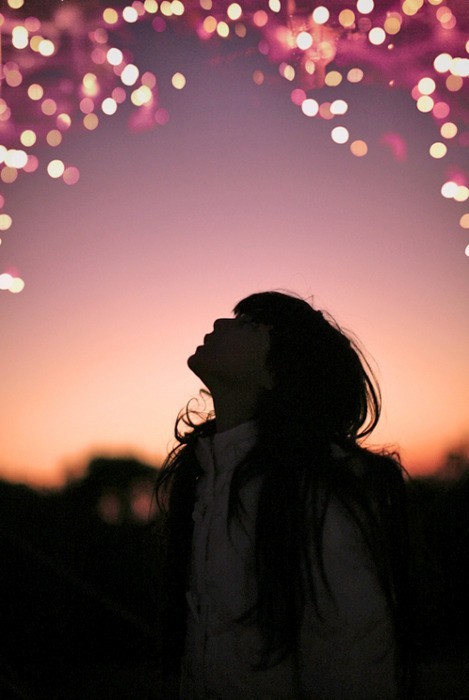
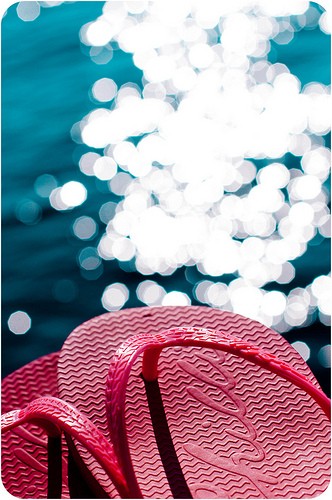
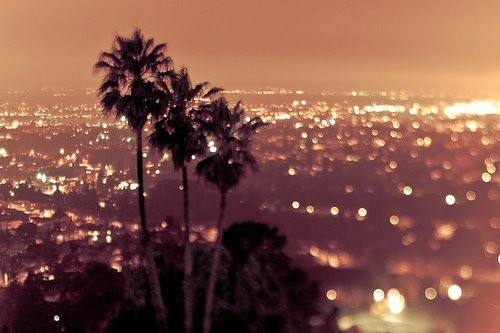
Not every scene produces magical discs. Look for points of light: holiday strings, distant traffic, cafe windows at dusk, sun sparkling on water, candles, neon. Diffuse cloudy daylight rarely makes classic circular bokeh because there are no specular points—only soft tonal blur. That blur can still be lovely for portraits; it just will not look like a constellation of glowing coins.
Color temperature shapes mood. Warm tungsten and sodium street light feel romantic and nostalgic. Cool LED and blue hour neon feel contemporary and electric. Mixing both in one frame can look cinematic if you keep the subject’s skin or clothing readable. Underexpose slightly so the highlights stay colored instead of blowing into white blobs.
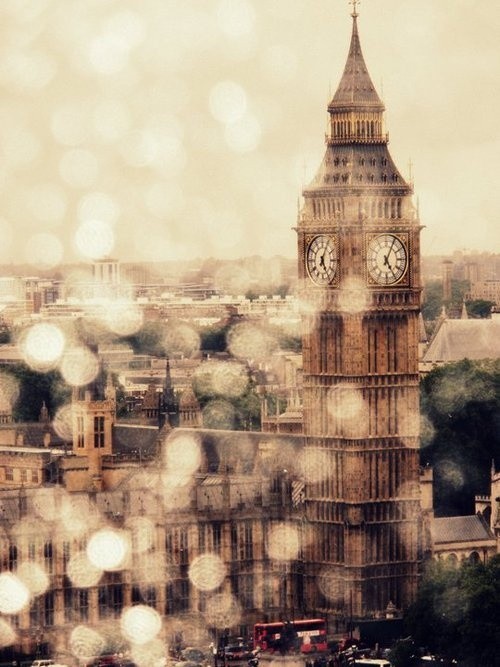
Rain and fog are allies. Wet streets multiply specular points. Fog softens distant lamps into larger, gentler orbs. Snowflakes near the lens become foreground sparkles if you expose carefully. Seasonal festivals and city nights remain the easiest classrooms because the lights are already installed for you.
Shapes, blades, and custom cutouts
The outline of each bokeh disc often follows the lens diaphragm. Many blades give rounder highlights; fewer blades can make hexagonal or octagonal shapes that some shooters love and others hate. Vintage lenses sometimes produce swirling or “soap bubble” bokeh—quirks that become character rather than defects when used with intent. Mirror lenses create doughnut highlights that announce themselves immediately; use them as a signature or avoid them for invisible backgrounds.
DIY photographers have long cut shapes into black paper and placed them over the front of a fast lens so out-of-focus lights become hearts, stars, or diamonds. The trick works best with very bright points and a wide aperture. It is a craft experiment more than a daily tool, but it proves the larger lesson: bokeh is an optical drawing made of light, and you can influence the pencil.
Clean front elements matter more than people admit. Dust and fingerprints on a wide-open lens can turn into distracting bright blobs. A cheap UV filter with scratches can degrade highlight smoothness. If your bokeh looks oddly textured, wipe the glass before you blame the design.
Composition: subject first, glow second
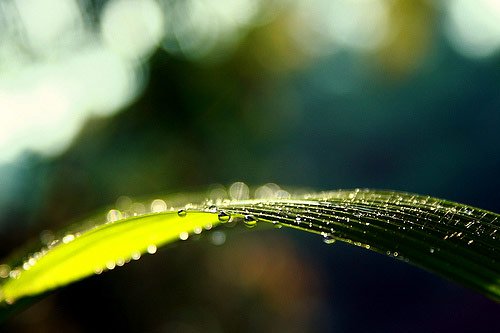
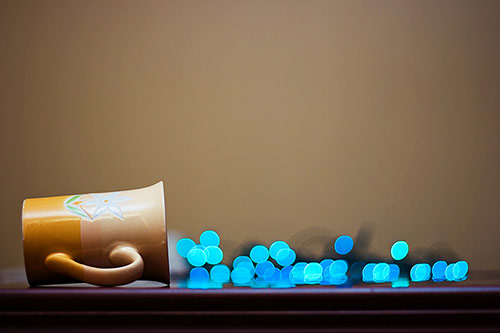
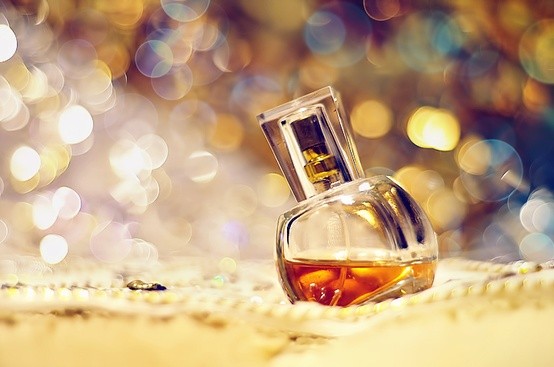
Pretty lights alone do not make a photograph. Place a clear subject—a face, a hand holding a cup, a silhouette, a flower, a glass bottle—on a sharp plane, then let the bokeh support the mood. If everything is soft, the image becomes an abstract wallpaper. If the subject fights the lights for attention, crop tighter or dim the background by changing angle.
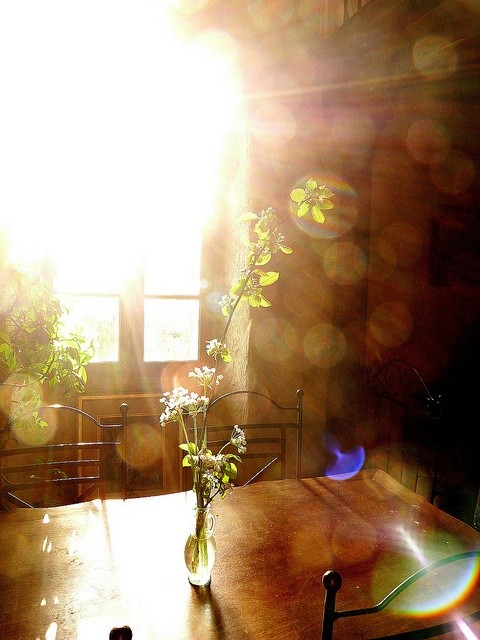
Foreground bokeh can be as powerful as background glow. Shoot through leaves, railings, or a rain-specked window with a wide aperture and the near blur frames the mid-ground subject. The gallery frames that feel “magical” often use both: soft near and soft far, with a thin ribbon of focus in between. That sandwich of blur creates depth the way layered theatrical gauze does.
Leave negative space for the largest discs. Crowding every corner with highlights turns magic into noise. A few large orbs behind a quiet subject usually beat a thousand tiny sparkles fighting for attention.

Focus discipline and common mistakes
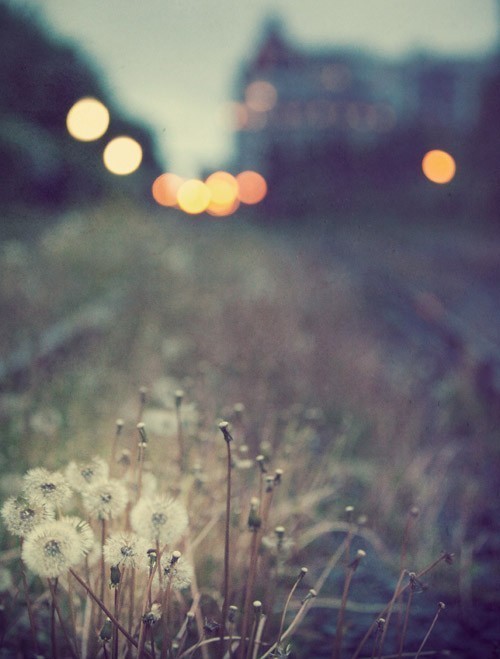
Wide apertures leave almost no margin for focusing error. Use single-point autofocus on the eyes for portraits, or focus manually with magnification for still life. Shoot a burst if the subject moves; one frame of five may nail the plane. Watch for “busy” backgrounds where every branch becomes a hard highlight—step left or right until the lights separate into clean discs.
Overprocessing is another trap. Cranking clarity and sharpening on out-of-focus areas invents ugly edges. Let the blur stay soft. If you add digital bokeh in post, keep it subtle and match the light direction, or the fake glow will announce itself immediately. Noise reduction that smears highlight edges can also kill natural disc shape; apply it carefully.
Stabilization helps at dusk when shutter speeds drop, but motion blur of the subject is still a separate problem. If hands shake, raise ISO before you close the aperture and lose the bokeh you came for.
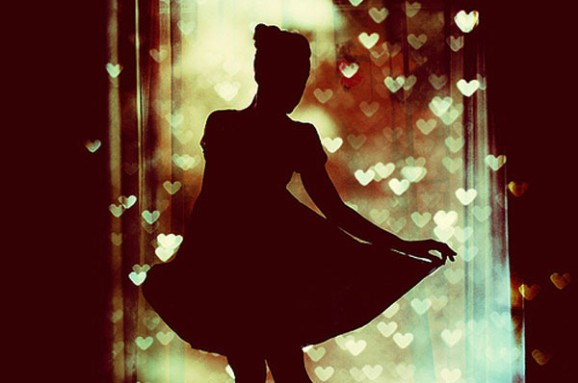

A quick field checklist
- Find bright point lights behind (or in front of) your subject.
- Open the aperture as wide as your lens allows.
- Increase subject-to-background distance; get closer to the subject if needed.
- Prefer longer focal lengths when you want larger glowing discs.
- Expose for the subject; protect highlight color in the lights.
- Confirm critical focus before you chase another composition.
- Wipe the front element; small smudges become giant blobs wide open.
- Take one step sideways if the background looks nervous or tangled.
Walk outside at dusk with those moves in mind and the street becomes a studio. The photographs here are proof that “magical” bokeh is less a software trick than a patient conversation between glass, light, and distance—one you can practice tonight with whatever lens you already own.

Comments
Continue reading

Still-Life Photography by Margareth Perfoncio
São Paulo photographer Margareth Perfoncio’s still lifes of food and flowers—Old Master light, dark wood, and tables that feel inevitable.

Meaningful Love Quotes for Inspiration (and Ink)
Meaningful love quotes that still feel true — short lines for tattoos, gifts, and everyday reminders, with placement and wording tips.

Christina Hess’s Animals From History: Costumed Pets as Playful Portraits
Illustrator Christina Hess reimagines historical icons as ornate animal portraits—Elvis Petme and friends—mixing puns, costume detail, and soft history lessons.