
Miranda Kerr on Esquire UK’s December 2012 Cover
A historical look at Miranda Kerr as Esquire UK’s Sexiest Woman Alive 2012—David Slijper’s December cover story, interview notes, and newsstand glamour from late 2012.
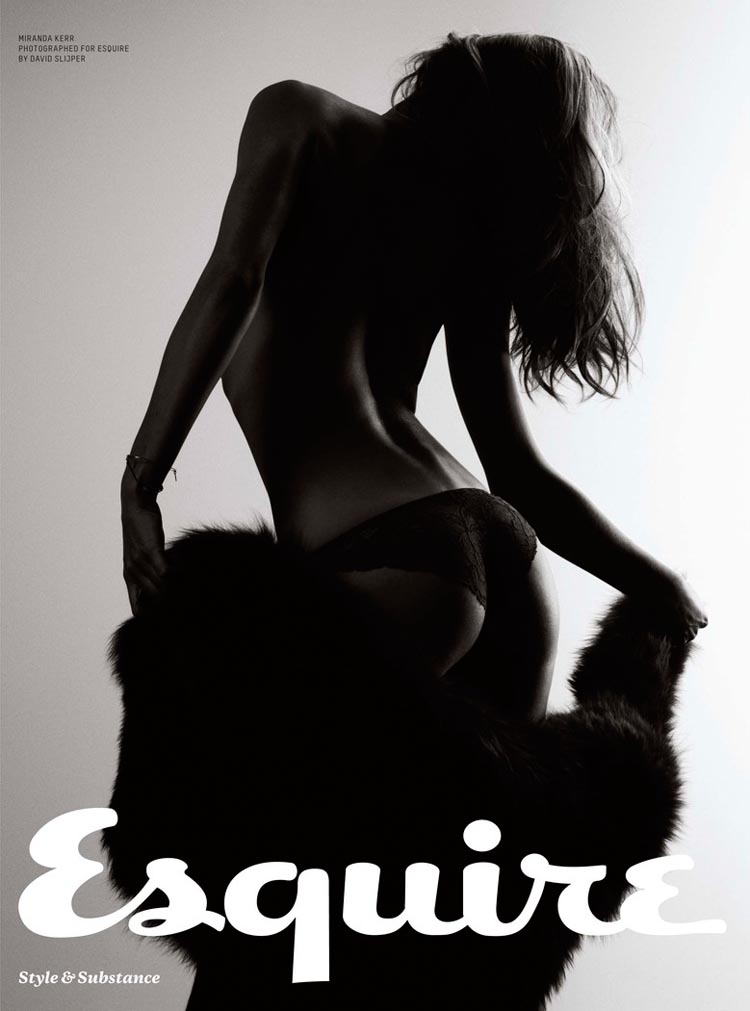
Miranda Kerr heats up the cover of Esquire UK’s December 2012 issue—not as a high-street lookbook model selling next season’s rack, but as the magazine’s chosen face for a year-end men’s-title ritual. The Australian Victoria’s Secret Angel was named Esquire UK’s Sexiest Woman Alive for 2012, and the December package wrapped that honor in a David Slijper cover story: lingerie-forward portraits, interview texture, and newsstand heat designed to stop a reader mid-aisle.
Timing mattered. Period coverage landed around late October and early November 2012, when the December issue began circulating and the title needed a holiday-season conversation piece. Esquire’s “Sexiest Woman Alive” franchise—handled differently across territories—was a known magazine machine: pick a public figure already fluent in glamour photography, build a cover argument around her, and let the interview supply personality beyond the lingerie set. In the UK that year, Kerr was the argument.
For a British newsstand in late 2012, that argument had to work at three distances. From across a shop, the cover had to flash recognition. From arm’s length, it had to promise heat without looking like a random celebrity clip. Inside the issue, the feature had to sustain interest with variety—different jackets, lingerie cuts, and body angles—so the buyer felt they had purchased a story rather than a single poster. Slijper’s set is built for exactly that ladder of attention.
A magazine cover, not a retail campaign
It helps to keep the genre honest. This is editorial magazine work for a men’s monthly, not a Spanish high-street lookbook. There is no Fall ’13 drop to sell, no tartan trouser SKU to recognize in a store window, no “shop the collection” logic hanging over every crop. The clothes and lingerie exist to stage Kerr as cover mythology: desirability, confidence, and a flirtatious temperature that fits Esquire’s brand of aspirational masculinity in 2012.
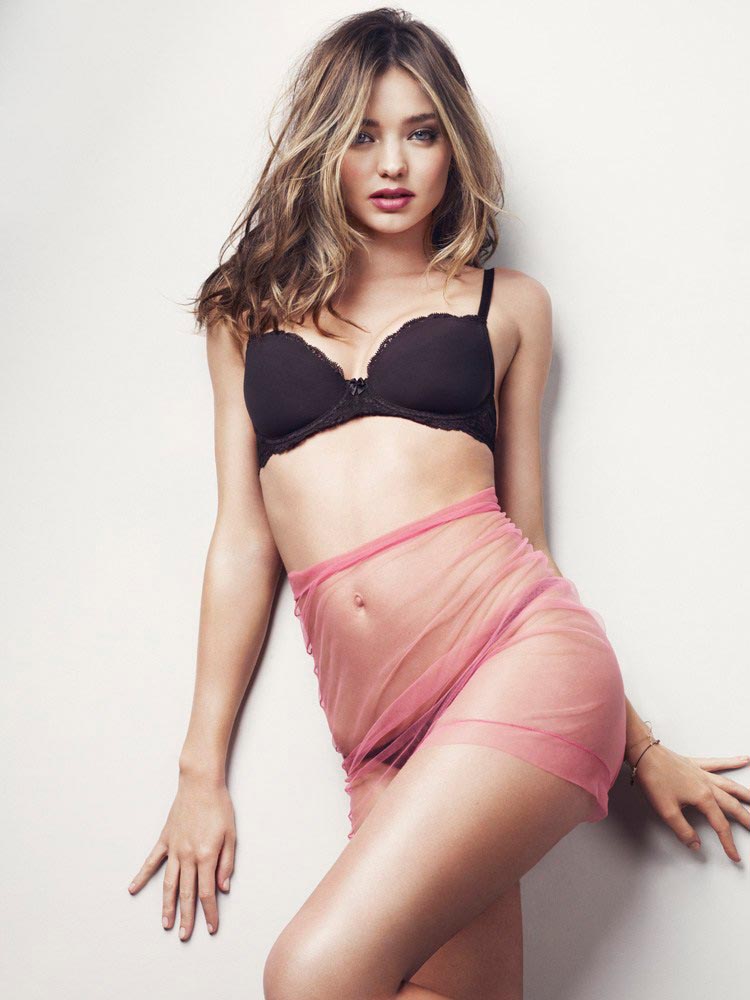
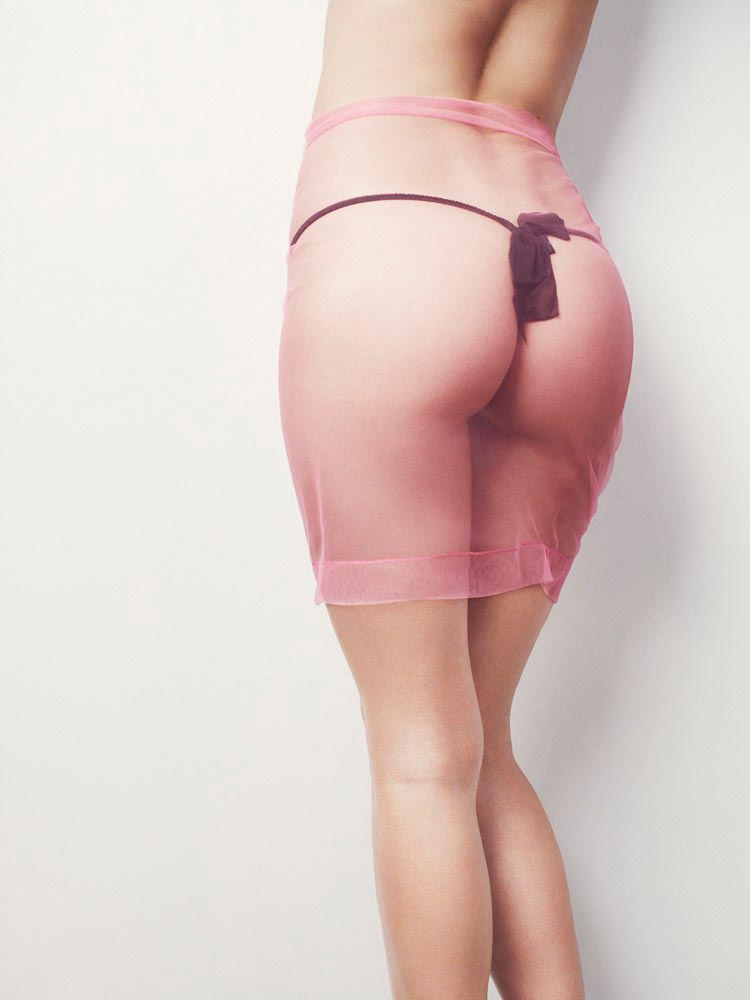
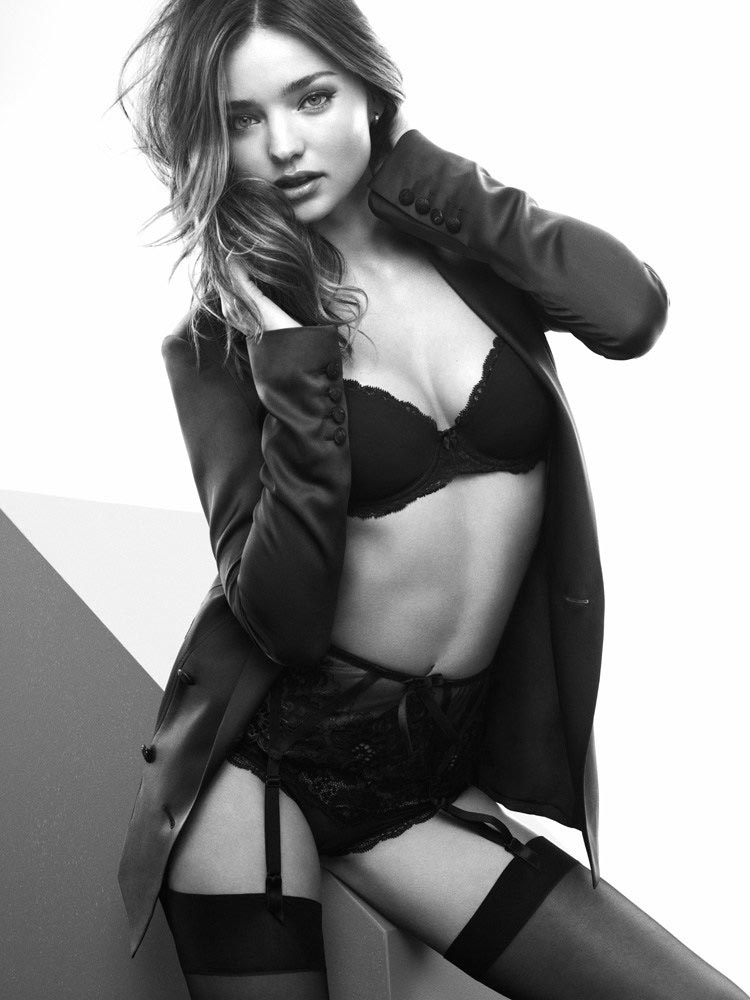
David Slijper’s frames lean into that brief. Hair and makeup go ultra-glam. Wardrobe stays close to the body—underwear, jackets, fur, heels—rather than building full ready-to-wear stories. Backgrounds stay quiet so the figure can dominate. The cover’s job is recognition and charge; the inside story’s job is to prolong that charge with sequence and quotes. Retail campaigns from the same era often chase product clarity first. This package chases personality and heat first.
That difference also changes what “success” looks like. A Mango campaign succeeds if a leather sleeve or boot still communicates after aggressive cropping for e-commerce. An Esquire December cover succeeds if a man in a train station can identify the face, feel the franchise title’s annual claim, and decide the issue is worth the cover price. Kerr’s fame already did half the identification work; Slijper’s lighting and styling had to do the rest.
What the 2012 interview added
Contemporary write-ups of the feature pulled lines that complicated the pin-up surface. Kerr spoke about growing up outdoors on her grandparents’ farm in Australia—learning to ride a small motorbike as a child, climbing trees, using a flying fox—and joked that she must have been a koala in a past life after getting stuck up a weeping willow until her father brought a ladder. The tomboy childhood notes were not accidental. They gave Esquire a counter-melody: the cover sells glamour; the interview sells a person who did not grow up rehearsing magazine poses.
She also framed the shoot’s body confidence in plain language, telling the magazine she believed in celebrating the female figure and embracing what one has been given rather than hiding it. In the same news cycle she described her temperament as flirtatious and said fun on set came naturally. Those quotes travel with the pictures because men’s-magazine covers in that era needed a speaking subject, not only a silent fantasy. Readers were invited to feel they had met someone between the lingerie frames.
Context around Kerr in late 2012 also mattered to how the issue was received. She was already a globally recognized Victoria’s Secret Angel, a mother, and—then—married to actor Orlando Bloom, a detail tabloid coverage of the shoot rarely left out. Esquire did not need to invent fame. It needed to reframe existing fame as a December cover event with a British-market accent: Sexiest Woman Alive as a local franchise pick, not a recycled American cover, and not a clothing catalogue in disguise.
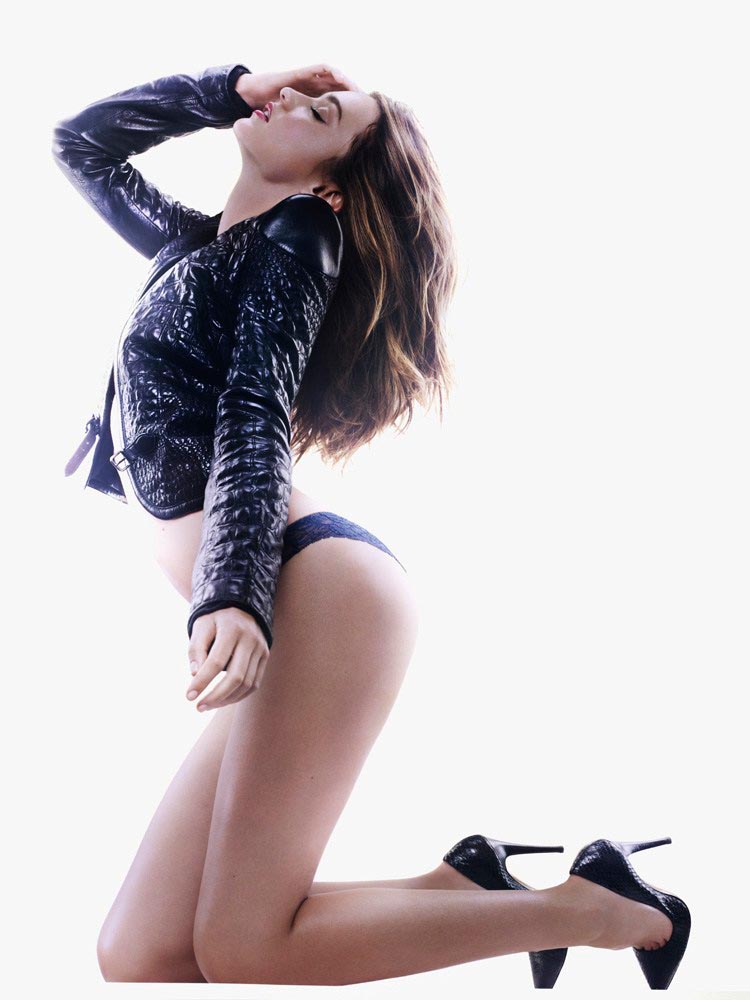
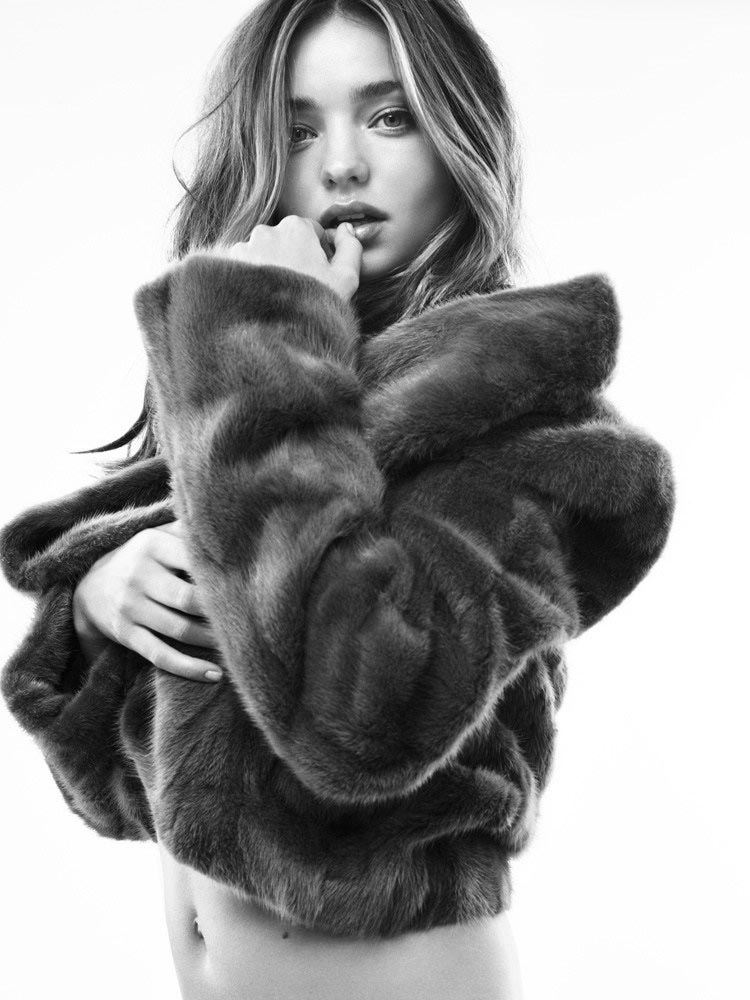
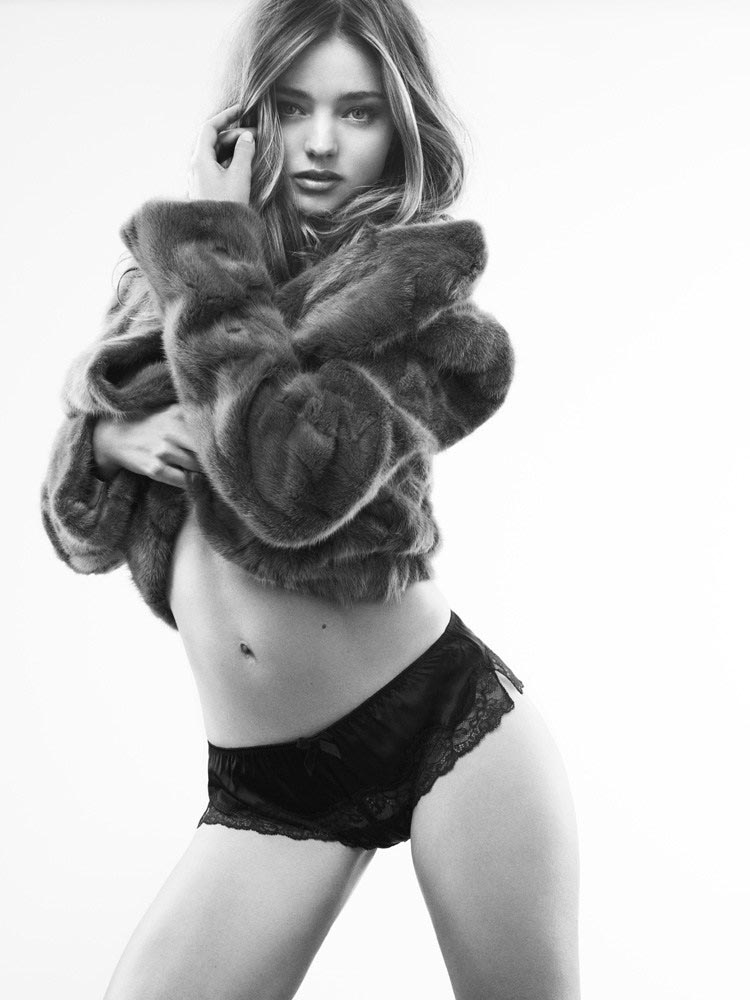
How to look at the gallery
Archive viewers often flatten every Kerr fashion appearance into one mood board. A slower pass separates magazine logic from campaign logic. Start with cover grammar: does the image read at thumbnail size, does the pose create a clear silhouette, does the expression invite the “Sexiest Woman Alive” headline? Then look at sequence. Interior frames usually vary jacket weight, lingerie cut, and body angle so the feature feels like a story rather than one repeated pose.
Notice what the shoot refuses. There is little interest in showing a full seasonal wardrobe—no grunge tartan story, no New York skyline as retail theater, no attempt to make every garment shoppable by style number. Fur, leather, heels, and underwear do atmospheric work. The product being sold is the issue itself: buy the magazine, read the interview, keep the cover as a cultural souvenir of late 2012.
Also notice the difference between Esquire UK’s choice and the U.S. title’s own 2012 “Sexiest Woman Alive” conversation, which that year centered on a different celebrity in American coverage. Territorial magazines ran parallel franchises with local cover strategies. Kerr’s December UK package belongs specifically to the British newsstand moment, not to a global retail calendar and not to a later career chapter.
If you are studying men’s-magazine design history, treat the set as a case study in franchise packaging. Title treatment, cover line, and photographic temperature have to agree. Too soft and the annual honor looks timid. Too harsh and the interview’s tomboy warmth has nowhere to land. Slijper’s glam lingerie language sits in the middle: charged enough for the franchise, polished enough for a December prestige issue.
Historical frame only
The gallery stays with 2012. It is not a live career update, not a ranking of later campaigns, and not a shopping guide for clothes Kerr wore afterward. The useful historical questions are narrower: Why was she cover material that winter? What did Esquire want a December buyer to feel? How does Slijper’s lingerie-glam language differ from the rawer, clothes-first fashion campaigns Kerr shot for high-street brands in neighboring seasons?
Read against those questions and the gallery sharpens. You are looking at a men’s-magazine honor and photo essay from the end of 2012—an editorial event built from fame, flirtation, and newsstand design—rather than at a lookbook meant to move coats and boots through a store.
If one image had to justify the whole issue on a crowded shelf, it would be the cover: Kerr as Esquire UK’s year-end answer to its own annual question, printed for December 2012 and still readable as that exact magazine ritual years later.

Comments
Continue reading
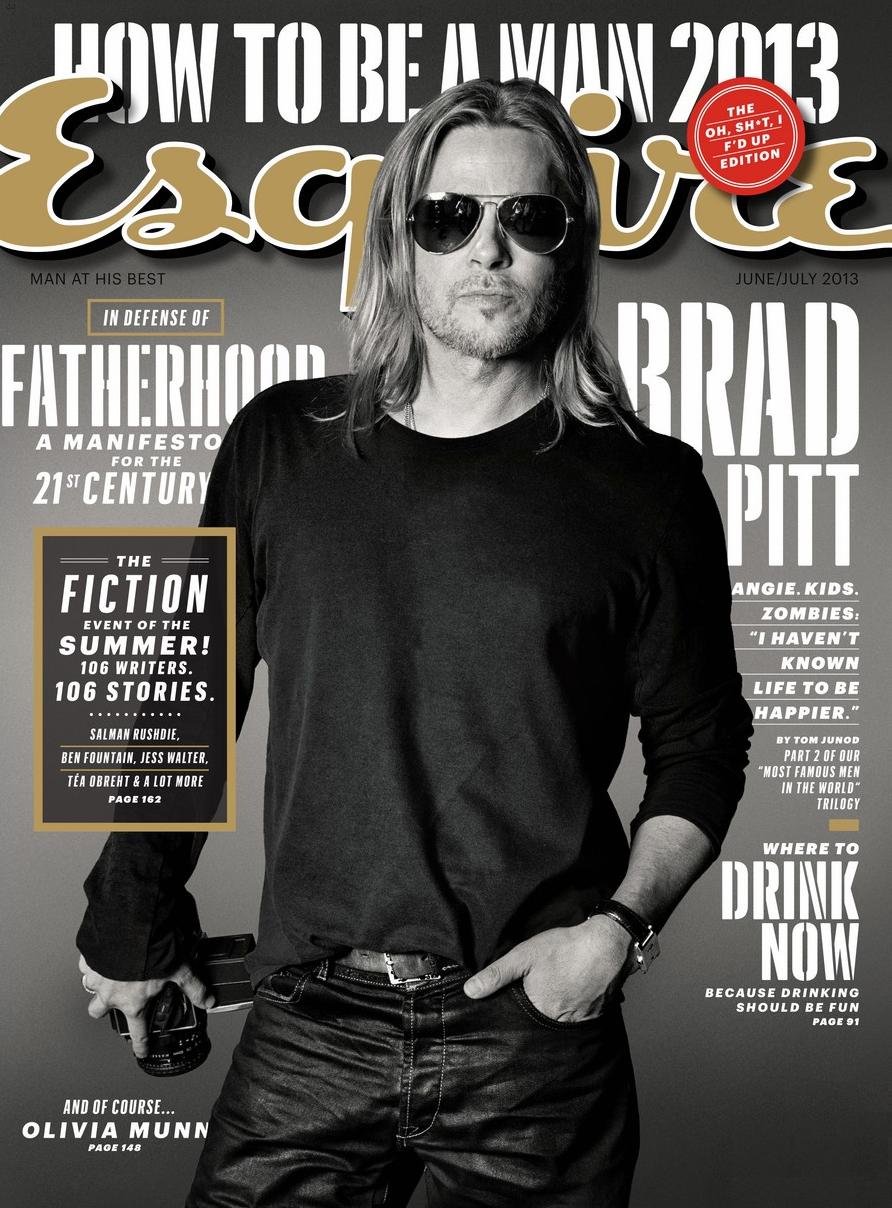
Brad Pitt for Esquire US, June/July 2013
Max Vadukul’s monochrome Esquire cover portraits—camera prop, aviators, Tom Junod’s “A Life So Large” summer 2013 package.
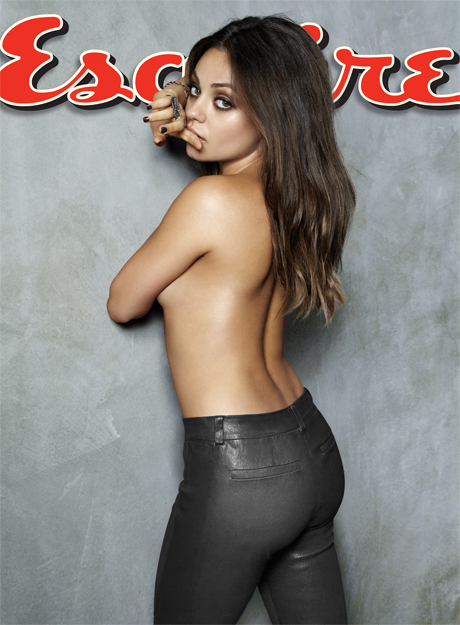
Mila Kunis on the Cover of Esquire, November 2012
A historical look at Esquire’s November 2012 issue naming Mila Kunis Sexiest Woman Alive—cover portraits, Ross McCammon’s interview notes, and the career context of that newsstand moment.
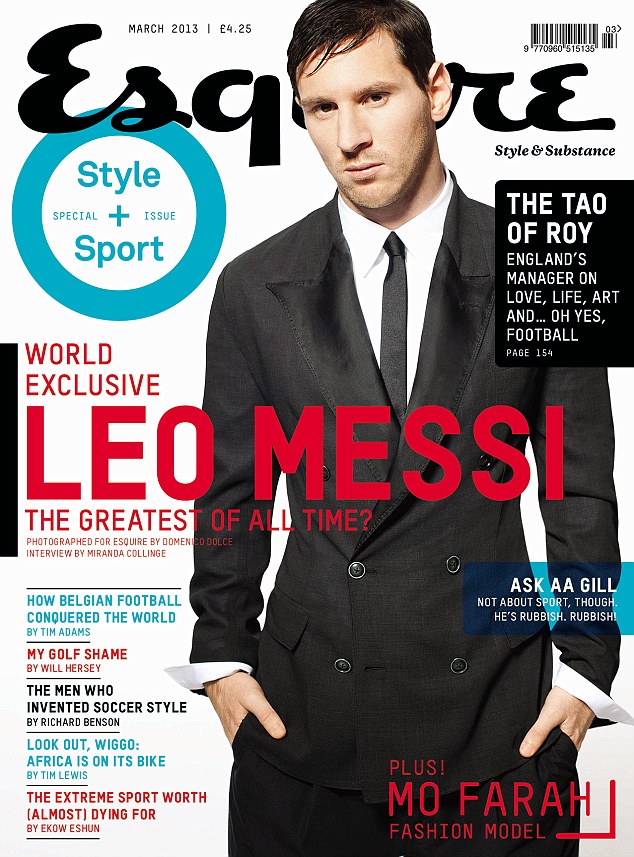
Lionel Messi on the Cover of Esquire UK, March 2013
A historical look at Lionel Messi’s Esquire UK March 2013 cover story—fashion portraits, interview notes, and the football context of that newsstand moment.