
Carra Sykes’s Mother + Daughter Photography Project
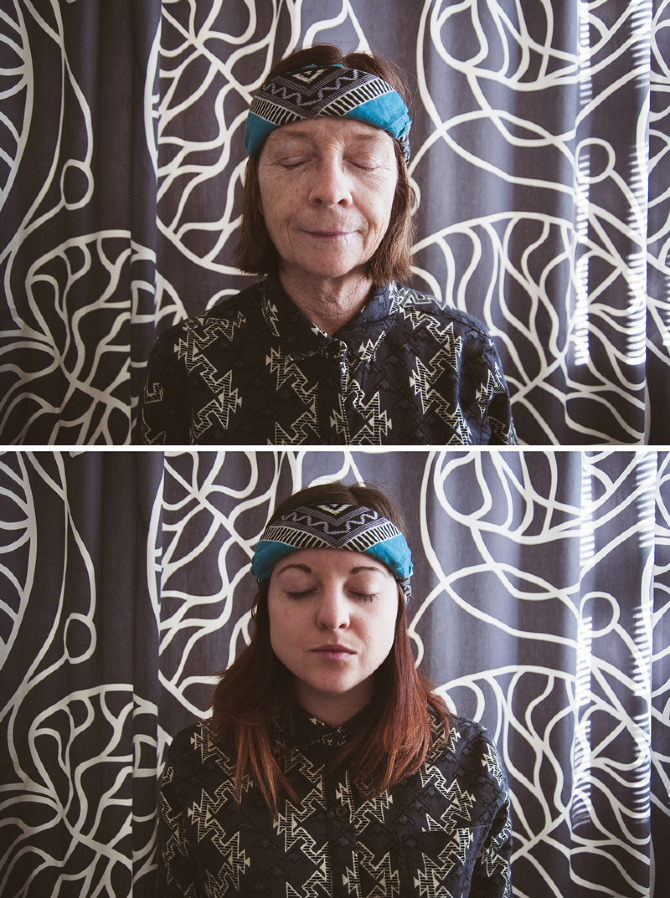
North Carolina photographer Carra Sykes and her mother Marti wear matching outfits and poses in the Mother + Daughter diptych series—playful studies of resemblance and bond.
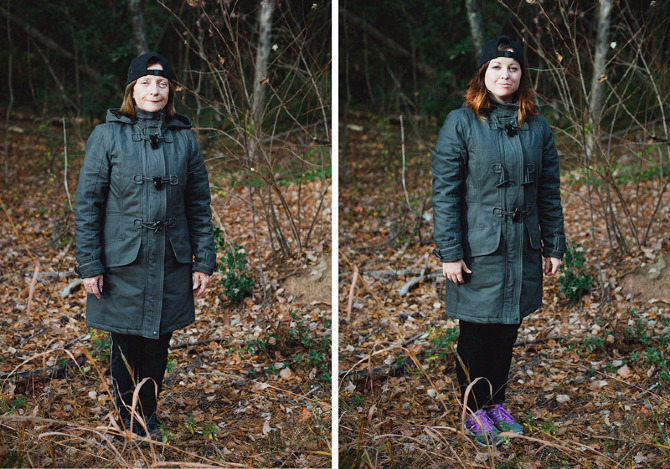
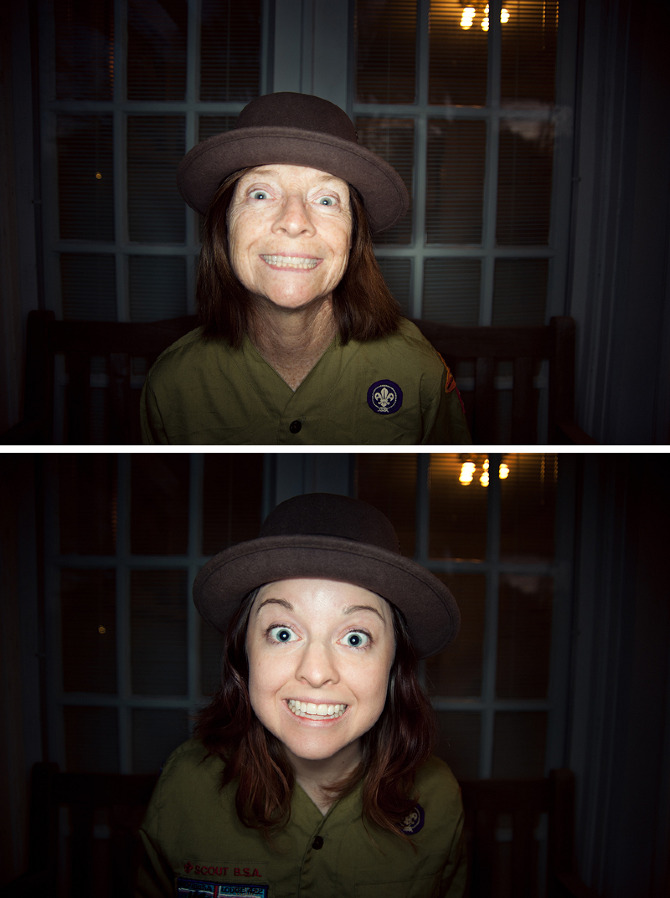
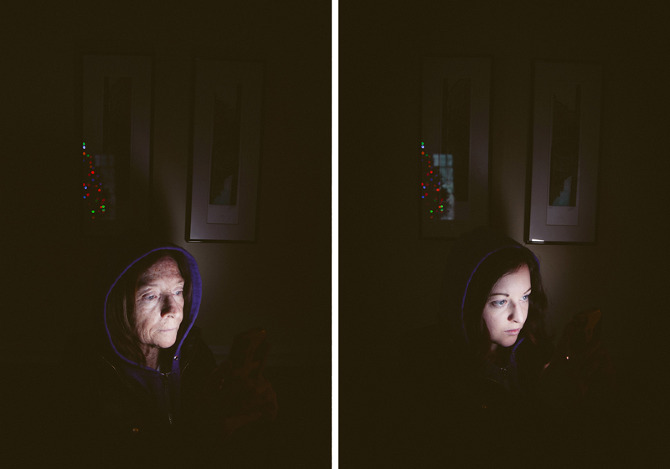
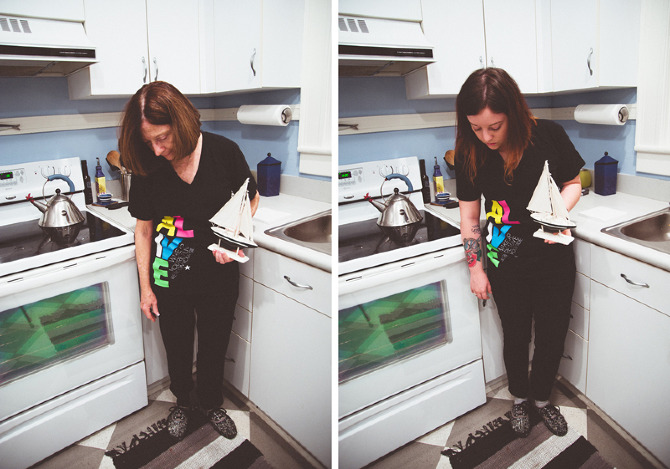
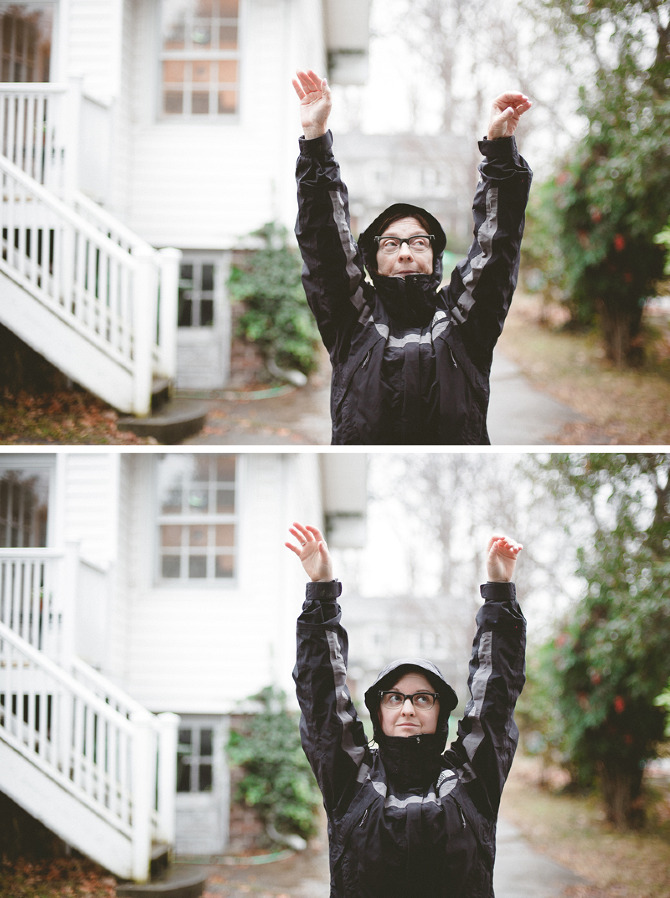
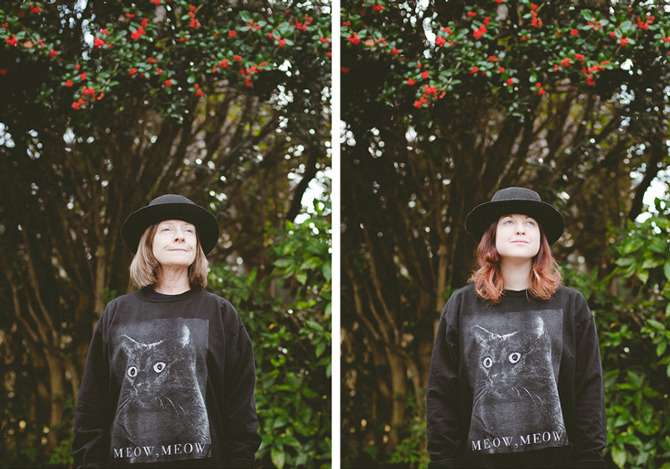
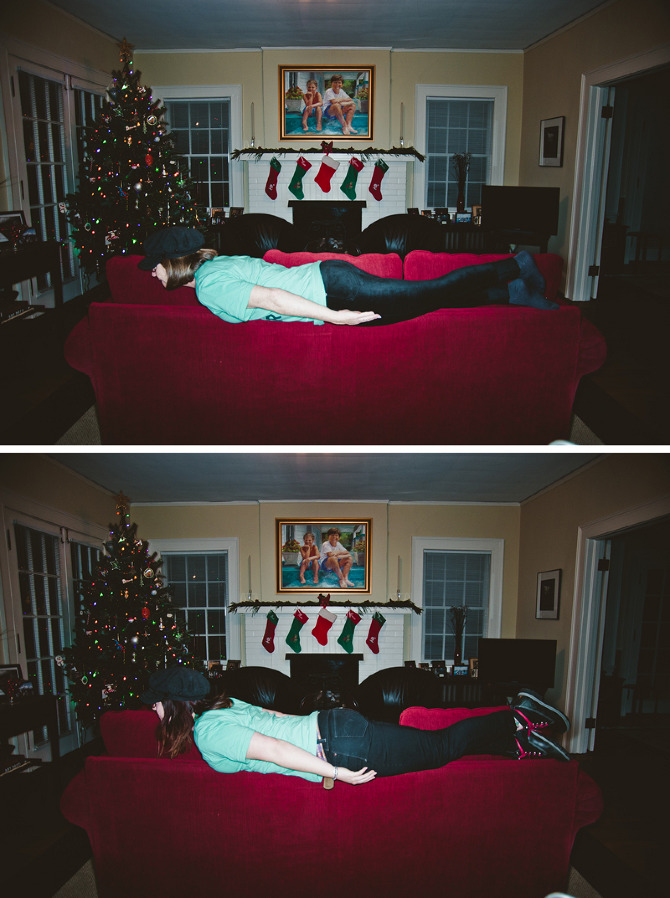
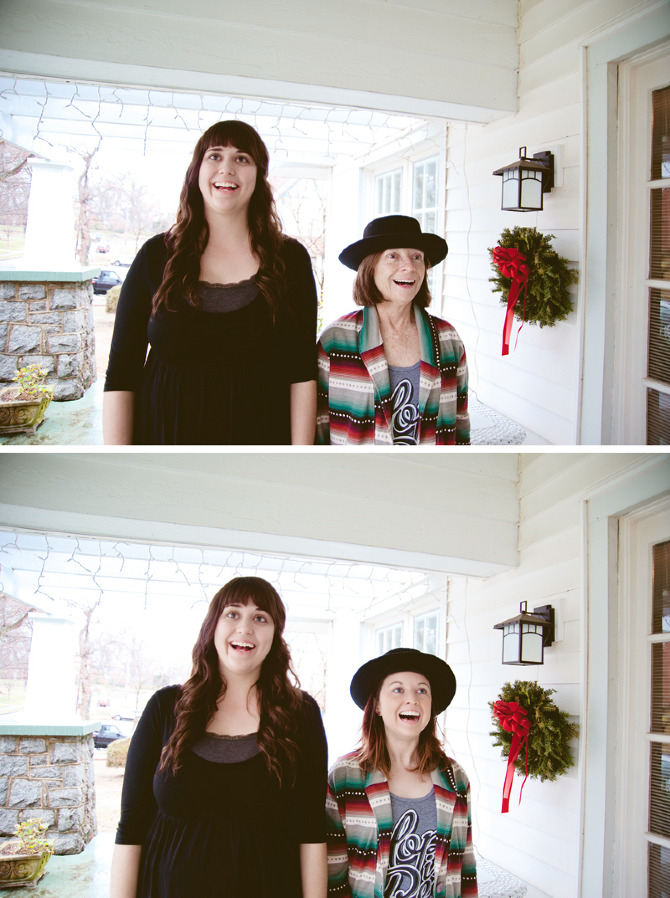
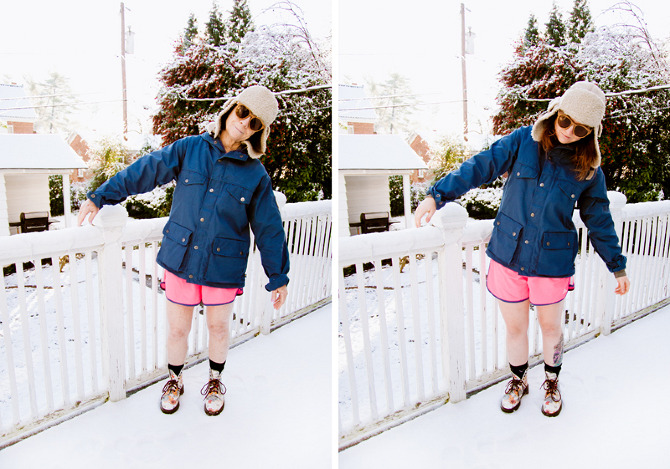
North Carolina photographer and designer Carra Sykes turned a family joke into a visual study. In her series often titled Mother + Daughter—and circulated online as a mother-and-daughter photography project—she and her mother, Marti, wear matching outfits and hold matching poses. Side by side, the diptychs can look like one person photographed years apart, or like twins who somehow skipped a generation. The resemblance is real; the styling makes it impossible to ignore.
Sykes has said the spark came from her uncle—her mother’s twin—teasing Marti about borrowing Carra’s clothes. Instead of treating that tease as background noise, Sykes built a project around it: same garments, same gestures, different decades of life sharing one frame pair. The result is playful without being cruel, intimate without forcing confession. Viewers laugh first, then linger on how inheritance shows up in posture, jawline, and taste. In early 2013 the pictures traveled through photography blogs and lifestyle magazines precisely because that sequence of reactions is so reliable. You do not need a long caption to enter the work; you need a second look.
A project born between applications
Sykes began the series in late 2012 while applying for jobs after college and hearing little back. Rather than let the waiting curdle into frustration, she redirected creative energy into something positive she could make with her mother. That origin story matters. The photographs are not a commercial campaign about “generational marketing.” They are a young artist inventing a structure for closeness when schedules and uncertainty might otherwise pull attention away from home. Creativity, here, is a coping method that also happens to be generous: it needs a collaborator, and the collaborator is family.
Her process stayed deliberately light. Ideas often arrived as location or outfit impulses rather than rigid shot lists. She might ask her mother if they could shoot in ten or fifteen minutes, set the camera on interval timed shooting, and try several poses until one felt right. Then Marti changed into the same clothes and reenacted the pose as closely as possible. Sykes has noted that small differences remained—and that she liked them. The series is a comparison, not a perfect mirror. Those tiny mismatches keep the work human: a tilted chin, a softer smile, a hand that does not land in exactly the same place. Perfect cloning would feel like a trick; near-cloning feels like kinship.
Working with interval shooting also shaped the rhythm of authorship. Sykes could place herself in front of the lens without a second photographer hovering. That independence suits a personal project made between job applications. It also means the “director” and one of the subjects are the same person, which gives the series a particular honesty. She is not arranging strangers into a concept; she is arranging her own body and then inviting her mother to answer it. The conversation happens in fabric, stance, and light rather than in dialogue captions.
What the diptychs show
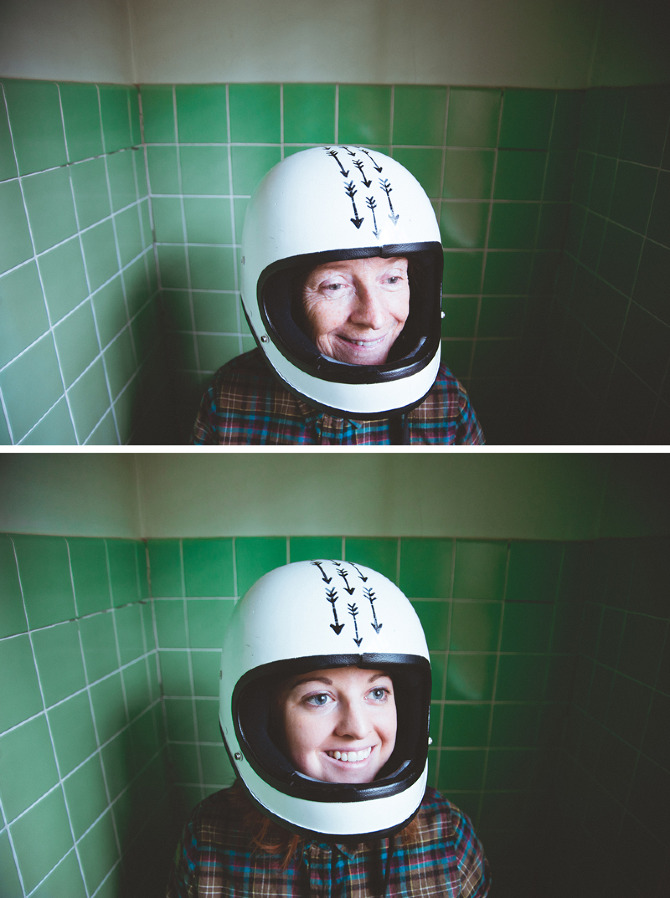
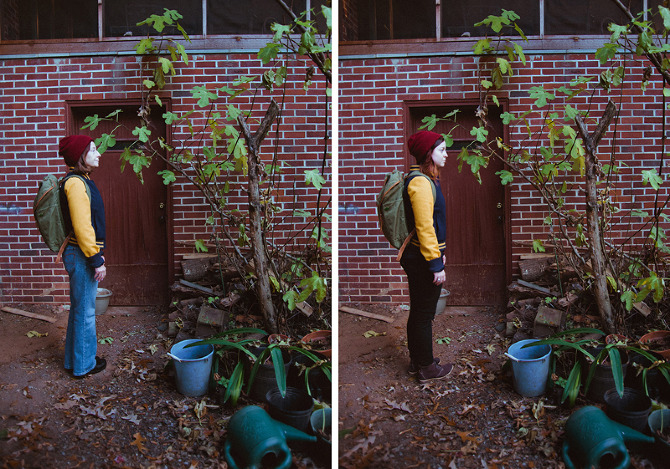
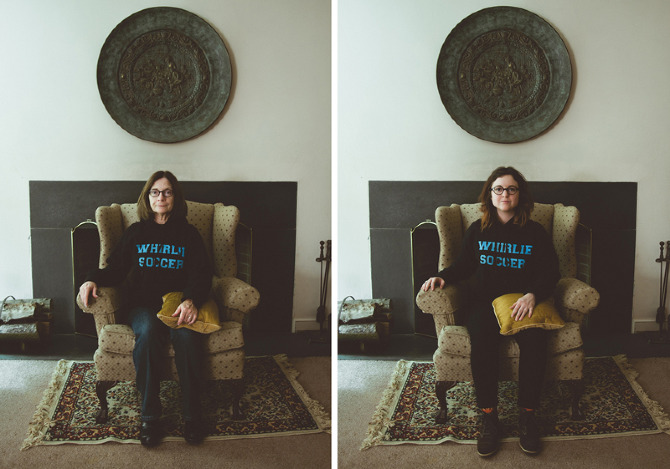
Clothing does more than match for comedy. Shared outfits remove one variable so genetics and mannerisms can take center stage. When both women wear the same patterned top or stand against the same wall, viewers stop ranking fashion and start reading faces. Hair length, makeup choices, and age-related texture become the only major differences left. That simplicity is why the project traveled so well: you understand the premise instantly, then spend longer noticing subtler rhymes in expression. The clothes are a control group; the people are the experiment.
At the same time, the series is a portrait of collaboration. Marti is not a prop. She agrees to change clothes on short notice, hold still for mirrored poses, and trust her daughter’s eye. Sykes has described the process as a new kind of creative closeness within a relationship that was already strong. Looking at the gallery, you can sense comfort—the kind that lets people look slightly silly without armor. Family photography often freezes people into holiday smiles. These frames allow play, which can be a more accurate archive of affection than a forced formal portrait ever is.
There is also a quiet conversation about time. Side-by-side, mother and daughter become a living timeline of style and features. Viewers sometimes mistake one for the other at first glance, then correct themselves and feel the correction. That momentary confusion is part of the work’s intelligence. It stages resemblance as an event rather than a caption claim. You experience the likeness before you analyze it. Aging appears not as loss alone but as a rhyme carried forward—same stance, different years of weather on the skin.
How to look at the set
Scan the pairs for rhythm. Some frames favor standing confidence; others lean into seated calm or a more theatrical gesture. Notice backgrounds: domestic rooms, outdoor light, plain walls that refuse distraction. Sykes keeps staging clear so the double portrait can do the talking. Props stay secondary. The project’s constraint—match clothes, match pose—does more conceptual work than a busy set ever could. Clarity is not emptiness; it is respect for the comparison.
If you photograph families yourself, borrow the constraint rather than the aesthetic wholesale. Matching clothes are optional; matching intention is not. Ask two related people to repeat one pose and see what inheritance appears when styling variables shrink. You might shoot siblings, grandparents and grandchildren, or friends who have grown alike through decades of shared habits. The Sykes series proves that a simple rule can generate a whole essay in pictures without requiring expensive locations or heavy retouching. Soft light, patient posing, and a repeated outfit can be enough.
Sykes hoped the project would feel open and whimsical while still functioning as a study of a mother-daughter bond. That balance is why the pictures still work years after their first viral wave. They are not lectures about parenting. They are evidence of two people willing to play on camera—and of an artist who recognized that play as serious enough to sequence into a series. Humor opens the door; resemblance keeps you in the room. Keep Carra Sykes’s name attached when you share a favorite pair: the concept is hers, and so is the trust that makes it glow.
Before you leave the gallery, pick one diptych and cover each half in turn. Alone, each photograph is a solid portrait. Together, they become a sentence about resemblance, aging, and shared taste. Which half do you prefer when you cannot see the other? That small preference can reveal whether you are drawn to youth’s sharpness, maturity’s ease, or simply whichever expression feels more alive that day. The clothes match. The poses match. The affection does not need to be explained—only looked at, twice.

Comments
Continue reading
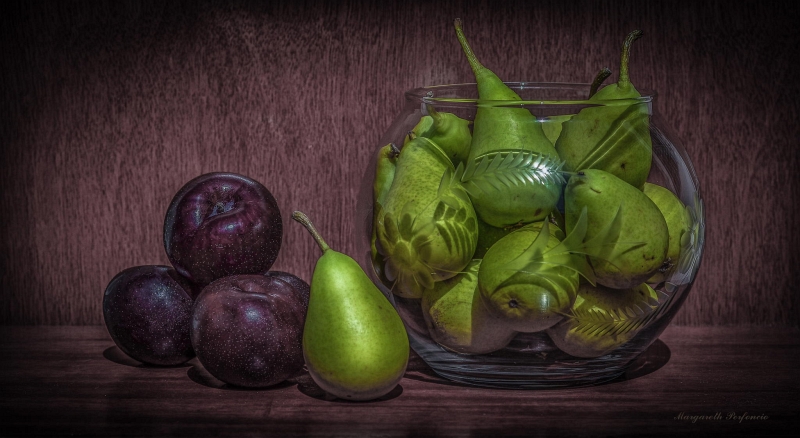
Still-Life Photography by Margareth Perfoncio
São Paulo photographer Margareth Perfoncio’s still lifes of food and flowers—Old Master light, dark wood, and tables that feel inevitable.

Meaningful Love Quotes for Inspiration (and Ink)
Meaningful love quotes that still feel true — short lines for tattoos, gifts, and everyday reminders, with placement and wording tips.

Christina Hess’s Animals From History: Costumed Pets as Playful Portraits
Illustrator Christina Hess reimagines historical icons as ornate animal portraits—Elvis Petme and friends—mixing puns, costume detail, and soft history lessons.