
Neatly Designed Home Office Ideas That Actually Work
Practical home-office design: desk placement, light, storage, seating, and visual boundaries—so the room looks calm and supports real work.
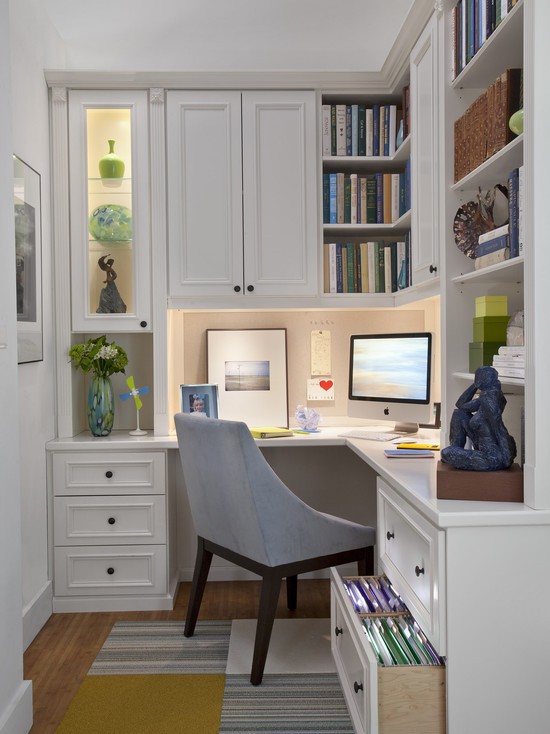
A home office earns its keep when it supports clear work without turning the rest of the house into collateral damage. Inspiration photos help you see possibilities—compact corners, full rooms, soft residential styles, sharper modern setups—but the design problem underneath is practical. Where does the desk go? How does light fall on the screen and on paper? Where do cables hide? How do you leave the space at day’s end without carrying unfinished tasks into dinner? Use the rooms in this gallery as prompts for proportion and calm, not as a shopping list.
Begin with the job the room must do. Someone who takes video calls needs a calm background and reliable light on the face. Someone who drafts, sews, spreads blueprints, or sorts paperwork needs horizontal surface more than a stylish laptop perch. Someone who shares the corner with kids’ homework needs storage that closes. Style is allowed only after those truths are settled. A beautiful office that fights the actual work becomes furniture theater, not a workplace.
Place the desk where light and focus agree
Daylight is still the cheapest upgrade in most homes. A desk beside or perpendicular to a window usually beats a desk that faces a blank wall under a single dim overhead. Side light reduces harsh screen glare compared with sitting directly in front of bright glass, and it makes reading and handwriting kinder on the eyes. If the only available wall faces a busy hallway, add a partial screen, bookshelf, or curtain that softens visual traffic without sealing you into a cave.
Resist treating the “best” corner as the leftover corner. Leftover space is often leftover for a reason: poor light, a heating vent blasting your ankles, a door that constantly opens into your chair. Measure chair travel, door swings, and the reach to outlets before you fall in love with a floating desk in a photograph. Neat design that ignores clearance becomes daily irritation. Also test afternoon sun: a west window that looks poetic at 10 a.m. can cook a laptop by 4 p.m. Sheer curtains, an adjustable blind, or a slight desk rotation often solve heat and glare more cheaply than a new desk.
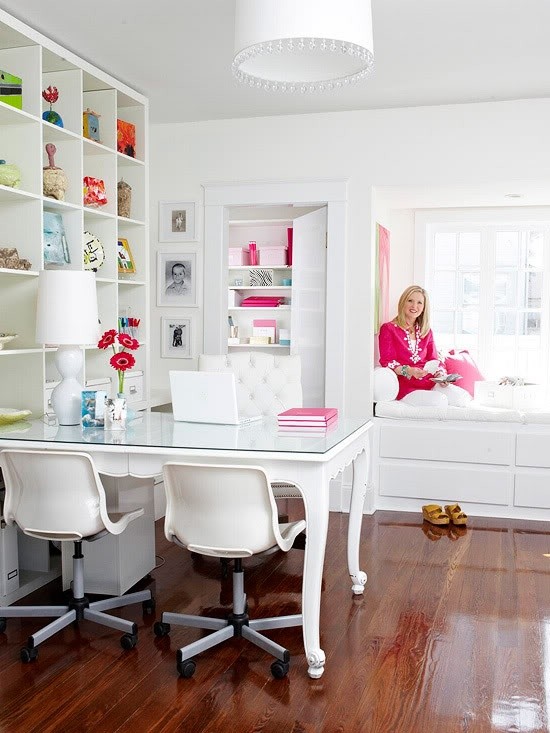
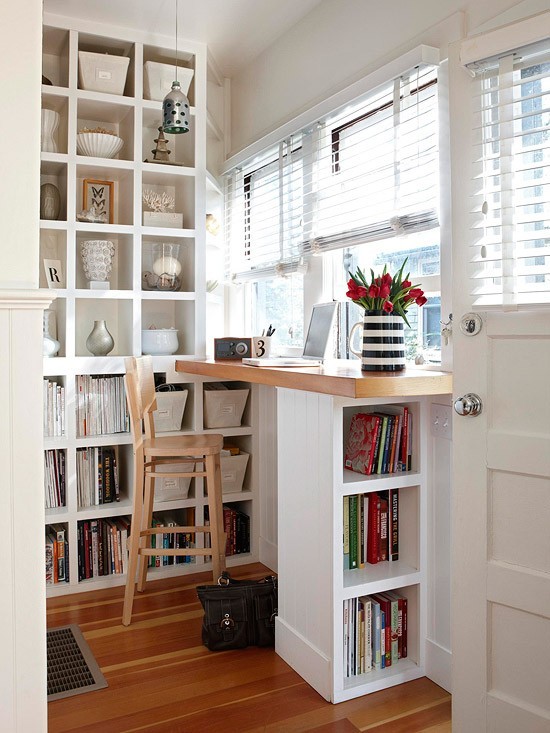
Surfaces and storage that match the mess you make
Open shelving looks airy in photographs and merciless in real life if you are not a natural editor. Closed cabinets hide chargers, paper stacks, and the ugly but necessary tools of work. A hybrid often wins: open shelves for a few reference books or objects you enjoy seeing, closed storage for everything else. Vertical storage matters more than another decorative tray. Floor area is precious in small homes; wall height is frequently underused.
Desk depth deserves a hard look. A shallow console can host a laptop for email, but dual monitors, sketchpads, or paperwork need real estate. If the room is narrow, a wall-mounted desk or a surface that folds away can reclaim living space after hours. If the room is dedicated, a deeper desk plus a side return or mobile cart usually beats a tiny “cute” desk that forces work onto the floor. Think in zones: active work surface, reference zone within arm’s reach, and archive storage you do not touch daily. Mixing those zones into one cluttered plane is how neat rooms unravel by Wednesday.
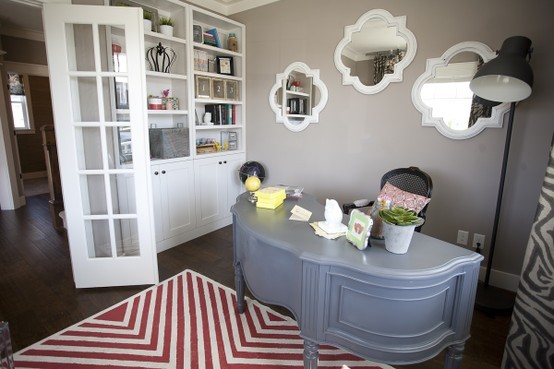
Chair, posture, and layered light
Spend design budget on the chair before the accent lamp. A supportive seat with adjustable height keeps wrists and eyes aligned with the work surface. Monitor tops roughly at or slightly below eye level reduce neck strain. Feet should rest flat or on a footrest, not dangling. These are not aesthetic rules, but they decide whether a pretty room remains usable through a long afternoon. A beautiful side chair borrowed from the dining set will punish you by Friday.
Layer lighting instead of relying on one ceiling fixture. Overhead light alone creates glare and harsh shadows. A task lamp for paper, softer ambient light for evening, and window light for daytime create a flexible set. Warm bulbs can make a residential office feel less like a basement IT closet; keep enough brightness for accurate color if your work depends on it. Plants, rugs, and artwork help only after ergonomics and light are honest. Decor cannot compensate for a screen that forces you to squint.
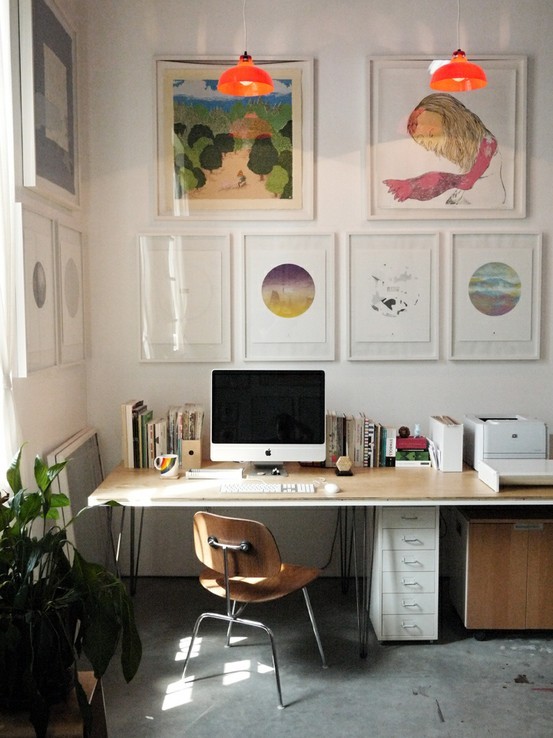
Boundaries: visual, acoustic, and temporal
In open living rooms, a rug under the desk zone, a different wall color, or a tall bookshelf can mark “work” without building a wall. Acoustic help is harder: soft furnishings, a door you can close, and headphones beat most decorative screens. If calls are frequent, test the camera view before hanging art behind you. Busy patterns and bright windows behind your head make you harder to see and distract the people you meet with.
Temporal boundaries matter as much as furniture. A laptop that lives permanently on the dining table turns meals into unfinished meetings. A docking station or a dedicated drawer for work devices makes a shutdown ritual possible. Even a beautiful dedicated room benefits from a closing habit: lights off, chair pushed in, tomorrow’s top three tasks written once so your brain can stop rehearsing them. Neat design is partly choreography—how you enter and leave the workspace—not only how it photographs empty.
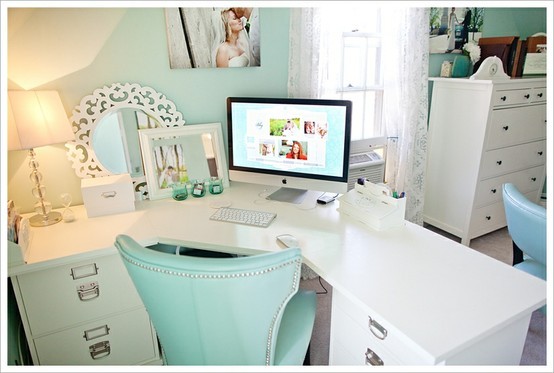
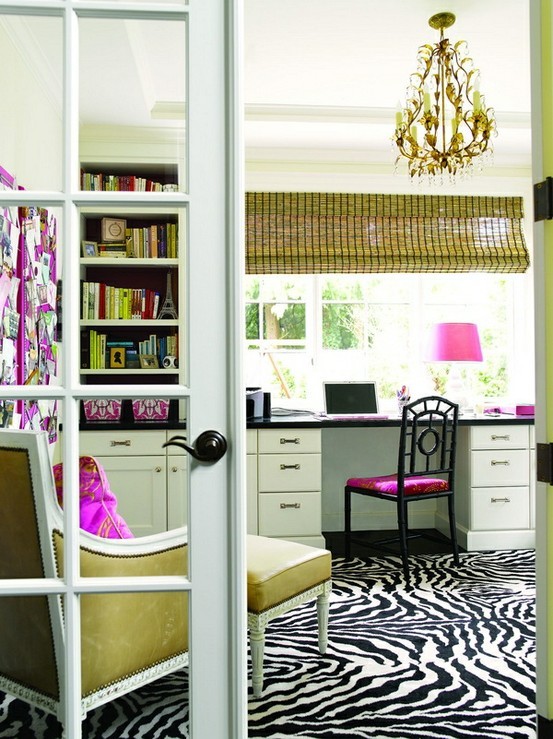
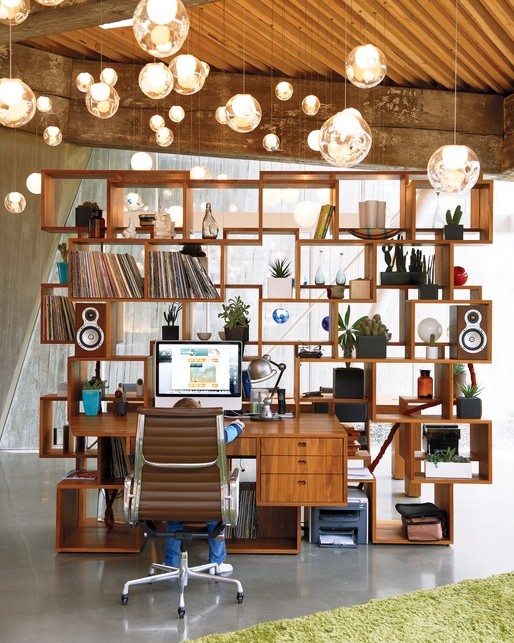
Style without the catalog trap
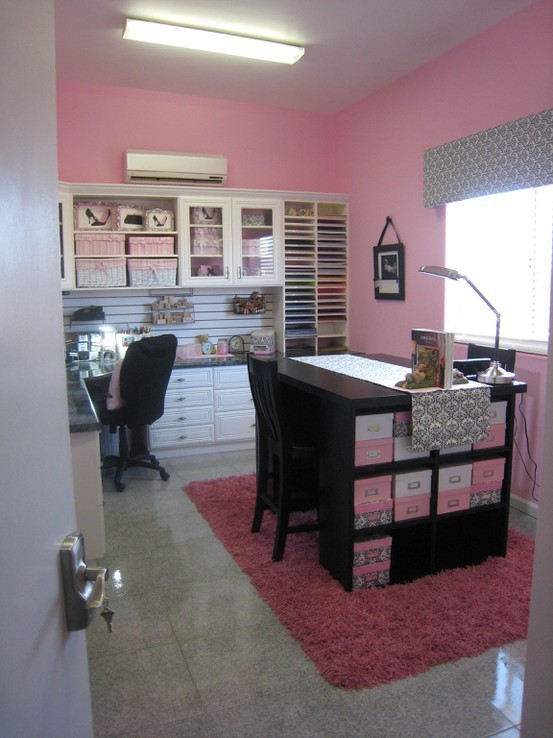
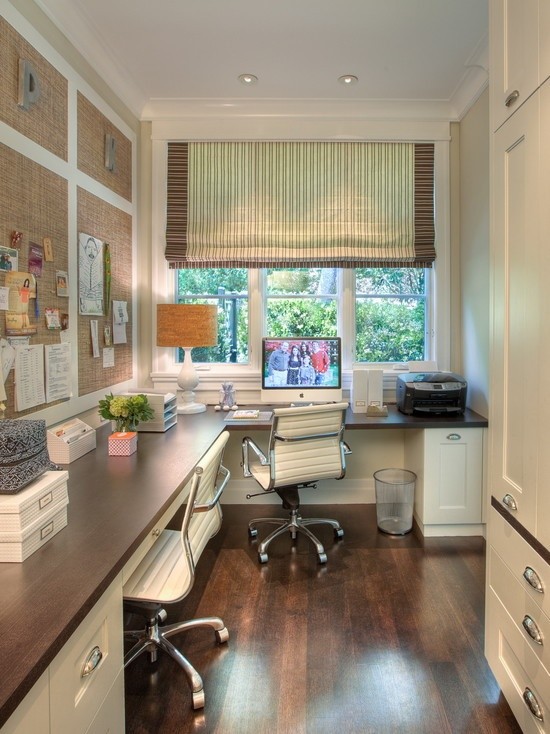
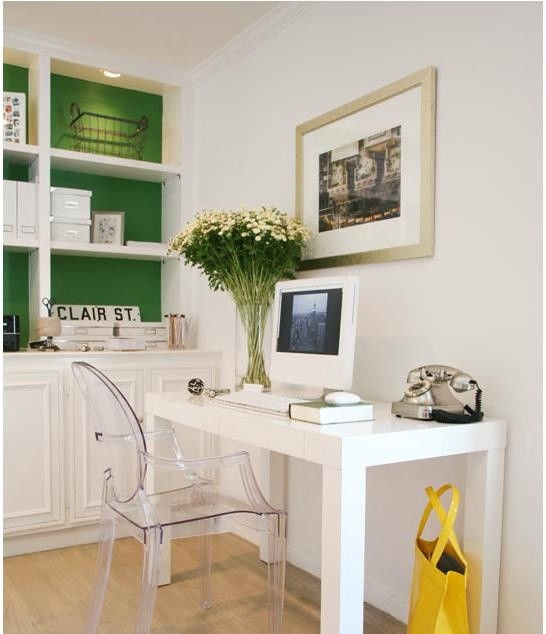
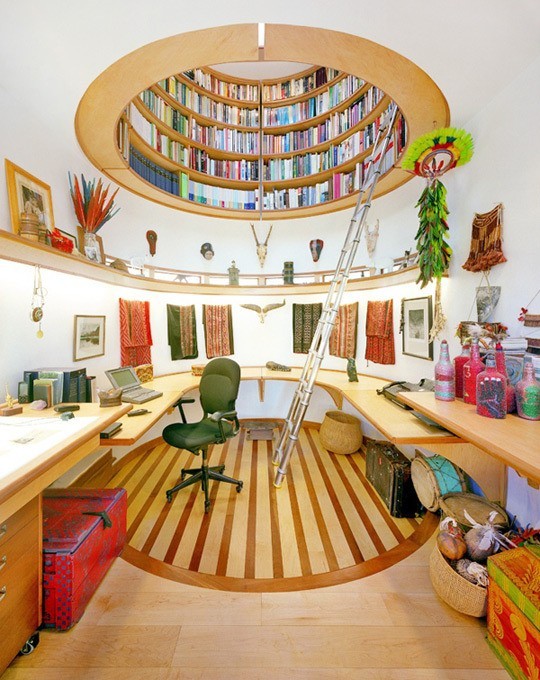
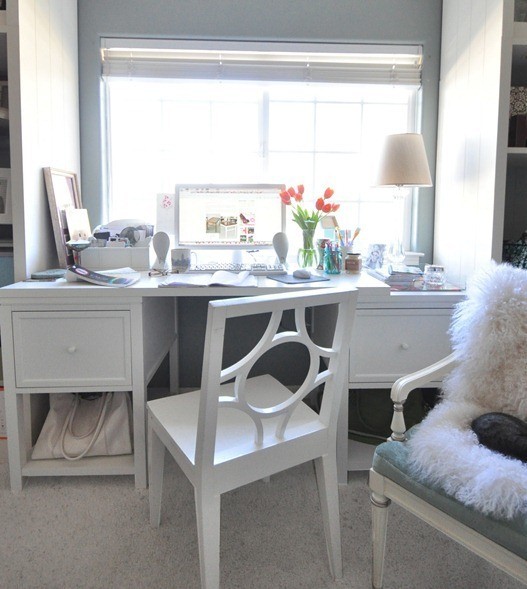
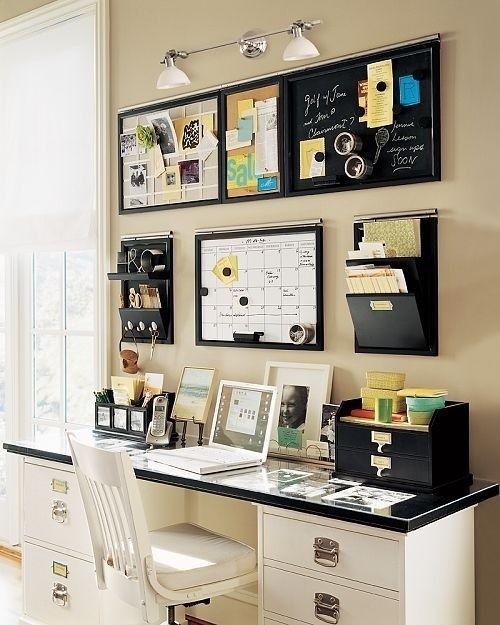
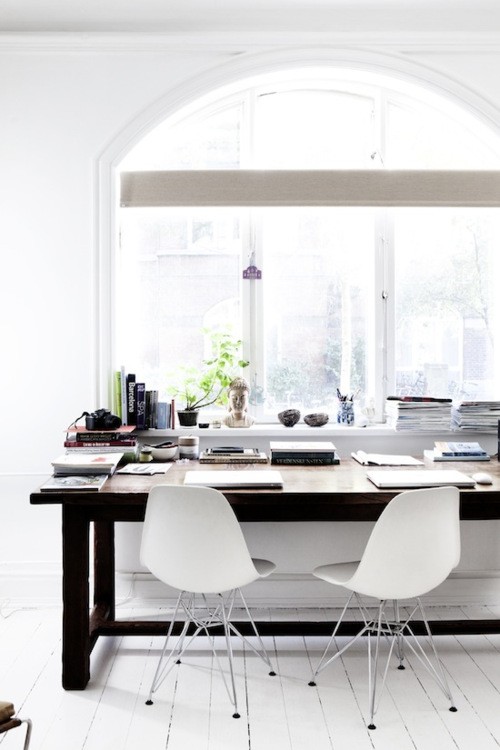
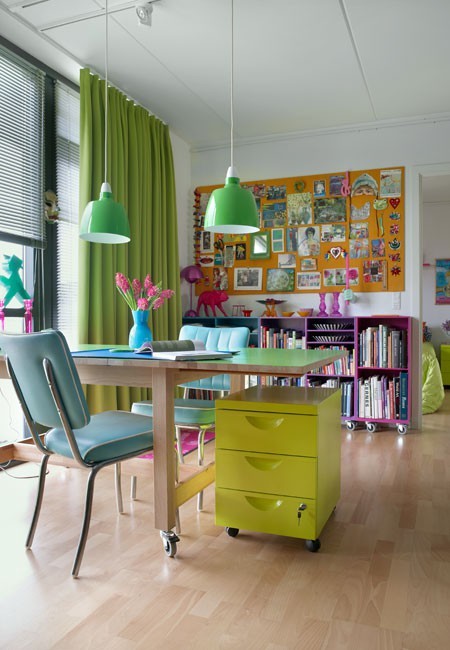
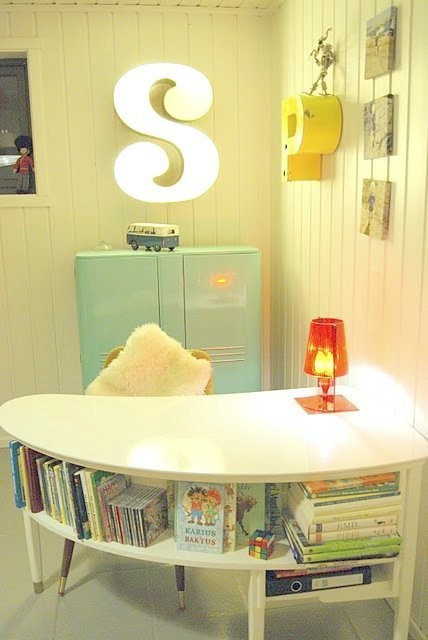
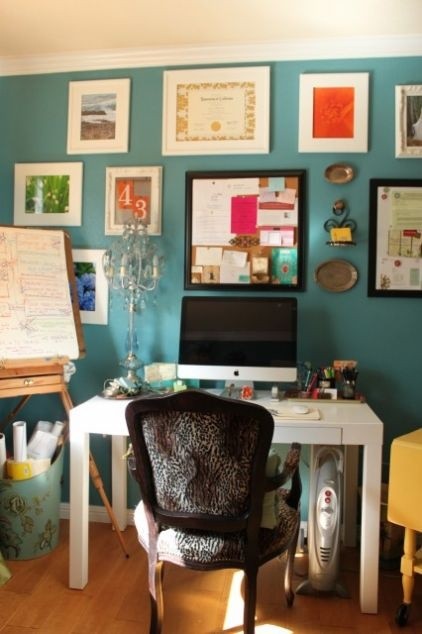
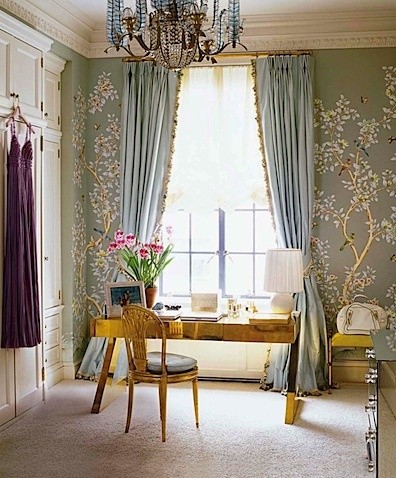
The images in this set show different moods—pale and airy, dark and focused, vintage-tinged, minimal, layered with books and objects. Steal proportion and calm, not every object. A white desk in a photo may fail in a household with markers and coffee. A dark wood desk may feel heavy in a small north-facing room. Match finish to maintenance reality. Choose one dominant material story—wood, painted cabinetry, metal legs—so the room does not look like a showroom floor sample board.
Cables are design. Use grommets, clips, a power strip mounted under the desk, and a single route to the wall. Wireless helps, but printers and lamps still need power. A tidy cable plan does more for “neatly designed” than another ceramic vase. So does editing what sits on the desk overnight. Leave only the tools you use daily; park the rest in closed storage. Surfaces that stay clear photograph well for a reason: they also think well.
Before you buy another organizer, walk your current setup with this checklist:
- Can you sit, type, and stand up without moving furniture?
- Is the main light source beside you rather than blasting your screen?
- Does storage close on the mess you generate in a normal week?
- Can you leave the room—or the corner—looking finished in under two minutes?
- Would a guest on a video call see a calm background, or your laundry rack?
If four answers are yes, you already have a neatly designed home office. The photographs then become optional decoration on top of a room that works.

Comments
Continue reading
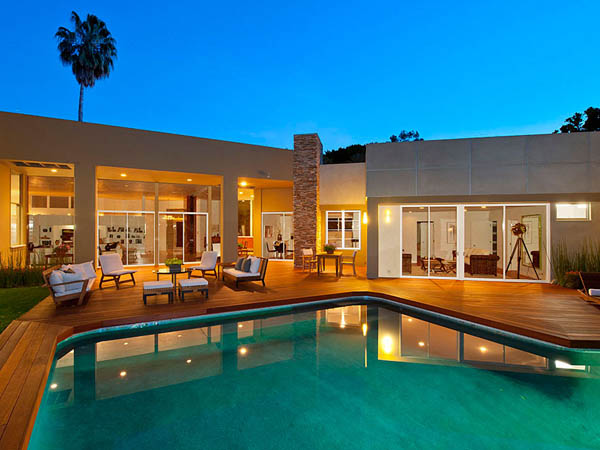
Beverly Hills Villa by William Stephenson
A renovated 1956 William Stephenson villa in Beverly Hills—four bedrooms, five baths, gallery hall, garden pool—documented from its early-2010s listing era.
10 Small Garden Design Ideas That Make a Tiny Yard Feel Like a Room
Ten compact-garden strategies: deck dining, bold furniture against green screens, outdoor cinema, cottage paths, built-in lounges, layered lighting, courtyard mirrors, and indoor–outdoor flow.
Google’s Tel Aviv Offices: Workspace Design in Electra Tower
A period design reading of Google’s late-2012 Tel Aviv workplace by Camenzind Evolution with Setter Architects and Studio Yaron Tal—themes, collaboration landscapes, and the photo record.