
Strange but Cute Vintage Animal Photos
Pigeon cameras, protective dogs, sitting horses, and other archival oddities—vintage animal photographs where human ambition meets creaturely patience.
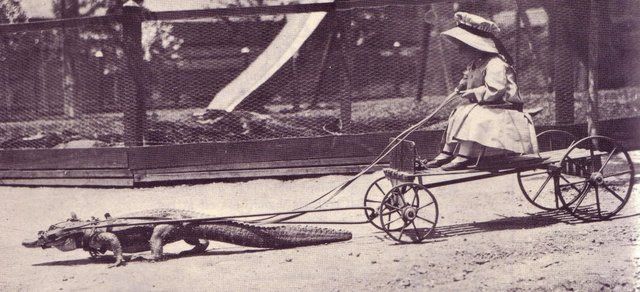
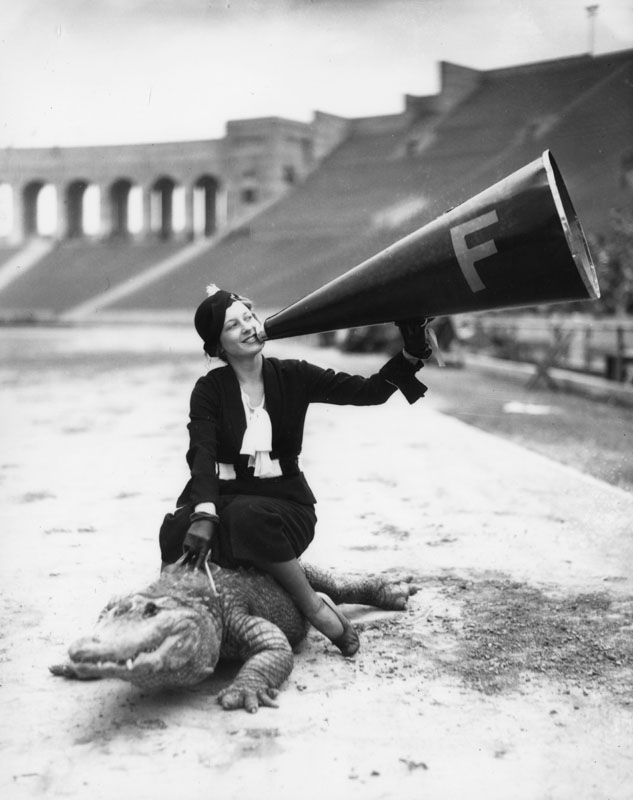
A crocodile is still a crocodile in any decade. Pair it with a woman, a megaphone, and a photographer’s patience, and the animal becomes a co-star in a comedy the archive never quite explained. Vintage animal photographs specialize in that collision: creatures asked to pose, perform, protect, or simply endure human invention—while somehow remaining themselves.
The images gathered here are strange and often tender. They come from an era when cameras were slower, animals were pressed into publicity stunts and scientific experiments alike, and “cute” did not yet mean a filtered phone clip. Looking at them now is less about mocking the past than about noticing how eagerly people have always tried to share the frame with other species—and how photogenic that eagerness can be.
Pigeons with cameras, and the seriousness of the absurd
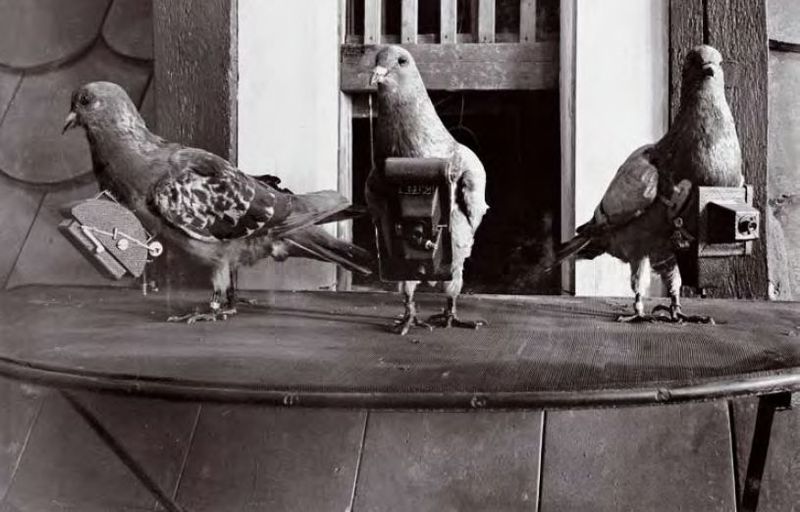
Three pigeons stand in a row, each harnessed to a miniature camera. The devices look heavy for their chests; the birds look unimpressed. Early twentieth-century pigeon photography—used for aerial reconnaissance long before drones—produced pictures like this as documentation, not as jokes. Time has flipped the tone. What was once technical now reads as surreal costume design for birds.
That flip is the engine of many vintage animal photos. Context thins; the visual punch remains. We inherit the image without the briefing room, and the briefing room’s solemnity becomes comedy. Yet the animals were never props only. They carried weight, trained for routes, lived inside human systems of war and curiosity. The cuteness is real; so is the instrumental history underneath it.
Guardians, companions, and impossible sitting lessons
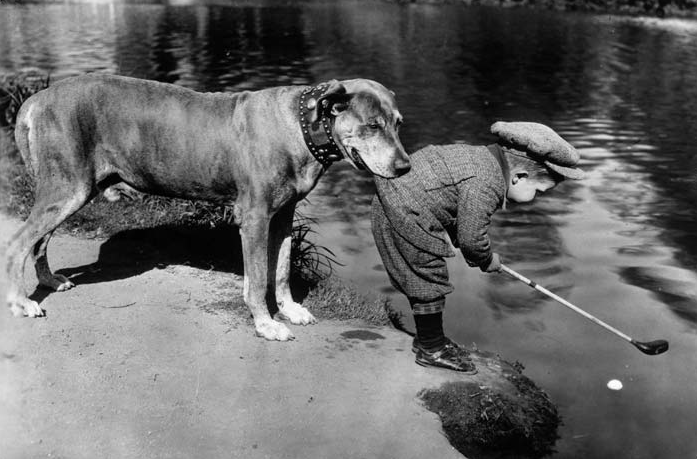
A large dog grips the seat of a boy’s trousers while the child leans toward water with a stick—a staged rescue that still works because the dog’s job is legible. Protective pets were favorite subjects for humorous postcard photographers. The gag depends on trust: the animal must hold still long enough for the plate, and the child must lean far enough for the joke without tipping into danger the audience cannot laugh at.
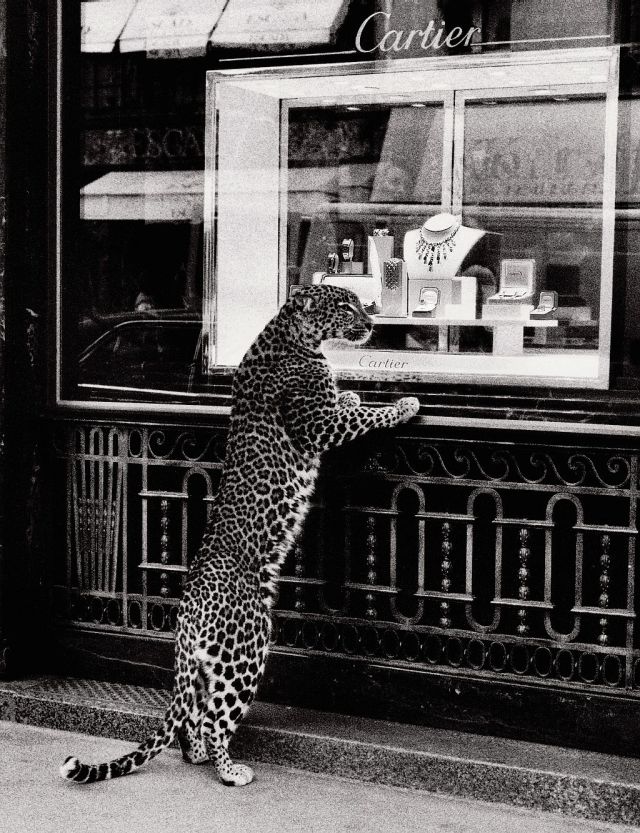
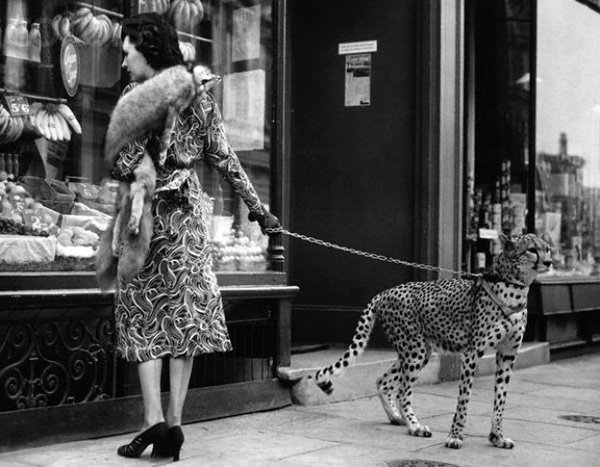
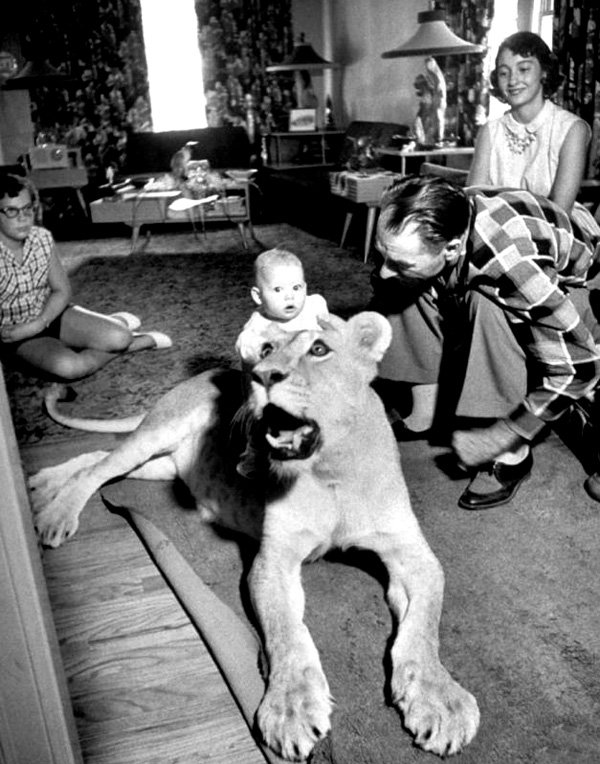
Other frames simply insist on companionship at an unusual scale—people walking with big cats, posing beside animals that modern city life rarely admits onto a sidewalk. Whether the animals were trained performers, private curiosities, or press-day guests, the photographs freeze a social arrangement that feels both glamorous and uneasy. The cuteness arrives first; the questions about captivity and fashion arrive a beat later, as they should.
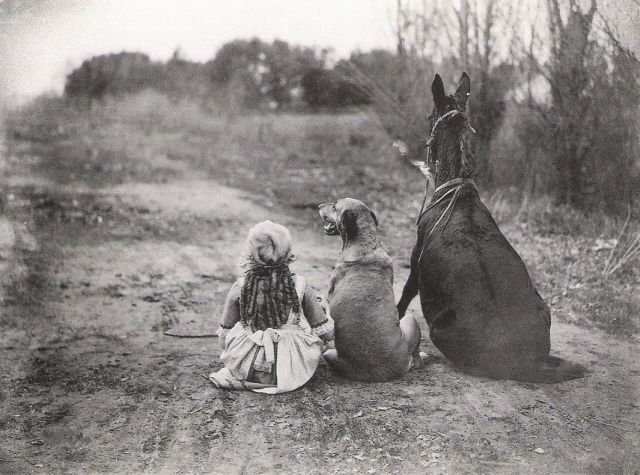
Then there is the trio facing away: a girl, a dog, and a horse sitting on their haunches along a dirt path, all looking toward the same distant trees. The horse’s seated posture is the punchline and the wonder. Training, patience, and a photographer who knew when to click combined into a tableau that still stops the scroll. Anthropomorphism here is physical, not just emotional—the animals are asked to borrow human sitting, and somehow oblige.
Why black-and-white makes the weirdness softer
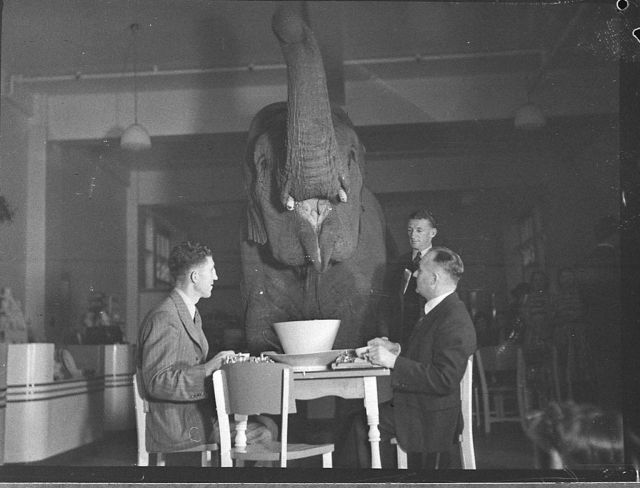
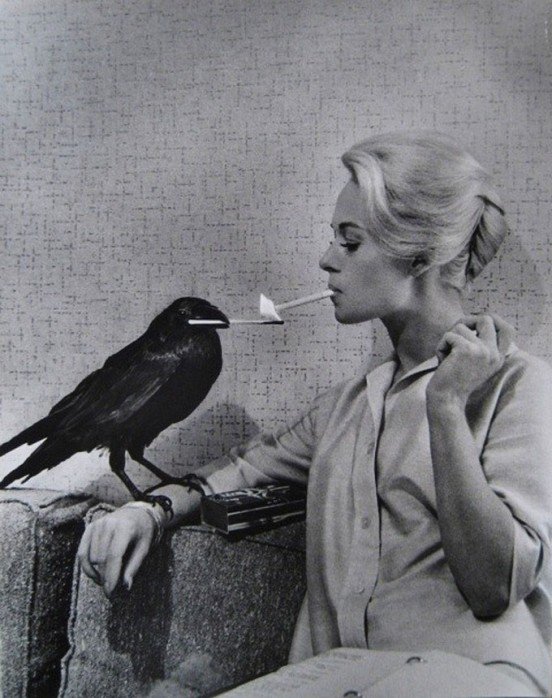
Color would sharpen every seam of a costume, every marketing motive, every awkward bit of staging. Silver gelatin and soft grey midtones do the opposite: they unify. A crow helping light a cigarette, a woman sharing space with a predator, a farmyard trick that once sold postcards—all of them settle into the same tonal family. The archive becomes a single mood: slightly dreamlike, slightly documentary, permanently half-explained.
That softness is why these pictures feel “cute” even when their premises are odd. Grain forgives. Soft focus around the edges of a studio backdrop turns a publicity stunt into a fable. We read intention into the animals’ faces—boredom, dignity, conspiracy—because the medium invites projection. The photographs are collaborations between animal patience and human narrative hunger.
Performance, publicity, and the long leash of the camera
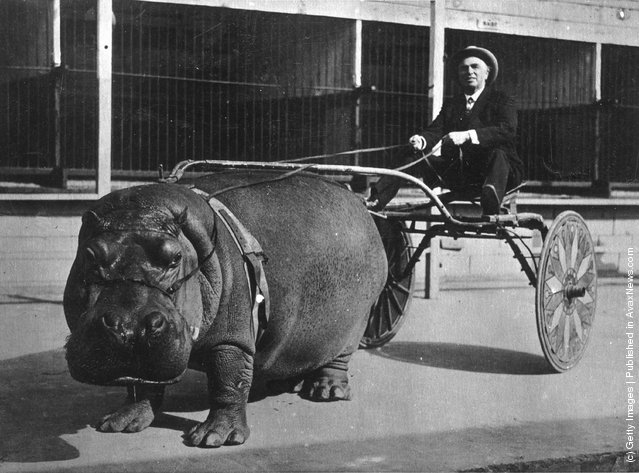
Many of these images were made to circulate: postcards, newspaper fillers, promotional stills for circuses, zoos, or private menageries. Animals were asked to do human-adjacent tasks—hold, sit, walk on cue, tolerate a prop—because audiences paid for astonishment. The camera’s long exposure times demanded stillness; stillness made the animals look thoughtful even when they were simply waiting for release.
Modern viewers sometimes feel a double reaction: delight at the composition, discomfort at the conditions. That double reaction is honest. You can admire the dog’s timing in a staged rescue without wanting every childhood photographed at a water’s edge. You can smile at a trained horse sitting like a person while still preferring horses to keep their ordinary standing lives. The archive does not require you to choose only one feeling.
What the best pictures share is mutual legibility. Something in the animal’s posture answers the human arrangement. Without that answer, the photo collapses into coercion alone. With it, you get the strange-cute register: a temporary alliance visible for one fraction of a second, preserved longer than anyone involved expected.
Reading the gallery without needing every caption
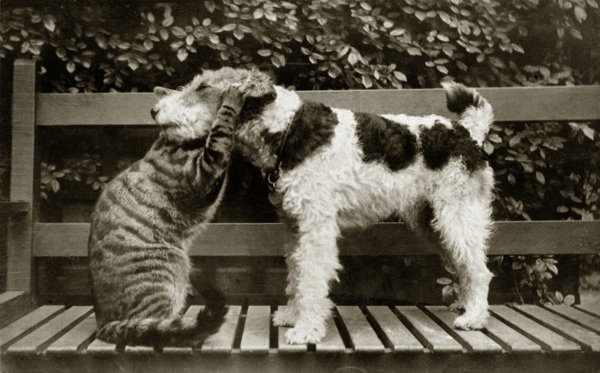
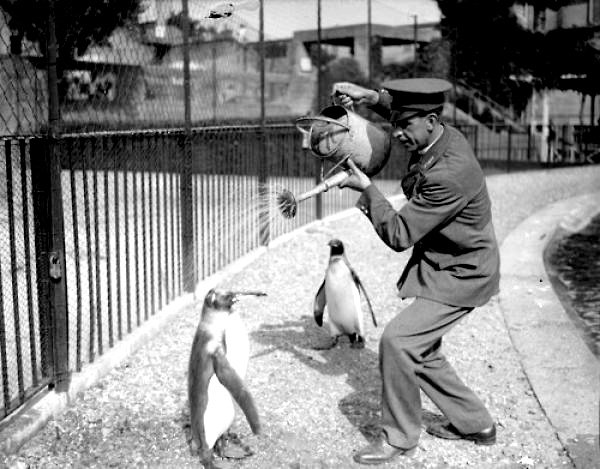
Exact names and dates have often fallen away from circulating scans. What remains is typology: the working animal, the performing animal, the companion pressed into comedy, the scientific subject turned mascot. You can move through the set noticing composition instead of provenance—the way a vertical portrait isolates a face, the way a wide shot makes a landscape witness the gag, the way a harness or leash line draws the eye toward the human contract.
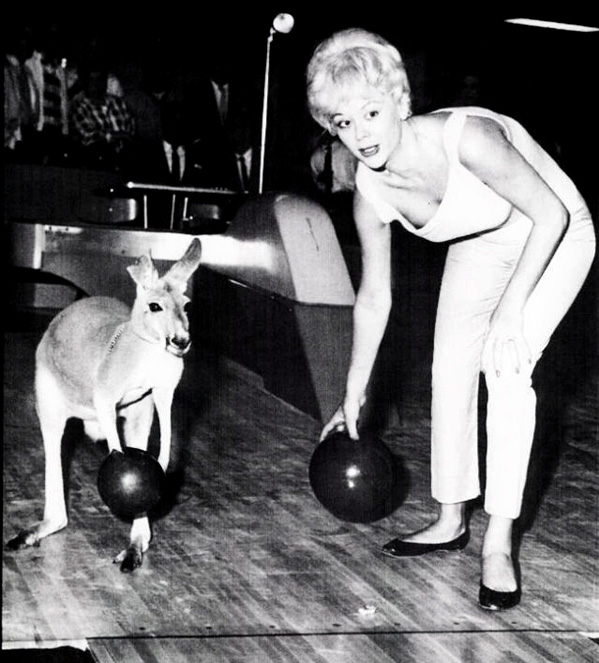
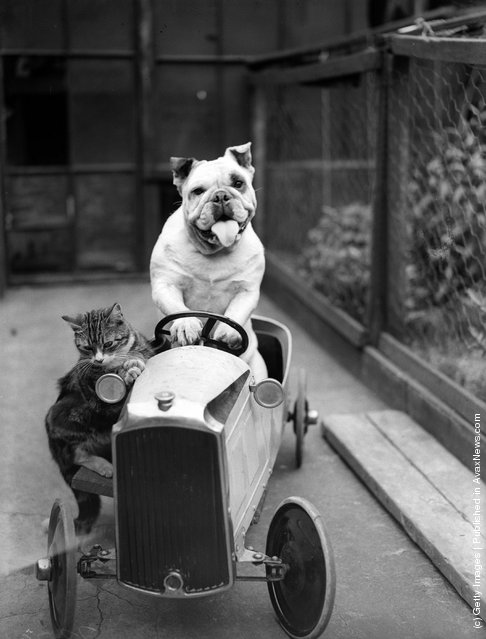
Crocodiles, cheetahs, birds, dogs, horses: the species change, the bargain rhymes. Someone wanted a picture that would stop a stranger. Animals, for better and worse, have always been able to stop strangers. The vintage camera simply made the stop durable.
What the archive still offers
These photographs are not instructions for how to treat animals now. They are records of how people once arranged animals for the lens—and of how often that arrangement produced accidental grace. A pigeon’s harness, a dog’s careful bite of cloth, a horse sitting because someone asked: each image is a small negotiation made visible.
Spend a little longer than a swipe allows. Notice which pictures feel like affection and which feel like spectacle. Notice where the animal seems to own the frame despite the staging. The strange part is the human ambition; the cute part is the living presence that ambition could never quite control. Between those two poles, the old photographs keep their charge—quiet, grainy, and still somehow companionable after all these years.

Comments
Continue reading
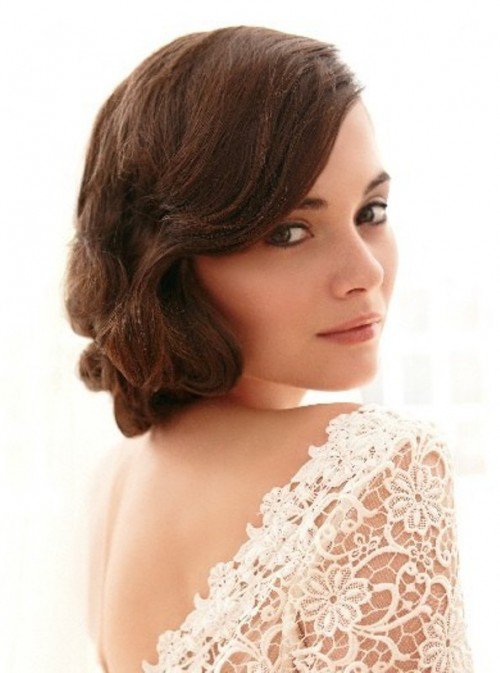
15 Vintage Wedding Hairstyles: Finger Waves, Bouffants, and Birdcage Veils
Fifteen vintage bridal hair looks—from 1920s finger-wave faux bobs to 1960s bouffants, victory rolls, and Hollywood waves with birdcage veils.
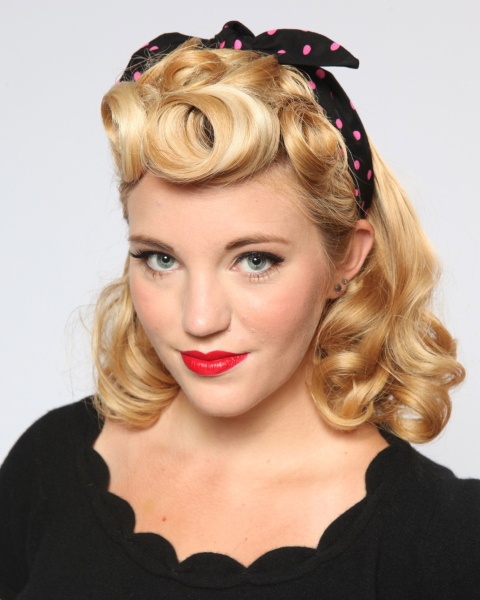
Vintage Hairstyles by Decade—Waves, Rolls, Flips, and Wearable Volume
A practical tour of 1920s waves through seventies feathers: silhouettes, tools, and how to wear period hair without a full costume.
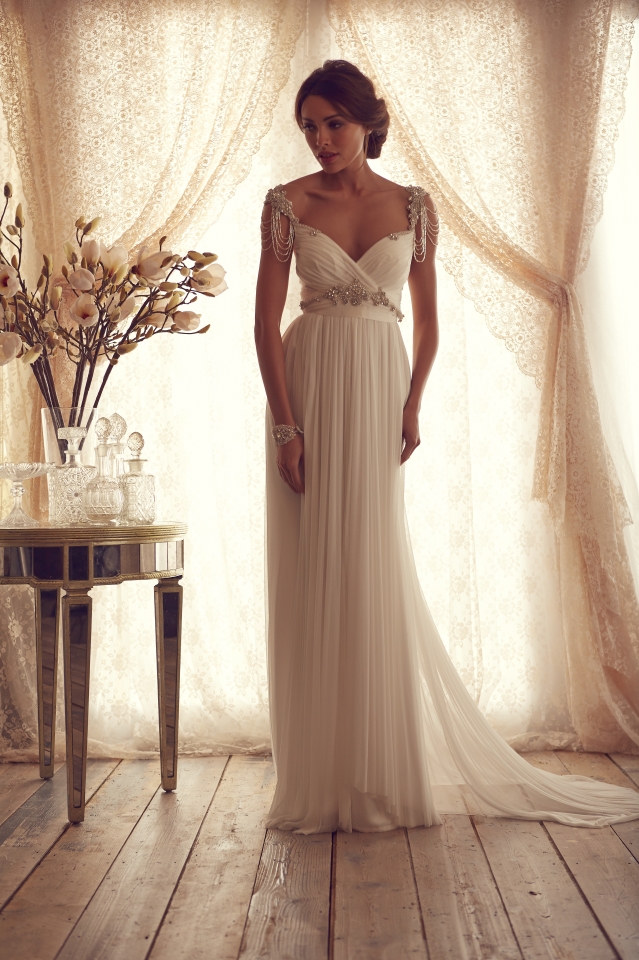
Anna Campbell’s 2013 Gossamer Made-to-Measure Bridal Collection
A historical look at Anna Campbell’s 2013 Gossamer made-to-measure wedding gowns—French-romance fit, crystal shoulders, bone color, and the Australian atelier moment.