
Street Style Summer: Heat, Ease, and City Polish
Warm-weather street dressing that survives pavement and humidity—breathable fabrics, removable layers, honest shoes, and edited summer silhouettes.
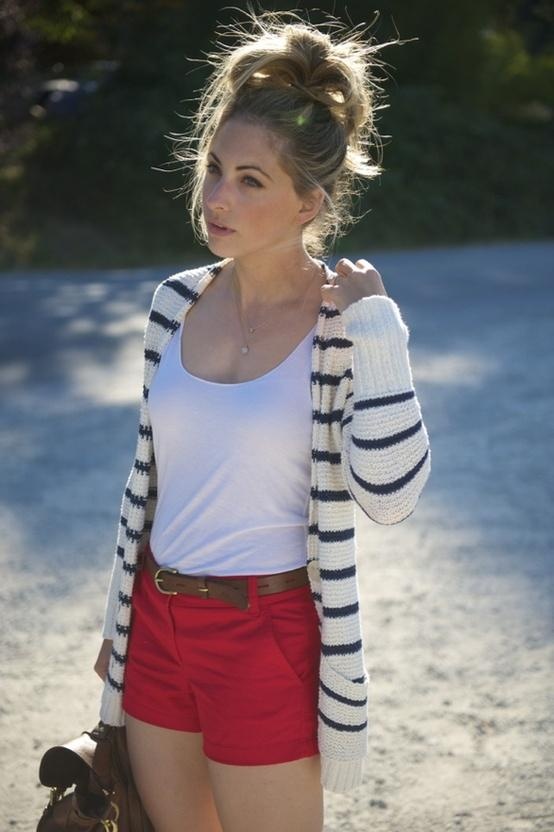
Summer street style is not vacation cosplay and it is not a winter wardrobe with the coat removed. Heat changes the rules: fabric weight, shoe coverage, how much skin you show, how colour behaves when light is harsh, and how quickly an outfit that looked sharp at 9 a.m. can look defeated by 3 p.m. The original invitation here was practical—build the summer wardrobe, steal chic ideas from the street, keep going. That still works if you treat summer as a design constraint rather than a mood board of endless linen fantasies.
City summer has its own climate. Pavement radiates. Subways stew. Offices freeze. You may need one bag that survives all three. The looks that endure are the ones that manage temperature without abandoning silhouette—clothes that move air, hold shape, and still photograph as intention rather than surrender.
Fabric is the first fashion decision
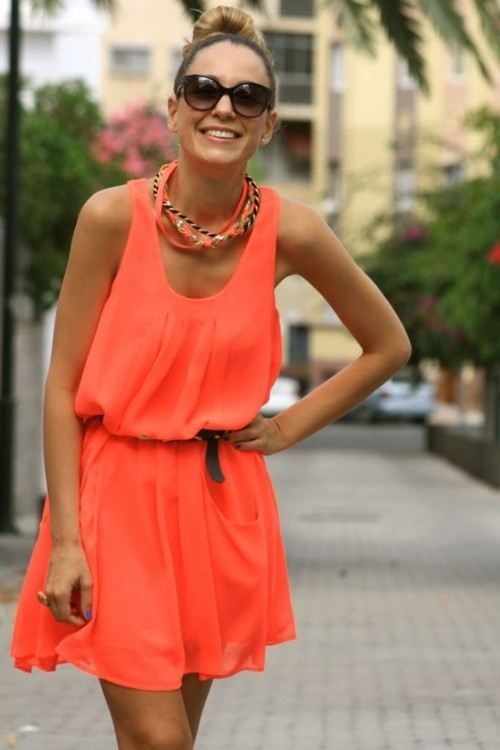
In summer, fibre choice beats trend choice. Cotton, linen, open weaves, technical knits that wick, and lightweight wool in surprisingly breathable tropical weights outperform heavy denim and plastic-shiny synthetics for all-day wear. Linen wrinkles; that can be the point if the cut is generous and the colour is confident. Crisp cotton holds cleaner lines for work-adjacent days. Slippery synthetics may look sleek in a fitting room and feel like a greenhouse by noon.
Colour interacts with heat psychologically and literally. White and pale tones reflect light and often feel cooler; they also show sweat and city grit. Black absorbs heat but can look sharper and hide more; loose black cotton can still be wearable if the cut is open. Mid-tones—stone, olive, washed blue, soft rust—often win for real weeks of commuting because they balance temperature optics with practicality. Bright accents still work in summer, but they do not need to carry the whole outfit the way spring neon sometimes does; heat already provides drama.
Silhouettes that survive humidity
Clinging fabrics advertise every weather event on your body. Slight ease through the torso, skirts and trousers with movement, and dresses that skim rather than vacuum-seal tend to look more expensive by afternoon. That does not mean everything must be oversized. Volume needs structure: a defined shoulder, a clean hem, a waist you can find if you want one. Uncontrolled bagginess in thin fabric reads like sleepwear in harsh daylight.
Shorts are a summer street staple and a proportion puzzle. Mid-thigh lengths with tailored fabric often look sharper than tiny cuts that force the rest of the outfit into beach mode. Pairing shorts with a polished top—tucked shirt, knit tank under an open shirt, structured tote—keeps the look urban. Dresses remain the efficiency champions: one piece, fewer decisions, easier airflow. Add a light overshirt or blazer for indoor cold, then remove it when the street turns into a skillet.
Shoes, bags, and the logistics of heat
Summer footwear fails more outfits than tops do. Shoes must handle walking distance, sudden rain, and the visual weight of bare legs or cropped trousers. Clean sneakers remain the default city answer. Leather sandals can look intentional if the rest of the outfit is edited; floppy tourist sandals rarely do. Loafers without socks work for some climates and some offices; blister reality varies. Whatever you choose, condition matters: summer light is merciless on scuffs and dusty suede.
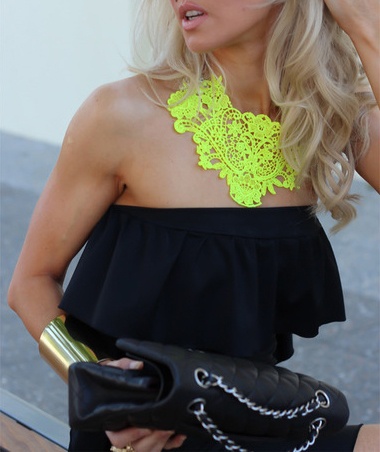
Bags should not become heat traps against your body if you can help it. Crossbodies that sit lightly, totes you can switch shoulders, and structured mini bags for evenings all have roles. In summer street style, the bag often becomes the main accessory because jewelry can feel sticky and scarves become optional. Use that: one strong bag can finish a simple dress better than five competing trinkets.
Layering when summer is indoor winter
Modern summer dressing is bipolar. Outside: furnace. Inside: air conditioning set by someone who hates joy. The solution is a single portable layer that does not ruin the outfit when carried. A light blazer, crisp shirt worn open, fine-knit cardigan, or technical overshirt should look good on and look acceptable folded over an arm. Avoid giant winter-weight denim jackets unless evenings are truly cool; they become punishment by midday.
Think in removable systems: base that can stand alone, layer that elevates, shoes that match both states. If your base only works under the layer, you will overheat rather than edit. If your layer only works as a prop, you will freeze in restaurants. Test the system on a real day, not only in a mirror at home.
Grooming and polish without winter armor
Winter clothes hide a lot. Summer clothes disclose ankles, shoulders, hair texture, and skin that has met humidity. That is not a call for perfectionism; it is a call for maintenance that matches exposure. Moisturized skin, tidy nails, hair that has a plan for frizz or sweat, and clothes that are actually clean matter more when there is less fabric. A wrinkled linen dress can look chic; a stained one just looks neglected.
Makeup in heat should be strategic. Heavy base melts. Spot coverage, brows, sunscreen, and one feature often last longer than a full winter face. Fragrance should be lighter; dense scents bloom aggressively in heat. None of this is fashion magazine morality—it is comfort and longevity so the outfit you chose still feels like yours at dinner.
Building a small summer street capsule
You do not need a new personality every June. A workable capsule might include: two breathable trousers or skirts, one sharp short if your life allows it, three tops that layer, two dresses, one light jacket, two shoe options, and one bag that goes with most of it. Add one pattern or colour piece for days that need lift. Rotate ruthlessly. Summer is when closet dead weight becomes literally heavy.
Steal ideas from street photographs the way stylists do: not “buy that exact dress,” but “note the hem length with those sneakers,” “note the tucked-versus-untucked ratio,” “note how a neutral column makes one bright object enough.” Even with only a few images preserved from the original roundup, the lesson remains scale, ease, and editing under bright light.
City summer versus escape summer
Resort clothes and street clothes overlap, but they are not identical. Escape summer can indulge sheer fabrics, ceremonial sandals, and outfits that only need to walk from pool to dinner. City summer must survive transit, errands, and professional adjacency. Translate, do not copy: take the colour story from a holiday look, keep the footwear honest for pavement; take the ease of a resort shirt, tuck it into tailored shorts instead of swim cover-up territory.
The chicest summer street outfits often look slightly underdone on purpose—fewer pieces, clearer lines, fabrics that admit the weather instead of fighting it. Heat will always win the argument. Style, in summer, is how gracefully you agree. Pack the light layer, choose the breathable weave, edit the accessories, and let the season show in comfort rather than in visible struggle.

Comments
Continue reading
Bold Contrasts in Street Style: Neon, Clash, and Calm Zones
A practical guide to color, value, and texture contrast—neon against black, lace against spikes, and how to keep summer-loud looks composed.
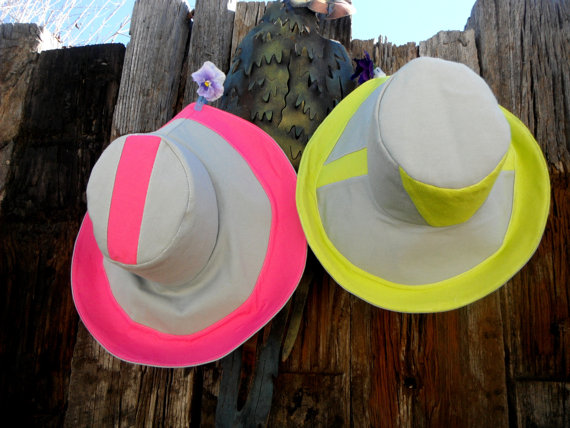
Trendy Summer Hats for Women: Brims, Crochet, and Warm-Weather Finish
From wide-brim straw and boaters to crochet and city fedoras—how to choose and wear summer hats that shade, photograph well, and actually get used.
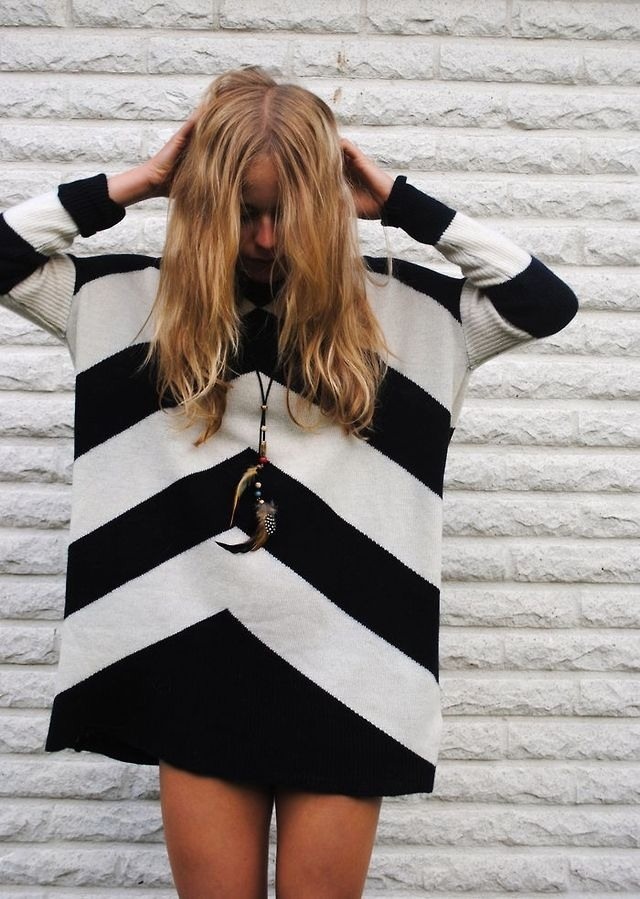
Street Style Stripes: Rhythm, Scale, and Colour Partners
How to wear stripes as personal style tools—scale, direction, mixing patterns, and colour partners that keep graphic looks intentional.