
Winter Street Style, Part 2: Layering Systems That Hold Up Outside
A second look at winter street fashion—coat architecture, wearable layers, footwear honesty, and three outfit formulas built for real cold-weather days.
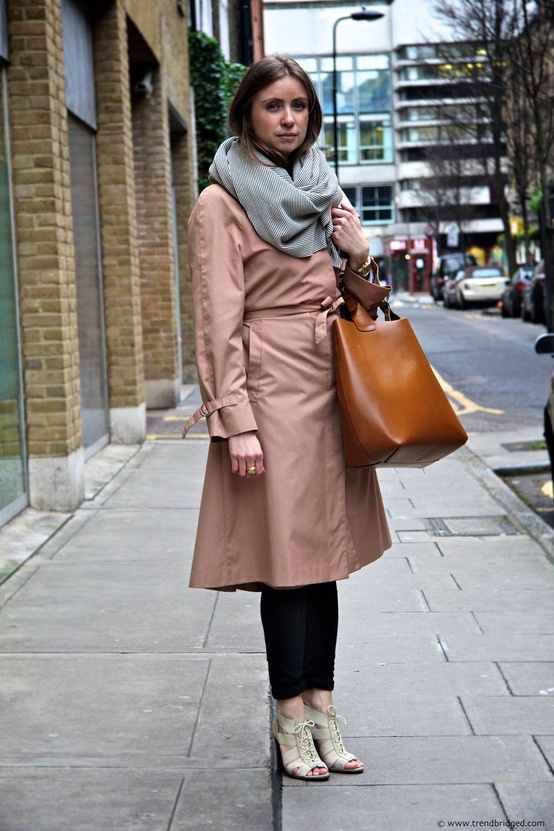
Winter street style is not only about looking warm in a photograph. It is about building a silhouette that survives wind, transit, and the moment you peel a coat in a heated café. Where a first gallery might simply collect cold-weather looks, this second pass focuses on systems: how coats, knits, trousers, and footwear share the work so an outfit still reads intentional after three hours outdoors.
Cold weather punishes vague dressing. Thin layers that look chic at noon collapse by dusk. Overstuffed jackets erase shape. Shoes that photograph well turn miserable on wet pavement. The people who look sharp on winter sidewalks usually solve those problems first—then add personality. Use the images here as case studies in proportion and layering, not as costumes to copy stitch for stitch.
Read the coat as architecture, not just insulation
A winter coat is the largest shape you wear. It sets shoulder line, hem length, and the visual weight of everything underneath. Structured coats—wool topcoats, cropped bombers with firm shoulders, belted wraps—create a frame. Soft puffers and oversized parkas create volume. Neither is wrong; they demand different partners.
If the coat is voluminous, keep the lower half cleaner: straight jeans, tailored trousers, or a slim skirt with opaque tights. If the coat is sharp and narrow, you can afford more texture below—wide cords, pleated wool, or a boot with a stronger sole. The goal is one dominant volume, not two competing blobs.
Hem logic matters more than trend names. A coat that stops at the hip shortens the leg unless trousers are long and shoes are continuous in tone. A midi or knee-length coat lengthens the line when boots meet the hem without a loud sock gap. Ankle boots under a long coat can work if the trousers break cleanly and the sock color disappears into the shoe. Street photographers catch these decisions instantly; so do strangers at a crosswalk.
Layer for movement, not for a still life
Good winter layering is reversible in public. You should be able to remove the outer shell indoors without looking unfinished. That means the mid-layer—knit, shirt, thin fleece, or tailored blazer—must carry the outfit alone for twenty minutes in a museum or office lobby.
Start from skin comfort: a base that wicks or at least does not cling when you sweat on the subway. Add a mid-layer with real temperature value (merino, cashmere blend, quilted liner). Finish with a weather shell or wool coat. Fashionable cotton tees under a coat look fine in dry cold for short walks; they fail in wet wind. If your climate is damp, prioritize a water-resistant outer face even when the silhouette is classic.
Texture stack is where street style gets interesting. Smooth leather against fuzzy knit, crisp shirting under a soft scarf, brushed flannel under a slick raincoat—contrast keeps bulk from reading as one dull mass. Limit high-shine surfaces to one zone so the outfit does not look costume-y under street lamps.
Color and contrast in short daylight
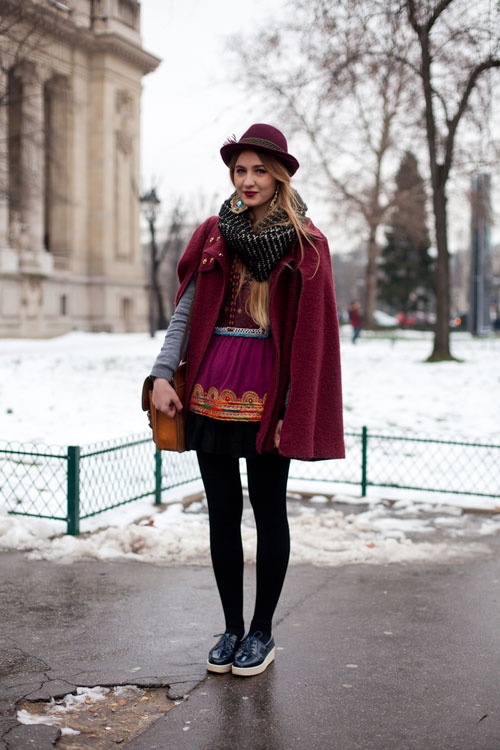
Winter light is flatter and earlier to fail. High-contrast outfits—dark coat, light scarf, mid-tone denim—read clearly in gray weather. Monochrome black can look sophisticated or washed-out depending on fabric variety; matte wool next to polished leather next to ribbed knit saves all-black from disappearing.
Accent colors work best when they are warm against cold air: camel, rust, deep red, mustard, forest. Cool pastels need stronger structure or they vanish into foggy backgrounds. If you wear a bold coat, keep accessories quieter. If the coat is neutral, let a scarf, bag, or knit carry the color story. Street style thrives on one clear accent, not five competing ones.
Pattern scale should respect distance. Tiny prints disappear; oversized checks and stripes photograph well from across the street. Mix one pattern with solids unless you are deliberately building a clash that still shares a color family.
Footwear is the honesty test
Winter outfits fail at the shoe more often than at the coat. Choose soles with grip for wet stone and ice melt. Choose shafts that work with your trouser break. Choose materials that survive salt—smooth leather you can wipe, treated suede you accept will weather, rubber and fabric hybrids for true storms.
Heeled boots can look sharp and still be walkable if the heel is blocky and the platform is modest. Stiletto winter shoes are evening tools, not commute tools. Chunky sneakers under tailored coats remain a valid city formula when proportions are balanced: cropped or cuffed trousers, clean sock line, coat that does not drown the shoe entirely.
Socks are not invisible accessories in winter. A thin dress sock in a tall boot can slip and blister. A midweight rib that peeks intentionally can finish a cropped pant. Matching sock to shoe elongates; contrasting sock makes a stylistic point—use it only when the rest of the outfit is calm.
Accessories that earn their weight
Scarves do three jobs: warmth at the neck, color near the face, and vertical lines that break up a boxy coat. A long scarf wrapped once and left with length hanging often looks more deliberate than a tight knot that disappears under a collar. Hats change the face line—beanies add casual height; brims and structured caps add graphic edges. Gloves should be wearable, not purely ornamental; cold fingers ruin the “effortless” walk faster than a wrong belt.
Bags need to sit against winter bulk. A tiny evening bag fights a puffer. A crossbody or structured tote that clears the coat hem keeps hands free for transit. Hardware that catches light—a buckle, a zip pull—can replace jewelry when sleeves and collars cover wrists and necks.
Three outfit formulas that travel well
Formula one: long wool coat, fine knit, dark straight jean or trouser, leather boot. Add one textured scarf. This is the weekday default for dry cold. Swap the jean for a midi skirt and opaque tights when you want a sharper line.
Formula two: shorter cropped jacket or bomber, heavier knit or hoodie mid-layer, wide or tapered pant with room for thick socks, sturdy sneaker or lace-up boot. Useful when you move a lot and need arm mobility. Keep the pant length intentional—no accidental floods unless cuffed on purpose.
Formula three: technical shell or rain-ready parka over a softer mid-layer, black or navy base, waterproof footwear. Style lives in the mid-layer and scarf once the shell comes off indoors. This is the honest wet-city kit; polish it with clean proportions rather than delicate fabrics that cannot take spray.
Rotate accessories across the three formulas instead of inventing a new silhouette every morning. Winter wardrobes improve when you deepen a few systems rather than collecting one-off looks that only work for a photo.
What to notice in the photos
Look past brand logos and trend labels. Notice where fabric stacks at the neckline, whether the coat shoulder sits on or past the natural shoulder, how the pant meets the shoe, and whether the outfit would still make sense if the person raised both arms to hail a cab. Those are the decisions that separate wearable winter style from staged cold-weather cosplay.
Also notice ease. The strongest street looks usually include one relaxed element—an open coat, a soft knit, a broken-in boot—so the structure does not harden into stiffness. Winter already adds armor. Your job is to keep a human inside it.
Build the next cold week around one formula, one accent color, and shoes you can actually walk in. If the outfit still feels like you after the third outdoor hour, the system is working—and that is a better winter style test than any single sidewalk snapshot.

Comments
Continue reading
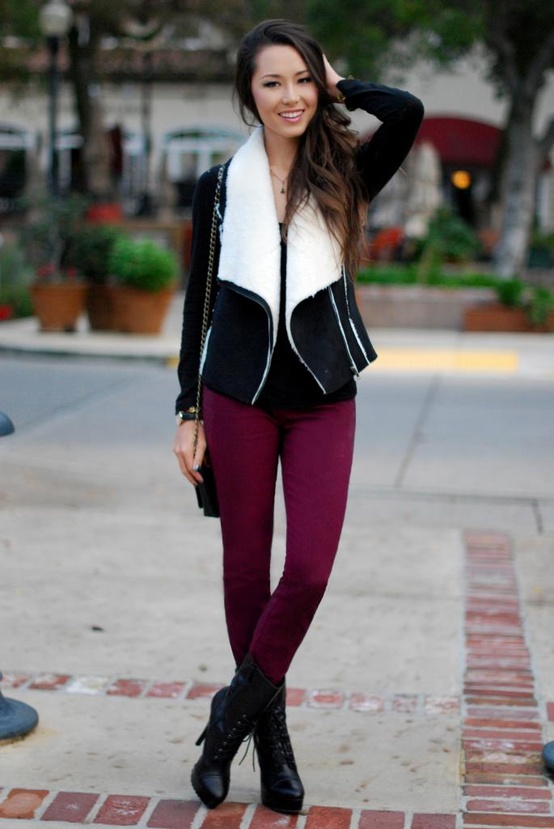
Global Street Style #3: Color, Warm Climates, and Hero Accessories
LA, Mediterranean, and Rio-spirited street looks where bags, shoes, sunglasses, and jewelry lead the silhouette instead of heavy coats.
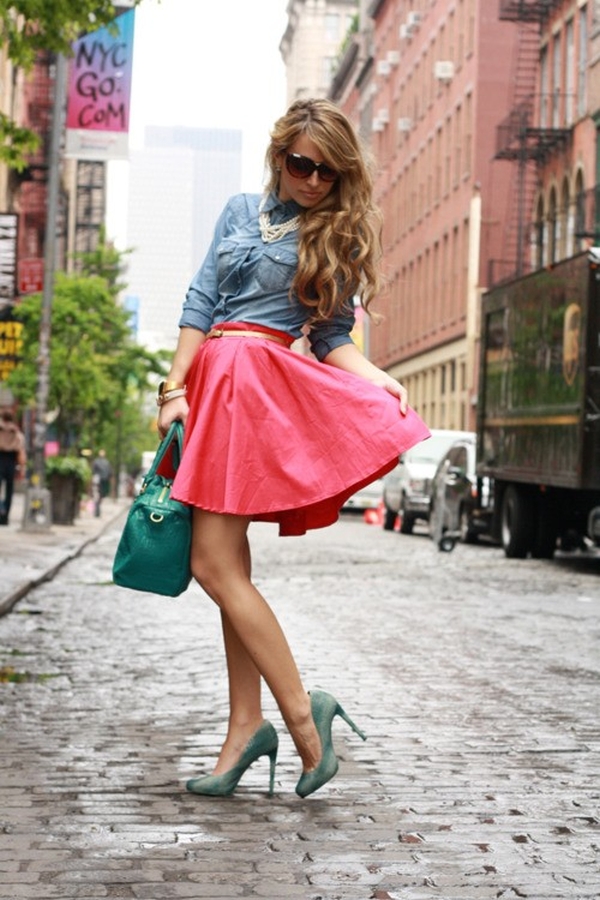
Global Street Style #2: Layering in Tokyo, Seoul, and London
Creative-district street fashion through denser stacks—texture contrast, length mismatch, and cold-weather layering moves that still walk.
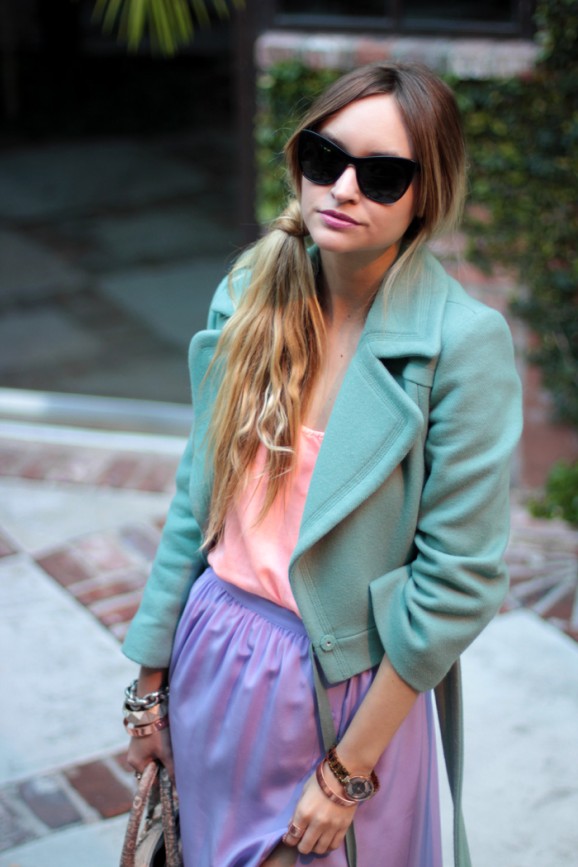
Global Street Style: Fashion Capitals and Coat Architecture
How to read polished sidewalk style from Paris, Milan, and New York—coats, shoes, bags, and the five cues that make capital-city looks click.