
Travel Wish List: Iceland’s Geology, Ice, and Unruly Light
Lava plains, glacier tunnels, turf houses, horses, geothermal soaks, and aurora as bonus—Iceland framed as unfinished planet rather than a magic filter.
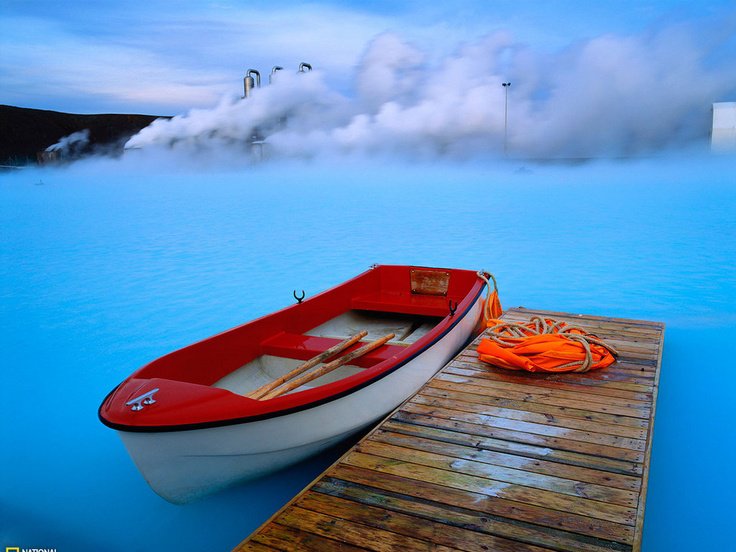
Iceland is not a postcard country so much as an unfinished planet. The Mid-Atlantic Ridge splits the island; lava fields look recently poured; glaciers grind toward black sand; steam vents remind you that the crust is thin. A travel wish list for Iceland should start with geology and light—then add horses, ice tunnels, turf houses, and the aurora as consequences of that ground, not as disconnected tags from a mood board.
People arrive wanting “magical nature.” What they find is rawer: wind that rearranges plans, roads that close, colors that come from minerals and moss rather than filters. That roughness is the draw. Plan for it, and the island becomes readable instead of merely photogenic.
Read the ground first
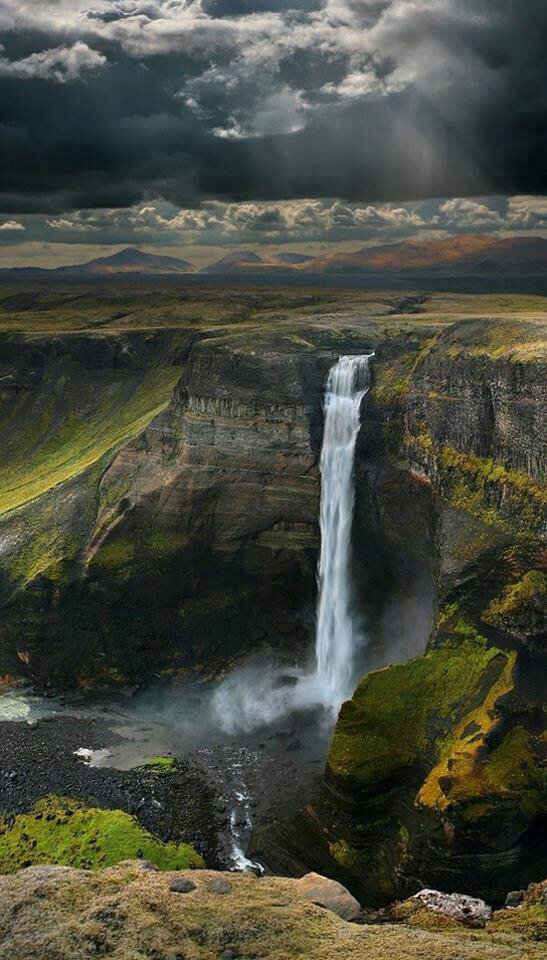
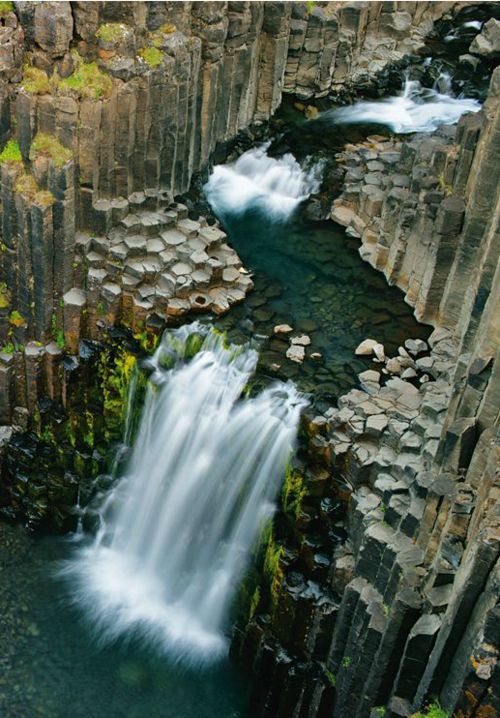
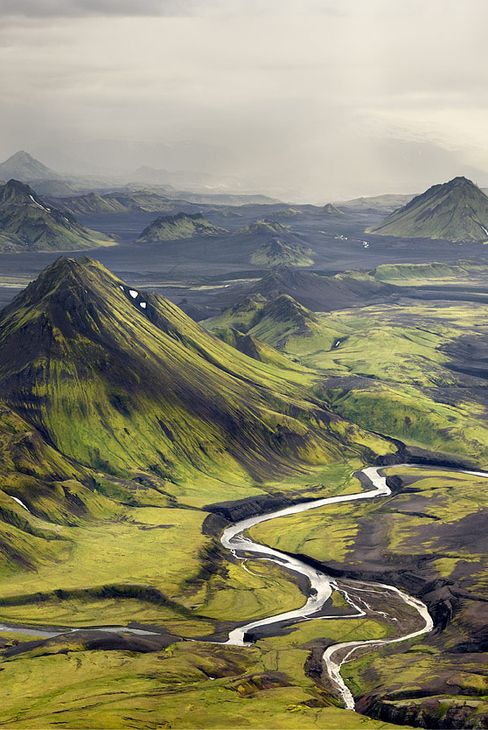
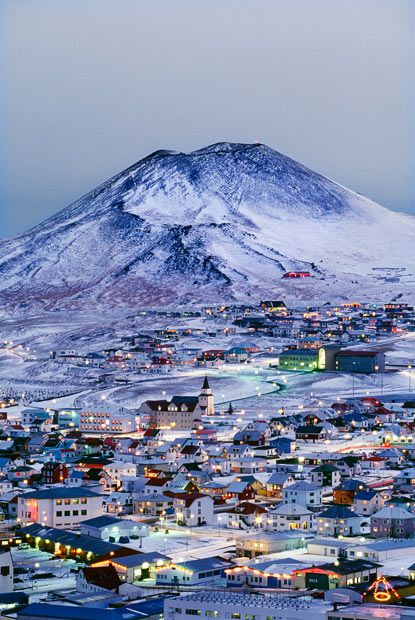
Basalt columns, crater rows, and rift valleys are the island’s grammar. When you stand on a lava plain, you are looking at time compressed—eruptions measured in years and centuries, not in tourist seasons. Moss softens old flows into green velvet; newer flows stay sharp and black. Wish-list travelers who stay curious learn a few rock words and a few place names, then let landscapes sort into chapters: Reykjanes heat near the international airport, south-coast cliffs and sand, highland deserts open only in summer, glacier tongues wherever ice still reaches the road’s imagination.
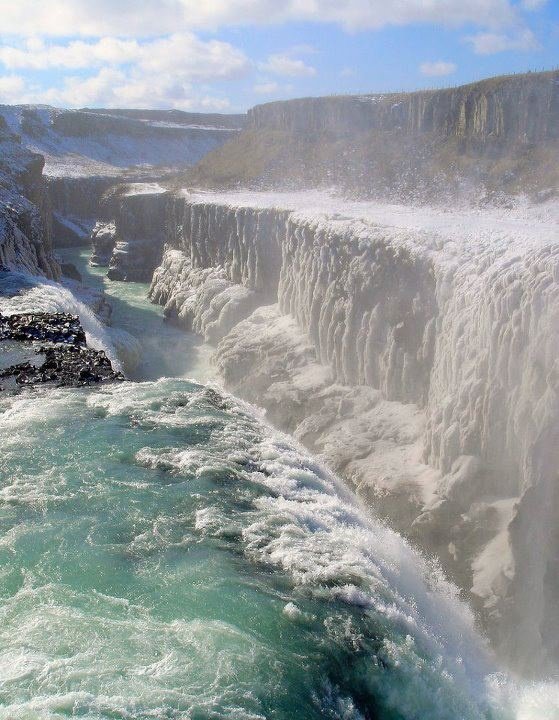
The Golden Circle circuit—Þingvellir’s rift and parliament site, Geysir’s steaming field, Gullfoss’s double drop—is popular for a reason: it teaches plate tectonics, geothermal power, and waterfall force in one day. It is also crowded. Go early, or treat it as orientation before you drive farther into quieter geology. Þingvellir especially rewards slow walking along the Almannagjá cliff: you are between Eurasian and North American crust in a literal, walkable way.
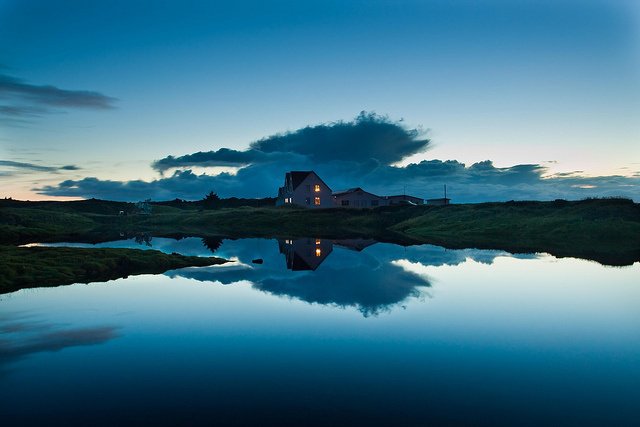
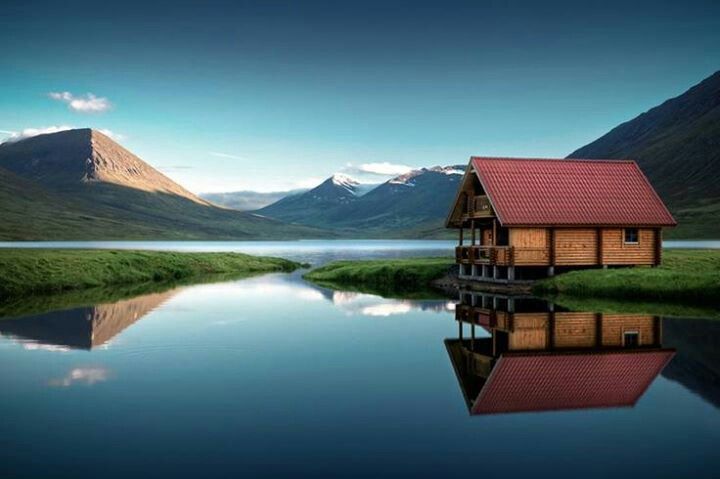
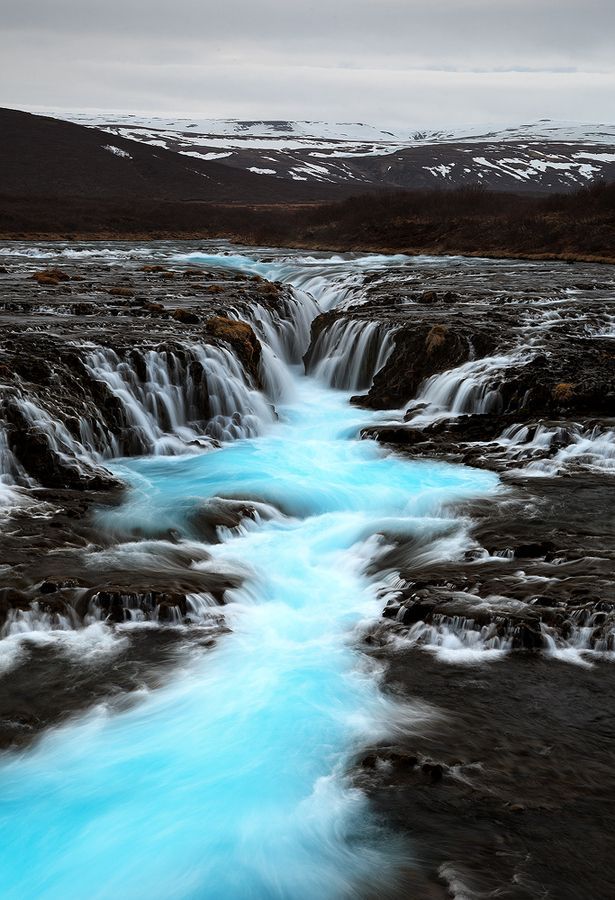
Waterfalls cut through basalt; beaches collect volcanic sand; geothermal areas smell of sulfur and look like alien kitchens. None of this requires a stunt. The stunt is surviving the weather with respect—checking road.is and safetravel.is, carrying layers, and refusing invented shortcuts across fragile moss. A single footprint on old moss can last longer than your holiday photos stay interesting.
Ice as architecture
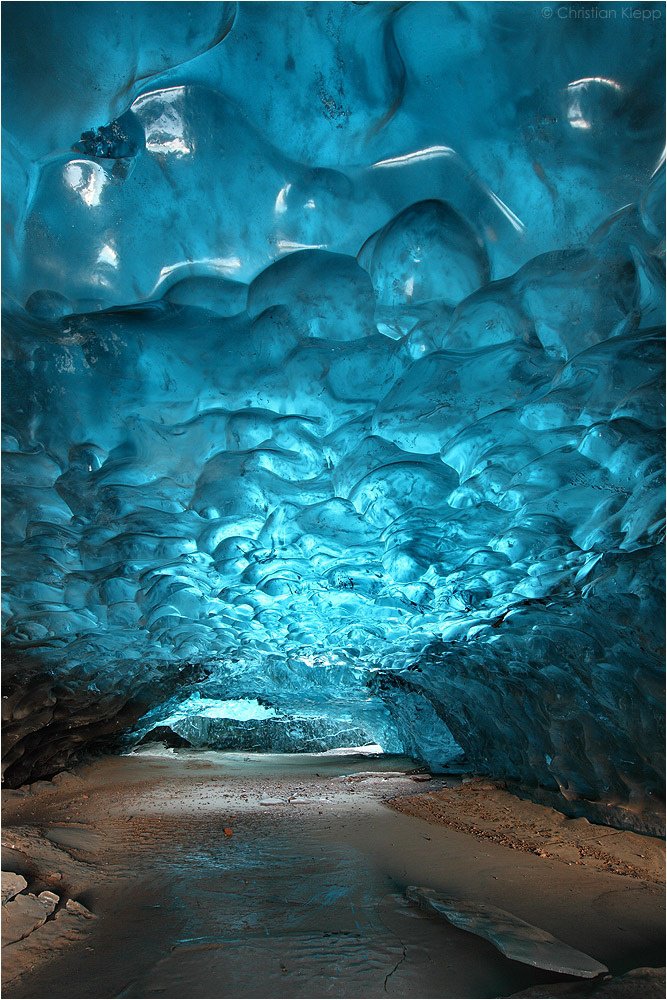
Glacier landscapes are Iceland’s slow sculptures. Outlet glaciers from Vatnajökull and other ice caps push gray tongues toward the lowlands; moraines and outwash plains show what ice leaves behind. Guided glacier hikes put crampons on surfaces that look smooth from a distance and prove otherwise underfoot. In season, some operators lead visitors into ice caves or tunnels where the blue deepens and the ceiling feels carved by pressure rather than by hand. Conditions change yearly; caves open and collapse. Treat any ice interior as provisional. The wish-list image of a tall ice corridor is real enough—just never static, and never a DIY project.
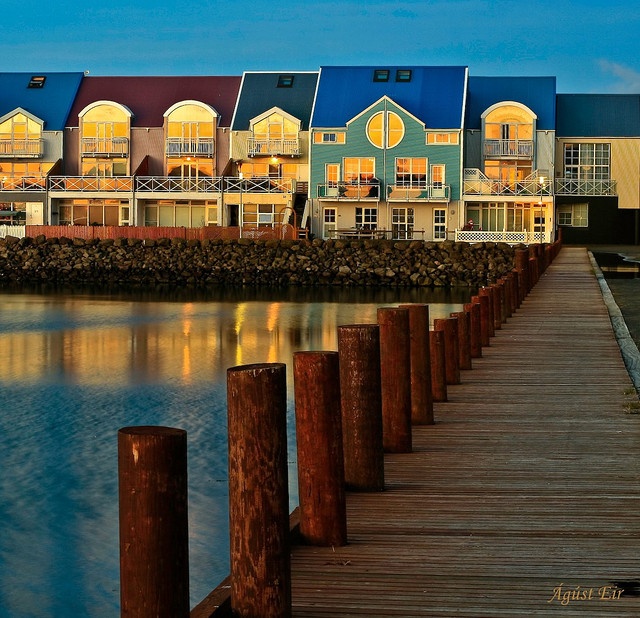
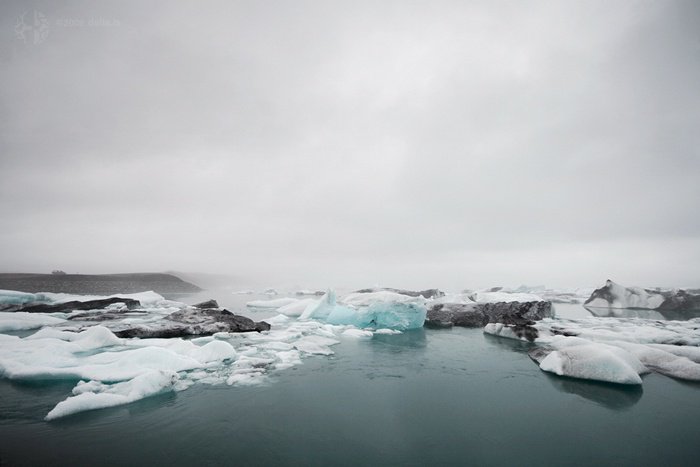
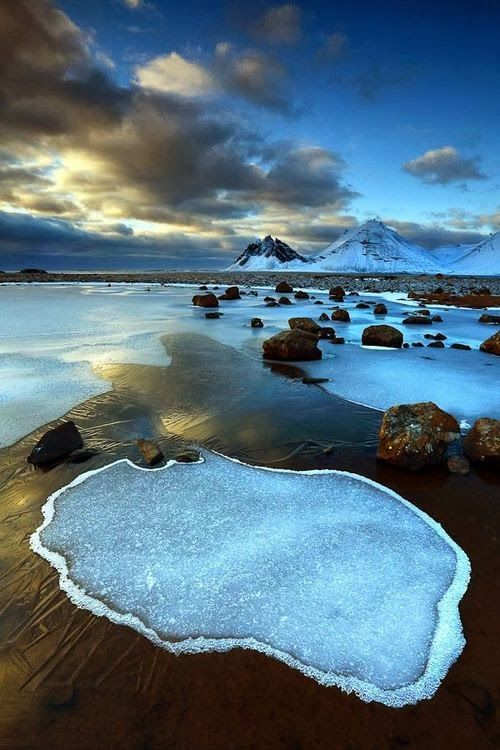
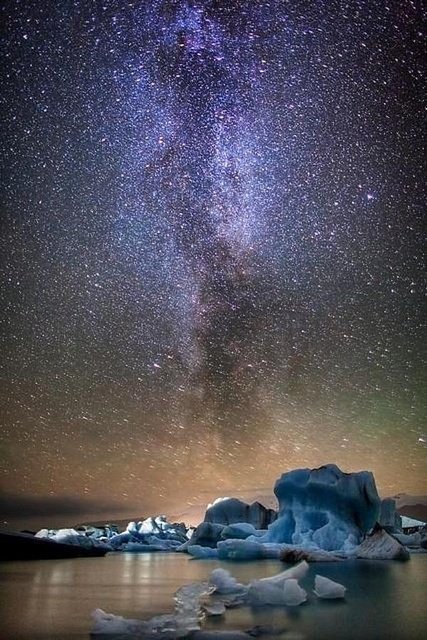
Jökulsárlón and nearby diamond beaches—icebergs stranded on black sand after lagoon calving—give the south coast its famous contrast: white ice on dark ground, Atlantic wind rearranging both. Go with time and humility; sneaker waves and unstable ice are not metaphors. Photograph from safe ground; do not climb bergs that can roll.
Snæfellsnes, the Westfjords, and the north each offer different ice-and-rock ratios. You cannot “do Iceland” in three days without turning the Ring Road into a blur. Pick a coast. Learn its waterfalls and headlands. Leave the opposite shore for another ticket.
Turf, horses, and human scale
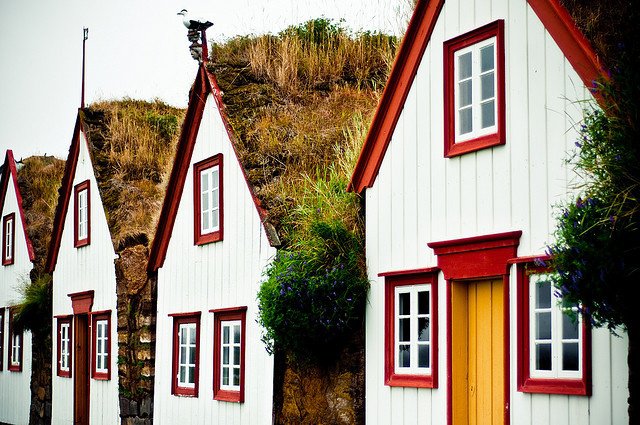
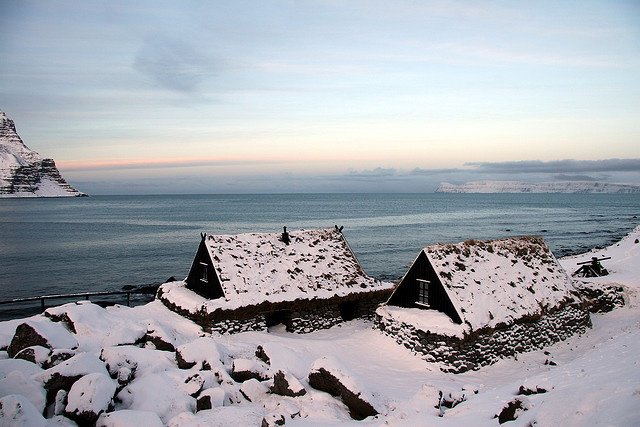
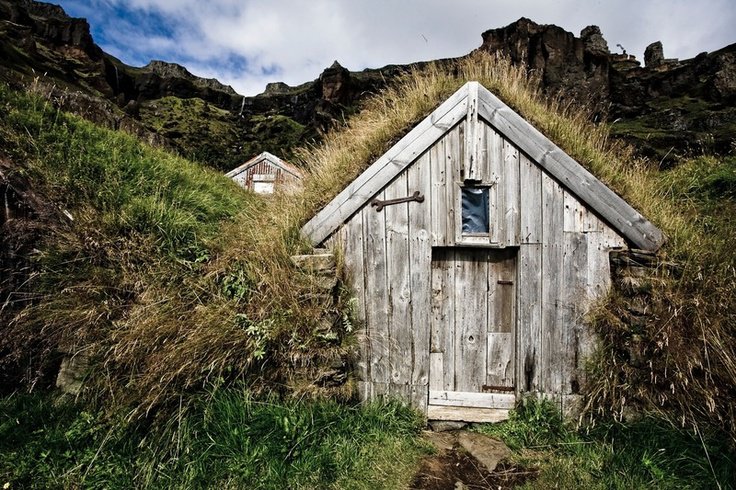
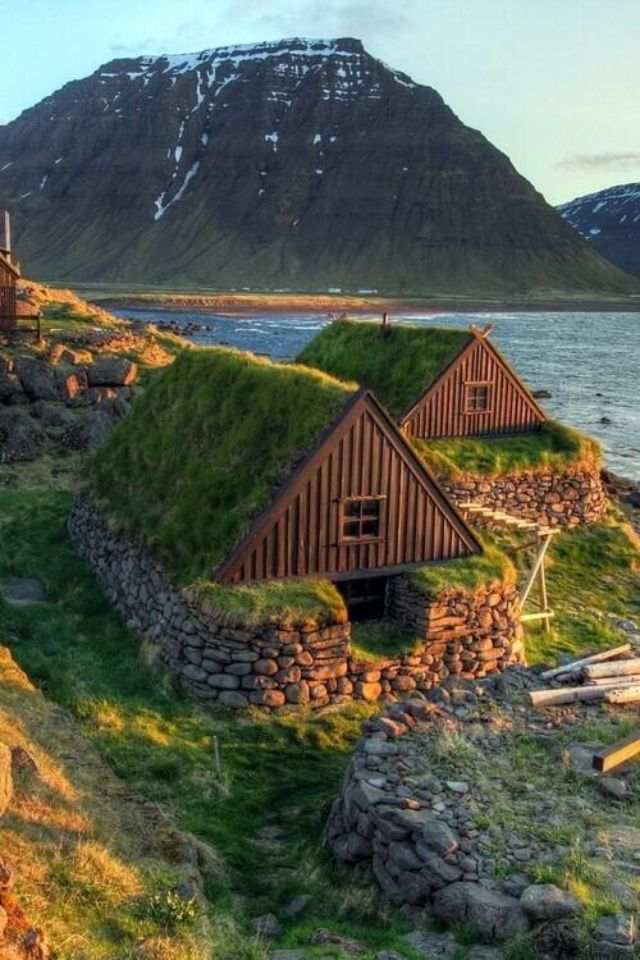
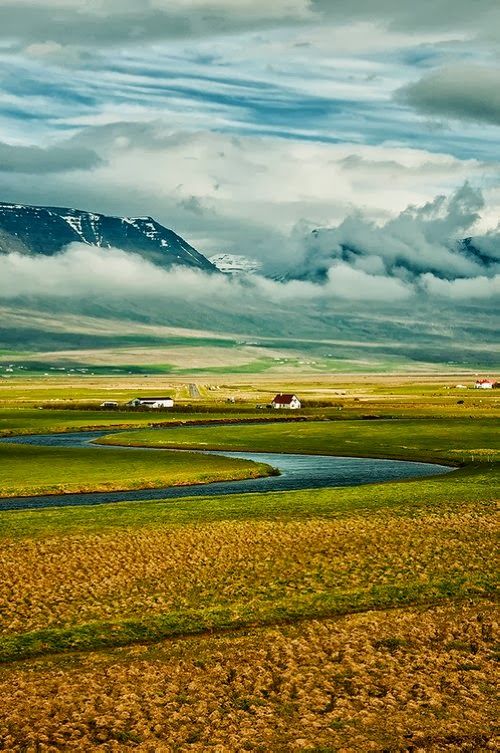
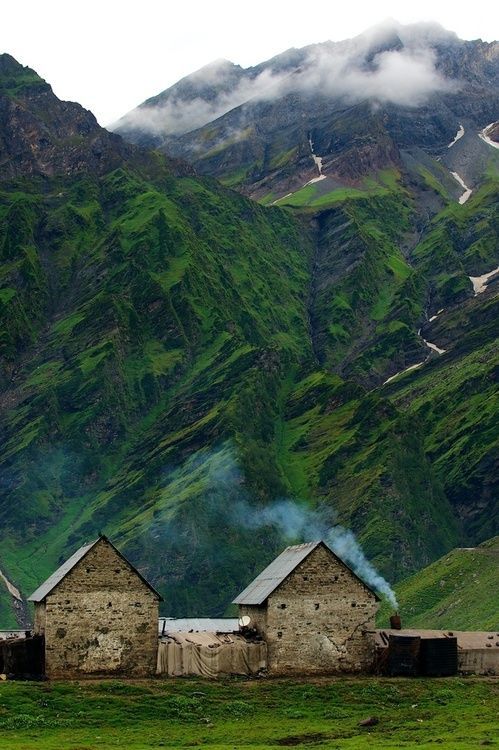
Icelandic turf houses—grass roofs over timber and stone—look like fantasy dwellings to outsiders and like practical insulation to history. Wood was scarce; grass and earth were not. Museums and preserved farmsteads show how people lived with fierce weather and long winters. On a geology-first trip, turf architecture is the human answer to the same climate that shaped the lava: low profiles, thick walls, roofs that merge with the hillside.
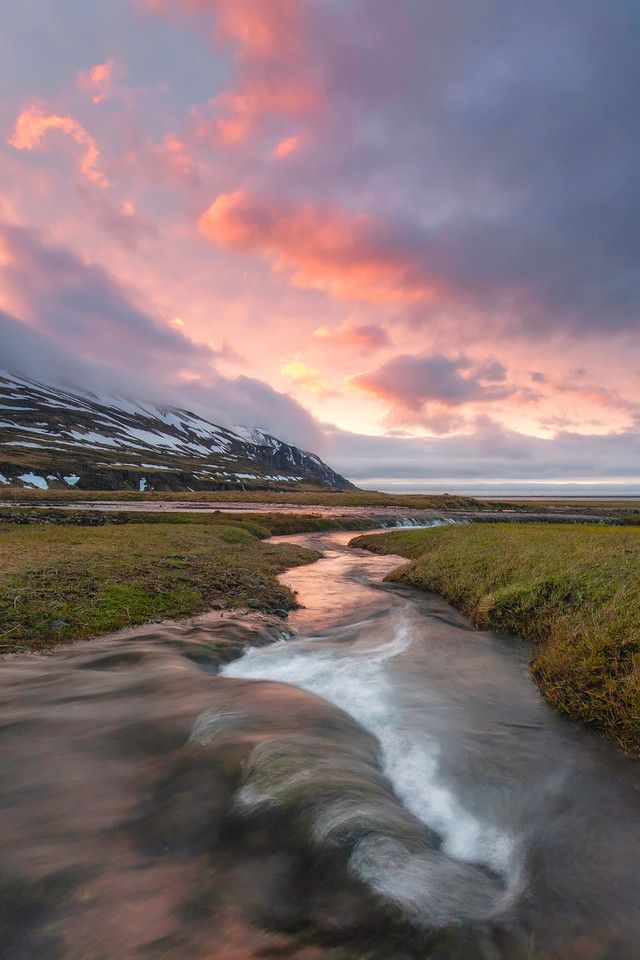
Horse riding on Icelandic horses is a classic outing: unique gaits (including the tölt), sturdy animals bred for this terrain, and trails that cross rivers and hills without needing a summit ego. Choose reputable stables; weather cancels rides; the landscape does the rest. Hiking—coastal cliffs, highland routes when F-roads open, waterfall approaches—needs the same respect for wind and footing. “Exotic glacier landscapes” are ordinary here; your gear should be ordinary-good, not costume. Waterproof layers beat fashion every time.
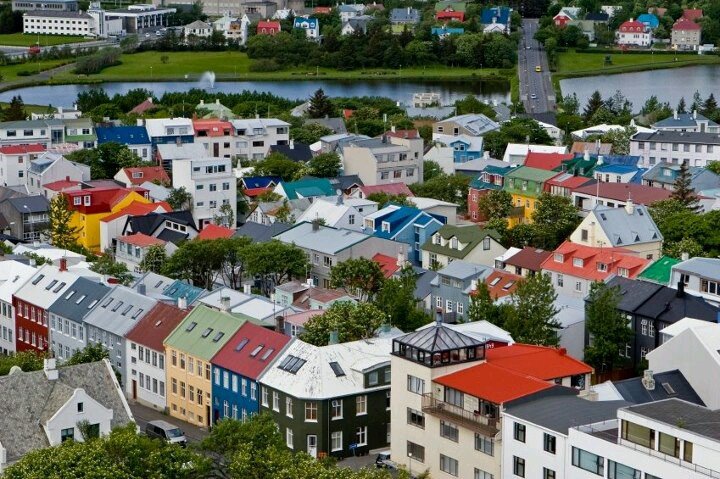
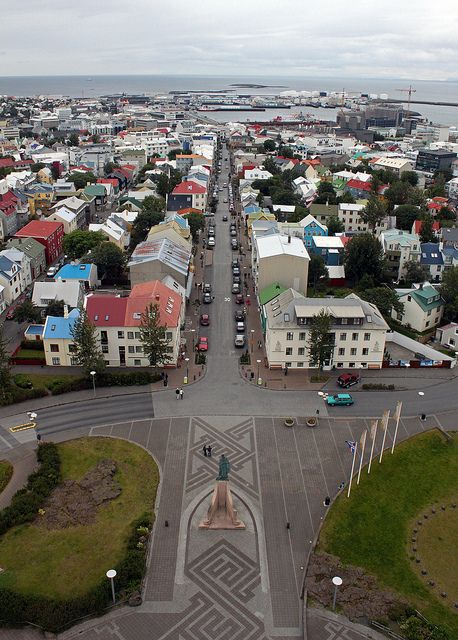
Reykjavík is the human-scale counterweight: harbors, halls, bakeries, and a compact downtown that can absorb a rainy day without apology. Use it as a soft landing, not as a substitute for the island’s geology. The wish list is the ground; the capital is the coat hook.
Light that misbehaves
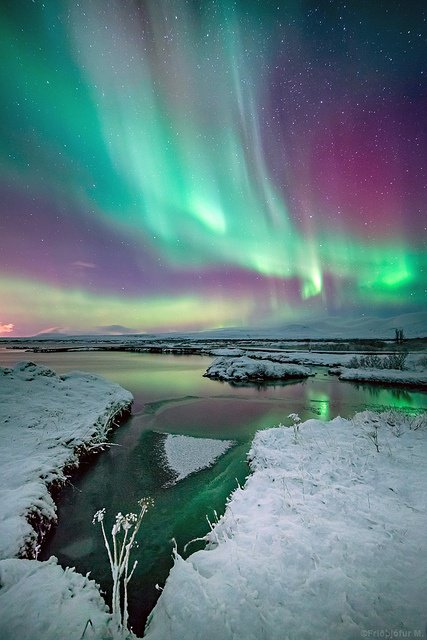
Summer brings near-endless daylight in much of the country; winter brings short days and longer chances at aurora. The Northern Lights are chemistry and solar weather, not a nightly show booked with your hotel. Dark skies away from Reykjavík help; multiple nights help more. Clouds cancel. Cold drains phone batteries. A good Iceland night might be stars without aurora—or green curtains that arrive while you are pouring coffee and arguing about whether to go outside again.
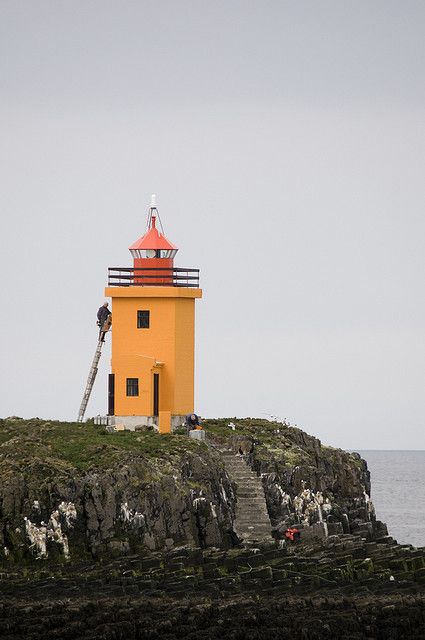
Daylight is equally theatrical: low sun raking across lava, fog swallowing a lighthouse, sudden clarity after rain. Photographers chase golden hour; geology does not care about your schedule. In winter, plan drives with fuel and daylight margins. In summer, force yourself to sleep even when the sky refuses night—exhaustion causes worse decisions than clouds do.
Hot water and cold air
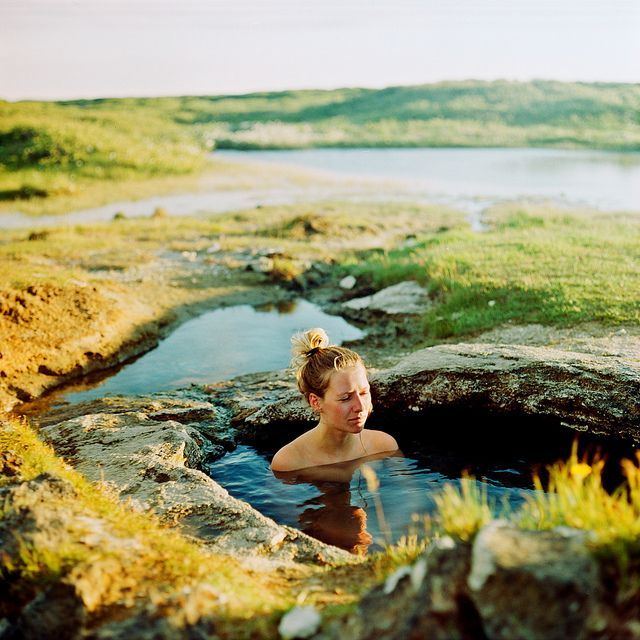
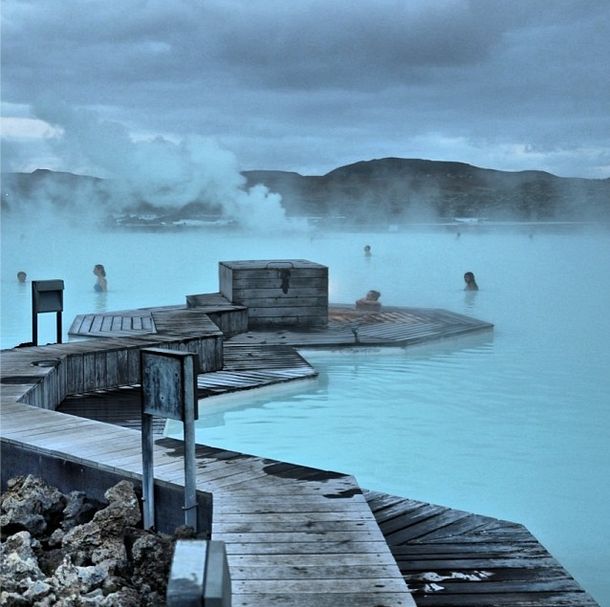
Geothermal pools—famous lagoons and quieter local hot pots—are Iceland’s social geothermal gift. They sit on the same heat that powers greenhouses and home radiators. Soak after a windy hike; do not treat every pool as a nightclub. Follow hygiene rules posted at the entrance; leave drones and loud speakers out of quiet pots. Booking systems for popular lagoons exist for a reason in peak season—plan ahead or hunt for municipal pools that locals actually use.
Steam fields and mud pots are for looking, not for stepping off the boardwalk. The ground can be a thin crust over boiling water. Respect ropes; they are not decorative.
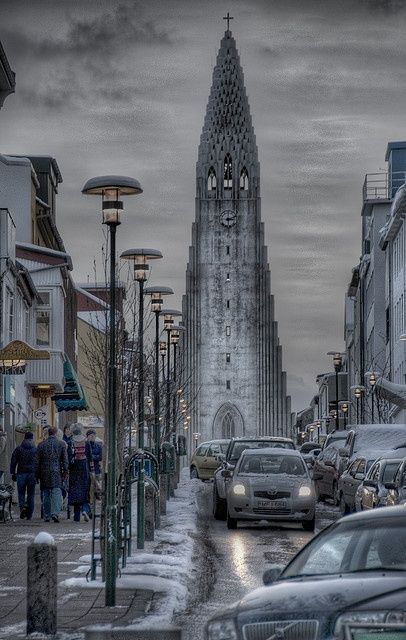
Field etiquette
- Stay on marked paths where they exist—moss recovers slowly.
- Check weather and road conditions every morning; change the plan without drama.
- Hire guides for glaciers and ice caves; do not improvise on crevassed ice.
- Pack layers, a waterproof shell, and real footwear; buy fewer souvenirs, more snacks for long drives.
- Treat aurora as a bonus; treat daylight geology as the main act.
- Keep drones and noise out of quiet hot pots and nesting cliffs in season.
If the photos make you want to move into a turf house, channel that urge into a well-planned week: one region done thoroughly beats a frantic Ring Road blur. Iceland will still be unfinished when you leave. Keep it on the list until you have stood on lava in real wind—not only on a screen.

Comments
Continue reading
Travel Wish List: Paris for Streets, Culture, and Romance
Seine walks, museum days without burnout, and neighborhood rhythms—why Paris stays on the urban-romance wish list.
Travel Wish List: Kraków’s Square, Wawel, and Old-Town Lanes
Rynek Główny, Wawel Hill, Kazimierz, Planty walks, and dusk on the Cloth Hall—Kraków as a walkable history city, not a spa or volcano itinerary.
Travel Wish List #3: Harbors, Temples, and Alpine Lakes
Fifteen places that interrupt ordinary weeks—Kyrenia, Paris, Rameswaram, Hallstatt, Valparaíso, and more—framed as a visual wish list, not a booking funnel.