
Fra.Biancoshock’s Unconventional Street Experiences
Milan’s Fra.Biancoshock builds brief urban interventions he calls Ephemeralism—works meant to vanish in space and linger through photographs and shock.
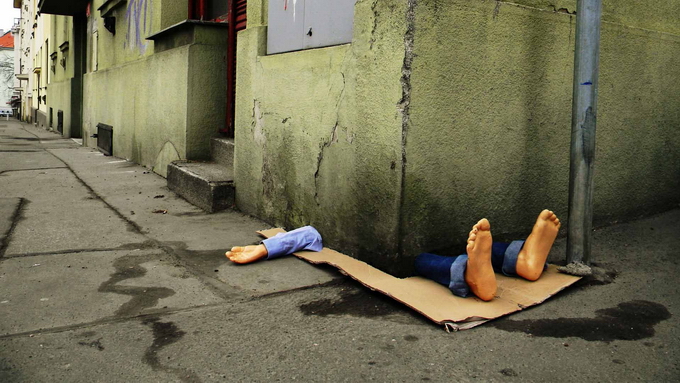
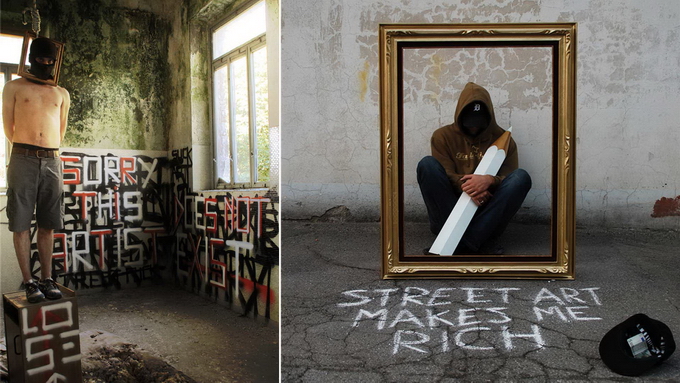
Milan-based Fra.Biancoshock works where pavement meets punchline. His motto—“Don’t try this at home. Try this on the street”—is less a dare than a working method: take materials that already belong to the city, rearrange them for a few hours or days, and let the photograph carry what the object cannot keep. For a long stretch he resisted calling himself an artist. The mirror finally won; the work already behaved like art even when the label felt wrong.
What he makes is often filed under street art, yet he prefers a sharper name: Ephemeralism. In his framing, Ephemeralism is a practice of producing pieces meant to exist briefly in space and indefinitely in time—through documentation, conversation, and the afterimage that sticks when a passerby keeps walking. The physical intervention can vanish overnight. The idea is supposed to outlive the duct tape.
Artisan provocateur, not muralist
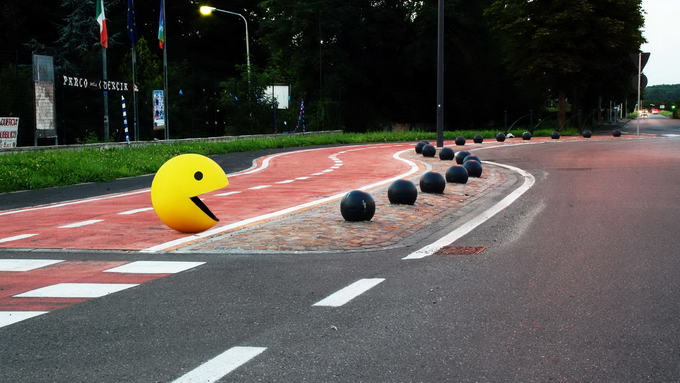
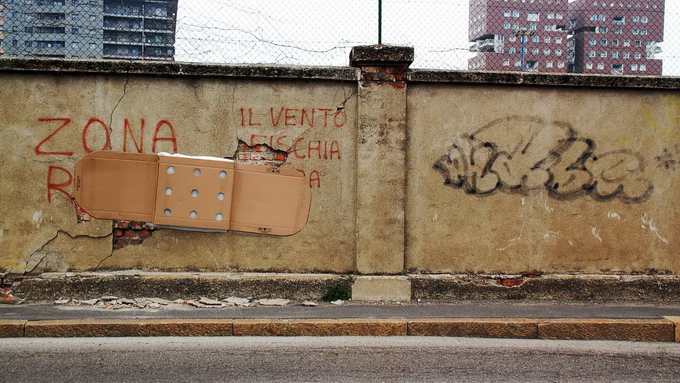
Fra.Biancoshock sits closer to conceptual and performative habits than to mural crews covering whole façades. He treats bollards, manholes, scaffolding, and leftover urban junk as raw stock. The gesture is often small in footprint and large in implication: a miniature domestic scene tucked where you expect only utility; a joke that turns into a social question once you stop laughing. He has described himself less as a gallery painter than as an artisan provocateur—someone who builds temporary disturbances that interrupt lazy attention.
That approach explains why the work travels well as photography. A mural asks you to visit a wall. An ephemeral piece asks you to recognize a situation you already know—commute, sidewalk, construction fence—and notice how one careful addition can rewire it. The images in this gallery are not secondary souvenirs; they are the durable form of experiences designed to disappear.
Cities as temporary galleries
By the mid-2010s, Fra.Biancoshock’s interventions had already appeared across Italy and farther afield—Spain, Portugal, Croatia, Hungary, the Czech Republic, Malaysia, and Singapore among them. The geography matters because Ephemeralism is not a studio style exported as prints; it is a habit of reading local street furniture and answering it on site. A piece that works against Milanese paving may need a different punch in another city’s climate of signs, railings, and tourist flow.
Travel also clarifies his relationship to “street art” as a global brand. He participates in the public sphere those artists share—unauthorized or semi-authorized urban space, photography as proof, social sharing as amplification—while insisting the category is too loose for what he does. Ephemeralism is his way of naming the overlap of conceptual art’s idea-first logic with the street’s short lifespan for anything unguarded.

Humor with a hook
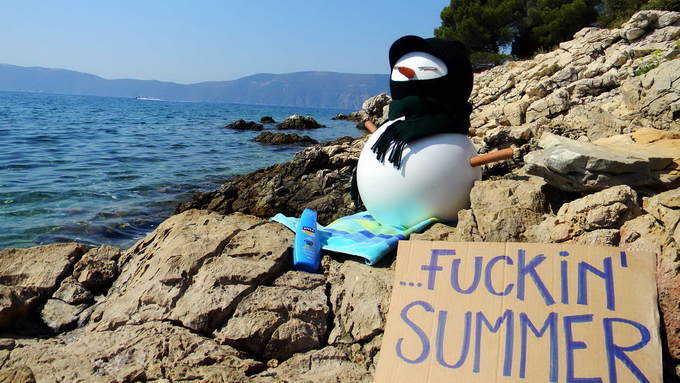
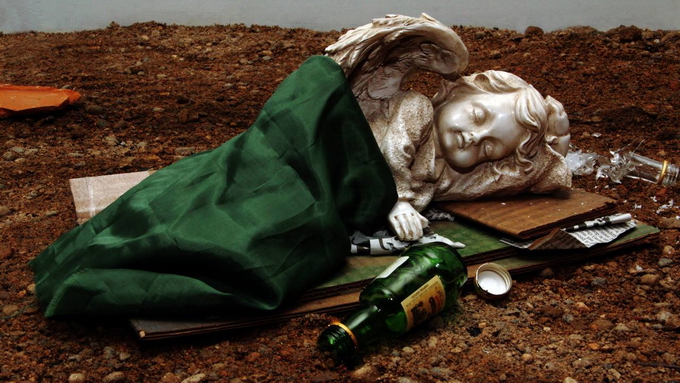
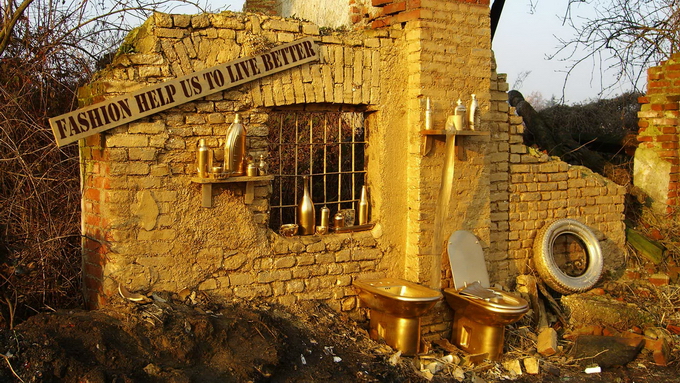
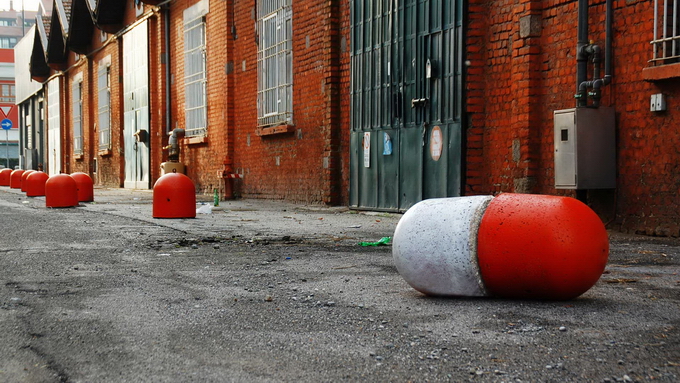
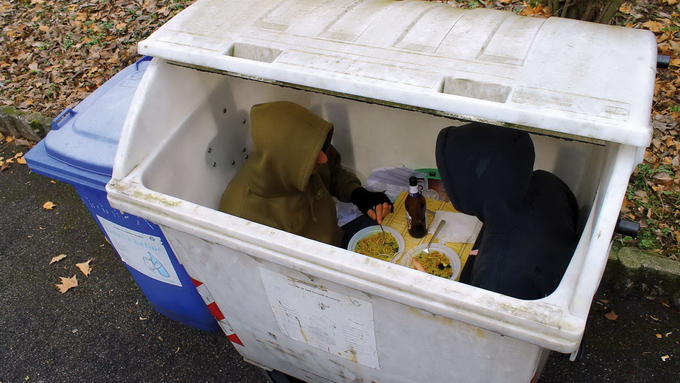
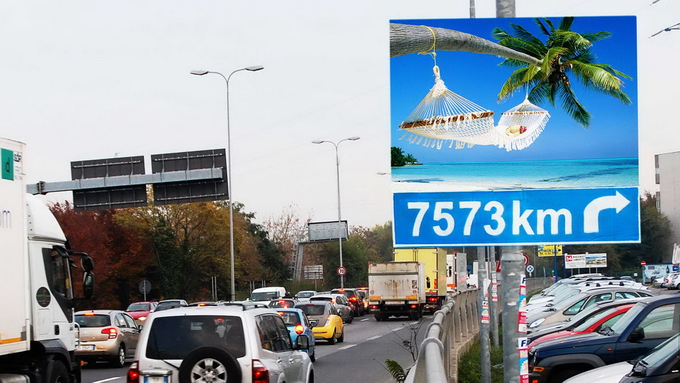
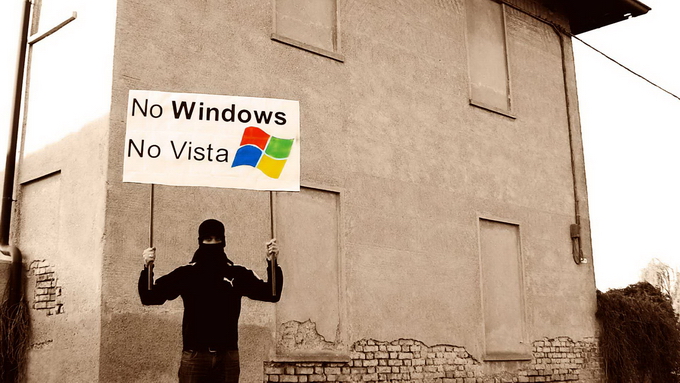
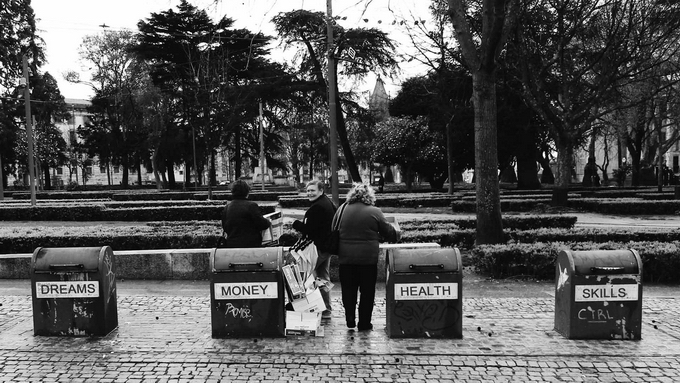
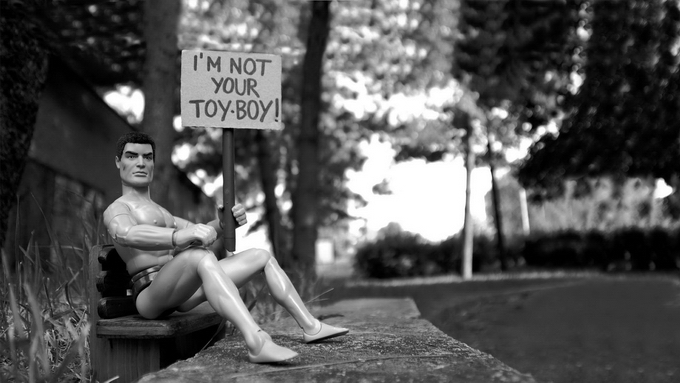
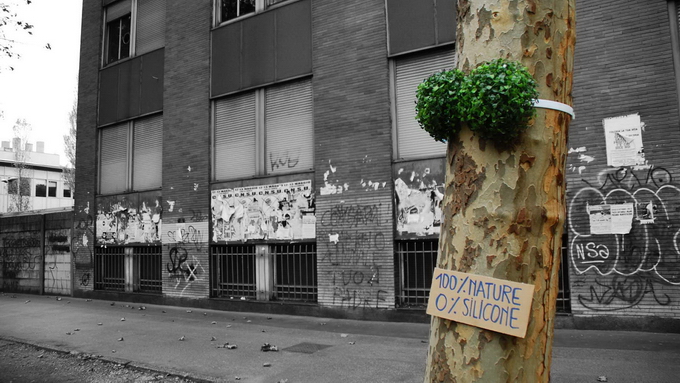
Many of the strongest frames land first as comedy. Scale tricks, domestic furniture where it should not be, soft objects against hard infrastructure—the eye laughs before the mind asks why. That sequence is intentional. A purely solemn protest piece can be walked past; a visual gag slows people down long enough for the second layer to arrive. Poverty, exclusion, globalization’s pressure on the vulnerable, the ways cities serve some bodies better than others—these themes surface in later, widely discussed works, but the method was already visible in earlier unconventional experiences: surprise first, critique second.
Look at how often the interventions borrow the language of care and comfort—bedding, utensils, soft seating—placed against the language of neglect or circulation. The contrast is the message. If a problem cannot be wished away, the wry suggestion goes, at least notice how we pretend not to see it. Photography freezes that wryness so the joke cannot be cleaned up by municipal crews without leaving a record.

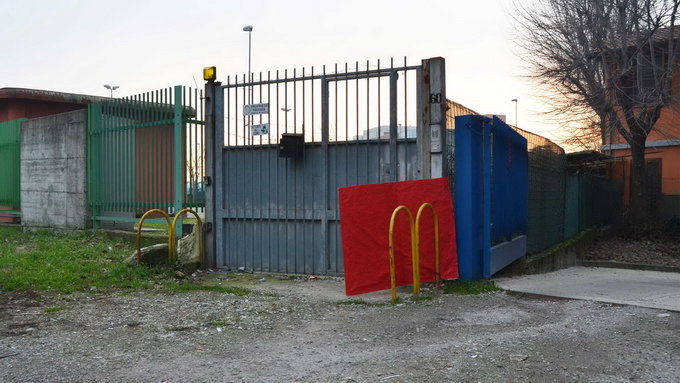
Materials and timing
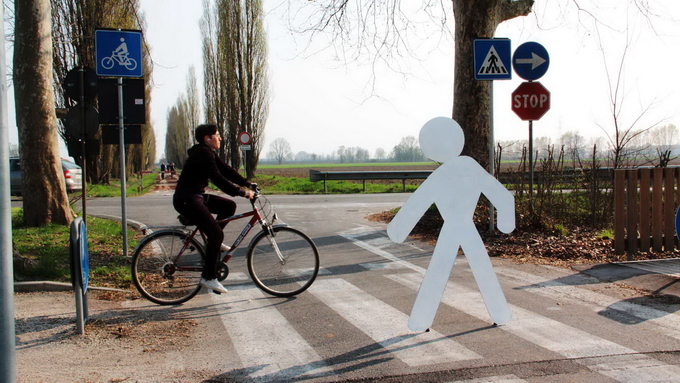
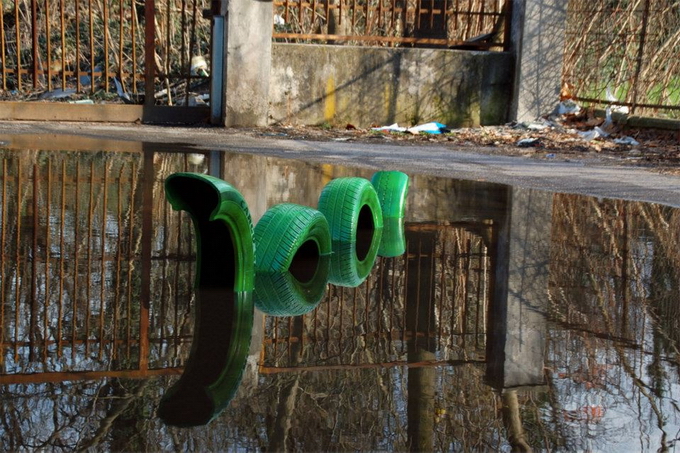
Ephemeral street work lives or dies on craft under pressure. Adhesives, found objects, paint, and props have to survive weather, foot traffic, and curious hands long enough to be photographed—and not so long that the piece becomes a permanent unauthorized fixture inviting a different kind of conflict. Timing is part of the medium: dawn installs, quick documentation, acceptance that by evening the scene may already be altered.
That economy of means also keeps the work readable. You do not need a wall text to understand that something is “wrong” with the sidewalk in a productive way. The best pieces communicate at walking speed. Titles, when they travel with the images, sharpen the joke; the photographs still have to carry the experience alone for people who never learn the name.
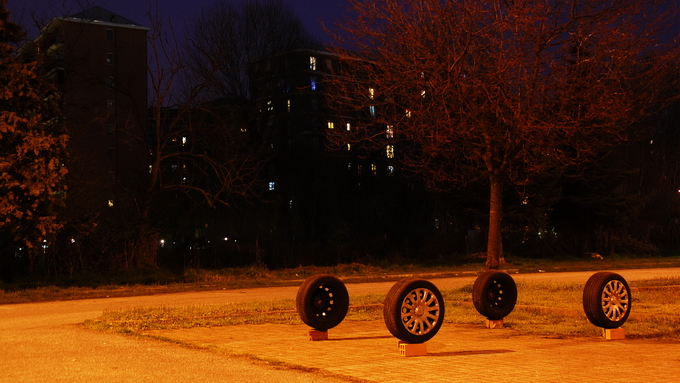

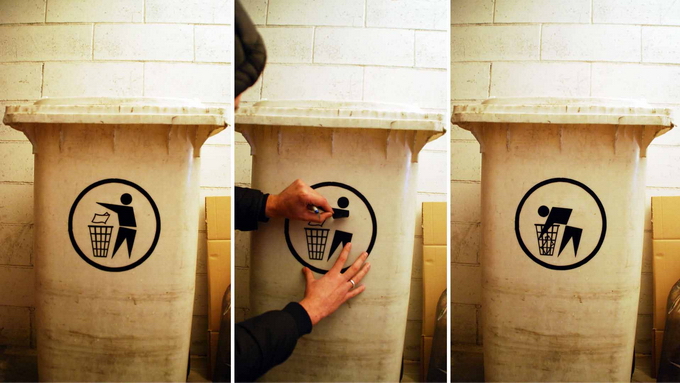
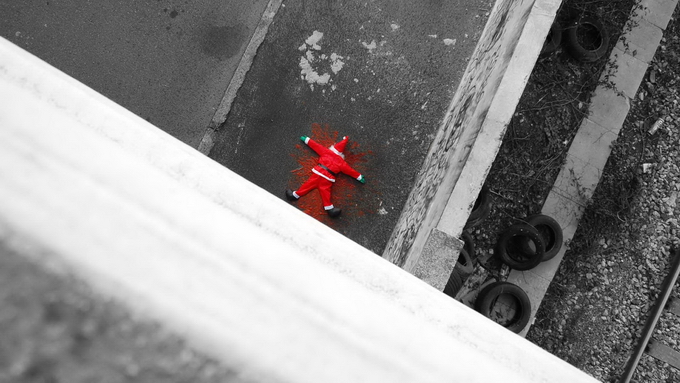
How to look at the gallery
Treat each frame as a short play, not a wallpaper sample. Ask what the city supplied for free—hole, pole, fence, curb—and what the artist added. Notice scale: miniature worlds make infrastructure feel gigantic and people feel implicated. Notice absence: what is missing from the “normal” street that the intervention suddenly makes visible? And notice your own impulse to photograph. Ephemeralism anticipates that impulse; documentation is not a betrayal of the live moment but the way the work chooses longevity.
If you have walked Italian or other European city centers, you already know the textures these images sample—stone, metal, plastic sheeting, painted lines. The unfamiliarity is not exotic scenery; it is the slight wrongness of arrangement. That is why the series rewards slow scrolling. Rush, and you only get novelty. Pause, and you start reading social space the way Fra.Biancoshock stages it.
Why the experiences stay unconventional
Plenty of street practice aims for permanence—murals protected by fame, legal walls, festival commissions. Fra.Biancoshock’s unconventional experiences lean the other way. Brief existence is not a flaw to overcome; it is the aesthetic. The street remains a workshop and a stage, not a storage vault. Museums and galleries can later host related objects or talks, but the core event is still the encounter on the pavement: someone on their way somewhere else is briefly forced to renegotiate what the city is for.
That renegotiation is the lasting product. You may never stand beside the exact prop arrangement shown here. You can still borrow the habit of looking—of treating manholes, barriers, and leftover corners as sites where meaning can be briefly built. Ephemeralism names that habit with unusual clarity: space is temporary; attention, once shocked awake, can last.

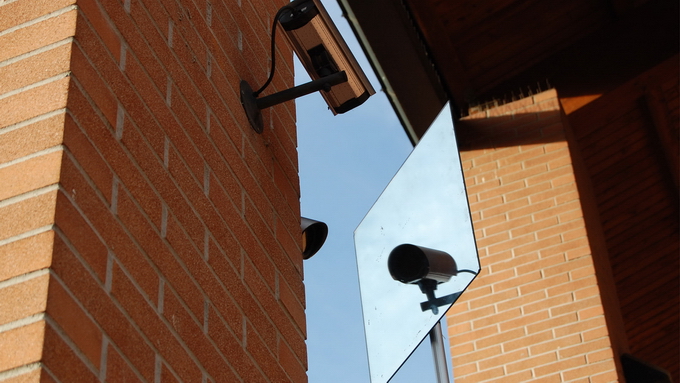
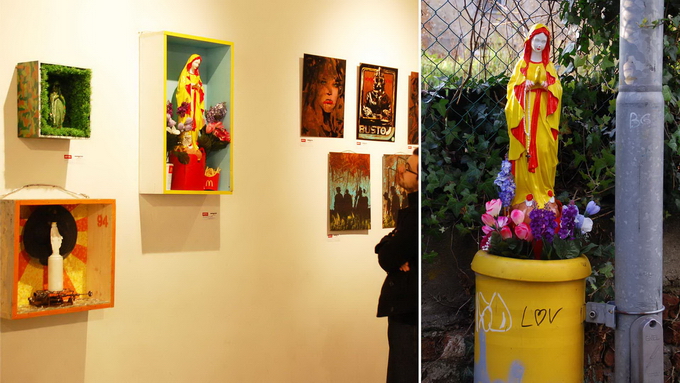
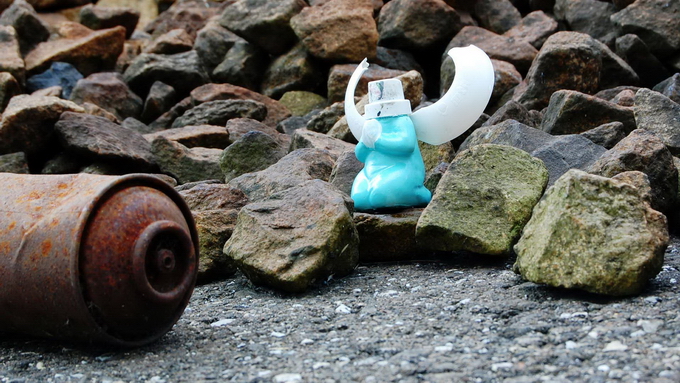
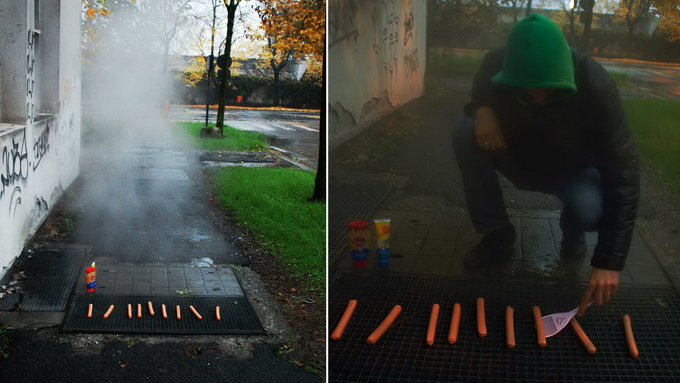
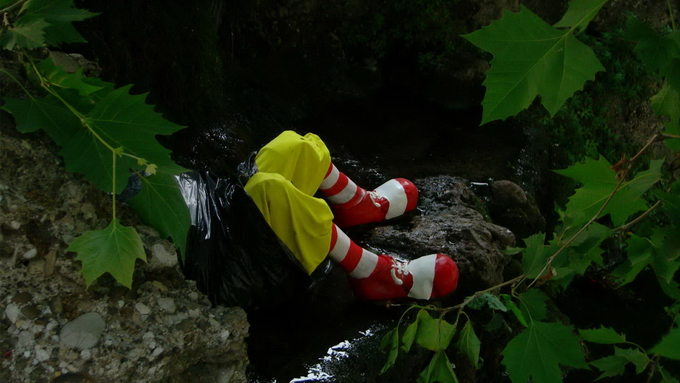
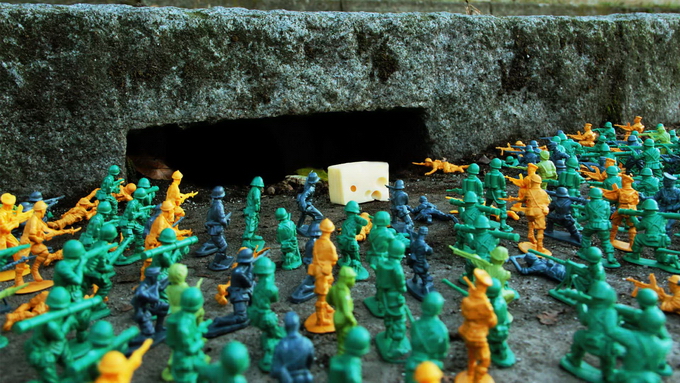
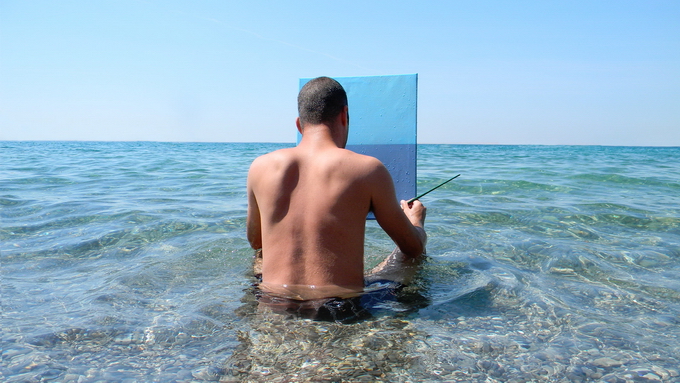
Next time a sidewalk prop looks slightly too intentional, check whether someone has been practicing Ephemeralism—or whether the city itself just handed you a ready-made question.

Comments
Continue reading
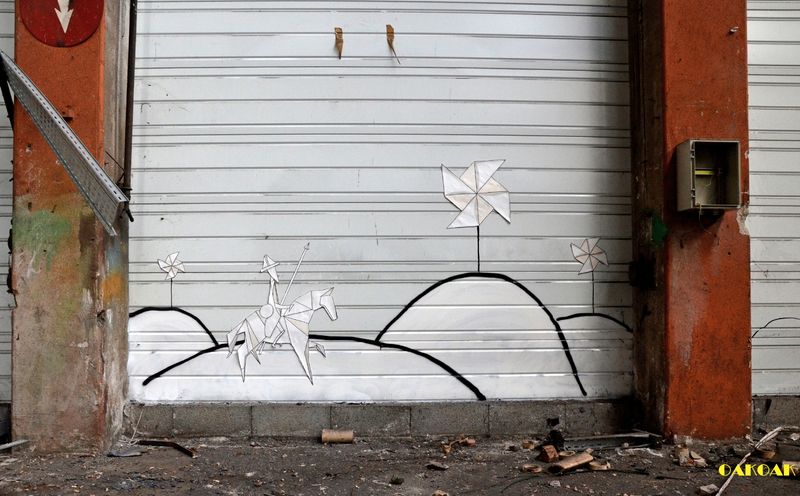
Oakoak’s Playful Urban Street Interventions
French street artist Oakoak turns cracks, hydrants, and overlooked fixtures into small site-specific jokes—minimal marks, pop-culture wit, and ephemeral city play.
15 More Incredible Street Art Photos Worldwide
Part two: giant murals from Philadelphia, Lyon, Warsaw, Lisbon, Vienna, New York, Dublin, Berlin, and beyond—plus a few still-unlabeled walls.
Scratching the Surface: Street Art Carvings by Vhils
Portuguese artist Alexandre Farto, aka Vhils, digs portraits from city walls—subtractive street art that treats plaster, brick, and posters as a living palette.