
Unique Modern Bedroom Designs to Steal From
A gallery of distinctive bedrooms—bed silhouettes, wall treatments, layered light, and quiet storage—framed as principles you can adapt, not props to copy.
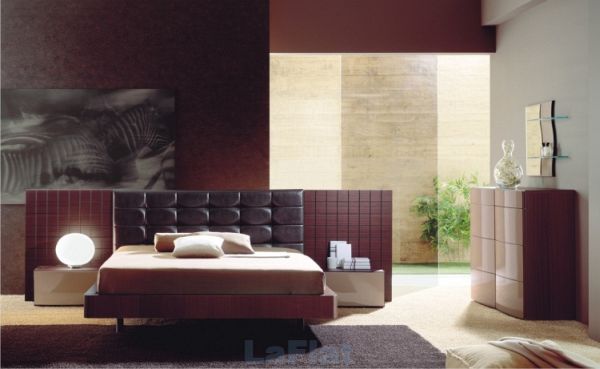
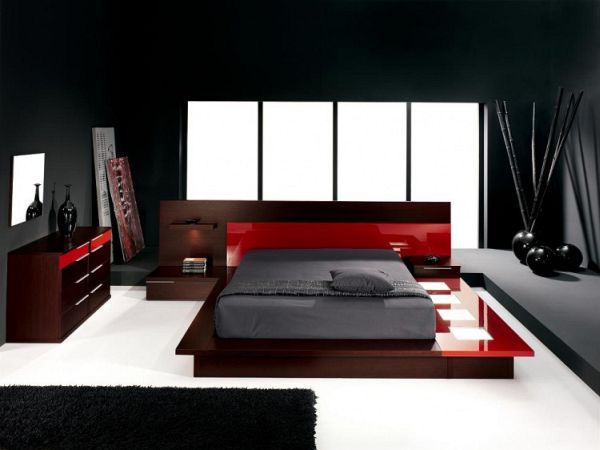
Fifteen bedroom ideas will not rearrange your furniture by themselves—but a strong set of rooms can reset what you think a sleep space is allowed to look like. This gallery gathers modern and unconventional bedrooms that treat the bed as the clear center, then build character through light, material, color blocking, and the occasional bold architectural move. Skip the urge to copy every object. Steal principles: how dark walls calm a large room, how a platform bed simplifies clutter, how one oversized headboard can replace a dozen small decorations.
Bedrooms fail when they try to be living rooms with a mattress. The spaces below mostly refuse that mistake. Storage stays quiet, lighting stays layered, and surfaces around the pillow zone feel intentional. Scroll for mood, then read for arguments you can take into a real floor plan—rental or owned.
Start with the bed’s silhouette
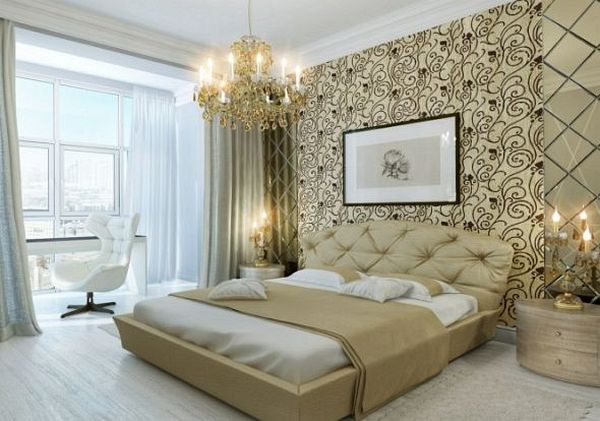
Unique bedrooms often announce themselves through the bed frame before anything else. Low platforms stretch a room horizontally and make ceilings feel taller. Tall, upholstered headboards create a hotel-like vertical focus and hide imperfect walls behind the pillows. Floating frames with under-bed shadow lines read contemporary even when bedding is simple white. Canopy structures, used sparingly, turn sleep into a room-within-a-room without needing a larger footprint.
If your current frame is a busy relic from another decade, changing that one object can outperform a full accessory shopping spree. Look at how bedding is handled in these frames: restrained palettes, textured throws instead of patterned overload, pillows limited so the headboard remains visible. Visual quiet around sleep is not boring; it is how the room earns the word sanctuary.
Symmetry still works when nightstands and lamps mirror each other, but several of these rooms break symmetry on purpose—one side a window seat, the other a wardrobe wall—so the bed remains the stabilizer. That approach suits awkward rooms better than forcing twin lamps where only one side has space.
Walls that do more than match the duvet
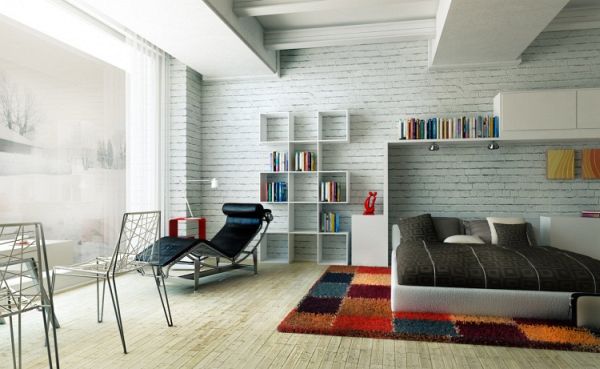
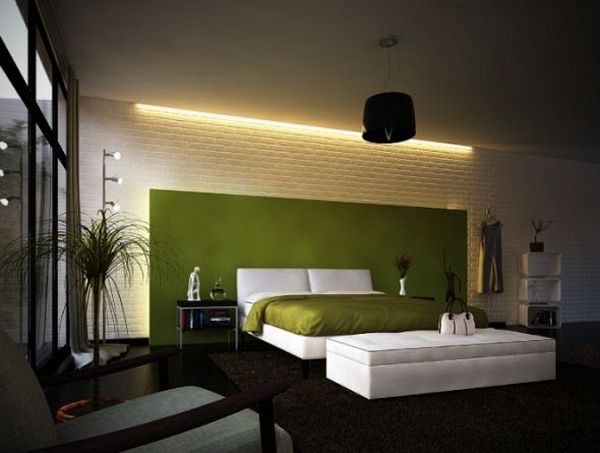
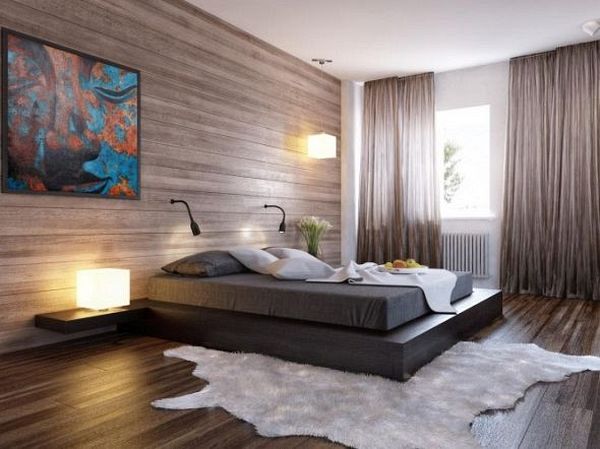
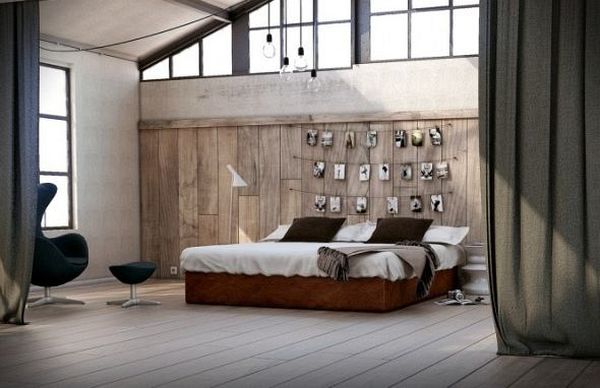
Paint and panel choices separate memorable bedrooms from catalog defaults. Deep charcoal or navy wraps a room in cocoon logic—especially effective when bedding stays pale for contrast. Soft clay, olive, and warm greige do similar work with less drama. Accent walls behind the bed still succeed when the accent is architectural—wood slats, soft padding, wallpaper with real scale—rather than a random bright stripe fighting the rest of the palette.
Floor-to-ceiling curtains in a tone close to the wall dissolve boundaries and soften acoustics, which matters more for sleep than most furniture upgrades. Half-height paneling or a continuous headboard-height paint band can fake custom millwork on a budget if lines are level and corners clean.
Mirror placement appears in several strong schemes as a light multiplier, not as vanity alone. A lean mirror opposite a window borrows daylight; a mirrored wardrobe can erase visual bulk if seams are clean. Avoid mirror overload that turns the room into a gym. Art should be large enough to hold the wall or intentionally small in a deliberate cluster—medium “floaters” often look unfinished.
Light in layers
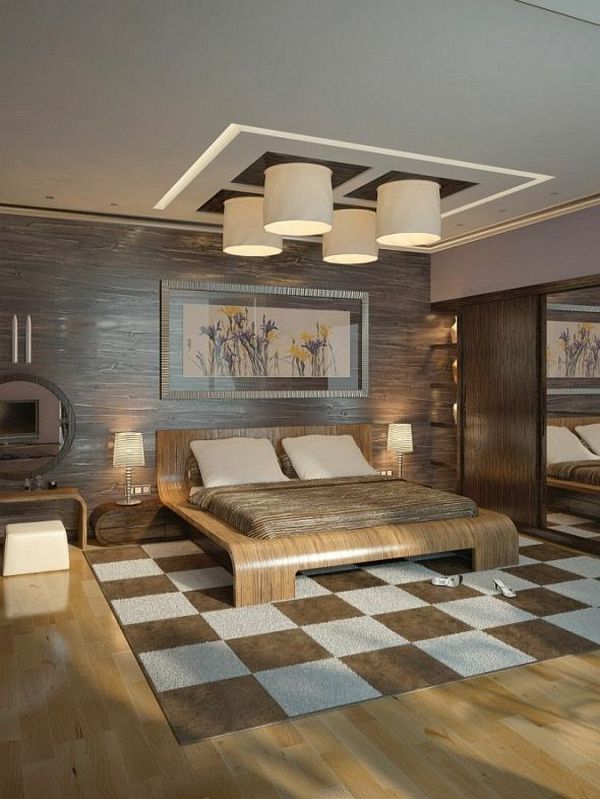
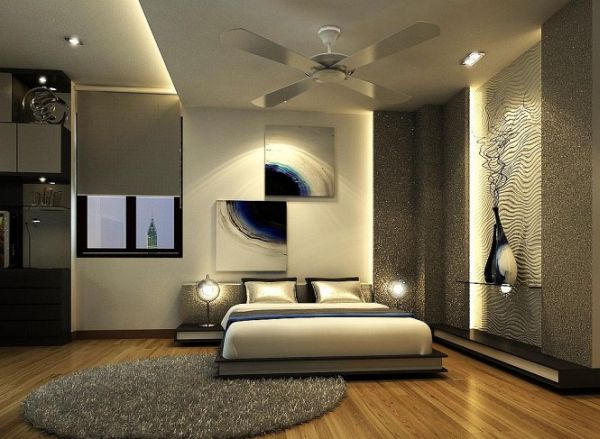
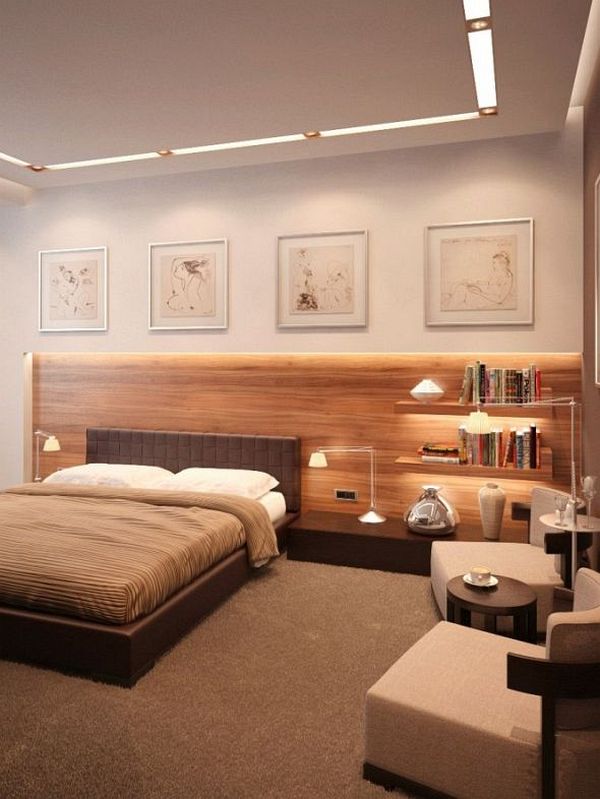
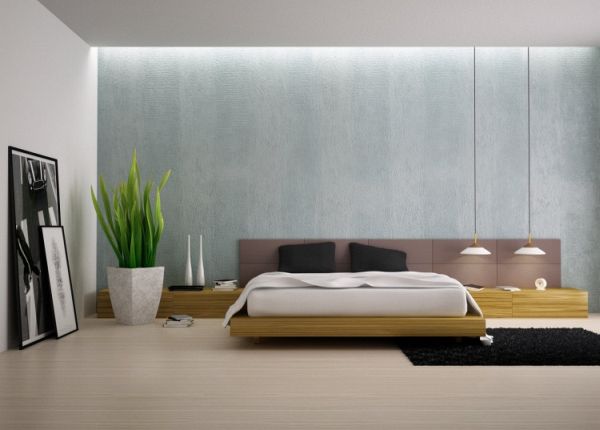
Overhead glare is the enemy of wind-down. The better rooms here mix ambient glow, reading lamps, and occasional accent light—LED washes behind a headboard, a pendant that acts as sculpture, sconces that free nightstands from lamp bases. Dimmers are the unglamorous hero. If you copy only one idea from this set, copy layered lighting with warm bulbs near the bed and cooler task light only where you actually read or dress.
Window treatments deserve equal attention. Sheer layers for daytime privacy plus opaque drapes for sleep beat a single half-measure blind. In small rooms, mounting curtains high and wide fakes taller architecture—an old trick that still reads designed in photographs. Blackout capability is not only for shift workers; it protects weekend sleep and makes dark wall colors feel intentional rather than cave-like at noon.
Avoid the single ceiling fixture as the only source. Even a beautiful pendant needs partners. Think in scenes: bright for making the bed, medium for conversation, low for reading, nearly dark for sleep.
Storage that disappears
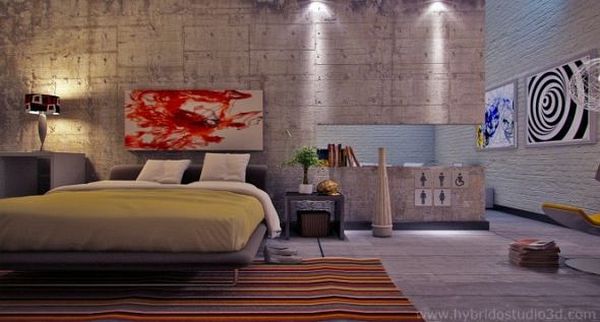
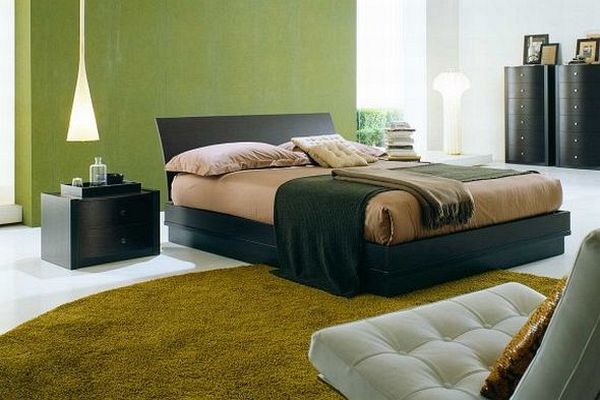
Clutter kills uniqueness faster than a bland paint color. Built-in wardrobes flush to the wall, under-bed drawers, and nightstands with closed storage keep surfaces free for one object that matters—a book, a plant, a lamp. Open shelving can work above or beside the bed if edited ruthlessly; a gallery of random stuff becomes visual static when you are trying to sleep.
Several of these interiors use the wall behind the bed as storage architecture: niches, ledges, or integrated panels. That move consolidates function so the rest of the room can stay sparse. If you rent and cannot build in, a continuous headboard-height shelf with baskets achieves a related calm without demolition. Closet lighting and uniform hangers do more for perceived luxury than a new throw pillow.
Laundry logic belongs outside the sleep sightline. A beautiful bedroom that doubles as a folding station will never photograph—or feel—like the galleries that inspire you.
Material contrast and texture
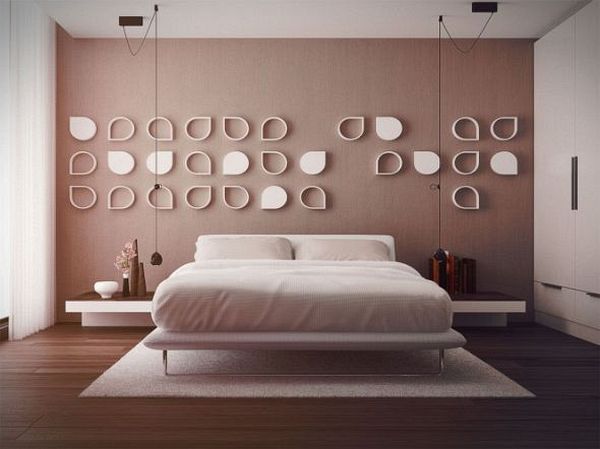
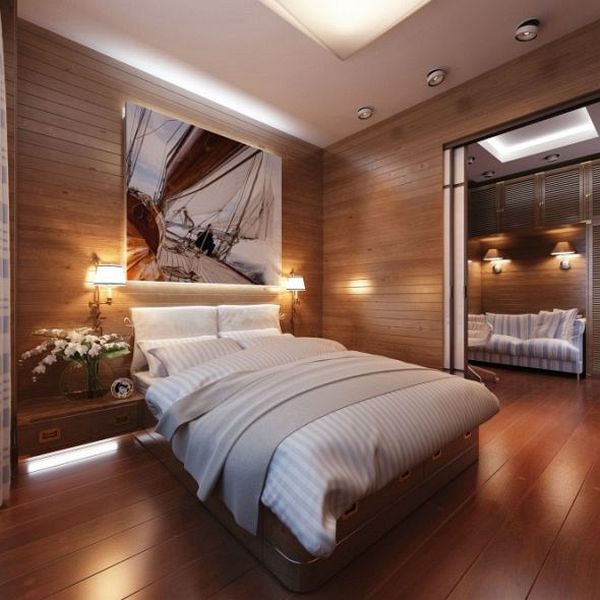
Unique does not require neon. It often means pairing soft textiles with harder lines—linen against concrete-look plaster, velvet against matte black metal, pale wood against stone-inspired floors. Texture photographs beautifully and feels better in person than busy prints. If your budget is limited, invest in bedding hand-feel and one tactile rug underfoot; leave novelty décor for last.
Mix temperatures carefully: too many cold greys without wood or textile warmth can feel institutional; too much warm wood without a cool counterpoint can feel dated. The strongest rooms in this set usually hold one cool plane and one warm plane in balance.
Plants appear in some frames as living sculpture. One tall plant in a corner beats a windowsill crowded with struggling pots. Choose species that tolerate the light you actually have; dead plants are not a design feature. Scent and sound matter too—though they do not show in photos—so consider a quiet fan, soft rug underfoot, and fewer buzzing chargers on the nightstand.
Small rooms and bold moves
Odd proportions—narrow footprints, low ceilings, awkward alcoves—show up in distinctive bedrooms because designers lean into the constraint. A bed jammed into a niche can feel intentional if the niche is lit and padded. A single dramatic artwork above a simple bed can replace a headboard. Monochrome schemes enlarge small rooms by reducing visual stops; one contrasting pillow or throw then becomes the signature.
Loft beds and mezzanine sleep zones appear in some modern schemes when floor area must serve double duty. They work when stair access is safe and the lower zone stays orderly. They fail when the lower zone becomes a dumping ground visible from the pillow.
Do not force every trend into one space. Pick a direction from the gallery—dark cocoon, pale Scandinavian calm, industrial loft softness, or hotel glamour—and edit belongings that fight that story. Uniqueness is coherence under a clear choice, not a pile of statement objects competing for attention.
Quick edit checklist before you buy anything:
- Clear surfaces within arm’s reach of the pillow.
- Fix lighting layers before ordering new décor.
- Choose one dominant material or color family.
- Give the bed a silhouette worth photographing.
- Hide storage so the room can stay quiet at night.
- Test paint samples at night under your real bulbs, not only at noon.

Comments
Continue reading
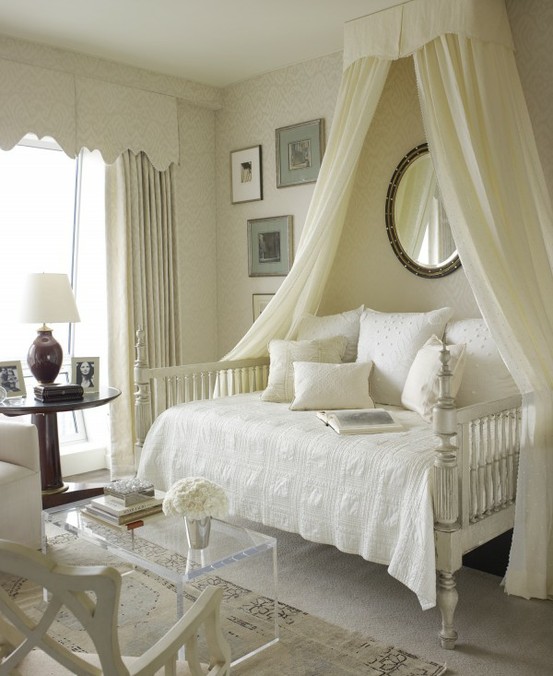
Fairy-Tale Canopy Beds: Sheer Coronas, Forest Frames, and Gilded Drapery
A romantic bedroom collection spanning ivory sheer daybeds, branch-like metal canopies, and French silk drapes—plus fabric, height, and practical hanging notes.
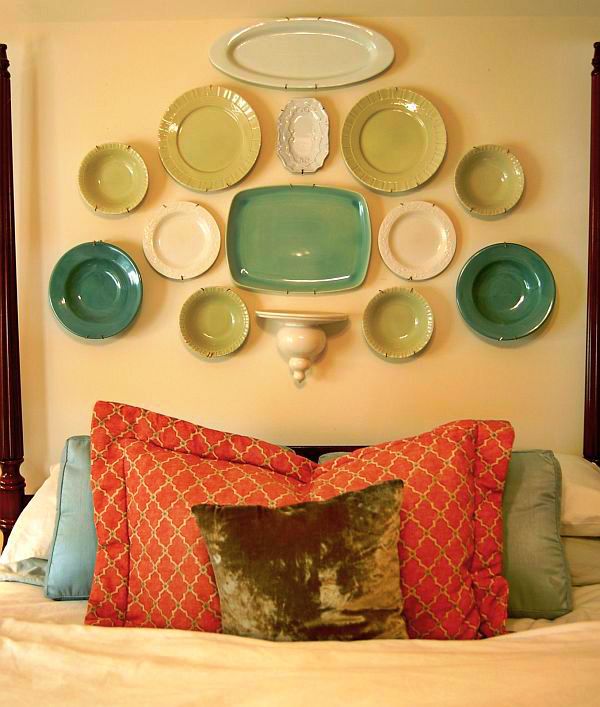
DIY Headboard Ideas: Plates, Slats, Metal, Signs, and More
Build or arrange a custom headboard—from wood slats and upholstery to plate galleries, reclaimed signs, metal cutouts, and book grids—with mounting and sizing tips.
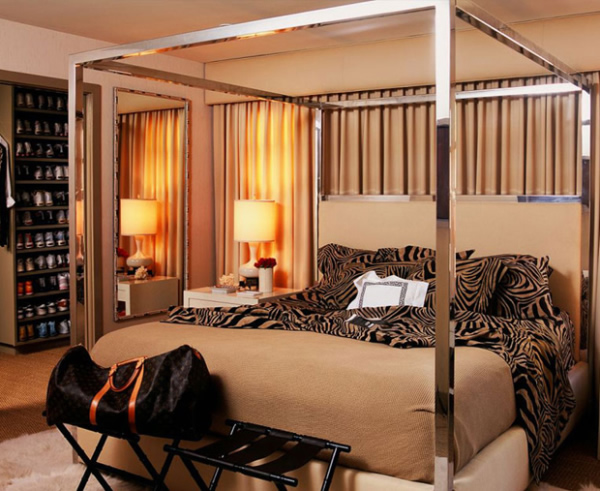
Beautiful Canopy Bed Designs for Romantic, Dramatic Bedrooms
Canopy bed ideas covering open frames vs drapery, scale, materials, styling, fabric care, and how to choose a room-defining bed.