
Upcycle Ideas for Old Doors
Turn surplus doors into headboards, benches, tables, shelves, and screens—prep tips, project ideas, and finishes so salvage wood gets a solid second life at home.
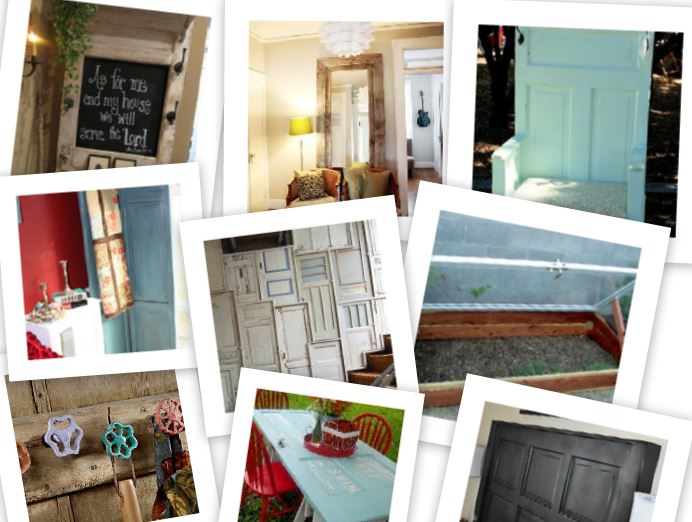
Old doors carry history in their panels, hardware scars, and layers of paint. When a renovation leaves you with a solid slab or a pair of paneled castoffs, throwing them out wastes good wood—and a chance to build something with more character than flat-pack boards. Upcycling turns that surplus into headboards, benches, shelves, tables, and garden screens that still read as doors even after their second life begins.
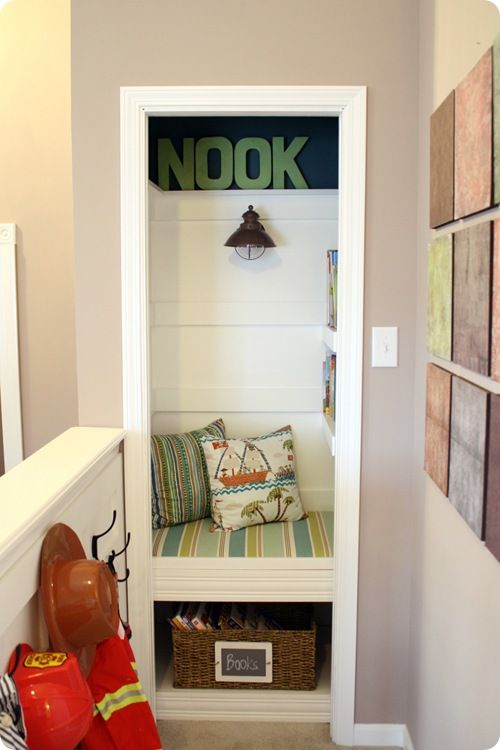
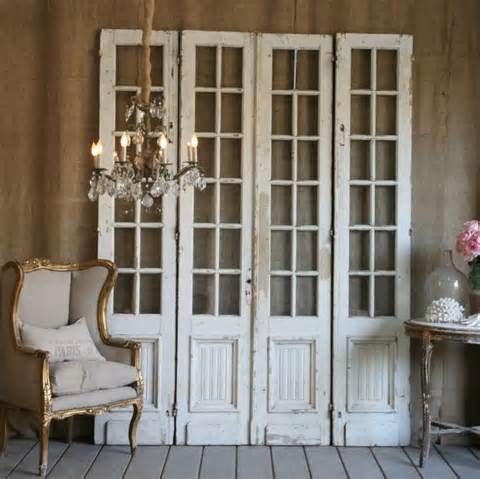
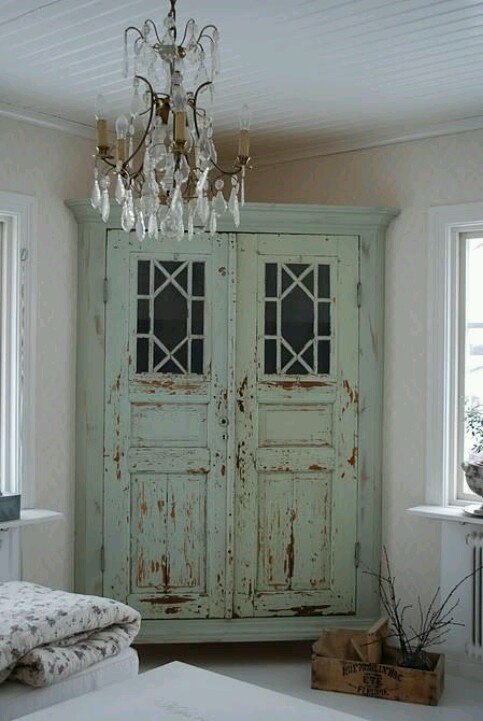
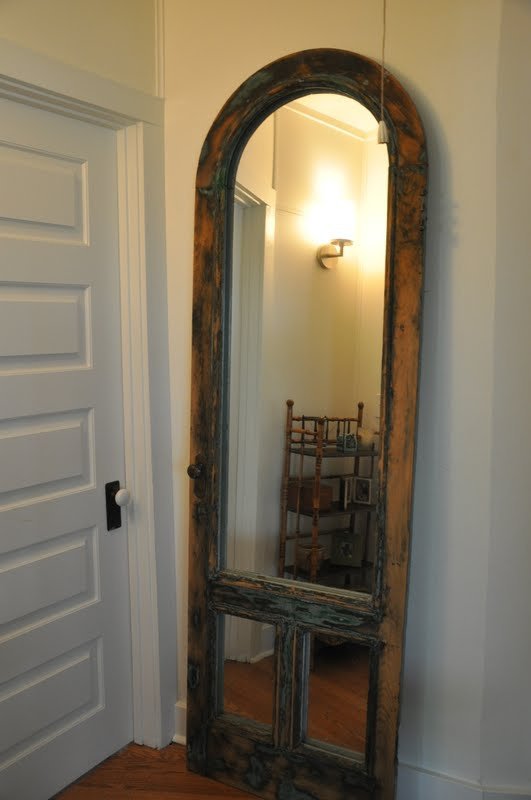
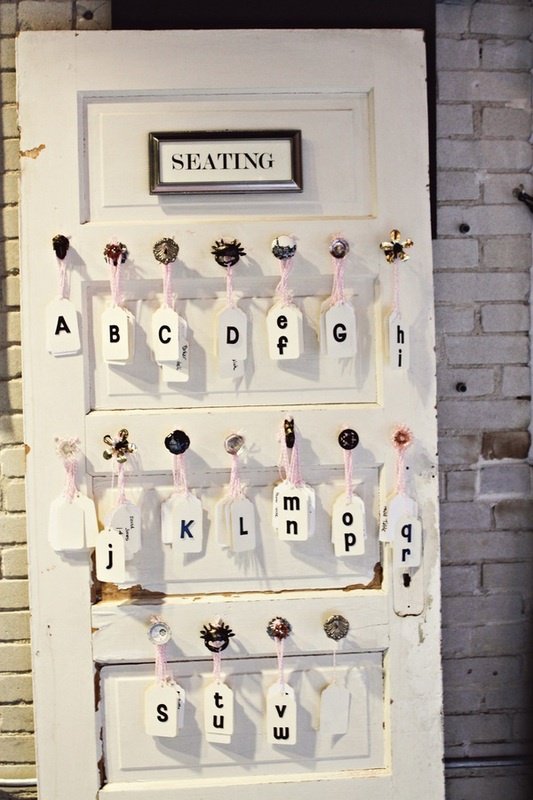
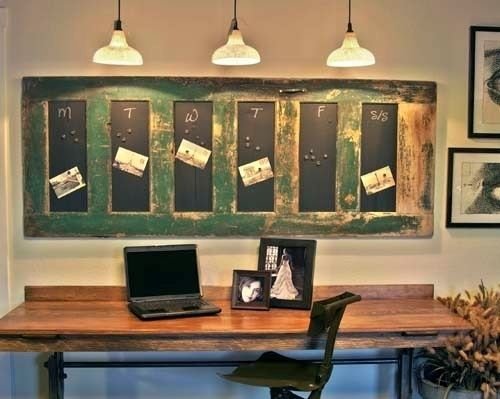
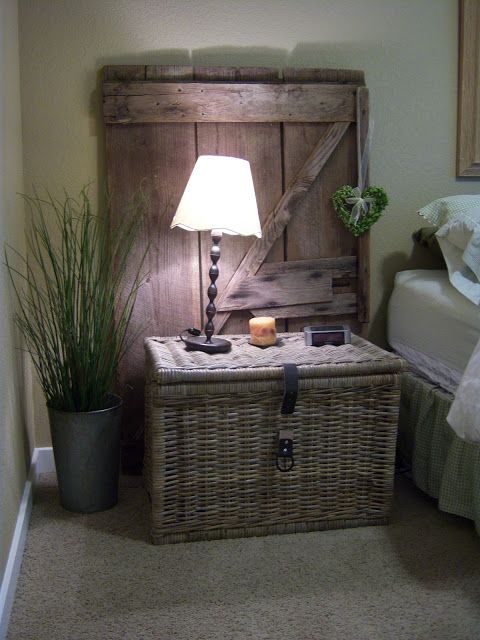
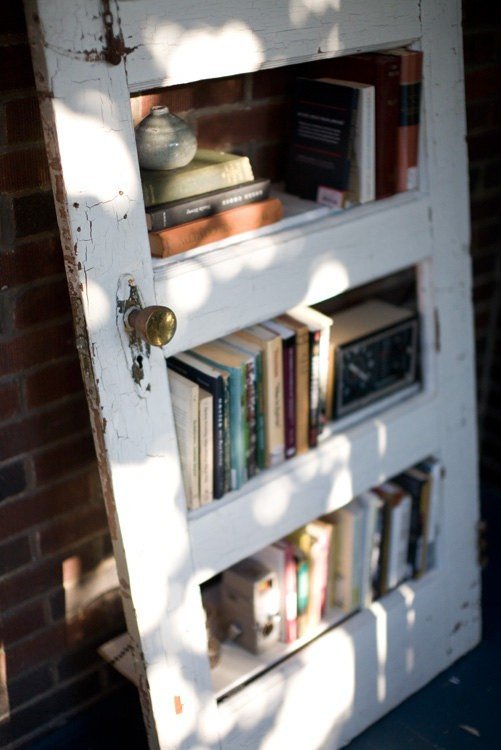
The ideas below are practical projects, not wishful scrapbooking. Pick a door that is structurally sound, strip or stabilize finishes safely, and match the project to the door’s size and style. The photos show how varied the results can be once you stop thinking of a door only as something that swings on hinges.
Before you start: choose and prep the door
Prefer solid wood or solid-core doors over hollow interior shells if the piece will bear weight (benches, tables, shelves). Hollow doors can work for lightweight wall displays or decorative screens, but they sag and punch through under real loads. Check for rot, soft corners, delaminating veneer, and active insect damage. Remove loose hardware; keep interesting hinges and knobs for the final look or for other projects.
Finish work depends on age and paint type. Older layers may contain lead—test if the door predates modern regulations, and follow safe stripping or encapsulation practices rather than dry-sanding clouds of dust. Sand enough for adhesion if you paint or clear-coat; leave worn paint if the distressed look is the point and the surface is stable and sealed against flaking.
Measure twice against the wall, bed, or porch where the finished piece will live. A full-height door makes a dramatic headboard; a shorter cut-down door may suit a console or coffee table better. Mark hinge mortises and latch holes early so you decide whether to feature them as history or fill them before finishing.
Tools and workshop basics
You do not need a full cabinet shop. A circular saw or track saw with a guide, a drill/driver, a sander, clamps, wood glue, and a square cover most builds. For bookcases and benches, a pocket-hole jig or simple cleats keep joints strong without advanced joinery. Always support long doors on sawhorses; cutting freehand on the floor is how edges splinter and backs strain.
If the door is an architectural antique with rare panels, consider reversible projects (wall-mounted headboard, freestanding screen) before irreversible cuts. Once you shorten a historic door, you cannot put the length back.
Headboards and bedroom backs
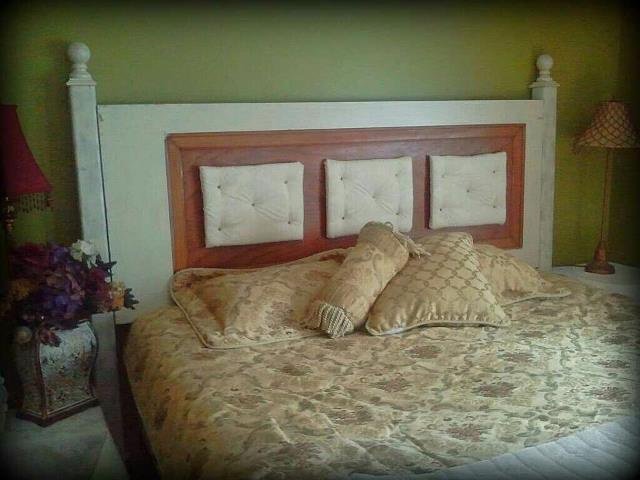
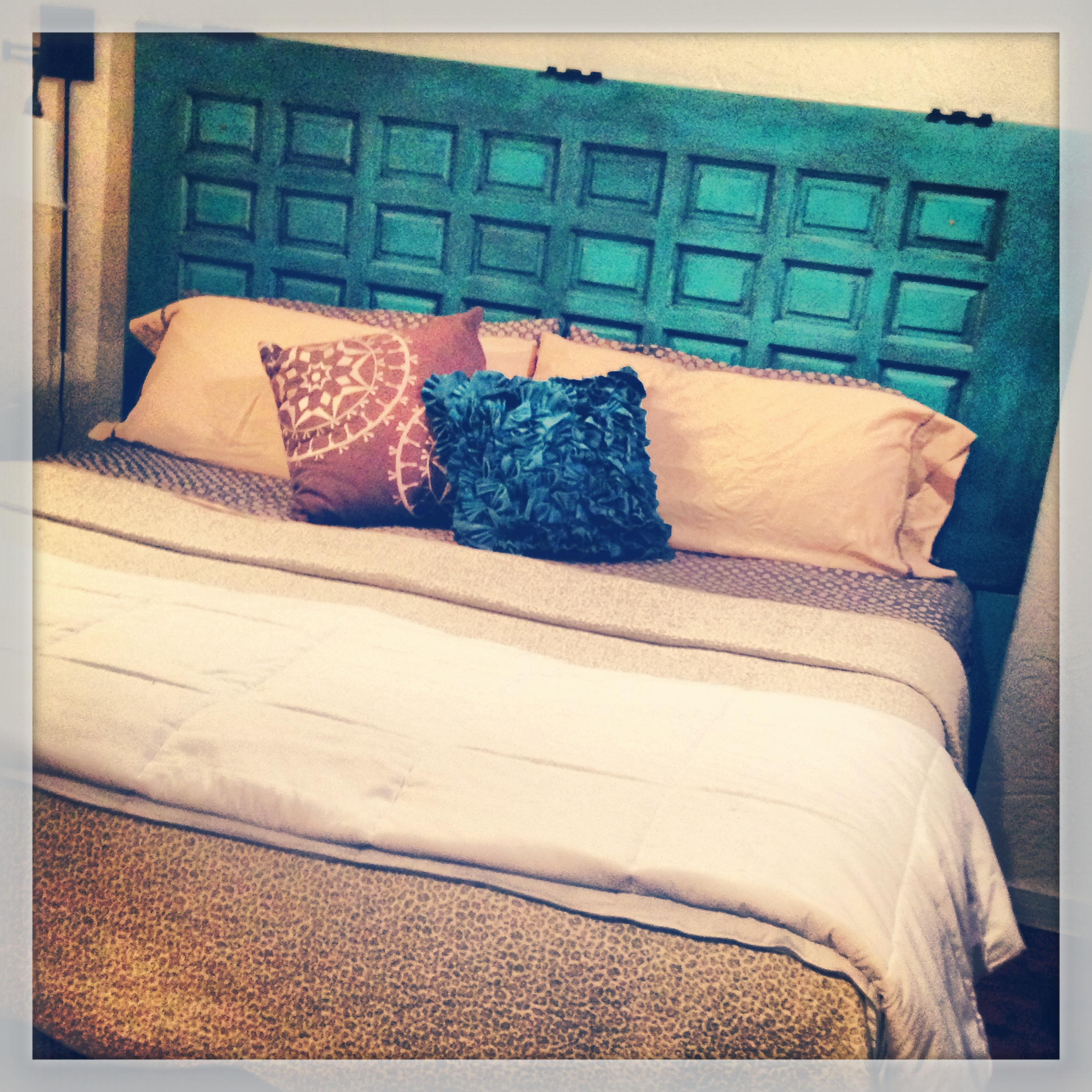
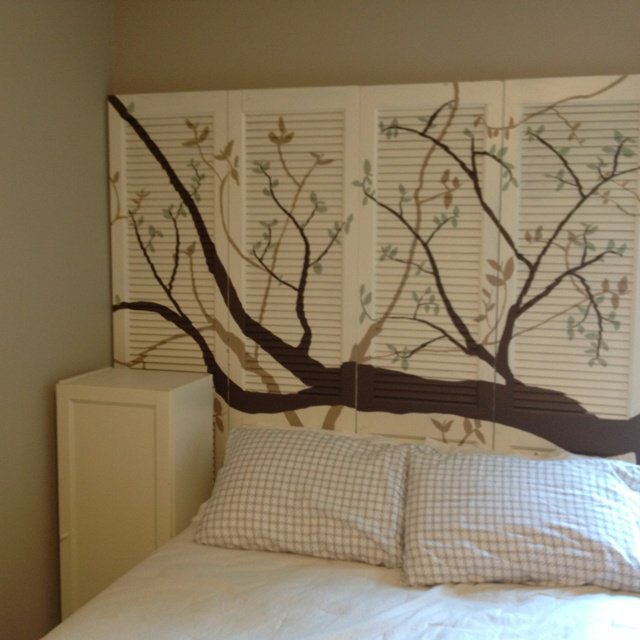
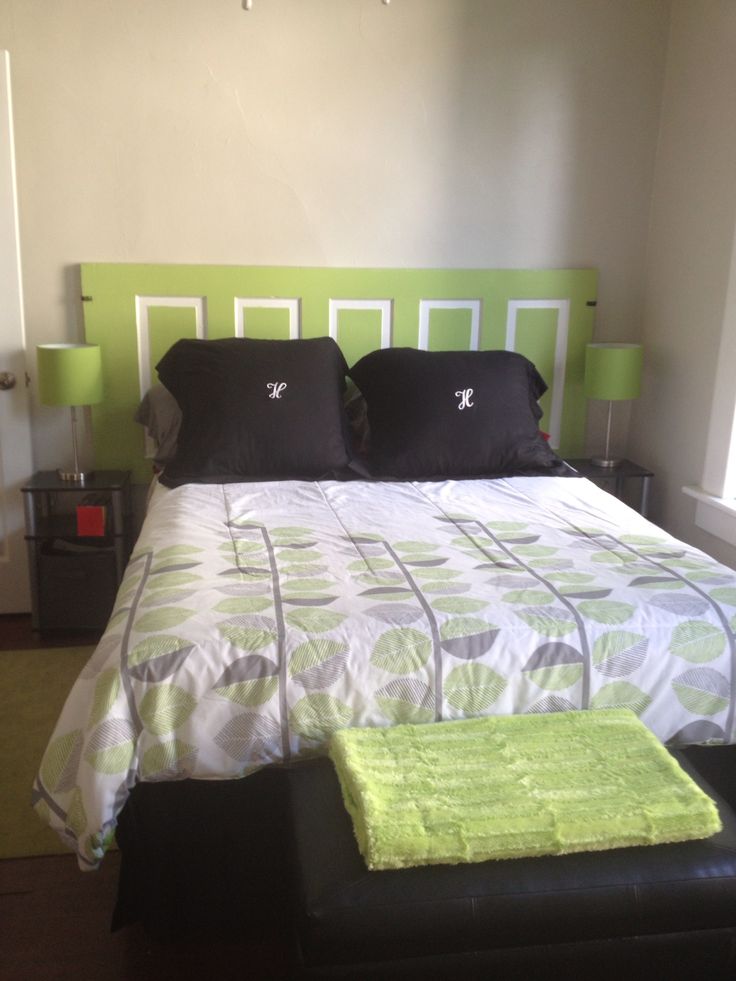
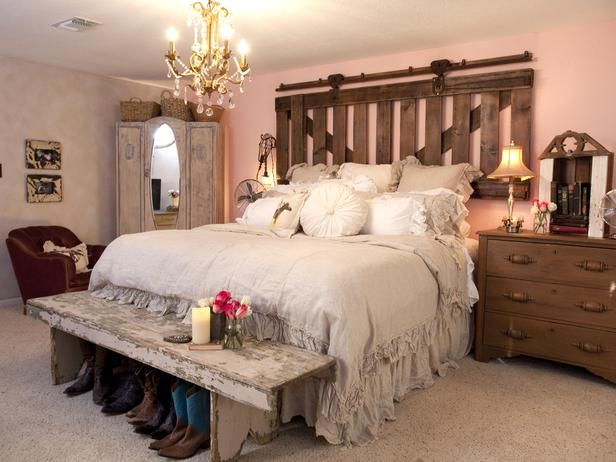
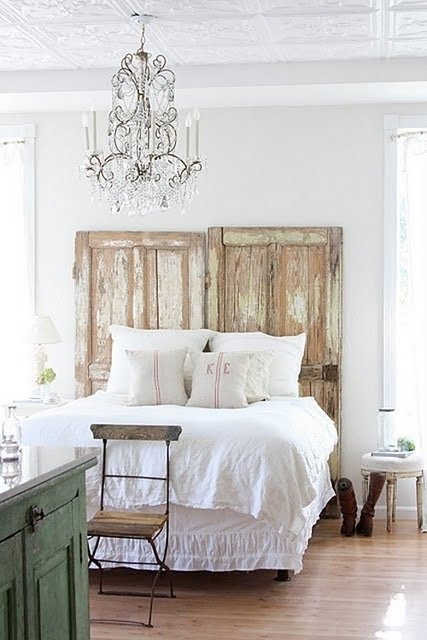
One of the most popular conversions is a headboard: mount a door flat to the wall behind the bed, or frame it so it stands slightly proud. Paneled doors create natural “sections” that look intentional behind pillows. French doors or multi-light doors add glass or grille patterns—use tempered or laminated glass if anything could be bumped, or replace panes with mirror, rattan, or fabric panels for safety.
Secure mounting matters. Use wall anchors or studs rated for the weight, and consider a French cleat so the door hangs evenly and can come down for painting later. Soften sharp corners near sleeping shoulders with a slight round-over if needed. Center the door on the mattress width, not only on the wall, so the composition feels balanced from the bed.
Tables, desks, and consoles
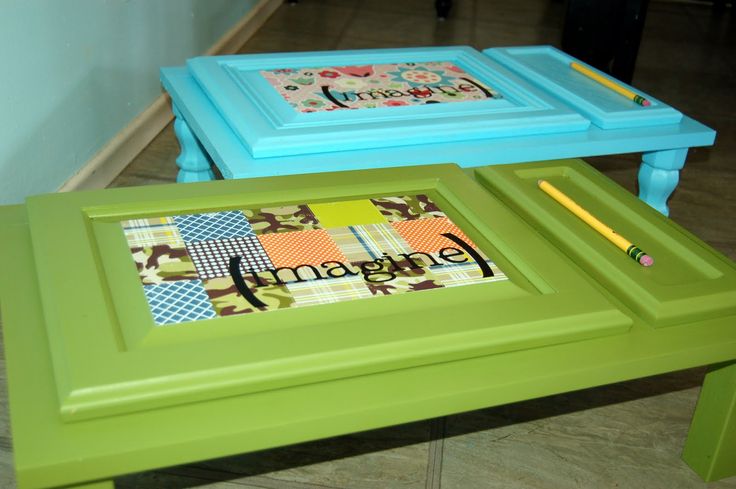
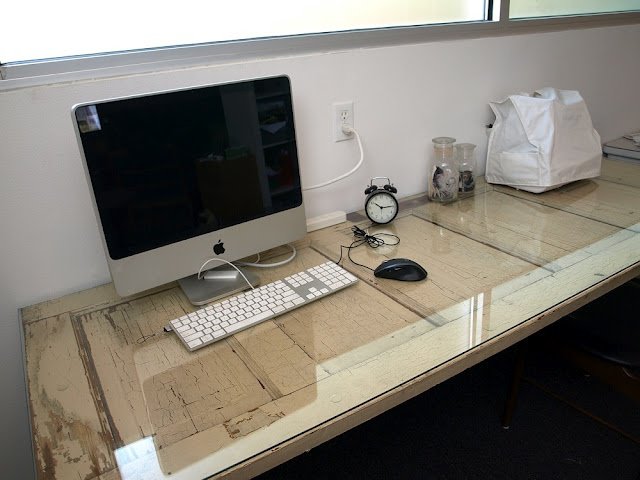
A door laid horizontal becomes a tabletop when you add sturdy legs or a trestle base. Dining height needs solid joinery and a finish that resists cups and heat. A narrower door makes a hallway console; a wider one can become a desk if you add a knee gap and cable management. For coffee tables, cut the door down and use shorter legs so proportions stay grounded.
Fill deep panel recesses if you want a flatter writing surface, or leave panels as visual texture and use desk pads where you work. Seal thoroughly—horizontal surfaces see more abuse than vertical ones. Felt pads under décor objects protect soft finishes.
Benches, hall seating, and porch pieces
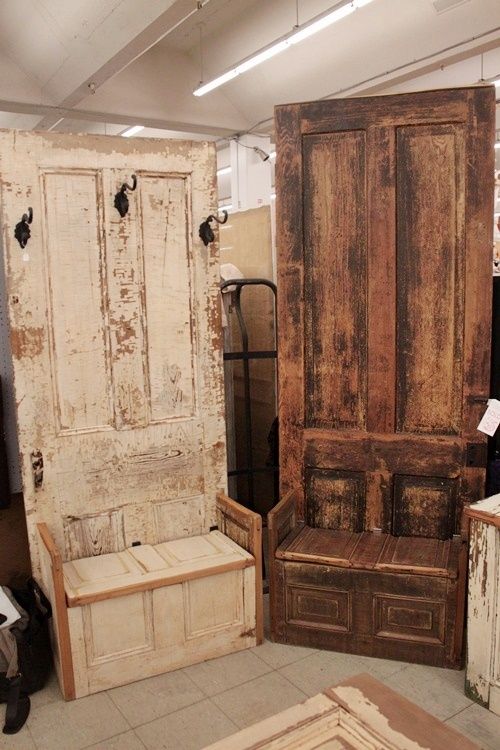
Cut a door to bench length, add a simple box base or hairpin legs, and you have entry seating with built-in story. Add a lift-top or open cubbies below for shoes if the structure allows. Outdoor versions need exterior-grade finish and hardware that will not rust. Add a cushion for comfort; the door’s panel lines still show along the apron.
Anchor tall backs if you keep part of the door vertical as a settle-style bench—tipping risk is real when someone sits and leans.
Shelving, bookcases, and wall organizers
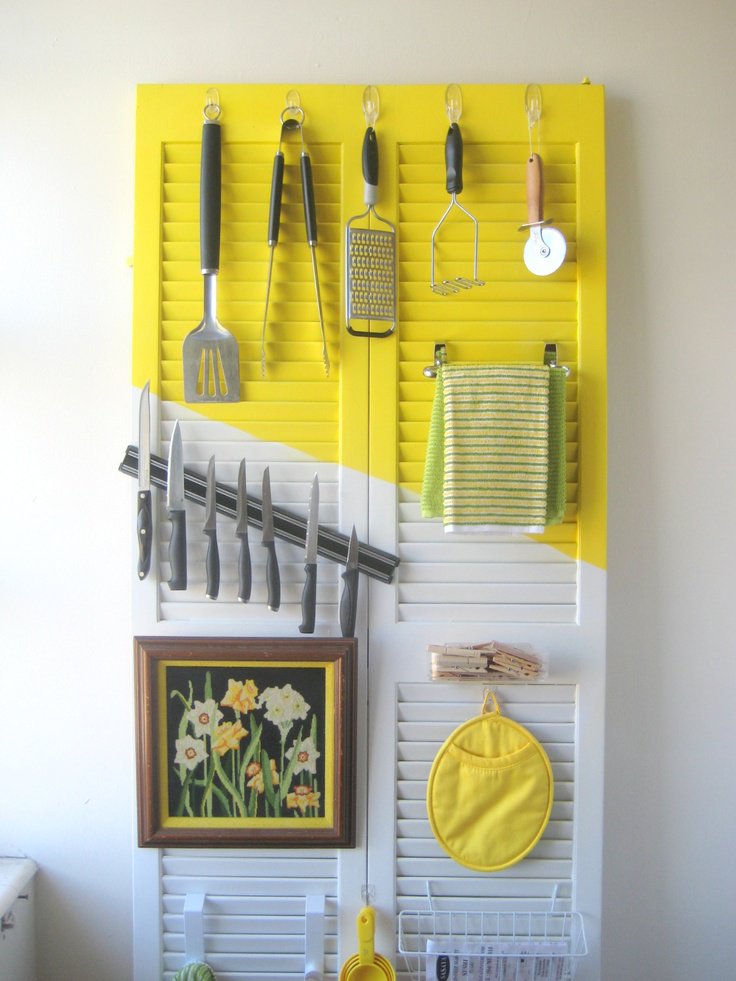
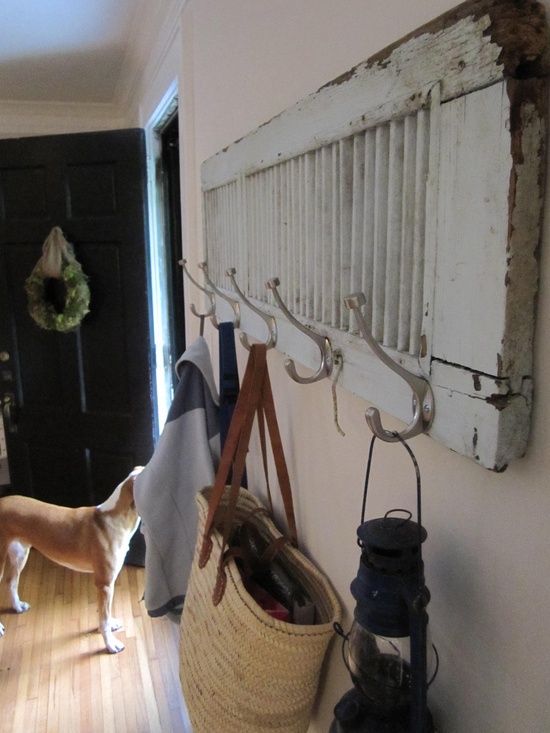
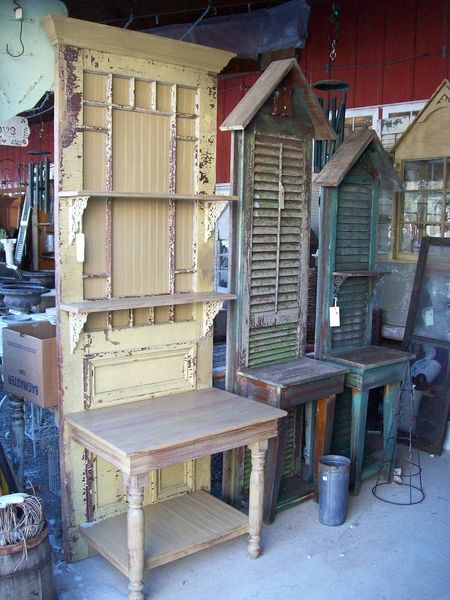
Stand a door upright, add horizontal shelves between the stiles, and you get a slim bookcase that fits where deep furniture will not. Mount a door flat on the wall with hooks and shallow ledges for coats, keys, and mail. Corner units can use two doors joined at a right angle for a room divider that still stores books.
Keep shelf spans reasonable so boards do not sag. Fasten into the door’s solid rails and stiles, not only into thin panel centers. For heavy books, add a plywood back for racking strength.
Screens, room dividers, and garden gates
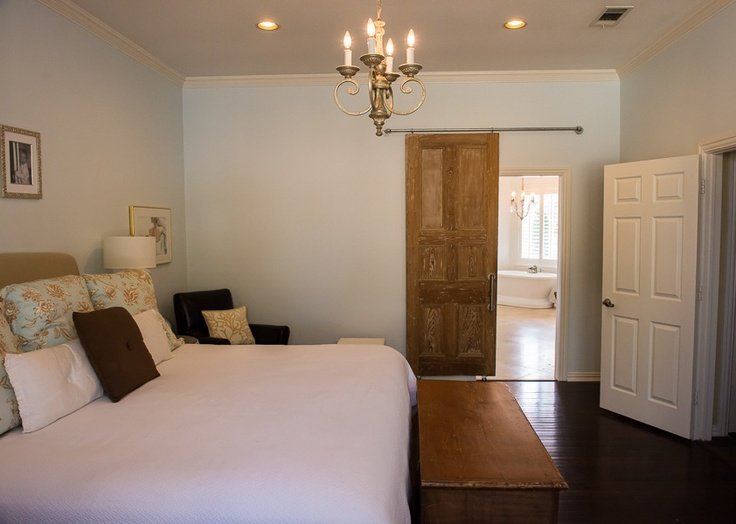
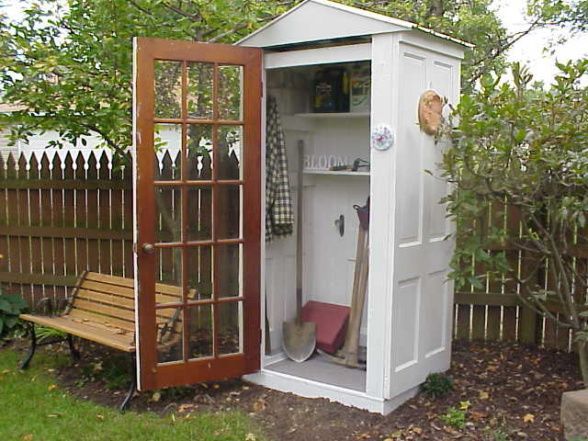
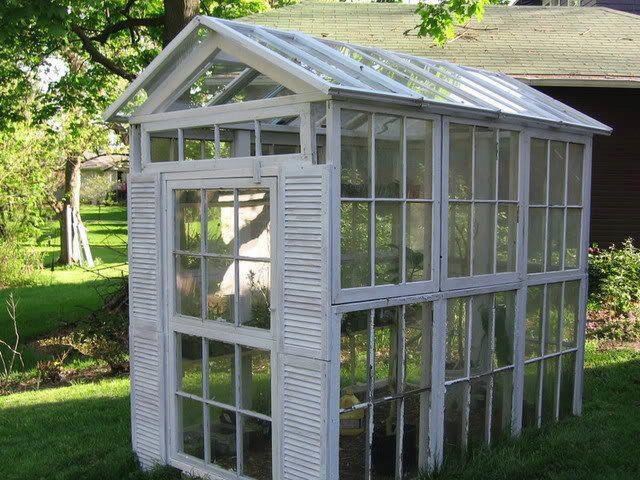
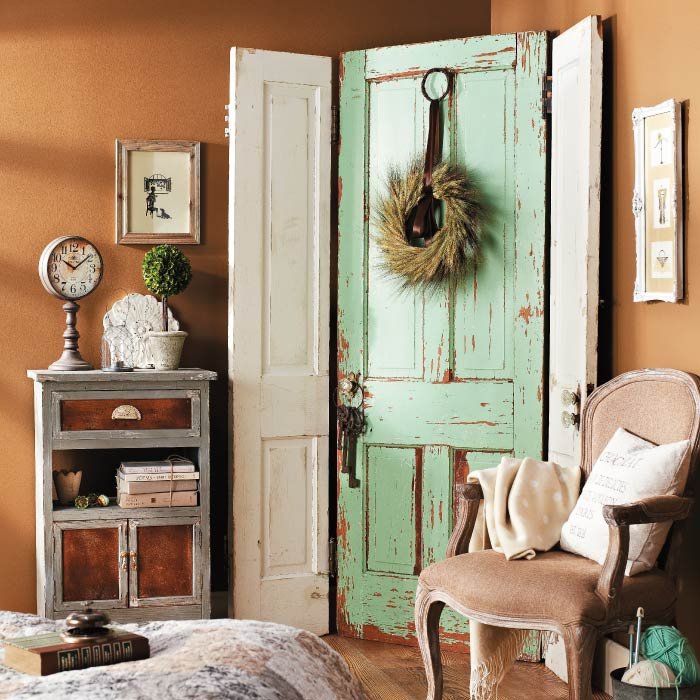
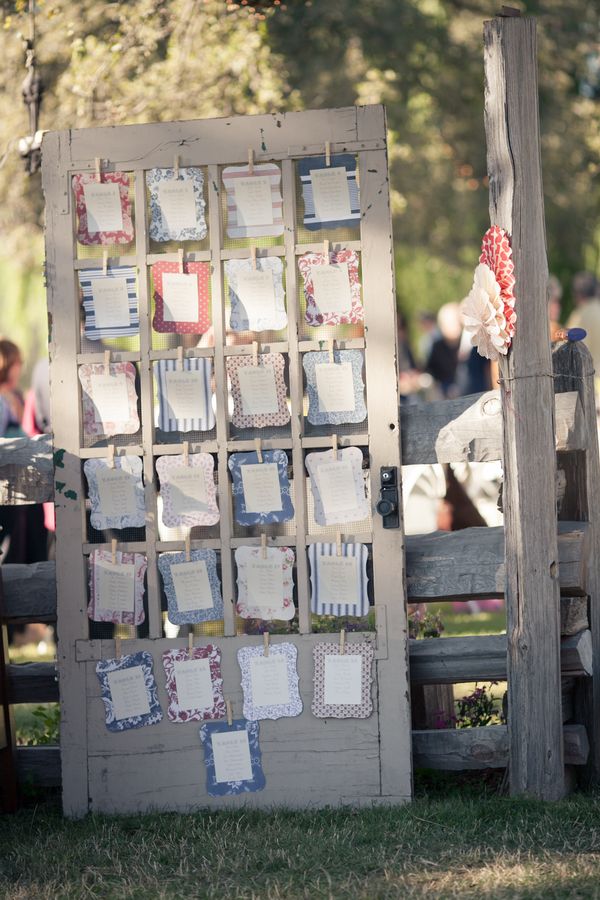
Hinged pairs or triples of doors become folding screens—useful in studios and shared bedrooms. Use proper screen hinges and consider casters if you move the divider often. Outdoors, a weathered door can become a garden gate or a freestanding screen for climbing plants if posts and hinges are rated for wind and weight.
Leave hardware visible when it adds charm; replace it when rust or sharp edges are a hazard. Seal end grain on outdoor pieces so rain does not wick into the rails.
Mirrors, trays, and smaller accents
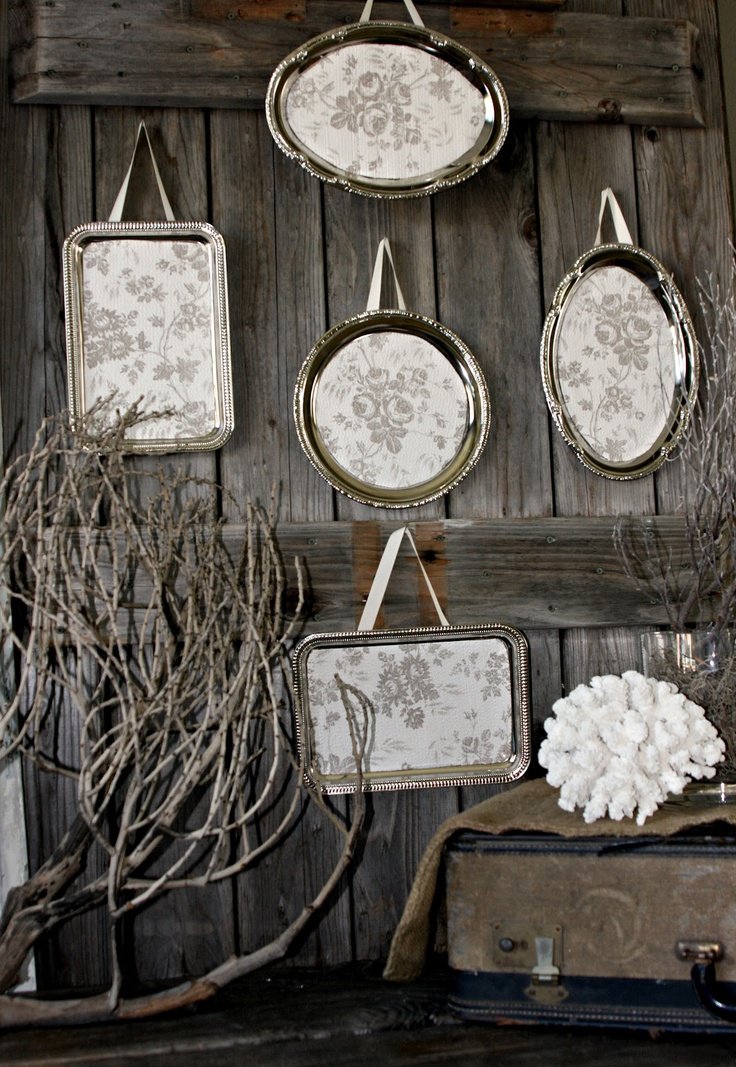
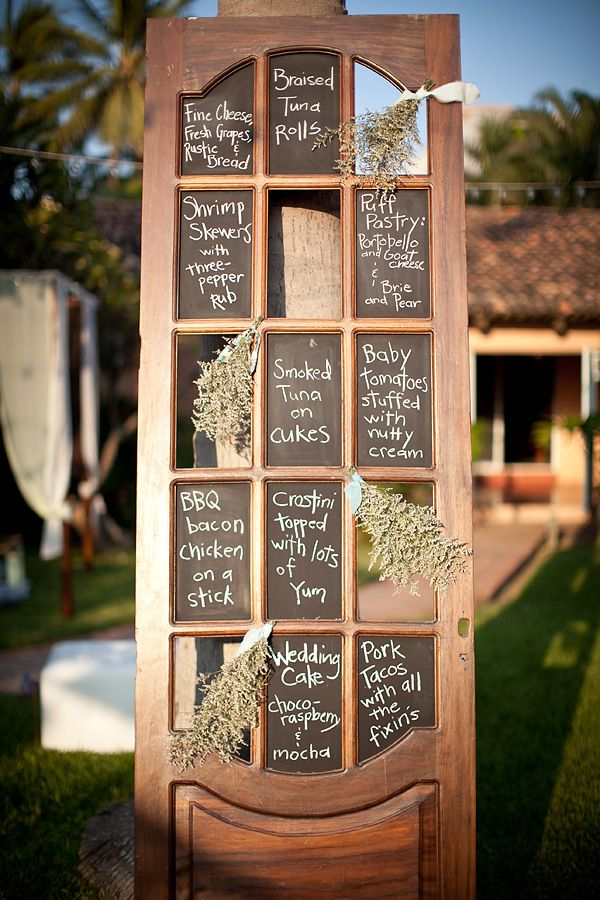
Not every project needs a full door. Cut sections become tray bottoms, mirror frames, or chalkboard panels for kitchens. Salvaged panels make picture frames with depth. These smaller builds are good practice before you commit a pristine antique door to a major cut—and they use offcuts productively.
Finish and style choices
Paint unifies mismatched doors in a set. Clear oil or varnish celebrates grain and old tool marks. Chalky matte paints suit cottage looks; deep gloss suits formal paneling. If you keep original color layers, seal dusty surfaces so they do not shed onto clothes or bedding.
Hardware can stay original, go modern black, or mix brass knobs as jewelry on a painted field. Consistency across a room matters more than matching the door’s first life. Sample finishes on the back or bottom edge before committing the face.
Project ideas at a glance
- Wall-mounted headboard from a single paneled door
- Dining or desk top on new legs
- Entry bench with storage below
- Slim bookcase between door stiles
- Folding screen from hinged doors
- Garden gate or potting-shed door reused with new posts
- Coat rack with hooks along a rail
- Framed mirror inset into a door panel
- Coffee table from a shortened door slab
- Hall console with a lower shelf for baskets
Safety notes worth respecting
Wear eye and lung protection when sanding. Support glass safely or replace it before kids and pets share the room. Anchor tall pieces to walls. Do not overload shelves fastened only into thin panels. For outdoor gates, use posts set correctly—decorative hinges on soft soil posts fail in the first storm.
If a door is structurally compromised, harvest usable panels for small projects rather than forcing a table that will fail under dinner plates.
Pick one door, finish one project
Start with a single clear use—headboard, bench, or shelf—rather than cutting every door in the pile at once. A finished piece in the room teaches you more than a weekend of half-built experiments. When that first door finds its second job, the next salvage find gets easier to imagine, and the skip stays emptier.

Comments
Continue reading
13 Creative Ways to Repurpose Wood Pallets at Home
Planters, coffee tables, lounge bases, headboards, compost bins, and more—thirteen practical pallet DIY projects with safety and finishing notes.
Decorate with Old Wooden Crates: Shelves, Tables, and Storage
Prep sound crates, then turn them into stacked shelves, coffee tables on casters, entry benches, planters, and vertical storage without buying faux-distressed furniture.
Washing Machine Drum Upcycles: Fire Pits, Tables, Lights, Planters
Practical drum projects with real safety notes on sharp edges, rust, wiring, and fire—plus when salvaging a drum is not worth DIY.