
Women’s Hats, 1913–1915
A historical look at women’s millinery from 1913 to 1915—when Edwardian picture hats narrowed toward wartime angles—told through a gallery of period portraits.
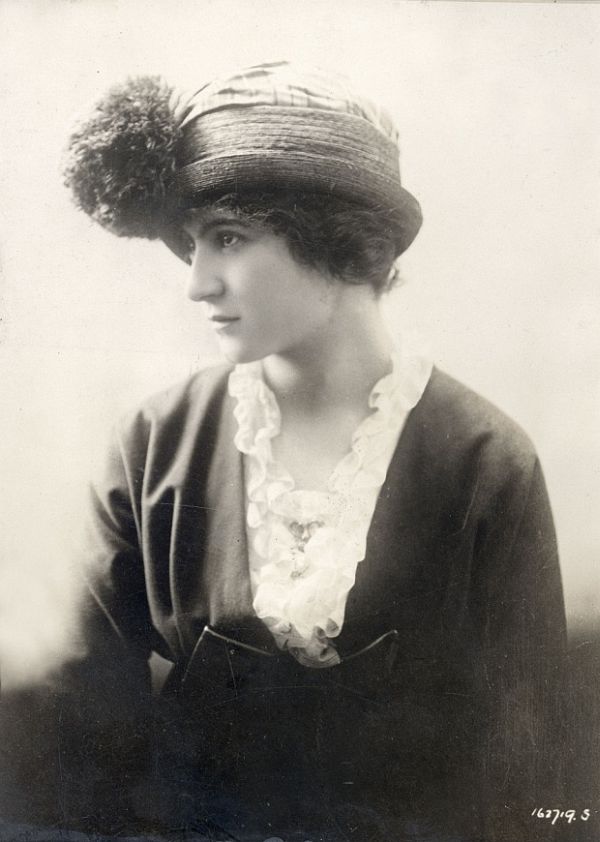
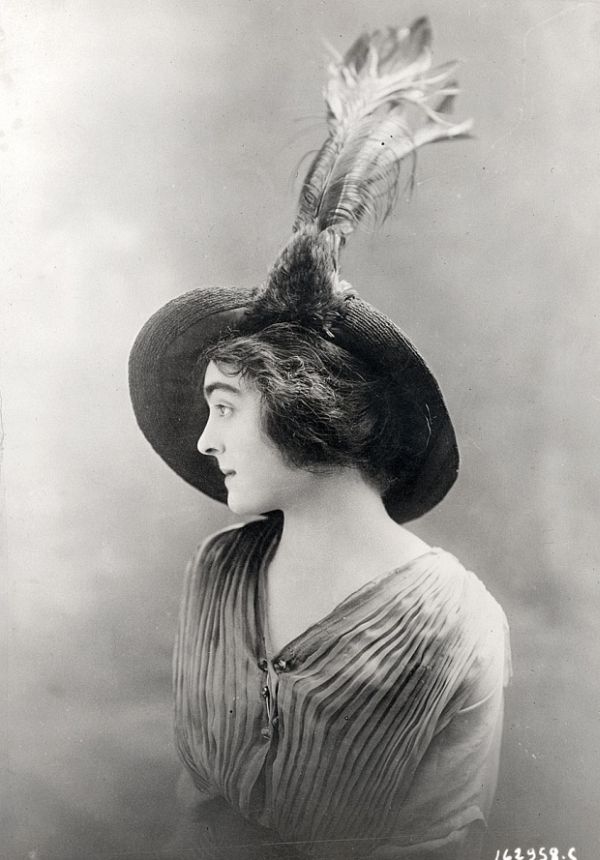
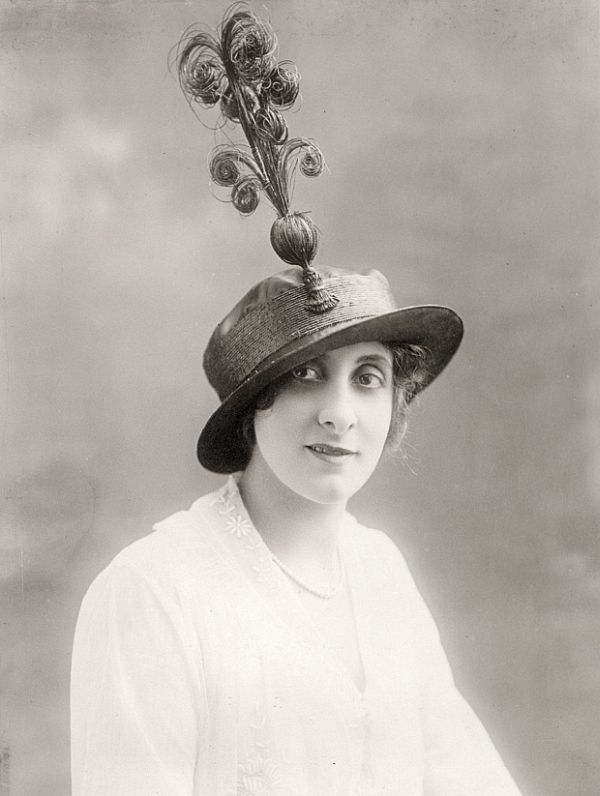
Between 1913 and 1915, women’s hats sat on a hinge. The oversized Edwardian picture hat—wide brim, piled plume, a silhouette that could fill a theater box—had not vanished, but it was losing ground to smaller crowns, flatter brims, turbans, and shapes that would soon absorb wartime severity. The photographs collected here freeze that brief window: millinery still ornamental enough for studio glamour, already streamlining toward the practical angles of the First World War years.
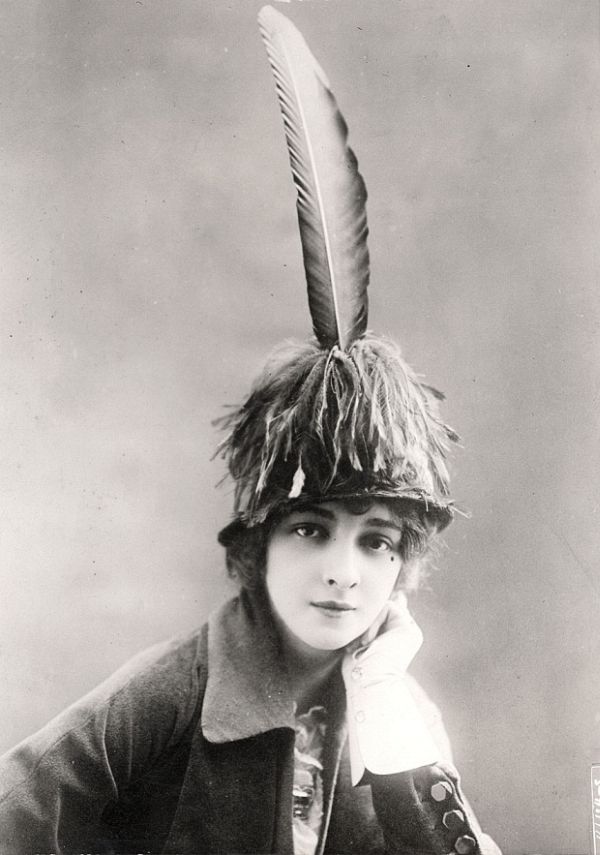
These images are not a shopping guide and not a random nostalgia board. They document how hat, hair, and face were composed just before modern fashion’s famous short-hair, cloche decade. Look at brim width, trim height, and how much forehead or cheek each hat reveals. Those choices were the season’s real news, and they changed faster than many costume dramas admit.
Leaving the picture-hat empire
For much of the Edwardian decade, the Gainsborough or picture hat ruled daytime fashion: broad brims that framed the face like an oval portrait, crowns deep enough for padded pompadours, trims of feathers, flowers, tulle, and sometimes entire stuffed birds. Coco Chanel later mocked the most extreme stacks as “bird nests,” and public complaints about theater sightlines were already familiar. By 1913, fashion reporting and street observation noted a decisive shift. Brims narrowed. Crowns stayed relatively high—hair was still substantial—but the hat no longer needed to eclipse the wearer.
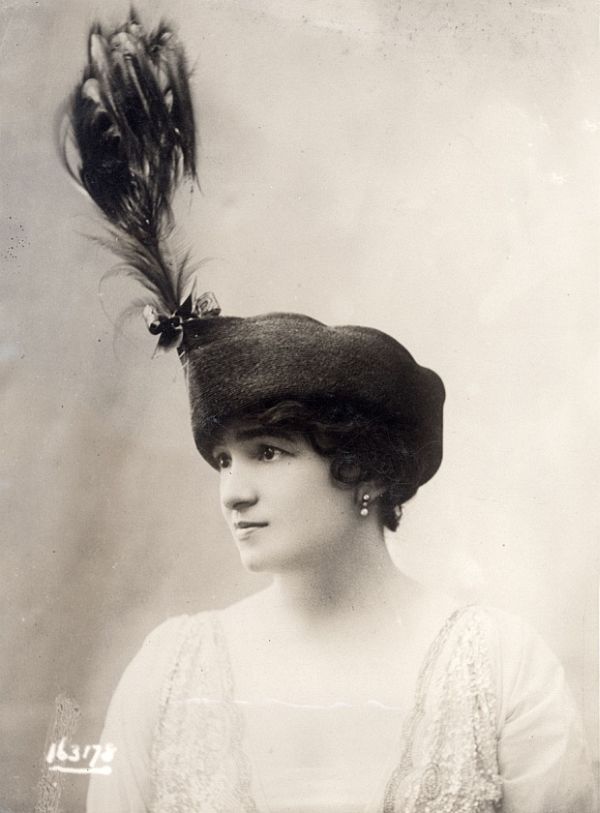
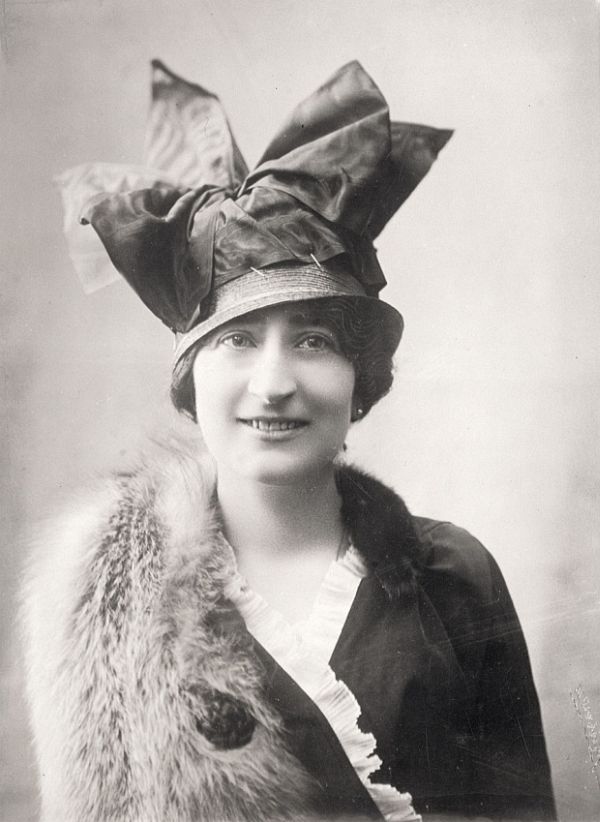
Vertical trim began to replace horizontal overflow. A single upright plume, a structural bow, or a torsade of fabric could supply drama without a meter of brim. That change tracked the body’s silhouette. As skirts narrowed and the exaggerated S-curve softened, headwear that stuck out sideways started to look antique. Smaller, more architectural hats suited the newer vertical line. Studio portraits from 1913–1915 often show that compromise: still glamorous, still decorated, but no longer built like portable awnings.
The years matter as a sequence, not a blur. 1913 still carries late-Edwardian sweetness and resort velvet. 1914 introduces the first wartime weather into fashion conversation without instantly erasing ornament. 1915 sharpens angles and simplifies some winter trims. Reading the gallery with that three-year arc in mind keeps you from flattening everything into “Titanic hats.”
What to read in the photographs
Start with scale. If the brim still extends well past the shoulders in the image plane, you are looking at late picture-hat survival. If the hat sits closer to the head’s true width, with drama coming from height or a single plume instead of a garden of trim, you are in the transitional teens. Many of these portraits live in that second camp—or on the border between the two.
Next, read asymmetry. Up-turned brims on one side, jaunty tilts, and off-center ornaments became more common as shapes shrank. A perfectly centered mountain of flowers is an older grammar. A hat that tips, folds, or flashes lining on one side is closer to 1914–1915 fashion intelligence. Wire frames made those lifted wings possible; when a photograph shows a brim that holds a sharp fold, you are seeing millinery engineering as much as decoration.
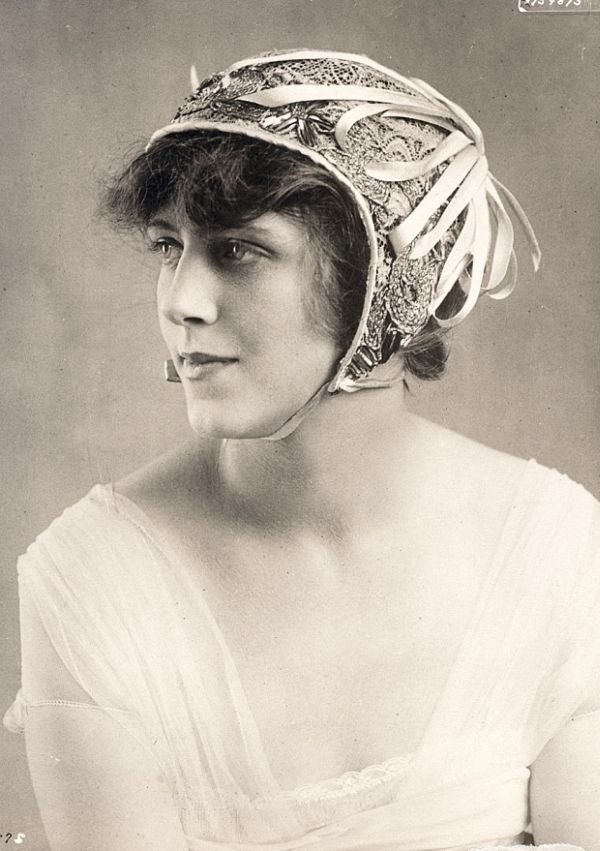
Then look at hair. These hats were engineered for volume at the crown. Even “smaller” teens hats often measure larger than a modern head because they had to clear romantic upsweeps and pads. When a portrait shows a smooth, close hat line, you are either seeing evening/turban influence or an early hint of the tighter silhouettes that would dominate after the war. Face framing changes too: more forehead or cheek visible usually signals the newer, less engulfing brim.
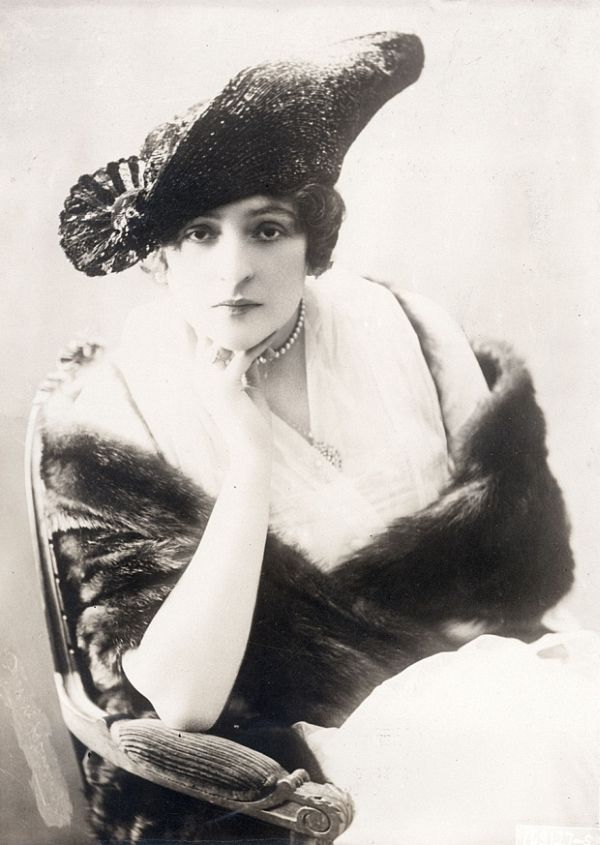
Materials, trim, and the end of maximal ornament
Velvet, tulle, straw, and silk remain the period’s core materials. Fashion notes from 1913 describe velvet and tulle hats thriving at resorts such as Deauville and Trouville and in transitional “mi-saison” collections; ostrich and aigrette still appear, though the most extreme bird-nest stacking of the previous decade was already being mocked. Trims grew more structural: one decisive plume, a buckle, a single flower, a draped crown that reads almost sculptural.
Orientalist turbans and East-Indian-inspired drapes—fed by Paris designers and stage fashion—offered an alternative to the round picture brim entirely. They look modern to contemporary eyes because they hug the head and push drama upward. In 1913–1915 they were chic evening and afternoon options, not yet the twenties cloche, but clearly part of the same narrowing impulse. Straw boaters and moderated day shapes handled sportier or travel hours when a garden platter would have been absurd.
Color storytelling mattered. Velvet ranging through purple, brown, red, and blue could echo a coat collar or interrupt a pale lingerie-dress palette. Matching was not mandatory, but conversation between hat and ensemble was expected among women who could afford multiple millinery pieces a season. What you see in studio work is often the best conversation a wardrobe could stage—not the average weekday compromise.
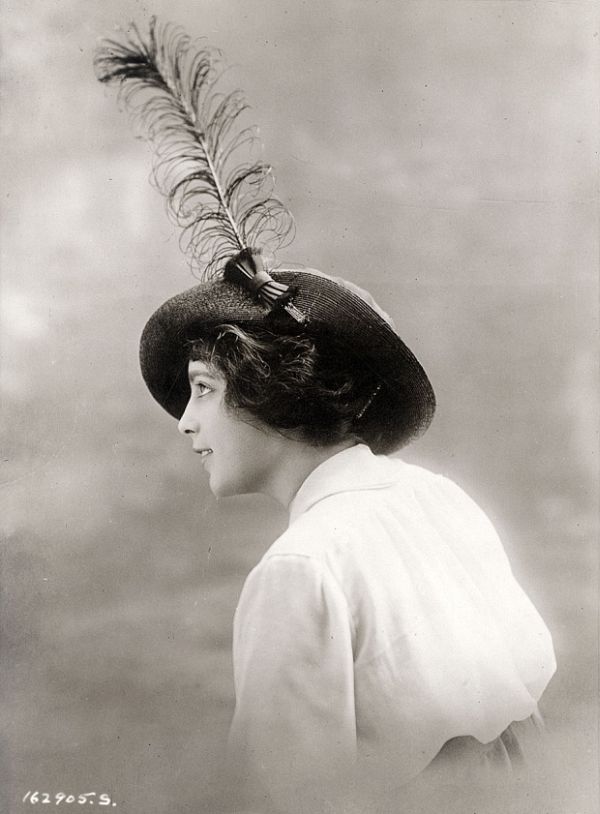
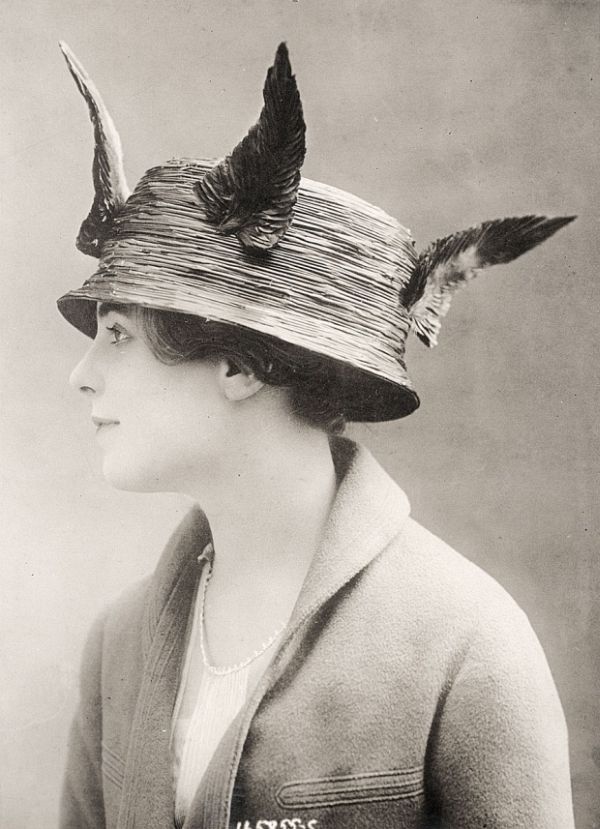
1914–1915: war weather enters the brim
Fashion did not flip overnight when war began in 1914, but by 1915 military and utilitarian cues were visible: sharper angles, tricorn and bicorn echoes in some lines, fur trims with restrained decoration, less patience for hats that obstructed movement or theater seats. Winter models might show a single buckle or bloom instead of a thicket of birds. The jaunty side-lifted brim—narrower, more alert—fits this mood better than a dreamy garden platter.
Studio portraits can lag street reality. A woman might still sit for a photographer in her most ornamental hat even as everyday wear simplified. That is useful context for this gallery. You are seeing aspirational or best-dress millinery as much as sidewalk averages. Still, compared with 1908–1910 extremes, the 1913–1915 set already looks transitional. The future is in the reduced width, the upright trim, and the willingness to let the face share the frame.
Practical life pressed from another direction too. Motoring and urban transit punished fragile wide brims and trailing veils. Earlier decades had already invented scarf-tied motoring solutions; the teens continued the negotiation between elegance and motion. A hat that could survive a carriage, a train platform, and a windy street had a better claim on a working wardrobe than a pure studio fantasy.
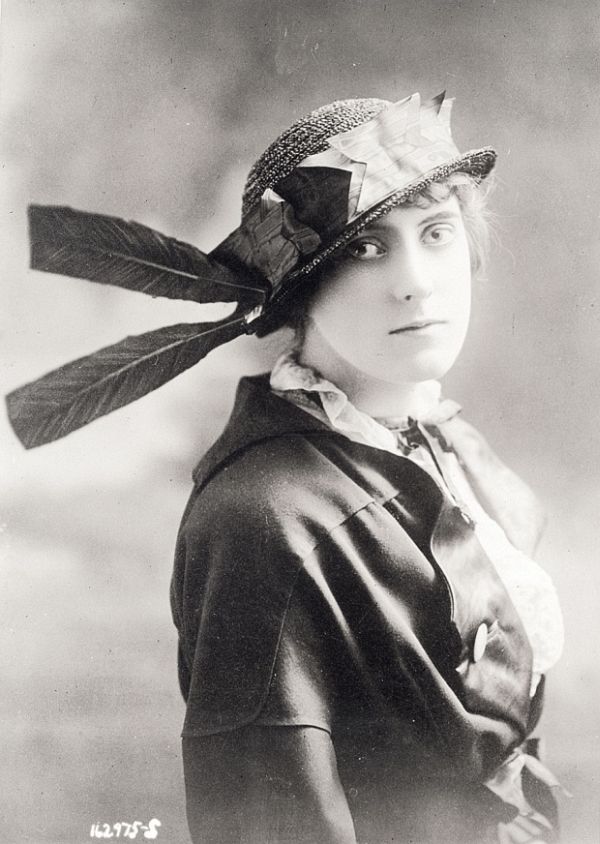
How millinery worked with the rest of the outfit
Hats matched or conversed with coats, gloves, and dress color. A travel or tailor-made suit often preferred a more compact toque or moderated brim that would survive carriages and early automobiles. Afternoon visiting dress could still justify more theater. Evening conventions varied; some formal nights minimized hats, while draped turbans carried jewelry and a single plume into dinner rooms.
Hatpins remained essential. Large crowns over thick hair needed anchors. When you notice a secure, centered set in a portrait, remember the hardware underneath—long pins that were both tool and occasional weapon in popular lore. The elegance in these photos is engineered stability as much as silk and feather. Milliners such as Caroline Reboux in Paris had already professionalized the idea that the right hat was not optional decoration but the keystone of a woman’s public silhouette.
Class and occasion always filtered the rules. First-class steamship glamour and magazine plates favored the most photogenic extremes; working and middle-class women adapted shapes with simpler trim and sturdier straw. The gallery’s studio polish leans elite, which is exactly why it is useful as a design record: it preserves the ideals other women borrowed from at smaller scale.
A viewer’s checklist for this gallery
- Brim width: picture-hat holdout or teens reduction?
- Trim logic: horizontal garden or vertical accent?
- Symmetry: centered monument or tipped, folded brim?
- Hair clearance: deep crown for upsweep, or closer turban line?
- Mood: resort glamour, studio ideal, or early wartime crispness?
- Function hint: could this shape survive a theater seat, a windy street, a motor ride?
Run that list once through the images above and the years 1913–1915 stop being a vague “old hats” blur. They become a specific fashion weather—ornament learning to edit itself, just before war and the twenties rewrite the head entirely. The last portrait does not need a moral. It only needs another slow look at brim, trim, and face, and the hinge years come back into focus.

Comments
Continue reading
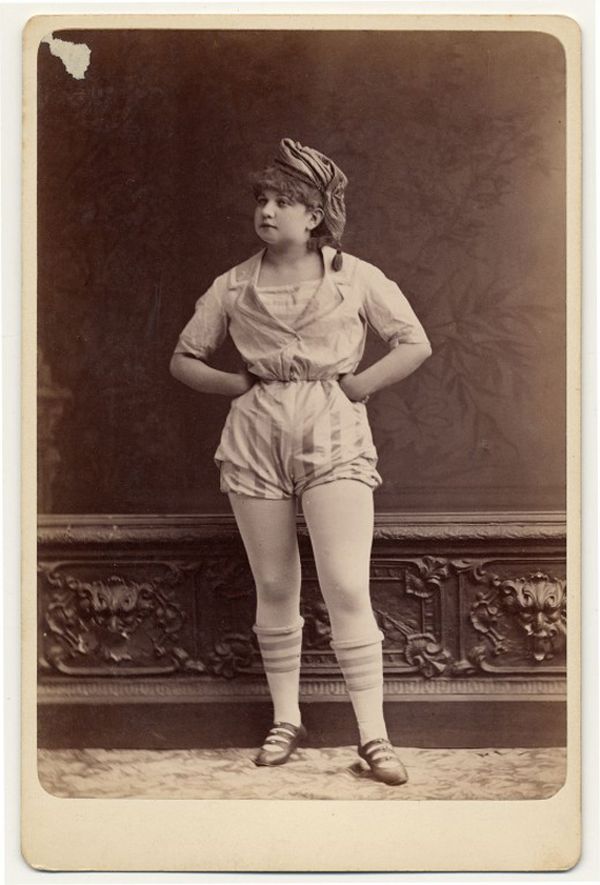
Theatrical Dancers of the Late 1800s in Studio Photographs
Late nineteenth-century portraits of stage dancers—burlesque, music hall, and variety—read as working history, costume evidence, and commercial image culture.
Trendy Summer Hats for Women: Brims, Crochet, and Warm-Weather Finish
From wide-brim straw and boaters to crochet and city fedoras—how to choose and wear summer hats that shade, photograph well, and actually get used.
15 Unique Shoe Designs That Treat Footwear Like Sculpture
Fifteen experimental shoes—from origami heels and slingshot wood to keyboard-key boots and continuous-band mules—where concept outruns convention.