
35 Upcycle Ideas for Home: Bulbs, Books, Corks, Fabric, and Thrifted Hardware
Turn light bulbs, old books, magazines, T-shirts, corks, skate decks, and thrift finds into lamps, organizers, rugs, and wall pieces—without buying new décor.
Upcycling turns things you might throw away into pieces you actually want to keep. Unlike plain recycling, the goal is not only to divert waste but to give an object a second life with more character than the first—often for less money than buying new décor. Old books, light bulbs, magazines, corks, T-shirts, skate decks, jars, and thrifted hardware all become raw material once you stop seeing them as trash.
The projects below follow the spirit of classic home-upcycle roundups: lighting from bulbs, organizers from books and phone directories, soft goods from fabric scraps, wall pieces from unexpected flat materials, and small gifts from tin, lace, and glass. Materials are ordinary. The craft is noticing what a discarded shape already wants to become.
Light bulbs as lamps, terrariums, and centerpieces
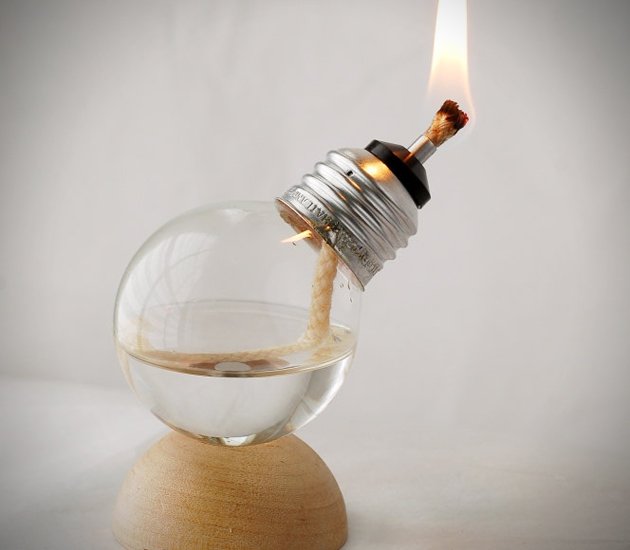
Burned-out incandescent bulbs are almost ready-made glass vessels. With the metal base carefully removed and the interior filament cleared—work with gloves and eye protection—you can rinse the glass and start fresh. Fill a clean bulb with a little oil and a floating wick for a tiny oil lamp on a dining table. Nest moss, sand, and a miniature plant cutting inside for a terrarium that hangs in a sunny window. Or leave the bulb mostly empty, add a few dried flowers or metallic confetti, and set a cluster of them in a shallow bowl as a centerpiece that catches light like ornaments.
Suncatcher versions work the same way: hang the empty or lightly filled bulbs on fishing line near a window so daytime glare turns them into soft prisms. Hot-air-balloon suncatchers take the idea further—attach a small paper or fabric basket beneath a painted bulb so the silhouette reads as a floating balloon when backlit. Keep all bulb projects out of reach of small children and pets; glass remains glass.
Books, magazines, and paper into useful objects
Hardcover books make sturdy organizers. Cut a rectangular well into the page block of a thick novel, glue the page edges so the cavity holds shape, and you have a hidden box for remotes, keys, or business cards. A simpler card holder needs only a deep slit cut into the top edge of a standing book so cards fan out like a tiny file. Phone books and directories become letter holders when you accordion-fold sections, glue them into a curved stand, and paint or leave the printed edges visible for texture.
Magazines are color libraries. Roll pages into tight tubes and glue them side by side into coasters or into a circular face for a wall clock. Fold pages into accordion strips and wrap them around a clock mechanism for a sculptural timepiece that costs almost nothing beyond the movement kit. Scrap magnets are even faster: punch or cut small shapes from glossy pages, glue them to flat magnet sheet, and seal with clear varnish so fridge art survives kitchen humidity.
Paper can also become soft sculpture. Papier-mâché bowls formed over a balloon or bowl mold, then lined with lace or leftover tissue, dry into lightweight catchalls for jewelry. Vintage lace pressed into wet medium leaves a relief pattern that looks far more expensive than the scrap bin it came from.
Soft upcycles: T-shirts, sweaters, and fabric scraps
Old T-shirts become yarn when you cut continuous loops from the body and stretch the strips. Crochet or braid that “t-shirt yarn” into a washable rug for a bathroom or mudroom. The fabric already has give, so the rug feels soft underfoot and hides stains better than pale cotton. Sweater remnants can be cut into coasters, hot pads, or pillow fronts—felted wool sweaters are especially cooperative because cut edges do not unravel as readily.
Fabric scraps also dress plain glass. Wrap mason jars in leftover cotton, lace, or burlap, secure with twine, and use them as utensil crocks, candle holders, or bathroom organizers. A pretty jar costs less than a new canister and already matches your leftover sewing palette.
Kitchen and table: corks, jars, forks, and tins
Wine corks slice into coins that tile into placemats or trivets. Glue cork rounds tightly onto a cork or felt backing, trim the edge, and you have a heat-tolerant mat with a wine-bar story. Whole corks lined in a frame become a pinboard for recipes. Spam tins and other sturdy food cans—cleaned thoroughly—paint into desk caddies or planters; add wooden bead “legs” to storage jars for a playful elevated look that lifts them off a damp counter.
Silverware jewelry sounds unlikely until you anneal and bend a fork into a cuff bracelet. Soften the metal carefully with heat if needed, curl the tines into decorative scrolls, and polish. Not every fork is comfortable to wear, so test the curve against your wrist before you commit to a finish. Mardi Gras beads and leftover party bits seal under resin or Mod Podge on ceramic tiles for festive coasters that keep the celebration without the clutter drawer.
Walls and surfaces: skateboards, CDs, and signage leftovers
Broken skateboard decks are maple plywood with graphics already baked in. Cut decks into tile-sized pieces, sand edges, and mosaic them as a kitchen backsplash accent strip or a laundry-room wall panel. Seal thoroughly against moisture. The graphic grain of grip tape and printed veneers reads as intentional art, not scrap.
Old CDs and DVDs become reflective clock faces or mosaic shards. A whole disc can back a small clock kit; broken pieces (cut carefully—edges are sharp) glue onto a primed board as iridescent wall art. Printer’s trays and shallow drawer organizers mount on walls as shadow-box shelves for tiny objects and letter tiles—instant word art when you drop alphabet pieces into the compartments.
Even leftover roofing or building scraps can find outdoor uses when handled safely: clean, intact shingle pieces sometimes become garden path edging or weatherproof craft bases outdoors. Treat construction leftovers as materials only when they are free of hazardous coatings and you understand local disposal rules—never force a reuse that creates a safety problem.
Optics, cameras, and quirky hardware
Broken eyeglasses can become picture frames for tiny photos: remove the lenses, mount miniature prints behind them, and hang the frames as a witty gallery row. Vintage cameras that no longer shoot still make atmospheric night lights—hollow the body carefully or simply seat a battery tea light behind the lens opening so a soft glow spills from the glass. The object keeps its story; you gain ambient light without buying a novelty lamp.
Game consoles and other obsolete electronics sometimes inspire novelty builds—toast-warmers and gadget mashups appear in maker culture—but prioritize electrical safety. If a project involves mains power, use proper cords, insulation, and, when in doubt, keep the upcycle decorative rather than powered. Battery LEDs are forgiving; wall outlets are not a craft experiment.
Furniture-scale thinking
Not every upcycle is a weekend trinket. Stacks of sturdy books can form the base of a side table under a glass top. Wooden crates become stacked shelves. Old doors turn into headboards or table tops. When you scale up, check weight, balance, and finish: sand splinters, seal porous wood, and use hardware rated for the load. A beautiful idea that collapses under a lamp is still a failure.
Snow-globe crafts from jars—glycerin or water, glitter, a glued figurine on the lid—make winter décor from pantry glass. They also teach sealing: leaks teach you to use better adhesive next time. Small successes build the confidence for larger furniture flips.
How to choose a first project
Pick based on what you already own. A shelf of unread hardcovers suggests card holders and hollow books. A box of corks suggests trivets. A drawer of dead bulbs suggests terrariums or oil lamps. Matching the project to your surplus keeps costs near zero and prevents buying “supplies” that recreate the clutter you meant to reduce.
Work clean: wash jars and tins, sand rough wood, seal anything that will meet moisture or food-adjacent surfaces. Keep a small kit of hot glue, wood glue, clear sealer, sandpaper, and twine within reach; most upcycles fail from weak joints, not weak ideas.
Upcycling rewards curiosity more than perfection. A crooked magazine clock still tells time. A yarn rug from old concert tees still softens a floor. Start with one object headed for the bin, give it a job your home actually needs, and let the next project grow from the scraps of the first. That is how a house fills with pieces that look collected rather than catalog-matched—and how waste becomes furniture, light, and story instead of landfill.

Comments
Continue reading
Window Seats That People Actually Sit In
Depth, cushions, storage, and light—how to build or dress a window seat so it becomes a reading spot instead of a dumping ground for laundry.

Garden Decoration Beyond Beds: Lace, Mosaiculture, and Upcycled Yard Art
From dressed topiary and floral cyclists to license-plate dragonflies and lace between trees—garden decorations that give a yard a voice.
Kitchen Design Ideas: Layout, Storage, Light, and Finishes That Work
Practical kitchen design ideas—work zones, cabinetry, lighting, and durable finishes—so inspiration translates into rooms that cook and gather well.