
Window Seats That People Actually Sit In
Depth, cushions, storage, and light—how to build or dress a window seat so it becomes a reading spot instead of a dumping ground for laundry.
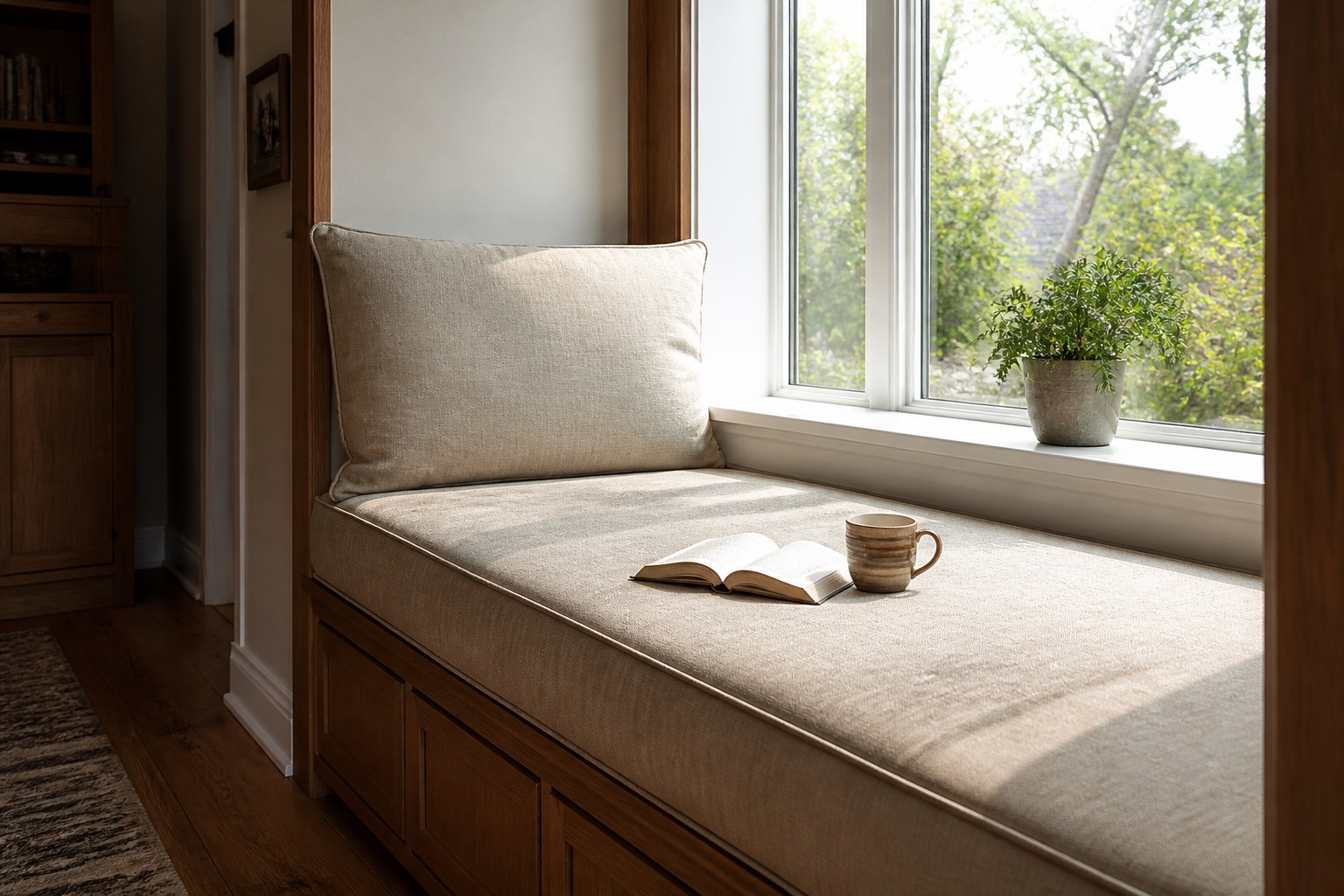
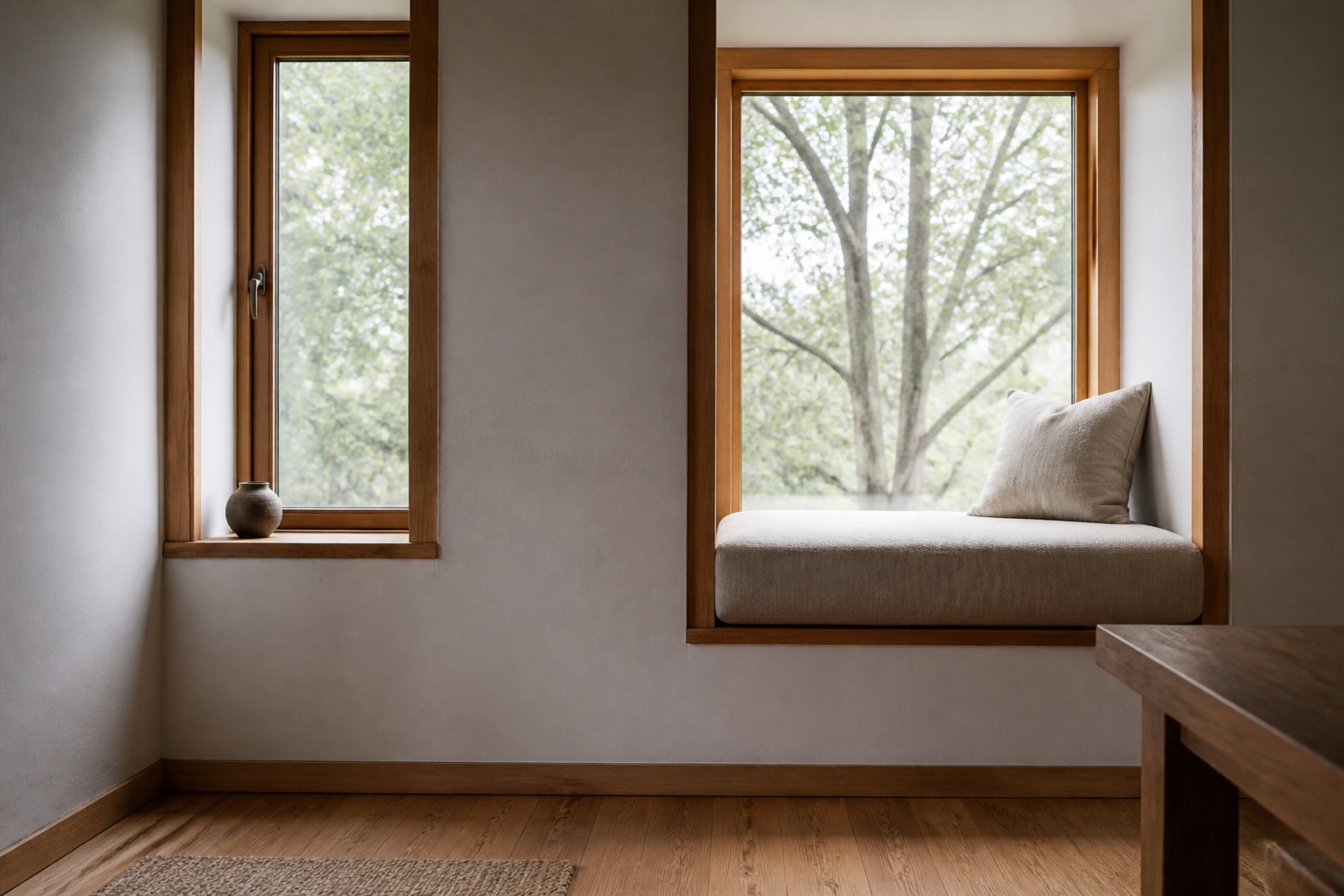
A window seat that works is a piece of furniture with a view, not a shelf that happens to be under glass. Most of them fail in the same ways: too shallow to sit, too hard to stay, too useful as a laundry pile, too hot or too cold because the window is doing its job as a window. This is about depth, cushions, storage, and light so a person actually reads there.
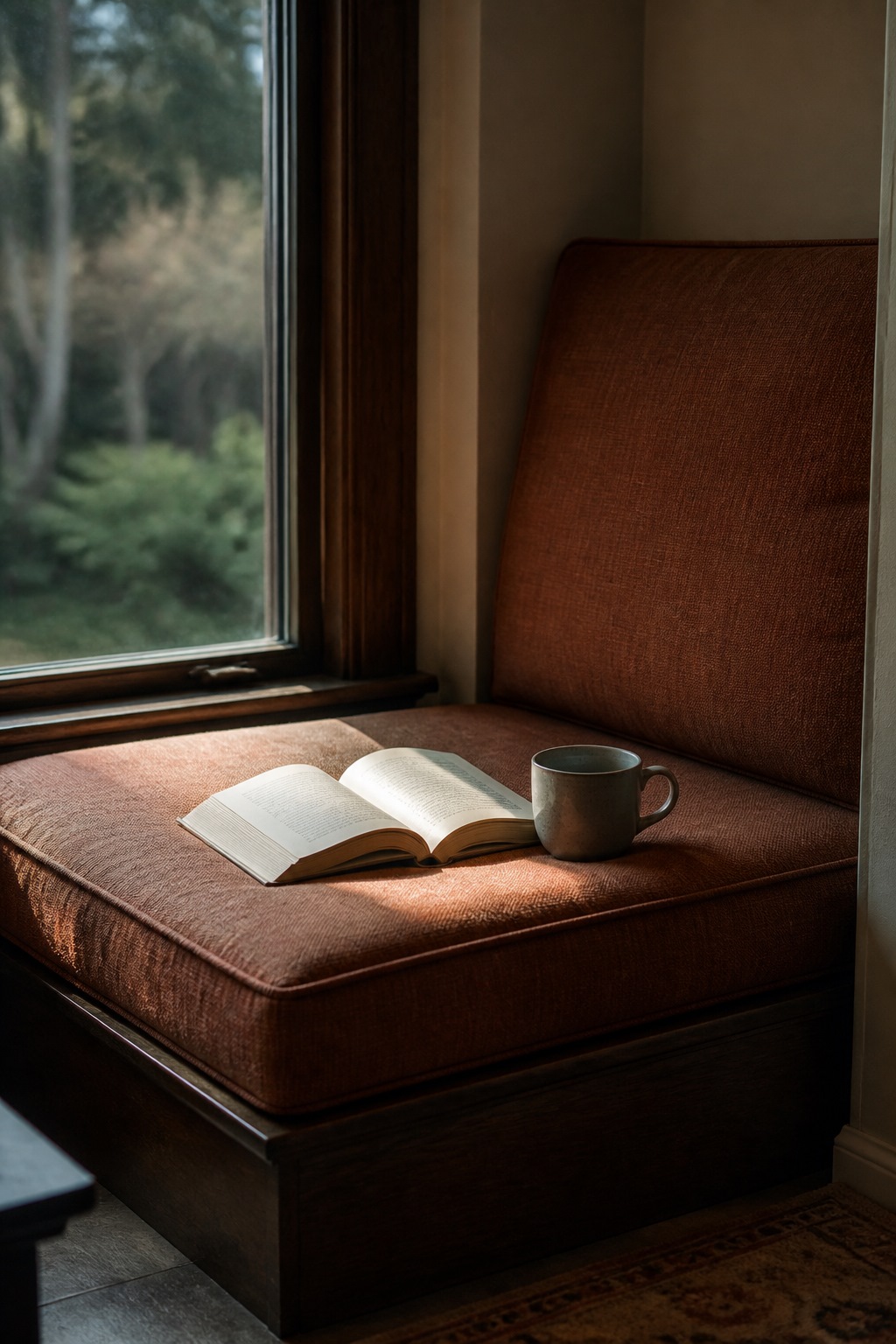
Depth and height, before fabric
You need enough depth for thighs. A seat under about 45 cm feels like a ledge. 50–60 cm is a bench. Deeper than that without a back becomes a daybed and will collect blankets, then clothes. Measure the existing niche; if the wall is too shallow, a cantilevered seat with a thicker cushion can fake a few centimeters, but it cannot fake a spine. People lean. Give them a wall, a high back cushion, or a nearby armchair relationship—not a drop to the radiator.
Seat height: roughly chair height, 42–48 cm including cushion. A seat that meets the sill at mid-calf is a children’s perch. A seat that meets the sill at waist height is a display plinth. Decide which you are building.
The window is a climate machine
Glass loses heat. In winter the seat is a cold bench unless you insulate the cavity, add a radiator that is not blocked, or accept a throw. Do not cover a heat source with a sealed box unless a heating engineer says the unit is designed for it. In summer, south glass turns the same cushion into a griddle. A linen slipcover and a paler fabric help; a roller blind that you actually use helps more.
Condensation on old single glazing will rot a built-in if the timber cannot dry. Leave a gap, use moisture-tolerant paint, or keep the seat as a loose bench you can pull away.
Storage without turning the seat into a chest first
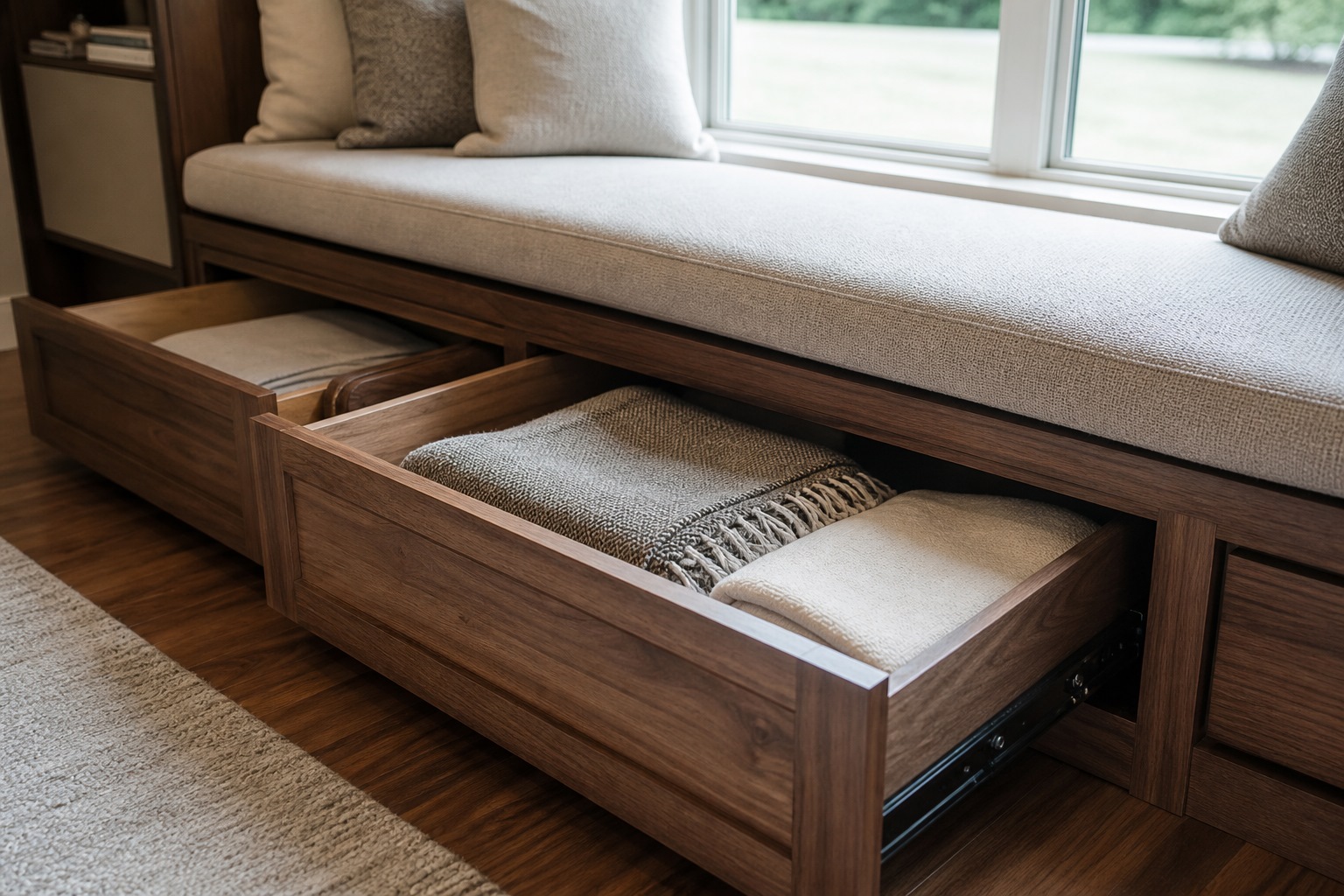
Lift-up lids look efficient and bruise shins. Drawers on the room side are kinder. Open cubbies invite visual noise unless you add baskets with lids. If the seat is the only guest bedding storage in a small flat, design for that: full-depth drawers, not a 20 cm toy cubby.
Keep the sitting surface continuous. A lid with a gap and a cushion that slides off is a daily annoyance. Hinges should hold the lid at a safe angle. Soft-close is not a luxury on a piece you will kick.
Cushions: foam, not hope
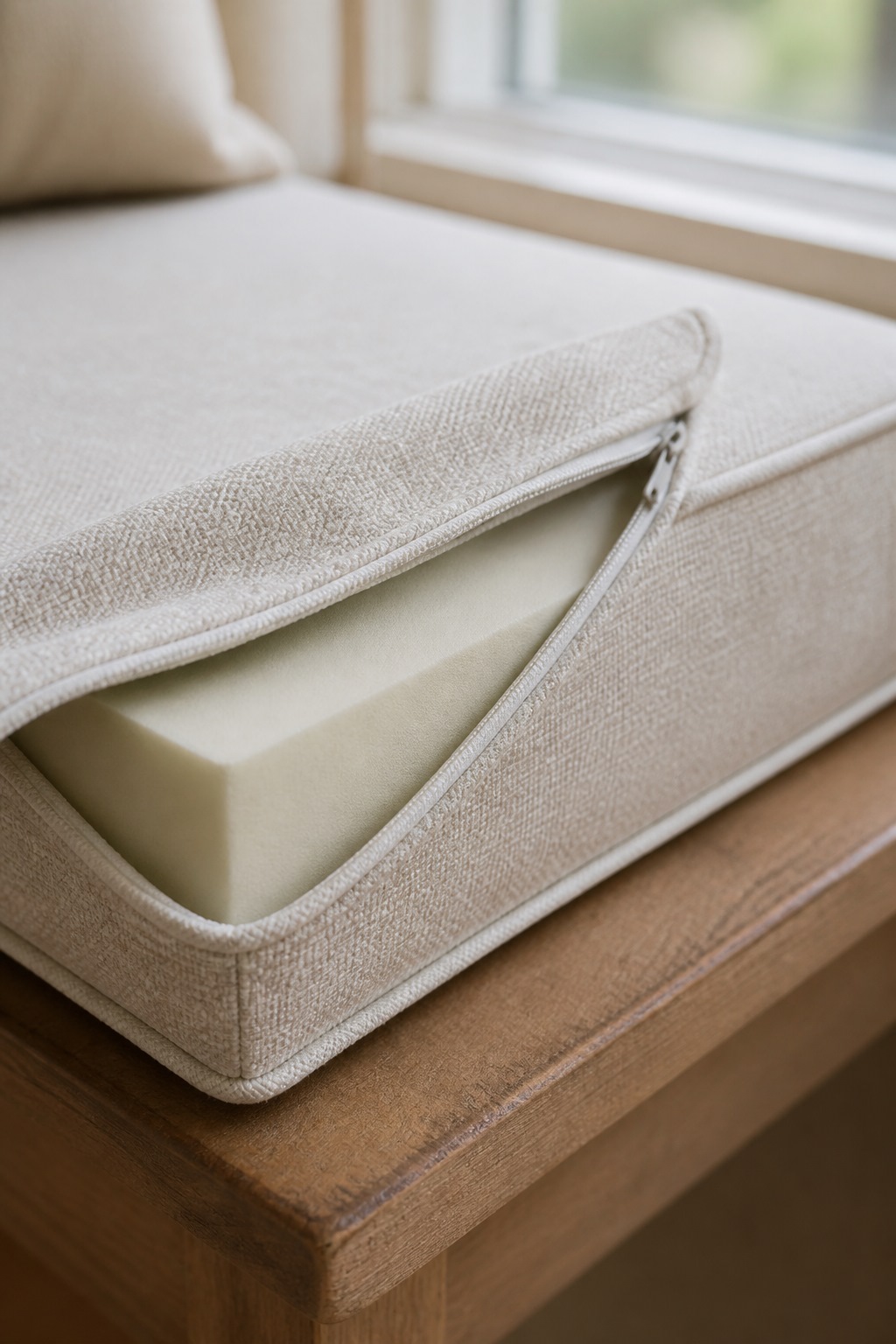
A seat cushion wants firm foam (high density) thick enough that you do not feel the plywood—often 8–12 cm. Dacron wrap rounds the edge so it does not look like a gym mat. A back cushion can be softer. If you only buy two throw pillows, people will sit on the wood and leave.
Fabric: performance linen, tightly woven cotton, a wool blend. Pale velvet in a cat household is a decision. Piping helps the cushion look like furniture, not a bed pillow that escaped.
Make the cover removable. Window seats get shoes, wet coats, and strawberries.
Light, outlets, and the reason to stay
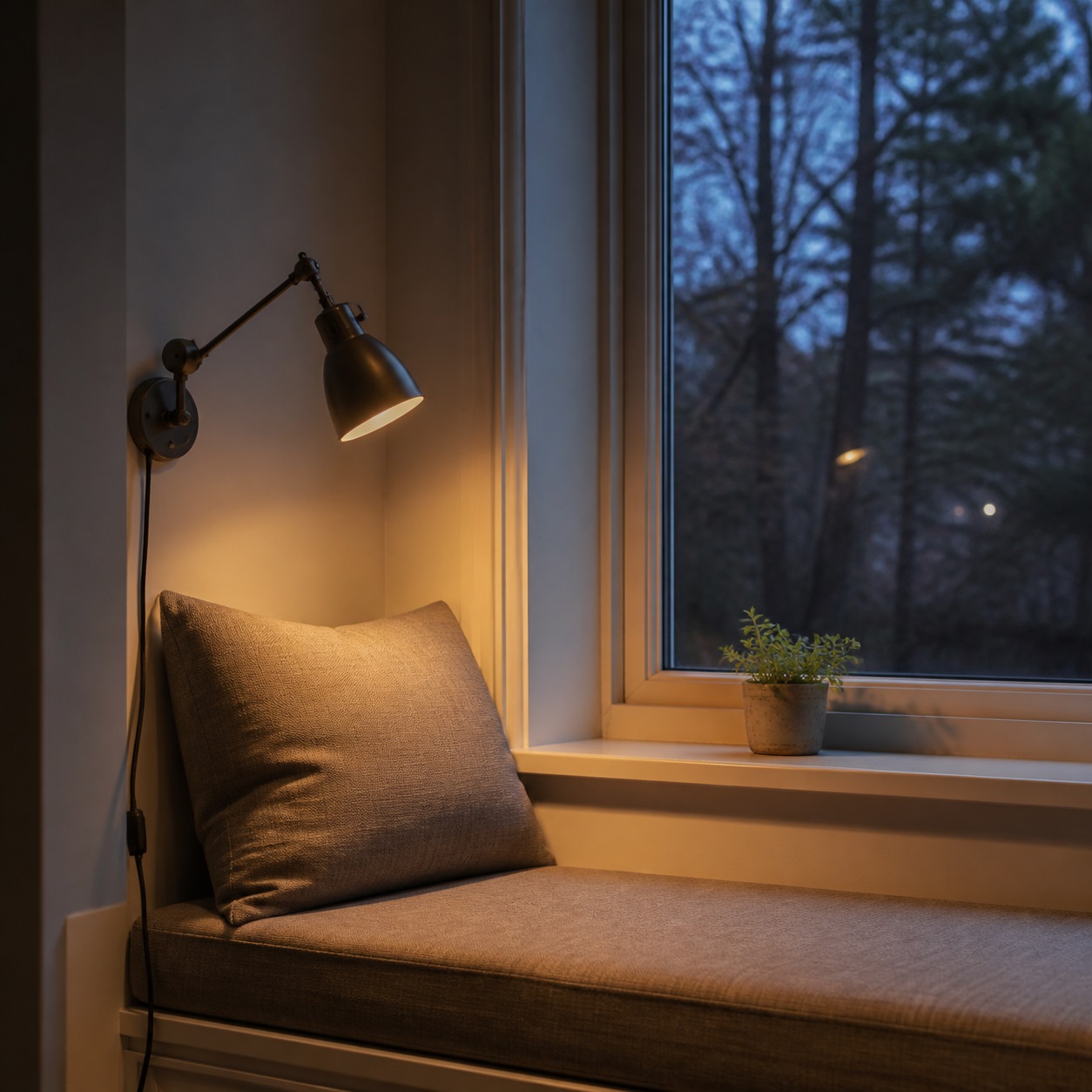
Reading needs a lamp or a window that is not blasting the page into glare. A swing-arm sconce on the adjacent wall beats a floor lamp in the traffic path. An outlet inside a drawer is how phones charge without a cable across the floor.
A small shelf for a cup, at elbow height, keeps mugs off the cushion. Without it, the seat becomes a table, then a dump.
Radiators, shutters, and the existing window
A seat that blocks a radiator is a common renovation error. Either leave a grilled front so air can rise, or move the heat. Decorative lattice that is 80% closed is not a grill. If you have working shutters, the seat cannot steal their swing. Fold-back panels and a seat that stops short of the stile are uglier in a drawing and better in February.
Sill height versus seat height: if the sill is much higher than the compressed cushion, you get a back-of-the-knees ridge of wood. Either raise the foam or add a small upholstered back that meets the sill. A raw sill edge against a spine is why people last twelve minutes.
Privacy: a seat in a street window needs a sheer, a film, or a planted box outside. People will not sit in a shopfront unless they want to. That is not a cushion problem.
Renters who cannot build in
A bench the width of the niche, with a long cushion, plus two floor cushions as a back, is a window seat you can take when you leave. Ikea-style cabinets as a base, lagged together and weighted, can mimic millwork if you add a single top board and a kick. Do not silicone it to the plaster. Do not paint the landlord’s window frame to “match” unless you like depositing a month’s rent on exit.
A daybed at the window is a different piece. It eats more floor and invites napping, which may be the actual goal. Call it a daybed then, and give it a proper mattress depth. A thin seat cushion on a wide box is neither.
Style without a catalogue set
Match the seat to the room’s wood and the window’s era. A chunky oak bench under a Victorian sash can look right. The same bench under a slim aluminum window can look like a DIY error. Painted millwork that matches the trim makes the seat part of the architecture; a contrasting upholstered box makes it a sofa that wandered to the glass.
One plant on the sill is a view. Five plants is a greenhouse you cannot sit in. Edit.
If nobody has sat there in a week, the seat is too shallow, too cold, or in the wrong room. Move the lamp. Thicken the foam. Ban the laundry basket. A window seat is not décor. It is a chair with a better view, or it is wasted carpentry.

Comments
Continue reading

Garden Decoration Beyond Beds: Lace, Mosaiculture, and Upcycled Yard Art
From dressed topiary and floral cyclists to license-plate dragonflies and lace between trees—garden decorations that give a yard a voice.
Kitchen Design Ideas: Layout, Storage, Light, and Finishes That Work
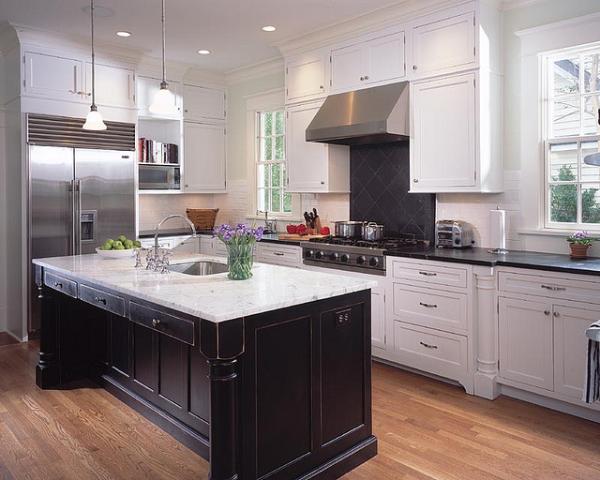
Practical kitchen design ideas—work zones, cabinetry, lighting, and durable finishes—so inspiration translates into rooms that cook and gather well.
25 Cool Room Partition Ideas That Actually Divide Space
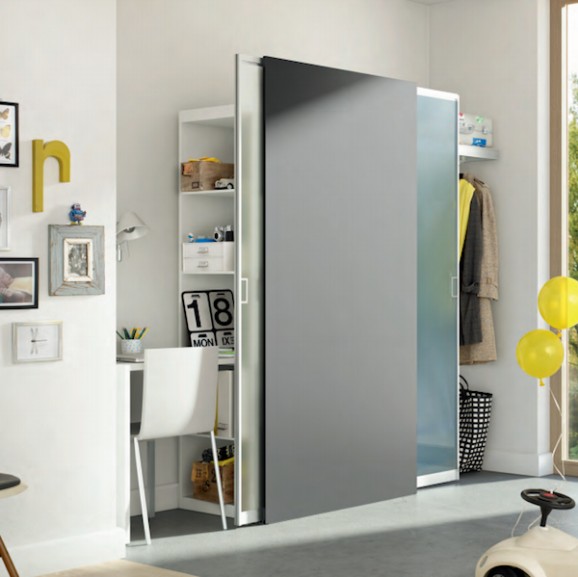
From frosted sliders and pallet screens to book towers and branch walls—twenty-five ways to carve rooms without building solid walls.