
Adorable Animals in Winter Wonderland: Pets, Wildlife, and Snow-Day Photography
A winter animal gallery—pets at play, wildlife that stays through the cold, and close frost-dusted portraits—plus notes on light, ethics, and care.
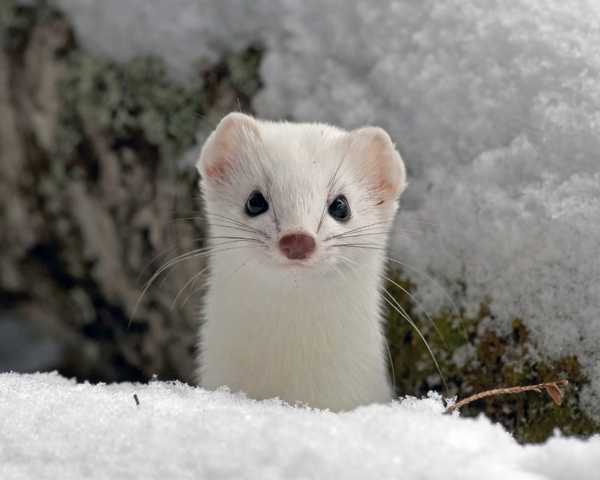
Hibernation and migration get the headlines, but they are only two of winter’s survival scripts. Plenty of animals stay awake, stay local, and keep writing tracks across frost and powder. Some seem to treat the cold as a season of play; others move with careful economy, every calorie counted. Photographers have always known the visual gift in that persistence. Snow erases clutter, softens light, and turns fur, feathers, and breath into subjects that feel almost storybook—adorable, yes, but also precise about how life continues when the world turns white.
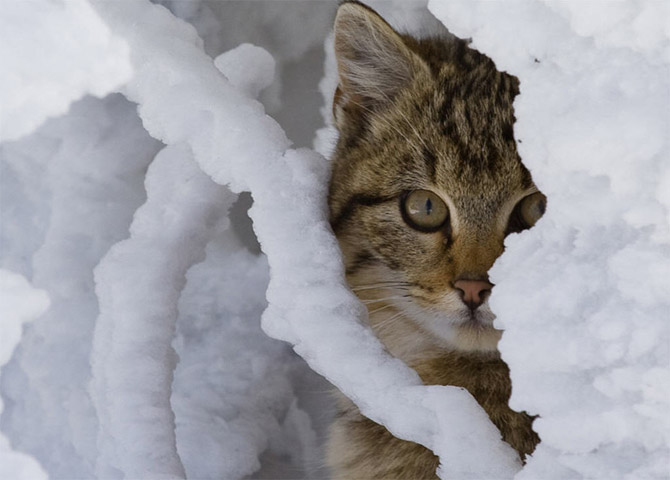
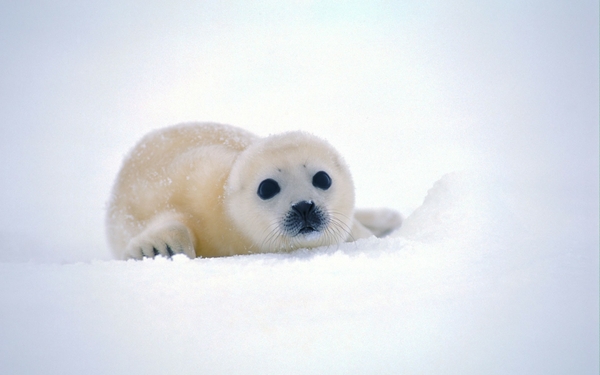
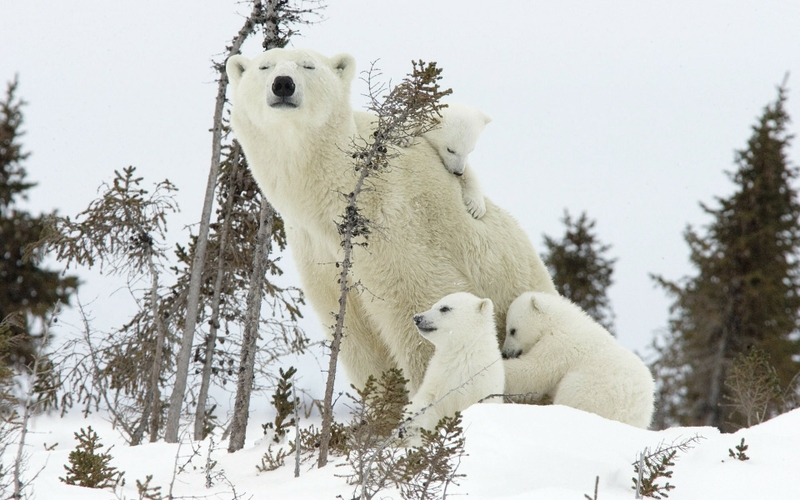
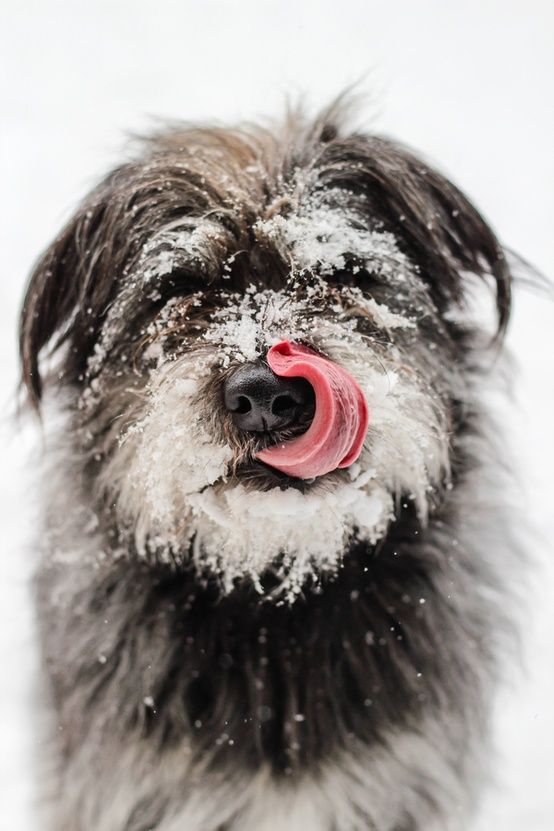
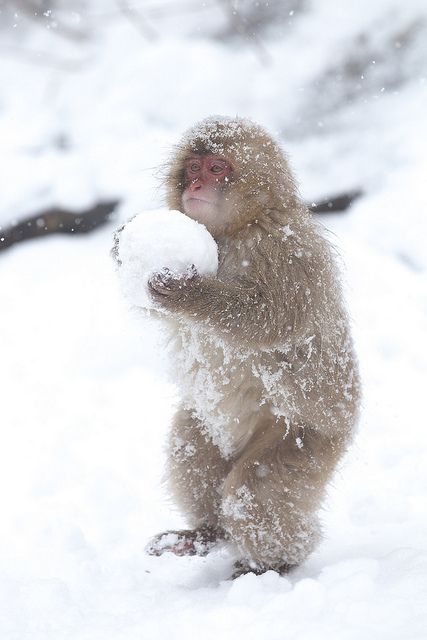
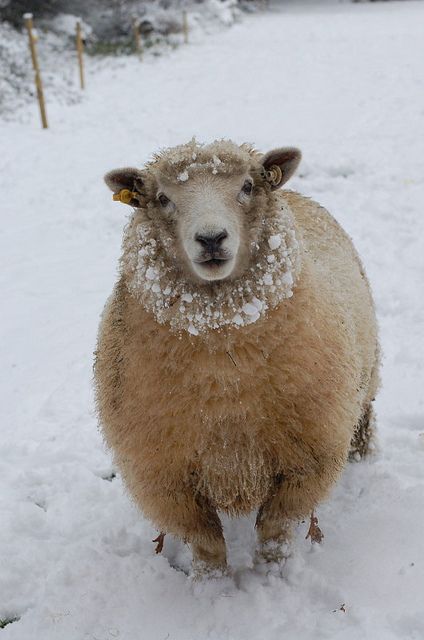
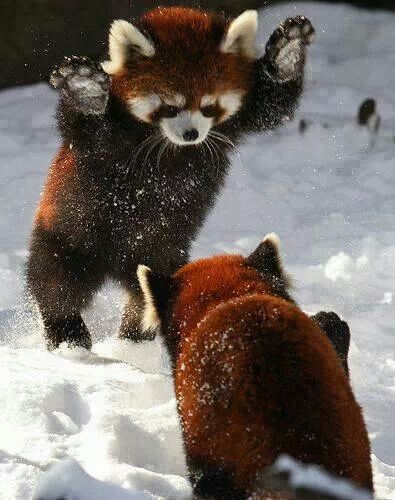
This gallery gathers animals in winter wonderland settings: pets tearing through drifts, quiet wildlife at the edge of fields, close faces dusted with crystals, and wider scenes where a small body becomes the warm point in a cold frame. Look slowly. The charm is the doorway; the weather-smart behavior is the room behind it. You do not need a passport to a polar reserve. Often the wonderland starts in a backyard, a city park path, or a farm lane after overnight snow.
Why winter makes animals photograph so well
Fresh snow is both stage and softbox. It lifts shadows under muzzles, reflects light into dark eyes, and simplifies backgrounds that would fight for attention in summer green. Overcast days are especially kind: the sky becomes a giant diffuser, and falling flakes add motion without needing a studio fog machine. Bright sun on snow can be harsher—beautiful in sparkle, tricky in exposure—so many of the gentlest portraits arrive on gray mornings when the ground still holds yesterday’s storm.
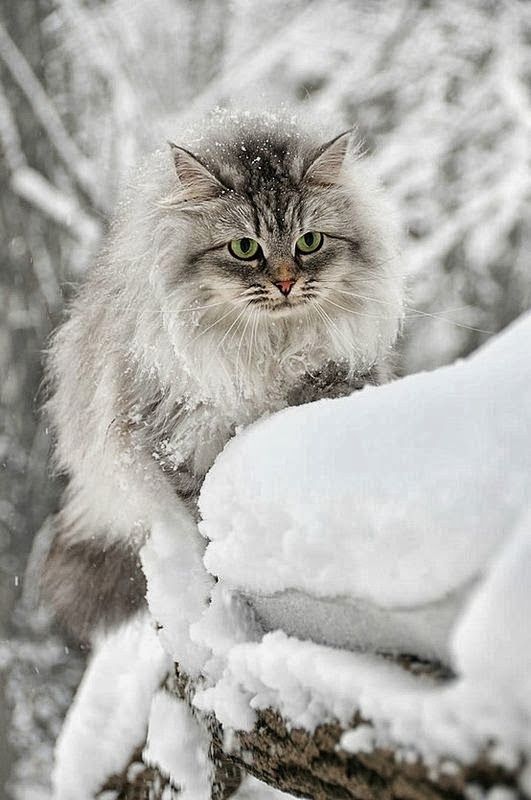
Winter also changes posture and pace. Dogs lift paws high through crust. Birds fluff into spheres. Foxes and cats tuck extremities. Horses steam in the cold air. Those adjustments read as personality in a still image, even when they are really thermoregulation. The “cute” photograph and the biological photograph are often the same file. Learning to see both layers makes the gallery richer than a scroll of soft hearts alone.
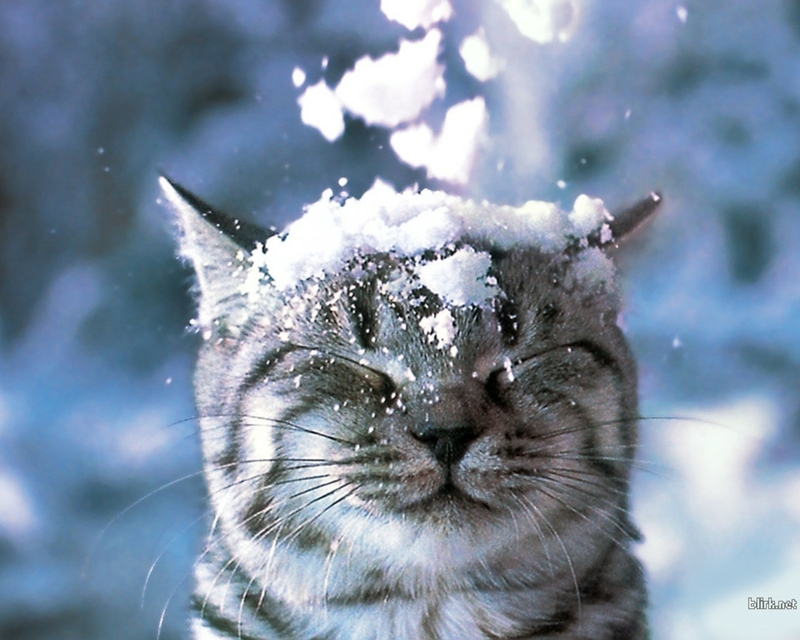
Pets who treat snow like a playground
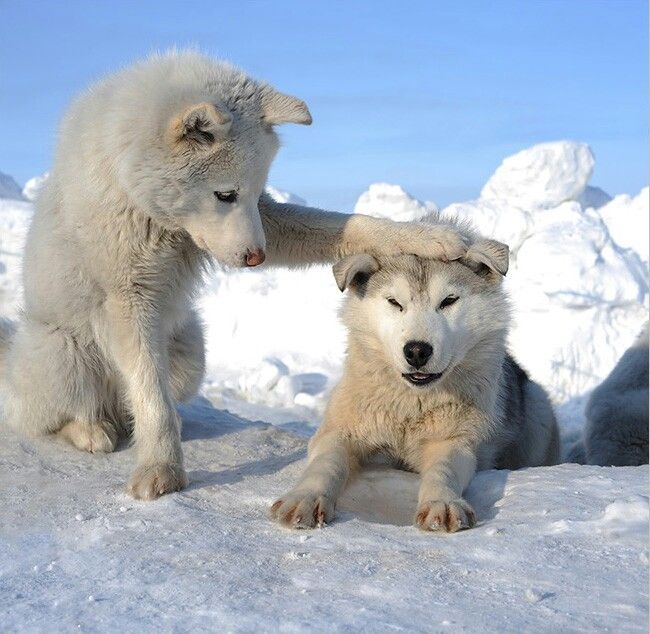
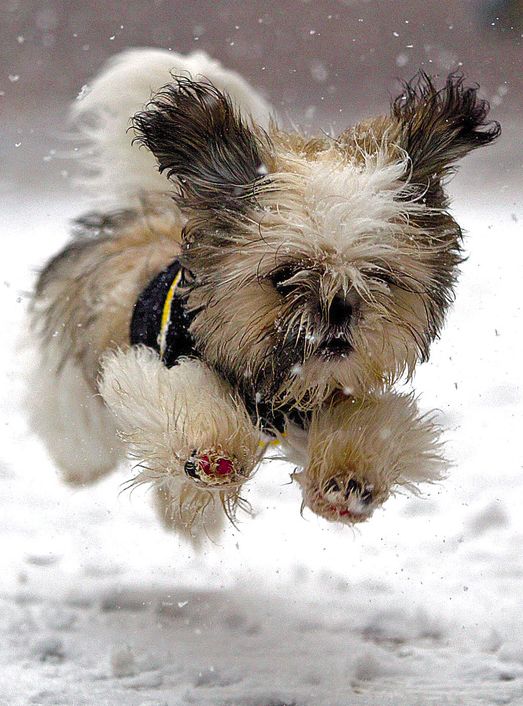
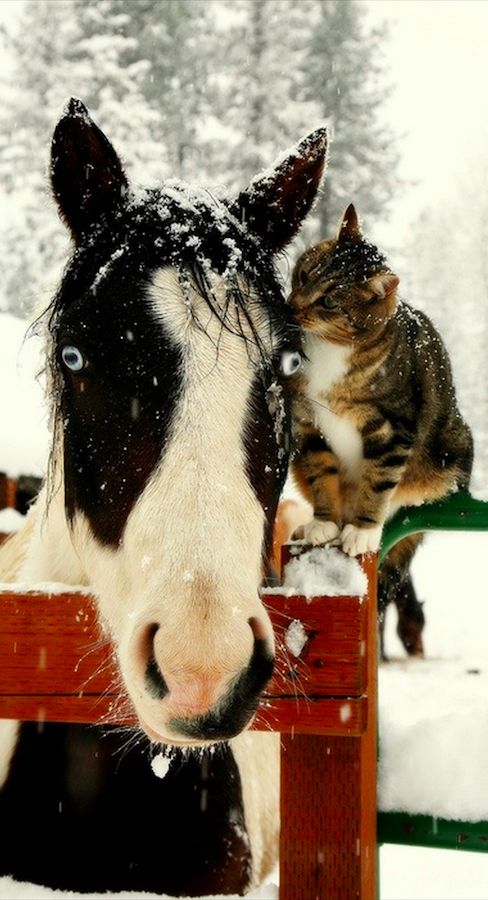
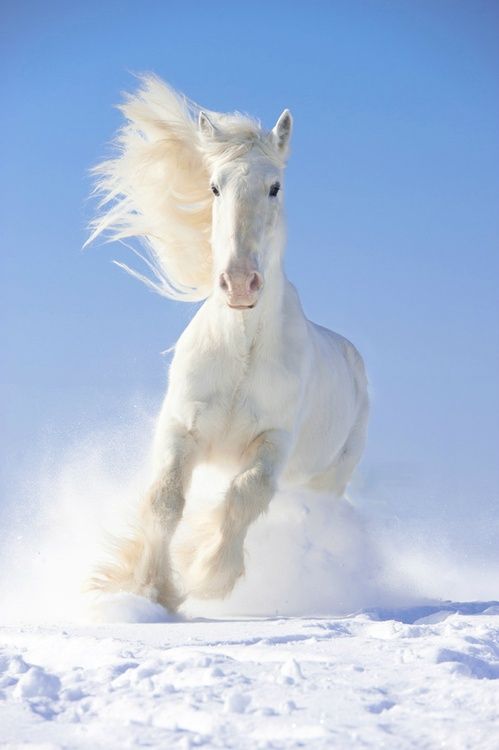
Domestic animals dominate winter albums because they live within reach of patience. A dog that loves powder will give spray, speed, and open-mouthed delight. Cats at windows become contemplative silhouettes against blue dusk. Horses look monumental against bare trees. The ethics of cuteness start with comfort: short sessions, towels waiting, paw checks for ice and road salt, coats for short-haired breeds, and never forcing a timid animal into chest-deep drifts for a shot list.
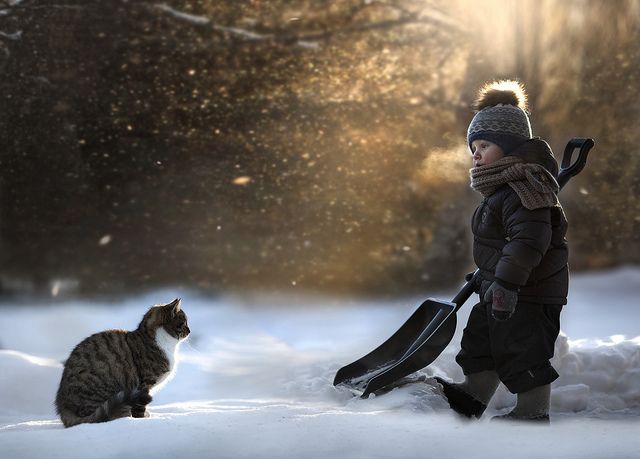
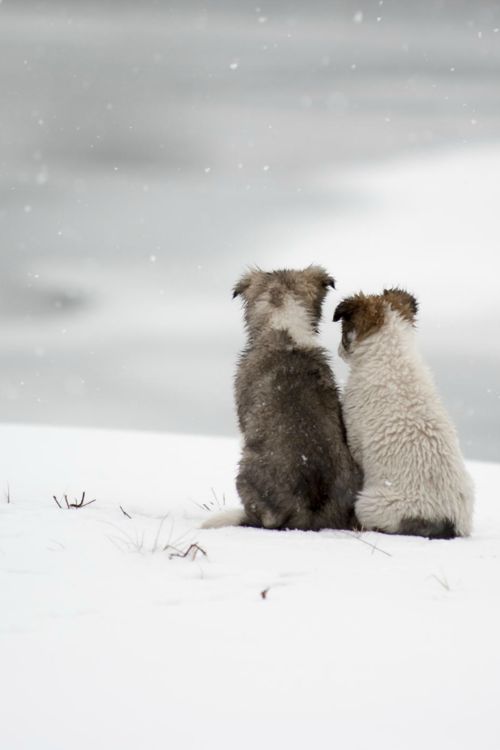
Technique helps the joy land. Get low—eye level or below—so a bounding dog feels heroic and a small pet feels present rather than dwarfed by landscape. Use bursts for action and choose the frame where ears, eyes, and snow spray align. Keep batteries and treats in inner pockets; cold kills both power and cooperation. If you work with children and animals together, as photographers such as Elena Shumilova have shown so warmly, leave negative space around the subjects so snow and soft light can do their quiet work. Other winter pet frames in this tradition—including quieter studies credited in earlier circulations to photographers such as Rob Di Caterino—remind us that stillness can be as expressive as a leap.
Wildlife that refuses to vanish
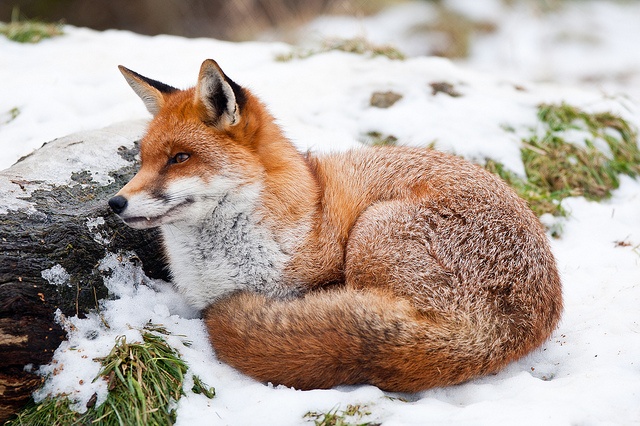
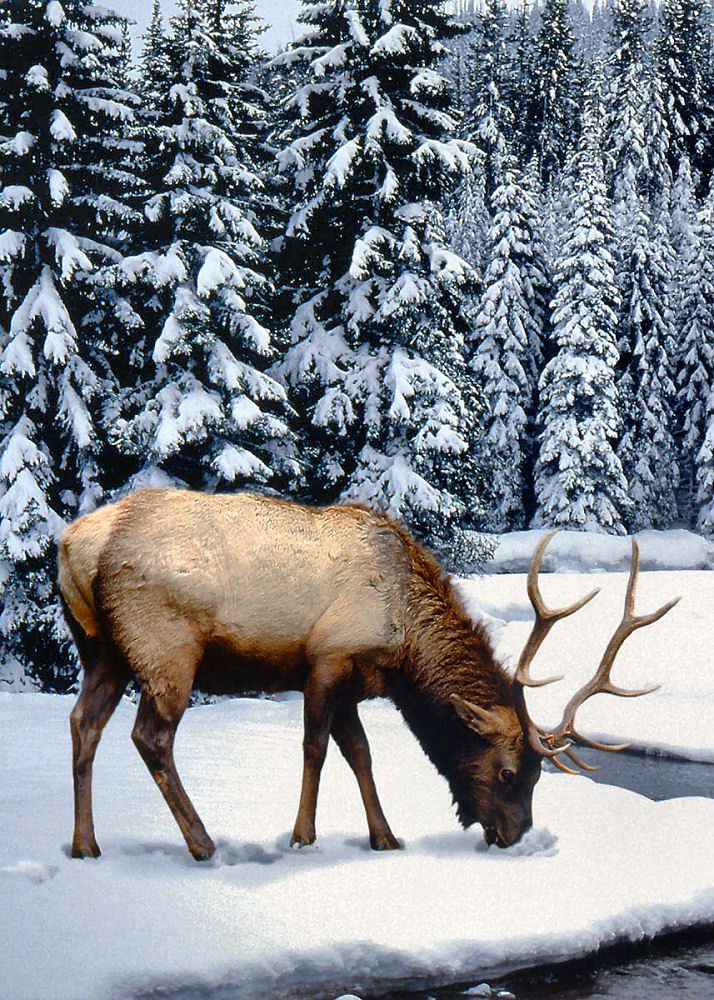
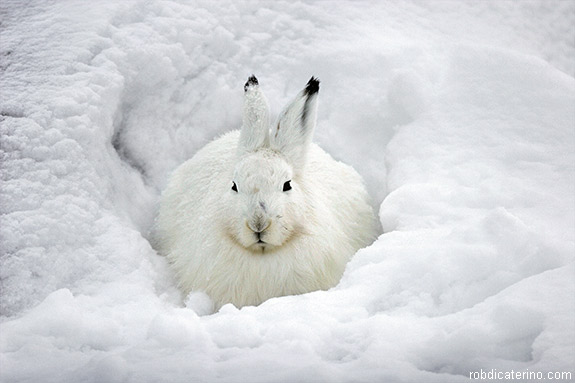
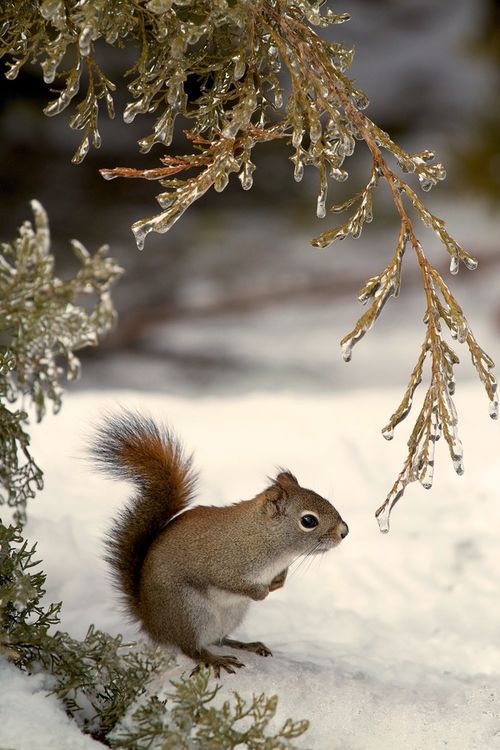
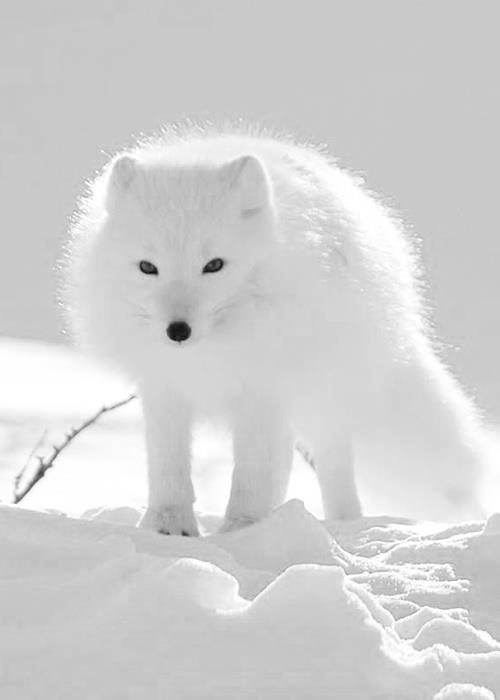
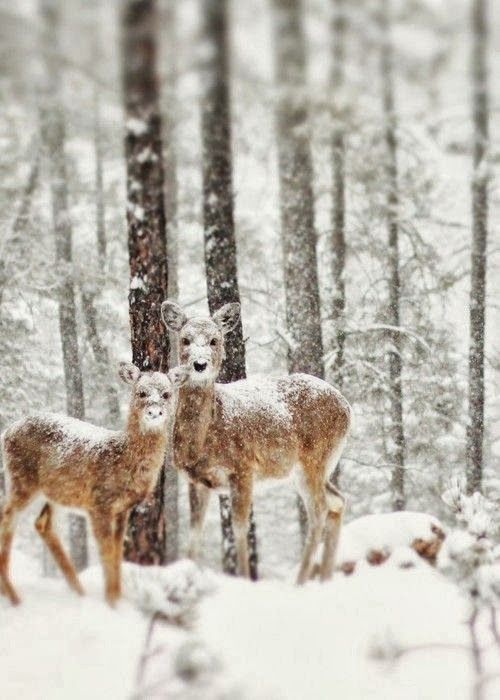
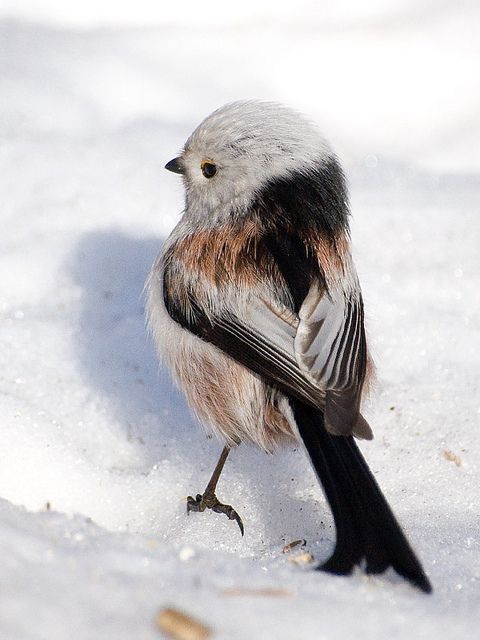
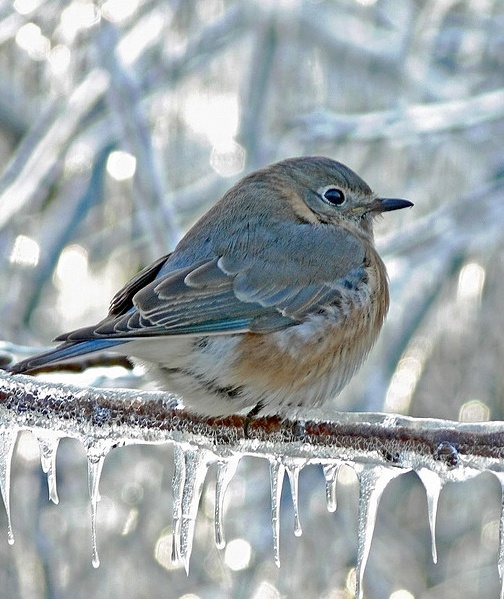
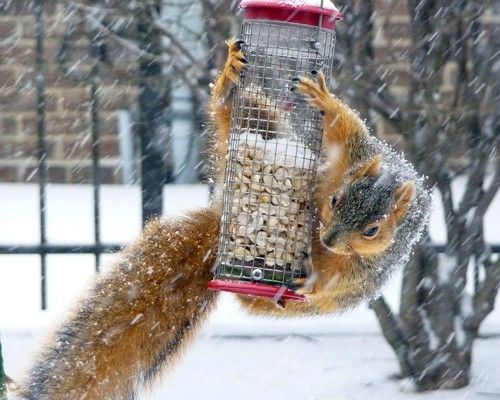
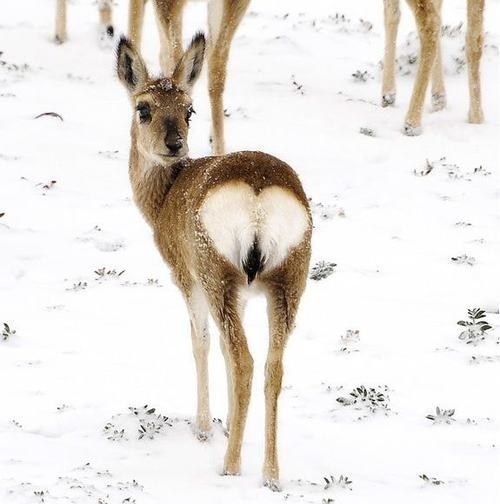
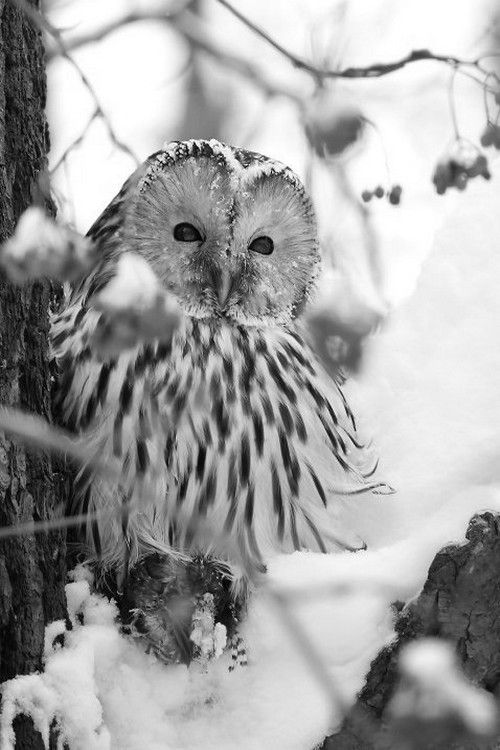
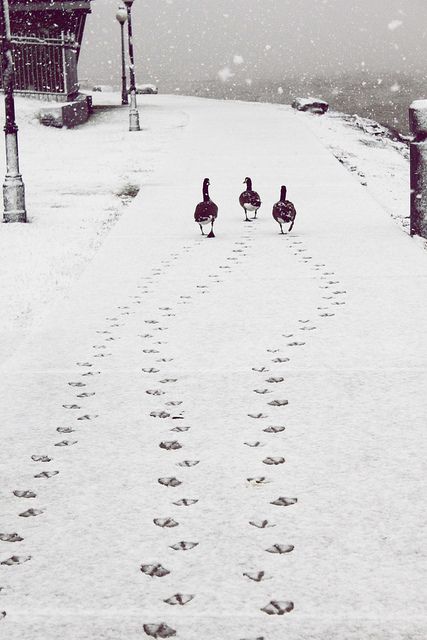
Deer, foxes, hares, owls, and hardy songbirds remain visible through winter in many regions. Tracks are overnight diaries. Browse lines on shrubs show where hungry mouths reached. A cardinal against bare branches is a drama of color summer foliage would hide. Empty-looking woods are rarely empty; they are simply speaking in a quieter alphabet.
Photograph wildlife with distance and restraint. Long lenses beat approaches that stress animals burning scarce energy. Avoid baiting that endangers or habituates. Stay on durable paths when you can; post-holing through deep snow off-trail costs habitat and heat. Expose so snow keeps texture instead of blowing to blank paper while the animal collapses into unintended silhouette. The goal is a record of coexistence, not a trophy of proximity. Early and late light still matter in winter—just compressed into shorter windows—so plan for blue hour and the pale gold of a low sun rather than a long summer afternoon.
Close fur, frost beads, and quiet faces
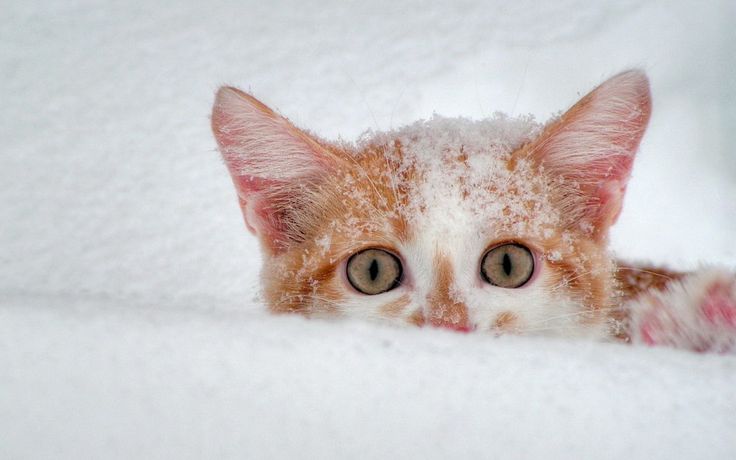
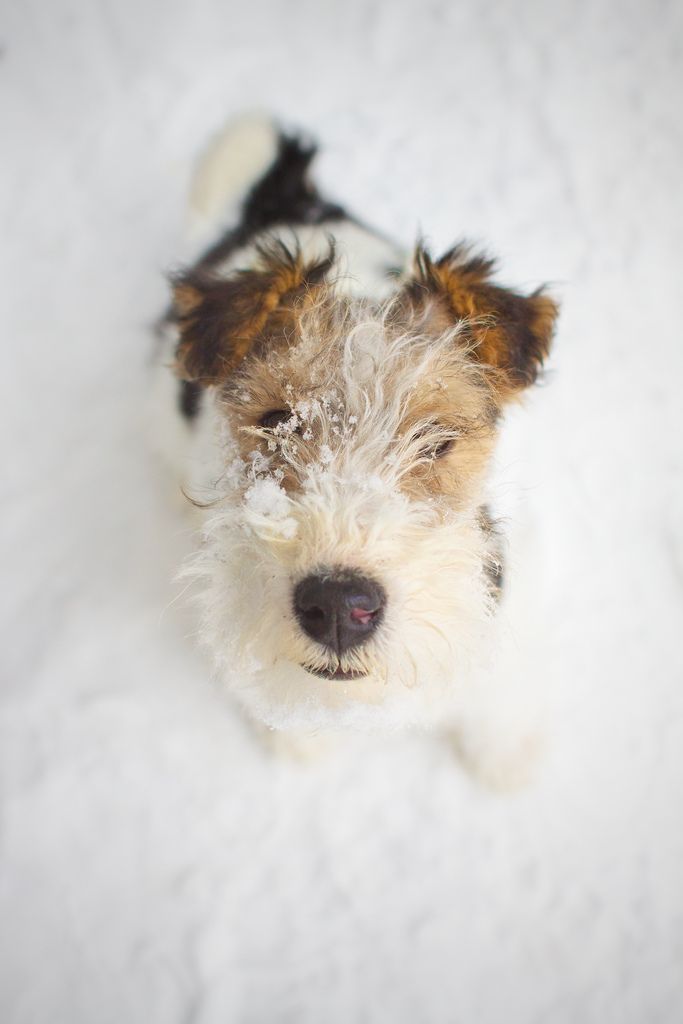
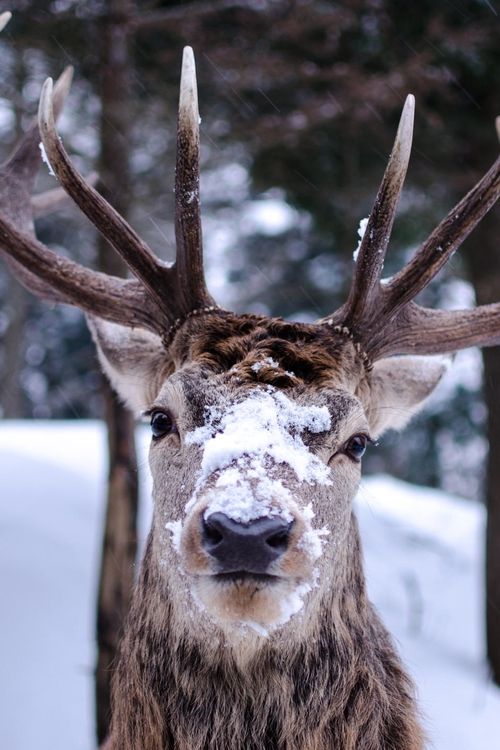
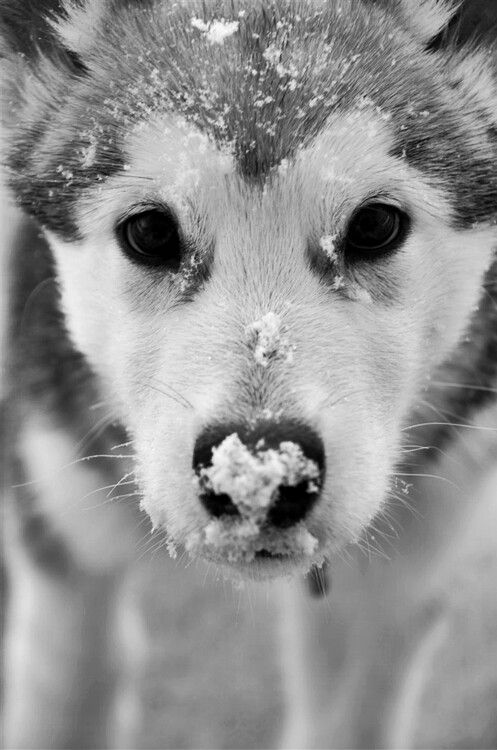
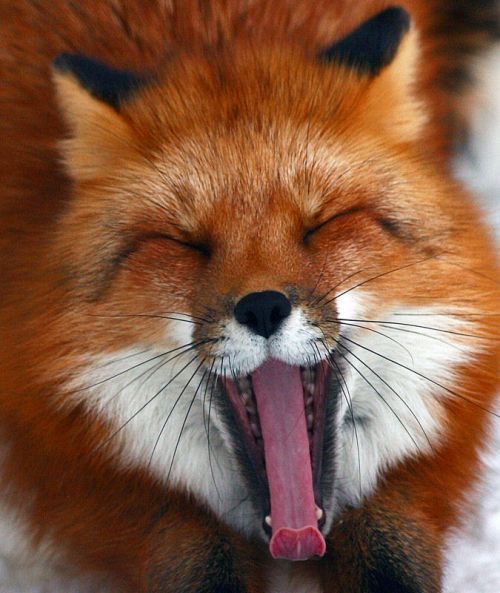
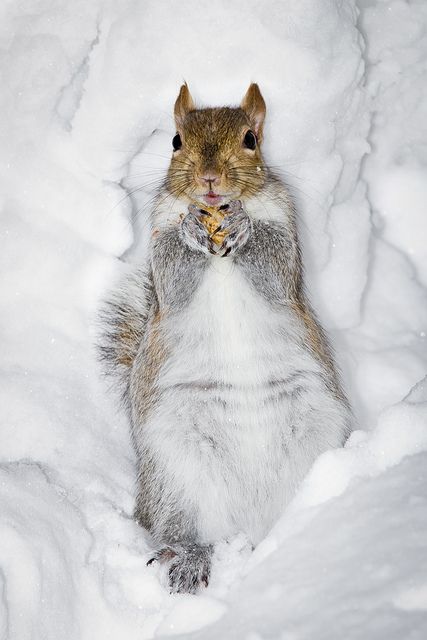
Some of the most lasting winter frames are intimate: whiskers beaded with melt, a nose powdered white, eyelashes holding crystals. Short telephotos and careful focus turn weather into jewelry. Place sharpness on the nearest eye and let the far side of the face fall soft. Side light after a storm can rim fur with silver without the hard specular hits of high noon.
Patience outranks equipment here. Animals settle when you stop performing. Sit. Wait. Let curiosity replace chase. The adorable second is often a blink of trust—a head tilt, a lean into a hand, a bird that does not flush. Those moments are also reasons to lower the camera sometimes and simply share the cold with another living body. Not every wonderland needs to become a file. The ones you do keep, though, often become the photographs people return to in March, when mud replaces magic and memory needs a white reminder.
Play, rest, and the real work of staying warm
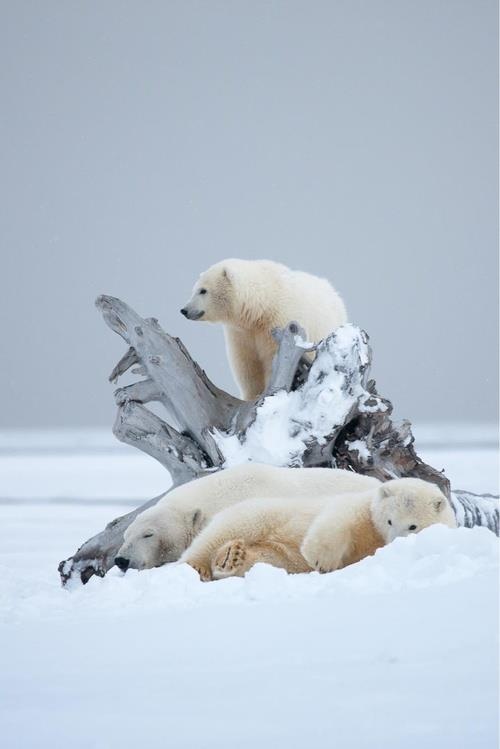
Winter animal life is not only poses. It is energy management. Snow play looks like pure joy—and joy is real—but it also builds muscle and spends calories that must be replaced. Resting in a thin sun patch on a frigid afternoon is strategy. Fluffed feathers trap air. Tight sleeping curls protect extremities. When a photograph shows those details, charm gains honesty.
For caregivers, winter love is practical: unfrozen water, calories matched to outdoor time, booties when salt burns pads, dry beds after wet adventures. For wildlife neighbors, support can be quieter than a camera click—keeping free-roaming cats indoors where birds need every calorie, offering thoughtful shelter and seed, protecting green corridors that still function under snow. Adoration that never turn into stewardship stay thin. The gallery’s softest faces deserve a world that remains livable when the temperature drops.
What these images leave behind
Adorable animals in winter succeed as pictures because they reconcile opposites: harsh season and soft subject, white void and vivid life, the stillness of cold and the motion of play. They also reconnect people to weather as something shared. A phone full of interchangeable summer snaps can blur together. One frame of breath rising from a dog’s mouth on a blue morning can mark a whole year in memory.
If this gallery sends you outside, go prepared and kind. Pack layers, watch footing, and leave wild animals more space than your zoom wants. If the images keep you indoors with tea and a window view, that counts too—wonderland can be visited without footprints. Either way, the creatures that do not sleep through winter are still out there, stitching tracks across the quiet months. Cold is not emptiness. It is another season of living, and these faces are proof you can return to whenever the next storm starts to fall.

Comments
Continue reading

Winter Wedding Bouquets: Berries, Evergreens, and Cold-Season Texture
Inspiration for bridal bouquets that embrace winter—evergreens, berries, dried elements, feathers, and practical tips for cold venues and coats.

Kate Moss for Mango Winter ’12 by Inez & Vinoodh
Kate Moss fronts Mango’s Winter 2012 campaign in London studio images by Inez van Lamsweerde and Vinoodh Matadin—knits to sequins, high-street cool as seasonal retail theater.

Winter Work Outfits That Stay Warm and Sharp
Layer blazers, knits, skirts, boots, and scarves for cold commutes and polished desks—practical winter office chic without the morning puzzle.