
Why Local Quality Window Suppliers Matter
A practical window-buying guide: performance criteria, when a local fabricator helps, energy questions, and install details that decide comfort.
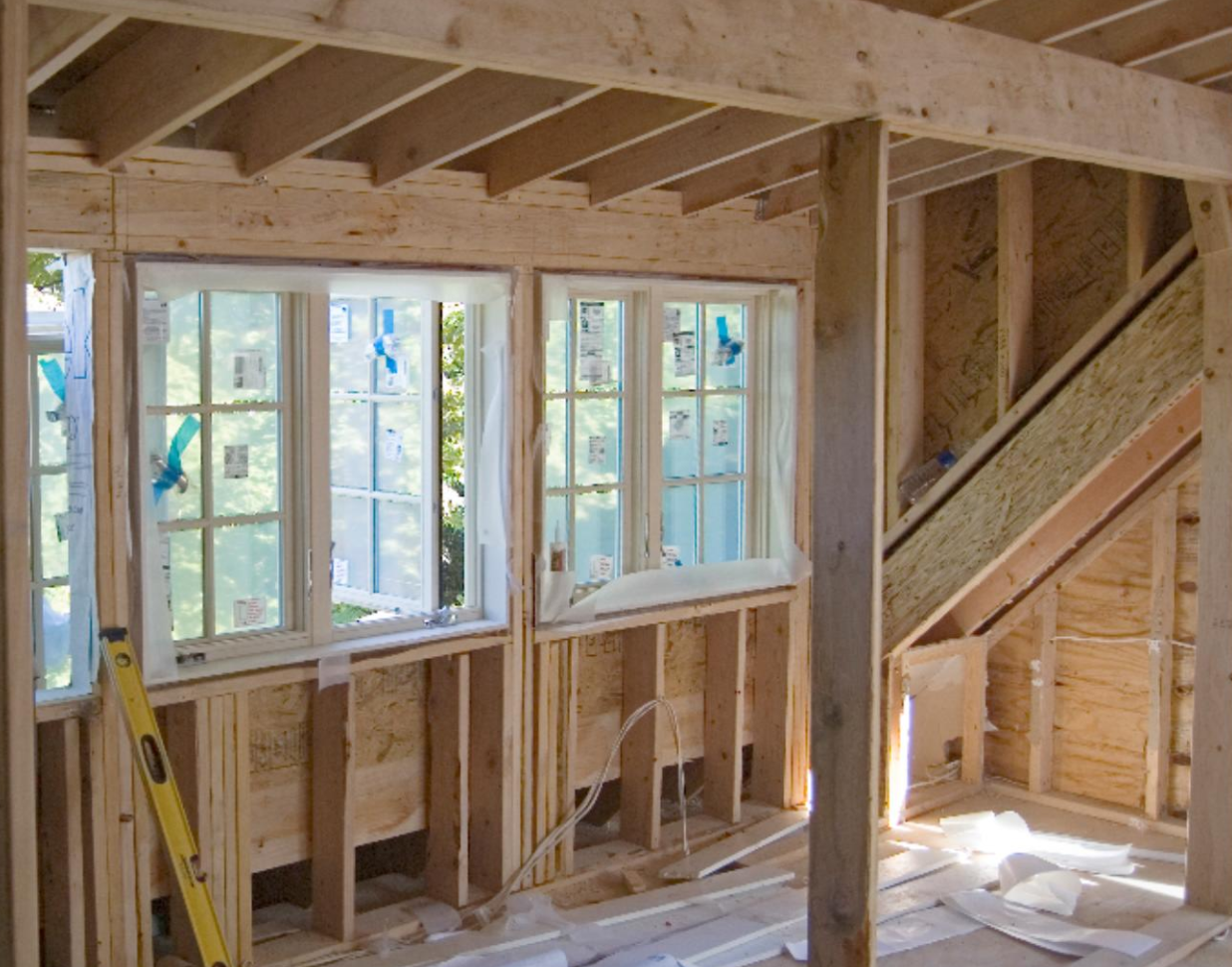
Windows are one of the few home upgrades that change comfort, energy bills, street appearance, and daily light all at once. Whether you are renovating a single house or specifying products for a larger project, the supplier decision matters as much as the catalog photo. Local fabricators and careful regional suppliers often earn their place—not because “local” is a magic word, but because windows fail or succeed at the details: measurement, install quality, glass packages, service after the truck leaves, and honest answers about what your climate actually needs.
This guide keeps the useful idea behind searching for a quality local window supplier and drops the hard-sell. No invented storefronts, no fake regional endorsements—just practical criteria you can use anywhere, including mid-sized cities and surrounding markets where climate swings, older housing stock, and contractor timelines are part of the job.
What “quality” means in a window
A good window is a system: frame, sash, glass unit, weatherstripping, hardware, and installation. Marketing often highlights one feature—Low-E coating, a pretty grille, a lifetime warranty slogan—while quiet failures happen at the joints between those parts.
Look for clear documentation on:
- Thermal performance (U-factor, SHGC, and visible transmittance explained in plain language)
- Air leakage ratings and how the unit is tested
- Water management details for your climate and wall type
- Glass package options (double or triple pane, gas fill, Low-E type, spacer quality)
- Frame material trade-offs (vinyl, wood, aluminum, fiberglass, clad combinations)
- Hardware durability for the operable style you actually use daily
Energy Star labels and similar certifications can help compare products, but they are a starting filter, not a substitute for install quality. A high-performing unit poorly flashed into a wet wall will still disappoint.
When a local fabricator or regional supplier helps
National big-box SKUs can be fine for straightforward replacements. Local or regional manufacturing and supply become more valuable when you need:
- Non-standard sizes for older homes with odd openings
- Custom grille patterns, shapes, or matching historic sightlines
- Faster clarification when field measurements reveal surprises
- Showroom access so owners can touch locks, see frame corners, and compare glass clarity in person
- Service proximity for warranty callbacks, glass replacement, or hardware issues
- Coordination with local installers who already know common wall assemblies in your area
Proximity also reduces some logistics friction. Shorter delivery chains can mean fewer damaged units and easier reschedules when weather or framing delays hit. Environmental claims vary by company; if sustainability matters to you, ask specific questions—material sourcing, scrap recycling, packaging, and transport—rather than accepting vague “green” language.
Local does not automatically mean better. A nearby shop with weak QC is still a weak shop. Use “local” as a convenience and accountability advantage only after product and install standards clear a high bar.
Frame materials without the brochure fog
Different materials solve different problems:
- Vinyl: often cost-effective and low maintenance; quality varies widely by extrusion, reinforcement, and weld integrity.
- Wood / clad wood: strong aesthetic and insulation potential; needs honest talk about exterior maintenance and cladding durability.
- Aluminum: slim profiles and strength; thermal breaks matter enormously in cold or hot climates.
- Fiberglass: dimensional stability and strength; check availability, cost, and local installer familiarity.
Match material to exposure and owner habits. A lakeside wind load, a dark south elevation that bakes in summer, or a rental property that will not receive careful upkeep should change the shortlist. Beautiful catalog photos do not survive mismatched use cases.
Operable styles and real-life use
Common residential options include casements, awnings, sliders, and single- or double-hung windows. Choose based on ventilation needs, cleaning access, egress rules, and furniture layout—not only curb appeal.
- Casements often seal tightly and catch breezes when cranked open.
- Awnings can allow ventilation in light rain when designed and installed well.
- Sliders save interior swing space; check roller quality and lock security.
- Hung windows remain familiar for many housing types; balance mechanisms and tilt-clean features deserve a hands-on test.
Ask who services the hardware in five years. Fancy operators that nobody nearby can repair become expensive ornaments.
Energy and comfort questions worth asking
Before you buy, put these questions on paper and require specific answers:
- What U-factor and SHGC are you recommending for each elevation of this house, and why?
- How does the glass package handle winter heat loss and summer heat gain in this climate?
- What air-leakage performance should we expect, and how is the install sealed at the rough opening?
- Will Low-E coatings and spacers reduce UV fade risk for floors and furnishings—and what are the limits of that claim?
- Are we choosing double or triple pane for comfort, condensation control, or code/incentive reasons?
- What condensation risk exists on interior glass in high-humidity rooms, and how do we reduce it?
- Which performance numbers are NFRC-rated whole-unit values versus center-of-glass marketing figures?
Energy-efficient windows can meaningfully cut heating and cooling loads when they replace truly poor units and when the rest of the envelope is not leaking like a sieve. Exact percentage savings depend on the house, fuel prices, and occupant behavior. Treat single “save X%” claims as illustrations, not guarantees.
Installation is half the product
Many “bad window” complaints are bad installs: insufficient shimming, crushed frames, missing pan flashing, wrong sealant choices, or insulation stuffed so tightly that sashes bind. Insist on a written install scope:
- Who measures, who orders, who installs, who waterproofs
- Flashing method for your cladding type
- Interior and exterior finish responsibilities
- How drainage is maintained at sills
- What happens if a unit arrives damaged
- Warranty splits between manufacturer and installer
If a quote is dramatically cheaper, ask what was removed from that scope. Labor and waterproofing are easy places for low bids to hide future water problems.
A buyer’s shortlist checklist
- Compare at least two product lines with published performance data, not only showroom samples.
- Visit a showroom or completed job when possible; operate locks and sashes yourself.
- Verify lead times against your construction or renovation schedule.
- Read warranty language for glass seal failure, labor coverage, and transferability.
- Ask for references from similar house ages and similar exposures.
- Confirm after-sales parts availability for screens, balances, and operators.
- Align window choices with roofing, siding, and HVAC plans so moisture and comfort strategies match.
For builders and renovators
Clients increasingly expect comfort and lower operating costs, not only a fresh exterior look. Replacement windows remain a common renovation request as older units lose seal integrity and drafts climb. A reliable supplier relationship helps when you need consistent sizing, predictable lead times, and fewer callbacks that burn reputation.
Still, specify for the house, not for habit. A subdivision of identical new builds and a century home with wavy openings are different problems. Good local partners are the ones who tell you when a stock unit is enough—and when custom fabrication is the only way to do the job cleanly.
If you remember only a short list: demand real performance numbers, treat installation as part of the product, and use local or regional suppliers when customization, accountability, and service access matter more than the lowest national SKU price. Quality windows earn their keep quietly—every season the rooms stay comfortable and the walls stay dry.

Comments
Continue reading

Photo vs Illustrated Save-the-Dates: How to Choose a Format
A practical comparison of photographic and illustrated save-the-dates—when a portrait earns the stamp, when a drawing carries the date, and how to match format to venue, guests, and printing.
Escort-Card Displays That Aren’t a Table of Tiny Cards
Walls, branches, envelopes, mirrors, and numbered installations—how to stage escort cards so guests find their tables without a crowded lobby table.

Berry, Brick, and Brown Lipsticks That Still Read as Color
A guide to berry, brick, and brown lipsticks—undertones, finishes, and light—when classic fire-engine red is not the shade you want to wear.