
Cinemagraph Gallery: Living Photographs from 2013
A stand-alone collection of cinemagraph GIFs from the medium’s early boom—still frames with one looping detail, including Ann Street Studio–era craft.
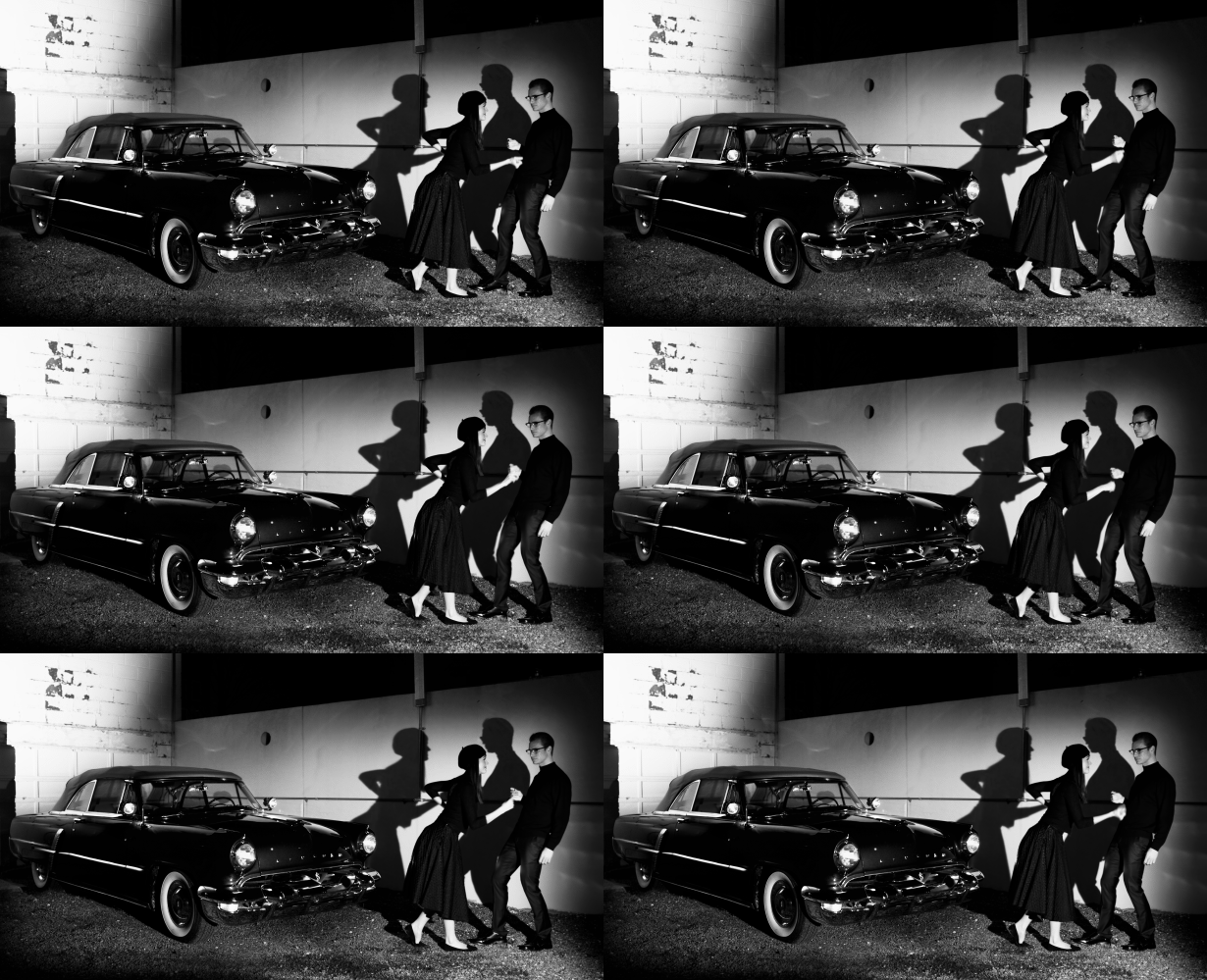
By spring 2013, cinemagraphs were no longer a niche experiment whispered about after Fashion Week. Design blogs, photography sites, and brand decks all recognized the basic trick: keep most of a photograph frozen, let one detail move, loop it cleanly, and watch people stare. This fourth gallery is a stand-alone tour of that maturing moment—living images that still feel like photographs first and animations second.
You do not need earlier installments to enjoy these frames. Each GIF works as its own miniature stage: a locked composition, a single restless ingredient, and a cycle that tries to disappear into permanence. Several pieces connect to the Ann Street Studio circle that helped define the medium, where Jamie Beck and Kevin Burg refined the living still for editorial and commercial audiences. The broader lesson of 2013, though, is that the grammar had already escaped any one studio. Photographers and motion designers everywhere were testing how little motion a still could hold and still feel alive.
Think of the form as three decisions stacked together. Decision one is photographic: light, pose, wardrobe, and framing must already be strong enough to survive as a still. Decision two is editorial: choose the one motion that deepens the image instead of competing with it. Decision three is technical: mask and loop until the join is invisible. Fail any of the three and the piece collapses into either a dull photo or a jittery clip pretending to be clever.
Early distribution favored the GIF because it required no flash player, no soundtrack, and almost no instruction. On blogs of the period, living images autoplayed inside the article flow. That frictionlessness mattered more than perfect fidelity. Artists accepted limited color depth and heavier files because the reward was universal playback. Later HTML5 video and social-native formats improved quality and file size; the aesthetic contract—still world, living detail—stayed intact.
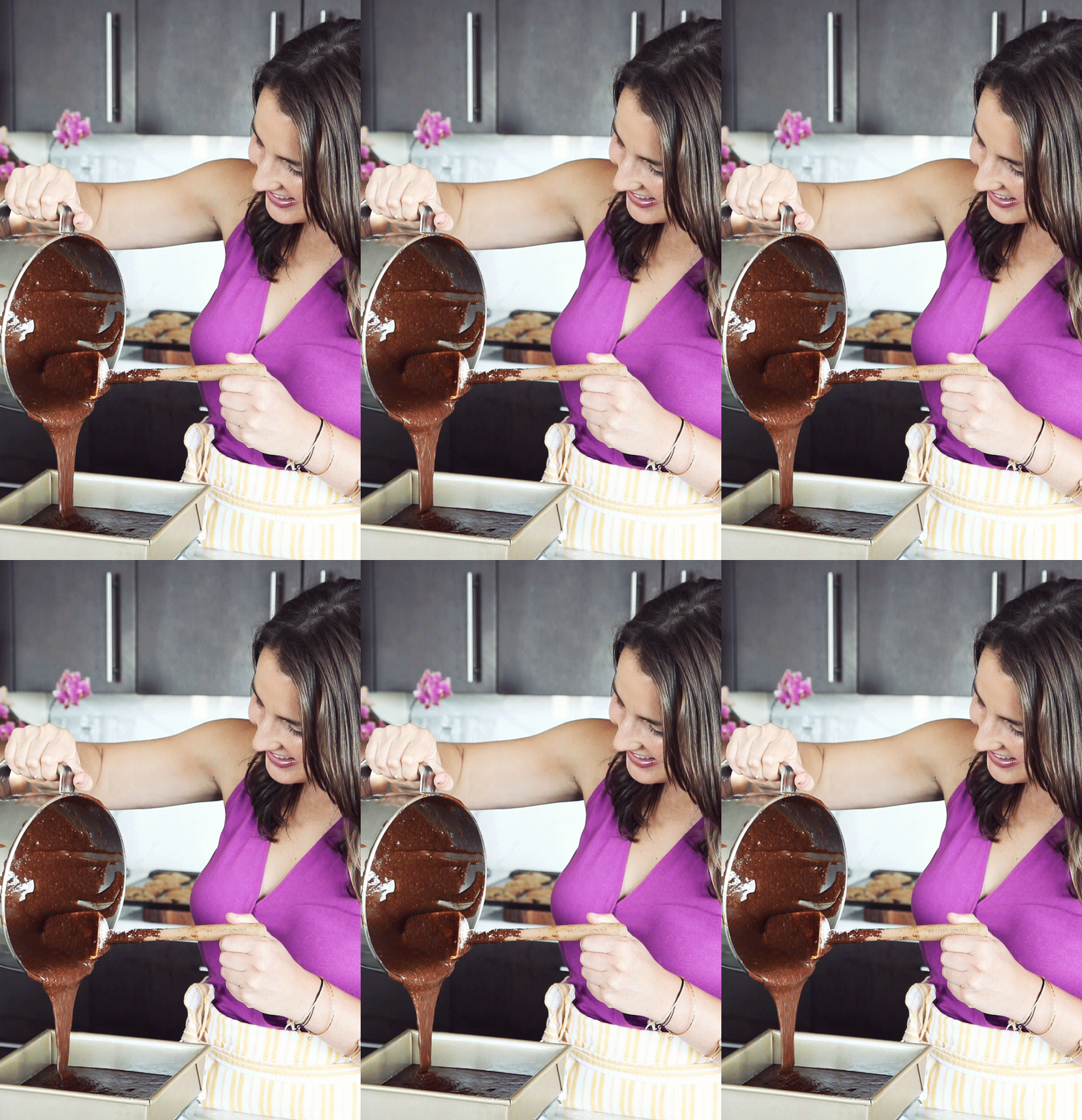
Vertical frames in this collection show how the medium adapted to portrait storytelling. A tall image already focuses attention; add a repeating gesture and the viewer’s gaze has nowhere casual to go. That intensity is why beauty and fashion subjects thrived in cinemagraph form. The face can remain iconic while air, fabric, smoke, or a prop supplies the heartbeat. Portrait orientation also rewards phone viewing, which was already reshaping how galleries were consumed by 2013.
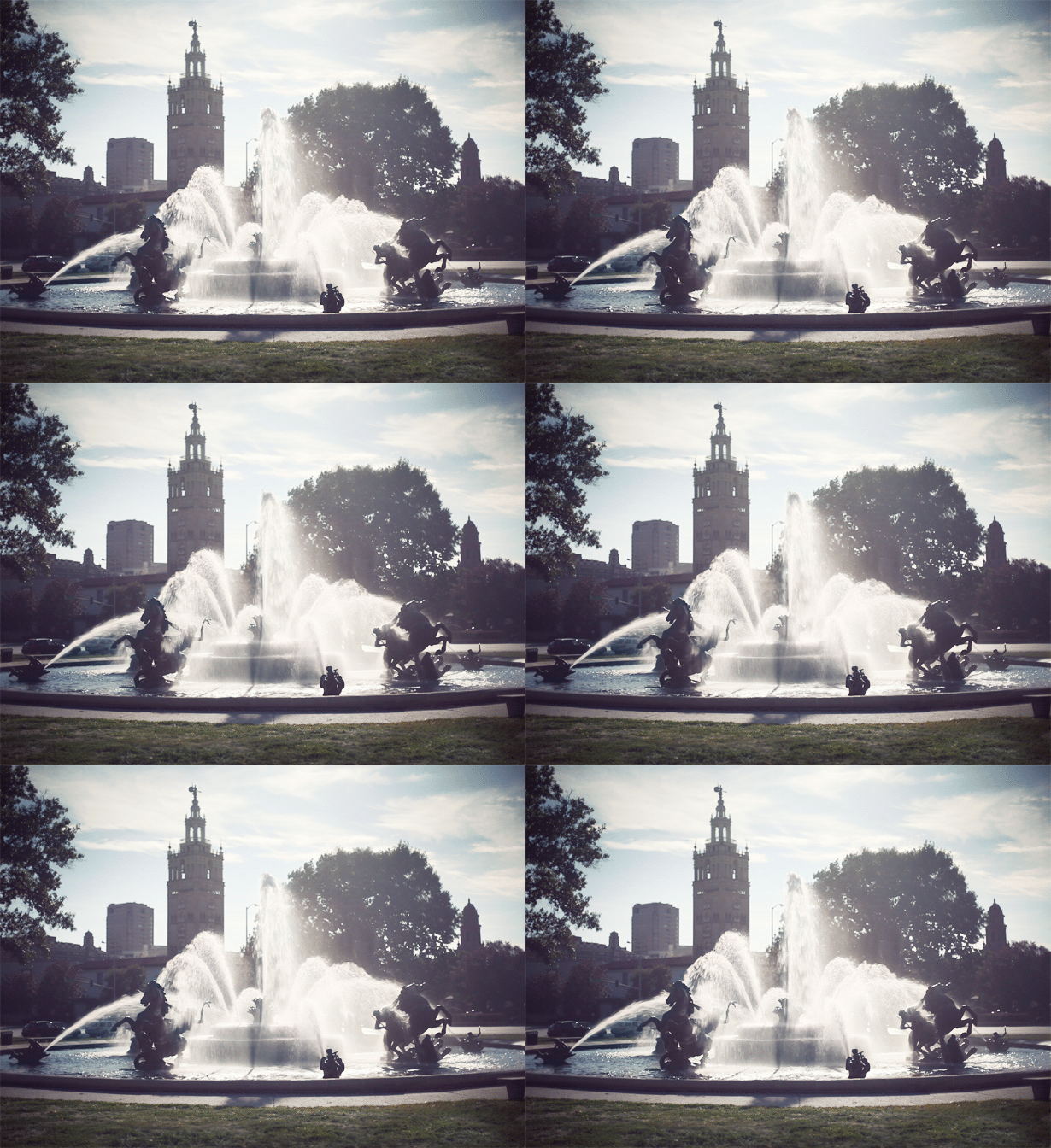
Horizontal pieces often place motion in the environment—steam, water, curtains, distant traffic, or a hand at the edge of the frame. Environmental motion sells place. Portrait motion sells presence. Knowing which you want changes where you put the mask. Many galleries from this period mixed both approaches on purpose. Comparing them is a useful exercise: notice how your eye enters a scenic loop versus a face-led loop, and how long each holds you before you scroll.
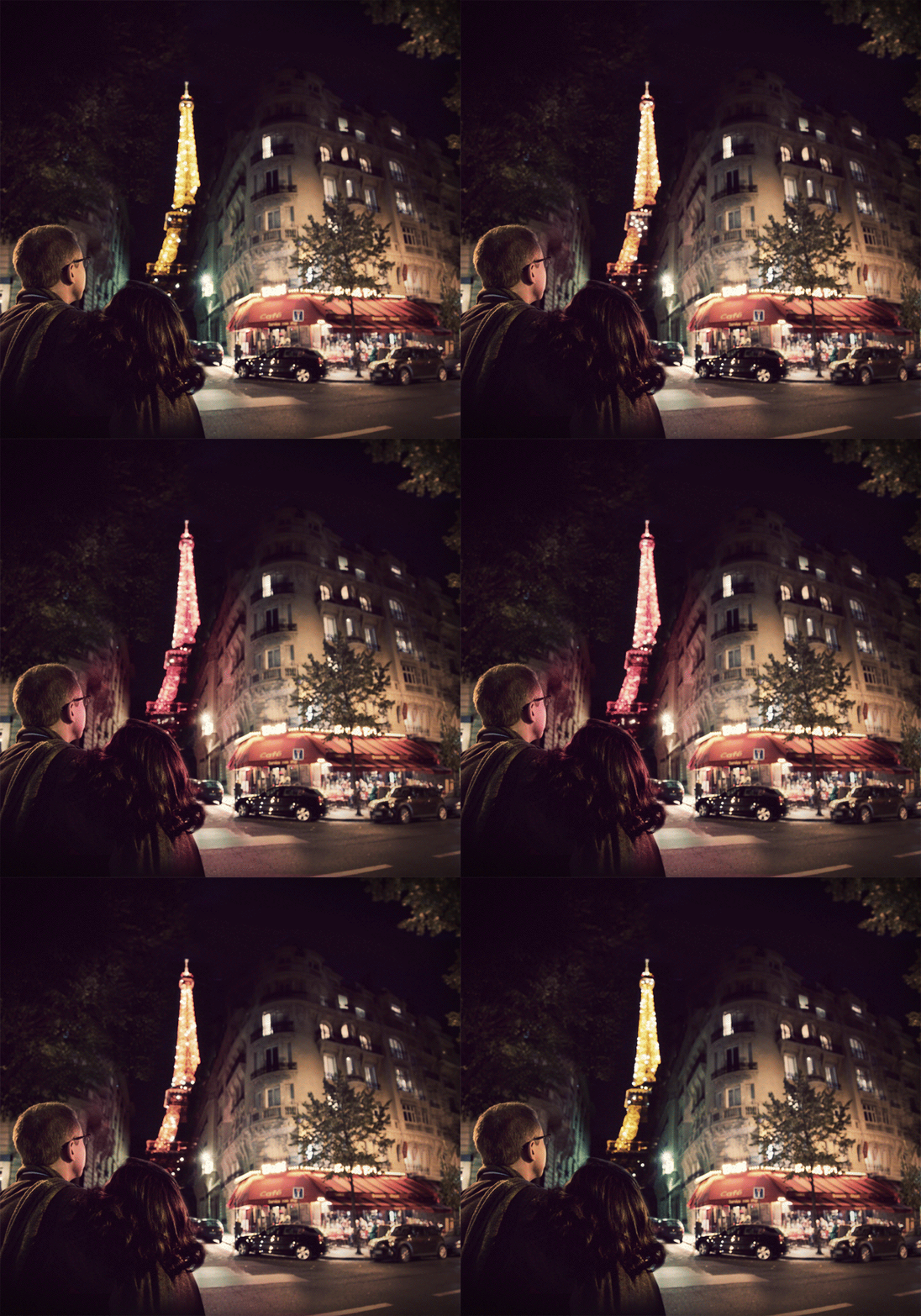
Commercial interest followed the blog boom quickly. A living image could hold attention on a landing page without demanding a thirty-second watch. Luxury, beauty, and lifestyle brands borrowed the look because it felt premium and modern at once. The risk was saturation: once every banner blinked, none of them felt special. Galleries that aged well kept motion scarce and intentional. Scarcity is part of the craft, not an accident of file size.
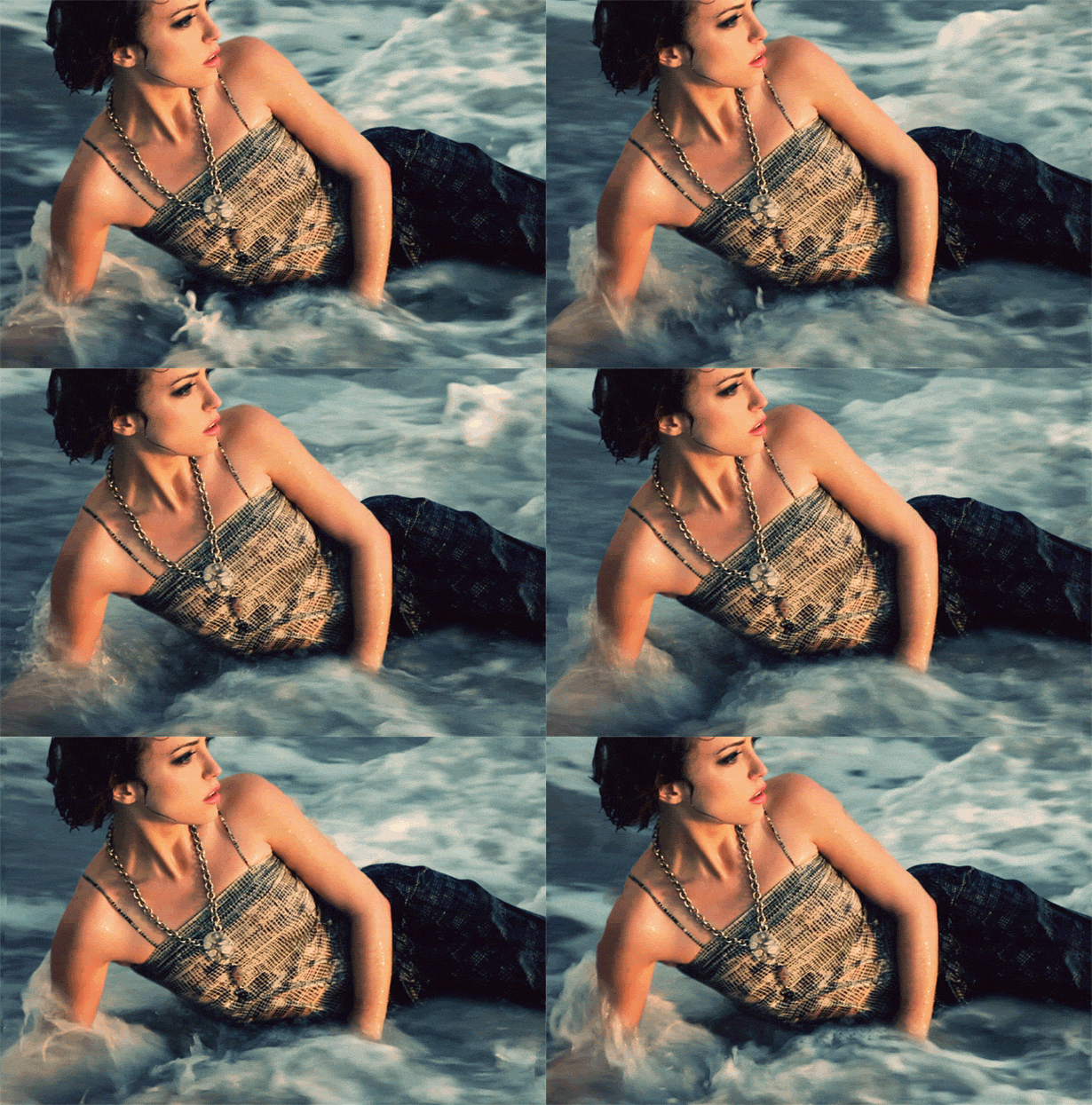
When you study these examples, try a simple scoring habit. Rate each GIF on clarity of the moving element, seamlessness of the loop, and whether the still zones remain photographically satisfying on their own. High scores on all three mark durable work. A flashy motion with a weak still is entertainment. A beautiful still with clumsy looping is unfinished technique. The medium’s best practitioners insisted on both halves of the hybrid.
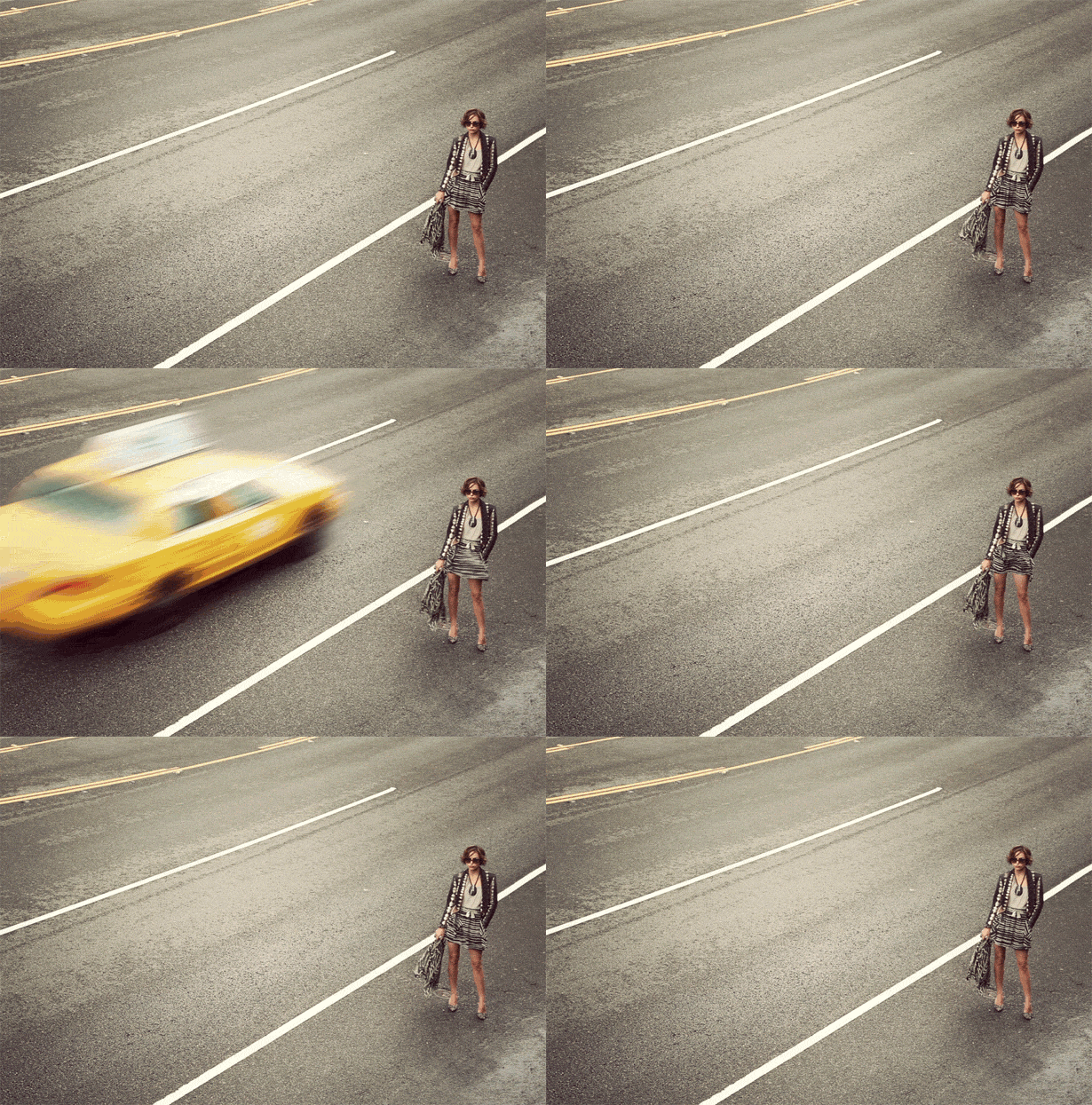
Lighting continuity is the quiet villain of bad cinemagraphs. If the moving zone flickers in brightness relative to the frozen background, the illusion breaks immediately. Stronger pieces keep exposure and color locked across the cycle. Shadows do not jump. Highlights do not pulse unless that pulse is the chosen story. Discipline in the grade protects the magic of the mask, which is why photographic control still matters more than plugin presets.
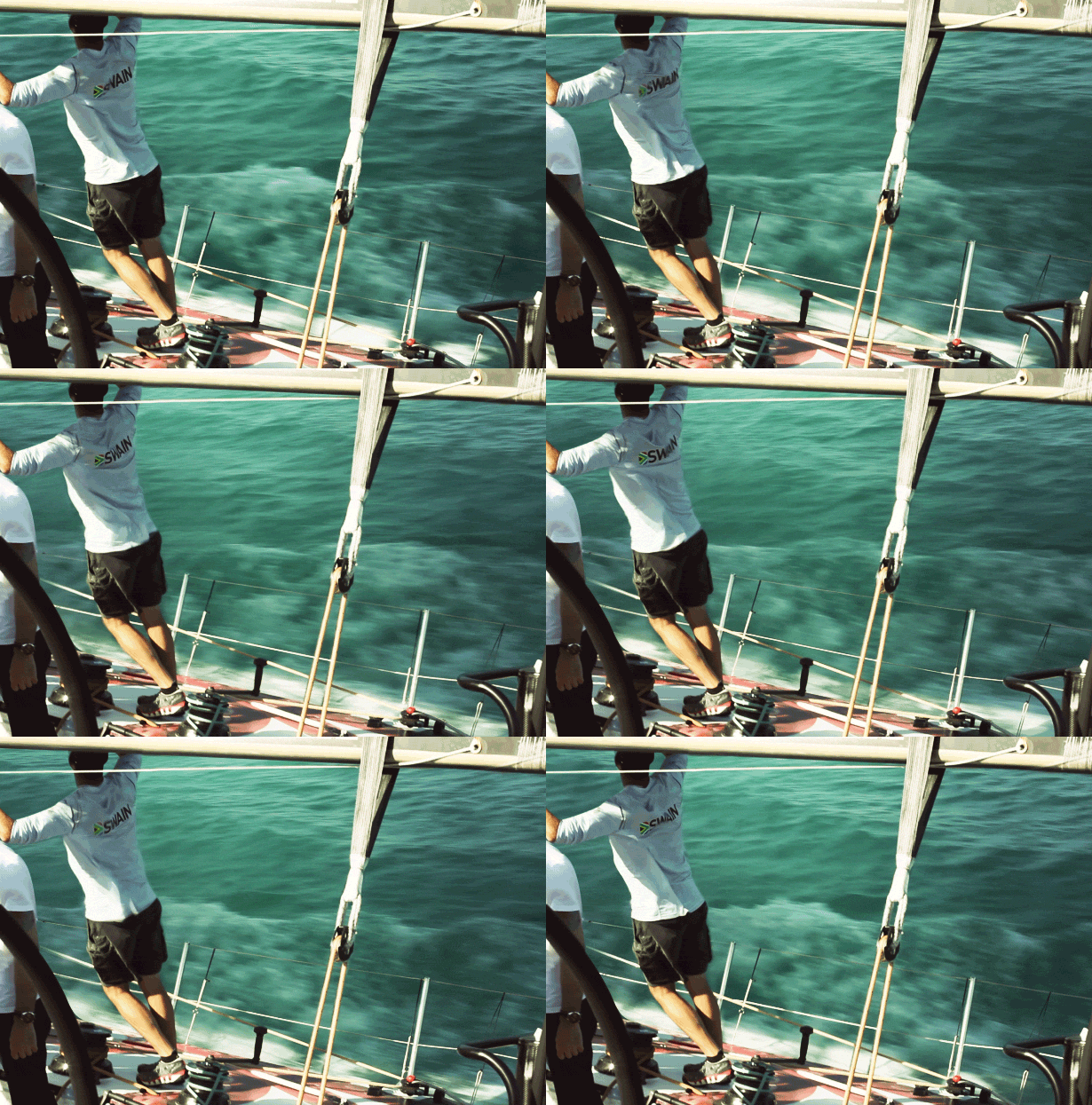
Subject matter around 2013 had widened beyond runway backstage. You begin to see lifestyle interiors, quiet portraits, and atmospheric details that could live on a photography site without a fashion caption. That expansion proved the form was a way of seeing, not a single industry’s gimmick. Any scene with one honest motion candidate—falling water, a candle, wind in trees, a turning page—can become a candidate for a living still if the camera is locked and the edit is patient.
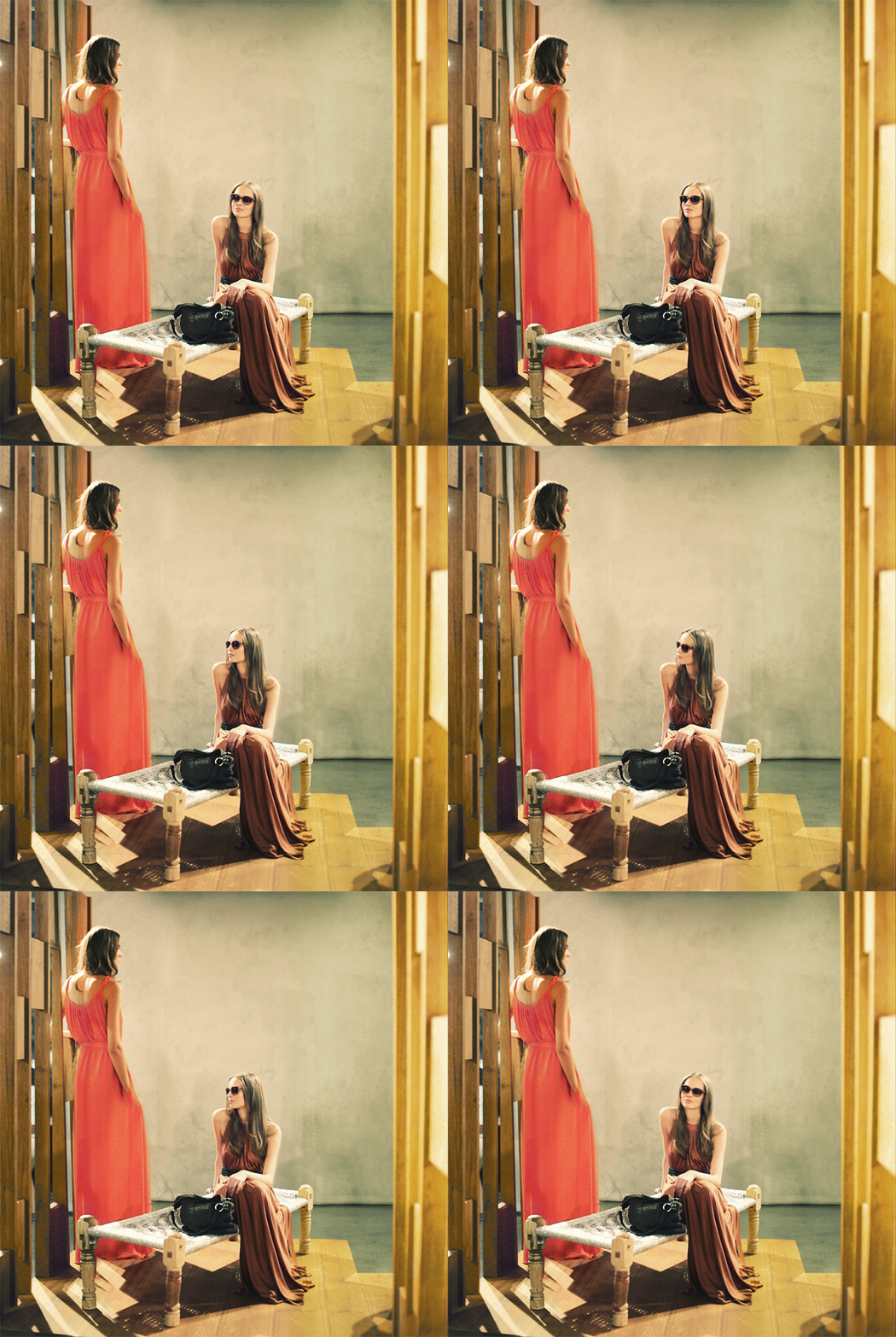
Composition rules from still photography become more important, not less, when motion is present. Leading lines, negative space, and color hierarchy must guide the eye toward the living detail without clutter. If the frame is busy, the moving zone competes with everything else and the loop feels nervous. The persuasive images here treat motion as a designated actor with a small stage. Most of the world stays quiet on purpose.
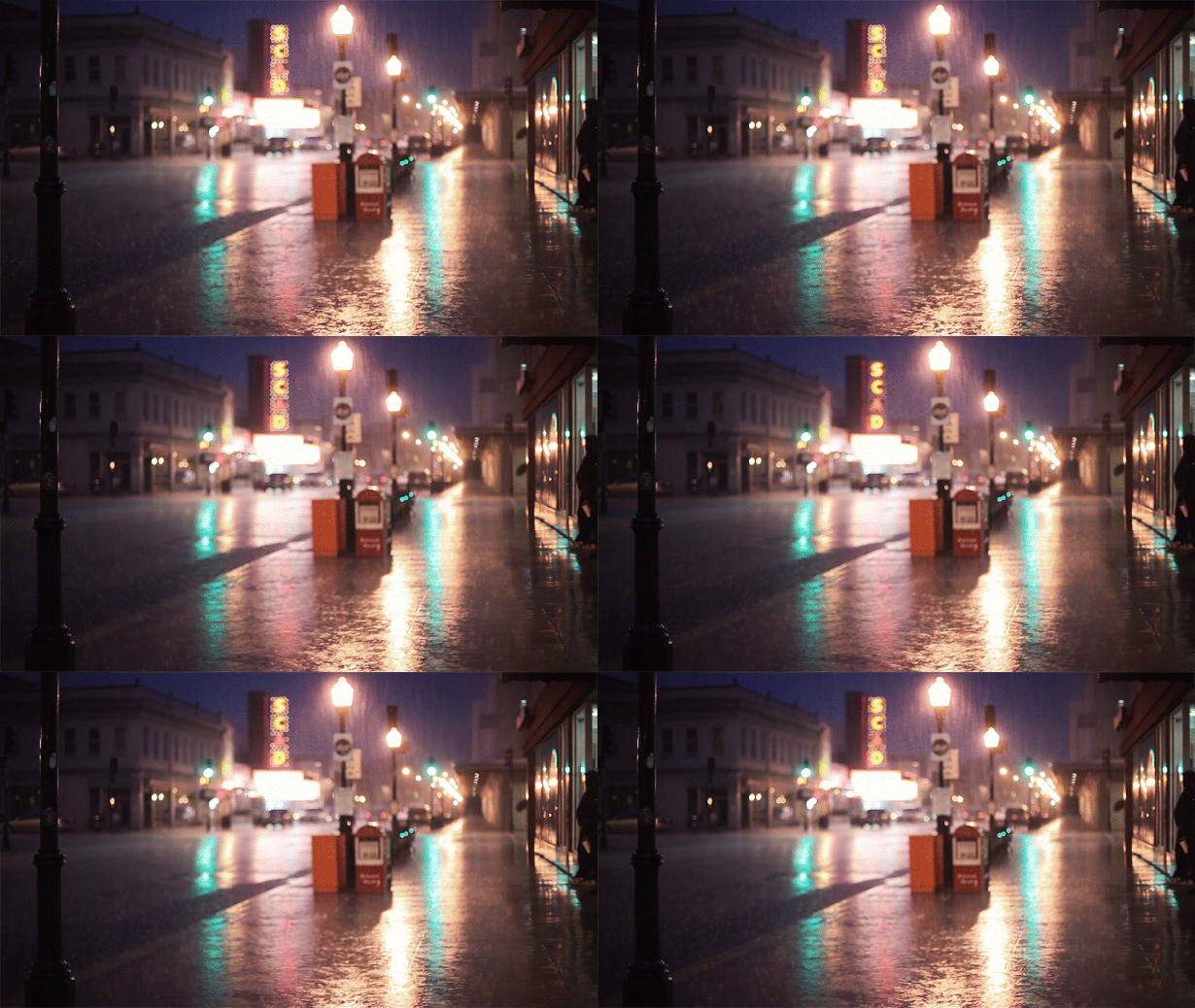
If you want to try the craft yourself, a short checklist keeps experiments honest:
- Lock the camera; unstable footage fights the still zones.
- Plan one motion before you shoot; do not hunt for it later in chaos.
- Leave calm negative space around the moving detail.
- Mask tightly and feather only as much as the edge needs.
- Loop until you cannot find the restart without scrubbing frame by frame.
- Export for the platform you actually use, then recheck the join at final size.
- Stop adding secondary motions the moment the first one is enough.
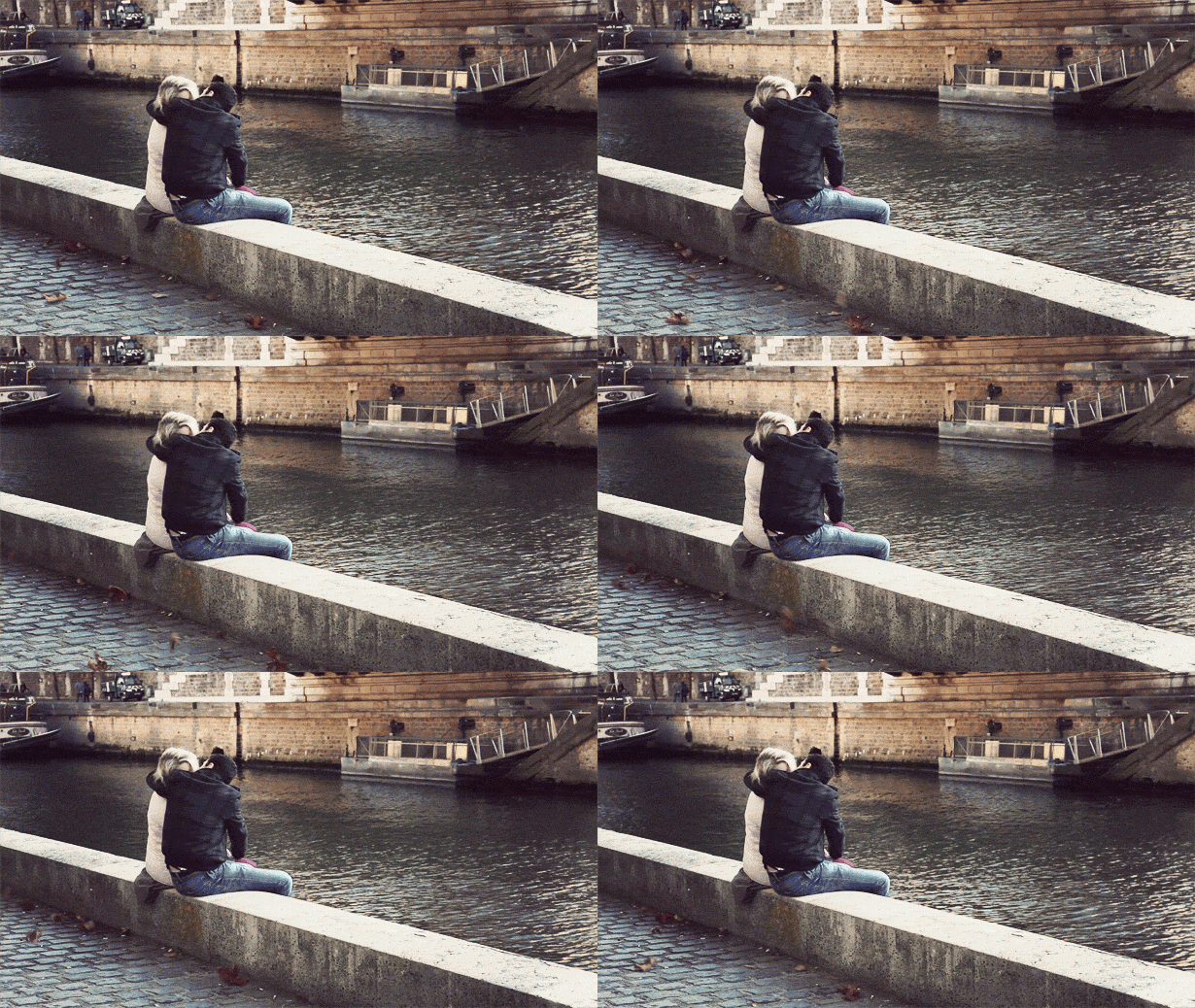
Work associated with Ann Street Studio and peers from that period remains a reference because it treated the cinemagraph as photography with a pulse, not as video with amnesia. Browse this set the same way: one image, one discovery of motion, one question about what the loop protects. If the answer is mood, time, or presence, the piece is doing the job the medium was invented to do. If the answer is only “look, it moves,” keep looking for a stronger example—the gallery has more than one chance to show the difference.

Comments
Continue reading
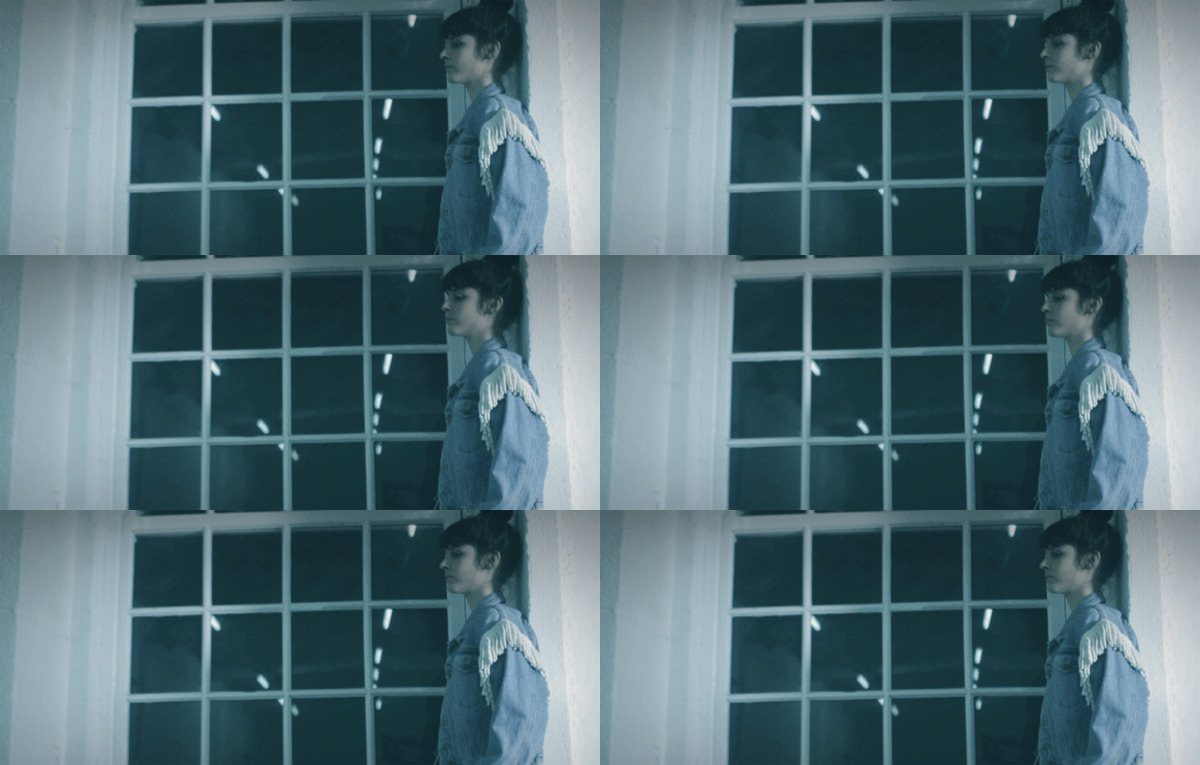
Ana Pais Eternal Moments: Soft Cinematic GIFs
Ana Pais’s Eternal Moments series—spectral fashion-adjacent cinemagraphs from the early 2010s GIF wave, with collaborators André Tentugal and Christian Unterdechler.
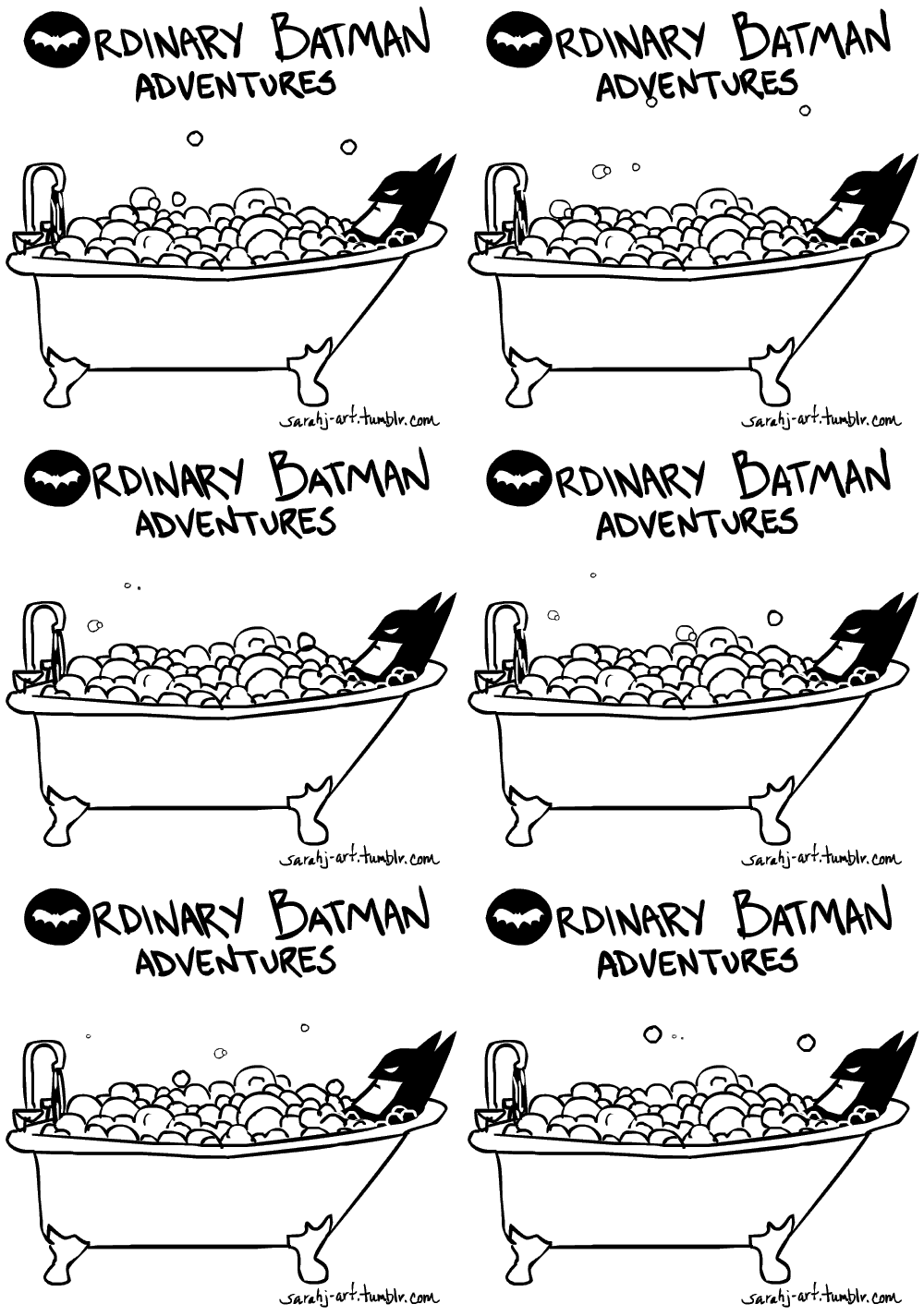
Sarah Johnson’s Ordinary Batman Adventures: The Dark Knight Off Duty
Animator Sarah Johnson’s GIF series puts Batman in cereal, chores, and quiet Gotham downtime—cape on, crime wave optional.

Still-Life Photography at Home with One Window
A table, north or side light, and a handful of objects—how to shoot still lifes in a small room without a studio, softboxes, or a prop closet.