
Still-Life Photography at Home with One Window
A table, north or side light, and a handful of objects—how to shoot still lifes in a small room without a studio, softboxes, or a prop closet.
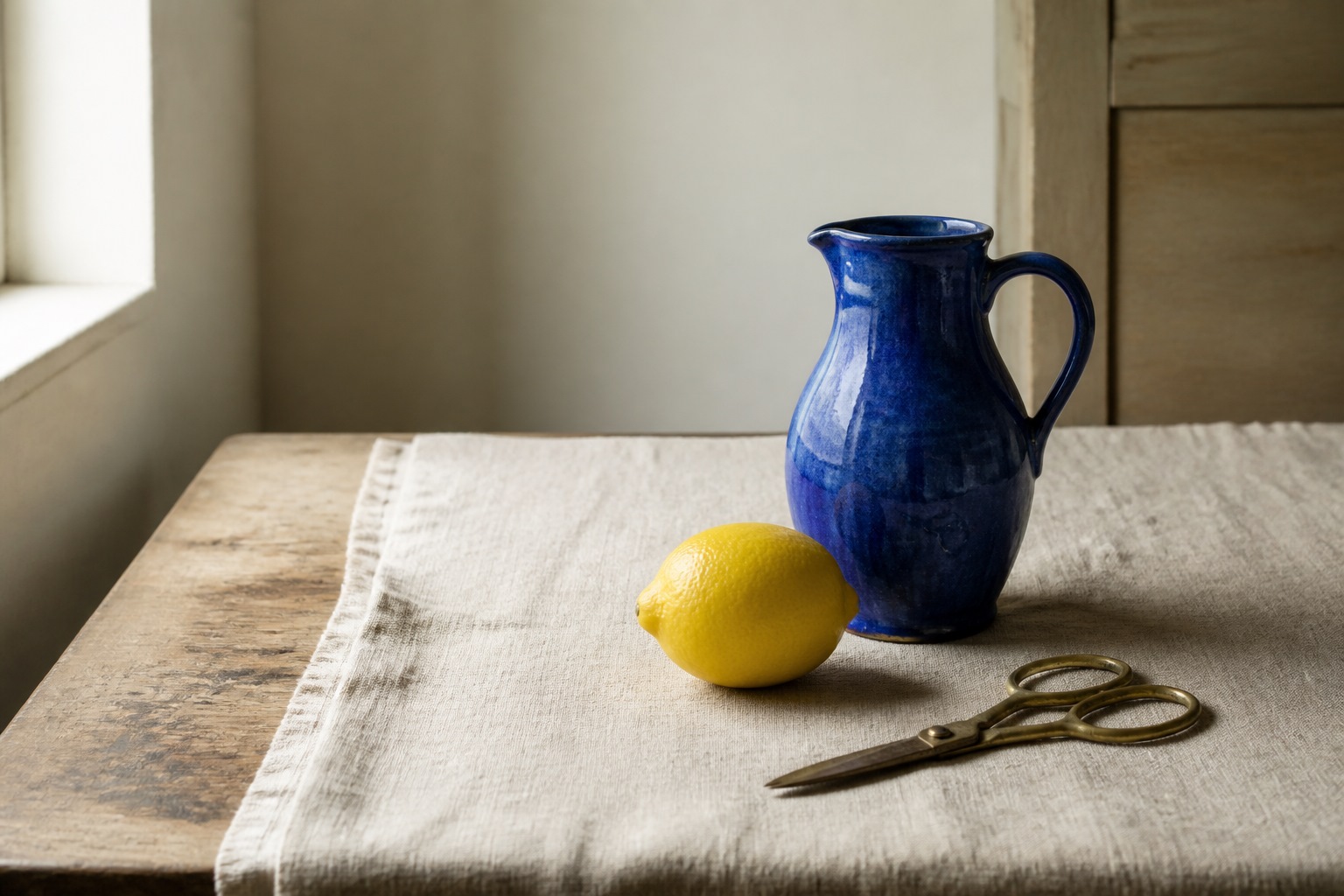
A still life does not need a studio. It needs one window, a table that does not wobble, and a decision about what the objects are doing together. Softboxes and painted sweep paper can wait. This is how to shoot in a kitchen or a spare room with the light you already pay for.
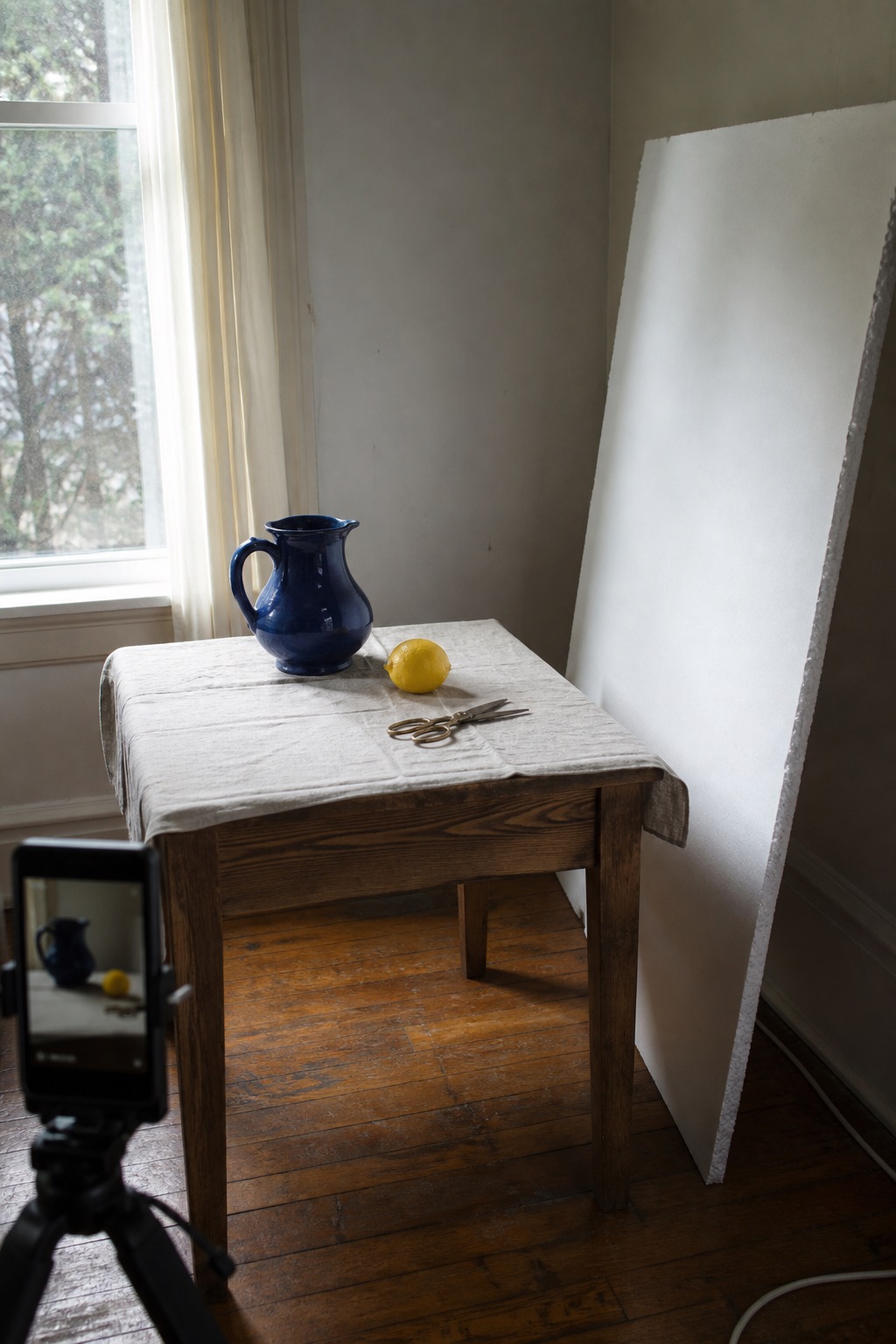
Pick a window and a time
North light is the cliché because it is broad and slow to change. East is a morning studio; west is an evening one. South can work with a sheer curtain or by bouncing, not by pointing the lens into the sun.
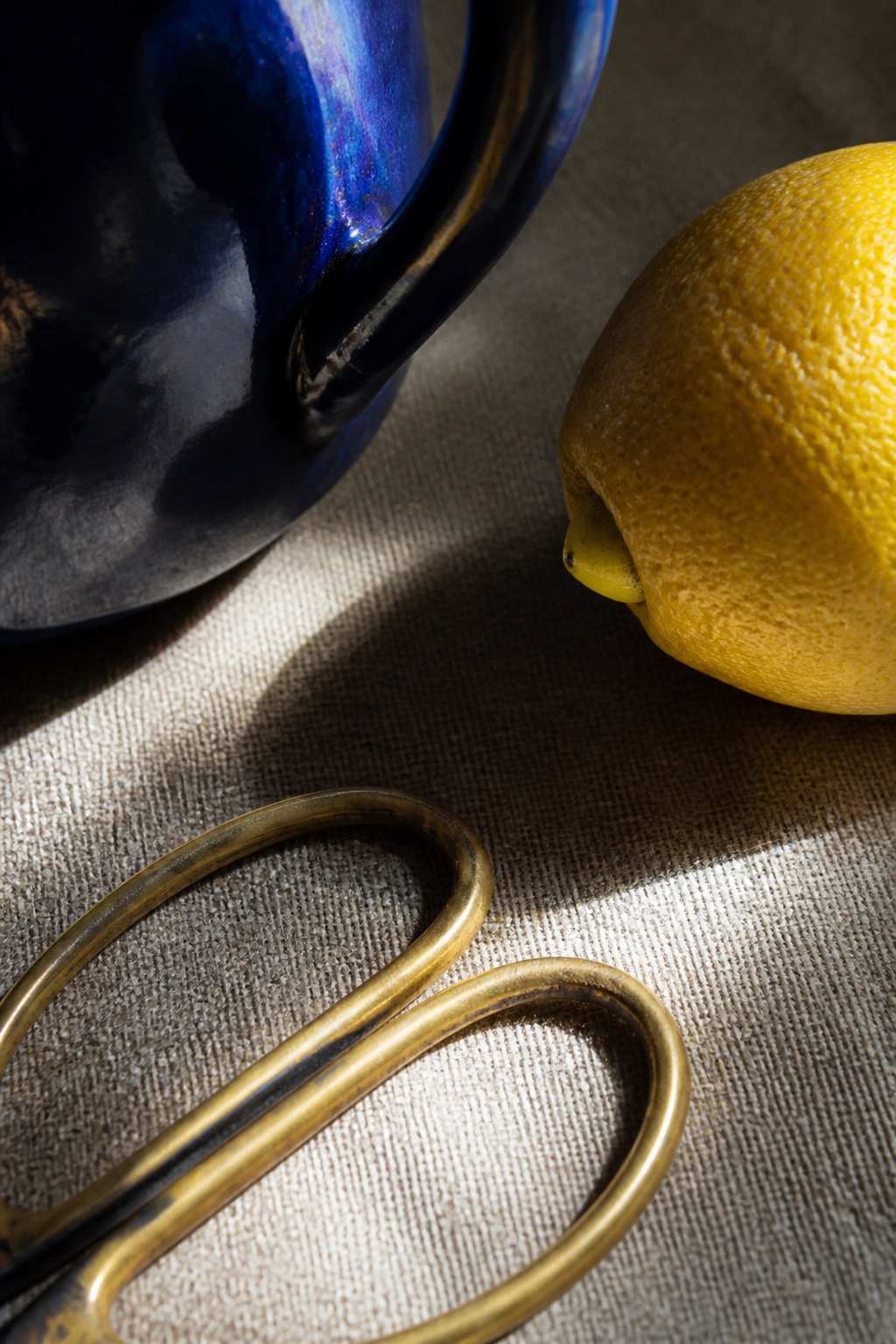
Stand at the table and watch the patch of light for ten minutes. If it races across the wood, you have a short session. Shoot the sequence then, or wait for overcast. Overcast is a giant softbox. Hard sun through bare glass is a spotlight; it can be beautiful on glass and metal, cruel on fruit skin.
Turn off the overheads. Mixed color temperatures make a lemon look sick and a shadow look brown-grey.
The table is the set
Height: roughly hip to waist so you can shoot slightly down without a ladder. A dining table is fine. A counter against a window often puts you in your own light.
Surface: wood, stone, a linen cloth, a sheet of paper taped at the back to curve into a sweep. The sweep hides the wall corner. Wrinkles in cloth should be decided—ironed for calm, crushed for a lived table. Accidental hotel-bed wrinkles look like you were in a hurry.
Background: a second board or a draped cloth behind the objects, not the busy fridge. Still life is control. If the radiator is in frame, you chose the radiator.
Light control without kit
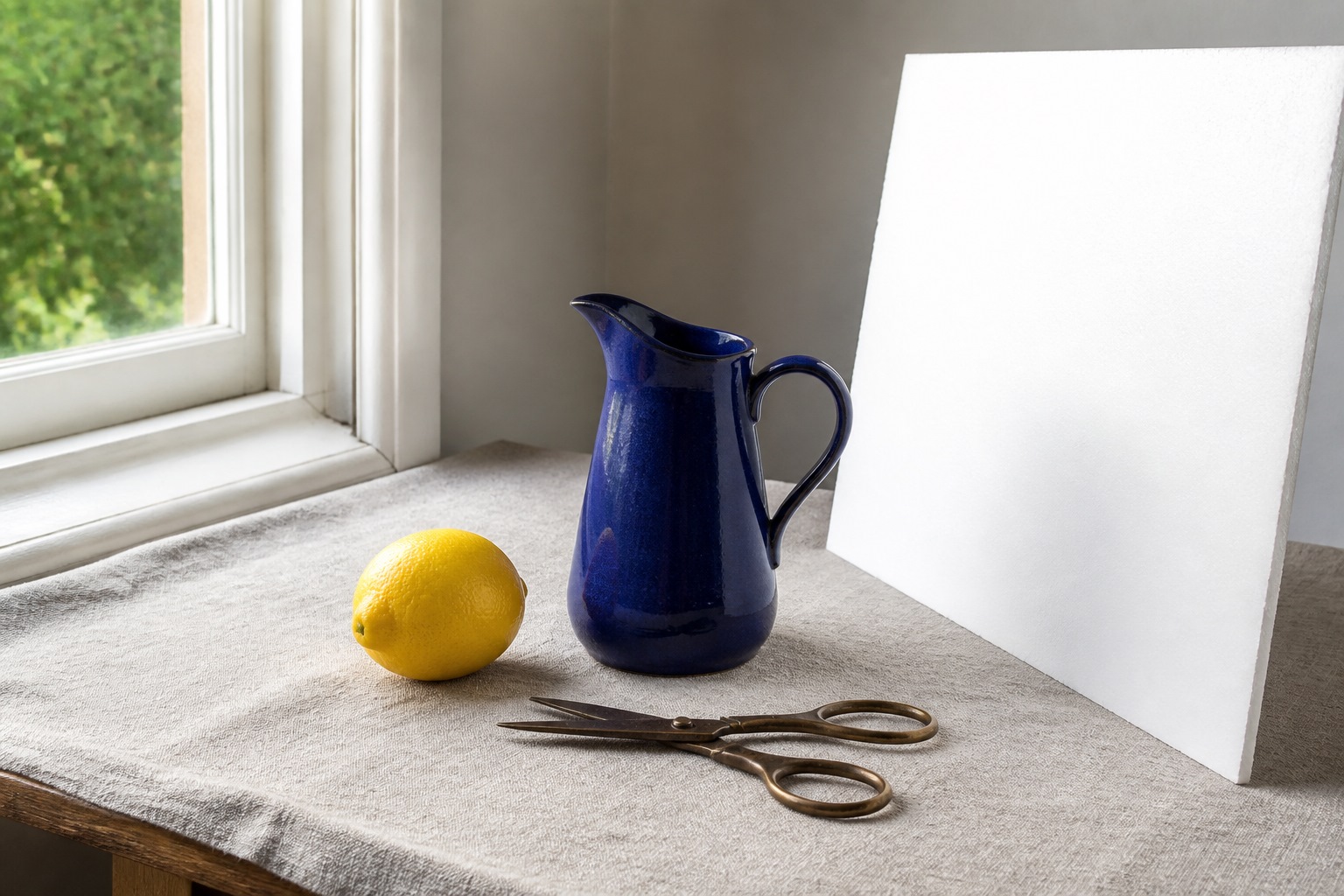
A white foam board or a piece of A3 paper is a fill bounce opposite the window. Move it until the shadows on the table have a little information. Black card on the window side deepens shadow if the scene is too flat.
A sheer curtain diffuses. A cardboard flag (any dark rectangle on a stand or a pile of books) stops a hot strip of sun from hitting one tomato and ignoring the rest.
Phone or camera: expose for the highlights on the brightest object. Let the room fall off. Lifting shadows in software is easier than recovering a blown window.
Distance from the glass matters more than the bounce. Thirty centimeters of table in hard sun is a different picture than a meter back in the same room. If shadows are ink, pull the table toward the window or wait for cloud. If everything is chalk, add the black card or close a shutter a hand’s width.
Objects: five, not fifteen
Choose a family: kitchen, tools, flowers, paper and ink, ceramic. Then choose one odd thing so the group is not a catalogue. Three lemons and a knife is a sentence. Three lemons, a knife, a remote control, and a charger is a counter you forgot to clear.
Height variation: something tall (bottle, jug), something flat (cloth, paper), something small (spoon, stone). All objects the same height is a lineup.
Color: two related hues and one accent, or mostly neutrals and one saturated fruit. Rainbow still lifes look like a stock filter. Limit the table to what you can name in one breath. If the list needs a comma splice, remove an object. Leave empty table; negative space is cheaper than another prop.
Phones versus cameras, and what to set
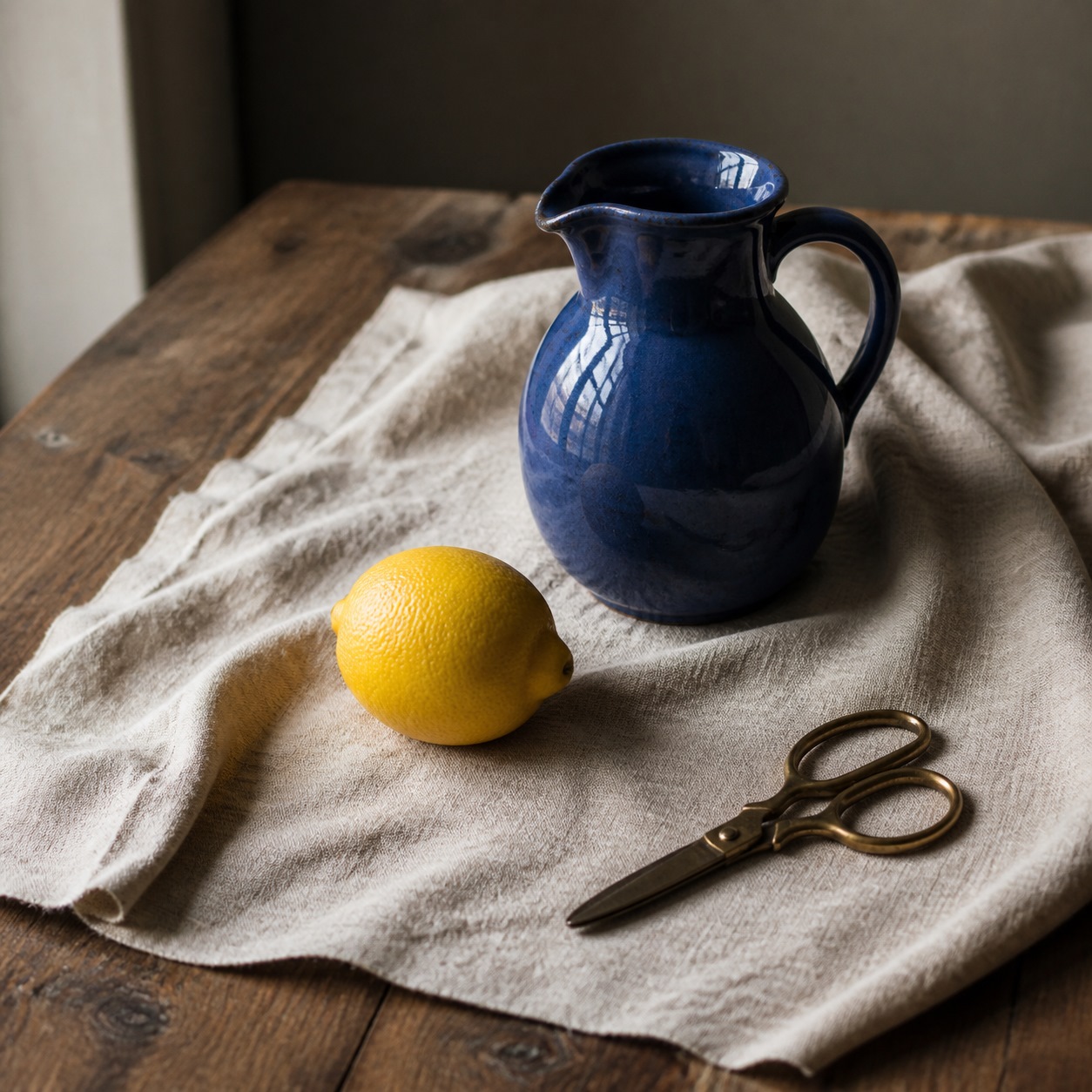
A recent phone in daylight at a window is enough. Tap the highlight, drop exposure a third, lock focus on the front object. Portrait mode will fake a blur that cuts through a bottle edge; turn it off until you know it is helping. A camera with a 50 mm lens and aperture around f/4–f/5.6 will separate objects without turning the table into mush.
White balance: set it. Auto will drift toward blue as clouds pass. A custom Kelvin or a preset for daylight keeps the cloth the same color across the hour.
Do not HDR a still life into a plastic postcard. The window can go bright. That brightness is the subject as much as the fruit.
A one-hour exercise
Choose three objects from one drawer. Set the table perpendicular to the window. Bounce with paper. Take six frames: left light, fill in, fill out, one object removed, camera higher, camera lower. Stop. Do not add a fourth object because you are bored. Boredom is when people ruin a setup.
If nothing works, the objects were not a family, or the table is in the wrong room. Move the table a meter. Light changes faster with position than with shopping. Keep a notebook: window, time, bounce, objects. Skill here is memory of light, not new gear.
Camera position and the hour you stop
Start with the lens around 35–50 mm equivalent, slightly above the table. Straight-on at object height feels like a mugshot. Straight down is a map; use it when the arrangement is about shape on the plane (cut citrus, scissors, string).
Reflections in a background window will show you and the street—use them as a frame or kill them with a cloth. Clean the table, then add back one crumb or water ring if the scene is about use. Factory-clean fruit on a factory-clean board is advertising.
Tripod or a stack of books if the light is dim. Shoot a frame, change one thing, shoot again. The good picture is often the fourth, when you have removed the object you were loyal to for no reason.
When the window goes blue at dusk, stop or commit to that blue. Fighting it with a yellow lamp returns you to mixed light. Print one frame small and live with it on the fridge for a week. Pack the objects away so the table can be dinner. The still life is a session, not a shrine. Tomorrow the same window will be a different studio; that is the whole reason to work this way. You are learning one room’s light well enough to stop blaming the camera.

Comments
Continue reading
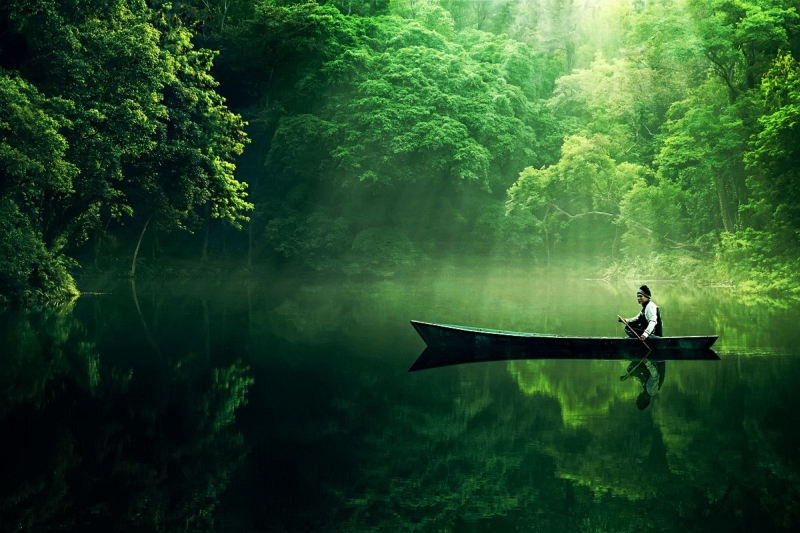
Dramatic Photo Art by Sukron Ma’mun (Ipoenk Graphic)
Cirebon, Indonesia photographer Sukron Ma’mun uses theatrical natural light to frame village life, play, and place in lyrical photo art.
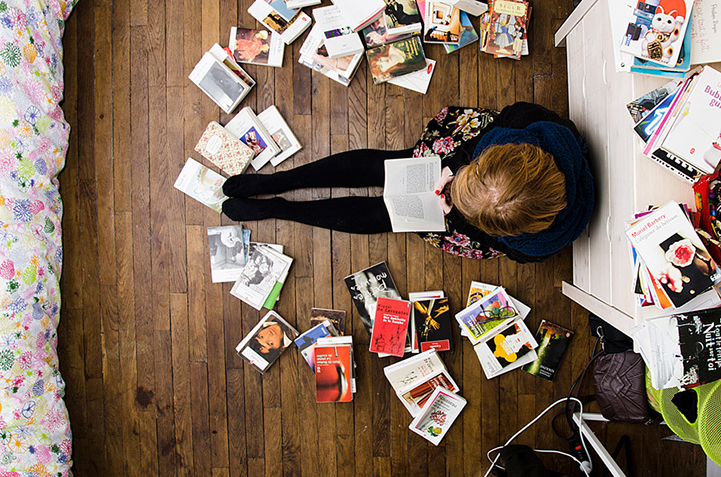
Bird’s-Eye Views: Florian Beaudenon’s Instant Life
Paris photographer Florian Beaudenon’s Instant Life series captures people in their rooms from above—intimate, collaborative overhead portraits of everyday joy.
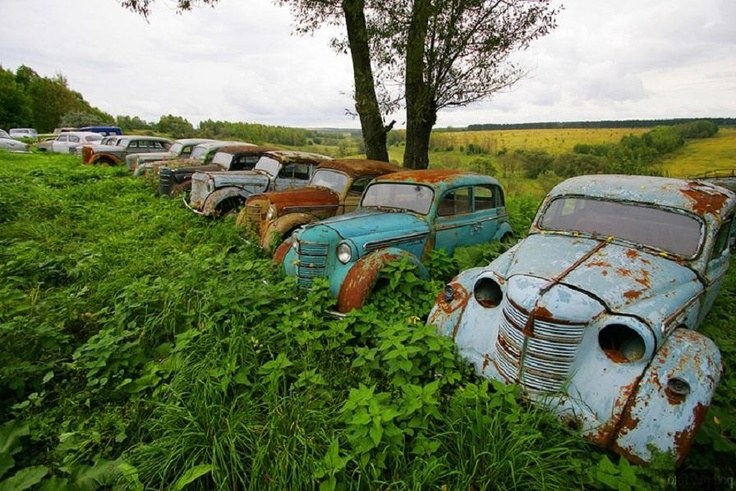
Abandoned Cars Reclaimed by Nature: Rust, Growth, and Quiet Ruin
When neglected vehicles are left outdoors long enough, rust, moss, and trees rewrite them into strange still lifes—sad, photogenic, and slowly returning to the ground.