
Garden Walkway Designs: Materials, Width, Edges, and Planting Ideas
Pathway design ideas for stone, brick, gravel, concrete, and wood—plus width, drainage, edges, and planting that make a walkway work day to day.
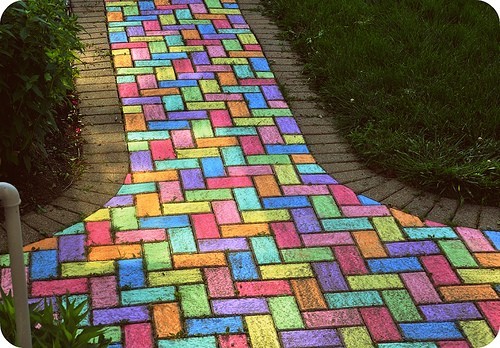
A walkway is the garden’s sentence structure. Beds and borders supply vocabulary; the path decides how you read them. Good walkway design does more than keep shoes dry. It sets pace, frames views, connects rooms of outdoor space, and tells visitors where they are allowed to go without signs. Whether you are replacing a cracked concrete strip or planning a new route from gate to door, the choices below—materials, edges, width, and planting—determine whether the path feels inevitable or apologetic.
Start with use, not inspiration photos alone. Ask who walks here daily, whether carts or strollers need clearance, how water drains after rain, and whether the path should feel formal, rural, or quietly modern. Collect images only after those constraints are honest; otherwise you will fall in love with a material that fails the first storm.
The image above is a reminder that a beautiful path is rarely only paving. Texture underfoot, planting along the edges, and a sense of destination all work together. Study references for those relationships, not only for the prettiest stone color. Ask what happens at night, in mud season, and when someone carries groceries with both hands.
Width, alignment, and destination
Main routes from street to front door usually want enough width for two people to walk abreast—often in the range of about four feet or more, adjusted for your climate and house scale. Secondary garden paths can narrow to a single comfortable stride, which slows movement and suits browsing borders. Avoid paths that dead-end into a fence with no sitting spot, water feature, or gate; the eye wants a reason to arrive.
Alignment can be straight or curved. Straight paths feel formal and efficient; they suit axial gardens, strong architecture, and short distances. Curves suggest leisure and can hide a destination until the last turn, but fake curves that wiggle without purpose look indecisive. Curve for a tree, a grade change, or a view—not because curves are “more natural” in every yard. If the house is strongly geometric, a wandering path can fight the architecture unless planting mediates the transition.
Material families
Flagstone and irregular stone create informal, textured walks. Joints filled with gravel, moss, or low groundcover soften the hardscape. Keep surfaces reasonably level; dramatic lip heights become trip points. In freeze-thaw climates, set stone on a proper base so pieces do not heave into a broken mosaic every spring. Choose thickness and bedding that match expected traffic, not only appearance in a showroom photo.
Brick paths bring warmth and historic association. Running bond feels classic; herringbone adds energy underfoot. Brick needs a stable edge restraint so the field does not creep outward. Choose frost-rated brick where winters are hard, and plan for the color to deepen as it weathers. Salvaged brick can look beautiful; check for spalling and inconsistent hardness before you commit a whole walk to it.
Gravel is economical and permeable when installed well over a compacted base with edging that actually holds. Fine gravel migrates into lawns; angular crushed stone locks better than round pea gravel on slopes. Gravel suits cottage and Mediterranean moods and pairs easily with stepping stones for high-traffic spots. Budget for periodic top-ups; gravel is not a one-and-done material.
Concrete—broom-finished, stamped, or poured with control joints—offers durability and accessibility. Plain concrete can look institutional; broken-up panels, tinted mixes, or planted joints humanize it. Exposed aggregate adds grip and visual grain. For wheelchair or stroller needs, concrete or tightly jointed pavers often beat loose gravel. Control joints should be planned as design lines, not apologetic cracks that appear later.
Wood boardwalks and timber sleepers suit wet ground, woodland gardens, and modern decks that continue into landscape. Keep wood elevated for airflow, choose species or composites rated for ground contact where required, and expect maintenance. A beautiful boardwalk that becomes slippery algae in shade needs grippy finishes or redesign. Mixed materials—stone landing to gravel corridor, brick near the house to stepping stones in the lawn—can mark zones without fences. Limit the mix so the garden does not look like a materials catalog. Two primary paving types plus planting is usually enough.
Edges, grade, and water
Edges make or break a path. Steel, brick soldier courses, stone borders, or dense planting can all contain gravel and define a clean line. Soft edges of thyme or mondo grass blur formality; hard edges suit contemporary houses. Grade the walk slightly away from foundations and avoid birdbaths of standing water. Permeable joints and side drains matter more than decorative drains that clog with leaves every autumn.
Steps should be consistent in riser height and deep enough for a confident foot. Outdoor steps that match indoor comfort proportions feel safer at night. Light the changes in level; beauty that trips guests is incomplete design. On slopes, consider landings so a long run of stairs does not feel like punishment. Handrails may be required by code or simply by kindness for older visitors.
Planting along the walk
Planting turns paving into a garden walkway. Low mounds, repeated grasses, and flowering edges guide the eye forward. Keep aggressive roots off jointed stone if you want the path to stay flat. Thornless plants near elbows save clothing. Fragrance at gate height—lavender, rosemary, gardenia in warm climates—makes arrival memorable without blocking the route.
Overhanging shrubs should be pruned for clear passage. A romantic tunnel of green is lovely until every rain dumps water down your collar. Balance enclosure with dry shoulders. Leave maintenance access so you can edge, weed joints, and reset a shifted paver without destroying the border every time.
Style directions to borrow
Formal walks: straight lines, symmetric beds, clipped hedges, consistent paver modules. Informal walks: irregular stone, loose planting, gravel, and destinations revealed gradually. Modern walks: large-format slabs with generous joints of gravel or groundcover, minimal borders, strong contrast with architecture. Cottage walks: brick or mixed stone, overflowing edges, and a sense that plants negotiated the hardscape rather than the reverse.
Night design deserves equal thought. Soft path lighting at ankle height prevents glare and shows texture. Uplighting trees along a route creates drama; skip harsh floodlights that flatten everything. If solar lights are your only option, place them where they actually receive sun and replace weak ones rather than multiplying failures. Test lighting with the materials you chose—pale stone reflects more light than dark gravel.
Practical checklist before you dig
Map utilities. Confirm property lines and easements. Watch how water moves after a storm. Measure the widest object that must travel the path—bins, mowers, furniture. Choose materials you can maintain with the tools and time you have. A handmade look that demands weekly weeding of every joint will frustrate a busy household. Price the base and edging honestly; pretty surfaces on weak foundations fail fast.
Then collect a shortlist of walkway ideas that share a material language and a mood. Stand at the starting point of your real route and imagine the first ten steps with wet shoes and grocery bags. If the design still feels clear under that test—width, drainage, destination, and planting—you are ready to build something that looks beautiful in photographs and works on Tuesday evenings in the rain.

Comments
Continue reading
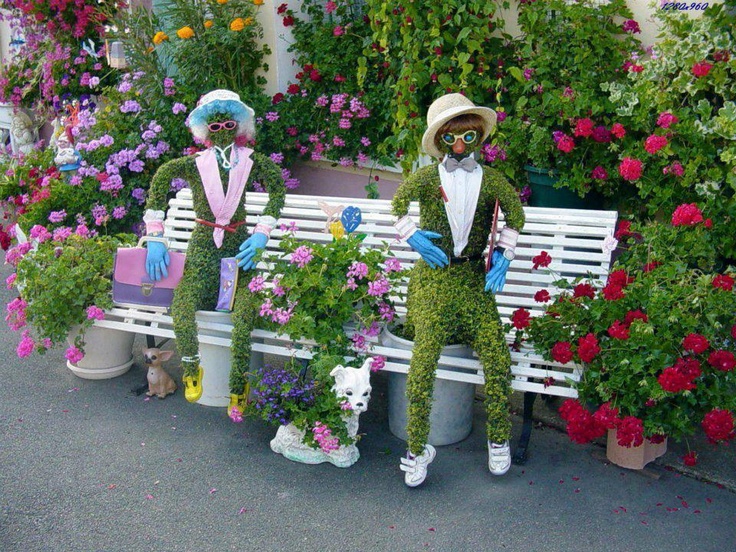
Garden Decoration Beyond Beds: Lace, Mosaiculture, and Upcycled Yard Art
From dressed topiary and floral cyclists to license-plate dragonflies and lace between trees—garden decorations that give a yard a voice.
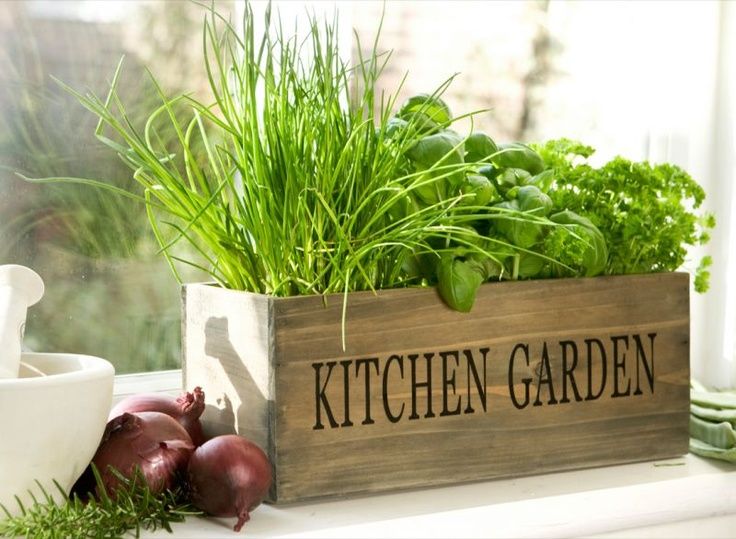
How to Create an Indoor Herb Garden at Home
Grow rosemary, thyme, parsley, mint, and dill indoors with the right light, drainage, and planters—from window boxes and wall mounts to simple DIY pots.
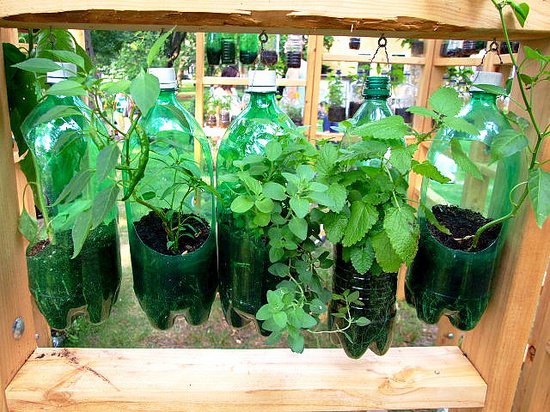
Garden Decorations From Empty Bottles
Practical outdoor reuse: hanging bottle gardens, self-watering planters, bed borders, bottle fences, and bottle trees—with drainage, anchoring, and safety notes.