
How to Create an Indoor Herb Garden at Home
Grow rosemary, thyme, parsley, mint, and dill indoors with the right light, drainage, and planters—from window boxes and wall mounts to simple DIY pots.
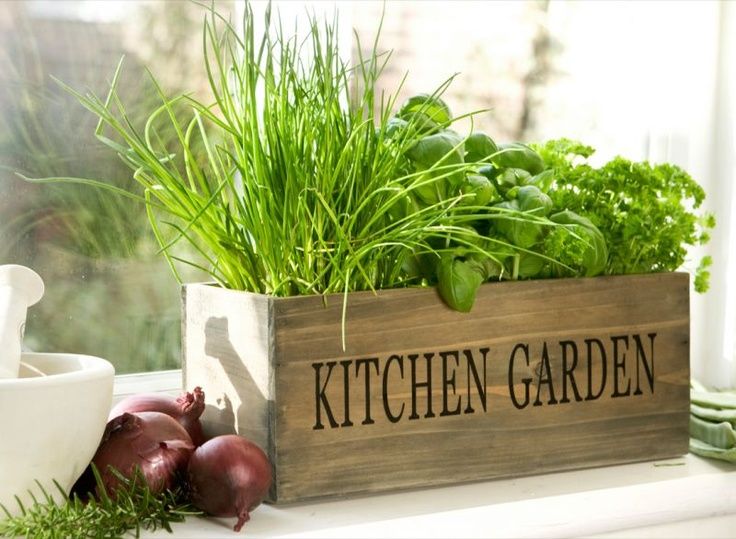
Winter does not have to end the habit of snipping fresh herbs into dinner. A few pots of rosemary, thyme, parsley, mint, and dill on a bright sill can turn even a small kitchen into a working indoor garden. The plants ask for light, drainage, and a little attention; in return they perfume the room and put flavor within arm’s reach of the cutting board.
Display matters almost as much as growing conditions. Wall-mounted planters free the counter. Window boxes claim the brightest strip of glass. Simple DIY containers—repainted tins, drilled wooden crates, matching terracotta lined on a tray—can look intentional rather than temporary. The goal is a mini garden you enjoy looking at while you cook, not a cluster of dying pots pushed into a corner.
Light, water, and soil before you buy cute pots
Most culinary herbs want six to eight hours of bright light. A south-facing window is the easiest setup in the northern hemisphere. East or west windows can work for parsley and mint; rosemary and thyme usually need the brightest spot you have, or a small full-spectrum LED hung twelve inches above the foliage on a timer for twelve to fourteen hours a day.
Drainage is non-negotiable. Every pot needs holes and a saucer or shared tray. Sit plants in waterlogged soil and roots rot long before leaves yellow enough to warn you. Use a light potting mix formulated for containers—not heavy garden soil. For Mediterranean herbs such as rosemary and thyme, a mix that includes perlite or coarse sand helps the surface dry between waterings. Parsley and mint prefer soil that stays lightly moist without becoming swampy.
Group plants by thirst. Rosemary and thyme like to dry an inch down before the next drink. Parsley and dill want more even moisture. Mint is greedy and invasive: give it its own container so runners cannot choke neighbors. If you plant a mixed window box, keep the dry lovers together and the moisture lovers in a second box. One watering schedule cannot please both camps.
Five kitchen herbs that earn their sill space
Rosemary brings piney scent and woody stems that look sculptural even when you are not cooking. It needs strong light and hates wet feet. Choose a deeper pot—eight to ten inches—so the woody root system has room. Snip tips regularly; the plant stays bushier and you get needle-like leaves for roast potatoes and bread.
Thyme stays low and forgiving. It thrives in terracotta that breathes and dries quickly. A four- to six-inch pot is often enough for a kitchen plant. Strip leaves from stems over soups and roasted vegetables. If growth gets sparse, cut back lightly and move the pot closer to the glass.
Parsley (flat-leaf for cooking, curly for garnish if you prefer the look) grows a taproot, so give it depth. Keep soil evenly moist and harvest outer stems first so the center keeps producing. Indoor parsley is slower than summer garden plants, but a steady snip still beats the limp supermarket bunch forgotten in the crisper.
Mint is the plant that makes people believe they have a green thumb—until it takes over. Isolate it. Moist soil, bright indirect light, and frequent tip pinching keep it leafy rather than rangy. Spearmint and peppermint both work indoors; pick one flavor and stick with it so tea and salads taste consistent.
Dill wants depth for its taproot and enough height that feathery fronds are not crushed against a cabinet. It can bolt if stressed by heat or irregular water, so keep conditions steady and harvest young leaves often. Even a short-lived dill plant is worth it for fish, yogurt sauces, and potato salad.
Wall-mounted planters for tight kitchens
Vertical planters earn their keep when counter space is already spoken for. Pocket systems and narrow wall shelves turn the strip between counter and upper cabinets into a living spice rack. Mount only into solid backing or proper anchors—wet soil is heavy. Keep each pocket within roughly a foot of window light or add a slim grow-light bar at the top of the unit.
Shallow pockets suit chives, young basil, oregano, and mint starts. Rosemary usually wants a deeper freestanding pot. Water carefully: excess drains onto lower pockets and the wall. A drip tray or removable inserts make cleanup saner. Style the wall with matching vessels so the display reads as design, not emergency gardening.
Window boxes and sill trays
A box or lined tray along the sill is the classic indoor herb garden. Aim for six to eight inches of soil depth for mixed culinary herbs. Place saucers under everything so wood sills and painted trim stay dry. Rotate pots a quarter turn every few days so stems do not lean permanently toward the glass.
If the sill is narrow, use individual pots on a waterproof tray rather than one deep box that overhangs dangerously. Matching terracotta or simple glazed ceramics look calmer than a jumble of nursery plastic—though nursery pots can hide inside decorative cachepots as long as drainage still works. Leave a finger’s width between pots for airflow; crowded foliage invites mildew on steamy winter windows.
DIY planters that still look intentional
You do not need boutique containers. Drill drainage holes in food-safe tins, small wooden crates lined with plastic with holes punched through, or thrifted ceramic vessels. Elevate DIY pots on small feet or pebbles inside a tray so water can escape. Paint or oil wood so moisture does not swell the grain. Keep labels honest: a strip of washi tape or a wooden plant marker beats guessing which green tuft is thyme at dinner time.
Repurposed objects should still meet plant needs. A beautiful bowl without drainage is a cachepot, not a planter—set a nursery pot inside and lift it to empty standing water. Avoid treated lumber that may leach unwanted chemicals into herbs you plan to eat. When in doubt, use a clean plastic grow pot inside the pretty shell.
Care habits that keep the garden edible
Water in the morning so leaves dry by evening. Feel the soil; do not water on a rigid calendar. Feed lightly every few weeks with a diluted liquid fertilizer formulated for edibles—indoor herbs in small pots exhaust nutrients faster than garden beds. Pinch flowers off culinary herbs when you want leaf production; flowering signals the plant to shift energy.
Watch for aphids and fungus gnats. A strong rinse in the sink, better airflow, and letting the top of the soil dry between waterings solve many minor pests. Isolate a sick plant so problems do not tour the sill. Harvest with clean scissors and never strip a plant of more than about a third of its foliage at once.
In deep winter, daylight shortens and growth slows. That is normal. Reduce fertilizer, keep light as strong as you can, and harvest more gently. When spring returns, you can move hardy pots outdoors for a summer boost or take cuttings to refresh woody rosemary that has grown leggy indoors.
A simple starter layout
Begin with five pots on one bright tray: rosemary and thyme in terracotta on the dry side of your watering habit; parsley and dill in slightly deeper glazed pots kept evenly moist; mint alone at the end where it cannot invade. Add a wall pocket later if you want chives or a second mint variety. Place the tray where you actually cook—herbs you walk past every evening get watered and used; herbs in a forgotten spare room become compost.
Once the plants settle, the ritual becomes part of dinner. A pinch of thyme in the pan, mint in a glass of water, dill over eggs—the indoor garden earns its light not as décor alone, but as the shortest possible trip from soil to plate.

Comments
Continue reading
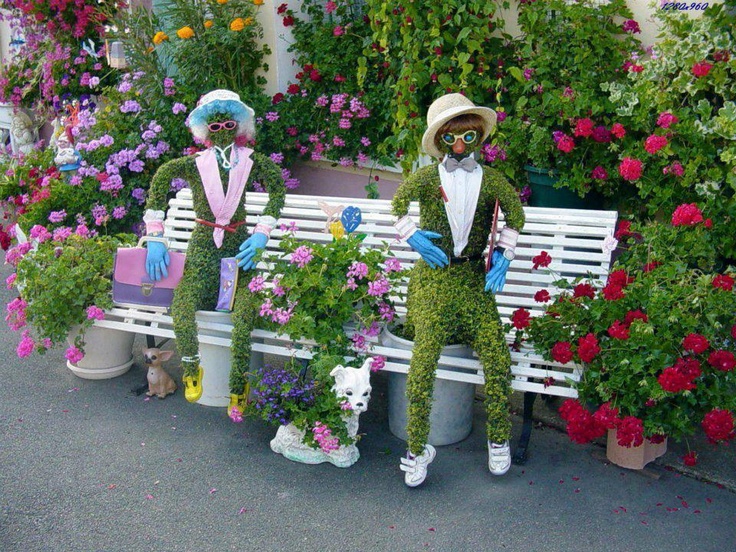
Garden Decoration Beyond Beds: Lace, Mosaiculture, and Upcycled Yard Art
From dressed topiary and floral cyclists to license-plate dragonflies and lace between trees—garden decorations that give a yard a voice.
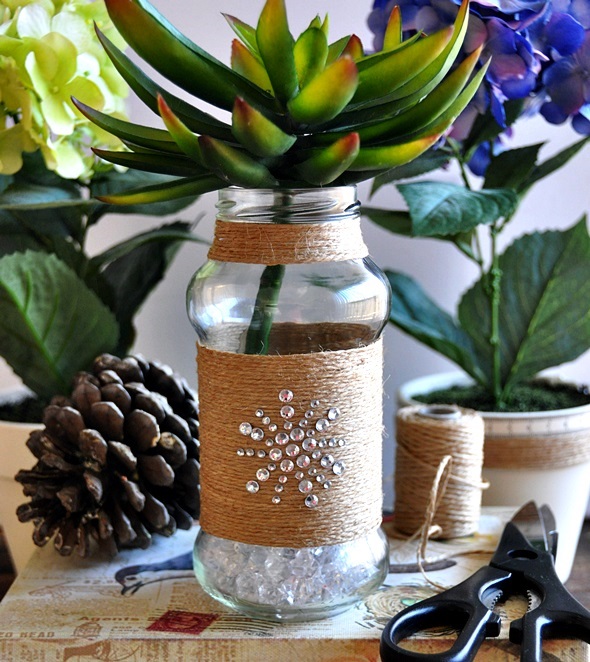
23 DIY Planters for Home and Garden: Upcycled Pots, Hangers, and Party Accents
From coconut hangers and cinder-block gardens to teapot planters and twine-wrapped jars—twenty-three DIY planter ideas for porches, tables, and thrifted pots.
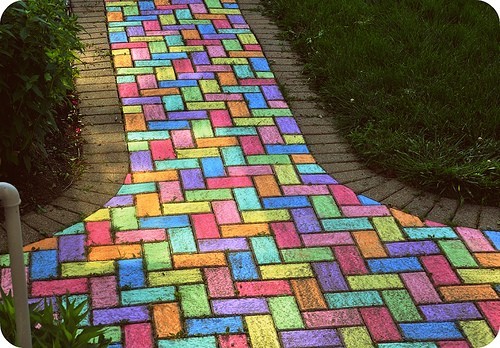
Garden Walkway Designs: Materials, Width, Edges, and Planting Ideas
Pathway design ideas for stone, brick, gravel, concrete, and wood—plus width, drainage, edges, and planting that make a walkway work day to day.