
Black and White Boudoir Photoshoot Ideas: Light, Consent, and Tasteful Framing
Respectful monochrome boudoir ideas—consent and comfort, wardrobe and fabric, posing without stiffness, privacy-minded crops, and a practical session checklist.
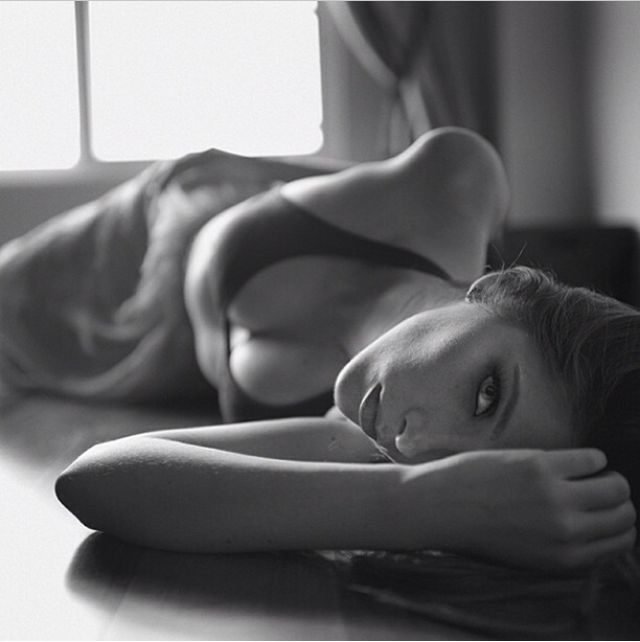
Black-and-white boudoir is less about costume drama and more about tone, trust, and light. Without the distraction of lingerie color or room paint, the photograph asks quieter questions: Does the subject feel safe? Is the pose flattering without being forced? Do shadows protect privacy while still describing form? Done with care, monochrome can feel intimate, classic, and respectful—closer to a private portrait sitting than to a spectacle.
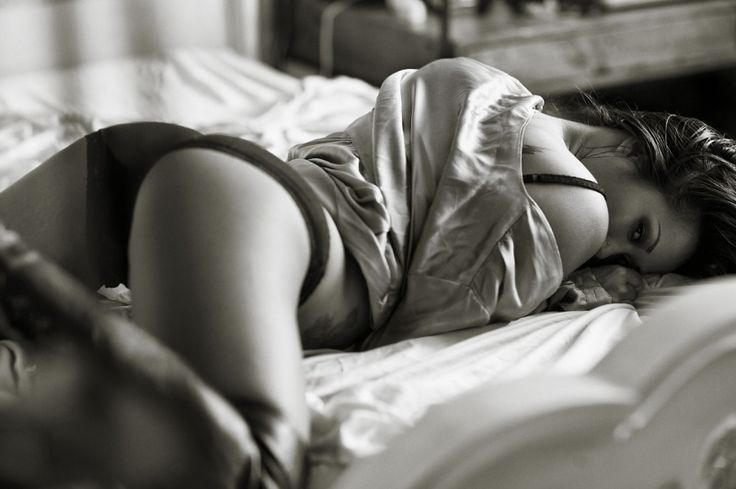
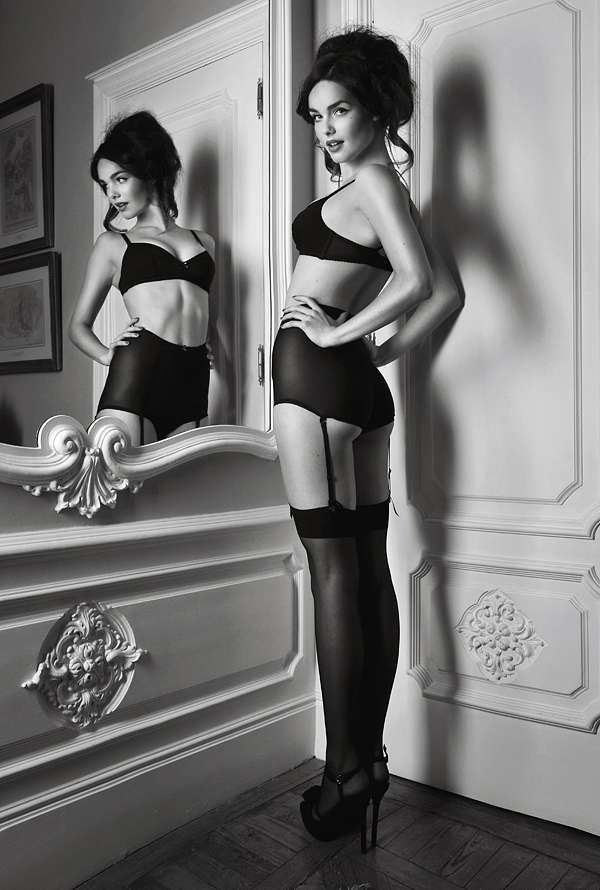
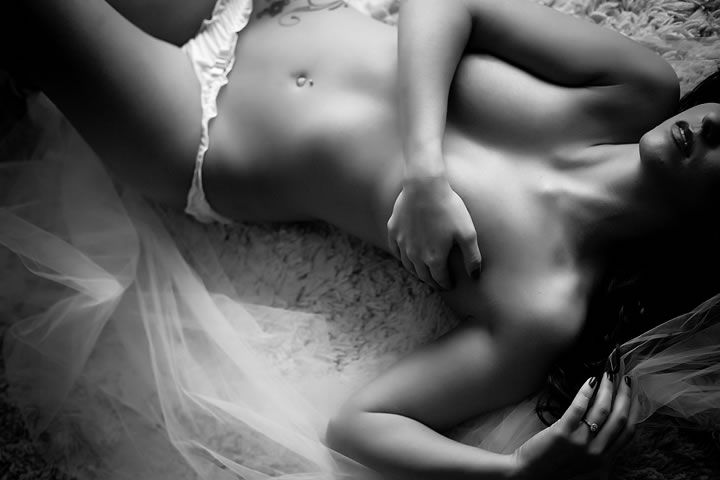
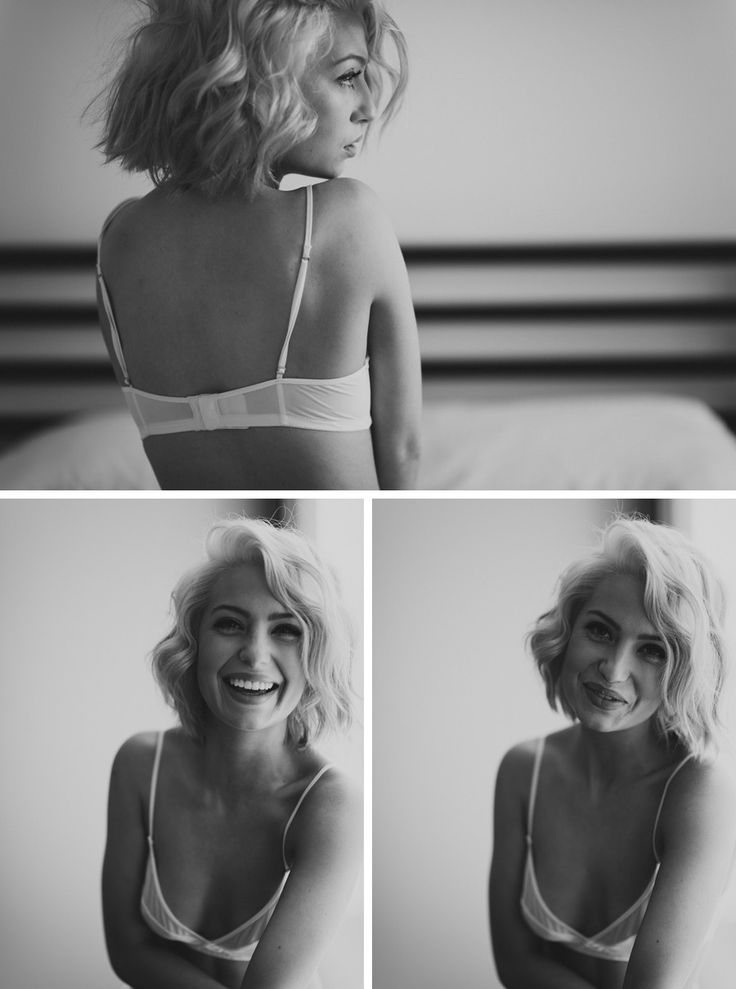
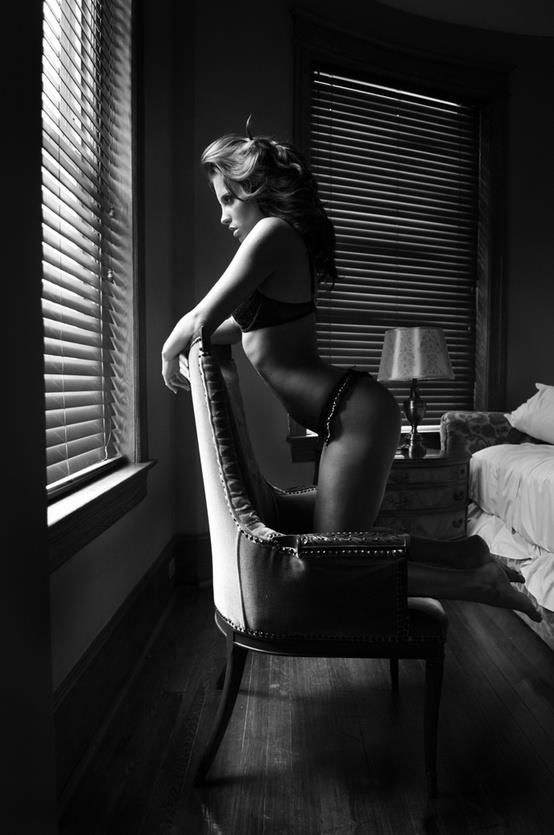
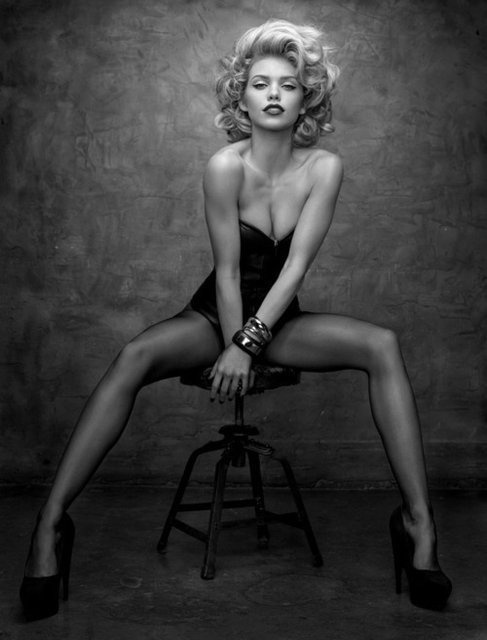
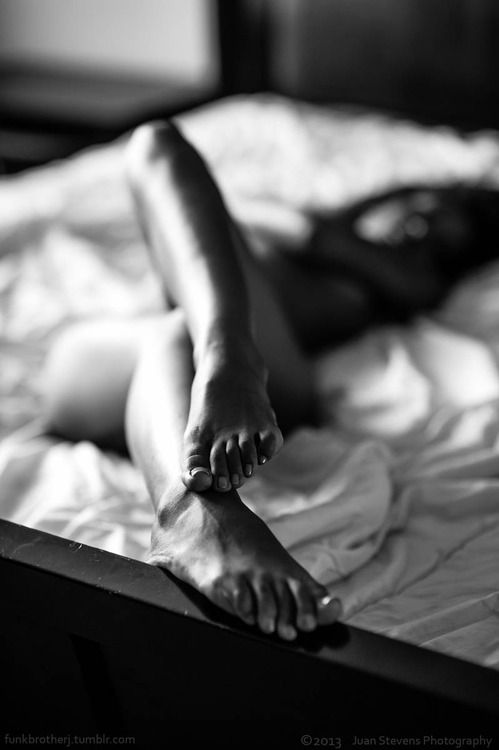
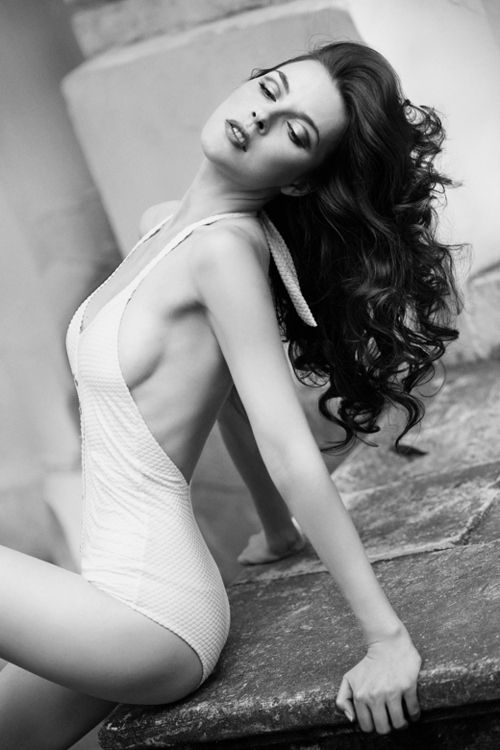
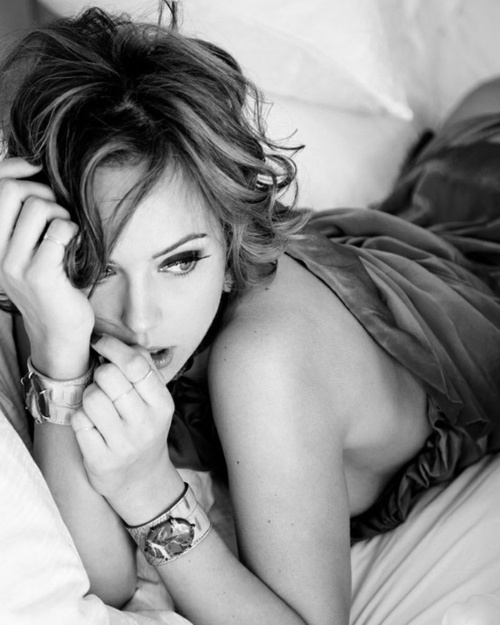
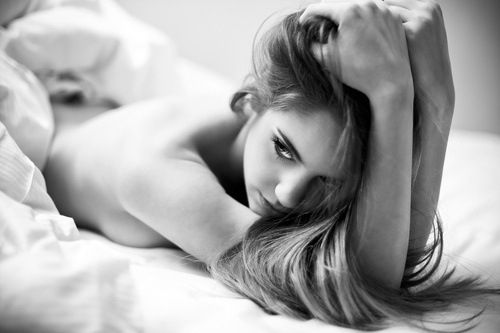
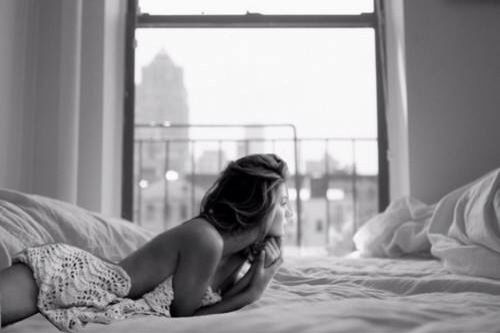
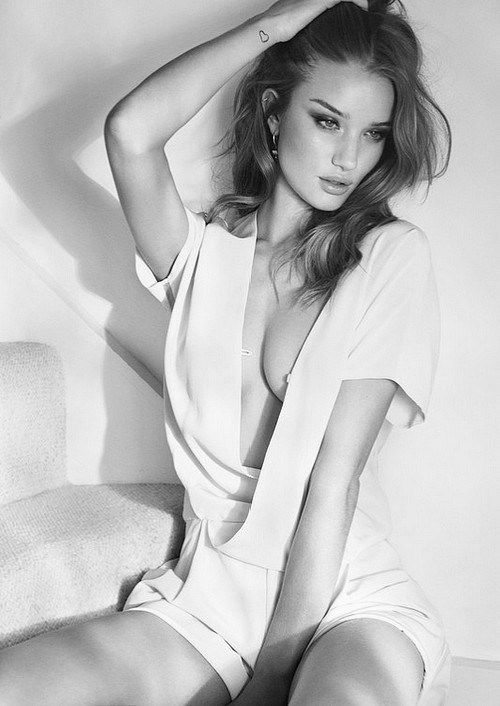
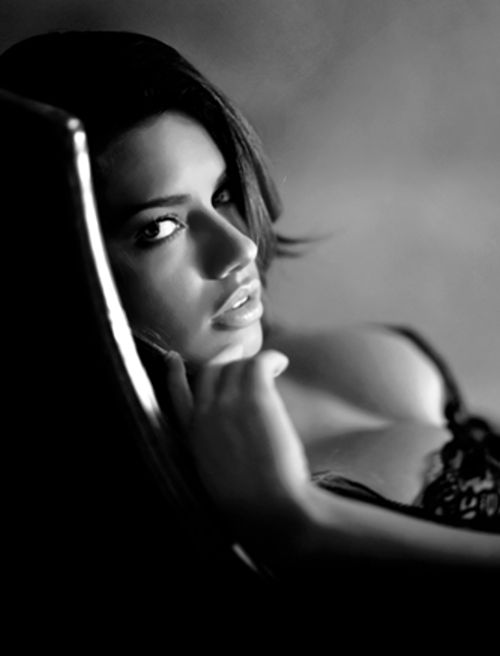
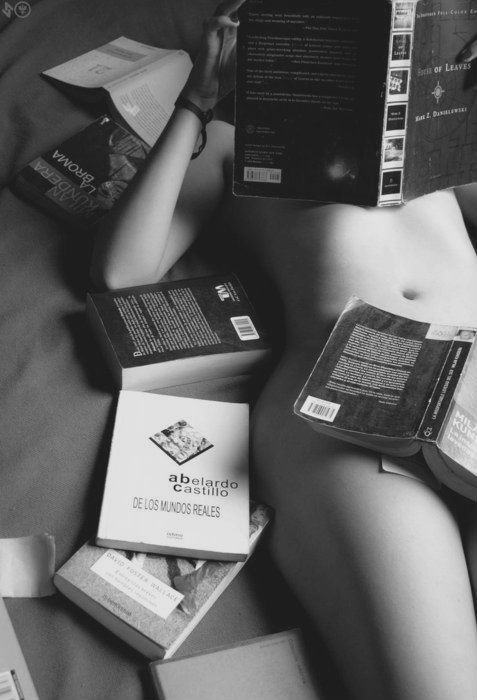
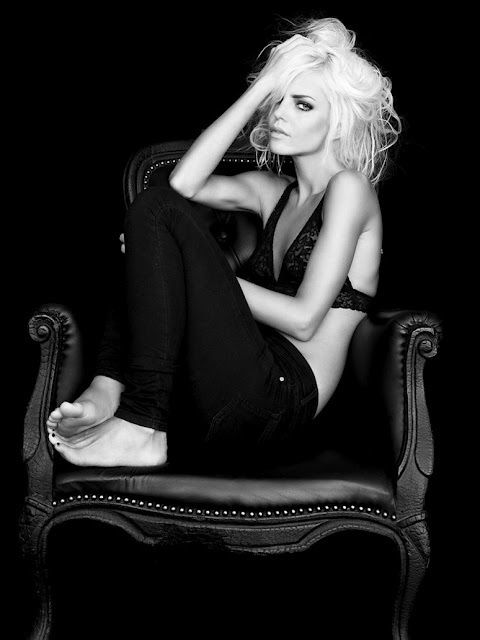
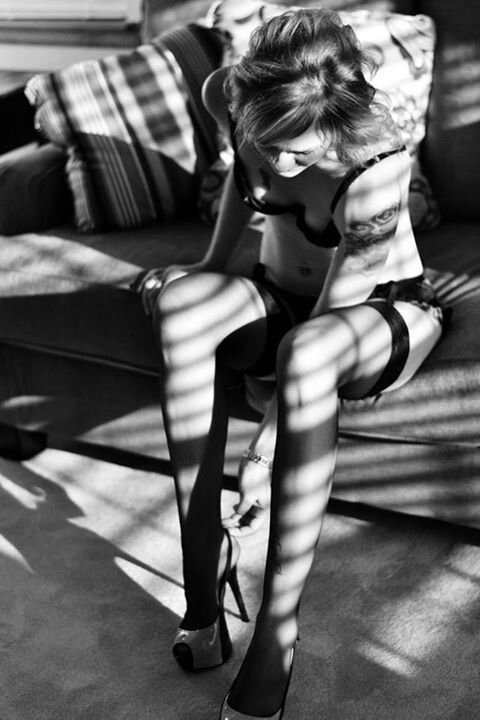
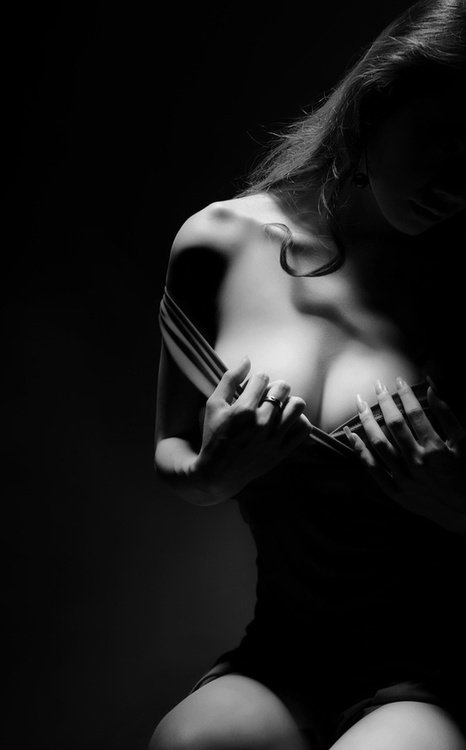
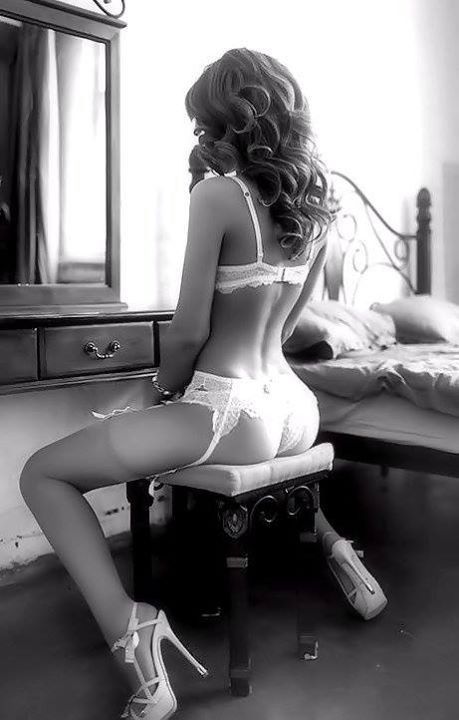
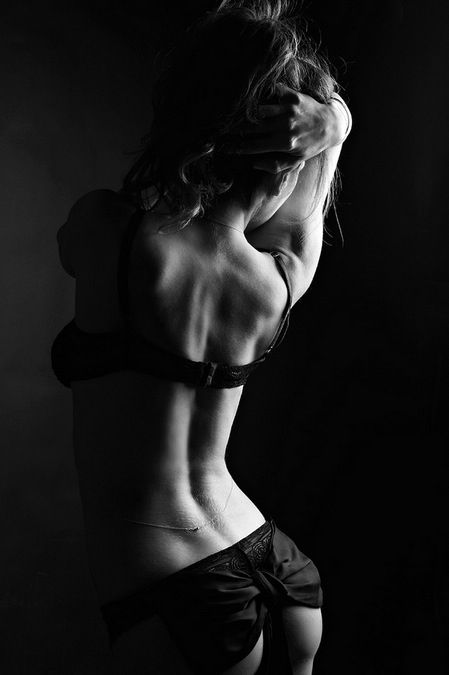
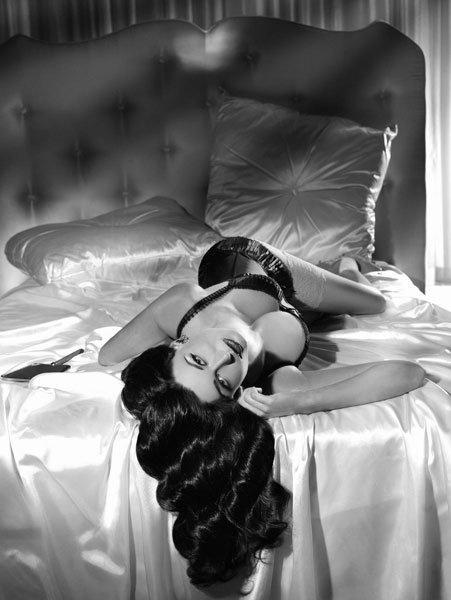
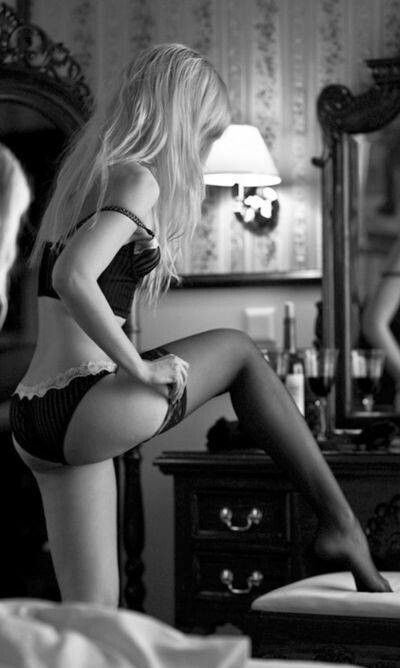
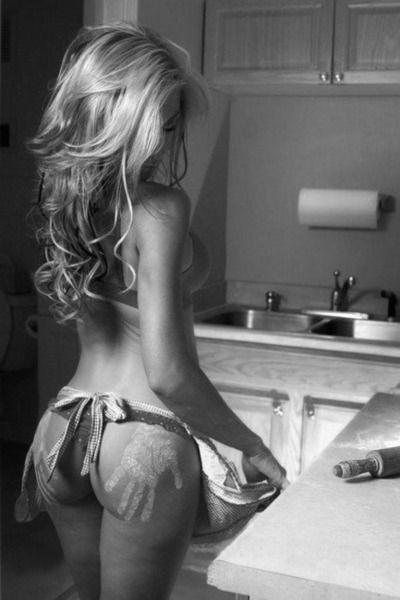
The ideas below are for people planning a tasteful session for a partner, for themselves, or for a portfolio that treats the body with dignity. The gallery examples show a range of approaches: soft window light, stronger contrast, close crops, and fuller environmental frames. Use them as references for mood and framing, not as a script that every body must copy.
Start with consent, comfort, and purpose
Before lights and outfits, agree on purpose. Some sessions are a gift; some are personal confidence work; some are artistic collaboration. Purpose shapes wardrobe, how much skin appears, and who will see the files. Write boundaries down if that helps: no-go poses, areas that stay covered, whether face will appear in more revealing frames, and how images may be shared afterward.
Comfort is technical, not only emotional. A warm room, a robe between setups, water, music the subject chooses, and breaks without apology all improve the pictures. Rushed boudoir looks rushed. When the subject feels hurried, shoulders rise, smiles tighten, and hands fidget—problems monochrome will not hide.
Why black and white suits boudoir
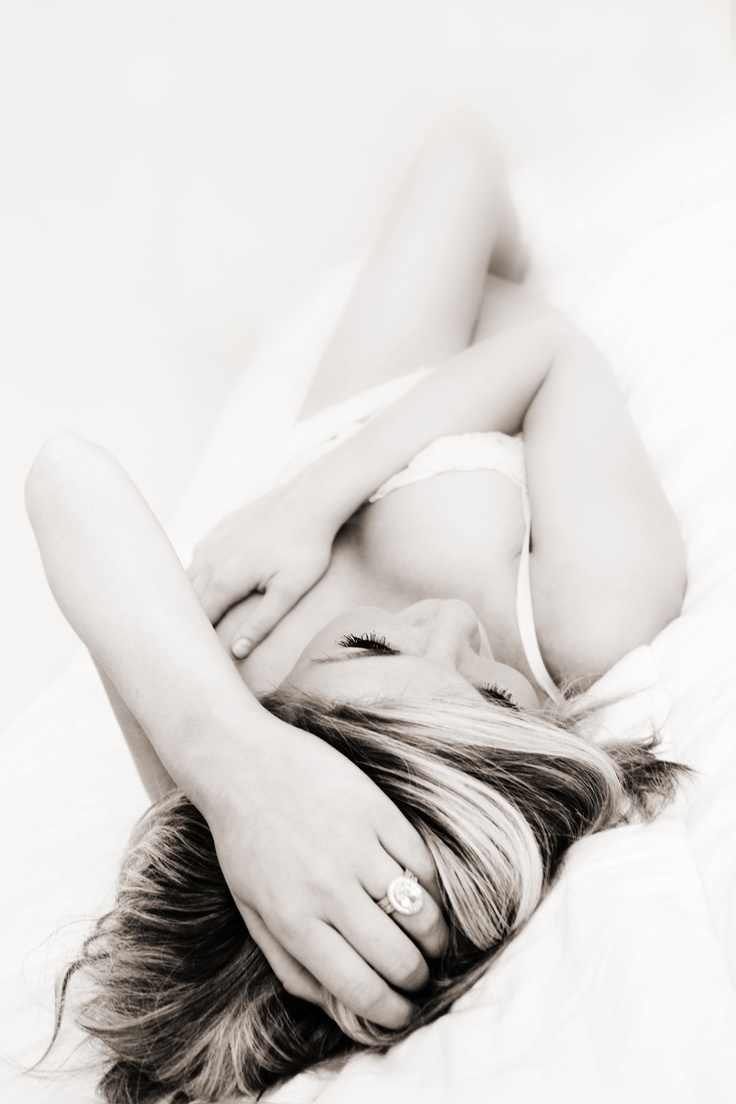
Monochrome can add a sense of timelessness. It softens date-stamped details—phone glow, trendy nail colors, loud patterned bedding—and puts attention on gesture and light falloff. It can also feel more discreet: skin reads as tone rather than as a catalog of tan lines and fabric hues. That discretion is not automatic; crude posing remains crude in gray. What changes is the emotional register. Many people find black-and-white boudoir easier to gift and to keep, because it sits closer to fine-art portraiture than to a snapshot.
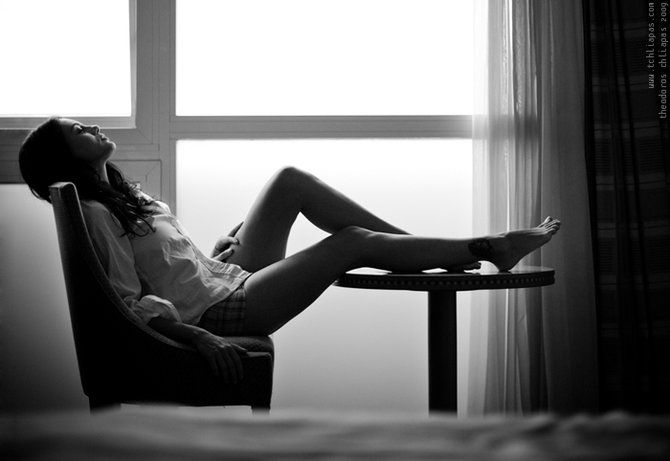
Practically, plan lighting for conversion. Side window light with a white reflector often yields gentle gradients across shoulders and torso. A soft key above and slightly in front of the face keeps eyes alive. Avoid mixed color temperatures that confuse luminance when you convert. Shoot RAW; leave room in highlights on skin so you can shape tones later without chalky patches.
Wardrobe and fabric ideas that photograph kindly
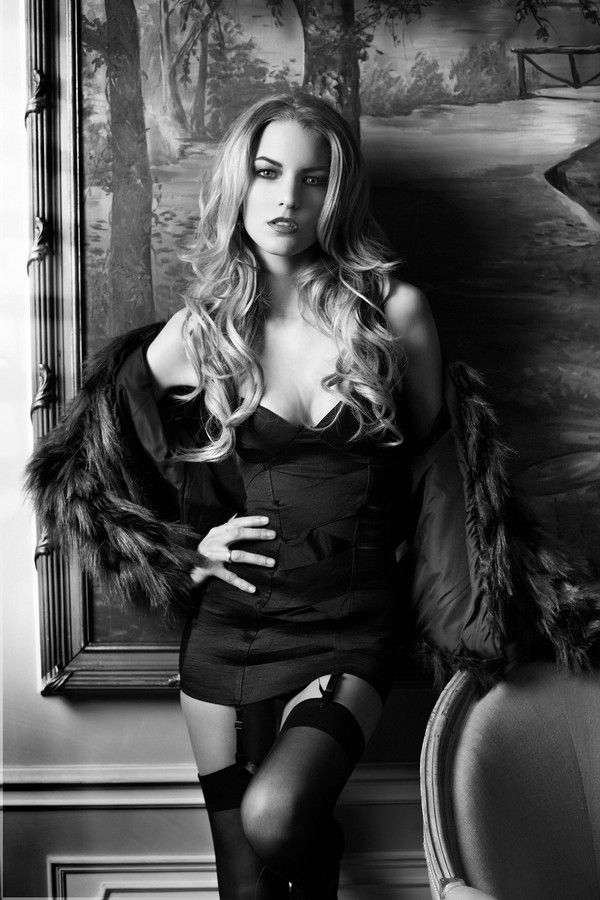
Lingerie is one option, not the only one. Oversized shirts, silk robes, soft knits, simple bralettes, high-waisted bottoms, and even thoughtful nude tones under fabric can create elegant shapes. In black and white, texture matters: lace becomes pattern; silk becomes specular highlight; cotton becomes matte calm. Choose pieces the subject already feels good wearing. New scratchy garments show up as restless hands.
Jewelry should be intentional. A single necklace or pair of earrings can catch light and guide the eye; stacked metals can glare. Sheets and pillows work as compositional tools—wrapping, layering, creating diagonals—without requiring nudity. If the session includes more revealing frames, intersperse covered or implied images so the album has rhythm and the subject has emotional exits.
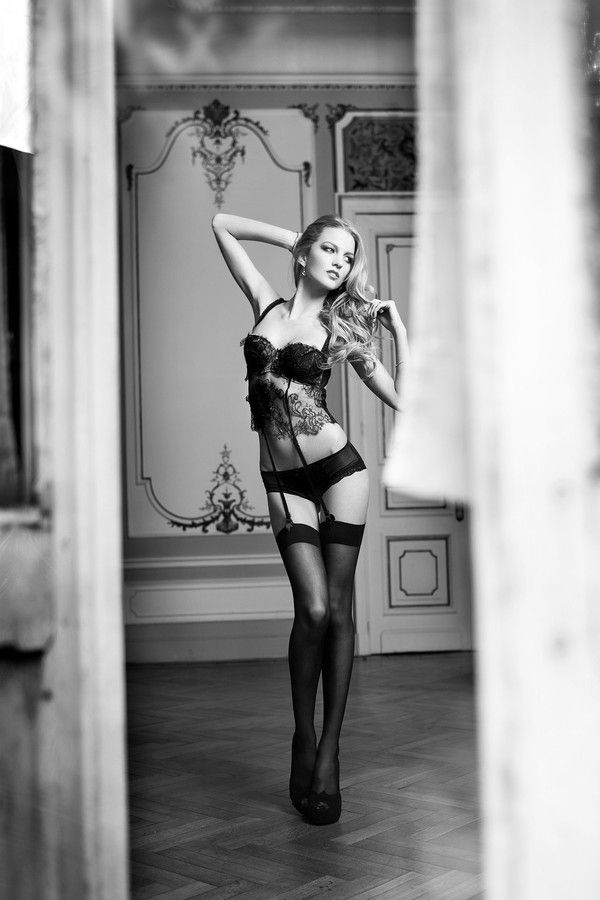
Posing without stiffness
Good boudoir posing is usually about lengthening and relaxing, not contorting. Elongate the neck slightly; create space between arm and torso so the body does not read as a single block; bend a knee to break parallel lines; let weight settle into one hip. Hands can rest on a thigh, trail along sheets, or hold a robe edge—anything that looks occupied rather than posed for a diagram.
Lying poses benefit from small adjustments: a pillow under the chest or hip can change silhouette dramatically; turning the face toward the key light keeps eyes luminous. Seated poses on the edge of a bed or chair allow strong verticals and easier conversation between photographer and subject. Standing poses against a wall can feel graphic in monochrome if you watch for awkward foot placement and locked knees.
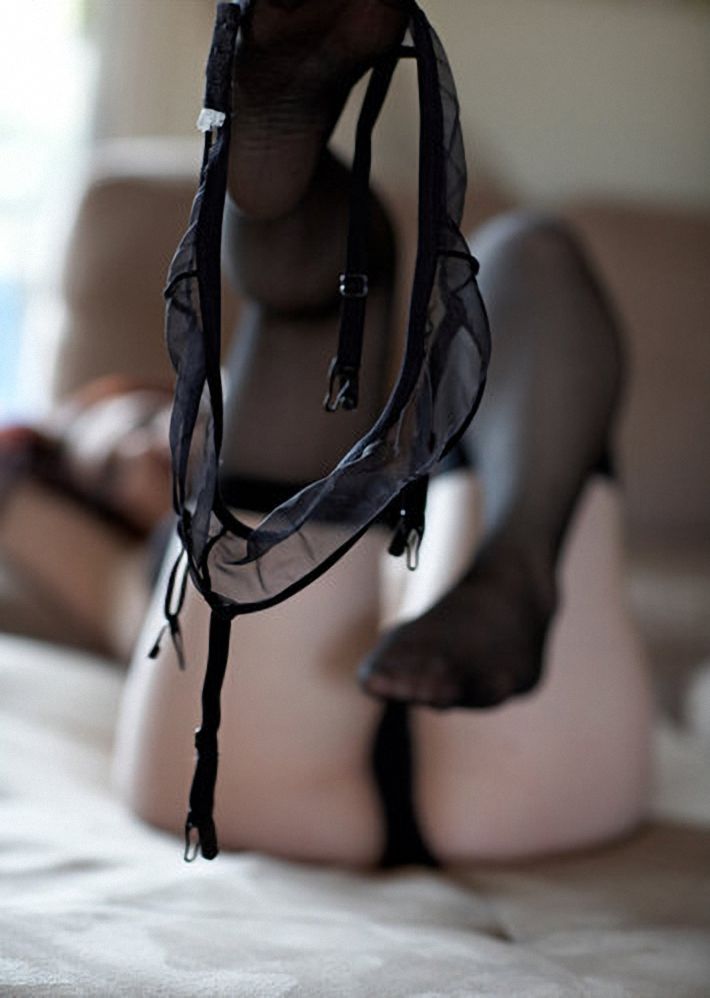
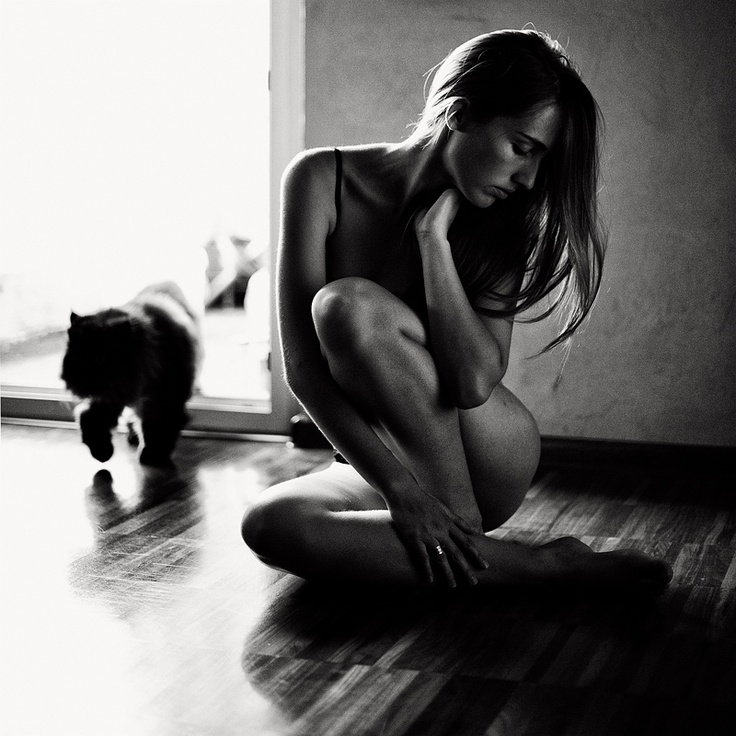
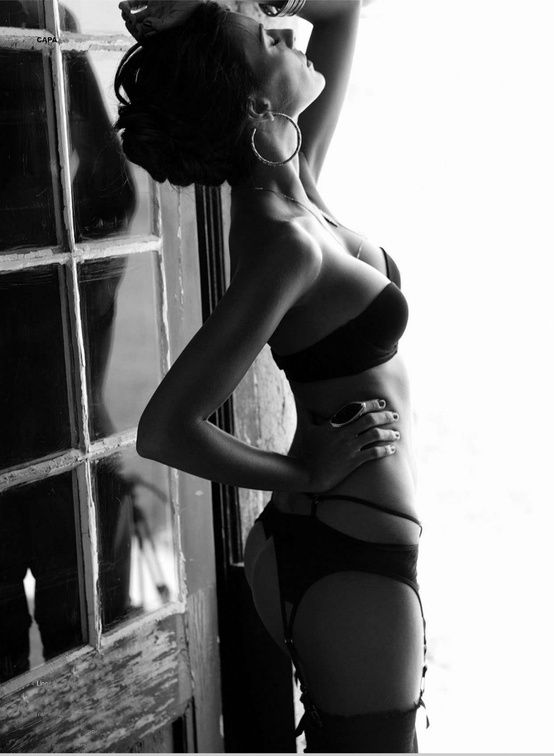
Cropping, implication, and privacy
A respectful boudoir set often uses implication. Cropping at the shoulders, photographing from behind with a turn of the head, or focusing on hands and collarbones can be as evocative as fuller figures—and sometimes more so. Close frames of eyes, lips, and neck create intimacy without requiring vulnerability the subject does not want that day.
Discuss privacy before the shoot: will faces appear in every frame? Will files be stored encrypted? Who receives the gallery link? For gifts, many people prefer a mix—some face-forward portraits, some more anonymous studies—so the album feels personal without becoming a single-note reveal.
Locations beyond the bedroom
Bedrooms are natural, but not mandatory. A chair by a window, a hallway with a single hard light, a bathroom with soft diffusion through a curtain, or a simple studio seamless can all work. Declutter backgrounds; in black and white, visual noise becomes gray static. Fresh sheets photograph better than heroic editing later. If you shoot in a hotel or rented space, check mirror reflections so the camera—and anyone else—does not appear unintentionally.
Editing for kindness and consistency
Retouch with a light hand. Smooth distracting temporary marks if the subject wants that; preserve skin texture so the person remains a person. Dodge eyes gently. Control brightness on lingerie edges and jewelry. Convert using luminance tools so skin stays luminous and fabrics keep separation. Build a consistent contrast language across the album so a soft daylight frame and a moodier lamp frame can still live in one book.
Sequencing the album
If the set is a gift, consider ending with a few black-and-white frames even when most of the shoot is in color—or building the entire gift in monochrome for unity. Open with covered, smiling, or eye-contact portraits that feel welcoming; place more vulnerable images where the viewer has already settled into the mood. Variety helps: a detail of hands, a wider room frame, a close portrait, then a quieter silhouette.
Before the session day, a short checklist keeps the work grounded:
- Boundaries and sharing rules agreed in advance
- Wardrobe the subject already likes, plus a robe
- One main soft light plan and a backup corner with window light
- Time for breaks; no marathon posing
- Edit and delivery plan that protects privacy
Tasteful black-and-white boudoir is not a formula for “sexy.” It is a portrait practice that treats desire, confidence, and vulnerability as things a person can choose to show—on their terms, in light that flatters, in tones that last.

Comments
Continue reading
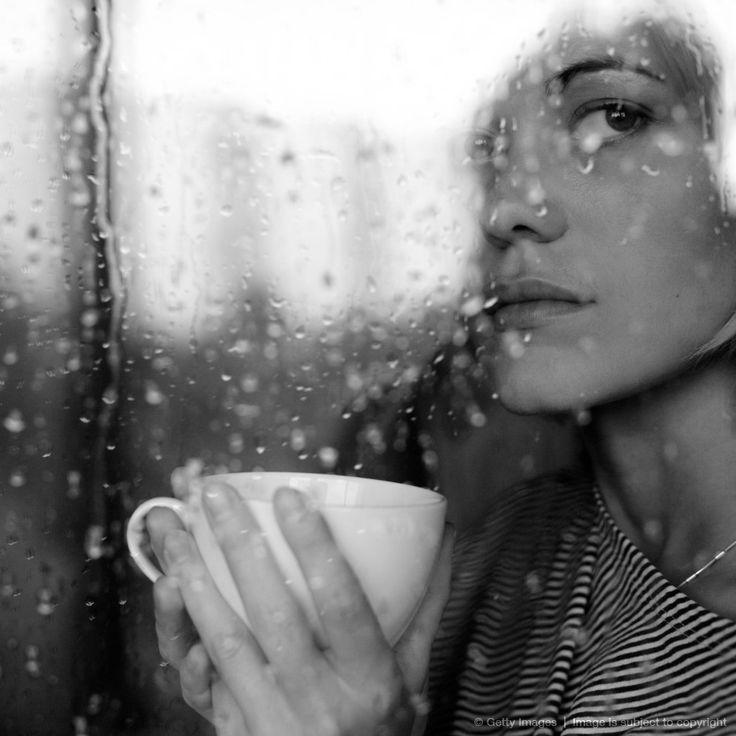
Black and White Photography of Beauty and Solitude
Monochrome frames that treat solitude as presence—not pity—through light, space, and the quiet beauty of being alone.
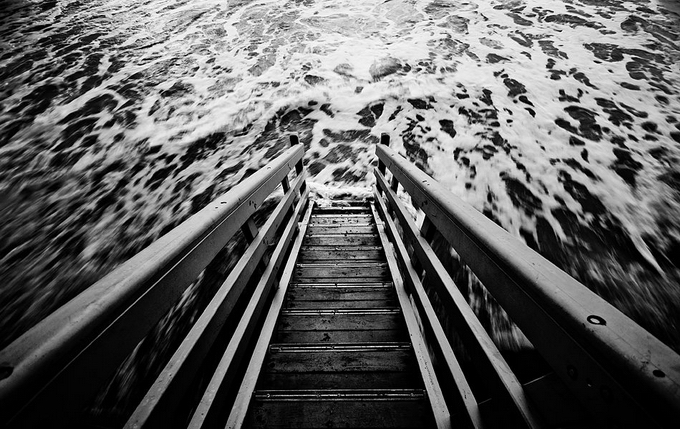
Black and White Photography by Guy Cohen
Jerusalem photographer Guy Cohen’s high-contrast black-and-white work—shadows, light, and surreal street atmospheres from his early-2010s portfolio.

Pin-up Girl Boudoir Photography Ideas
Tasteful pin-up boudoir ideas—hair, makeup, color stories, poses, and props—for a playful vintage-glamour portrait session.