
Black and White Photography of Beauty and Solitude
Monochrome frames that treat solitude as presence—not pity—through light, space, and the quiet beauty of being alone.
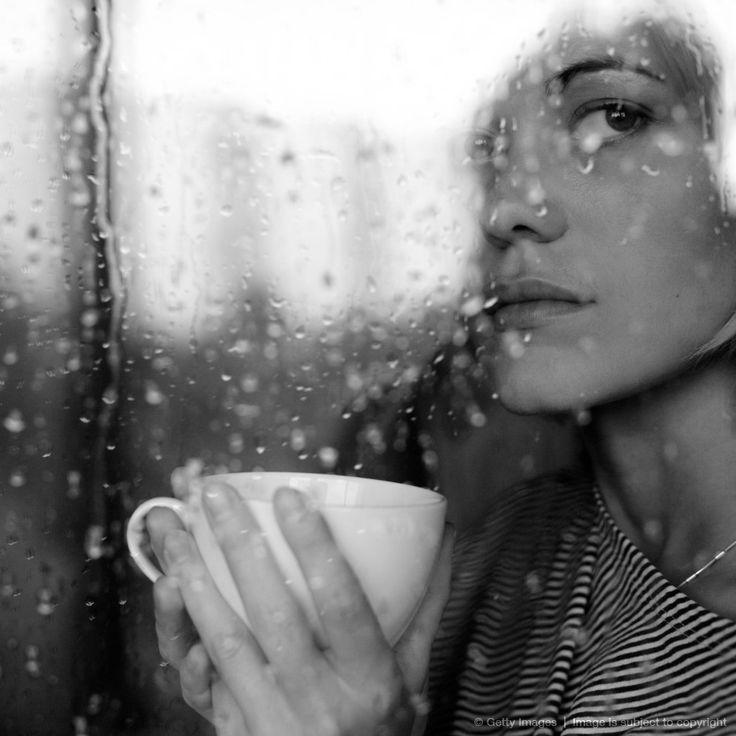
I care for myself. The more solitary, the more friendless, the more unsustained I am, the more I will respect myself.
― Charlotte Brontë, Jane Eyre
Black and white photography has always been good at solitude. Without color competing for attention, a frame can hold quiet the way a room holds dust: not as emptiness, but as atmosphere. Beauty in monochrome is rarely the loud kind. It arrives as tone, edge, and distance—someone alone on a path, a face turned away from the lens, a body small against architecture or weather.
Solitude is not the same as loneliness, though photographs often let the two share a border. Loneliness wants company and cannot find it. Solitude can be chosen, endured, or simply noticed. Brontë’s line from Jane Eyre pushes the idea further: solitude as a form of self-regard, a refusal to dissolve when no one is watching. In pictures, that idea becomes visual. The subject does not perform for a crowd. The photographer does not decorate the scene with chatter. What remains is presence—sometimes elegant, sometimes severe, sometimes merely human.
Why monochrome suits being alone
Color tells stories about fashion, season, and brand. Black and white tells stories about structure. Light becomes the main character. Shadow becomes architecture. A pale dress against dark foliage, a window cutting a rectangle of gray into a darker wall, hair catching a rim of brightness—these are the tools that make solitude feel intentional rather than accidental.
Photographers who work in monochrome often simplify until the emotional temperature of a scene is unmistakable. Remove a red coat or a green lawn, and you are left with posture, gesture, and the space between things. Solitude thrives in that space. The empty half of a frame is not a mistake; it is the subject’s companion. Negative space can feel like weather. A wide margin around a person can suggest independence, exile, or peace, depending on how the body occupies it.
There is also a historical comfort in black and white. Much of twentieth-century portraiture and street work taught viewers to read faces without chroma. We still associate monochrome with seriousness and memory. That association can be lazy if it is only a filter, but when exposure and print tone are considered, it becomes a language. Solitude photographed in that language often looks timeless—not because the clothes are old, but because the feeling is familiar across decades.
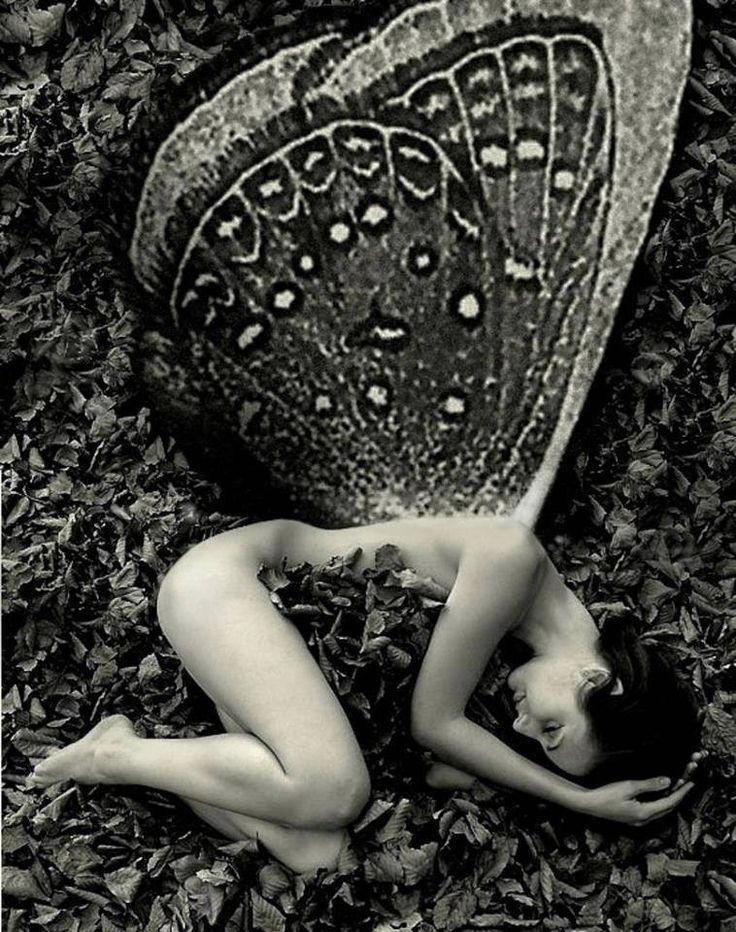
Beauty without spectacle
Beauty in solitude photographs is frequently quiet. It may be a clean profile, the geometry of a collar, the way fabric falls when no one is arranging it for a shoot. It may be weather on skin, or the formal calm of someone who has stopped moving. Spectacle asks for applause. Solitude asks for attention that does not interrupt.
That does not mean the pictures are soft or sentimental. Some of the strongest solitude images are hard-edged: high contrast, sharp silhouettes, a subject pressed against concrete or open sky. Beauty here can mean clarity. You see the line of a jaw, the weight of a coat, the exact place where a figure meets the ground. The photograph respects the person by refusing to blur them into mood alone.
There is also beauty in unfinished narrative. A solitary figure walking away from the camera invites questions the frame will not answer. Where is she going? Is he resting or waiting? Has someone just left? Good solitude photographs keep those questions alive without turning the viewer into a detective. The image is complete as a feeling even when the story is incomplete as plot.
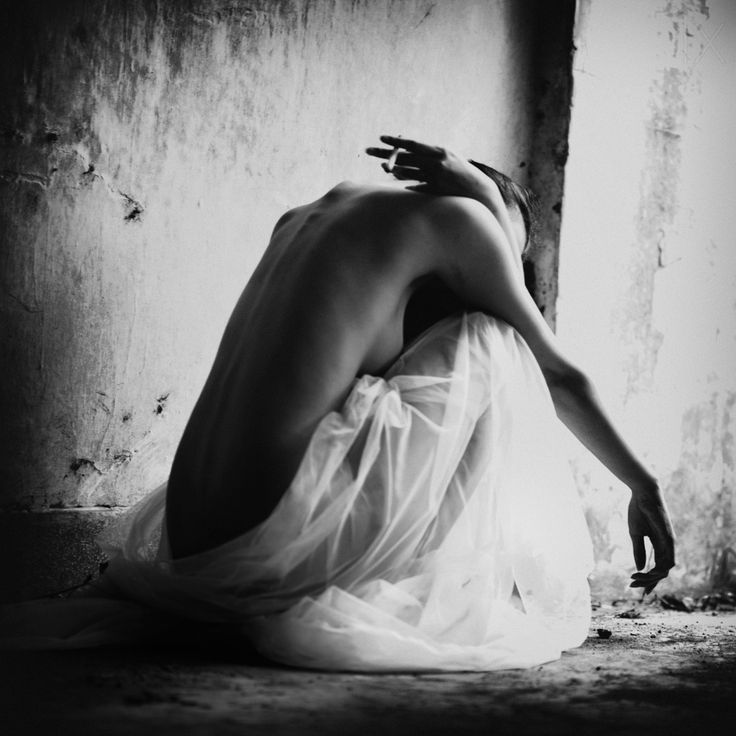
The ethics of looking at alone-ness
Photographing solitude is an ethical problem as much as an aesthetic one. A person alone is vulnerable to being turned into a symbol. The camera can invent melancholy where there was only quiet. It can romanticize isolation that is, for the subject, simply Tuesday afternoon. Respectful work stays specific. It notices the particular angle of a shoulder, the particular light on a wall, instead of forcing a caption about “the loneliness of modern life.”
When the subject is aware of the camera, solitude becomes collaboration. The sitter agrees to be seen without performing a social role. That agreement is intimate. When the subject is unaware—street photography’s old dilemma—the photographer owes restraint: no humiliation, no harvesting of private distress for atmosphere. Solitude as beauty should not require someone else’s discomfort as fuel.
Self-portraiture complicates the theme further. Many photographers use themselves as the solitary figure because they can control consent and pacing. The mirror, the timer, the remote shutter—these are tools of privacy as much as tools of craft. A self-portrait of solitude can be a study of identity rather than a confession of sadness. Brontë’s insistence on self-respect fits that tradition: the self observed carefully, not abandoned.
Craft notes for making quieter pictures
If you want to photograph beauty and solitude without sliding into cliché, start with light you can describe in one sentence. Side light that carves a cheekbone. Overcast light that softens edges and lengthens gray tones. A single window that turns a room into a stage with one actor. Then decide how much of the world belongs in the frame. Too many props become chatter. Too little context becomes poster art. The balance is usually one strong human presence and one supporting environment—wall, field, stair, shoreline—that explains the mood without explaining the plot.
Pose less; wait more. Solitude looks false when it is “acted.” It looks true when someone settles into stillness after movement. Ask for a pause between instructions. Let the hands find their own rest. If you are working outdoors, let the subject walk until the walk becomes ordinary again, then make the picture. Ordinary motion photographed with attention often feels more solitary than theatrical stillness.
In processing, protect midtones. Crushing blacks and blowing highlights can make a solitude image look dramatic and empty at once. A longer tonal scale keeps skin and fabric alive. Grain, used lightly, can suggest atmosphere; used heavily, it can become a costume of “art.” Crop with the same care. Cutting space around a figure changes the emotional temperature of solitude more than most filters do.
Consider sequence. A single image of a person alone can feel like a statement. A short series can feel like a day. Morning light, midday flatness, evening shadow—solitude changes character with the clock. Editing several frames together also prevents one photograph from carrying too much symbolic weight. Beauty accumulates when it is allowed to vary.
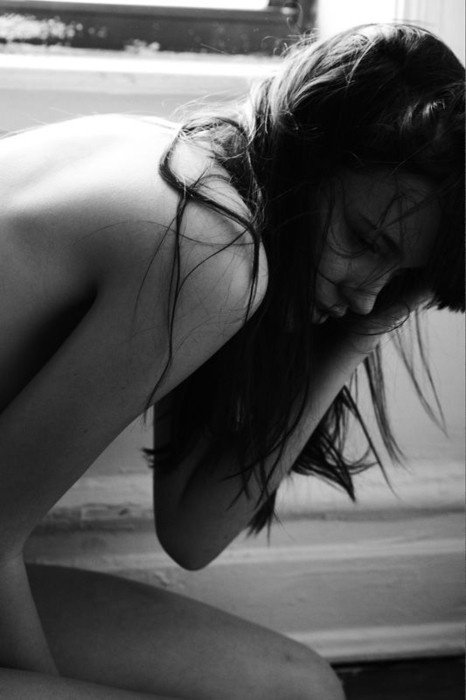
What these pictures ask of a viewer
Looking at solitude photographs is a small practice in not rushing. The eye wants to scan for action. These frames reward a slower read: the texture of a sleeve, the distance to a horizon, the way a head is held when no conversation is required. Beauty here is not decoration draped over emptiness. It is the visible evidence that a person—or a photographer—has paid attention without needing an audience.
Brontë’s quote remains useful because it refuses pity. Solitude is not automatically a wound. It can be a stance. Black and white photography, at its best, records that stance without apology and without turning it into a mood board. The pictures collected here lean into that quieter register: figures, tones, and spaces that treat being alone as a subject worth seeing clearly.
If you make your own work in this vein, keep the bar simple. Choose light that means something. Leave room in the frame. Do not invent sadness where none exists. Respect the person who is alone, including when that person is you. The rest—contrast, crop, timing—is craft in service of a feeling that does not need to shout to be beautiful.

Comments
Continue reading
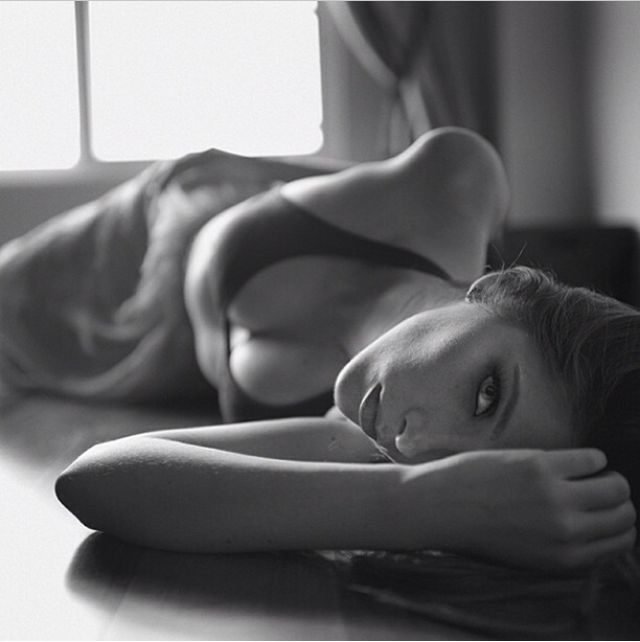
Black and White Boudoir Photoshoot Ideas: Light, Consent, and Tasteful Framing
Respectful monochrome boudoir ideas—consent and comfort, wardrobe and fabric, posing without stiffness, privacy-minded crops, and a practical session checklist.
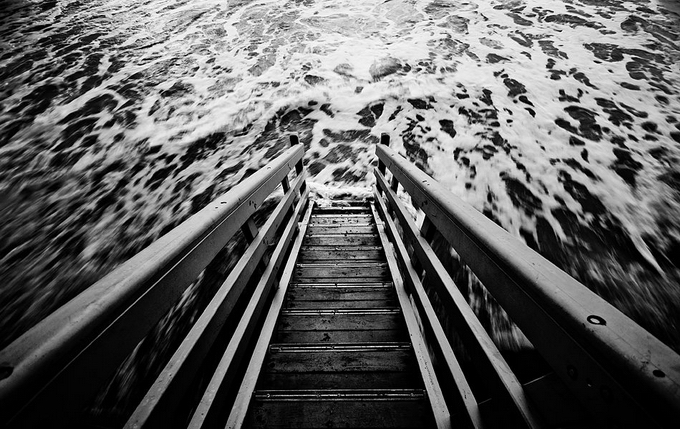
Black and White Photography by Guy Cohen
Jerusalem photographer Guy Cohen’s high-contrast black-and-white work—shadows, light, and surreal street atmospheres from his early-2010s portfolio.
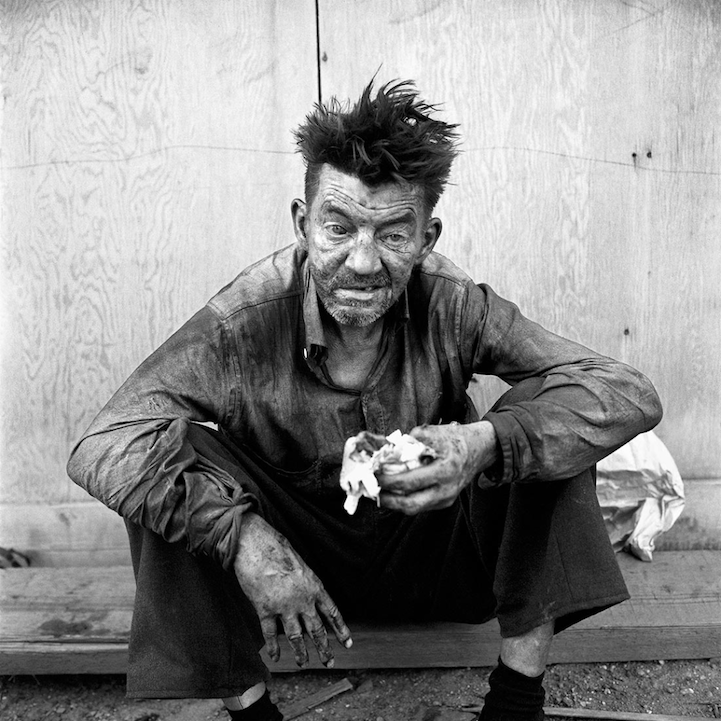
Black and White Street Photos by Vivian Maier
The nanny-photographer who documented Chicago and New York in private for decades—and whose rediscovered street archive reshaped how we see mid-century American life.