
Unusual Bedside Table Designs That Still Work at 2 A.M.
Wood, metal, floating shelves, and sculptural nightstands—height, stability, storage, and small-room tips so crafty pieces stay practical beside the bed.
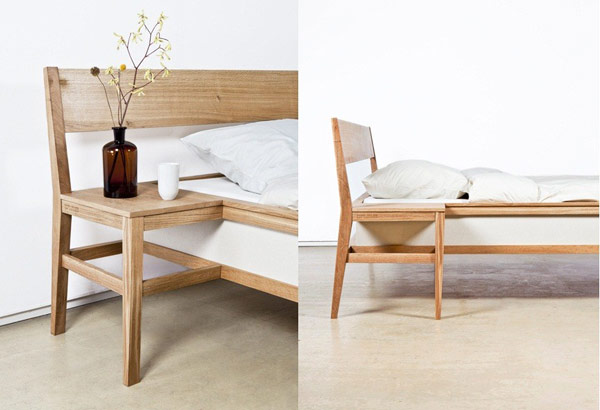
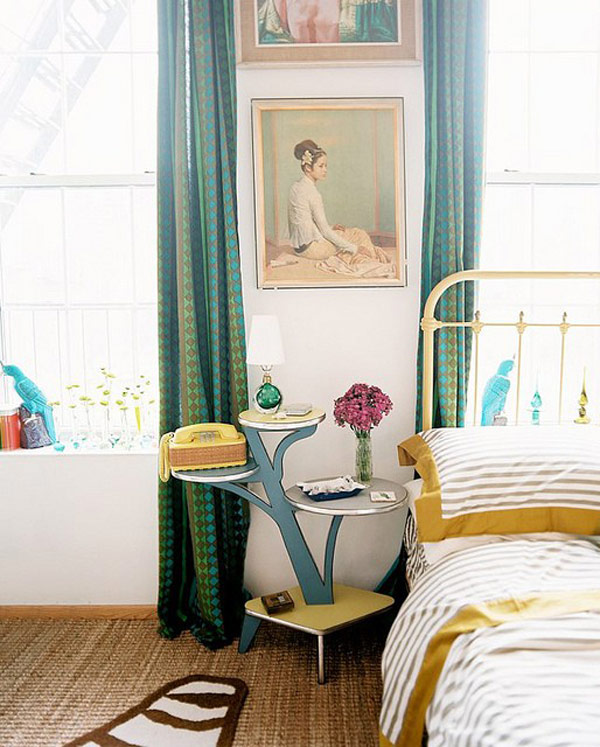
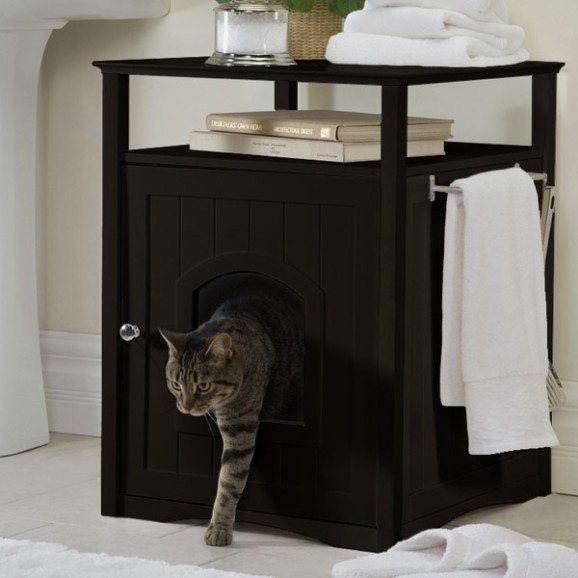
A bedside table only has to hold a lamp, a book, a glass of water, and maybe a phone—but the best ones also set the mood of the whole sleeping corner. Unusual designs prove that nightstands need not be a matching pair of boxy cabinets from a bedroom set. Reclaimed wood, metal frames, floating shelves, sculptural bases, and clever storage can sit beside the bed as long as height, stability, and reach stay practical when you are half awake.
When you choose or build, measure mattress height first. The tabletop should land near the top of the mattress so you are not stretching up or dropping down. Leave clearance for bedding to drape. If the room is tight, favor a small footprint, a wall-mounted shelf, or an open base you can tuck a basket under. The ideas below walk through styles that look crafty or design-forward while still earning their keep at odd hours of the night.
What a nightstand must do
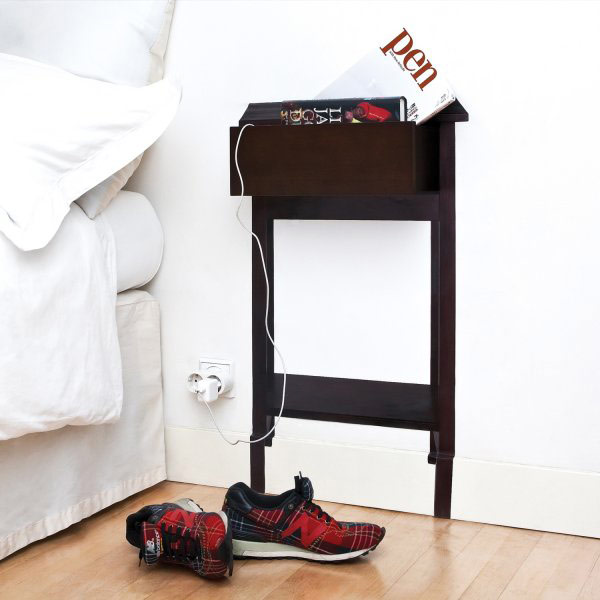
Surface area matters more than drawers for many people. A compact top with a lower shelf often beats a deep chest that collects forgotten clutter. If you charge devices overnight, plan cord routes—a back notch, a grommet, or a wall outlet within reach—so cables do not drag the lamp to the floor. Soft-close drawers are kind in shared rooms; felt pads under objects reduce the scrape that wakes a partner.
Weight and tip resistance count when kids or pets lean. Tall skinny pedestals look elegant in photos and fail when a heavy lamp sits off-center. Anchor tall units to the wall if they feel light. Round corners are friendlier in narrow walkways between bed and wall. Test the piece in the room before you commit to paint colors or permanent mounts; morning light and bedside lamp light show different flaws.
Wood, crates, and handmade warmth
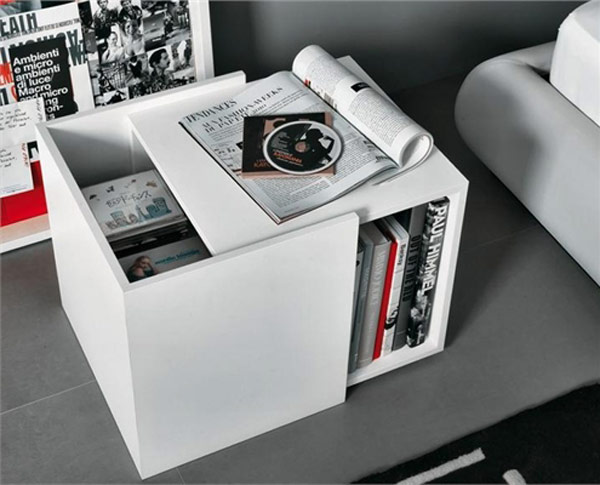
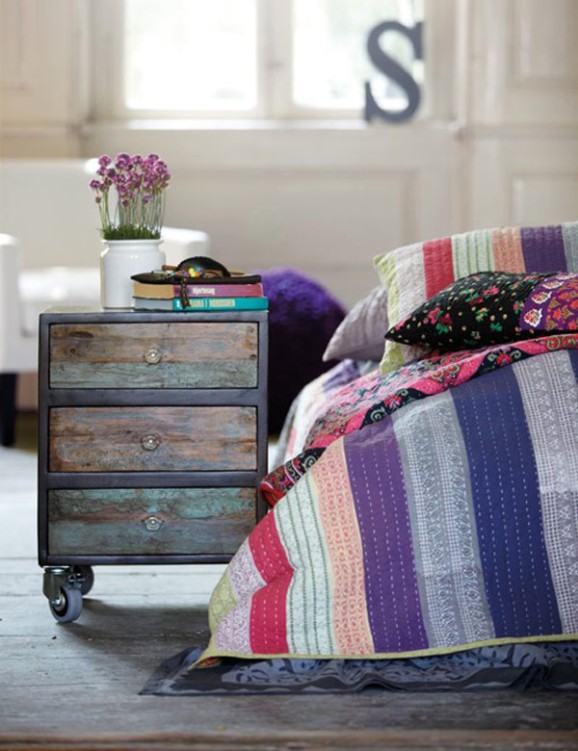
Solid wood slabs on simple metal or hairpin legs give a craft-forward look with minimal joinery. Seal the top against water rings. Reclaimed beams and barn wood bring texture; sand enough to avoid splinters on sleepy hands. Stacked vintage crates, screwed together and mounted or weighted, create cubbies for books and a flat top for a lamp—check that the stack cannot rack sideways. A thin cleat screwed into the wall behind a crate stack adds insurance without spoiling the casual look.
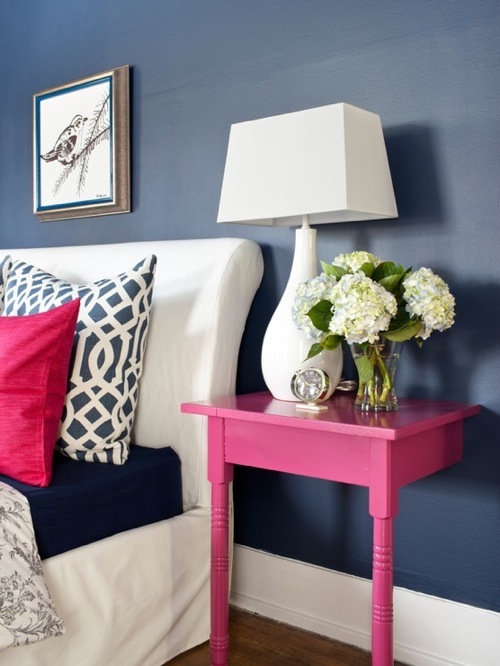
Live-edge pieces feel sculptural; keep the live edge away from the walking path if bark or irregular curves catch clothing. Painted wood in a color pulled from bedding ties the corner together without forcing a full furniture suite. A single handmade nightstand beside a plain bed frame can carry the whole room’s personality. Oil finishes warm the grain; matte paint hides fingerprints from late-night reaches for the glass.
If you build from scratch, a simple box with one drawer and tapered legs is a satisfying weekend project. Pre-drill hardware, square the carcass before the glue sets, and plane or sand the top until a glass slides quietly. Imperfect handmade joinery still beats a wobbly flat-pack if the piece sits level and does not squeak.
Metal, mix-and-match, and industrial notes
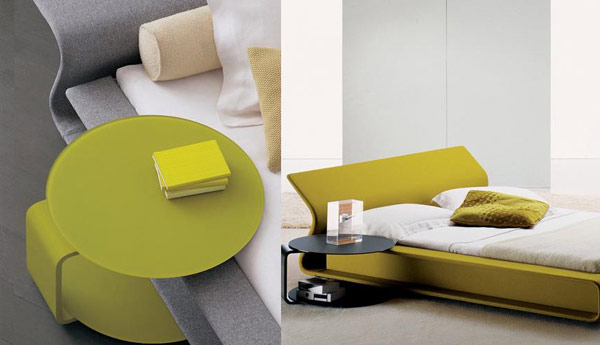
Pipe and wood combinations nod industrial without needing a loft. Use fittings rated for furniture, not thin decorative pipe that flexes. Powder-coated metal trays as tops wipe clean; pair them with wood bases for warmth. Brass or black steel frames with glass or marble tops lean hotel—beautiful, but glass demands coasters and calm pets. Felt pads under marble reduce the cold clink that carries through quiet rooms.
Mixing a metal frame with a wood drawer box lets you customize height: order or cut legs to match your mattress. Industrial wheels can work on a cart-style nightstand if they lock; unlocked casters wander when you tug a charging cable. Soft flooring? Add wide glides so legs do not punch dents. Wipe metal monthly; dust shows more on dark powder coat than on open grain wood.
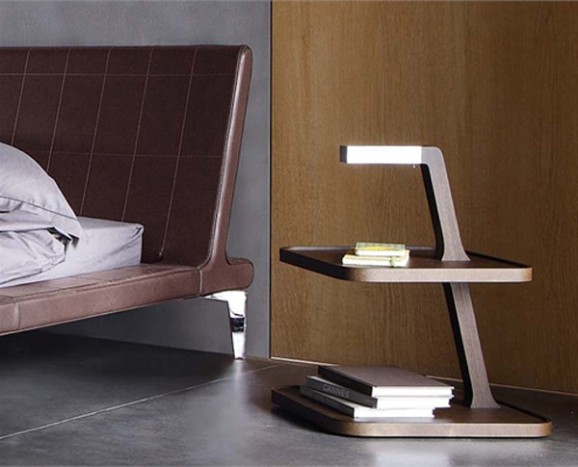
Floating shelves, slim profiles, and small rooms
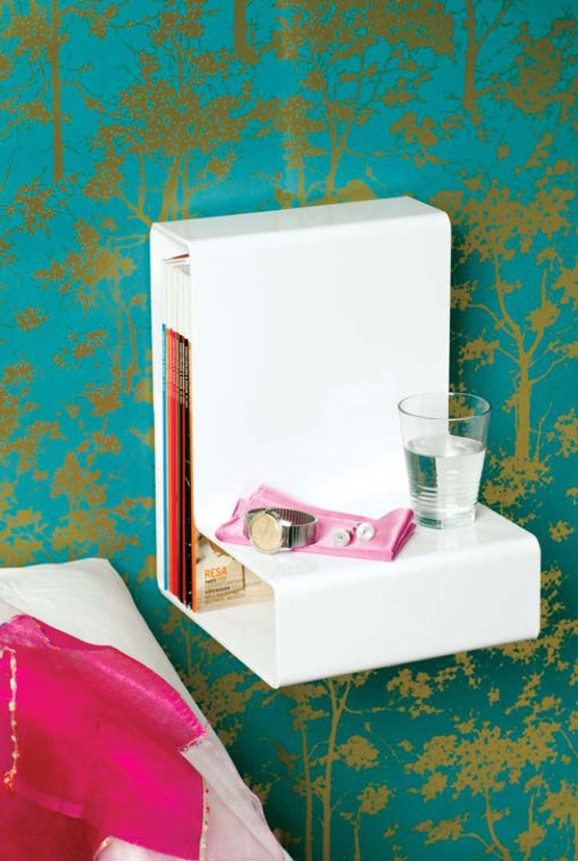
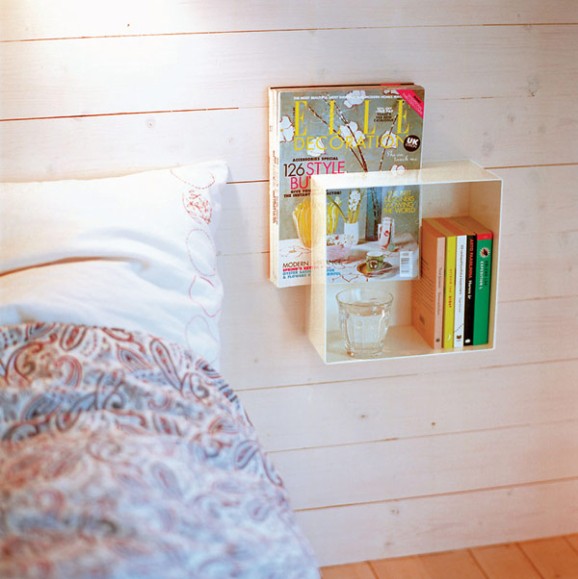
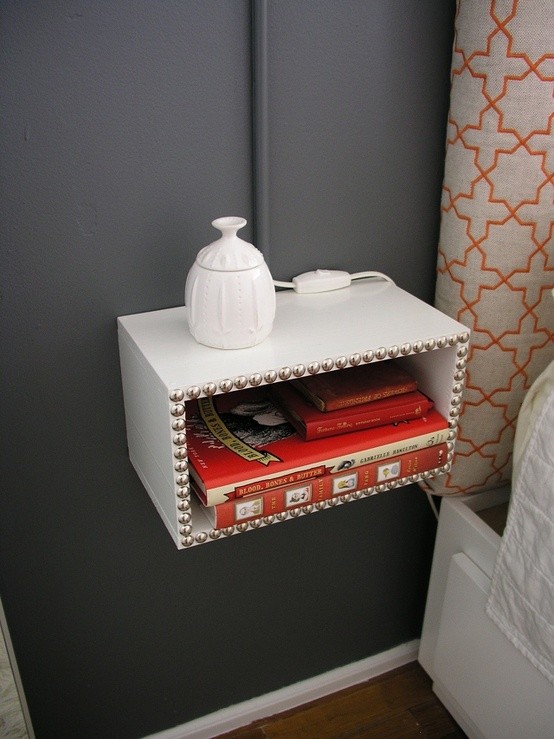
A wall-mounted shelf or ledge frees floor space for robot vacuums and restless feet. Use heavy-duty brackets rated well above the lamp-plus-books load, and hit studs. Floating drawers that appear to hover need solid mounting hardware—do not rely on drywall anchors alone for a full drawer of hardcover novels. Leave enough gap under a floating unit to dust and to find dropped earbuds.
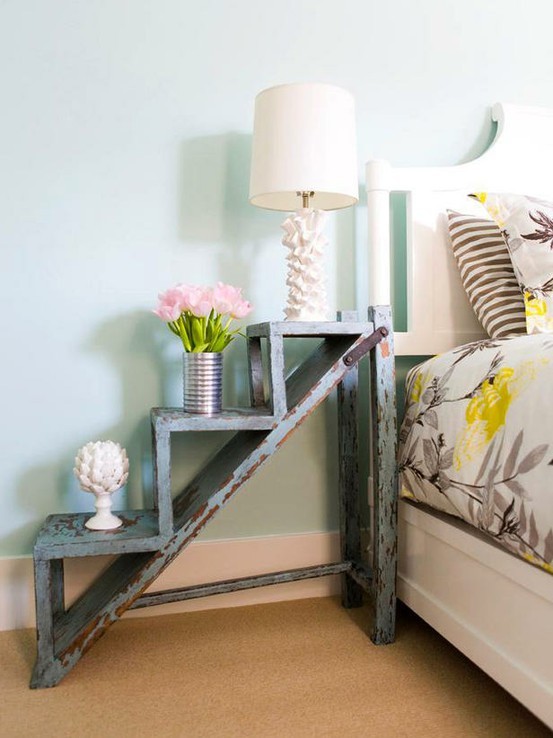
Slim console-like tables that are barely deeper than a paperback suit apartments where the bed nearly fills the wall. A ladder shelf leaning beside the bed offers staggered surfaces; secure it so it cannot slip. Nesting tables let you pull a second surface out when you need tea and a laptop, then tuck it away. In a shared twin room, two identical slim shelves keep fairness without crowding the aisle.
Corner-mounted triangles or quarter-round tops claim unused space where a rectangular nightstand would block the door swing. Measure the door arc and radiator clearance before you drill. Small rooms forgive bold materials more easily than bulky footprints—one striking pedestal often looks calmer than a wide cabinet.
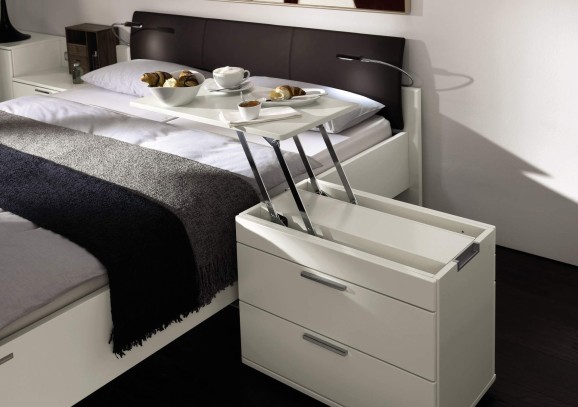
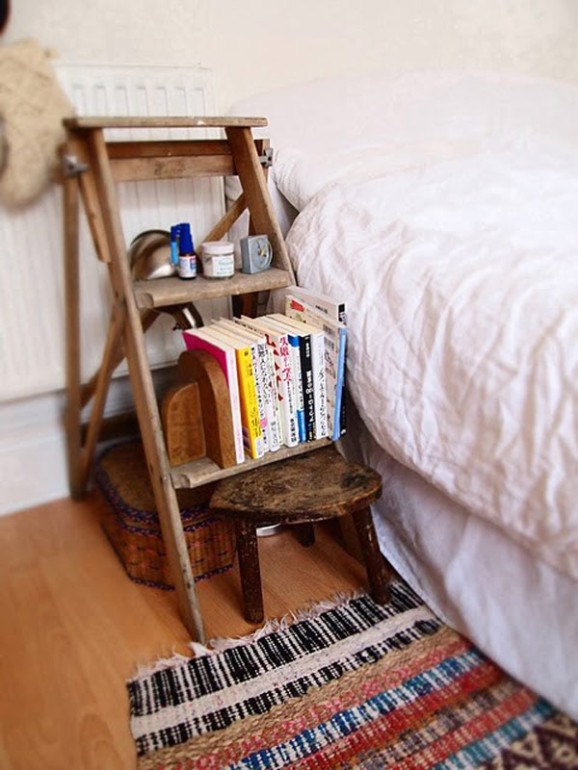
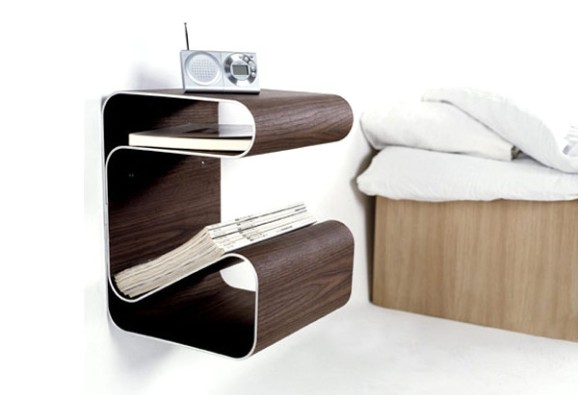
Storage tricks that stay tidy
Open lower shelves invite baskets for chargers, eye masks, and the book stack that never shrinks. Closed cabinets hide clutter but need a habit of closing doors so the room still feels calm. A single deep drawer beats three shallow ones that jam. Interior dividers keep medicine bottles from rolling into pens. Charge cables in a small dish rather than letting them snake across the top like vines.
If you love a pedestal or sculptural base with no storage, add a wall pocket or a small caddy that hangs from the bed frame for remote and lotion. The tabletop then stays for lamp and water only—often the most restful arrangement. Rotate seasonal reading to a bookshelf weekly so the nightstand does not become a second library.
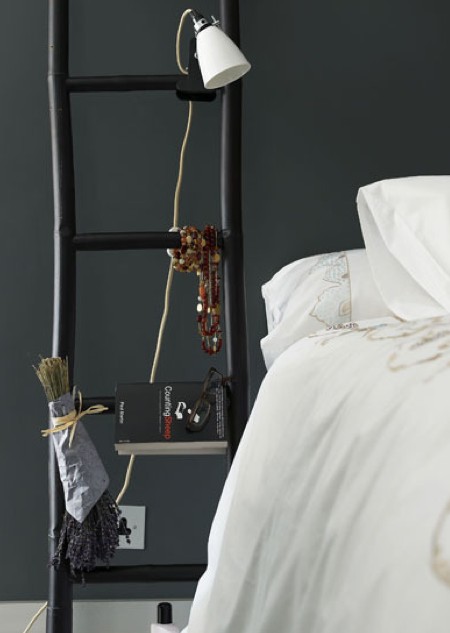
Quick checklist before you buy or build
- Top height within a few centimeters of the mattress surface
- Stable under a typical lamp weight, tested by a firm nudge
- Cord path for phone charging without dangling hazards
- Finish that tolerates a sweating water glass
- Clearance for bedding and for walking past in the dark
- Style that matches how you actually clear clutter—open shelf vs closed drawer
Try this before you order: set a cardboard box at the planned height with a lamp and book on top, live with it for two nights, and note what you reach for. Then flip through unusual designs for shape language—sculptural bases, mixed materials, floating planes—and edit against the checklist. Pick the piece you would trust with a full glass and a good novel; let the crafty silhouette be a bonus that still behaves when you are barely awake.

Comments
Continue reading
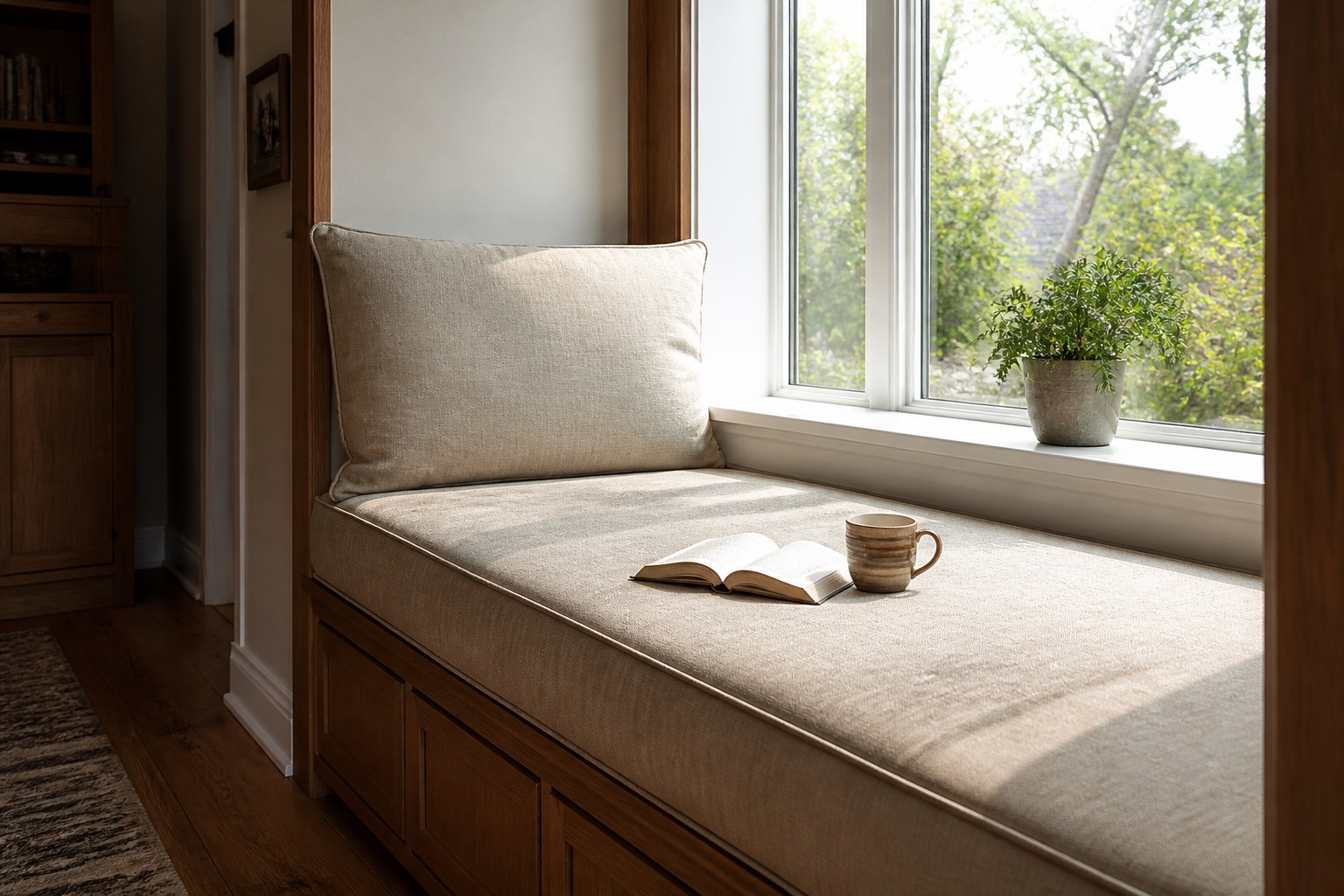
Window Seats That People Actually Sit In
Depth, cushions, storage, and light—how to build or dress a window seat so it becomes a reading spot instead of a dumping ground for laundry.

Garden Decoration Beyond Beds: Lace, Mosaiculture, and Upcycled Yard Art
From dressed topiary and floral cyclists to license-plate dragonflies and lace between trees—garden decorations that give a yard a voice.
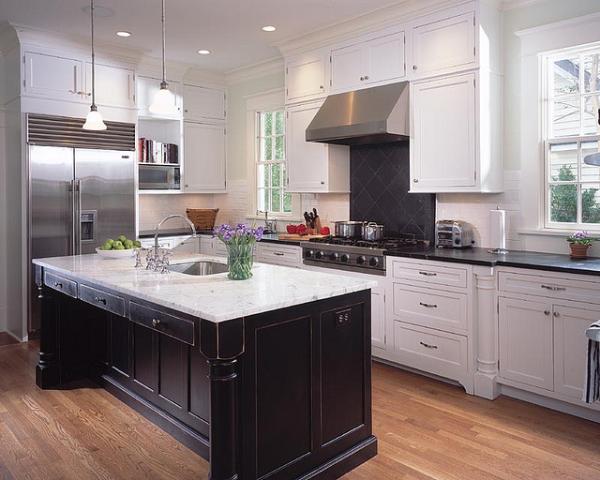
Kitchen Design Ideas: Layout, Storage, Light, and Finishes That Work
Practical kitchen design ideas—work zones, cabinetry, lighting, and durable finishes—so inspiration translates into rooms that cook and gather well.