
Creative Window Seat Ideas: Depth, Light, and Built-Ins
How to plan a sunlit bench that people actually use—measurements, materials, room-by-room tips, and a gallery of cozy window seats.
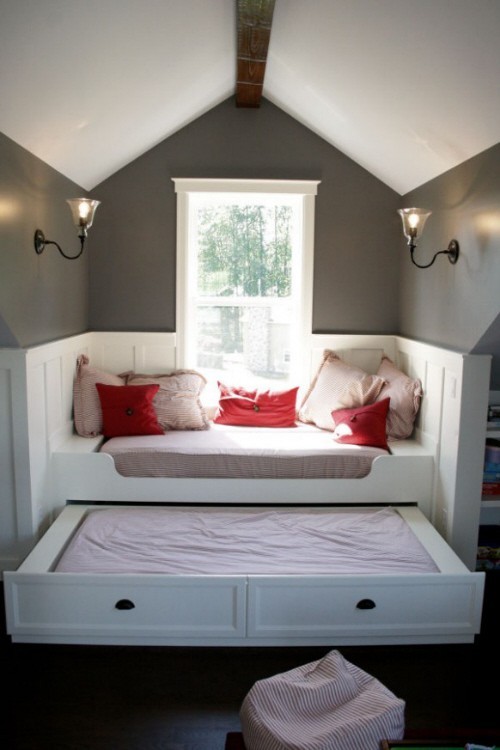
A window seat is one of the few home upgrades that improves both architecture and daily habit. You gain a place to sit in the light, a softer edge between indoors and weather, and—if you build it well—storage you did not have yesterday. The examples gathered here show how different rooms answer the same wish: a cozy corner where sun, cushions, and a view do most of the decorating.
Some seats are deep daybeds; others are slim perches with a book ledge. Some float in modern glass walls; others nest under traditional muntins and drapery. Walk the gallery for mood, then steal the measurable ideas—depth, height, textiles, and how the seat meets the sill.
Start with the window you have
Not every opening wants a seat. Radiators, baseboard heaters, and floor vents under the sill complicate cushions and can create hot spots. Sliding doors need clear swing or slide paths. Low sills invite deeper benches; high sills may only support a shallow ledge with a stool pulled up—honest, but not the classic curl-up seat.
Measure three numbers before you sketch: sill height from the finished floor, clear width between jambs or trim, and how far the wall can accept a bench without choking the room’s walkway. A seat that looks generous in a photo can starve a small bedroom of circulation. Leave enough knee space in front so someone can sit facing the room as well as the glass.
Light direction matters. East windows give morning reading light and afternoon shade; west windows can overheat cushions and fade fabrics. South light is generous in many climates and asks for UV-aware textiles. North light is softer and steadier for desks that share the bay. Choose fabrics and wood tones that forgive the fade pattern you will actually get.
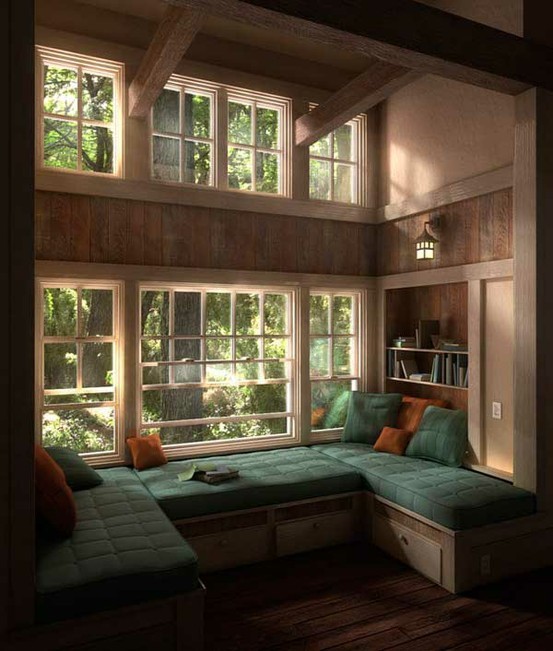

Depth, height, and the body
A true lounge seat wants roughly 24 inches (60 cm) of usable cushion depth or more; less becomes an upright perch. Seat height near 16–18 inches (40–46 cm) suits most adults when feet can reach the floor or a ledge. Kids’ seats can sit lower. If the bay is deep enough for sideways reading with bent knees, add a bolster against the glass to soften the hard line of the sill and cut drafts.
Back support is the detail photos hide. A wall-mounted cushion, a hinged plywood back, or a row of pillows against the jamb keeps shoulders happy. Without it, people perch for five minutes and leave. Arm-height ledges on one or both sides give a place for a mug without inventing a coffee table in a tight bay.
Storage under the seat is almost always worth the carpentry. Drawers on soft-close slides beat lift-up lids if you sit there daily—nobody wants to clear pillows to reach winter blankets. Baskets in open cubbies work when the room is tidy by nature; closed fronts hide the reality of most households.
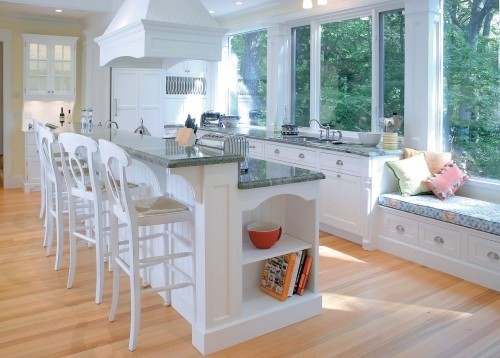
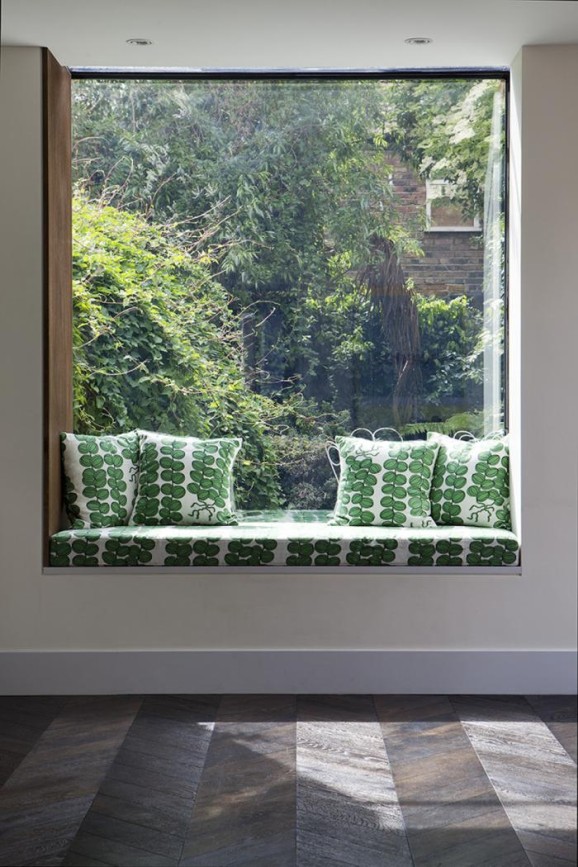
Materials that survive sun and sitting
Cushion foam denser than sofa-back fluff holds shape; a wrap-and-zip cover you can wash matters more than a precious textile you fear. Performance fabrics, tightly woven cottons, and indoor/outdoor weaves handle sun better than delicate silks. Pattern hides wear; solid pale linen shows every spill and every UV shift.
Wood trim should match or deliberately contrast the room’s existing carpentry. Painted MDF is budget-friendly for built-ins that will be cushion-covered on top; hardwood edges take the knocks of shoes and toys. Metal frames suit modern lofts but conduct cold near single-glazed windows—add insulation under the cushion if winters are sharp.
Window treatments belong in the same plan. A Roman shade or soft panels that stack clear of the seat keep glare manageable without burying the bench. Floor-length drapery can coexist if the rod sits wide of the bay and the seat does not fight the fabric puddle. Avoid schemes that force you to climb onto cushions to open the shade every morning.
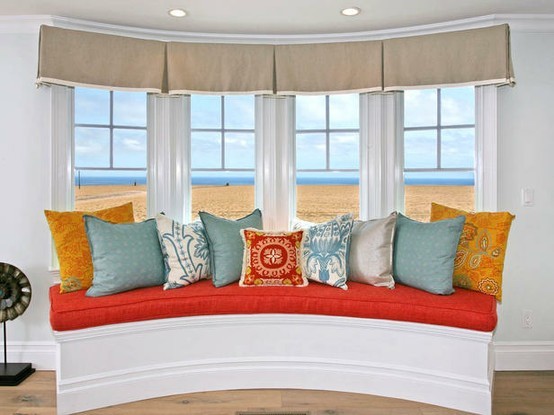
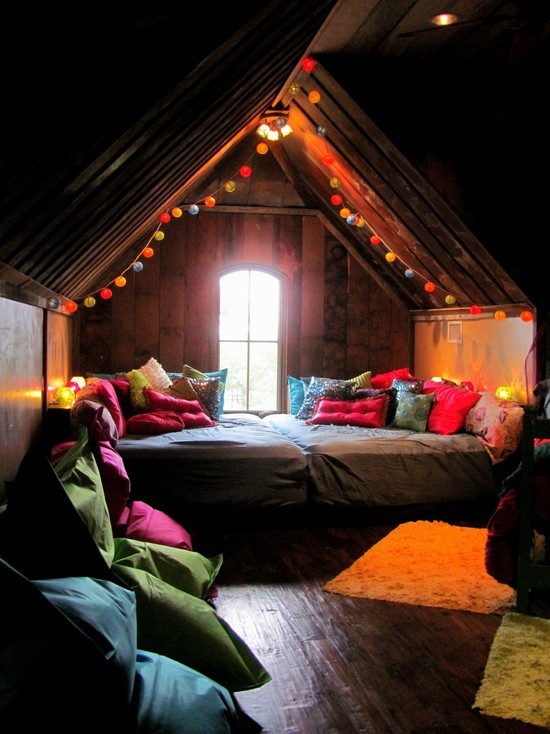
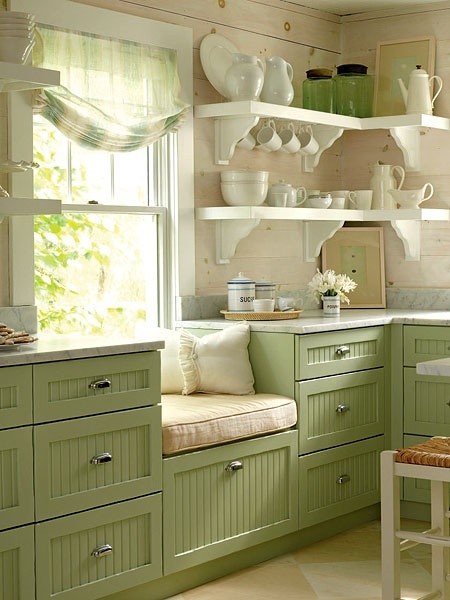
Room by room: where seats earn their keep
In living rooms, a window seat can replace a bulky armchair and free floor area for a clearer rug. In bedrooms, it becomes a dressing perch and morning coffee spot—add a small shelf for a phone so the mattress stays for sleep. In kitchens, a bay seat turns breakfast into a ritual, provided crumbs and grease are planned for with washable covers.
Hallways and landings with a lone window often have just enough depth for a shallow seat and a stack of books. Those narrow wins feel luxurious because they claim leftover space. Children’s rooms love window seats with toy drawers; keep soft corners and anchor furniture if the seat doubles as a climbable stage.
Home offices benefit when the seat is separate from the task chair—a place to think without screen posture. If the only window is behind the desk, a seat may not fit; if it is beside, a short bench can hold reference books and a guest for quick reviews.
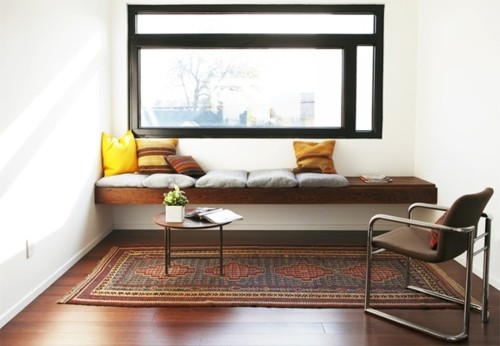
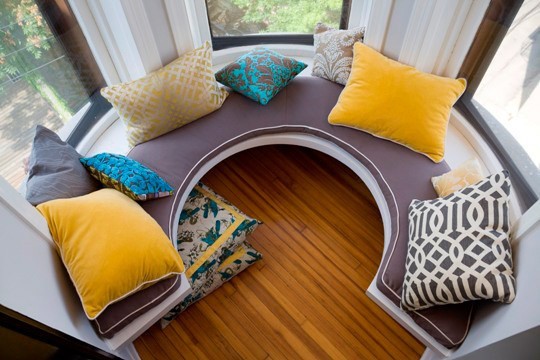

Styling without smothering the view
Pillows should leave a clear landing strip for a person. Three to five mixed sizes usually beat a retail mountain of twelve. Vary texture—linen, knit, a bit of pattern—more than colour count. A throw folded at one end signals “stay” without blocking the glass.
Plants love window seats and also drop soil on cushions; use trays and choose species that match the light. Books stacked under the sill look intentional if the stack is short; tall piles become hazards when someone shifts sideways. A single art object or bowl is enough on a deep sill; clutter turns the seat into a shelf that happens to have cushions.
At night, a wall sconce or slim floor lamp beside the bay extends use after sunset. Relying only on overheads flattens the cozy effect the seat was meant to create. Dim warm light flatters wood and fabric; blue-white task bulbs can wait for the desk.
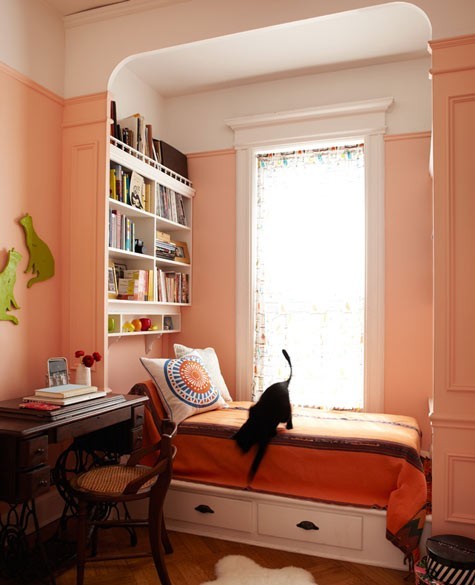
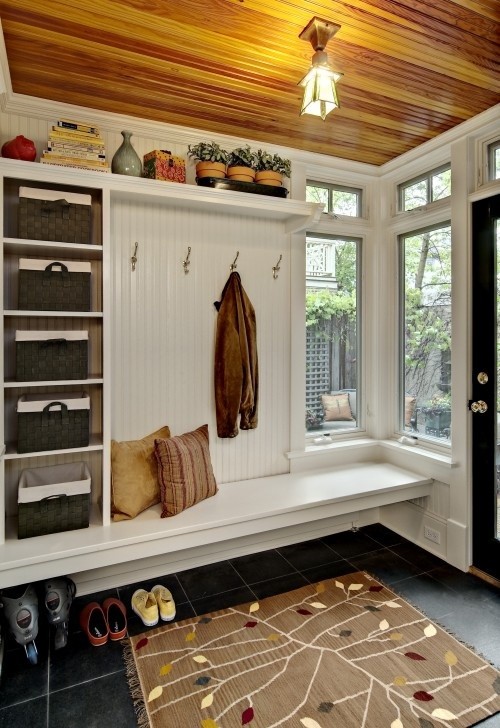
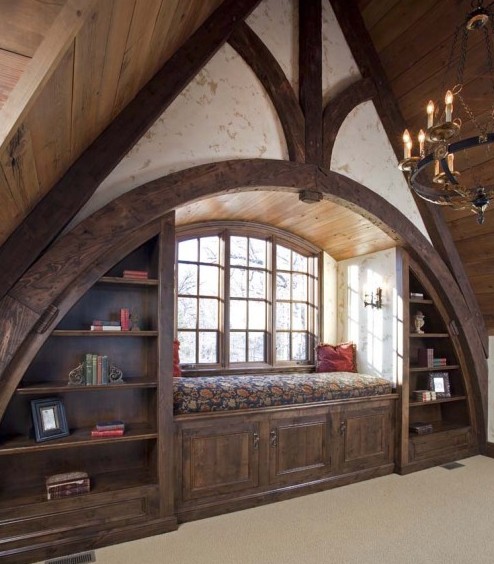
Build path: DIY, carpenter, or furniture stand-in
A freestanding bench under a window is the reversible test. Live with it for a month. If you use it daily, commission or build the fitted version with toe kicks, drawers, and trim that kisses the wall. If you ignore it, you learned cheaply.
Carpenters will ask about electrical outlets, HVAC returns, and whether the bench must be removable for window replacement. Answer those before foam is cut. Homeowners handy with pocket screws can frame a simple box, skin it with plywood, and add store-bought cushions cut to size—just seal outdoor-adjacent bays against moisture.
Budget for the invisible parts: good foam, proper vapor thinking near exterior walls, and hardware that still works when the wood expands in summer. The photograph sells pillows; the years of use depend on the box underneath.
When you compare the seats in this set, ignore the perfect styling for a moment and ask which depth, which window proportion, and which storage idea fit your actual wall. The cozy corner you want is less a product and more a set of measurements that finally match how you like to sit in the sun.

Comments
Continue reading

Exclusive Home Theaters: Designing a Private Cinema
Seating geometry, blackout light, quiet acoustics, and screen-wall architecture—how luxury home theaters turn a room into a focused place for film.
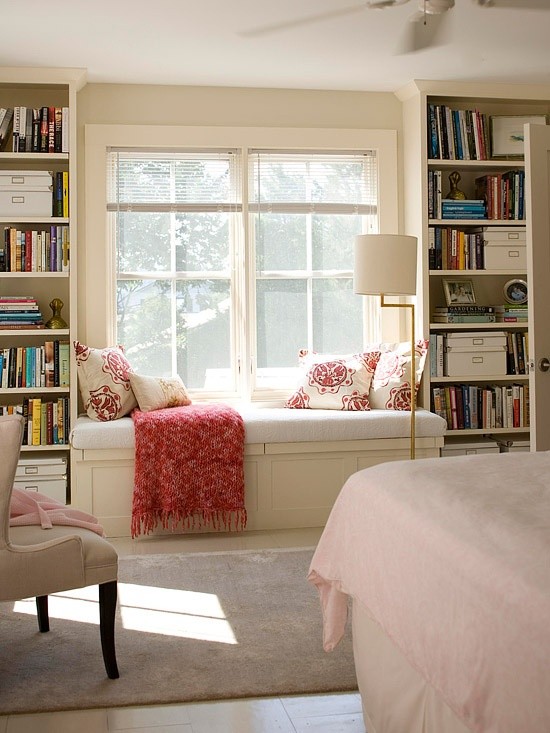
More Window Seat Ideas: Light, Privacy, and Style
A second gallery of reading bays and daybed-deep benches—enclosure, daylight, storage choices, and how to read proportions before you build.
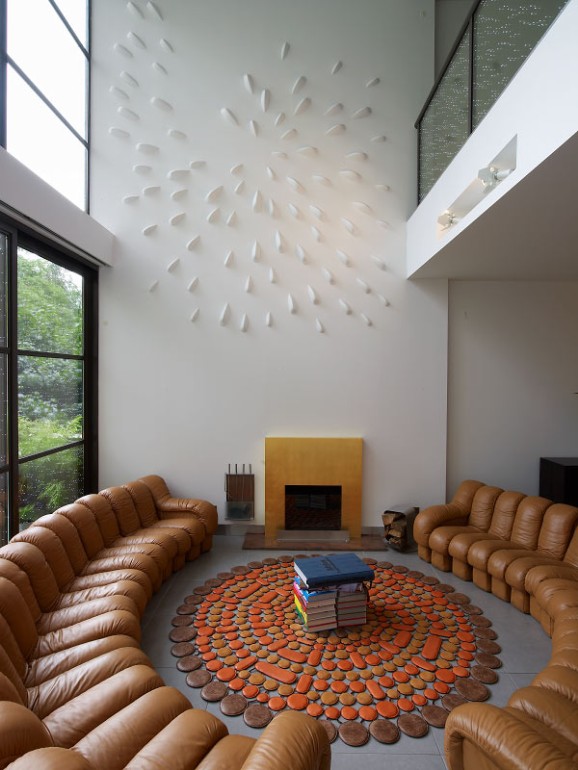
Couch Ideas for Your Home: Style and Buy Guide
Choose a sofa by room measure, silhouette, fabric, and sit-test comfort—practical furniture guidance with style cues, no hard-sell affiliate pitch.