
Couch Ideas for Your Home: Style and Buy Guide
Choose a sofa by room measure, silhouette, fabric, and sit-test comfort—practical furniture guidance with style cues, no hard-sell affiliate pitch.
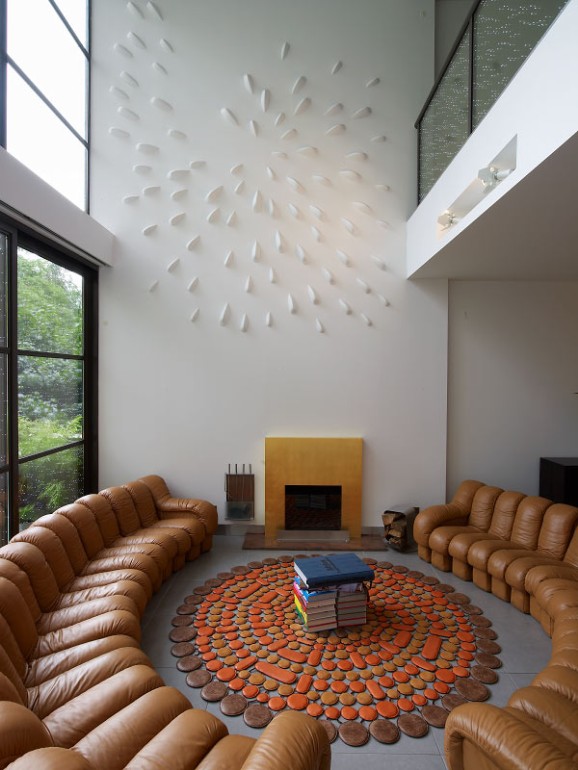
A couch is the largest piece of furniture most living rooms ever buy, and it decides more than seating count. It sets the room’s visual weight, how people face each other, and whether the space feels like a lounge, a formal parlor, or a multipurpose den. Style collections help you see options; a buy guide helps you refuse the wrong ones. Use both: look at silhouettes and fabrics, then measure, sit, and plan traffic before you fall for a photograph.
Start with the room, not the catalog
Measure the wall run, doorway clearances, and the path from entry to other rooms. A sofa that looks balanced in a wide showroom can choke a narrow apartment if the arms are deep or the chaise blocks the only walkway. Leave breathing room—often eight to twelve inches from walls where possible—and keep a clear route at least as wide as your widest walker or cart. Sketch the footprint on the floor with painter’s tape. Live with the tape for a day. If you keep stepping over it, the couch is too big for how you actually move.
Decide the job. Daily television and napping favor deeper seats and performance fabrics. Occasional entertaining favors upright backs and easier-to-clean surfaces. A studio that hosts overnight guests may need a sleeper or a sectional with a chaise that can host a reclining body. One piece rarely does every job at the highest level; choose the primary use and accept secondary compromises openly.
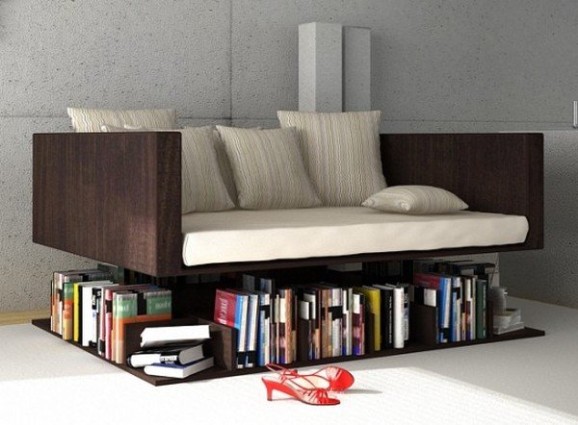
Silhouettes: what the eye reads first
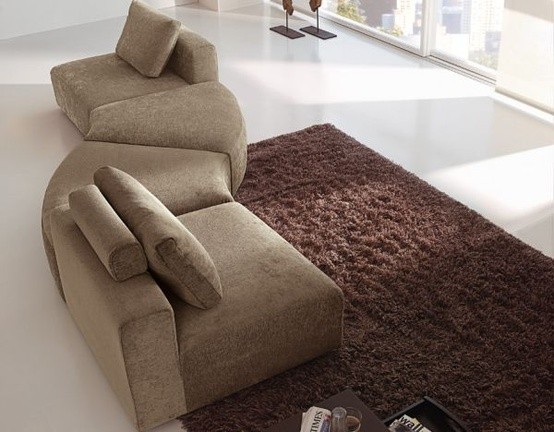
Low, long profiles with slim arms read modern and calm; they pair with low coffee tables and uncluttered walls. Higher backs and rolled arms lean traditional or transitional and can visually warm a tall room. Mid-century tapered legs lift the piece so floor shows underneath—useful in small spaces that need light to travel. Skirted bases hide legs and feel softer, but they collect dust and can look heavy in tiny rooms.
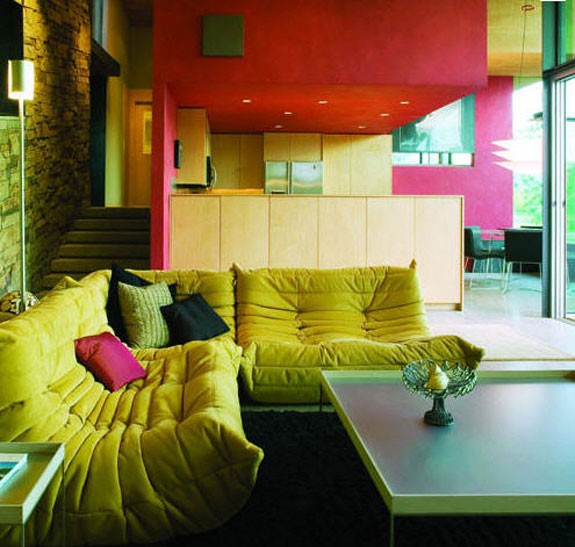
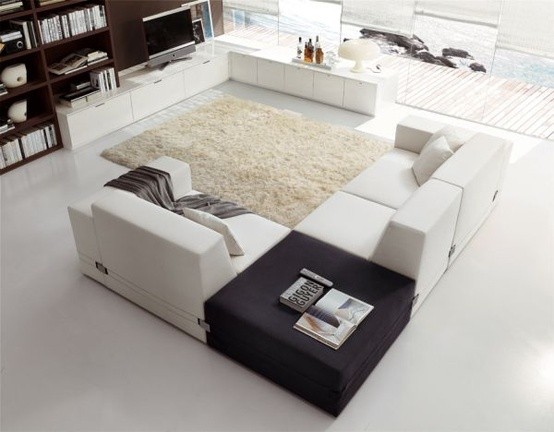
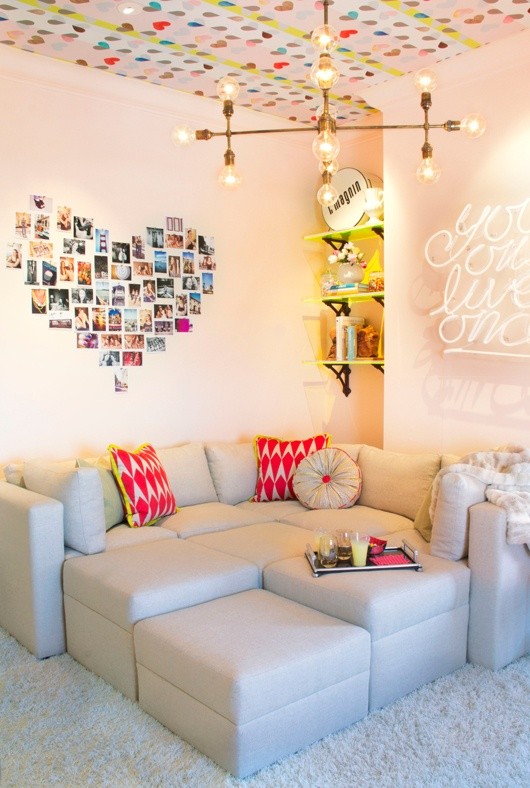
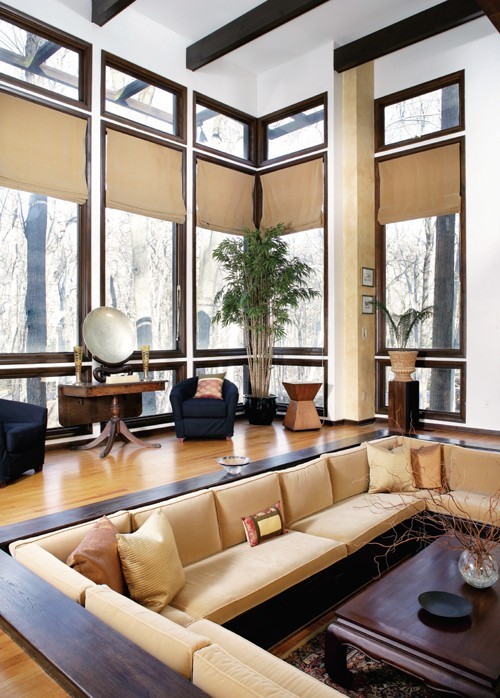
Sectionals solve L-shaped conversation and maximize seats per square foot, yet they dominate. Confirm which side the chaise belongs on before ordering; reverse configurations are not always available. Modular systems let you reconfigure later if you move—valuable if your next home is uncertain. A classic three-seater plus chairs still beats a huge sectional when you want flexible layouts for holidays.
Color, pattern, and material honesty
Neutral upholstery (greige, stone, soft charcoal, warm ivory) ages with changing accents; bold color or large pattern makes the sofa the room’s statement and can tire you if trends shift. If you love pattern, consider it on a smaller piece—chairs, ottoman—or choose a sofa with restrained texture (tweed, subtle stripe) rather than a loud print that fights every rug.
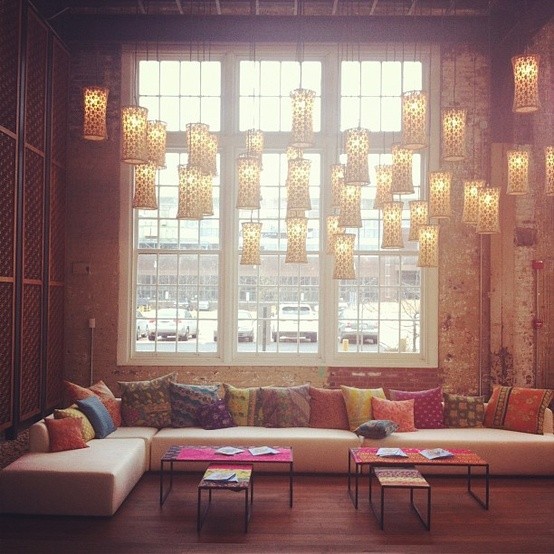
Leather develops patina and cleans spills easily in many finishes; it can feel cold in winter and show scratches in busy homes with pets. Performance weaves and tightly woven synthetics resist stains better than delicate linens. Velvet looks rich under warm lamps but can crush in high-traffic seats. Ask about cleanability codes, fade resistance near sunny windows, and whether cushions reverse. A beautiful fabric that cannot survive your household is a short-term decoration, not a buy.
Comfort checks you cannot do online
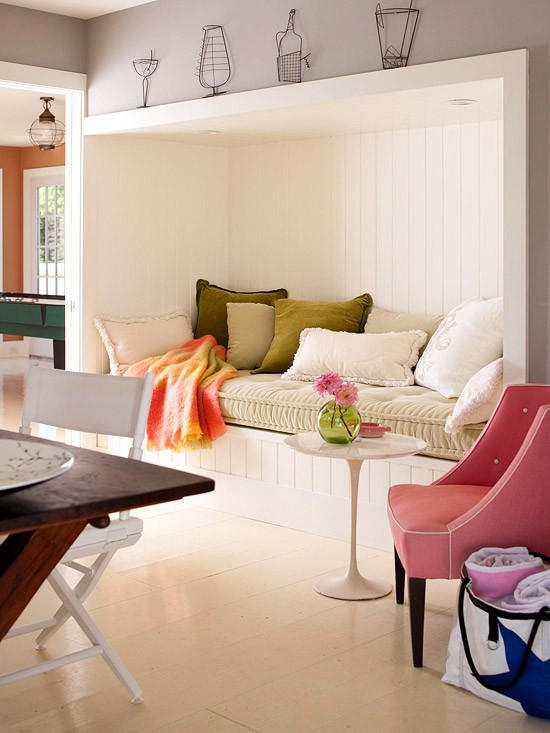
Sit for several minutes, not several seconds. Note seat depth: long-legged people often want deeper seats; shorter people need feet to reach the floor or a supportive ottoman. Check lumbar contact—some dramatic mid-century angles look elegant and leave a gap at the lower back. Press cushions: foam that collapses immediately may sag early; a balanced foam-and-down mix can feel plush without turning into a hammock in six months. Sit at the seam between cushions; if you sink into a trench, daily use will exaggerate it.
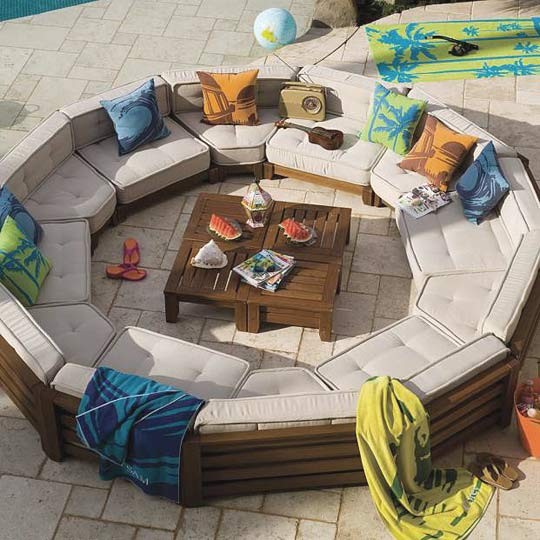
Arms matter more than shoppers expect. Wide track arms waste seating width but double as casual headrests. Narrow arms maximize seats for guests. Hard wood arms can bruise hips in tight rooms; padded arms forgive. If you eat on the sofa, avoid deeply tufted channels that trap crumbs.
Construction signals worth paying for
Ask what is under the upholstery: kiln-dried hardwood frames generally outlast softwood or unexplained “wood composites.” Eight-way hand-tied springs are a traditional quality mark; sinuous springs can still be excellent when well executed. Legs should feel stable under lateral pressure. Removable legs help with stair delivery. Warranty language on frame and cushions tells you what the maker expects to fail—and what they will stand behind.
Delivery is part of the purchase. Confirm stair turns, elevator size, and whether the building requires padding or timed loading docks. A perfect sofa that cannot clear the landing becomes a return saga. If you buy online sight-unseen, prioritize retailers with clear return windows and know who pays return freight for large items.
Styling after the box is gone
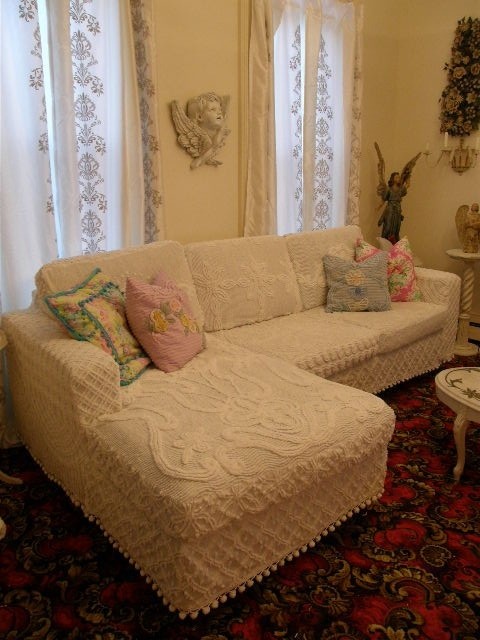
Scale pillows to the sofa: oversized pillows on a petite loveseat look costume-like; tiny pillows on a deep sectional look lost. Mix one solid, one texture, and at most one pattern unless pattern is the room’s theme. A throw draped with intention beats a permanent pile that hides the design you paid for. Keep the coffee table proportional—about two-thirds the sofa length is a common visual balance—and leave reach space for drinks without forcing guests to lean dangerously.
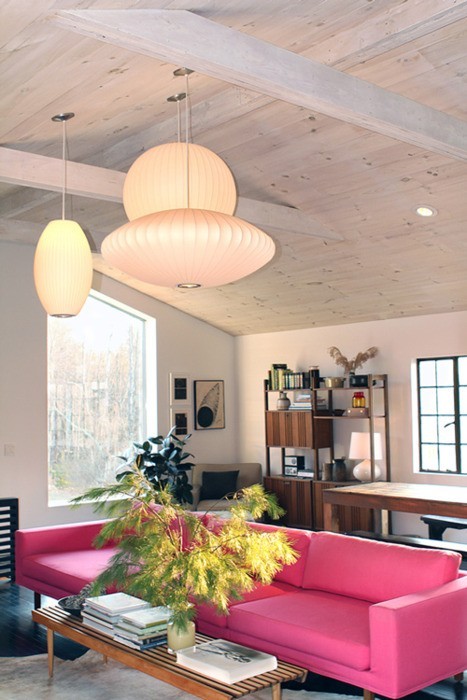
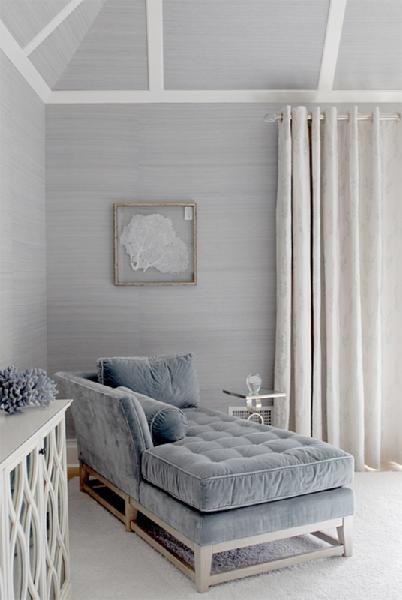
Lighting changes how fabric reads. Cool daylight can make gray sofas feel clinical; warm lamps can make beige look golden. Test swatches at home in morning and evening light before committing to a custom cover. Rugs should ground the front legs at minimum; floating a sofa entirely off the rug can make the seating island feel disconnected in large rooms.
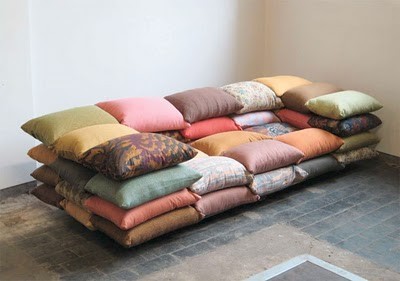
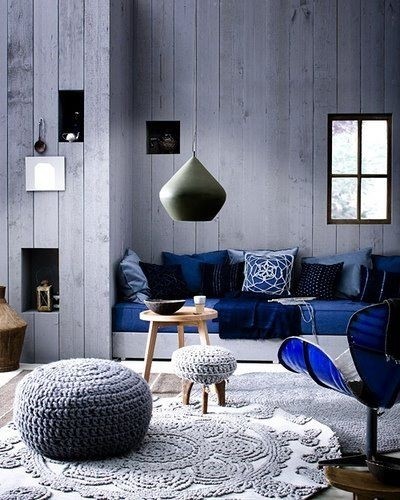
When you compare ideas from a style gallery, name what you like in concrete terms: “low arm, mid-century leg, performance weave in warm gray,” not “that cozy vibe.” Concrete language survives the store visit. Tape your floor plan, sit longer than feels polite, and buy the frame and fabric that match your real room—not the widest lens in a catalog shot. The best couch idea is the one that still works on a Tuesday night when nobody is photographing the living room.

Comments
Continue reading

Exclusive Home Theaters: Designing a Private Cinema
Seating geometry, blackout light, quiet acoustics, and screen-wall architecture—how luxury home theaters turn a room into a focused place for film.
15 Modern Kitchen Island Designs: Layouts, Materials, and Built-Ins
Fifteen kitchen island ideas—from dual black-and-white stations and fluted wood to cooktop islands, produce bins, and furniture-style pieces—with planning notes on clearance and function.
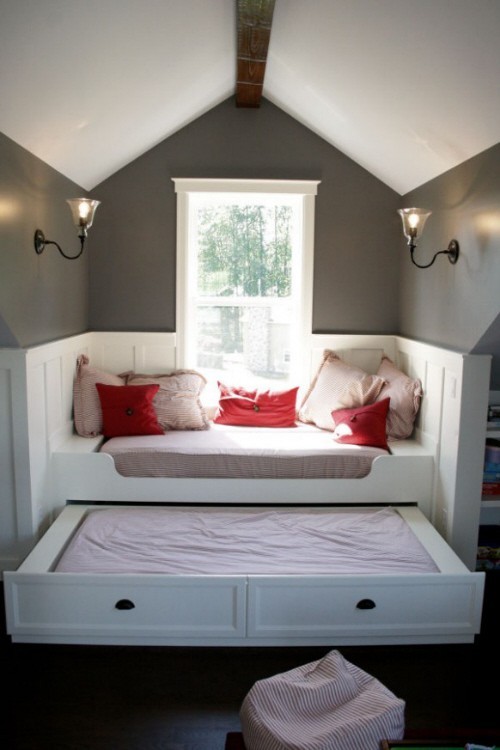
Creative Window Seat Ideas: Depth, Light, and Built-Ins
How to plan a sunlit bench that people actually use—measurements, materials, room-by-room tips, and a gallery of cozy window seats.