
Charming Curtain Tiebacks: Fabric, Cords, and Metal Holdbacks
Shape bulky drapes with fabric bands, tasselled cords, and metal holdbacks—plus placement tips so both sides of the window hang as one composition.
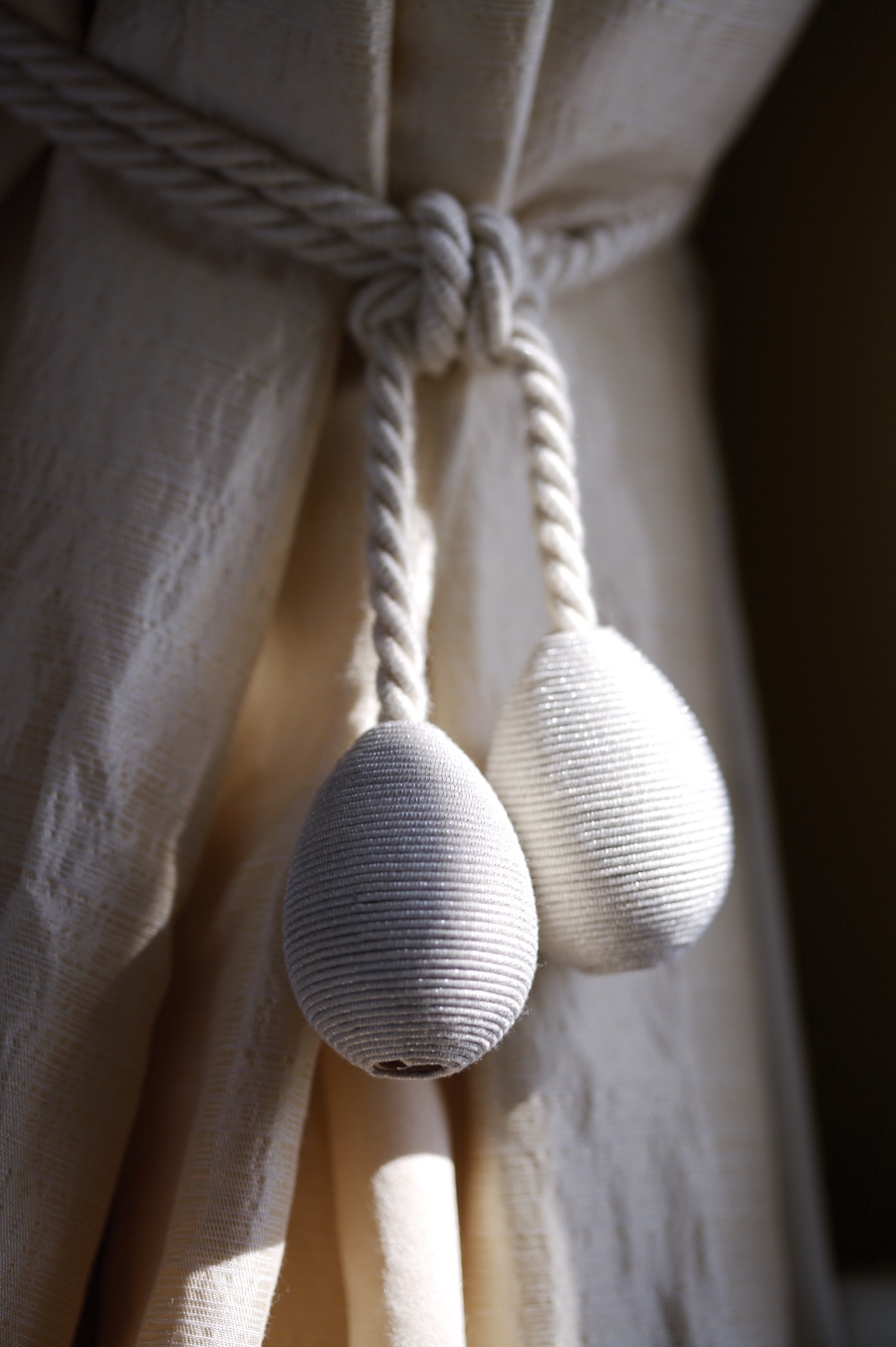
Curtains do half their work when they hang closed. The other half happens when you pull them aside and need something to hold the fabric in a clean shape. Tiebacks—fabric bands, cords, hooks, rosettes, or sculptural holdbacks—keep bulky panels from collapsing into a heap and give the window a finished silhouette. They are practical hardware first and decoration second, which is why a cheap plastic clip can ruin an otherwise careful room, and why a well-chosen tieback can make ordinary drapery look intentional.
Before you shop, decide what you need the curtain to do during the day: clear the glass for maximum light, frame a view without fully exposing the room, or stay partly drawn for privacy on a street. That decision controls height, tightness, and style more than catalog trends do. Soft fabric ties suit romantic and traditional rooms; metal holdbacks suit modern and industrial spaces; beaded or tasselled cords sit comfortably in eclectic and formal settings. Walk the room once with the curtains open and closed so you know where hands naturally reach—then choose hardware that meets that gesture instead of fighting it.
Placement that shapes the panel
Mount tieback hooks about one-third of the way up from the sill, or slightly higher if you want a taller cascade of fabric below the gather. Measure both sides of the window from the same reference points so the curves match; even a half-inch mismatch reads as crooked when sunlight hits the folds. Loose ties create a soft belly of cloth; tight ties carve a sharper diagonal that can look tailored or severe depending on the textile. Heavy lined drapes need stronger anchors than sheer voile. Always screw into a stud or use anchors rated for the weight of fabric plus the decorative hardware—tiebacks fail most often because the wall fixings were meant for picture frames, not for the daily yank of cloth.
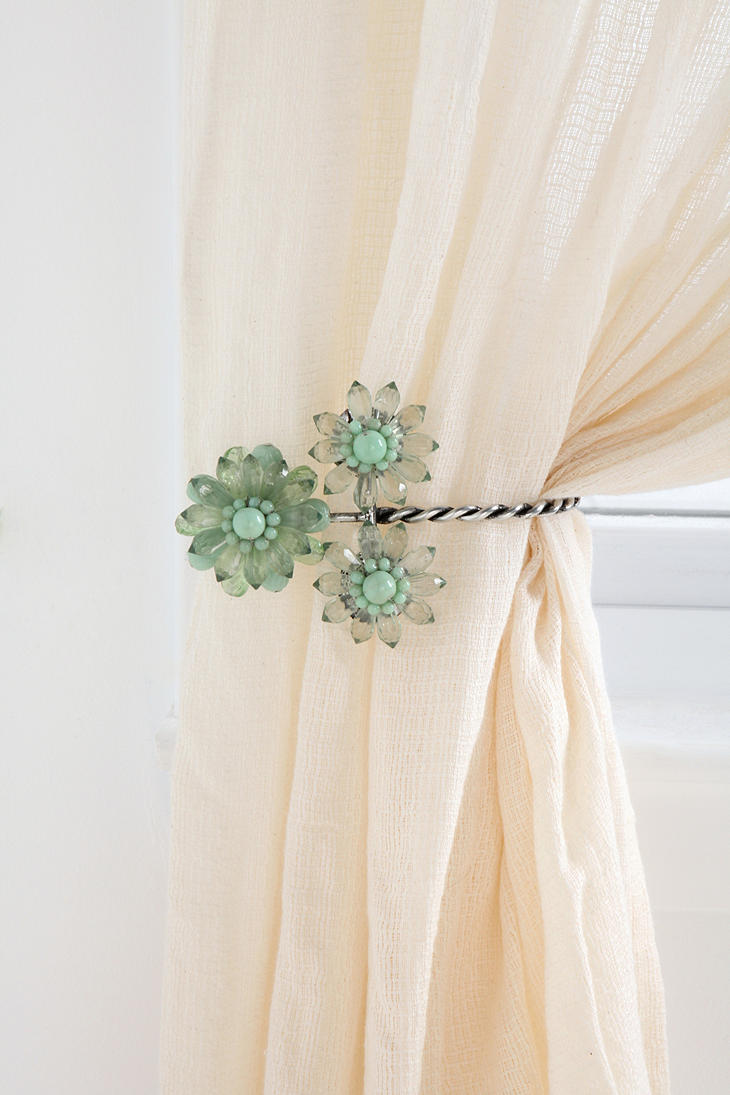
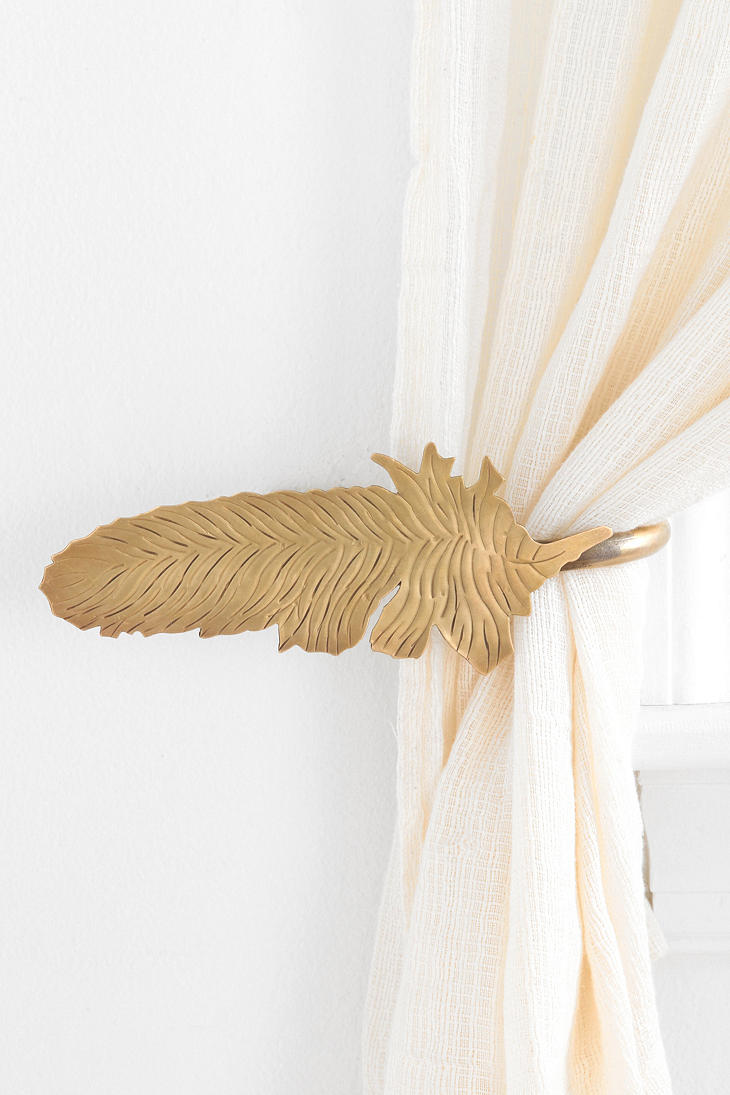
If your rod sits high and wide for the illusion of a larger window, place the tiebacks to preserve that illusion. Pulling fabric too aggressively toward the center of a short wall can erase the generous stack you paid for. Conversely, apartment windows with limited stack-back space may need shallower gathers and lower hooks so the glass stays usable.
Fabric bands, bows, and tailored straps
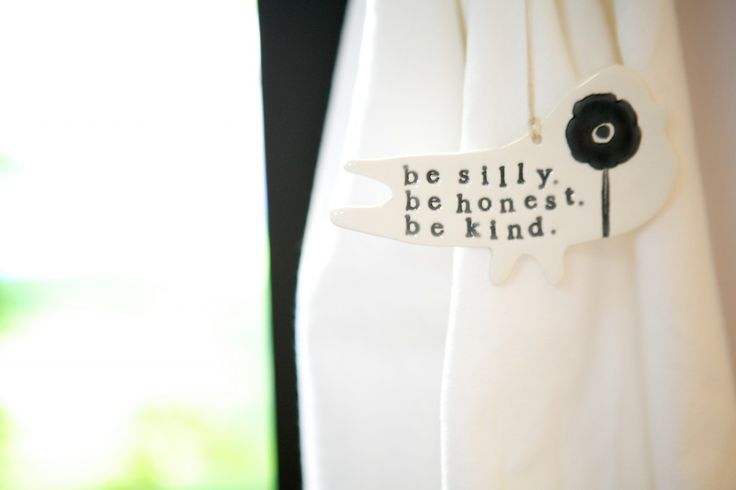
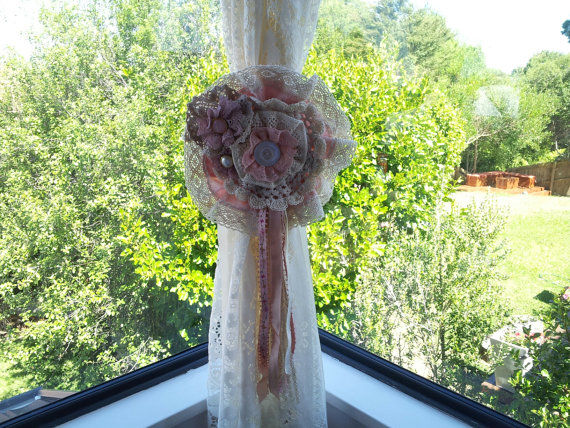
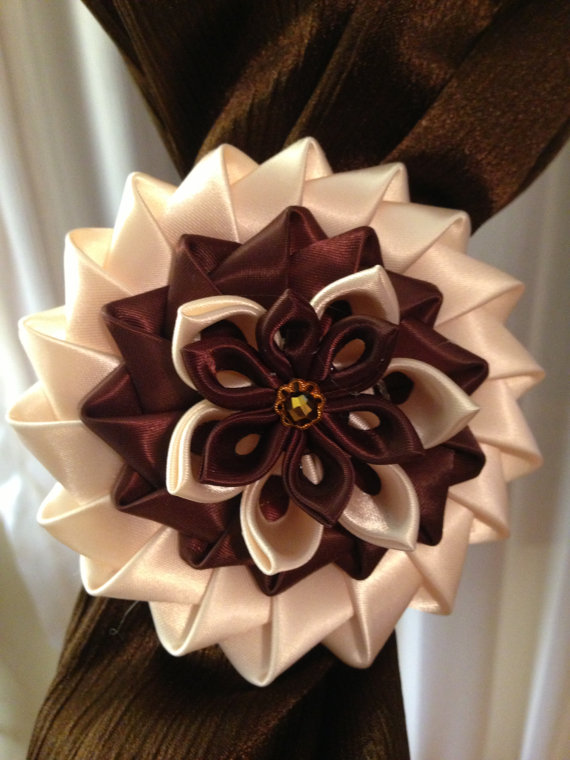
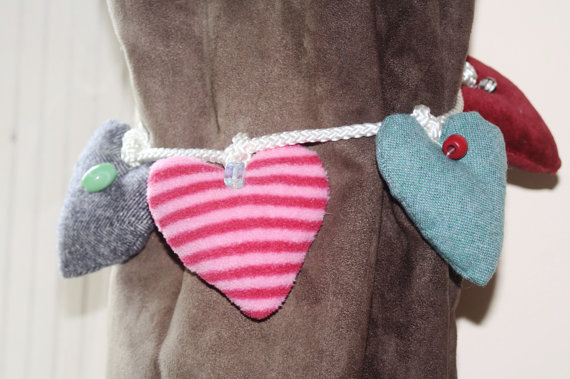
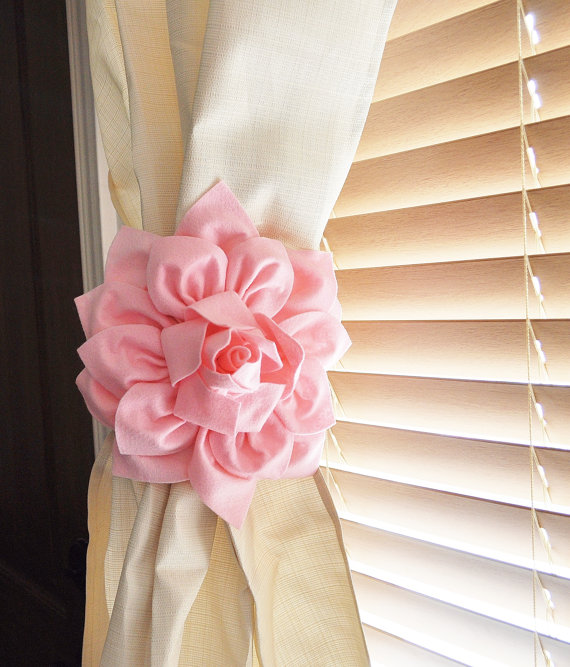
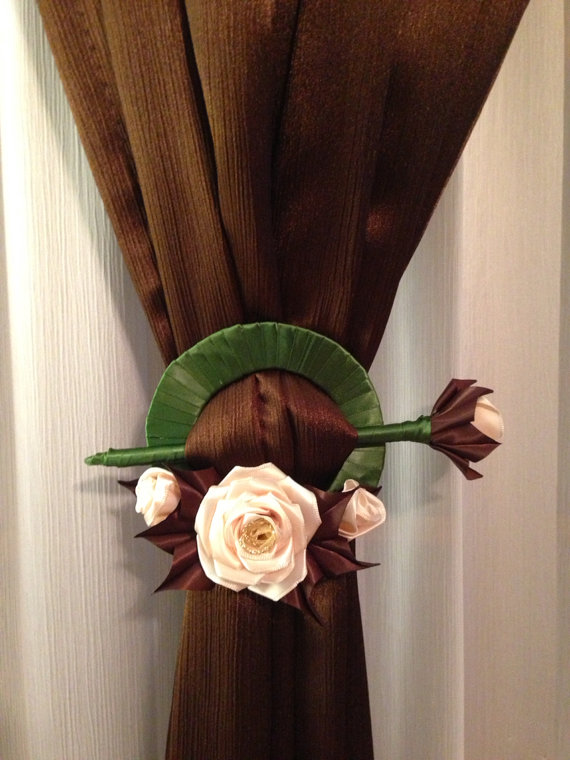
Fabric tiebacks can match the curtain, contrast in a solid color, or introduce a stripe or velvet that appears nowhere else in the room. Matching fabric disappears into the scheme and lets architecture dominate; contrast turns the tie into a deliberate accent, useful when the drapery itself is plain. Tailored straps with hidden hooks look crisp in dining rooms and studies. Soft bows suit bedrooms if you accept that bows need occasional reshaping after humidity and curious hands. Interfacing or a light batting inside a fabric band helps it hold a curve instead of collapsing into a wrinkled twist by midweek.
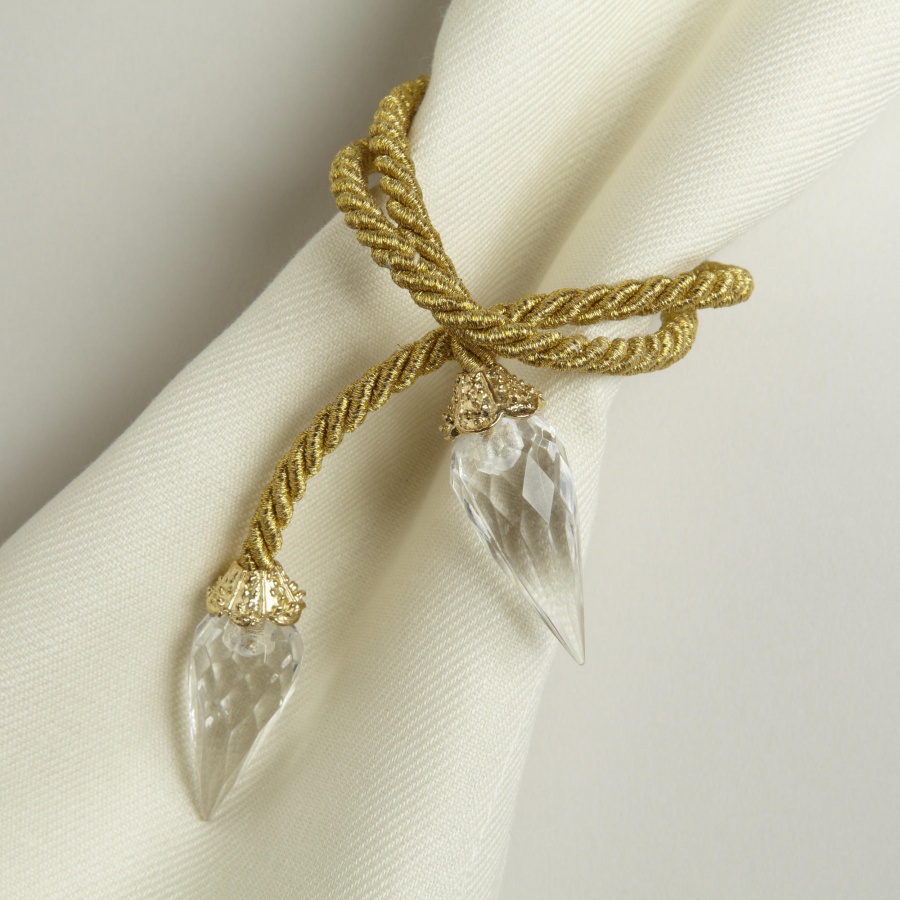
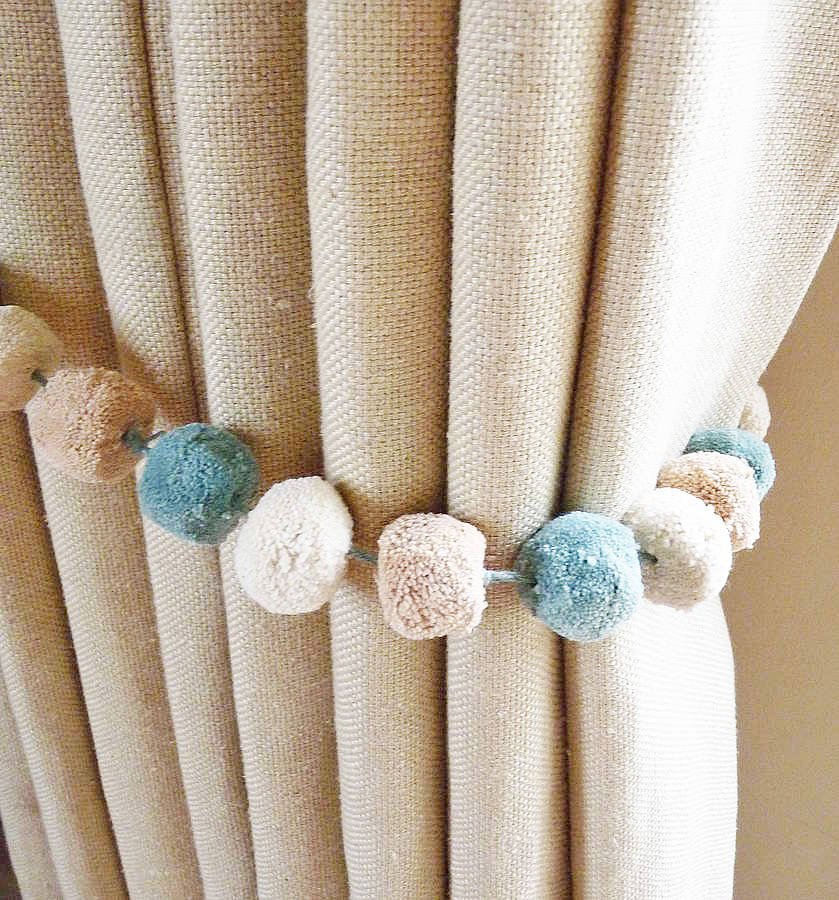
For DIY bands, cut a length that wraps the gathered panel comfortably and still reaches the wall hook with a little ease—too short and the curtain strains; too long and the loop droops. Finish ends with rings, loops, or covered buttons. Washable fabric matters in kitchens and kids’ rooms where hands touch the tie every day. In formal rooms, dry-clean-friendly materials are fine if the curtains themselves already require special care. Keep a spare matching band if you sew your own; sunlight fades the working pair first.
Cords, tassels, and beaded ties
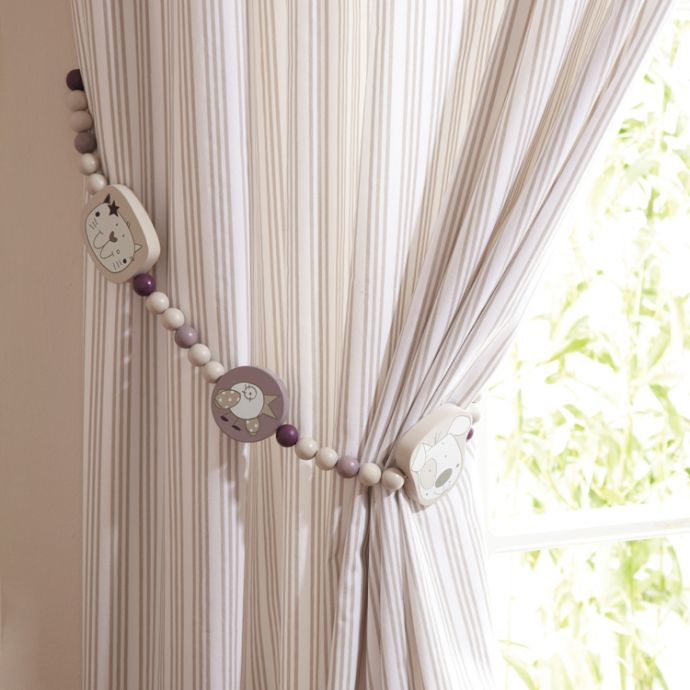
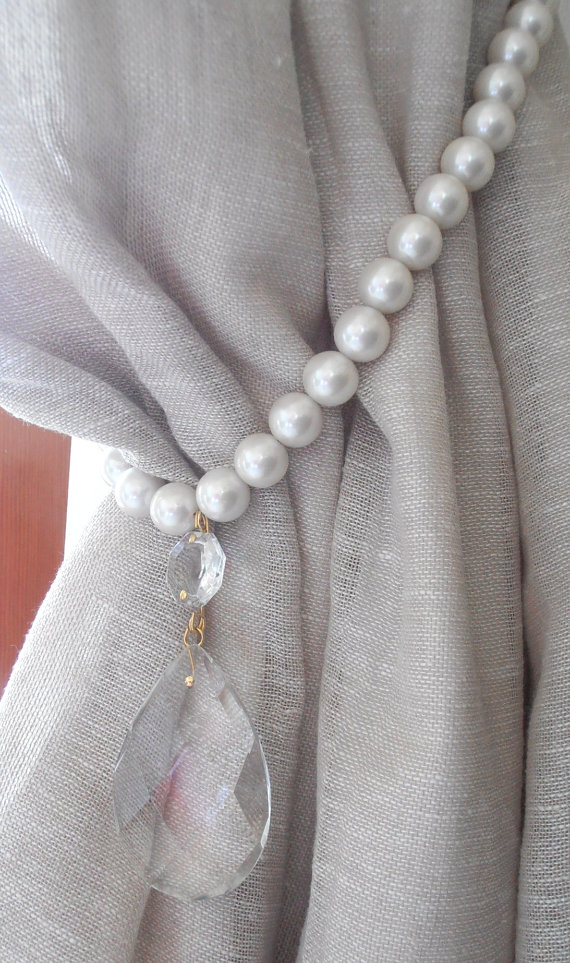
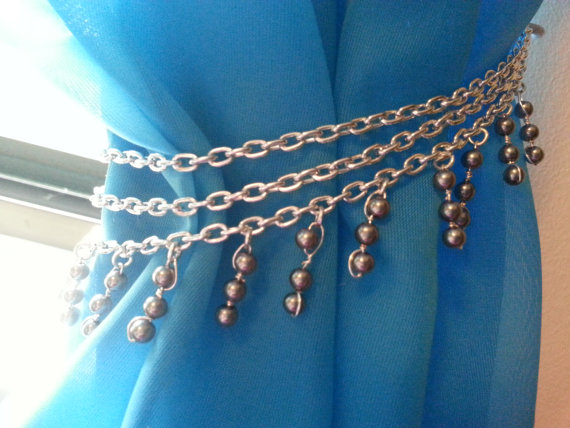
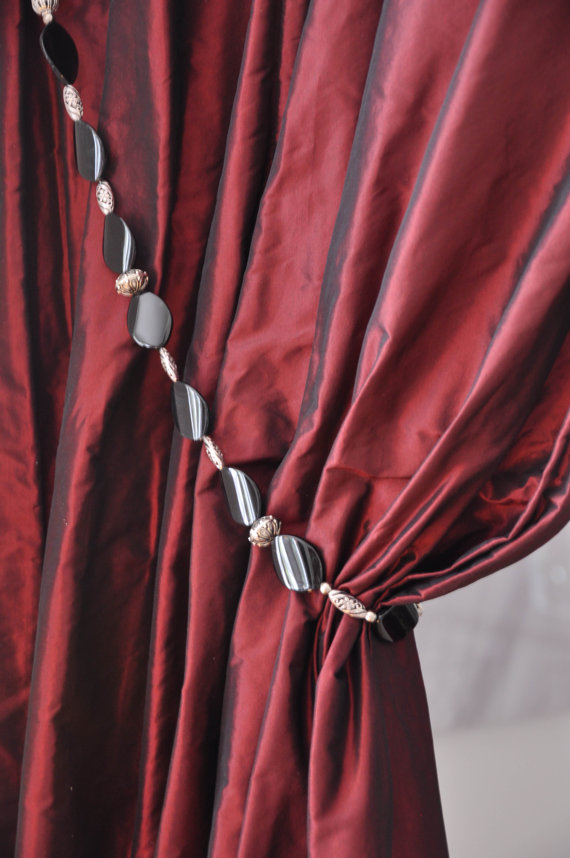
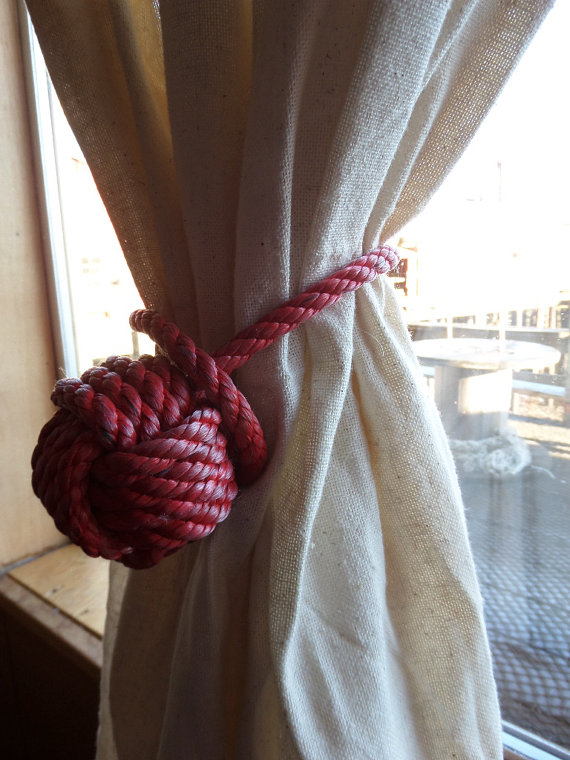
Twisted cords with tassels are the classic jewel for traditional drapery. They catch light, add slight movement when someone walks past, and signal formality without changing the curtain fabric. Scale the tassel to the curtain: a tiny tassel on floor-length velvet looks timid; an oversized tassel on a café curtain looks costume-like. Beaded ties work well when other accessories in the room already use glass or metal beads—otherwise they can feel disconnected from lamps, mirrors, and hardware.
Keep cords away from open flames, candles on nearby tables, and pets that treat dangling fringe as a toy. If children share the room, prefer short, fixed holdbacks over long looping cords. A beautiful cord that becomes a hazard is not a successful decoration, no matter how well it photographs.
Metal holdbacks, hooks, and sculptural arms
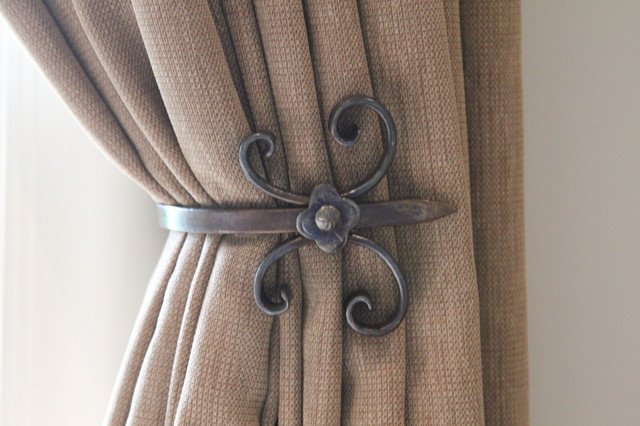
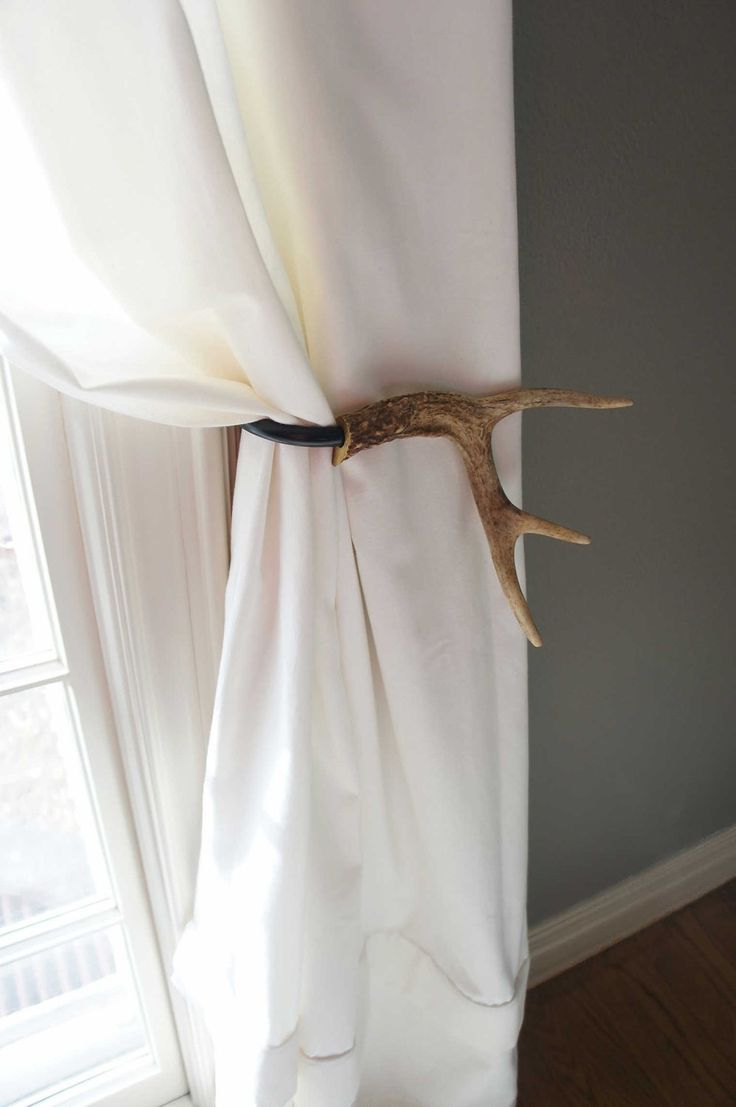
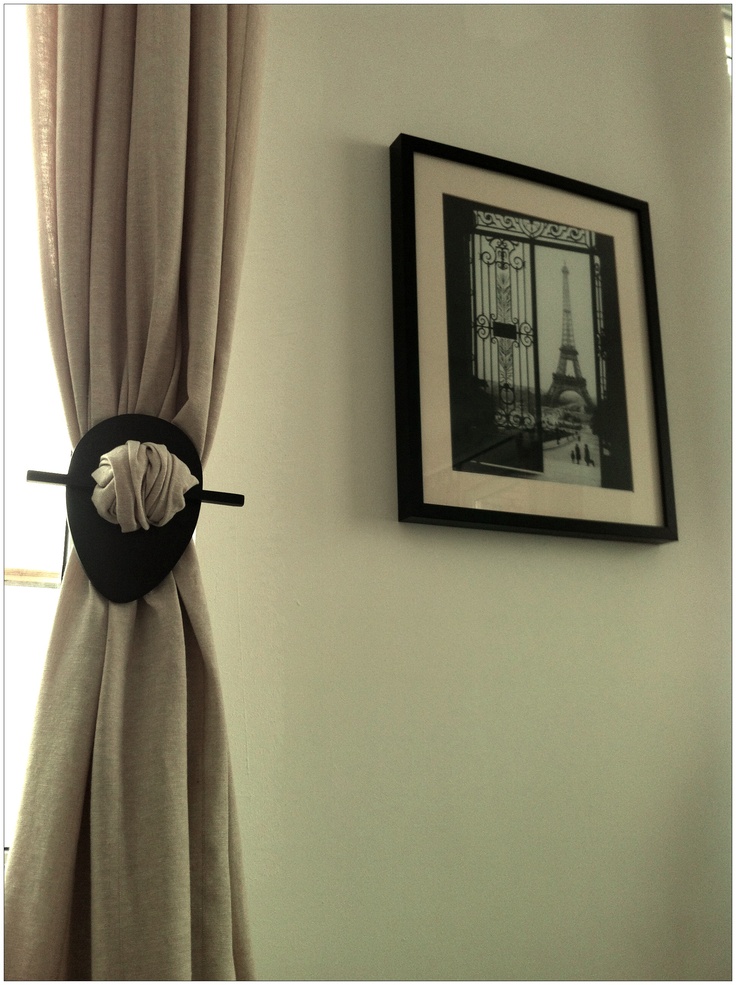
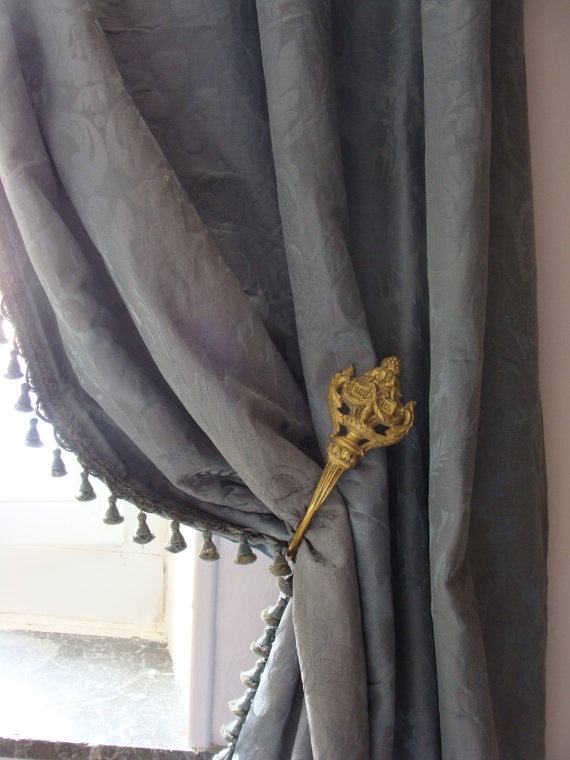
Rigid holdbacks—rosette medallions, scrolled arms, simple pegs—push fabric behind a fixed form instead of tying it. They are faster for daily use: sweep the panel behind the arm and walk away. Finishes should echo other metals in the room when possible: matte black with black lamp bases, brushed nickel with faucet hardware, antique brass with warm lighting. Mixing every metal at the window usually looks accidental rather than curated.
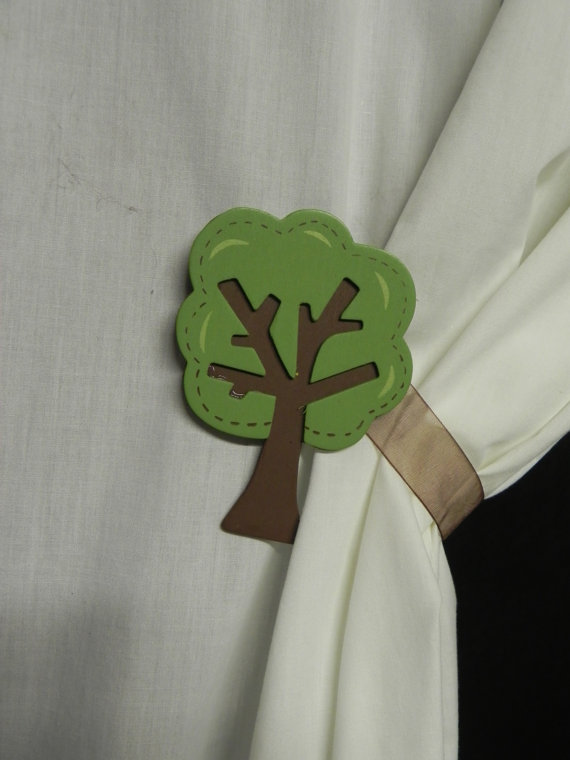
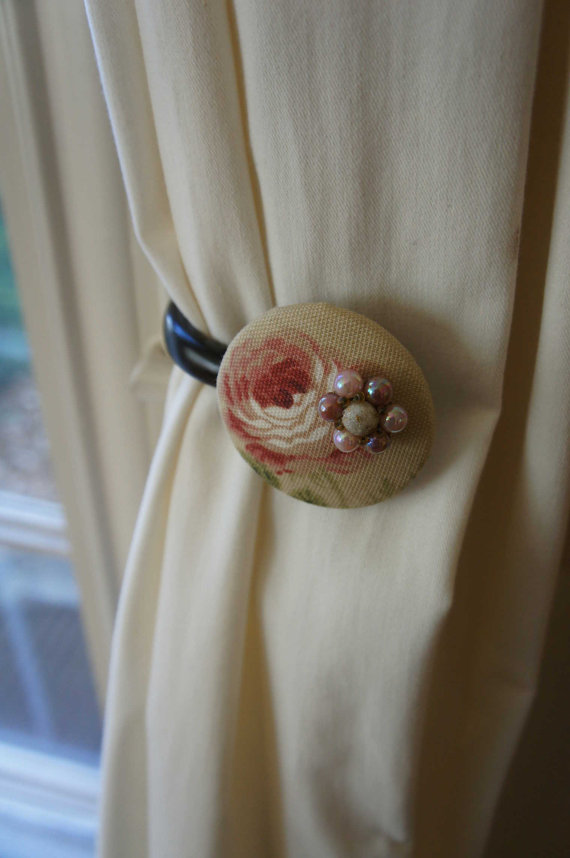
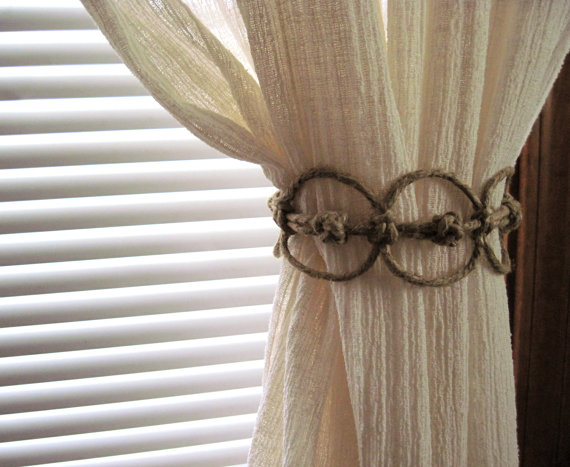
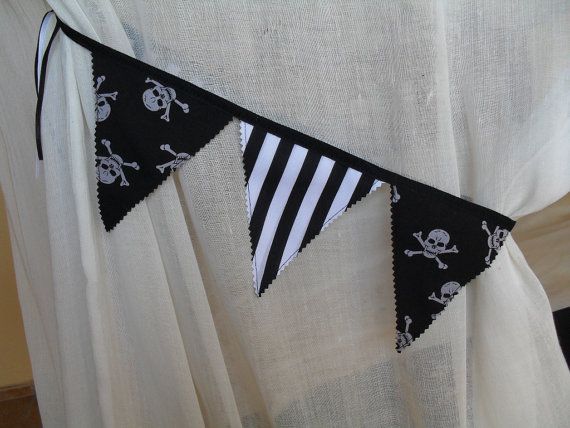
Depth of the arm matters more than shoppers expect. Shallow holdbacks pinch thick lined drapes into an ugly bulge; deep arms let a generous fold sit without crushing pleats. Test with the actual curtain on the rod before you commit to a permanent screw hole—painter’s tape mock-ups of hook height help you see the cascade line in real light at morning and evening.
Room-by-room choices
Living rooms can carry more ornament—tassels, carved wood, statement metals—because guests see the window as part of the seating composition. Bedrooms often prefer softer fabric ties that will not clank against the wall at night when someone adjusts the panel. Kitchens and baths need materials that tolerate humidity and grease: sealed wood, metal, or washable cotton rather than untreated silk cords that stain. Children’s rooms do better with short straps and rounded hardware that will not bruise a forehead during a chase.
If one window faces the street and another faces a garden, you may want different daytime positions even with matching hardware. Street-facing rooms often keep a denser gather for privacy; garden rooms can pull fabric farther back to widen the view. Matching the hardware finish across both still unifies the house when someone walks from room to room.
DIY and thrift options
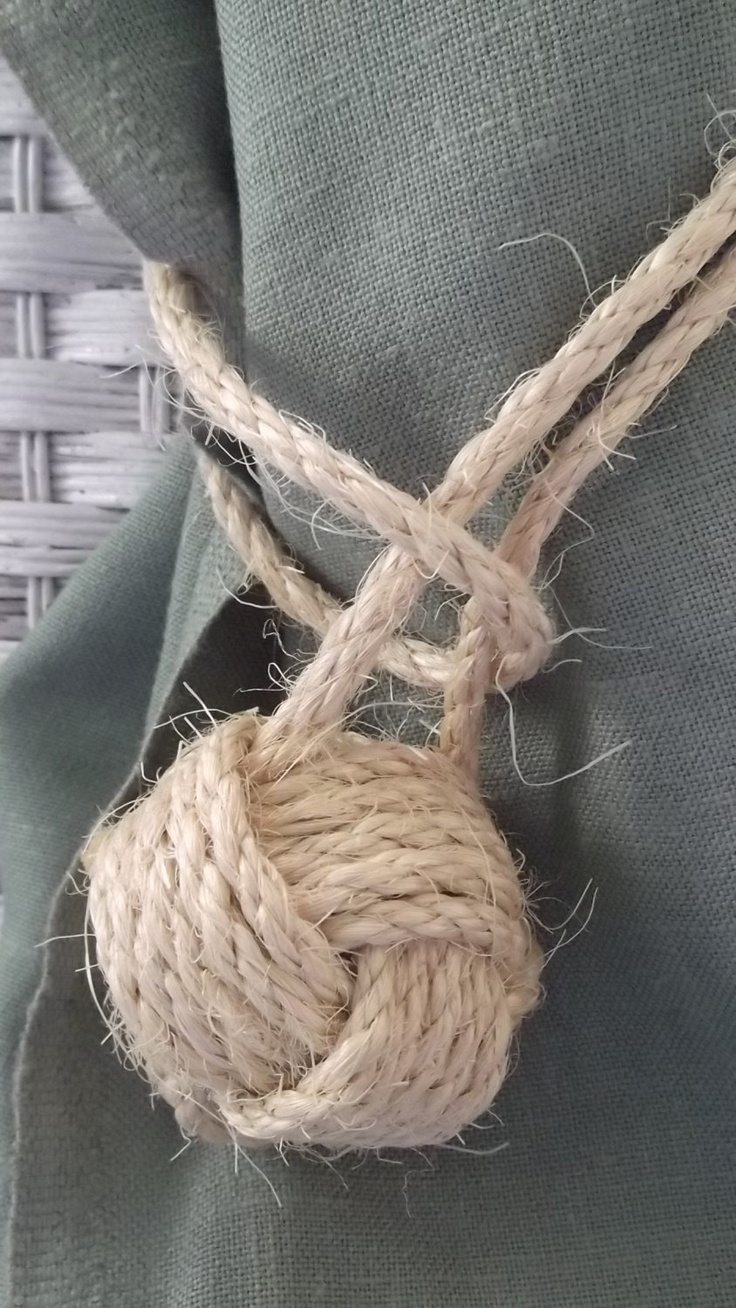
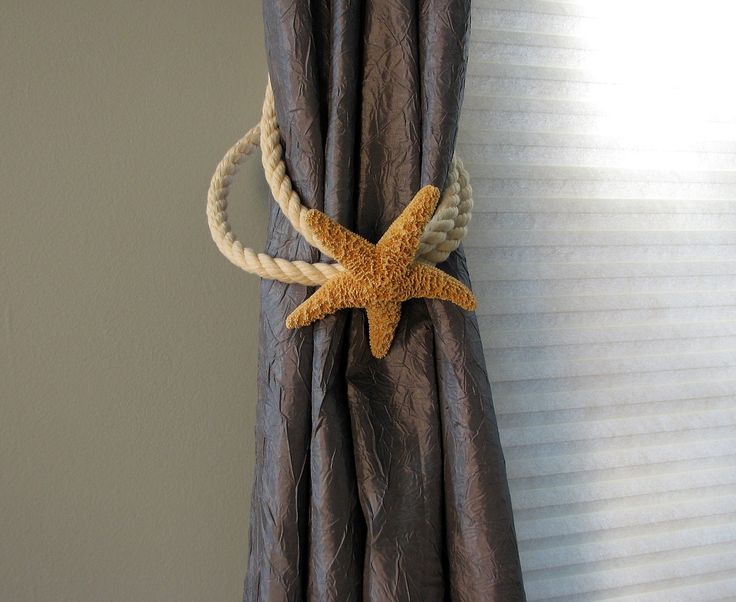
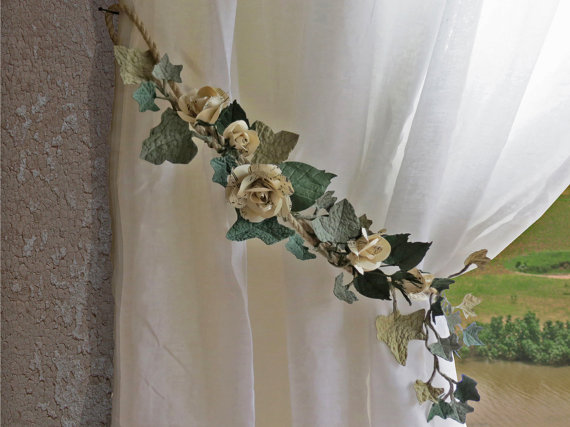
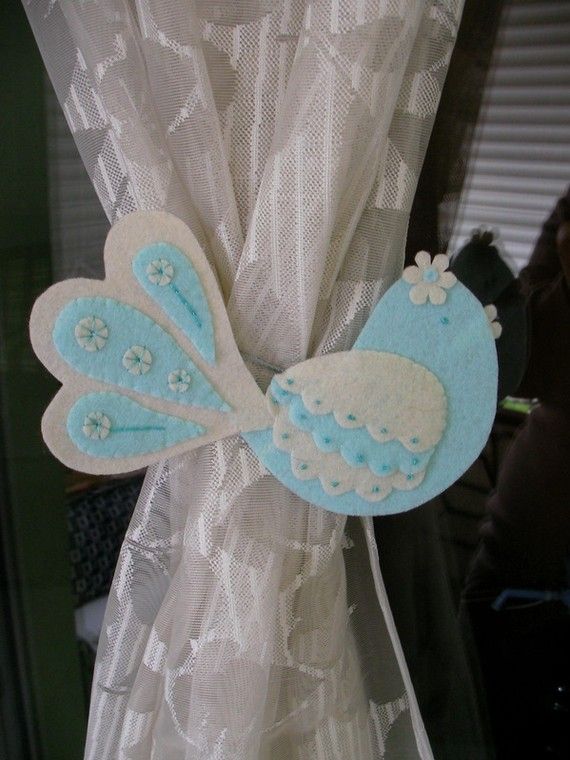
Not every charming tieback must be bought as a matched retail set. Leather belts shortened and lined, knotted rope with sealed ends, vintage brooches pinned through a fabric band, and painted wooden knobs used as holdbacks all appear in the inspiration mix below. Thrifted napkin rings can slide over a gathered panel if you add a wall hook behind. Consistency still matters: repeating one DIY method across a room looks designed; mixing five unrelated crafts looks like unfinished experiments left on the wall.
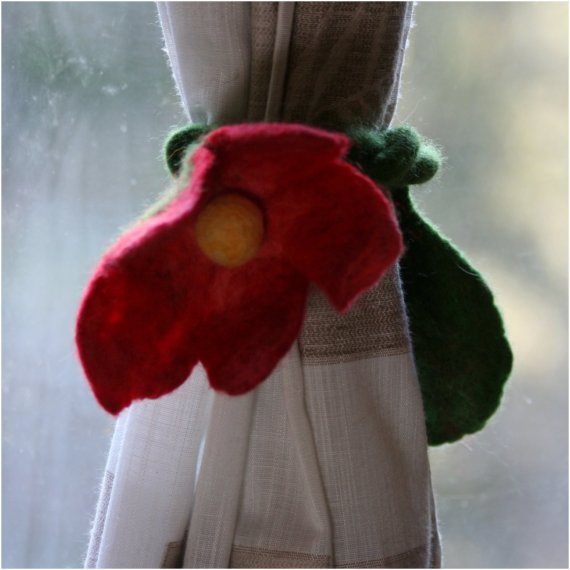
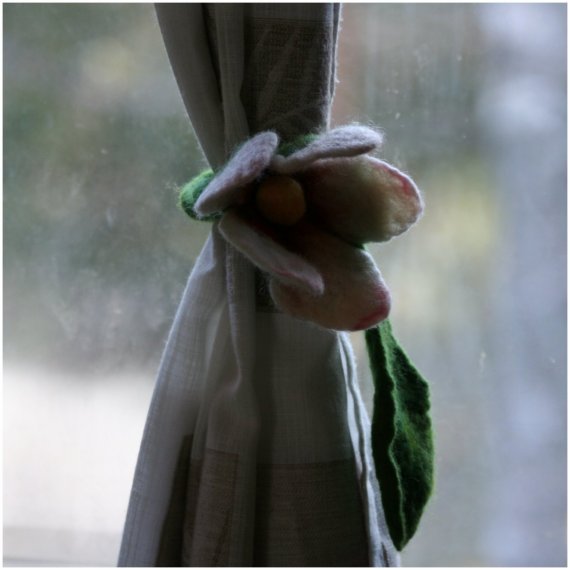
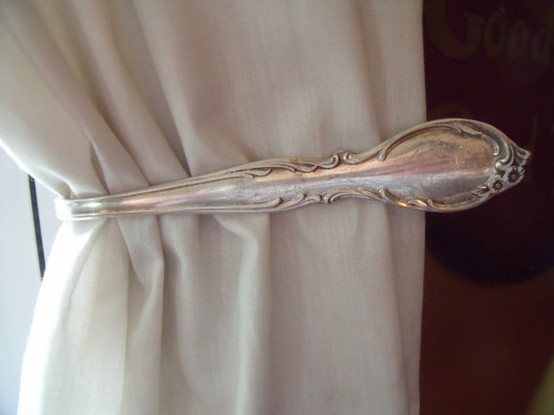
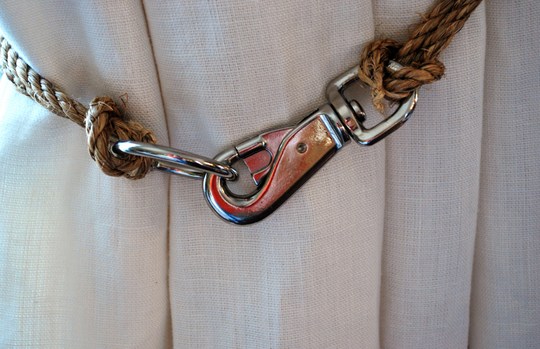
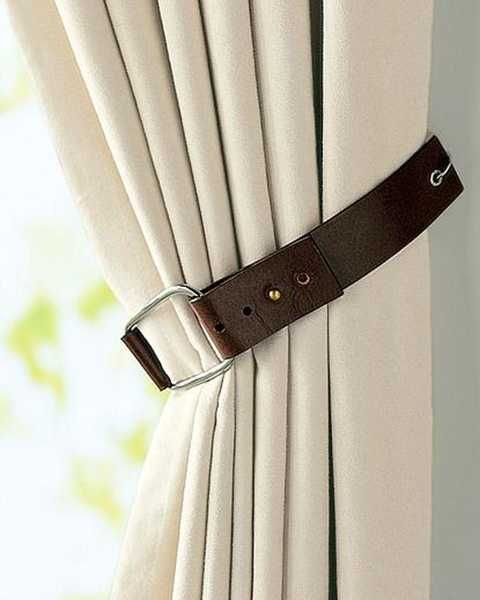
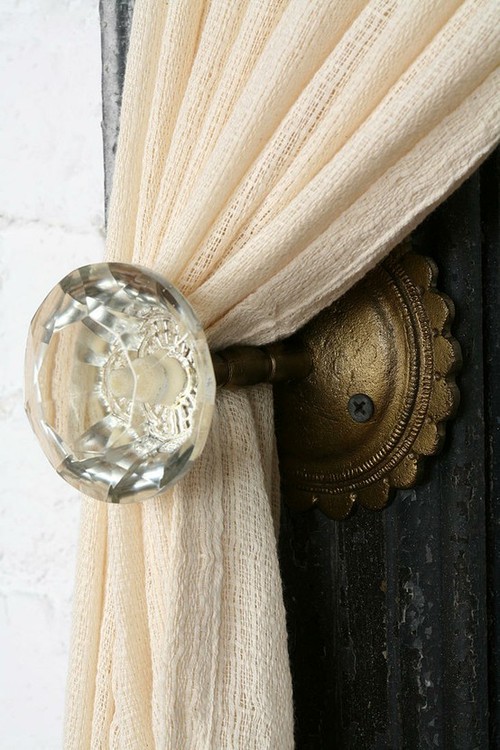
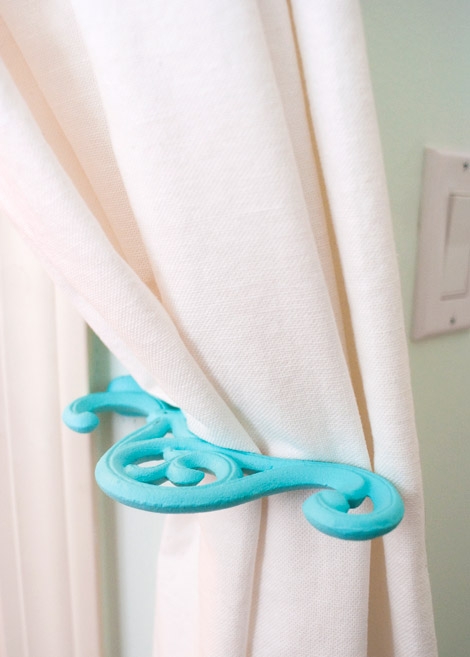
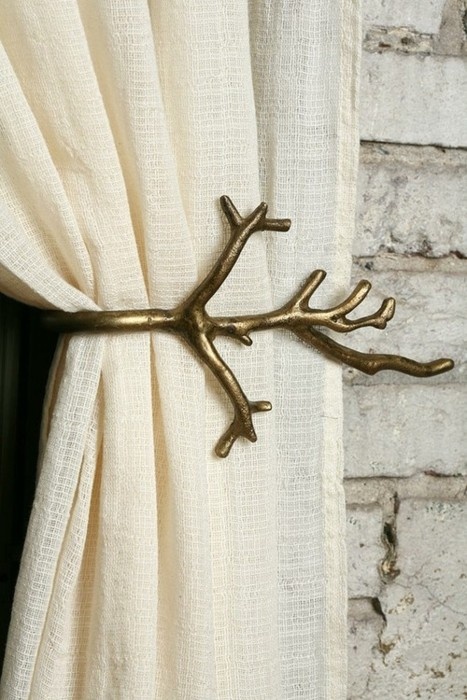
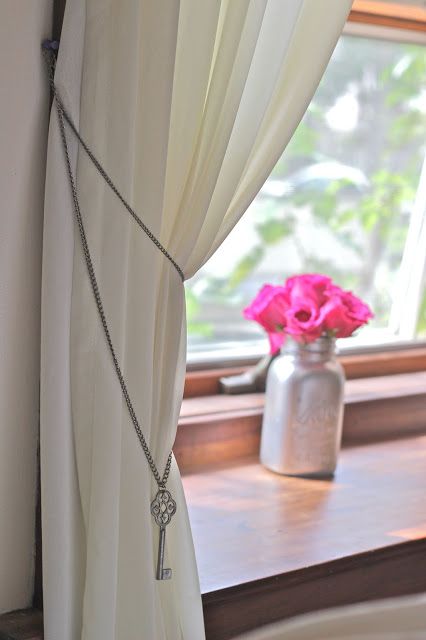
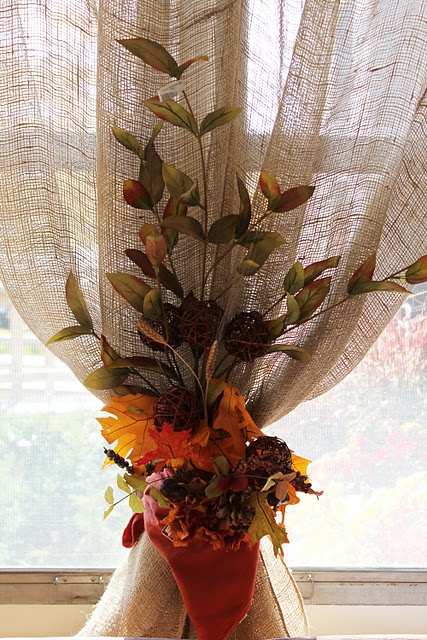
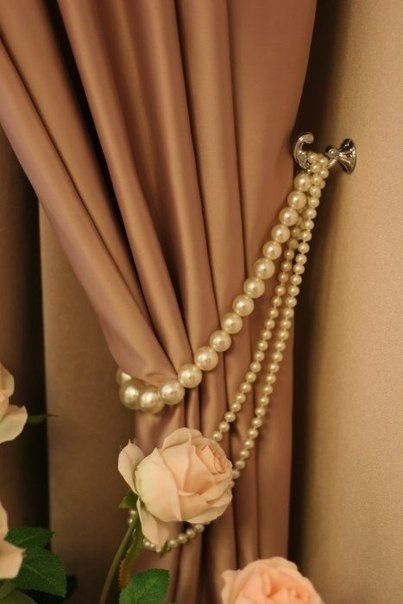
After you install, steam or lightly iron the hanging panel so the cascade falls clean. Step outside if you can and check the window from the street or garden—the exterior view often reveals a lopsided gather you miss from the sofa. Adjust once, then leave the hooks alone; endless redrilling weakens plaster and never looks as intentional as a single careful decision.

Comments
Continue reading
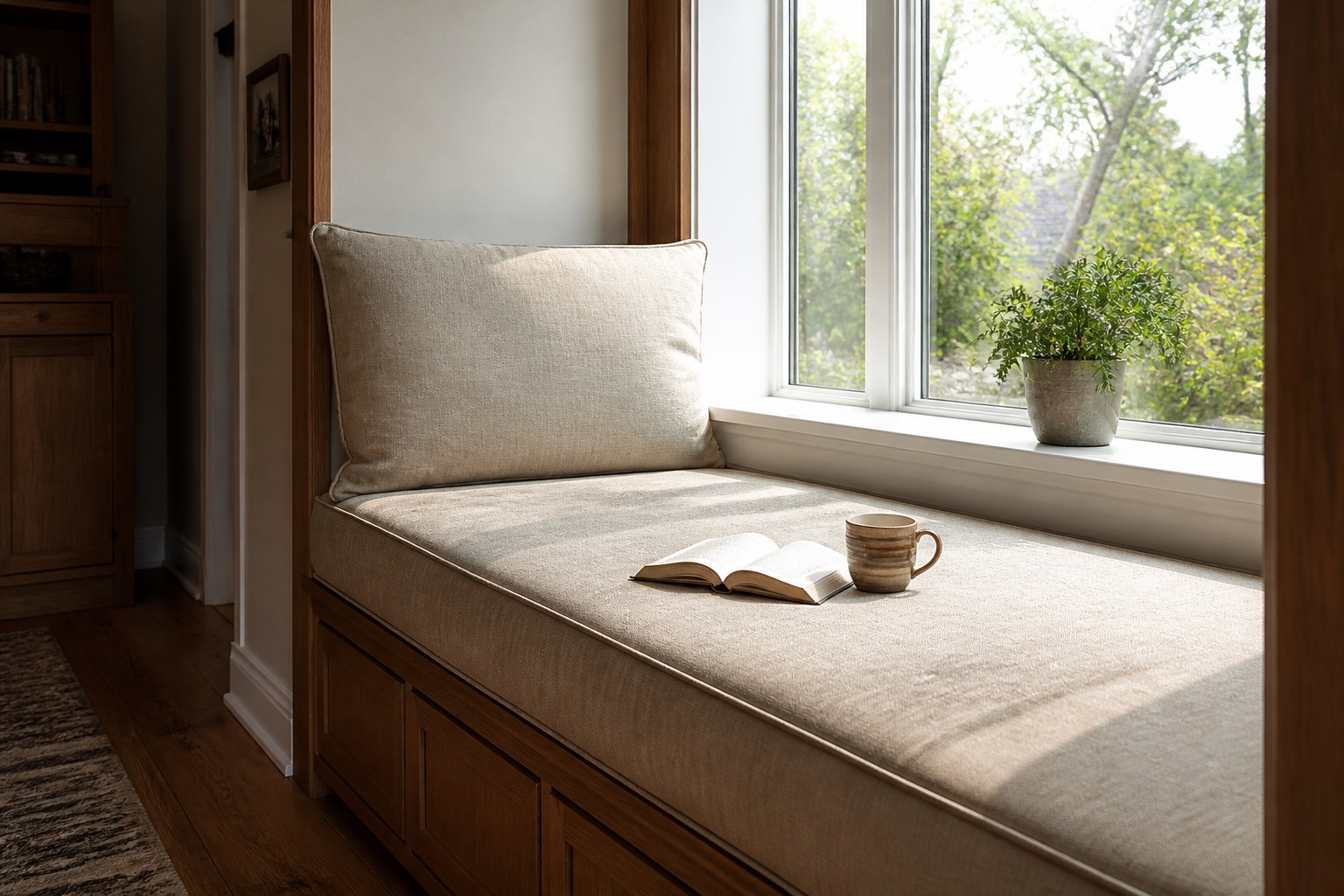
Window Seats That People Actually Sit In
Depth, cushions, storage, and light—how to build or dress a window seat so it becomes a reading spot instead of a dumping ground for laundry.

Garden Decoration Beyond Beds: Lace, Mosaiculture, and Upcycled Yard Art
From dressed topiary and floral cyclists to license-plate dragonflies and lace between trees—garden decorations that give a yard a voice.
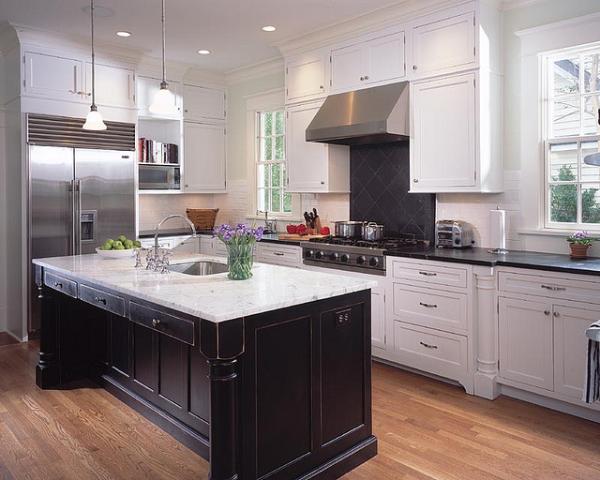
Kitchen Design Ideas: Layout, Storage, Light, and Finishes That Work
Practical kitchen design ideas—work zones, cabinetry, lighting, and durable finishes—so inspiration translates into rooms that cook and gather well.