
Corner Shelves That Work as Hard as They Look
Turn dead corners into storage and display with floating shelves, ladders, cabinets, and a few measuring rules that keep the room walkable.
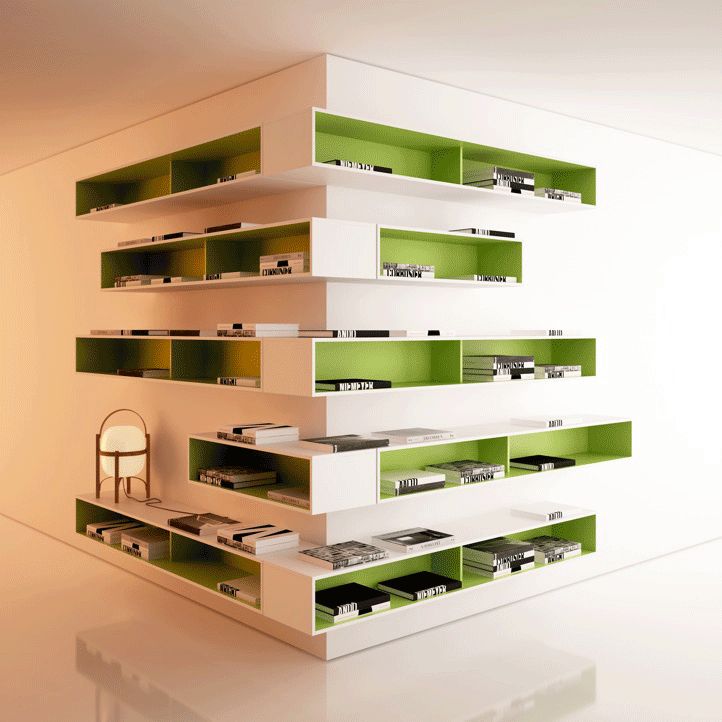
Most homes have corners that do nothing: the gap behind a door swing, the empty angle beside a sofa, the awkward meeting of two walls in a kitchen. Unless you live in a chateau with rooms to spare, those dead zones are storage waiting to happen. Corner shelves turn unused geometry into books, plants, dishes, and display without stealing the walking path a freestanding bookcase would demand.
Attics and under-stair niches get plenty of attention in renovation talk. Corners deserve the same curiosity. A well-chosen shelf can be as decorative as it is useful—open triangles that float, tall ladders that climb, cabinet-backed units that hide clutter, or sculptural stacks that act like built-ins. The goal is simple: claim the corner on purpose instead of letting dust claim it first.
Why corners are worth designing
Rectangular furniture leaves triangular leftovers. A standard bookcase shoved into a corner wastes the diagonal depth and often blocks adjacent walls. Corner-specific shelves follow the angle, so every centimeter of depth holds something. In small apartments this is not a luxury trick; it is how you keep floors clear for cleaning and for people.
Corners also make natural focal points. A tall plant on a low corner shelf softens a living room. A spiral of floating shelves can replace a bulky media tower. In a kitchen, corner shelves keep everyday bowls closer than a deep blind cabinet ever will. In a bathroom, a slim corner unit holds towels without crowding the vanity.
Types of corner shelves that earn their keep
Floating triangle or quarter-round shelves are the lightest visual option. Mounted on hidden brackets or visible L-supports, they suit plants, framed photos, and a few carefully chosen objects. They work best when loads stay modest and wall anchors are solid. Stagger heights so the eye climbs; three to five shelves often look more intentional than a single lonely triangle.
Ladder and leaning shelves that tuck into a corner offer flexible storage without permanent cabinets. Look for designs with a wide enough base that they cannot tip when you pull a heavy book. Secure tall ladders to the wall if children or pets use the room. Open rungs invite baskets on lower levels and display on upper ones.
Corner cabinets and etageres with sides or backs add dust control and a finished furniture look. Glass doors show collections; solid doors hide pantry overflow. Choose depths that match what you store—shallow for spices and glasses, deeper for small appliances—so you are not fishing into a black hole.
Built-in or carpenter-built shelving can wrap a corner continuously, sometimes connecting to window seats or hallway niches. This is the most seamless option for renovations. Plan lighting early: a small LED strip under each shelf makes evening rooms feel designed rather than leftover.
Match the shelf to the room
Living rooms favor open shelves for books, ceramics, and trailing plants. Keep the lowest shelf high enough that vacuum heads and feet clear it, or start with a closed cube at the floor for toys and board games. Avoid stacking fragile glass at toddler height.
Kitchens need wipeable finishes—sealed wood, metal, or laminate. Use corners for daily dishes, oils, or cookbooks you actually open. Leave clearance for cabinet doors nearby and for the swing of the refrigerator. Heat and steam near a stove call for materials that will not warp.
Bedrooms and offices benefit from vertical storage that does not crowd the bed or desk. A narrow corner tower can hold novels, chargers in a basket, and a small lamp if the shelf is deep and stable enough. In a home office, put reference books within arm’s reach of the chair without blocking the monitor’s sightline.
Bathrooms and entryways ask for moisture-aware and mud-aware choices. Metal wire or sealed bamboo resists damp better than particleboard. In an entry corner, hooks above a small shelf catch keys while shoes stay in a low basket on the floor—still using the corner as a system, not a dumping ground.
Style without clutter
Corner shelves fail when they become vertical junk drawers. Edit hard. Give each shelf a job: one for books standing upright, one for a plant and one object, one for baskets that hide the ugly useful things. Leave empty inches; negative space keeps the corner from looking frantic.
Repeat materials so the tower feels like one piece of furniture. Mixed woods can work if tones are close; mixing five finishes usually looks accidental. Align front edges of objects so the silhouette stays clean when you glance from across the room.
Color can either camouflage or celebrate the shelf. Paint shelves the wall color for a built-in whisper. Contrast them for a sculptural statement. In rental spaces, freestanding units in a calm neutral often look more intentional than a loud DIY that fights the existing trim.
Measuring, mounting, and weight
Measure both walls from the corner outward and note baseboards, outlets, and window trim. A shelf that ignores a thick baseboard will sit crooked or leave a dust gap. Check whether the corner is truly square; old houses often are not, and adjustable brackets or scribe-cut backs help.
Hit studs when you can. For floating shelves, use hardware rated well above the expected load and follow the manufacturer’s span limits—long unsupported spans sag. Distribute heavy books across shelves rather than loading the top. Anchors alone in crumbly plaster are a future crash waiting to happen; when in doubt, add a cleat or choose a freestanding unit.
Leave walking clearance. A corner shelf that forces shoulders to twist past the sofa every day will be hated, no matter how pretty it is in photos. Mock the footprint with cardboard on the floor for a weekend before you drill.
DIY versus ready-made
Simple triangle shelves from a hardware store, sealed and mounted carefully, can look custom. More ambitious builds—floor-to-ceiling corner bookcases with face frames—reward carpentry skills and a square corner. Ready-made corner units save time and often include anti-tip kits; measure height under crown molding and ceiling slopes before ordering.
Upcycling works here too: stacked crates screwed into an L configuration, vintage corner cabinets refinished, or metal industrial brackets with reclaimed wood tops. Whatever you choose, sand and seal surfaces that will hold food-adjacent items or damp towels.
A short plan before you buy
- Name the corner’s job: display, books, kitchen overflow, or entry drop zone
- Measure walls, baseboards, and nearby door swings
- Choose open, ladder, cabinet, or built-in based on dust tolerance and load
- Confirm mounting method and weight rating
- Edit objects before the shelves arrive so day one does not become clutter day
Walk the house once with a notepad and mark every idle corner. You may only need shelves in two of them. Fill those well—sturdy, lit if needed, and styled with restraint—and the “dead space” problem often disappears without a larger renovation. The best corner shelf is the one you stop noticing as a problem and start using without thinking.

Comments
Continue reading
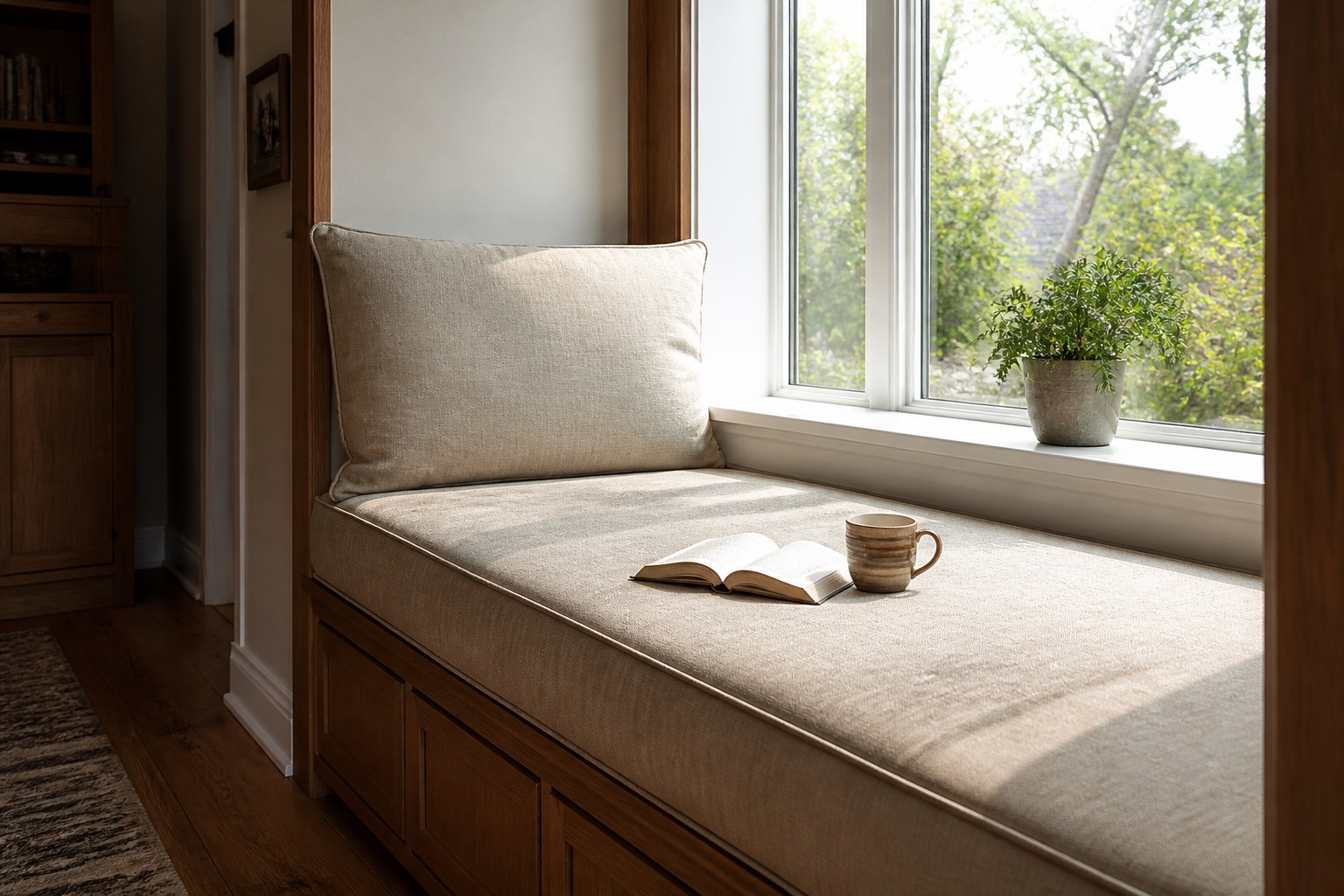
Window Seats That People Actually Sit In
Depth, cushions, storage, and light—how to build or dress a window seat so it becomes a reading spot instead of a dumping ground for laundry.

Garden Decoration Beyond Beds: Lace, Mosaiculture, and Upcycled Yard Art
From dressed topiary and floral cyclists to license-plate dragonflies and lace between trees—garden decorations that give a yard a voice.
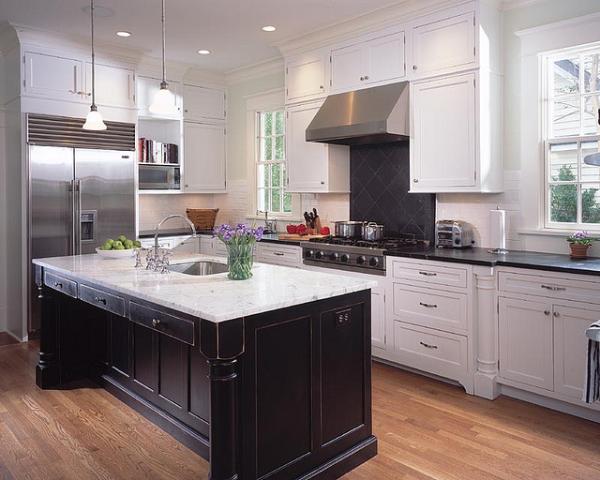
Kitchen Design Ideas: Layout, Storage, Light, and Finishes That Work
Practical kitchen design ideas—work zones, cabinetry, lighting, and durable finishes—so inspiration translates into rooms that cook and gather well.