
Elegant Decorating Ideas with Trays for Every Surface
How to style trays on coffee tables, nightstands, vanities, and kitchens—materials, scale, and editing tips that turn everyday objects into calm, intentional vignettes.
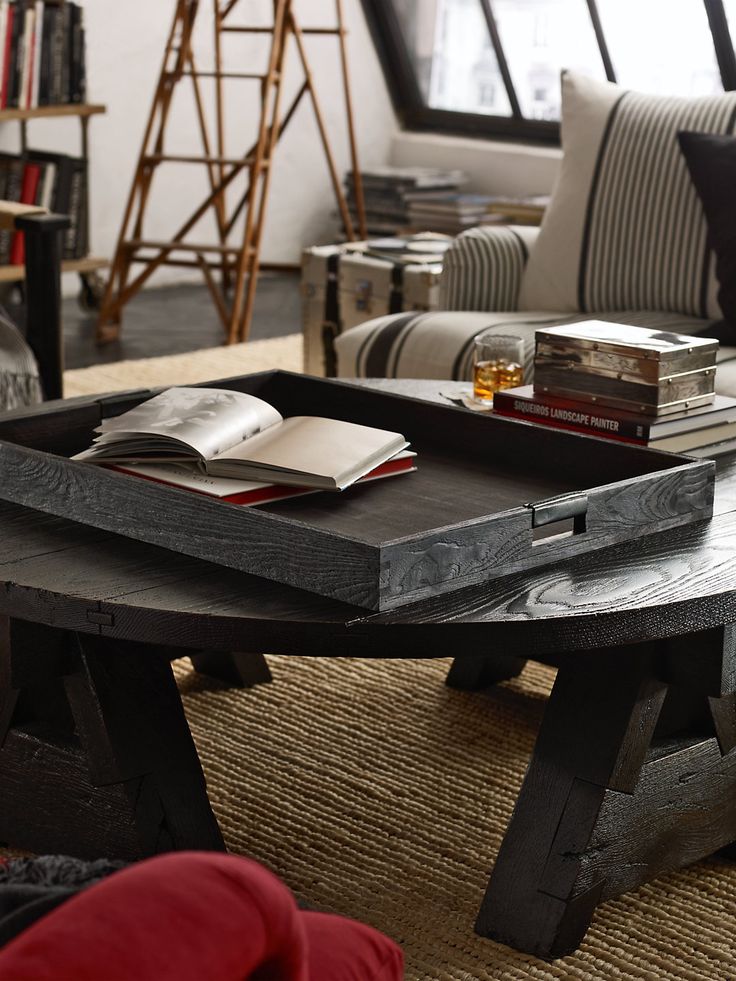
A tray is one of the smallest pieces of furniture that can still change how a room feels. It draws a boundary on a surface, gathers objects that would otherwise look like clutter, and gives everyday things—perfume bottles, candles, remote controls, a stack of books—a place that looks intentional. Elegant decorating with trays is less about buying matching sets and more about deciding what belongs together and what should leave the stage.
Use trays wherever a surface needs editing: coffee tables, bedside consoles, bathroom vanities, kitchen islands, entry benches, even open shelves. The goal is not to fill every tray to the rim. Leave air. Let one object stand taller than the rest. Choose materials that echo the room—wood with wood, mirrored glass with soft metallics, matte ceramic with linen—so the tray feels native rather than like a store display dropped on top.
Why trays read as finished design
Without a tray, small objects scatter. With a tray, the same objects become a composition. That single rectangle or oval tells the eye where to look and where to stop looking. In photography and in real rooms, that boundary is what separates “collected” from “messy.”
Trays also protect surfaces. A marble vanity stays cleaner when lotions sit on a tray. A wood coffee table avoids water rings when drinks land on a waterproof liner or a tray with a raised rim. Function and beauty overlap here: the piece that looks styled is often the one that also saves the finish underneath.
Scale matters. A tray that is too small under a lamp and three books will look cramped. A tray that swallows the whole tabletop will erase the table’s shape. Aim for roughly one-third to one-half of the available surface on coffee tables, and a tighter footprint on nightstands where space is precious. Round trays soften sharp furniture; rectangular trays reinforce architecture and pair well with books and rectangular frames.
Coffee tables and living rooms
Living-room trays work hardest when they hold a short stack of books, one sculptural object, and something living or lit—a small plant, a candle, or a shallow bowl of seasonal fruit. Avoid mixing too many finishes in one tray. Two materials plus one accent usually read cleaner than five competing textures.
If the room is formal, keep the tray quiet: lacquer, dark wood, or smoked glass with restrained objects. If the room is relaxed, woven rattan, painted metal, or raw wood can soften the arrangement. Remotes and coasters can live on the tray too; elegance includes honesty about what people actually use. Hide the ugliest remotes in a lidded box on the tray rather than pretending the living room never needs them.
When you style for guests, edit once more. Remove yesterday’s mail, empty glasses, and half-finished projects. A tray should look ready for a drink and a conversation, not like a temporary parking lot.
Bedside and dressing tables
Nightstands benefit from a small tray that corrals a lamp base if the base is narrow, or sits beside the lamp with a book, a glass of water, and a single jewelry dish. Keep height low enough that the lamp shade still dominates. Perfume bottles, hairpins, and rings look more deliberate on a mirrored or marble tray than scattered across wood grain.
On a dressing table, trays shine. Group fragrance by height, add a small vase or a string of pearls for softness, and leave an open zone for hands to work. That open zone is design, not emptiness. Vanity trays that become landfills of every product you own stop reading as elegant; rotate products seasonally and store the rest.
In guest rooms, a tray with a water carafe, a small plant, and a notepad feels like hospitality without cluttering drawers. Guests understand the invitation immediately.
Bathrooms and kitchens
Bathroom trays love moisture-resistant materials: acrylic, sealed stone, ceramic, metal with a durable finish. Place soap, lotion, and a small plant or candle together near the sink. On a bathtub ledge, a narrow tray can hold bath oil and a book if the ledge is wide enough; never force a tray onto a surface that cannot take weight safely.
In kitchens, trays organize oil bottles, salt, and pepper near the stove, or coffee tools on a counter. Choose a tray you can wipe without fuss. Copper and brass look warm but need maintenance; powder-coated metal and sealed wood are kinder for daily cooking zones. An island tray can hold fruit and a pitcher when you entertain, then return to simpler duty during the week.
Avoid trays that block drawers or hang over edges where sleeves catch. Kitchen elegance includes clearance for real cooking motions.
Entry, shelves, and unexpected spots
An entry console with a tray for keys, sunglasses, and outgoing mail keeps the drop zone from becoming a pile. Add a bowl or dish inside the tray for small metal items so they do not scratch the tray finish. A short plant or a candle can soften the practical stack without turning the entry into a gift shop.
On open shelves, trays create “islands” of related objects so the shelf does not look like a thrift-store lineup. One tray per shelf section is often enough. Mix heights: a book stack horizontal under a vase, a candle beside it, negative space beside the tray.
Ottomans, window seats, and fireplace hearths can hold trays when the furniture is sturdy and the tray is not a trip hazard. Treat these placements as temporary stages for drinks or flowers rather than permanent storage.
How to build a tray vignette
Start with the tray empty. Place the tallest object first, usually off-center rather than dead middle. Add a mid-height piece that relates in color or material. Add a low, wide piece—a book stack, a dish, a candle—to ground the group. Step back. If the eye cannot find a resting place, remove one item.
Odd numbers often photograph well, but even pairs can feel calm in symmetrical rooms. Match the room’s personality: formal rooms tolerate more pairing; casual rooms prefer looser asymmetry.
Color strategy: pull one hue from nearby textiles or art into the tray objects so the vignette belongs to the room. Neutrals with one accent—deep green glass, a brass detail, a blush ceramic—usually age better than rainbow assortments.
Seasonal swaps keep trays alive. Spring greens and pale ceramics; autumn fruit and darker wood; winter candles and richer metallics. Change the contents before you buy a new tray. Most homes need better editing, not more vessels.
Materials and DIY without looking crafty
Store-bought trays in wood, marble, mirrored glass, lacquer, and woven fibers cover most needs. DIY trays work when the finish is clean and the edges are true: a cut board with simple handles, a vintage frame with a glass insert, a thrifted platter elevated with small feet. Sand and seal wood. Avoid sticky glitter and busy decoupage if the room aims for quiet elegance.
Lining a tray with cork, felt, or a thin sheet of marble contact paper can protect both tray and objects. Removable liners make cleaning easier in kitchens and baths.
If you own many trays, rotate them rather than stacking every surface. Empty surfaces are part of elegant decorating; trays should concentrate interest, not multiply it everywhere.
- Choose one surface that feels chaotic and give it a single tray.
- Limit the tray to three to five objects, including the tallest piece.
- Match tray material to the furniture finish or to one metal already in the room.
- Leave a clear landing zone beside the tray for daily use.
- Edit weekly: if it has not been used or loved in a month, it does not belong on the tray.
When the tray looks settled and the rest of the table still breathes, the decorating idea has done its job—no perfume fountain required, just clear boundaries and a few things worth looking at twice.

Comments
Continue reading
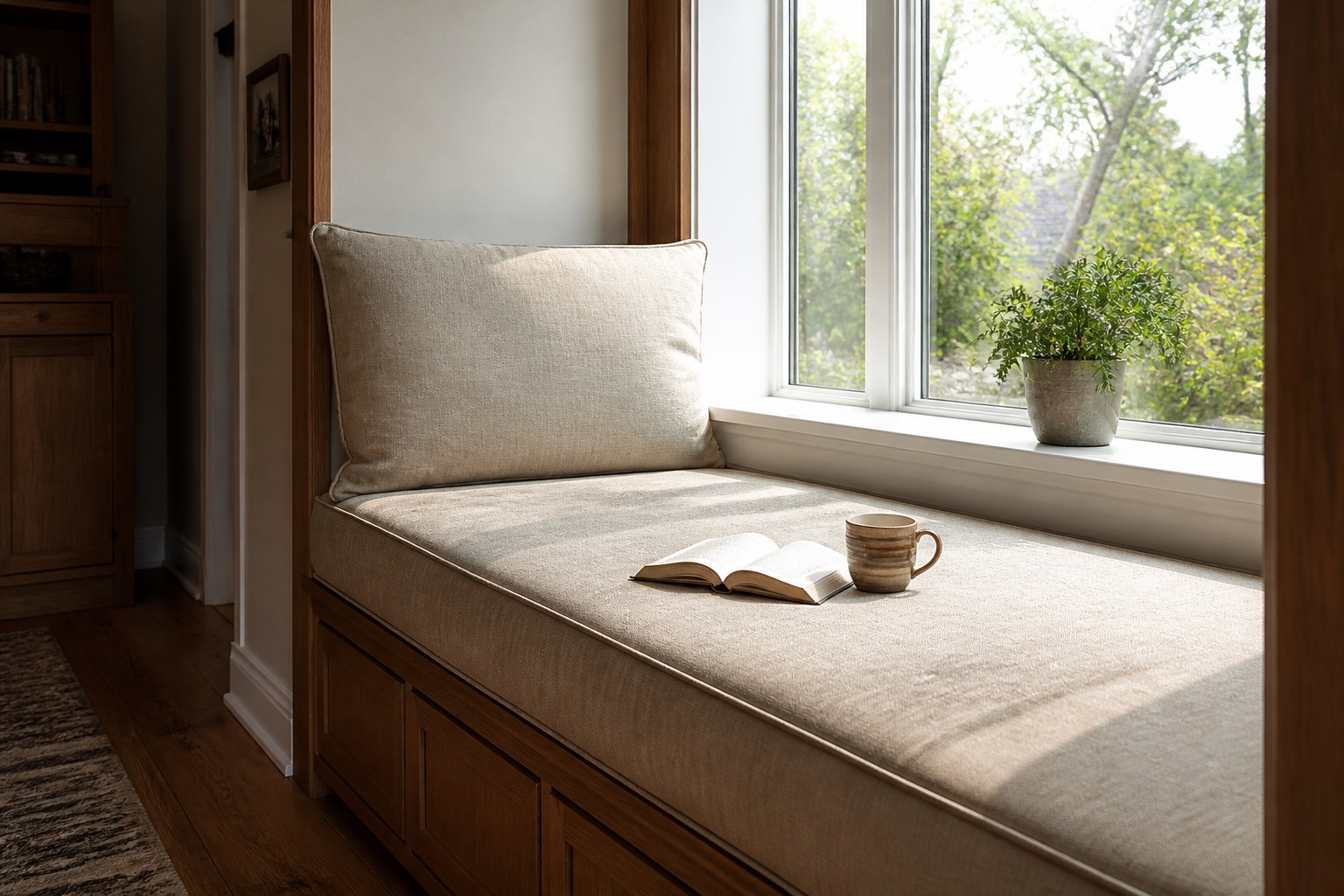
Window Seats That People Actually Sit In
Depth, cushions, storage, and light—how to build or dress a window seat so it becomes a reading spot instead of a dumping ground for laundry.

Garden Decoration Beyond Beds: Lace, Mosaiculture, and Upcycled Yard Art
From dressed topiary and floral cyclists to license-plate dragonflies and lace between trees—garden decorations that give a yard a voice.
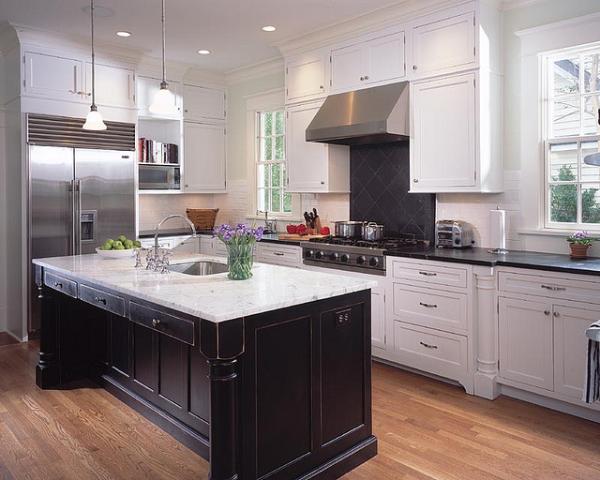
Kitchen Design Ideas: Layout, Storage, Light, and Finishes That Work
Practical kitchen design ideas—work zones, cabinetry, lighting, and durable finishes—so inspiration translates into rooms that cook and gather well.