
Extremely Funny Toy Stories by Johandi Yahya
Johandi Yahya’s short Instagram toy films—Toy Story figures, Spider-Man, turtles, and more—use tabletop staging and sharp timing to turn a shelf into comedy.
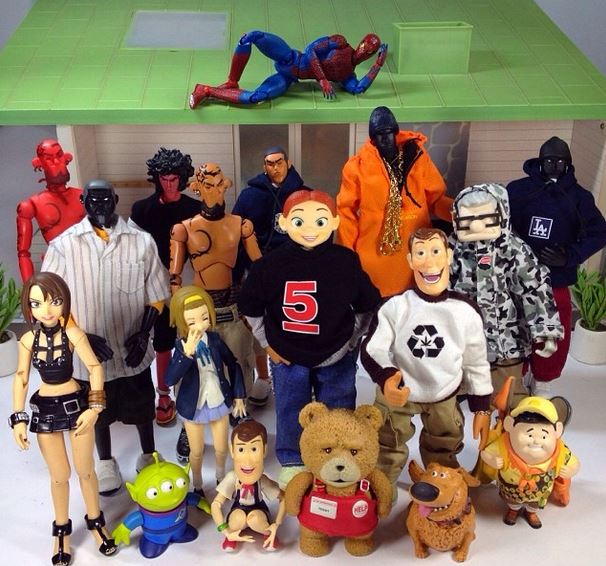
Johandi Yahya builds tiny comedies with toys. An Indonesian creator and self-described dreamer and toy addict, he became widely known on Instagram for short videos—often around fifteen seconds—in which action figures and familiar characters act out miniature stories. Woody and the Toy Story crew show up beside Spider-Man, Ninja Turtles, Gollum, and other shelf regulars. The scale is small; the timing is sharp; the jokes land because the toys keep their plastic dignity while the plots get wonderfully absurd.
This page looks at that toy-story humor: how Yahya’s Instagram-era clips work, why collectors and casual scrollers both respond, and what makes a fifteen-second figure film feel complete. The spirit is playful, not promotional—an appreciation of craft that happens on a tabletop and travels well on a phone.
A tabletop stage with franchise faces
Yahya’s appeal starts with recognition. Viewers already know the silhouettes: cowboy hat, web pattern, turtle shells, hunched Gollum. He does not need long exposition. A tilt of a head, a sudden chase, a failed hero pose, and the clip has a beginning, middle, and punchline before the loop repeats. In the early Instagram video era, that length matched how people watched on phones—one gag, then the next, no trailer required.
Collectors understand another layer. Articulated figures are built for posing; Yahya treats posing as acting. Joints become body language. A Spider-Man frozen mid-leap reads as confidence until the next frame undercuts him. A Toy Story character can look earnest in one beat and defeated in the next without a single spoken line. The humor is visual first, which travels across languages—useful for an Indonesian creator whose audience was never only local.
Franchise mash-ups are part of the fun. When characters from different universes share a shelf, the joke often comes from mismatched power levels or clashing vibes: a solemn fantasy creature stuck in a playground rivalry, a superhero losing a staring contest to a cowboy. Yahya’s cast list works because he directs tone more carefully than he directs brand crossovers. The shelf becomes a repertory company, not a pile of merch.
Why short toy films feel funny
Extremely funny toy stories often rely on contrast. Plastic heroes designed for epic conflict get stuck in domestic mishaps, petty rivalries, or slapstick physics. The figures cannot change expression much, so comedy comes from staging: who stands taller, who gets shoved out of frame, who “wins” a stare-down that lasts two seconds too long. Silence helps. Without dialogue, viewers invent the voices, and invented voices are usually funnier than forced ones.
Loop culture matters too. A strong fifteen-second piece invites rewatching. You catch a background figure you missed, or you wait again for the exact frame where a turtle loses balance. Yahya’s best clips behave like pocket cartoons: dense enough to reward a second play, light enough not to demand commitment. That density is harder than it looks. Many toy videos feel long at ten seconds because nothing changes; Yahya’s feel short at fifteen because every beat earns its place.
Physical comedy also thrives at toy scale. A fall that would look cruel with human actors looks cartoonish with plastic. A chase across six inches of tabletop can still read as epic if the camera stays low and committed. Yahya understands that the lens, not the toy’s retail price, creates the world.
Craft behind the casual scroll
What looks effortless on a feed usually hides patience. Lighting has to keep plastic from turning into glare soup. Hands must stay out of shot—or enter only as a giant, godlike gag. Camera distance has to sell the world as life-sized for the toys while remaining readable on a phone screen. Slight motion—stop-motion style increments or careful live posing between cuts—gives the illusion that the cast moves on its own.
Scenario variety keeps a toy account from flattening into the same chase forever. One clip might parody a movie trailer. Another might stage a quiet misunderstanding between shelf-mates. Another drops a fantasy creature into a mundane toy-room problem. Yahya’s range across franchises works because the tone stays consistent: affectionate teasing rather than mean-spirited smash videos. The toys remain characters, not props to destroy.
Sound design, when used, should stay light. A single whoosh or thud can sell motion; a wall of music can bury the visual joke. Many of the strongest short toy films still work on mute in a quiet office, which is a useful test for anyone copying the format.
Collector culture and creative identity
Yahya has spoken in interviews about collecting action figures seriously—starting with smaller scales and growing into larger articulated pieces, with Woody as an early favorite. That biography fits the work. People who live with figures on shelves notice personality in paint apps and accessories; people who only meet them through his videos still feel that care. The room becomes a studio. The collection becomes a cast list with backup players waiting in drawers.
Calling himself a dreamer and toy addict is branding in the best sense: honest about obsession, inviting rather than exclusive. Instagram suited that persona because the platform rewarded personality plus repetition. Followers did not need a manifesto; they needed the next tiny plot. Over time, that habit of making also connects to broader creative work—illustration, storyboarding, instructional design—skills that value clear beats and readable staging. Whether or not a viewer knows that résumé, the clips already show storyboard instincts: establish, complicate, pay off.
There is also community energy around figure collecting. Sharing motion clips turns a solitary hobby into a conversation. Comments become tiny reviews. Other collectors recognize rare sculpts in the background. Yahya’s work sits at that intersection of hobby and cinema without needing a festival slot to feel finished.
How to watch (and what makers can steal)
Watch once for the joke. Watch again for the cut points. Notice how quickly Yahya establishes who wants what. Notice how often the funniest character is not the loudest franchise lead but the side figure who reacts a half-second late. If you make your own toy videos, borrow principles rather than plots: limit the cast, light the faces, end on a clear beat, and resist explaining the gag in text overlays that steal the punchline.
Also respect the toys as designed objects. Yahya’s humor usually comes from situation, not from damaging rare pieces for shock. That choice keeps the work welcoming to collectors who wince at breakage content. Funny does not require cruelty to plastic—or to the childhood attachments those plastics carry. A soft landing after a slapstick fall can be funnier than a cracked helmet, and it leaves the cast ready for tomorrow’s shoot.
Practical constraints help creativity. One lamp, one backdrop color, three figures, and a timer can produce a tighter story than a cluttered shelf with every character you own. Edit before you shoot by choosing a conflict small enough to resolve in a breath.
The lasting charm of miniature plots
Phone feeds move on; tabletop comedies stay sticky when character chemistry is strong. Johandi Yahya’s toy stories succeed because they treat a shelf like a writers’ room. Spider-Man can share a scene with a turtle. Gollum can interrupt a cowboy. The mash-up feels natural because the director’s voice is steady: short, kind, precise, and willing to look silly in public for a perfect beat.
Next time a fifteen-second figure film makes you laugh harder than a glossy trailer, check the staging. Chances are someone like Yahya has already solved the hard problem—how to make motionless faces act—by giving them a problem small enough for a phone and big enough for a punchline that still works on the second loop.

Comments
Continue reading

Andrew Zonzini’s Comic-Strip Photographs (@perrycolante)
Italian illustrator Andrew Zonzini stages colorful paper graphics on real walls, then photographs them so still images read like comic strips—without post-shoot digital collage.
Rachel Ryle’s Stop-Motion Art on Instagram
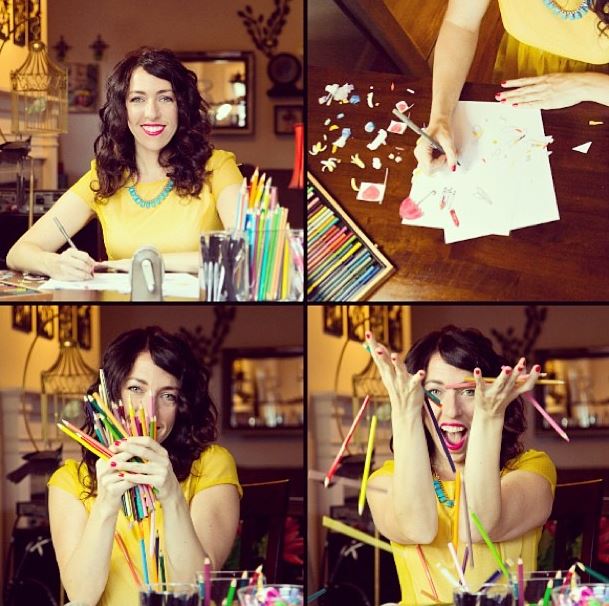
Illustrator Rachel Ryle turned colored pencils and paper into 15-second Instagram stop-motion—handmade loops, desk craft, and a career launched in 2013’s video era.

Still-Life Photography by Margareth Perfoncio
São Paulo photographer Margareth Perfoncio’s still lifes of food and flowers—Old Master light, dark wood, and tables that feel inevitable.