
Display Your Collections in Style at Home
Edit, group, light, and protect the objects you love—practical ways to turn ceramics, vinyl, travel finds, and other collections into considered home displays.
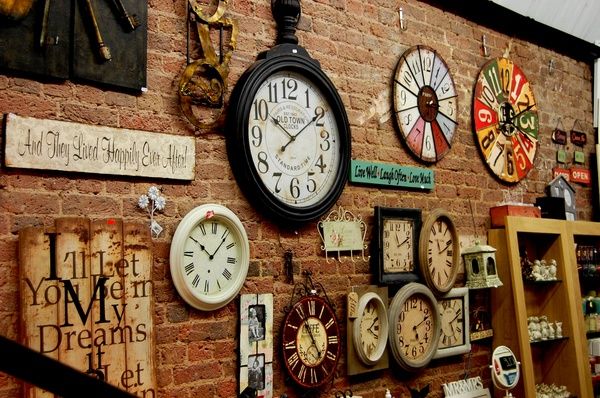
Collections are personal museums. Whether you gather ceramics, vinyl, vintage cameras, matchboxes, or seashells, the objects carry obsession, travel, and time. Leaving them in closets and cartons protects them from dust—but it also hides the reason you collected them. Displaying a collection well turns private passion into part of the home’s character without tipping into clutter.
You do not need fifty separate tricks to start. You need a few reliable strategies: edit ruthlessly, group with intention, choose the right container or surface, control light and dust, and leave negative space so individual pieces can breathe. The ideas below translate those strategies into practical setups you can adapt to apartments, family homes, and rented rooms alike.
Edit before you exhibit
Great displays begin with a cut. Pull everything into one place and sort by story: favorites, duplicates, broken pieces, items you keep only from guilt. Keep the strongest examples. Store or sell the rest. A shelf of twelve excellent cups beats a cabinet of forty mediocre ones. Editing also clarifies theme—color family, era, material, or maker—so the eye reads a collection instead of a jumble.
Rotate seasonally if the full set is large. A winter rotation of darker ceramics and a summer rotation of clear glass keeps the room fresh and protects pieces from constant light exposure. Label storage boxes so rotation is easy rather than a weekend archaeology dig.
Group, do not sprinkle
Scattered objects across every surface make a home feel restless. Grouped objects create destinations. Cluster on one console, one wall of shelves, one glass cabinet, or one mantel. Repetition builds rhythm: same height family stepped in a gentle rise, same color in varied shapes, or same function (all clocks, all bottles) in a tight field.
Odd numbers often look more intentional than even ones for small vignettes. Vary height with books, risers, or inverted bowls used as pedestals. Keep one clear hero piece slightly forward or higher, and support it with quieter neighbors. If children or pets share the space, place fragile heroes higher and sturdier pieces within reach.
Choose the right stage
Open shelving suits rugged or frequently handled collections—cookbooks, baskets, sturdy pottery. Glass-front cabinets suit dust-sensitive or valuable sets—figurines, cameras, paper ephemera. Shadow boxes and deep frames turn flat or small objects into wall art: pins, spoons, tickets, textile fragments. Floating shelves create a gallery line without heavy furniture.
Unexpected stages work when scale is honest. A vintage printer’s tray holds miniature finds. A clear acrylic riser on a sideboard lifts a single sculpture. A tall narrow bookcase turned into a “tower museum” uses vertical space in small rooms. Avoid stages that fight the objects: ornate furniture under already ornate china can cancel both; a simple wood or white shelf usually wins.
Use color and material as glue
If your collection is mixed, unify it with a backdrop. Paint the interior of a bookcase a deep green or soft clay so pale ceramics pop. Line shelves with linen or kraft paper for texture. Group by material—all brass, all clear glass—so mixed eras still feel related. Alternatively, group by color across materials: every blue thing together becomes a chromatic collection even if origins differ.
Labels can be charming or clinical. Tiny tags suit serious archives; no labels suit purely decorative displays. If guests always ask “what is that?”, a discreet card or a small notebook nearby satisfies curiosity without turning the living room into a gift shop.
Light it like you mean it
Display dies in gloom and fades in harsh sun. Aim picture lights, LED strips under shelves, or a nearby lamp that grazes rather than blasts. Avoid hot bulbs inside enclosed cabinets. UV-filtering film on sunny windows helps paper, textiles, and dyed plastics. For mirrored or glass objects, watch for glare that photographs well but blinds people in the evening.
Night lighting changes the mood of a collection. A dim shelf glow after dark turns ceramics into a quiet landscape. Just keep paths safe—no cords across walkways, no candles beside paper or dried botanicals.
Contain dust without killing charm
Open displays need a cleaning rhythm: soft brush, microfiber, and a schedule you will actually keep. Closed cabinets need occasional airing so moisture does not trap. Acid-free tissue and supports matter for paper and textiles. Heavy books should not lean forever against delicate ceramics. If you smoke or burn incense, rethink open porous collections; particles settle fast.
Pets and displays can coexist with planning. Anchored furniture, museum gel for small bases, and higher shelves for breakables prevent disasters. Teach kids that some shelves are look-only; give them a lower “touch shelf” of durable duplicates so curiosity has a home.
Scale the display to the room
A large wall can handle a grid of frames or a long run of shelves. A small apartment may only support one concentrated cabinet. Resist filling every vertical inch. Negative space is part of the composition; it tells the eye where one group ends and the next begins. Leave landing space on coffee tables and dining surfaces so the home still functions for living, not only exhibiting.
In shared rooms, negotiate sight lines. A partner who does not love figurines may accept them in a handsome cabinet more readily than on every windowsill. Beauty of container often buys permission for volume of content.
Tell a story, not only a count
The most memorable displays answer a silent question: why these? Arrange travel finds by trip, records by decade of discovery, plates by the relative who passed them down. A single sentence on a card—“market finds from Lisbon, 2019”—turns objects into narrative. Mix one personal photograph into a shelf of objects to root the collection in a life, not only in aesthetics.
Avoid the souvenir trap of equal billing for every trip trinket. Curate highlights. Let lesser pieces live in a drawer box labeled by year. Your future self will thank you when you move or when tastes change.
Quick setup checklist
- Edit to the strongest pieces; store or release the rest.
- Pick one primary display zone per collection.
- Group by theme, color, material, or story—not by random availability of shelf space.
- Choose open shelves, glass cabinets, or frames based on dust and fragility.
- Add soft, cool lighting; protect from direct sun.
- Leave breathing room; clean on a realistic schedule.
- Anchor furniture and elevate breakables if kids or pets share the room.
When a guest pauses at your shelf and asks about a single object, the display has done its job. Collections deserve that pause. Give them a stage, not a box, and the home starts telling the stories you have been saving for years.

Comments
Continue reading
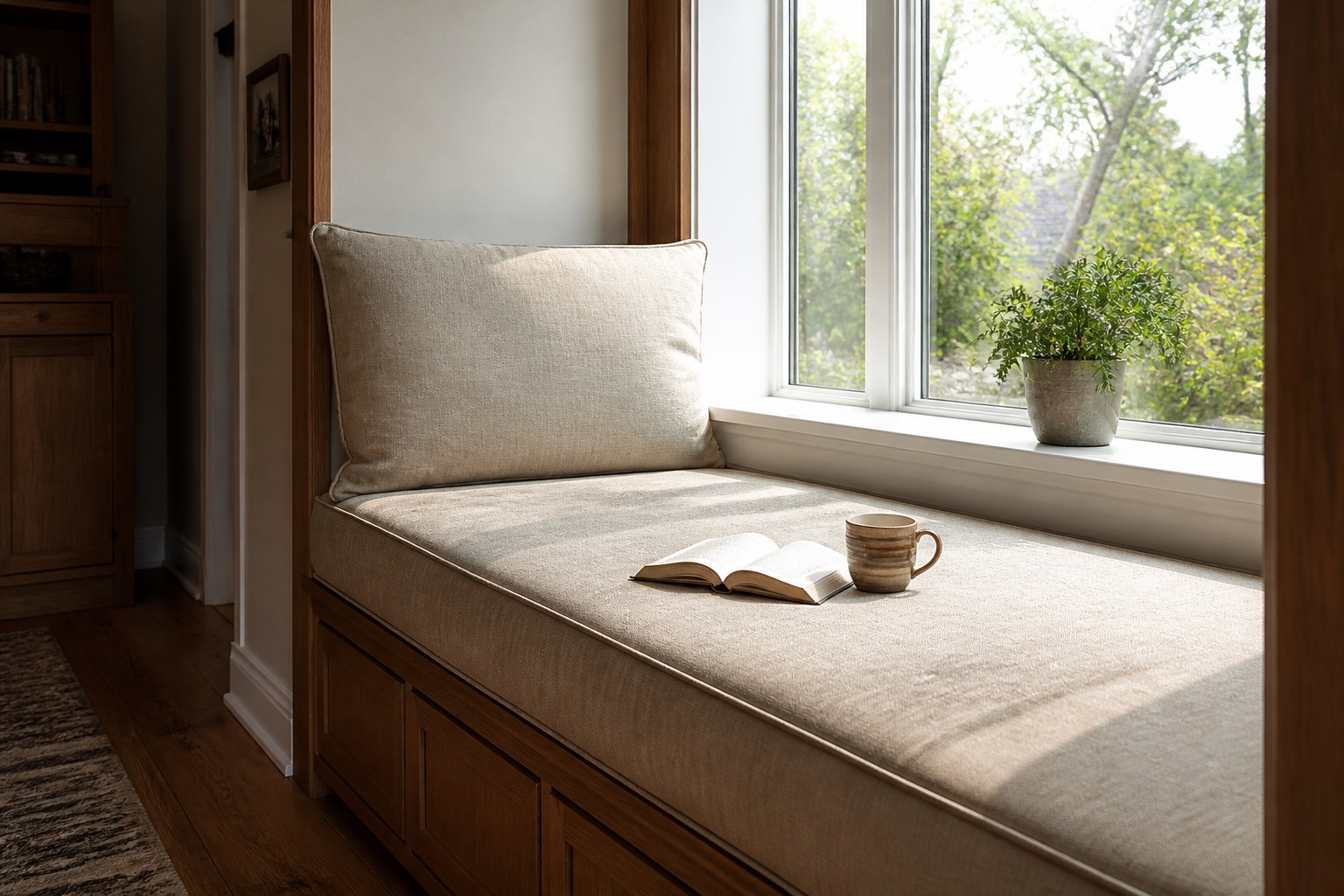
Window Seats That People Actually Sit In
Depth, cushions, storage, and light—how to build or dress a window seat so it becomes a reading spot instead of a dumping ground for laundry.
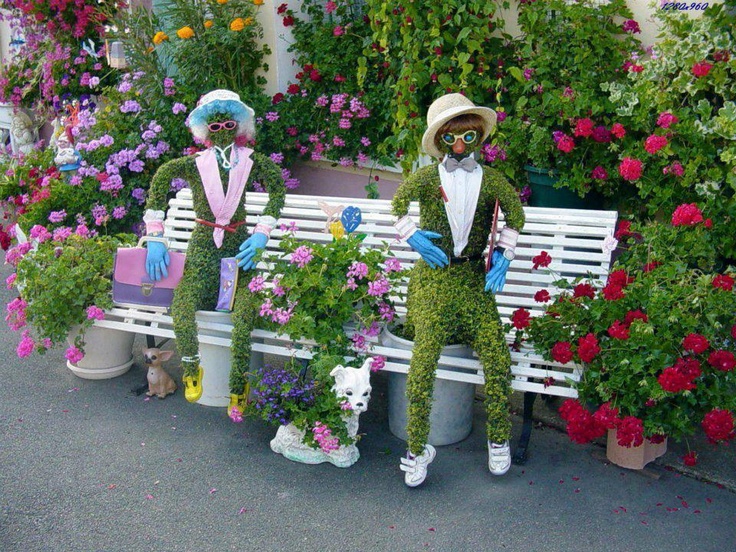
Garden Decoration Beyond Beds: Lace, Mosaiculture, and Upcycled Yard Art
From dressed topiary and floral cyclists to license-plate dragonflies and lace between trees—garden decorations that give a yard a voice.
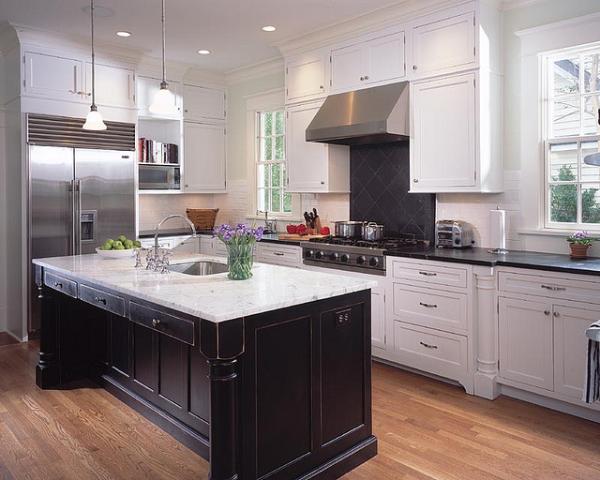
Kitchen Design Ideas: Layout, Storage, Light, and Finishes That Work
Practical kitchen design ideas—work zones, cabinetry, lighting, and durable finishes—so inspiration translates into rooms that cook and gather well.