
Fresh-Air Outdoor Showers: Design and Practical Criteria
How to place, screen, plumb, and drain an outdoor shower so it feels like part of the garden—privacy, materials, freeze protection, and code-minded drainage included.
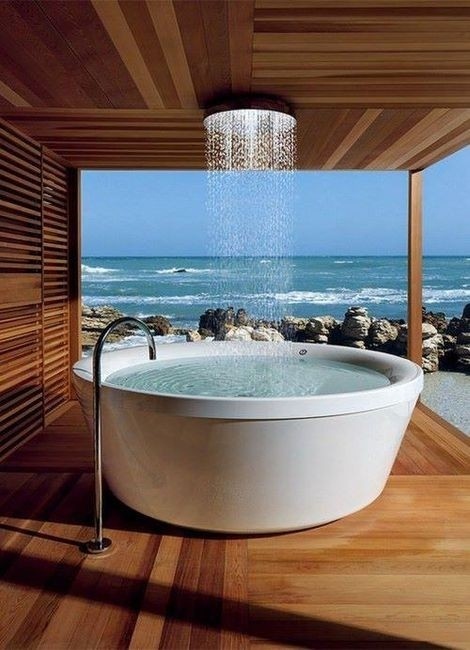
An outdoor shower turns a garden path, a pool edge, or a side yard into a place to rinse sand, chlorine, garden dirt, or summer heat without marching wet footprints through the house. You do not need a beach house to make one work. You do need a clear idea of privacy, water supply and drain, weather exposure, and how the shower sits in the landscape—because a beautiful fixture that puddles on the patio or freezes every winter is not a refreshment, it is a maintenance project.
Decide the job before you pick a style
Outdoor showers fall into a few practical categories. A rinse station near a pool or spa is mostly about quick dechlorination and bare feet. A garden shower after yard work wants sturdy controls you can operate with dirty hands. A spa-like bathing alcove beside a primary suite aims for longer use, warmer water, and stronger privacy. Beach and lake houses often need a place to drop sand before anyone enters; mountain cabins may prioritize a place to wash off trail dust. The same stainless column can serve all of those roles, but enclosure height, flooring, and hot-water access should match the real use.
Ask three questions early. Will people shower fully outdoors, or only rinse? Is the site visible from neighbors or a street? Does the climate freeze, or stay mild year-round? Answers drive whether you need a full stall, a simple post and drain, seasonal shutoffs, or a permanent plumbed structure.
Placement: sun, wind, and the path back inside
Put the shower where wet feet make sense. Near the pool gate, the mudroom door, or the path from the beach is better than a remote corner that forces a dripping walk across finished floors. Morning sun helps drying; afternoon shade keeps metal and stone from scorching bare feet. Strong prevailing winds make curtains billow and spray travel—use solid screens or plant buffers on the windward side.
Distance to existing plumbing and a legal drain path often decides the budget more than the fixture itself. Tying into a nearby bathroom wet wall is usually simpler than running long hot and cold lines across a yard. If the shower sits far from the house, plan for freeze protection, insulation or drain-down valves, and a route that will not destroy planted beds every time something needs service.
Privacy without turning the yard into a bunker
Privacy is the detail that makes outdoor showers feel usable instead of theatrical. Options range from a cedar or ipe screen on two or three sides, to a masonry wing wall, to a outdoor-rated curtain on a simple track, to dense planting such as bamboo in containers or a clipped hedge. Full four-wall rooms with roofs become outdoor bathrooms; open-sky stalls keep the “fresh air” character but need taller screens where sightlines are close.
Match opacity to context. A beach rental with distant neighbors can get away with a half-wall and a change of height. An urban side yard may need a solid screen above eye level. Leave enough open sky or lattice that the space still feels outdoors—completely boxed stalls can feel like a closet that happens to be wet. Flooring should continue the privacy logic: a raised wood platform or stone pad that does not invite peeping under gaps at ankle height.
Water, drainage, and code realities
Hot and cold supply with a mixing valve is the comfort baseline for true bathing. Cold-only rinses work for pools and beaches if that is the honest use case. Use exterior-rated fixtures—marine-grade stainless, brass, or other metals meant for weather—and locate shutoff valves where you can drain lines before freezes. A handheld plus a fixed head covers rinsing kids, pets, and feet without flooding the whole pad.
Drainage is non-negotiable. Standing soapy water breeds slip hazards, mosquitoes, and angry neighbors. Prefer a proper drain to the house sanitary or storm system as local code allows; never assume greywater can simply sheet onto a neighbor’s lot. Permeable gravel beds and dry wells are sometimes used for rinse-only setups where regulations allow, but soaps and shampoos change what is acceptable. Check local rules before you dig. Slope the pad clearly toward the drain so water does not run under house siding or into a basement window well.
Electrical needs—if you add lighting or a pump—must follow outdoor wet-location rules. Keep switches and outlets away from spray, use GFCI protection, and hire a licensed electrician rather than improvising with indoor gear.
Materials that survive sun, soap, and seasons
Flooring should be textured and quick-drying: teak or other durable decking with gaps, stone with a grip finish, concrete with a broom texture, or porcelain pavers over a drained base. Avoid slick tile that becomes a skating rink with conditioner residue. Walls and screens in cedar, thermally modified wood, composite, concrete block, or stucco each age differently; unfinished softwoods silver and need more upkeep, while masonry lasts but can feel colder underfoot when splash hits it.
Hardware finishes matter outdoors. Chrome that looks fine in a powder room can pit near salt air. Stainless and quality powder-coated metals hold up better beside pools and coasts. Store removable accessories indoors in winter if your climate is harsh. Plan a hook for towels, a shelf for bottles that will not blow away, and a place for shoes so the wet zone stays defined.
Design criteria that separate “kit” from place
The best outdoor showers feel like they belong to the garden, not like a plumbing fixture dropped beside a hedge. Align the screen with fence lines, house cladding, or a pool wall so the geometry feels intentional. Repeat a material already on the house—board direction, stone type, metal color—so the shower reads as an extension of the architecture. Keep the footprint modest; a generous stall wastes heat and water outdoors unless you truly want spa bathing.
Lighting, if used, should be soft and shielded—path lights or a dimmable wall wash—not a glare lamp aimed at the bather. Planting at the edges softens screens and can add scent (lavender, rosemary) without shedding endlessly into the drain. If children will use the shower, prioritize non-scald mixing valves, rounded edges, and a floor that drains in seconds.
Seasonal living and simple upkeep
In freeze climates, shut off and drain the lines before the first hard freeze, or install systems designed to dump water automatically. In mild climates, occasional cleaning of drains, wiping mineral scale, and checking screen hardware is enough. Clear leaves from the floor gaps; trapped organic matter stays wet and slippery. If you use a curtain, wash it; mildew on fabric ruins the “fresh air” promise faster than any design flaw.
Budget in layers: fixture and valve first, then waterproof pad and drain, then privacy structure, then planting and lighting. Skipping the drain to afford a prettier column is the wrong trade. A simple post shower on a well-drained stone pad with a thoughtful screen often outperforms an elaborate stall that ponds water.
When you walk the yard with a tape measure, mark the wet zone, the towel path to the door, and the neighbor sightlines. If those three sketch cleanly, the outdoor shower will feel like a natural habit of the house. If any of them is awkward, move the location before you buy hardware—fresh air is only refreshing when the water knows where to go and you know you cannot be seen.

Comments
Continue reading
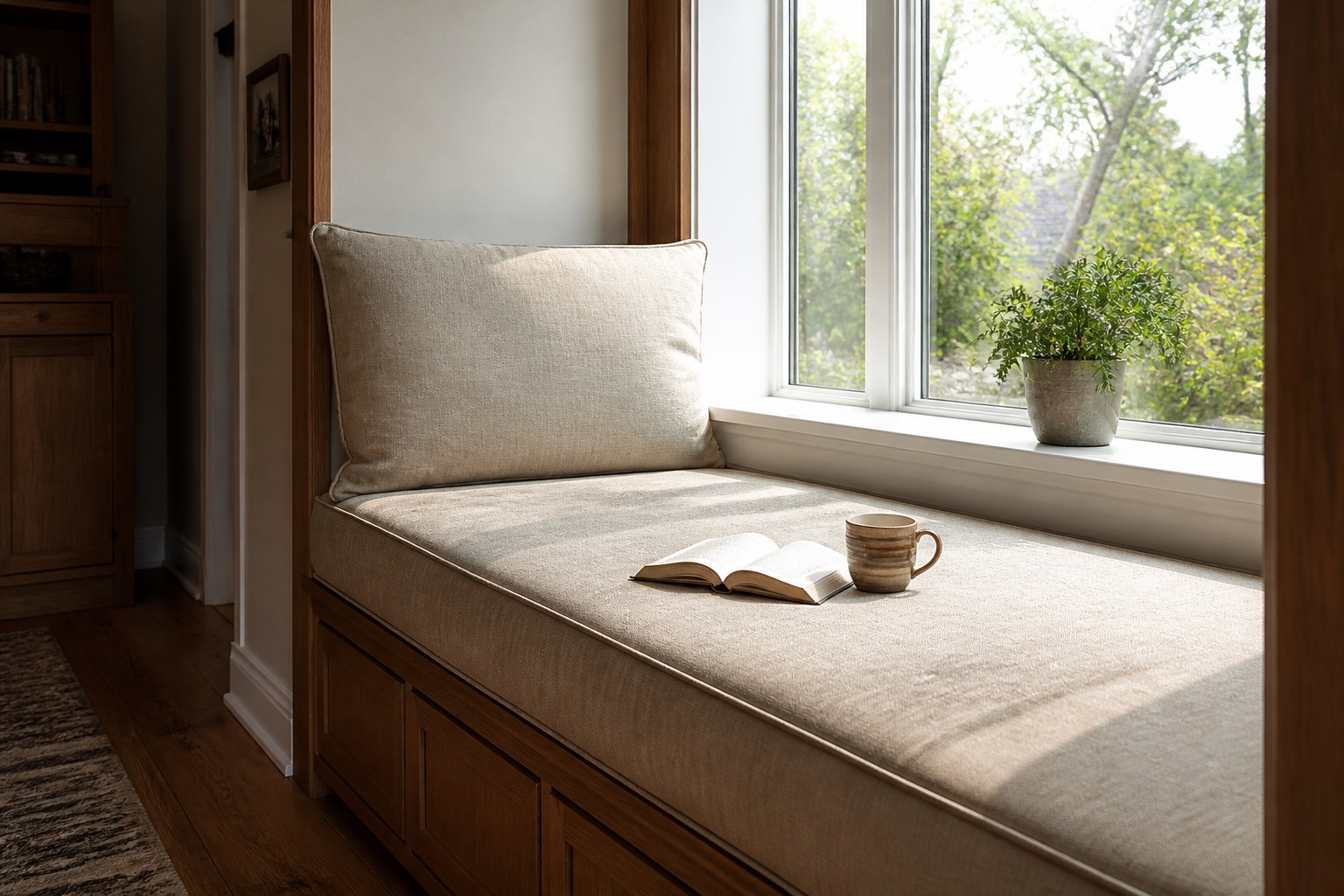
Window Seats That People Actually Sit In
Depth, cushions, storage, and light—how to build or dress a window seat so it becomes a reading spot instead of a dumping ground for laundry.

Garden Decoration Beyond Beds: Lace, Mosaiculture, and Upcycled Yard Art
From dressed topiary and floral cyclists to license-plate dragonflies and lace between trees—garden decorations that give a yard a voice.
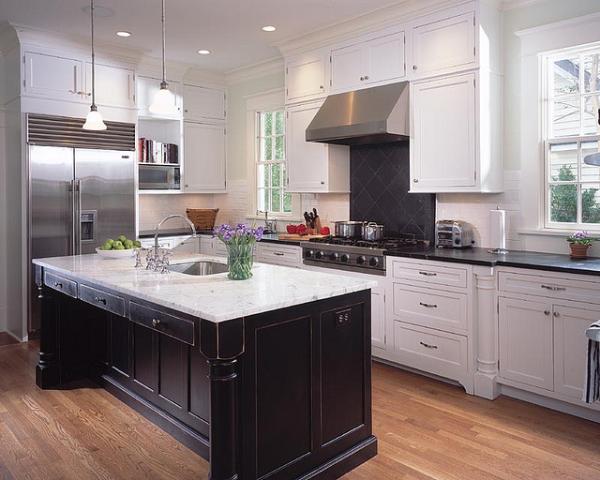
Kitchen Design Ideas: Layout, Storage, Light, and Finishes That Work
Practical kitchen design ideas—work zones, cabinetry, lighting, and durable finishes—so inspiration translates into rooms that cook and gather well.