
Fun Seashell Craft Ideas for Home and Kids
Turn beach shells into jewelry, candle accents, frames, and displays—with cleanup tips and safety notes for kids’ craft sessions.
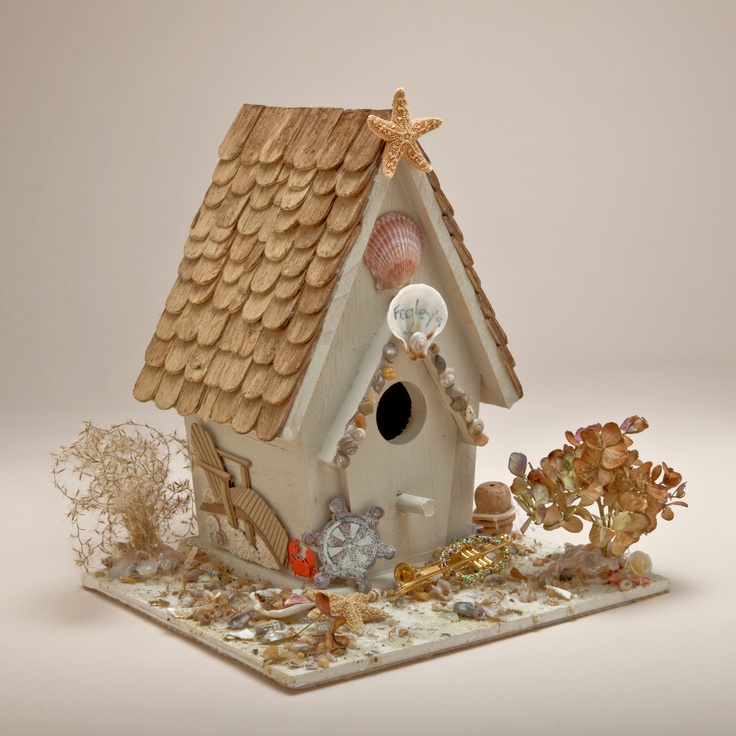
A jar of seashells from a beach trip is half souvenir, half raw material. Shells bring texture, pale color, and a literal piece of vacation into jewelry, candle accents, frames, boxes, and simple table décor. They are inexpensive if you already collected them (or bought craft shells), and many projects work for adults and kids together—provided you treat sharp edges, small parts, and hot glue with ordinary workshop sense.
Start with clean, sorted shells
Rinse shells in fresh water to remove sand and organic residue. A mild soak and a soft brush help; avoid harsh chemicals that leave fumes on pieces kids will handle. Let everything dry fully before gluing—moisture weakens adhesive bonds and can trap odor. Sort by size and shape: tiny spiral shells for mosaics and jewelry, flat clam halves for dishes and candle cups, long shells for borders and wind accents, broken pieces for mosaic filler rather than trash.
If you collected live or recently occupied shells, follow local rules and common sense: leave living creatures on the beach, and clean thoroughly anything you keep. Store shells in breathable containers; sealed damp bags grow smell fast.
Safety notes for kids’ seashell crafts
- Sharp edges. File or sand rough breaks, or reserve jagged shells for adult-only steps. Eye protection helps when cutting or drilling.
- Small parts. Tiny shells and beads are choking hazards for toddlers. Keep projects for under-threes as large-shell decorating with adult glue work, or skip altogether.
- Hot glue and craft irons. Adults should run the hot-glue gun. Low-temp guns still burn. Supervise closely; set a “tool table” kids do not reach across.
- Drilling and cutting. Making pendants or wind chimes that need holes is an adult job with a proper bit, clamp, and eye protection. Shells can crack and chip unpredictably.
- Finishes. Use non-toxic sealers when pieces will be handled by children. Keep solvent-heavy coatings for outdoor or adult display objects, applied with ventilation.
- Candles. Shell candle holders need stable bases and never leave burning candles unattended. Do not let kids move lit shells.
- Hygiene. Wash hands after crafting. Do not use craft shells for food service unless you are certain they are finished and food-safe—which most souvenir shells are not.
Jewelry and wearables
Small whole shells make simple pendants: an adult drills or uses shells with natural holes, then kids choose cord colors and beads. Tiny shells can be glued onto earring blanks or barrettes with jewelry adhesive rated for the materials. Keep weight low so earrings do not tug. For younger makers, shell bracelets on elastic with large-hole beads avoid drills entirely—stringing practice without sharp tools.
A single standout shell on a leather cord often looks more intentional than a crowded cluster. Match metal findings to the shell’s undertone: warm gold-ish findings with peach and cream shells, cooler silver tones with gray and blue shells.
Candle holders and soft light
Large clam or scallop halves can cup a tea light if they sit flat. Test stability on a fire-safe tray. Some crafters fill shells with melted soy wax and a short wick for votive-style lights—adult work with hot wax, clear workspace, and no young hands near the pour. Grouping three shell lights on a plate makes a stronger centerpiece than one lonely shell.
Never place shell candles on flammable runners without a nonflammable base, and keep them away from curtains in drafty rooms. Extinguish before bed. If you want the look without flame, battery tea lights drop into many shells safely for kids’ rooms.
Frames, boxes, and “everyday object” upgrades
Plain wood frames, shadow boxes, and thrifted jewelry boxes take shell borders well. Glue larger shells at corners first, then fill gaps with smaller ones and fragments. Work in sections so glue sets without shells sliding. For photo frames, keep shells off the glass area you need to clean; concentrate on the outer rim.
A plain mirror frame with a restrained shell edge can nod to the coast without turning the bathroom into a gift-shop explosion. Less is usually more: one dense border, or a sparse scatter, not both.
Covered boxes store summer keepsakes—ticket stubs, sea glass, another generation’s shells. Line the interior with paper so grit does not scratch contents. Label the lid if the box joins a stack of craft storage.
Mosaics and garden markers
Broken shells shine in mosaics on stepping stones, flowerpot rims, or wooden letters. Use exterior-rated adhesive and sealer for anything that lives outside. Indoors, mosaic coasters need a cork or felt base and a smooth sealed surface so they do not scratch tables. Kids can place shells; adults should handle grout or resin steps that involve dust, fumes, or long cure times.
Display ideas that are not clutter
Fill a clear cylinder vase with shells layered by color for a no-glue display you can empty and remake. Lay a shallow tray of shells on a coffee table as a seasonal bowl alternative. Mount a few exceptional shells individually on small stands like specimens. Shadow boxes with a dated beach label turn a craft into a memory object grandparents understand at a glance.
If you have too many shells, edit ruthlessly. Keep the most beautiful and the most meaningful; return duplicates to a garden bed border or a kids’ sensory bin (large shells only for young children).
Kid-friendly project sequence
- Wash and dry shells together—easy win, low risk.
- Sort into size bowls; let kids name categories.
- Pick one project: frame border, necklace, or tray display.
- Adults handle heat, drills, and sharp cleanup.
- Kids place shells, choose ribbons, and arrange patterns.
- Cure fully before wearing, gifting, or lighting.
Keep sessions short. Shell crafts look simple and still produce glue fatigue and squabbles over the “best” spiral. A finished small frame beats an abandoned grand mosaic.
Design tips that keep projects looking intentional
Repeat one shell type for rhythm, then add a single contrasting shell as a focal point. Limit your palette—creams and whites read calm; mixed browns and pinks feel beachier; adding painted shells can tip into craft-room chaos unless you paint a coordinated set. Matte sealers reduce glittery souvenir shine if you want a more natural look; gloss sealers deepen color.
Photograph your arrangement before gluing when doing frames or mosaics. The camera flatters layout mistakes less than your eyes do at the table. For gifts, add a tiny tag with the beach and year; that story is often what people keep.
When not to craft
Skip shell projects if edges stay dangerously sharp, if shells still smell after cleaning, or if the only adhesives you have are inappropriate for children nearby. Buy craft shells when beach collecting is restricted or when you need consistent shapes for a class project. And leave protected species and living animals alone—souvenir culture should not empty tide pools.
Seashell crafts earn their keep when they preserve a trip’s texture without creating a junk drawer of half-glued debris. Clean, sort, choose one clear project, put adults on the hot tools, and let kids own the pattern. The best piece in the house is usually the small one that still makes someone say where the beach was.

Comments
Continue reading
Window Seats That People Actually Sit In
Depth, cushions, storage, and light—how to build or dress a window seat so it becomes a reading spot instead of a dumping ground for laundry.
Garden Decoration Beyond Beds: Lace, Mosaiculture, and Upcycled Yard Art
From dressed topiary and floral cyclists to license-plate dragonflies and lace between trees—garden decorations that give a yard a voice.
Kitchen Design Ideas: Layout, Storage, Light, and Finishes That Work
Practical kitchen design ideas—work zones, cabinetry, lighting, and durable finishes—so inspiration translates into rooms that cook and gather well.