
Game of Thrones Playing Cards: Courts, Suits, and Fan Decks
Daenerys as Queen of Clubs, Tyrion as Jack of Diamonds, Ned as King of Spades—how fan-art GoT decks cast Westeros into a standard pack without treating it like breaking news.
A playing-card deck is a tiny monarchy: kings, queens, and jacks ranked by suit, shuffled into chance. Fan artists who love Game of Thrones noticed the overlap early. Westeros already runs on houses, sigils, and contested crowns. Mapping those figures onto Clubs, Diamonds, Hearts, and Spades is almost inevitable—and when the casting is sharp, a standard 52-card pack suddenly feels like a pocket epic.
One of the early viral fan decks associated with that mapping—circulated around 2012 on illustration blogs and Behance-linked shares—assigned Daenerys Targaryen as the Queen of Clubs, Tyrion Lannister as the Jack of Diamonds, and Ned Stark as the King of Spades. Those three choices alone sketch a whole theory of the story’s power: fire and ascent, wit as a weapon, and honor that looks like a king until the table turns.
Why cards fit Westeros so cleanly
Playing cards are already a language of hierarchy and luck. Suits sort factions; face cards sort rank; the Ace can be high or low depending on the game. A Song of Ice and Fire and its television adaptation work with similar grammar—banners, seats, sudden reversals. Fan decks do not need to invent a new symbol system. They need to decide who sits where.
That decision is the art. A court card is not a random portrait. It is an argument about character. Put Daenerys on a queen and you emphasize claim, charisma, and the danger of absolute certainty. Put Tyrion on a jack and you honor the clever intermediary—the card that punches above its printed rank. Put Ned on a king of spades and you get iron, winter, and a face of authority that the plot will not protect.
Other fan and later official decks expand the grid: Lannisters as hearts or gold, Starks as spades or ice, Tyrells as clubs or growth, Baratheons as diamonds or storm. The exact suit logic varies by artist. What remains constant is the pleasure of recognition—seeing a familiar face occupy a familiar slot in the deck.
Reading the three landmark assignments
Clubs | Queen — Daenerys Targaryen. Clubs often carry associations of growth, luck, or vegetal force in folk card lore; in fan practice they can also simply be the green-black suit that needs a commanding queen. Daenerys fits the queen role because her arc is about gathering followers and insisting on legitimacy. Visually, artists lean on silver hair, dragons as attendant beasts, and a vertical composure that reads “court” even when the armor is fantasy. As product art or portfolio work, the card has to work at thumbnail size: silhouette first, lore second.
Diamonds | Jack — Tyrion Lannister. Diamonds suggest wealth, glitter, and the Lannister ledger without needing a caption. The jack—historically a knave, a mobile agent—suits Tyrion’s narrative job: advisor, survivor, talker who rearranges the board. Good Tyrion cards keep the eye sharp and the posture slightly sideways, as if he is already reading the rest of the hand. Humor helps; cruelty in the smile helps more.
Spades | King — Ned Stark. Spades are the suit of winter metaphors for many fans, fairly or not. Ned as king is both obvious and tragic. He looks like the moral center a deck wants at the top of a black suit—duty, northern severity, a sword that means something. The dramatic irony is part of the fan enjoyment: everyone who knows the early seasons understands what happens to kings who refuse to play. The card becomes a memorial as much as a rank.
Fan-art decks versus licensed product
It is useful to separate two overlapping markets. Fan illustrators—often posting process on Behance, Tumblr, or portfolio sites—use the deck format as a character-design challenge. They may draw only the courts, or a few showcase cards, without producing a printable tuck box. The goal is style, casting, and shareable images. Jim Tuckwell’s widely blogged court portraits from the early 2010s sit in that tradition: crisp character reads, clear suit identity, art directed for geek blogs rather than casino tables.
Licensed products arrive later with different constraints. Official Game of Thrones decks from specialty card makers wrap foil, embossing, and franchise approvals around a full playable set. Those decks must satisfy collectors and cardists as objects—stock, finish, back design—while still flattering the IP. Fan art can be quirkier; official product must be durable and on-brand.
Neither replaces the other. Fan courts teach casting. Licensed decks teach manufacturing. Readers looking at old blog posts should treat early fan images as editorial illustration about the show’s iconography, not as spoilers-of-the-week or news about unfinished seasons.
What makes a GoT court card work
Successful designs share a few practical traits. The face must remain recognizable after the suit pip and index are added. Costume should telegraph house without drowning the portrait in embroidery. Color should survive printing: deep reds, icy blues, and black fields are common because they separate at a glance across a table.
Symmetry matters for play. Traditional courts are often mirrored or balanced so the card reads upside down in a spread. Fantasy portraits that ignore that convention can look gorgeous in a gallery and awkward in a poker night. Artists who care about use design for both.
Symbol escorts help: a direwolf hint for Starks, a lion suggestion for Lannisters, a dragon curl for Targaryens. The best escorts are small. If the animal is larger than the person, you have a poster, not a card.
How to look at a fan deck without treating it like news
Approach these images as costume and hierarchy studies. Ask: does the suit choice deepen the character or merely decorate them? Does the rank feel earned by personality, or only by popularity? Would you still understand the card if you removed the name caption?
Then ask a maker’s question. If you were building your own unofficial tribute deck for private use, which three characters would you lock first—and which suits would you refuse to miscast? That exercise reveals how much story structure fans have internalized.
Daenerys as Queen of Clubs, Tyrion as Jack of Diamonds, Ned as King of Spades remain a clean starter hand for that thought experiment. They are not the only possible court. They are a memorable one: ascent, cunning, and doomed honor, shuffled into the oldest game on the table.

Comments
Continue reading
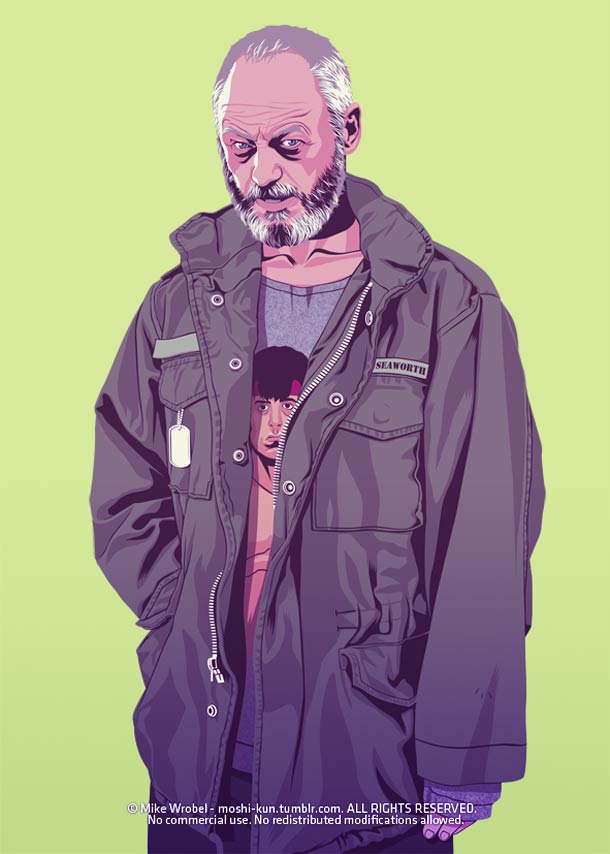
Game of Thrones Characters Reimagined as 80s/90s Types by Mike Wrobel
Tokyo-based French illustrator Mike Wrobel drops Westeros into grunge, Miami Vice, and mall-era stereotypes—fan-art costume essays, not plot spoilers.

Still-Life Photography by Margareth Perfoncio
São Paulo photographer Margareth Perfoncio’s still lifes of food and flowers—Old Master light, dark wood, and tables that feel inevitable.
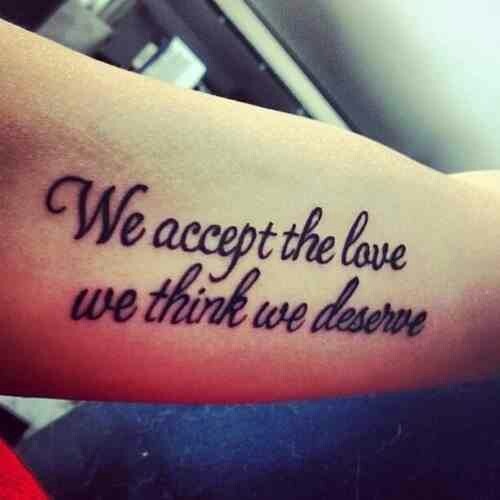
Meaningful Love Quotes for Inspiration (and Ink)
Meaningful love quotes that still feel true — short lines for tattoos, gifts, and everyday reminders, with placement and wording tips.