
Halloween Costume Ideas for Men: Silhouette, Wardrobe, and Props
Build a readable men's Halloween costume from silhouette, thrifted wardrobe pieces, classic archetypes, and practical makeup - gallery inspiration without hard-sell shopping.
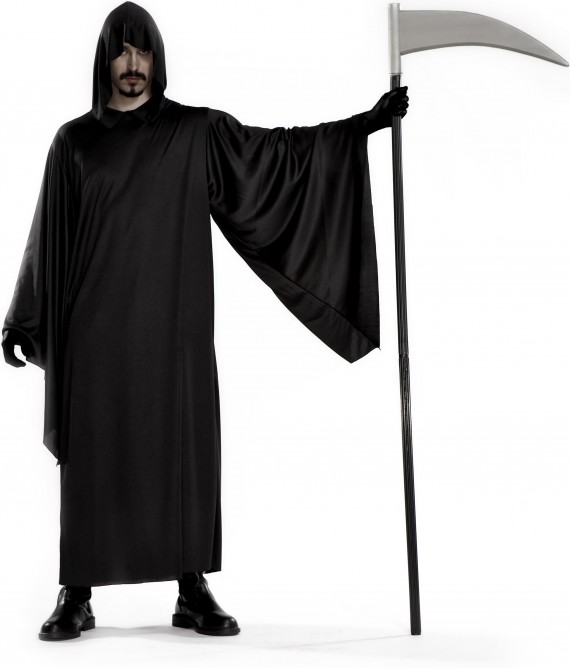
Men’s Halloween costumes succeed when strangers understand the character before they hear the joke. A clear silhouette, one memorable prop, and hair or makeup that sells the idea from across a room beat a logo-print jumpsuit that looks like packaging. The gallery below is for building looks from wardrobe pieces, thrift finds, and a few targeted accessories—styling criteria first, shopping last.
Name the event before you name the character. An office party, a house gathering, outdoor trick-or-treat duty, and a crowded bar crawl each punish different choices. Comfort, weather, conversation, and dance time should filter the idea list as hard as “cool factor.” A mask that fogs your glasses all night is not a win. Neither is a cape that trips you on stairs or a costume you cannot sit in for twenty minutes.
Budget time the way you budget money. A thrifted coat altered on Saturday usually looks better than a rushed online order that arrives in the wrong size on the thirty-first. Fit the shoulders and sleeve length first; everything else can be pinned, rolled, or layered.
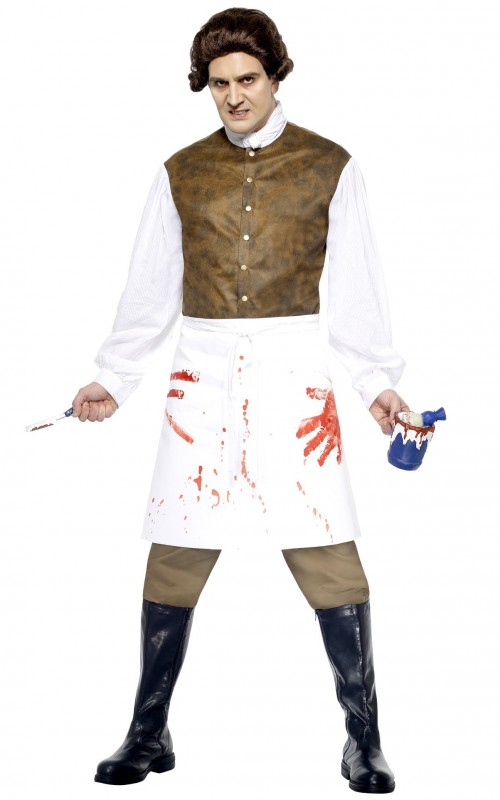
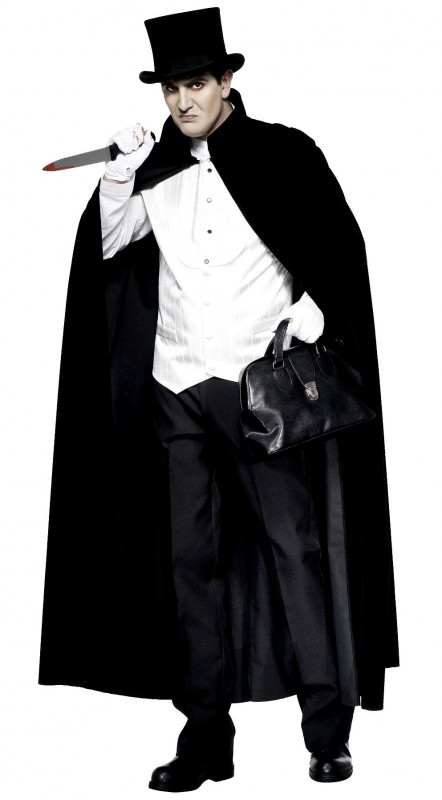
Start with silhouette and one readable idea
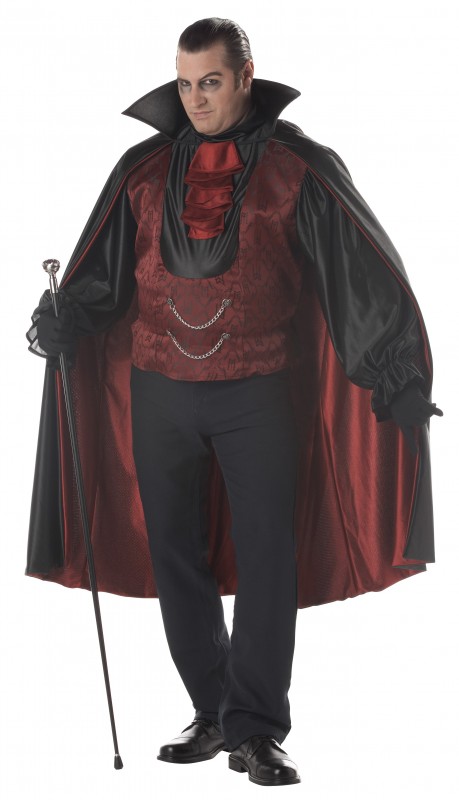
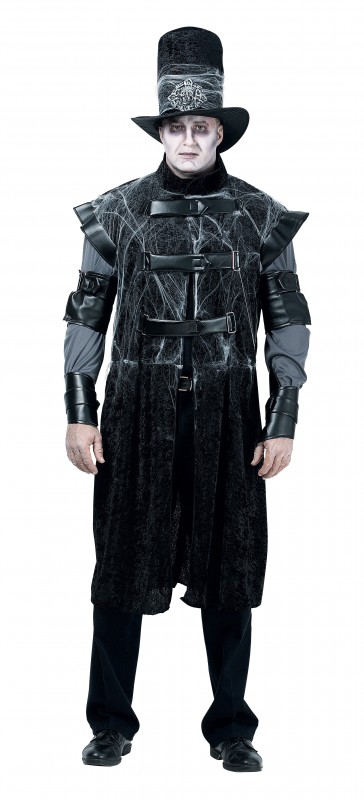
From ten feet away, people should understand the costume in one glance. That usually means a strong outline: hat and coat for a detective or vampire, armor-like shoulders for a warrior, coveralls and tool belt for a trades character, or an oversized headpiece for a creature. If the outline is ordinary streetwear, the concept has to live in makeup, color blocking, or a single oversized prop—otherwise guests will assume you simply came from work.
Pick one primary reference—film character, historical type, monster class, or witty everyday twist—and build around it. Mixing three franchises in one outfit rarely reads as clever; it reads as unfinished. Secondary jokes can appear in a small detail once the main silhouette is locked: a name tag, a patch, a prop label, a pocket square with a story. If you need a paragraph to explain the look, simplify until a stranger gets it in three seconds.
Scale matters. Tall frames carry long coats, capes, and vertical stripes well. Shorter frames often look sharper in fitted jackets, cropped proportions, and bold headwear rather than floor-dragging fabric. Broad shoulders can wear structured armor and heavy textures; finer builds often benefit from cleaner lines and less bulk at the neck. Borrow clothes only after a real try-on under similar lighting to the party.
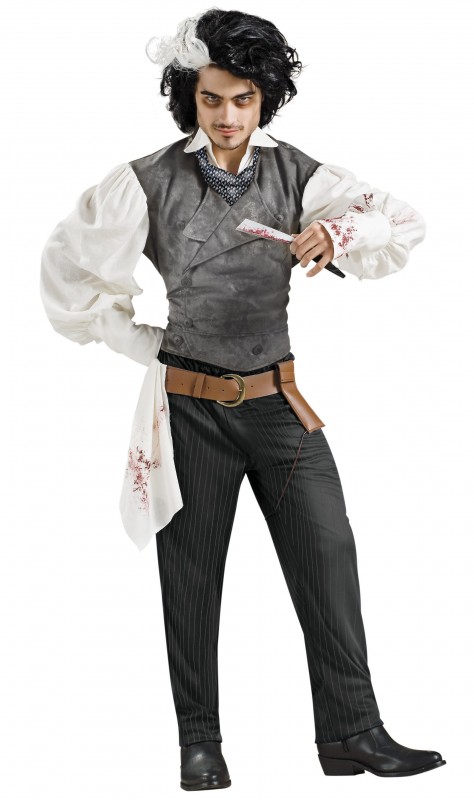
Wardrobe-first builds and thrift strategy
Many of the strongest men’s costumes are mostly clothes you already own. A black turtleneck, dark jeans, and boots become a burglar, artist, or spy with the right prop. A white shirt and suspenders become a vintage athlete, bartender, or period clerk. A blazer plus a clear name badge can be a fake expert of almost any kind if the badge design is readable at conversational distance.
Thrift for structure, not logos. Look for coats with interesting collars, military surplus jackets, plain coveralls, hats with shape, and belts that can cinch a silhouette. Avoid buying five mediocre pieces when one excellent coat would carry the look. Check closures, underarms, and stains in daylight; party lighting is unforgiving on shiny blotches and broken zippers.
Color stories help thrifted outfits cohere. Monochrome black or charcoal reads sleek for vampires, hackers, and noir characters. Earth tones suit explorers and outdoors archetypes. High-contrast red accents—scarf, pocket square, sock flash—can signal danger or villainy without full body paint. Keep metallic props to one finish; mixing gold, silver, and chrome usually looks accidental. If your wardrobe is colorful already, pick one accent and mute the rest so the character, not the closet, leads.
Alterations are part of styling. Hem a too-long coat, pin a cape at the shoulder, or replace flimsy buttons with heavier ones that hang correctly. A twenty-minute sew often separates “homemade” from “thoughtful.”
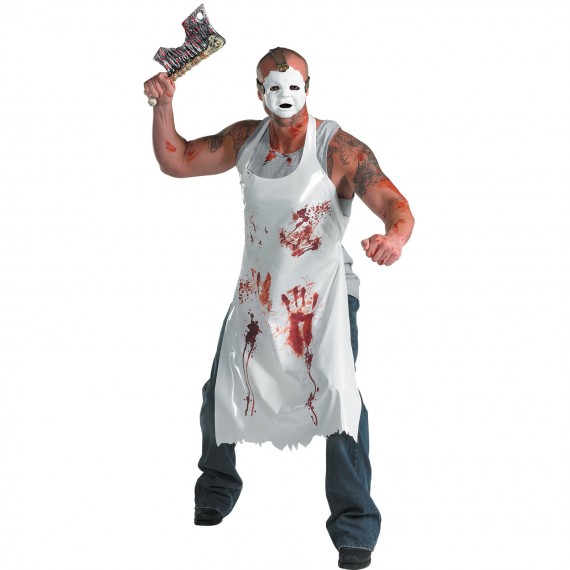
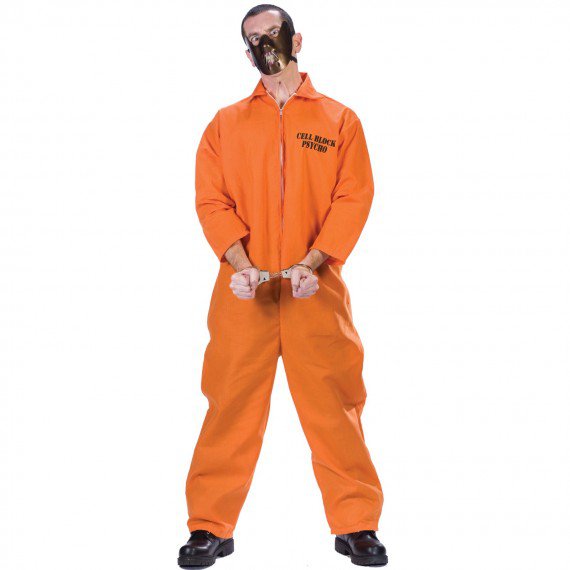
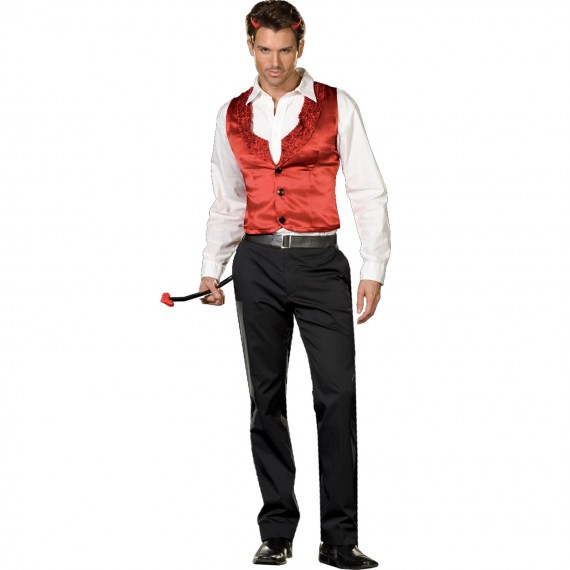
Classic archetypes that still photograph well
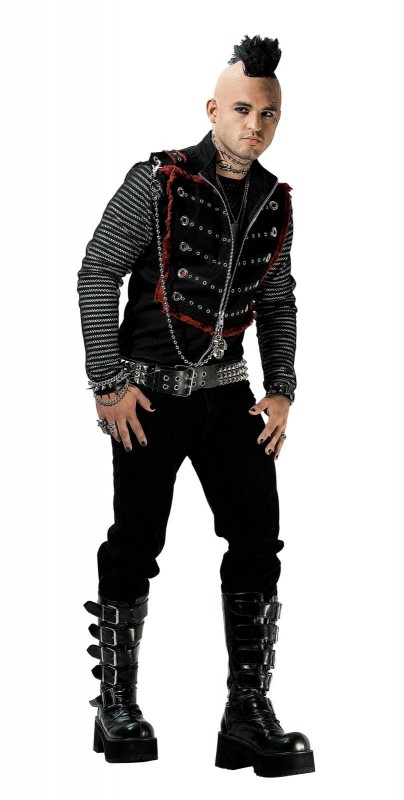
Archetypes endure because their outlines are familiar: vampire, pirate, detective, cowboy, knight, mad scientist, zombie professional, and “serious job gone wrong”—surgeon with a twist, pilot with a story, referee who has seen too much. You do not need licensed merchandise to sell these. You need a signature piece—cape clasp, eye patch, magnifying glass, bolo tie, lab goggles—and consistent grooming from hairline to shoes.
Group costumes multiply the effect. Two or three coordinated archetypes—a ship’s crew, detective and suspect, rival monsters—look planned even when individual outfits are simple. Agree on a color or era so photos feel intentional. If friends flake, make sure your solo look still stands alone without the group punchline.
Humor works when the punchline is visible without explanation. A perfectly ordinary suit with one absurd prop can outperform a loud novelty print. Pop-culture references age quickly; silhouettes and archetypes travel better across years of photo albums. If you choose a timely joke, make the construction strong enough that the costume still looks intentional when the meme fades.
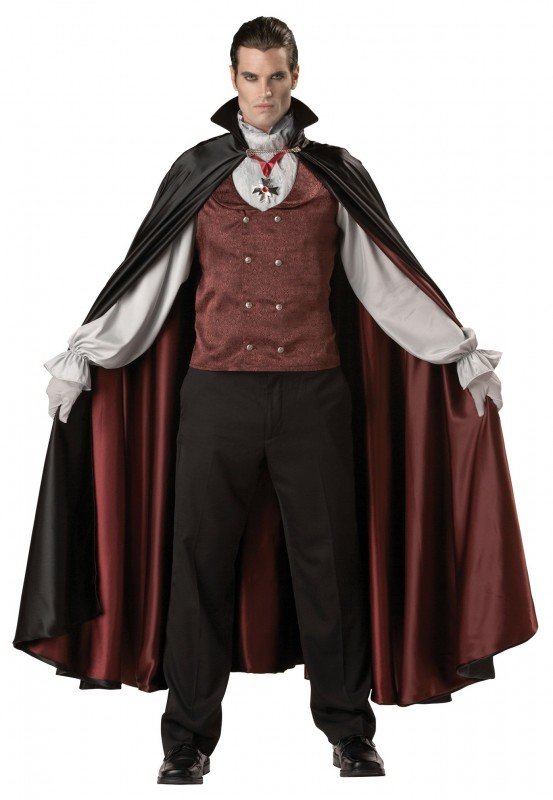
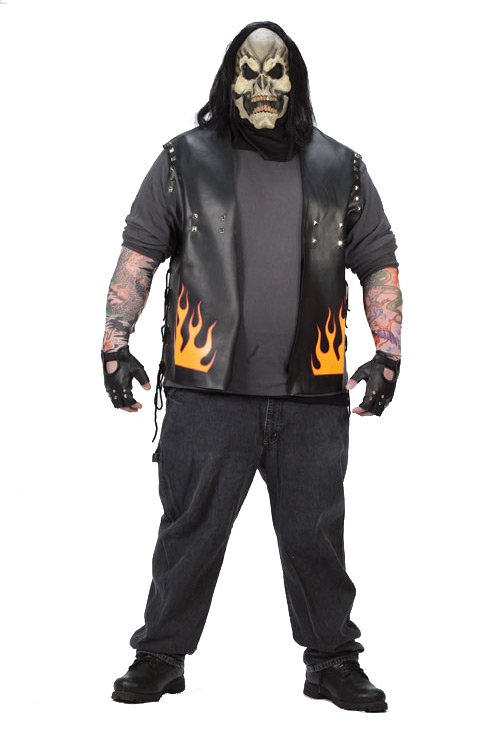
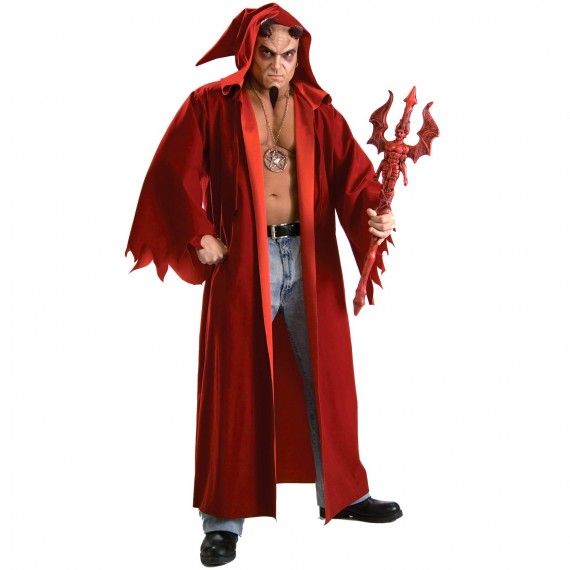
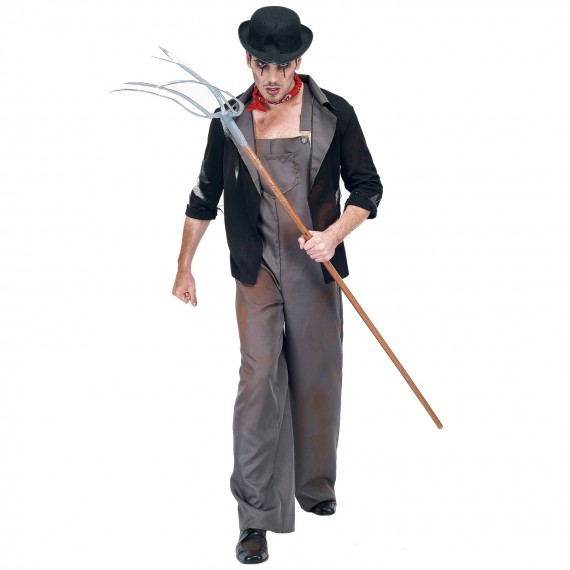
Makeup, hair, props, and all-night comfort
Face and hair finish the silhouette. Gel or powder can darken a beard line, gray the temples, or slick a side part into a period style. Contour cream and a soft sponge beat heavy stage paint for most parties—you still need to drink water and talk. Test makeup the night before; some products crack, crease, or transfer onto collars under heat.
Props should be light, pocketable when needed, and venue-safe. Skip anything that looks like a real weapon if you are going through security or walking among kids. Foam, cardboard, and clearly theatrical finishes avoid awkward conversations. One well-made prop beats three flimsy ones that you abandon on a table by ten o’clock.
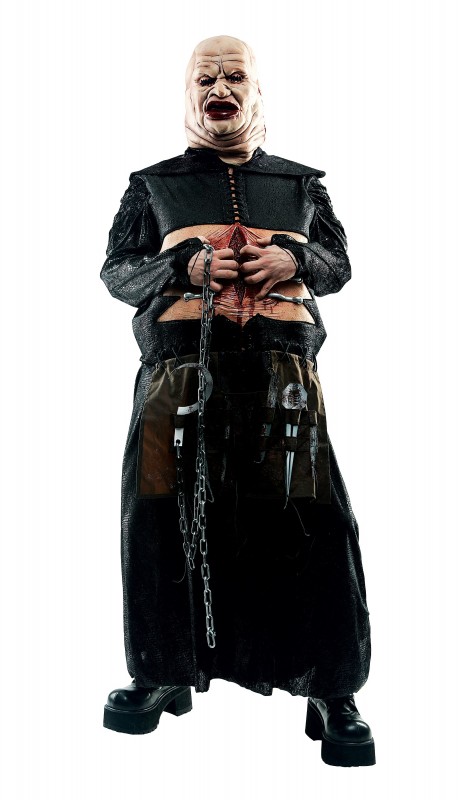
Comfort checklist: shoes you can stand in for hours, layers you can remove indoors, pockets for phone and keys, and a reliable way to see and breathe. If the costume includes a full mask, plan breaks and a second “half costume” look underneath for when the mask comes off. Hydrate before heavy makeup. Pack a small repair kit—safety pins, fashion tape, blotting papers, and a spare elastic—so a mid-party failure does not end the night.
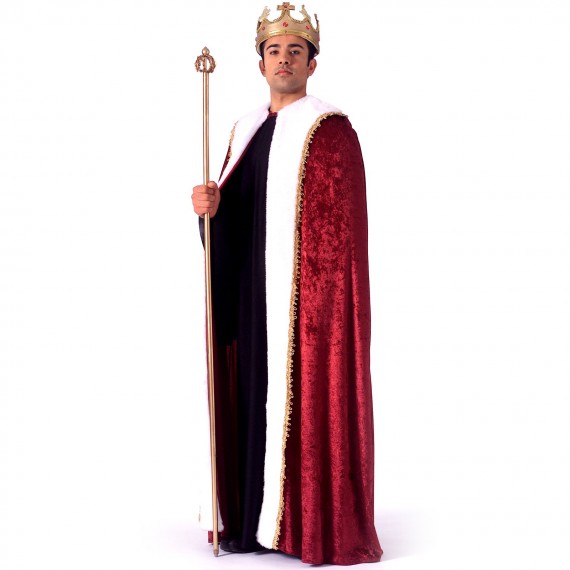
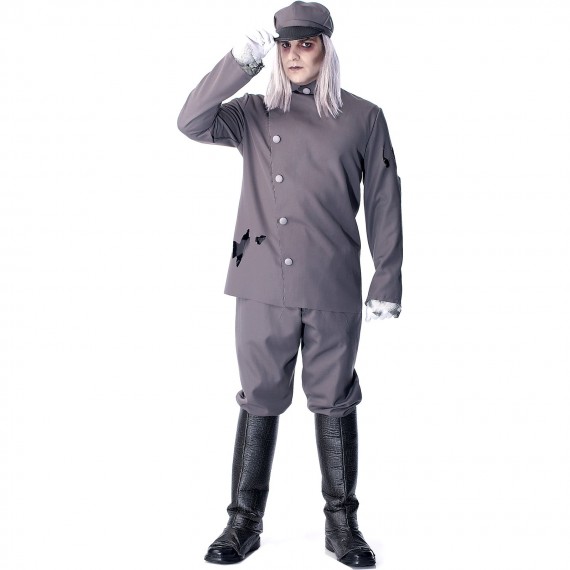
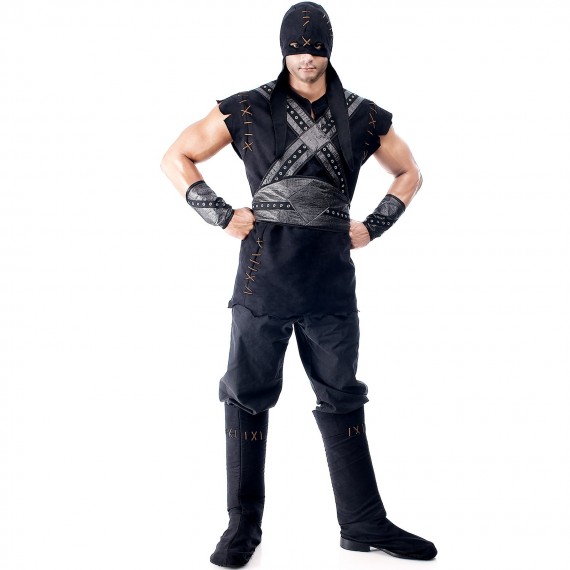
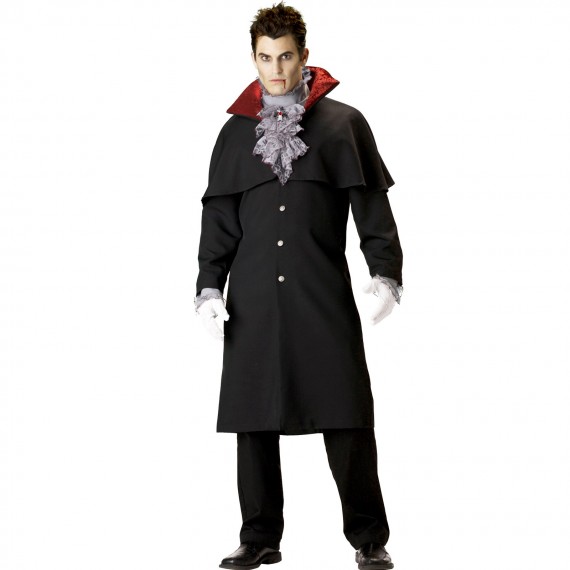
Still undecided? Build the outfit you could wear half of next week without embarrassment, add one unmistakable Halloween note—hat, makeup, or prop—and stop. A readable character in comfortable clothes always beats an expensive costume you cannot wait to take off.

Comments
Continue reading
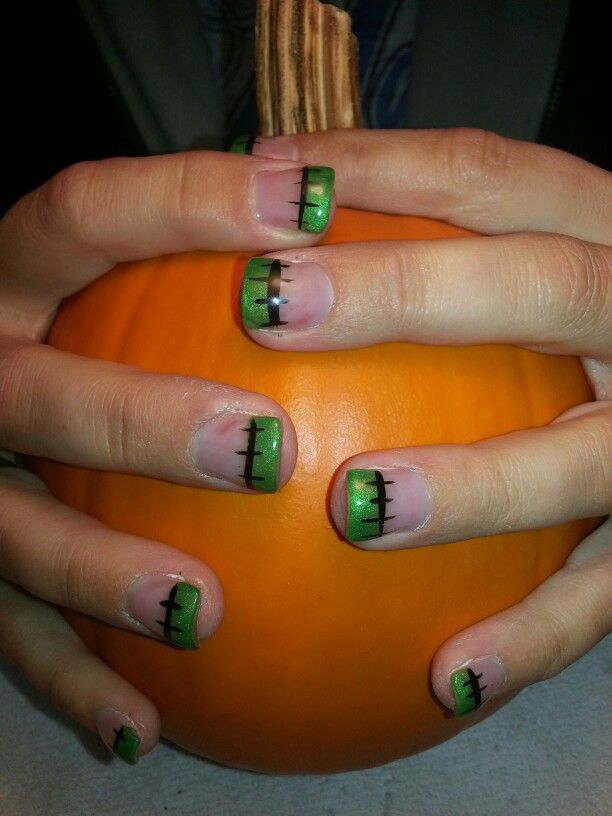
Frighteningly Cute Halloween Nail Art: Motifs, Color, and Wearability
Cute-spooky manicure ideas with criteria for color, scale, accent nails, and lasting wear—whether you freehand, use decals, or brief a salon—without a product hard sell.
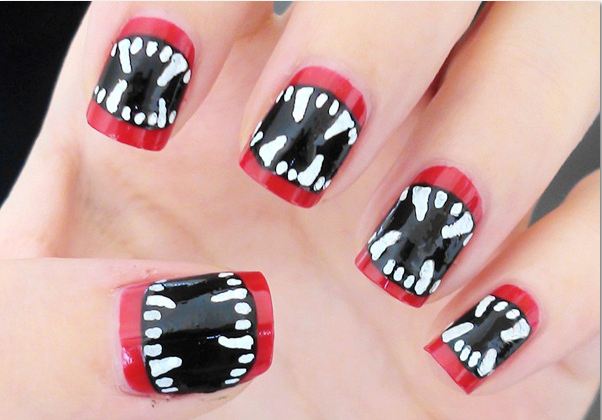
Spooky and Sweet Halloween Nail Art Ideas
Halloween manicures that work without a full costume—prep, spooky classics, candy-sweet looks, character accents, and salon-versus-home tips paired with the gallery.
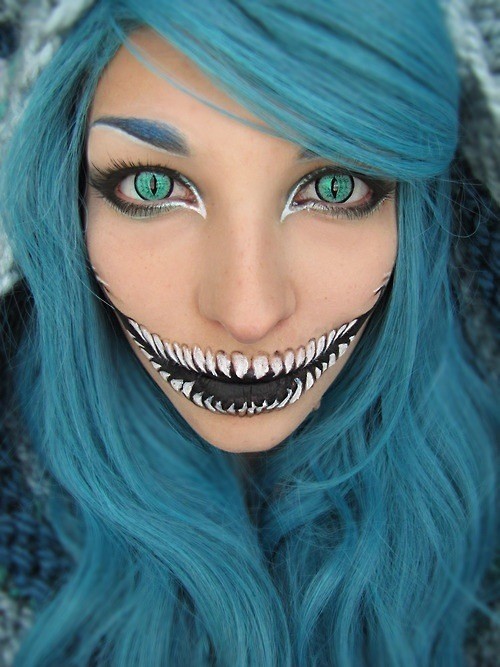
Makeup Ideas for Halloween
Practical Halloween faces—vampire, animal, skull, zombie, witch glam, clown—plus prep, quick looks, and removal tips that survive a party night.