
Hallway Design Ideas: Decor, Storage, and Accessories
Refresh a hallway with better light, clear storage, scaled art, and slim accessories—practical design criteria illustrated across the gallery.
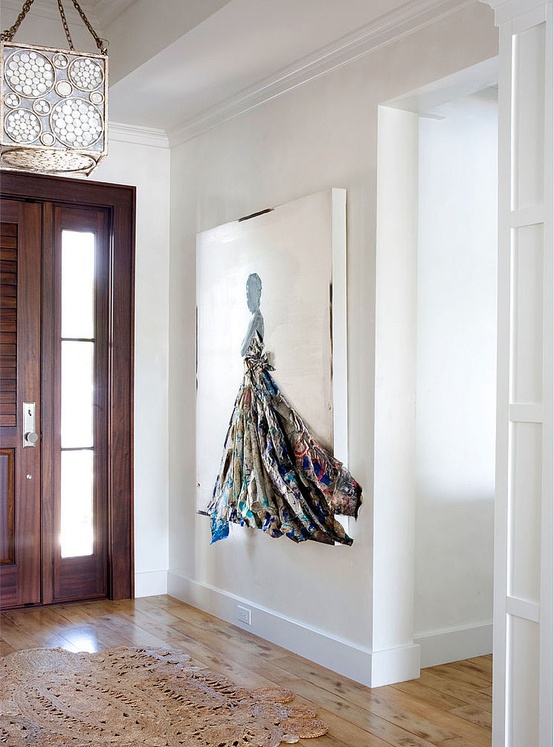
Hallways are traffic corridors first and galleries second. The best ones feel calm underfoot, bright enough to navigate with groceries, and intentional enough that guests do not treat them as leftover space. You do not need a renovation to improve a hall: lighting, a clear floor plane, one storage habit, and a few well-scaled accessories usually do more than a catalog’s worth of décor.
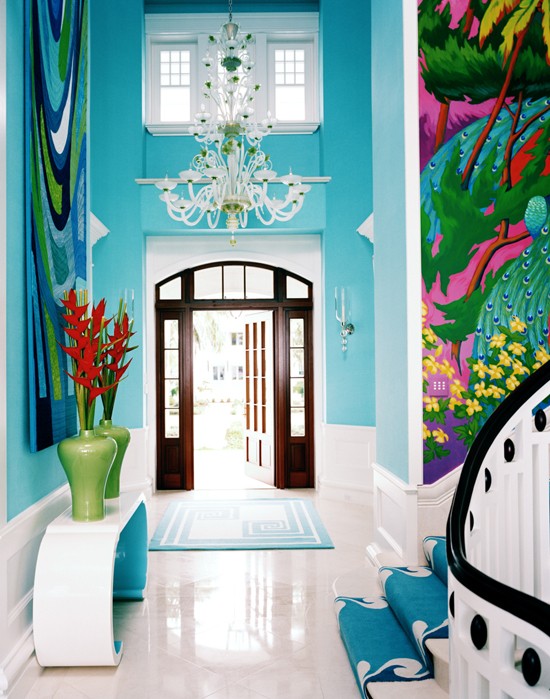
Start by walking the route with your arms full. Note where shoulders brush walls, where shoes pile up, and where the light drops to gloom. Those friction points decide which ideas below matter for your home. Measure width at the narrowest point, door swing arcs, and outlet locations before you buy a console or hang a gallery wall. The images here show halls that balance storage, art, and breathing room—use them as criteria, not as a shopping list.
Affordable changes compound. A better bulb, a secured runner, three hooks, and one edited console often transform the daily experience more than a new paint color alone. Do the functional fixes first; style rides on top of them.
Light, color, and the feeling of width
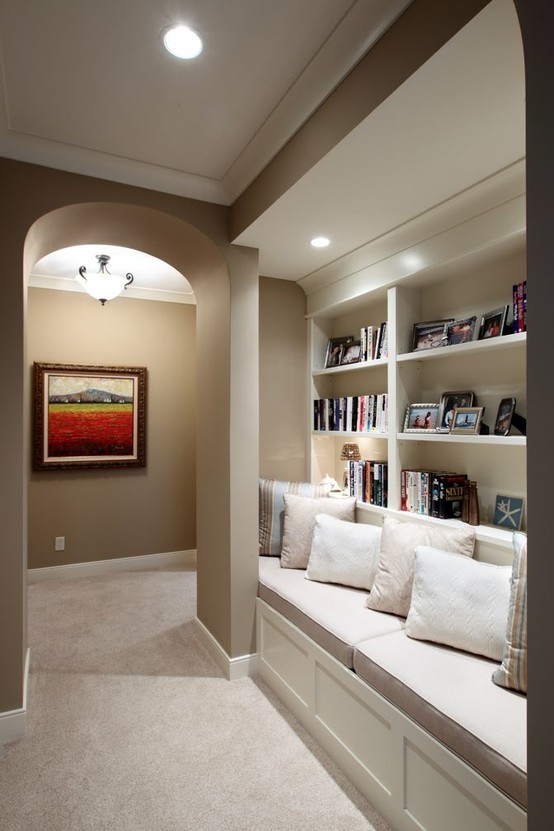
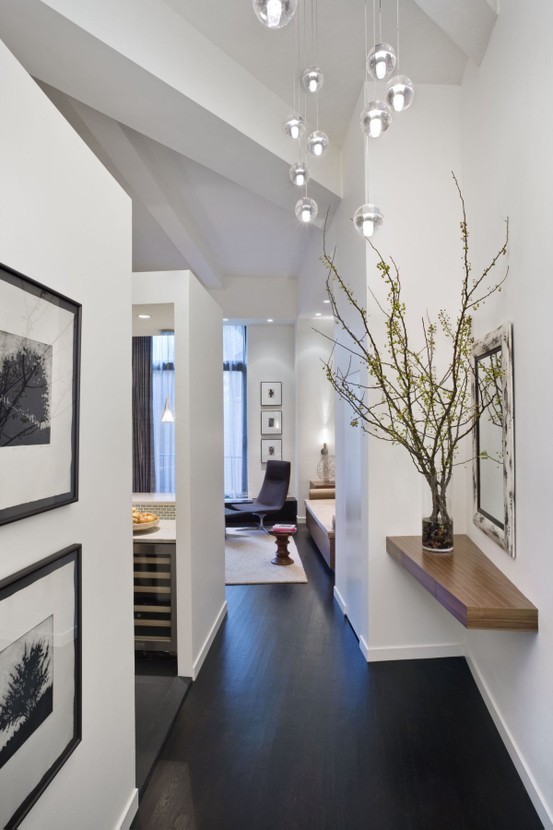
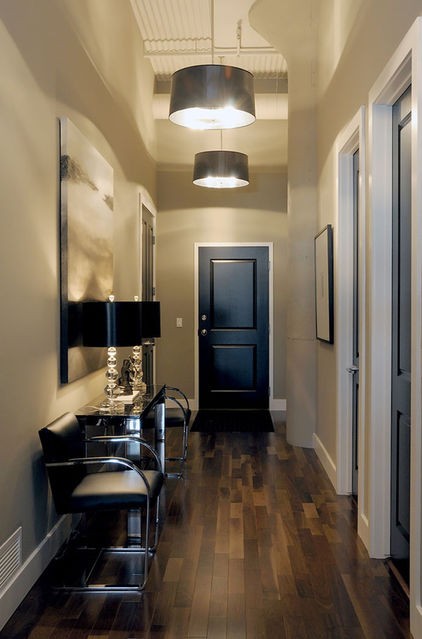
Light is the cheapest wideness trick. A dim hallway reads narrower than it is. Add layered light: a ceiling fixture or flush mount for general brightness, a wall sconce or picture light for art, and a small lamp on a console if outlets allow. Warm-white bulbs flatter wood and skin; icy blue-white can make cream walls look institutional. If the hall has no ceiling box, battery sconces or plug-in picture lights can still break the tunnel effect.
Paint strategy depends on length. Light, continuous wall color with a slightly lighter ceiling lifts low halls. A deeper accent on the far end wall can shorten a bowling-alley corridor visually and give art a backdrop. Avoid chopping a short hall into too many contrasting blocks—busy color changes emphasize every doorway bump and trim quirk. Gloss on trim can help bounce light; high-gloss on every wall may highlight imperfections.
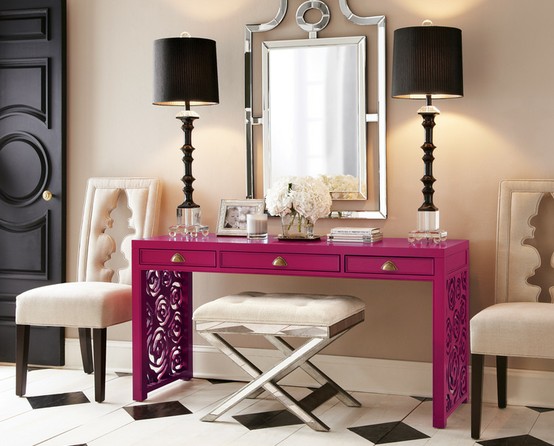
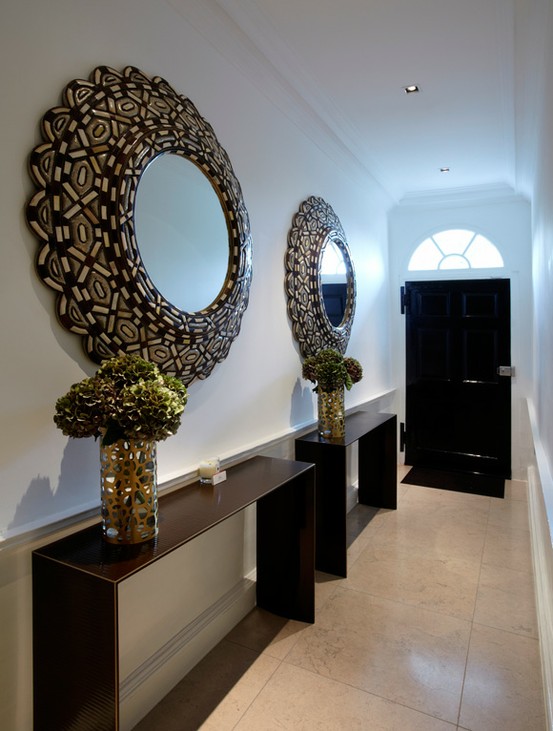
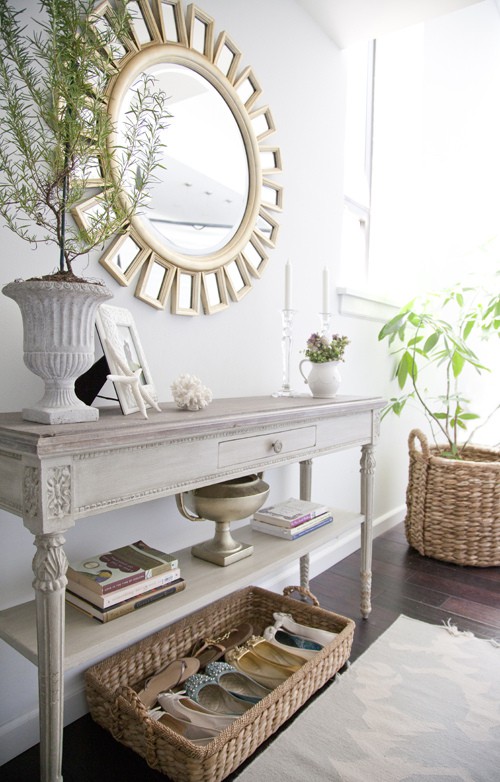
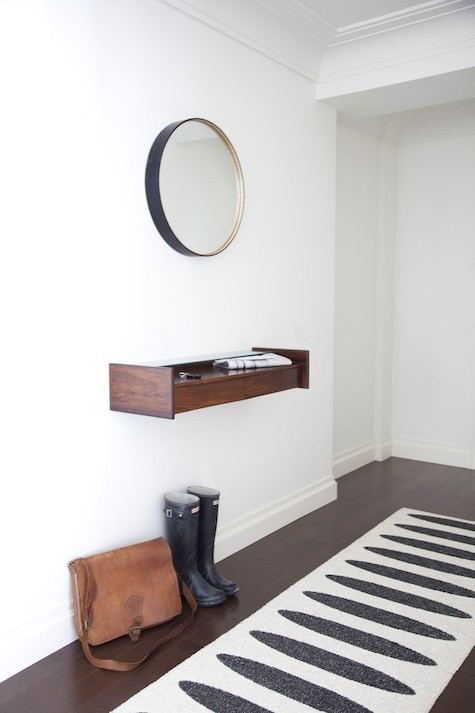
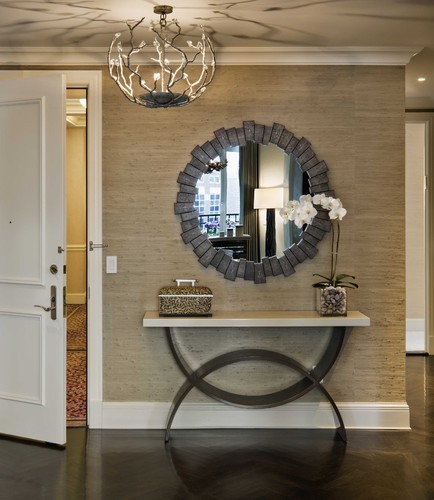
Mirrors bounce light and imply depth when placed to reflect a window or lamp, not a blank closet door or a chaotic shoe pile. One substantial mirror beats a clutter of tiny frames that feel like stickers. Keep mirror edges away from door swings so hardware never kisses glass. If privacy matters at an entry, choose a placement that does not reflect the street straight into the living room.
Storage that keeps the floor clear
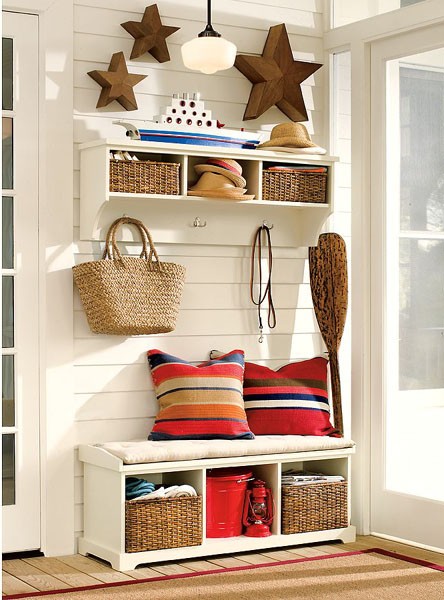
Shoes, bags, and mail are the enemies of a good hall. Solve them with a single system instead of three competing baskets. A slim console with a tray for keys, wall hooks at two heights, and a closed cabinet or bench with lift-up storage keeps clutter from migrating down the runner. If the hall is too narrow for a console, use a wall-mounted shelf no deeper than a handspan and hooks underneath. Vertical storage frees the walking lane.
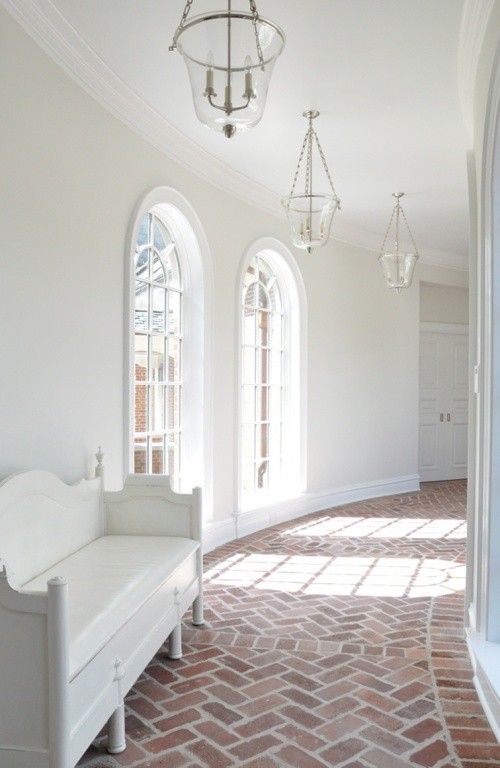
Benches work when they do not block doors. Measure open swing arcs before you buy. A bench with a shoe cubby underneath earns its footprint; a decorative stool that becomes a coat dump does not. In family homes, assign one hook or cubby per person so “temporary” piles have an address. A small basket for outgoing mail near the door prevents paper from colonizing every horizontal surface.
Runners protect floors and soften acoustics, but they must be secured. Use a non-slip pad cut to size, and choose a pattern that hides tracked dirt at the entry end. Leave a few centimeters of floor visible on each side so the runner looks intentional rather than wall-to-wall carpeting by accident. In very narrow halls, a shorter rug at the entry plus bare floor beyond can feel cleaner than a full-length strip that catches every foot. Vacuum edges weekly; halls show neglect faster than living rooms.
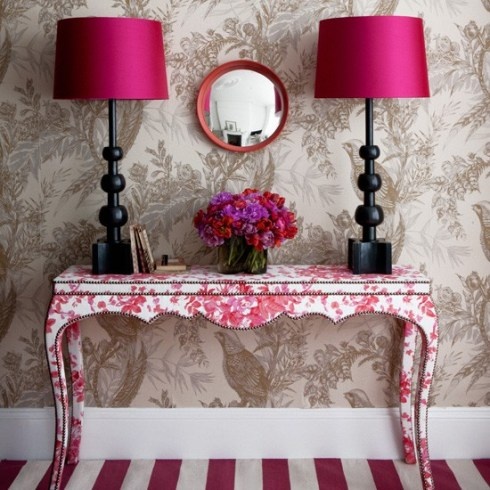
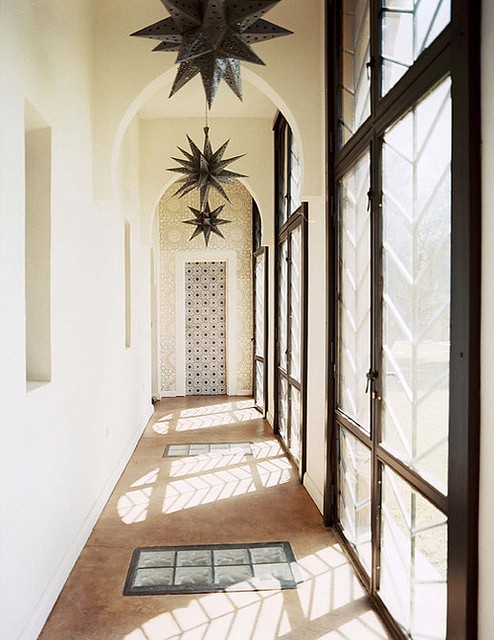
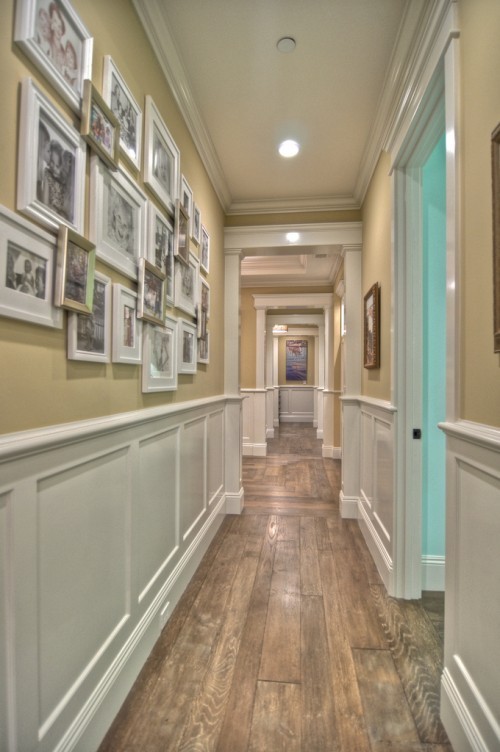
Art, accessories, and proportion
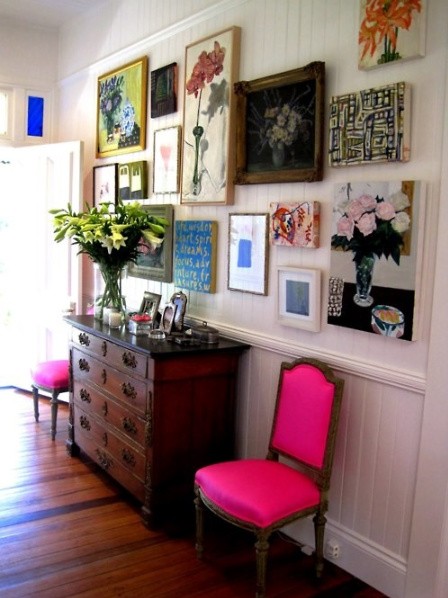
Halls are ideal for vertical art and sequenced frames because people move past them. Hang pieces so centers sit near eye level for your household’s average height, and keep bottoms clear of bag swings. A single large work can calm a busy door pattern; a grid of smaller frames suits long blank walls if spacing stays even—use a paper template taped up before you drill. Mix frame finishes sparingly; two metals plus wood often looks unresolved.
Accessories should earn their keep. A bowl for keys, a small plant that tolerates lower light, a clock you actually glance at, and one sculptural object are enough on a console. Crowding every surface turns the hall into a gift-shop shelf and makes dusting miserable. If you love collections, edit to one material family—ceramics, wood, or metal—so variety of shape does not become visual noise. Rotate seasonal pieces instead of stacking everything year-round.
Plants need honest light. Snake plants, ZZ plants, and pothos tolerate many halls; flowering plants often do not. Use a drip tray and avoid blocking outlets. Artificial stems are fine when they look intentional and get dusted—sun-faded plastic does the opposite of welcome. Scent should stay subtle; a hallway is a poor place for aggressive fragrance that hits people before they have removed their coats.
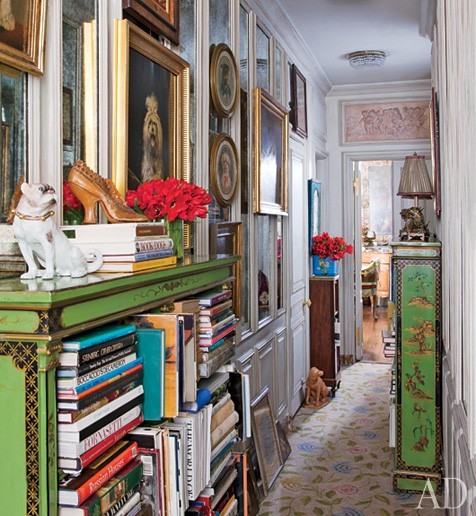
Narrow, long, and awkward layouts
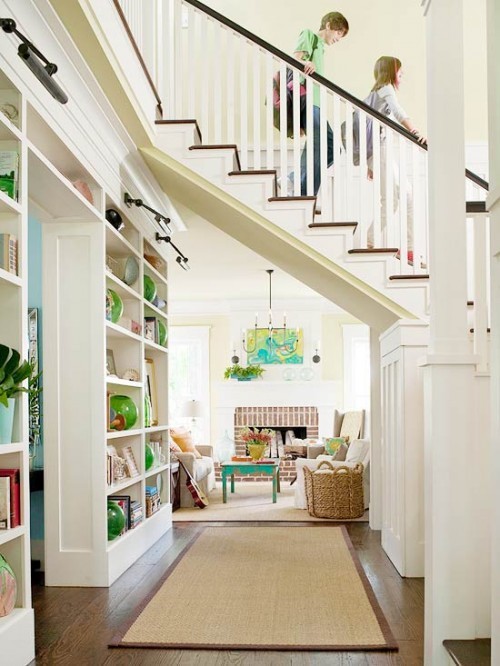
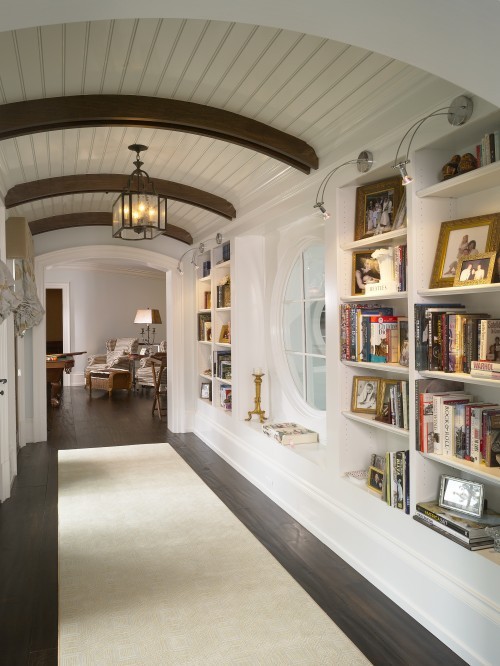
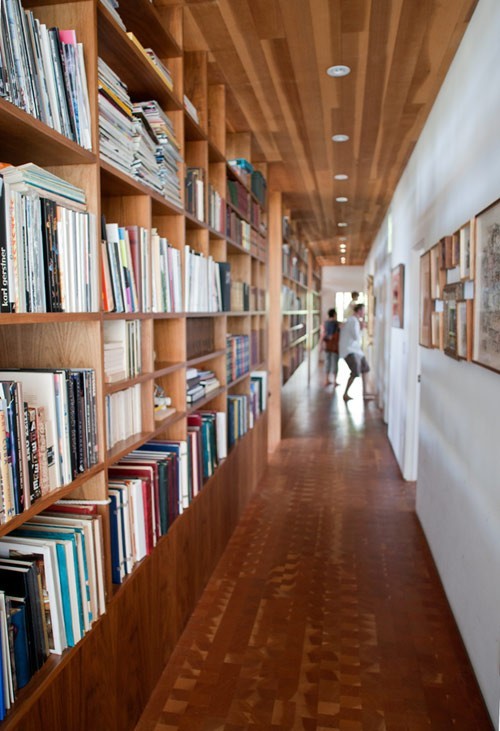
Narrow halls need vertical emphasis and shallow furniture. Wall lights, tall mirrors, and floor-to-near-ceiling curtains at a windowed end draw the eye up. Skip deep bookcases; a line of floating shelves with a few books and one object each can provide interest without bruising hips. Round the corners of any protruding furniture with your eye—if it catches bags, it is too deep.
Long halls benefit from rhythm: repeat a lighting type, break the wall with an alcove vignette, or place a console halfway as a pause point. A strong artwork or color at the terminus gives the journey a destination. If doors interrupt both sides, keep décor on the calmer wall and leave the door wall mostly clear so hardware and trim stay readable.
Stair halls add handrail clearance and head-height rules. Never place a fragile object where a backpack will sweep it. Light the first and last steps clearly. If the stair is open to the entry, coordinate the runner and wall color so the climb feels like one designed volume, not two leftover zones glued together. On landings, one chair only works if it does not become a laundry shelf; otherwise keep the landing empty and intentional.
A quick hall audit
- Can two people pass without turning sideways?
- Is there a defined home for shoes, keys, and bags?
- Does light reach the darkest third of the corridor?
- Would removing three objects make the space calmer?
If you can answer yes to the first three and honestly consider the fourth, your hallway is doing its real job—moving people well—while still looking designed.

Comments
Continue reading
Window Seats That People Actually Sit In
Depth, cushions, storage, and light—how to build or dress a window seat so it becomes a reading spot instead of a dumping ground for laundry.
Garden Decoration Beyond Beds: Lace, Mosaiculture, and Upcycled Yard Art
From dressed topiary and floral cyclists to license-plate dragonflies and lace between trees—garden decorations that give a yard a voice.
Kitchen Design Ideas: Layout, Storage, Light, and Finishes That Work
Practical kitchen design ideas—work zones, cabinetry, lighting, and durable finishes—so inspiration translates into rooms that cook and gather well.