
Impressive DIY Ideas With Empty Bottles
Turn rinsed glass and plastic bottles into vases, lamps, planters, and organizers—with project criteria, cutting notes, and safety for candles and electrical kits.
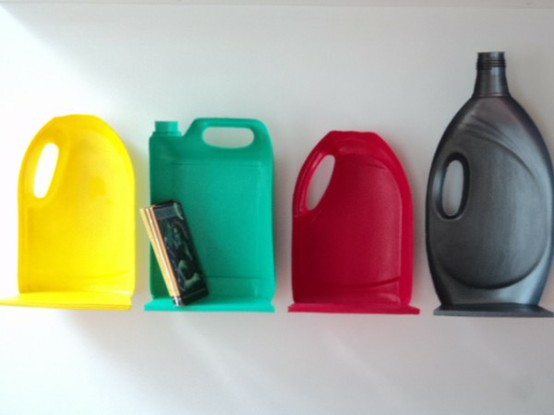
Empty glass and plastic bottles stack up faster than recycling day can clear them. The useful question is not whether a bottle can become décor—almost anything can with enough paint—but whether its shape, strength, and opening suit a job you will keep using. This guide focuses on practical bottle DIY: vases, lamps, lanterns, planters, organizers, and table pieces, with clear criteria for which bottles to choose and safety notes wherever heat, cutting, candles, or electricity enter the project.
Rinse bottles as soon as they empty. Labels usually soak off in warm water with dish soap; stubborn adhesive yields to a little cooking oil and a cloth. Sort by material before you start. Glass brings weight and heat tolerance for many lamp and vase jobs. Sturdy plastic suits lightweight organizers and kids’ paint projects. Thin decorative glass is for gentle display only—not for cutting experiments on a first try.
Clear the bottle properly
Food and drink residue ruins paint adhesion and breeds odor. Wash with hot soapy water, use a bottle brush for narrow necks, and dry upside-down on a rack overnight if needed. Oil bottles benefit from a baking-soda rinse. Remove metal rings, pour spouts, and plastic sleeves that will not be part of the finished design.
Criteria before crafting: no sticky film inside or out; no hairline cracks; the base sits flat without a rock. Discard bottles with stress fractures. Cutting or heating a compromised bottle is how projects end in the trash—or worse, in a cut hand.
If you plan a matched set, gather bottles of similar diameter and height before painting. A mixed thrift haul can look intentional as a “forest” of heights, but random leftovers often look unfinished unless you impose a shared color or wrap.
Painted and wrapped vases
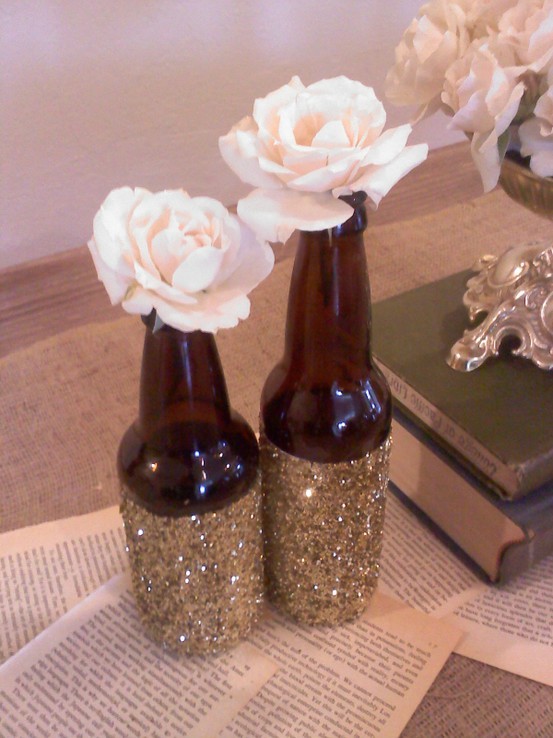
Tall wine, sparkling-water, and olive-oil bottles make reliable single-stem vases. Frosted spray, chalk-style paint, or acrylic with a sealing topcoat all work if you degrease first. Mask stripes with painter’s tape for clean lines; pull the tape while paint is slightly tacky for sharper edges. Twine, yarn, fabric strips, or leather cord add grip and hide imperfect paint jobs without demanding gallery-level brushwork.
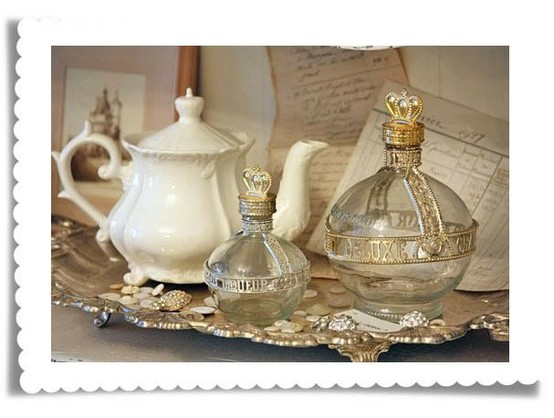
Criteria: use paint meant for glass, or prime plastic properly; cure fully before adding water; group odd heights in threes for a stronger tablescape. Narrow necks suit one stem; wide mouths suit small bunches. A finished vase does not smear when wiped, does not tip with a flower and water inside, and looks good enough to leave out on a weekday—not only for a photoshoot.
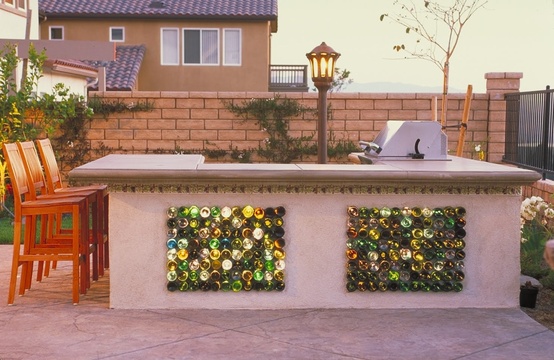
For outdoor porch vases, choose exterior-rated finishes and expect sun to fade bright colors. Weighted bases matter more outside, where wind treats empty bottles like toys.
Bottle lamps and light covers
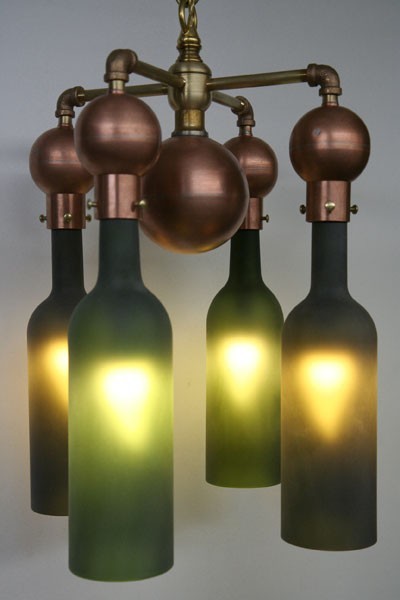
Bottles become lamp bases when fitted with a proper kit: cork or stopper hardware sized to the neck, a cord with an in-line switch, and a bulb within the wattage rating of the kit. Other designs drop fairy-light strings into clear bottles for soft ambient glow. Those should be LED strings—not hot incandescent bulbs sealed inside plastic.
Safety and criteria:
- Use a purpose-made lamp kit with recognized safety markings; do not jury-rig live wires through a random cork.
- Strain-relieve the cord exit so tugging the cable does not pull internal connections.
- Prefer LED bulbs to reduce heat against glass, shades, and nearby paper décor.
- Reserve plastic bottles for battery LED projects—not mains lamps with hot bulbs.
- A finished lamp stands stable, switches cleanly, and keeps soft textiles away from any warm surface.
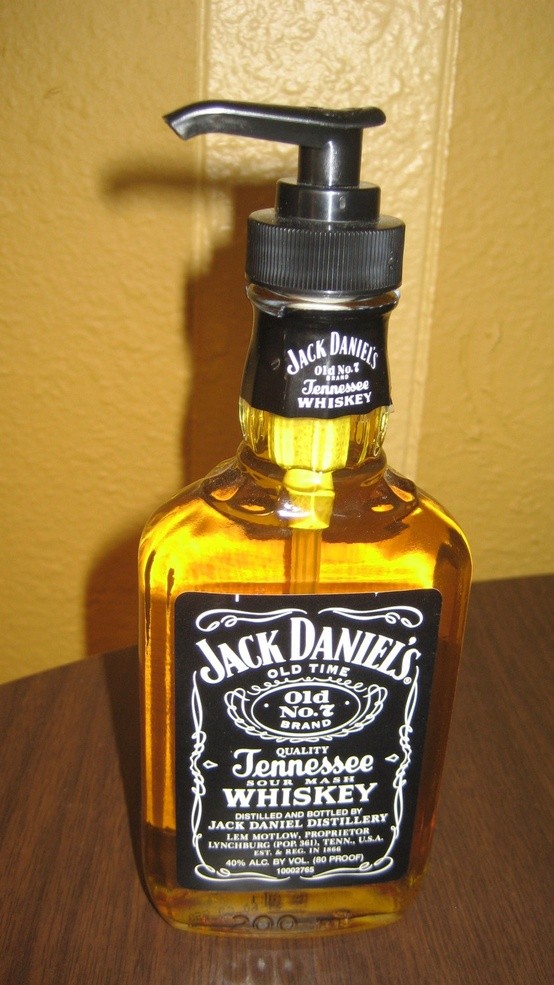
If the bottle neck is irregular, buy the kit first and test-fit before you paint. Paint that fills the neck can ruin a stopper’s seal and force a redo.
Candles, lanterns, and flame caution
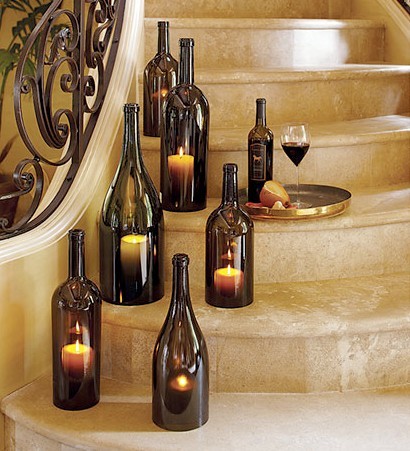
Cut or open bottles sometimes hold candles, but flame and glass demand respect. A wide-mouth jar is safer than a narrow bottle that traps heat and smoke. Never leave a burning candle unattended. Keep flames clear of curtains, paper runners, and dried flowers. For hanging lanterns, prefer LED tealights unless the vessel is stable, ventilated, and designed for real flame.
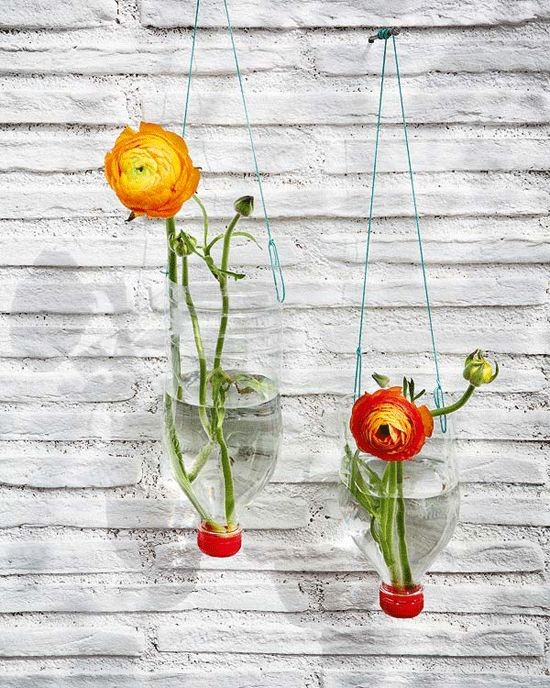
Criteria: candle shorter than the rim; stable base; heat-resistant surface underneath. If you cut glass, wear eye protection, score evenly, separate carefully, and sand sharp edges until they will not cut skin. When unsure, choose battery lights—the atmosphere is similar, the risk is not.
Planters and propagating stations
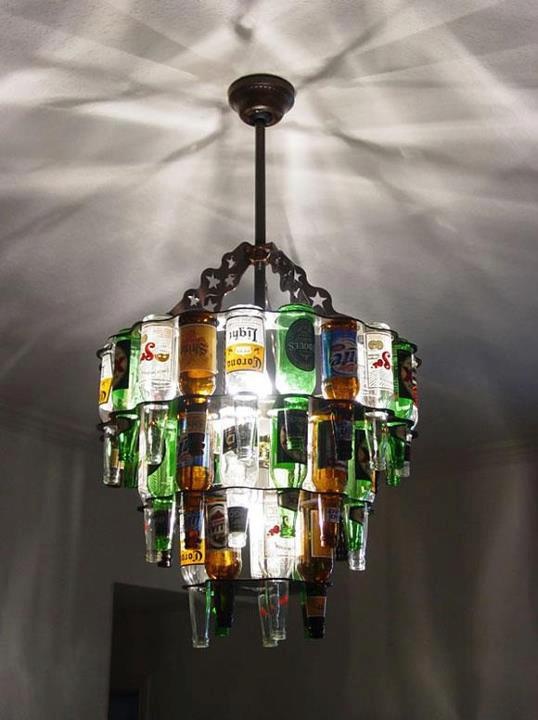
Clear bottles make excellent rooting stations for cuttings: fill with clean water, set a stem in the neck, and place in bright indirect light. Change water when it clouds. For soil planters, cut plastic bottles horizontally, add drainage holes, and smooth every cut edge. An inverted bottle top can act as a funnel-style planter only after edges are safe to handle.
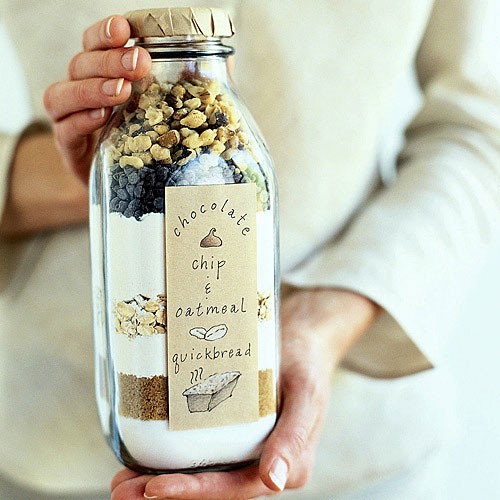
Criteria: drainage for any soil project; thorough rinse if herbs might contact surfaces; opaque wrap or paint when a plant prefers darker roots. Many propagation projects need no cutting at all—intact bottles with wide enough necks are the simplest win.
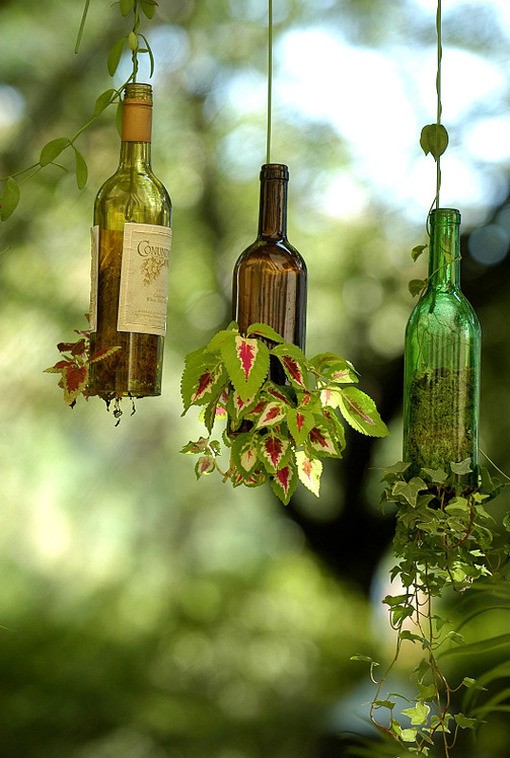
Group several propagation bottles on a tray so spills do not stain shelves. A shared tray also makes it easier to rotate plants toward the light.
Organizers: desk, bathroom, pantry
Uniform bottles become utensil crocks, makeup-brush holders, or dry-goods canisters when mouths are wide enough for the contents. Mount a simple wood rack, or corral a set on a tray so the group moves as one unit for cleaning. Paint chalk fields or add waterproof labels for contents.
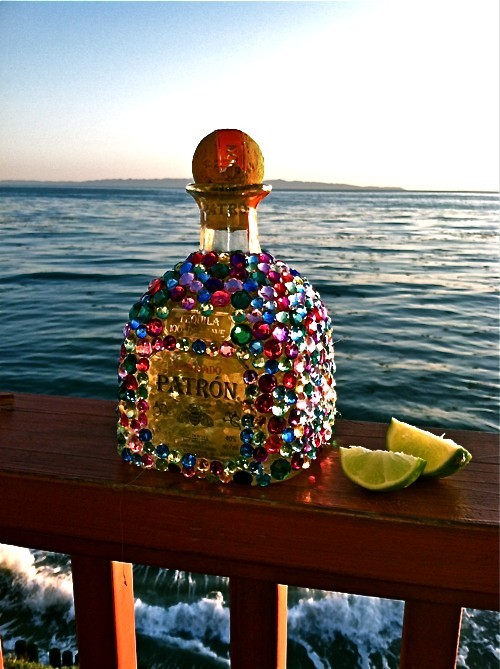
Criteria: matching heights look intentional on a desk; heavy glass for utensils that tip light plastic; lids only when dust protection matters. Never store solvents, cleaners, or other hazards in unmarked reused food bottles—confusion is dangerous in a shared household.
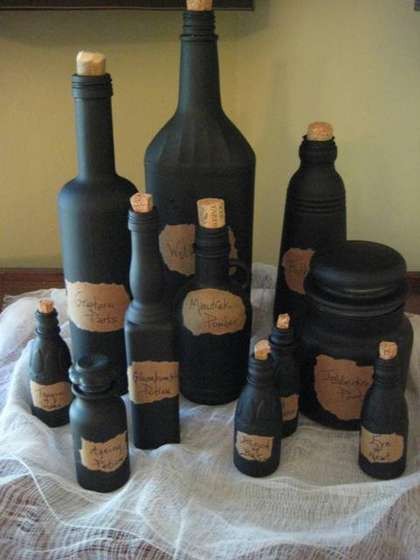
Table décor and seasonal centerpieces
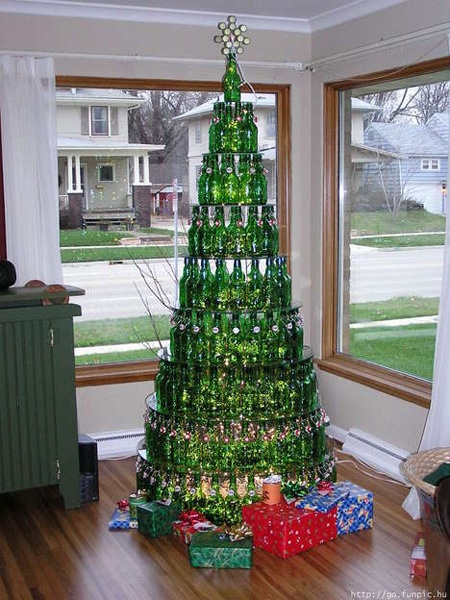
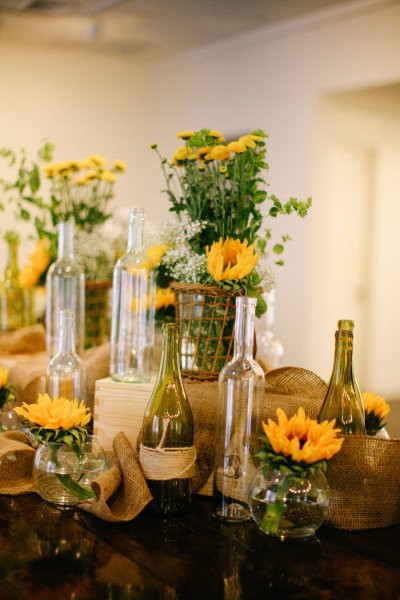
Clusters of bottles with sand, pebbles, floating LED candles, or single blooms make low-effort centerpieces. Vary height and keep a shared color story—clear glass with greenery, all matte white, all cobalt, or all wrapped in the same twine. The constraint is what makes the set look designed.
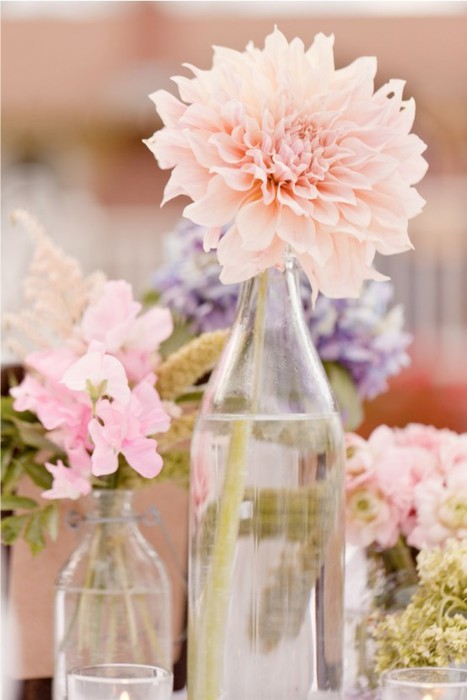
Criteria: nothing blocks sight lines across a dinner table; bases wiped dry so they do not stain wood; seasonal fillers easy to empty later. A finished centerpiece is one you would leave out between guests, not a precarious stack that needs constant babysitting.
Cutting, drilling, and kids’ projects
Glass cutting and drilling need eye protection, gloves, and practice on scrap. Score-and-separate methods and bottle-cutting jigs both demand patience; uneven breaks are common even for careful makers. Sand every rim until skin can run along it safely. Drill bits for glass require steady coolant and slow pressure—rushing cracks bottles.
For children, stick to decorating intact bottles with acrylic paint, stickers, tissue collage, and yarn wrap. No flames, no cutting tools, no mains electricity. Supervise small parts and paint until dry.
Quick project chooser
- One free evening: painted vase or twine wrap on a clean tall bottle.
- Weekend with basic tools: lamp kit in a heavy, flat-bottomed glass bottle.
- No cutting at all: propagation station or fairy-light bottle.
- Kids: acrylic paint on plastic bottles, sealed when dry, displayed out of reach until cured.
- Outdoor use: weighted bases and exterior-rated finishes; expect weather to fade bright craft paint.
Safety checklist: rinse and inspect every bottle; prefer LED over open flame when unsure; use rated lamp hardware for mains electricity; sand every cut glass edge; keep chemicals, small parts, and hot tools away from children; never store hazardous liquids in unmarked food bottles.

Comments
Continue reading
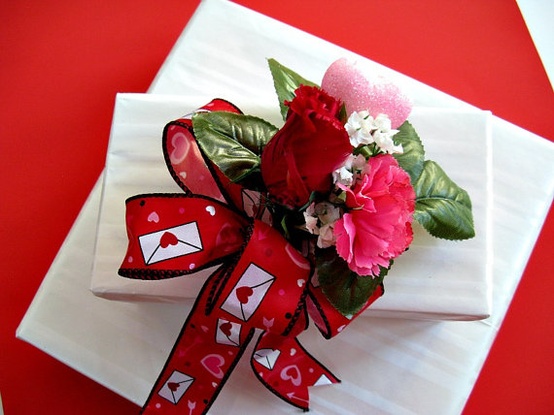
Simple, Cute Valentine Gift Wrapping Ideas
A craft guide to personalized Valentine wraps—kraft bases, paper hearts, ribbon, tags, and texture mixes—using inexpensive supplies and the gallery examples as patterns.
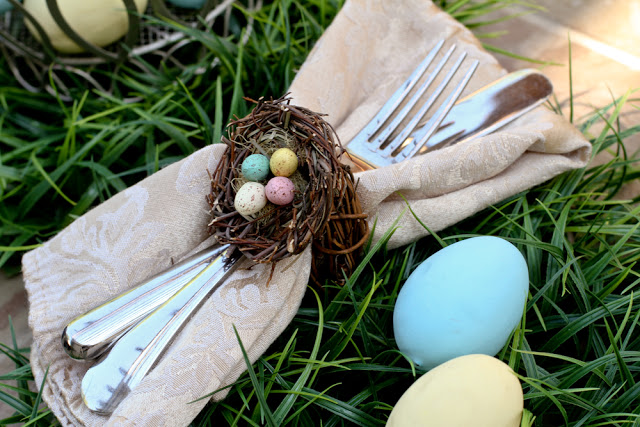
DIY Spring and Easter Napkin Rings for the Holiday Table
Make Easter and spring napkin rings—nest, knit flower, bunny, scrap-flower, and edible styles—with sizing, food-safety, and batch tips for a calm tablescape.
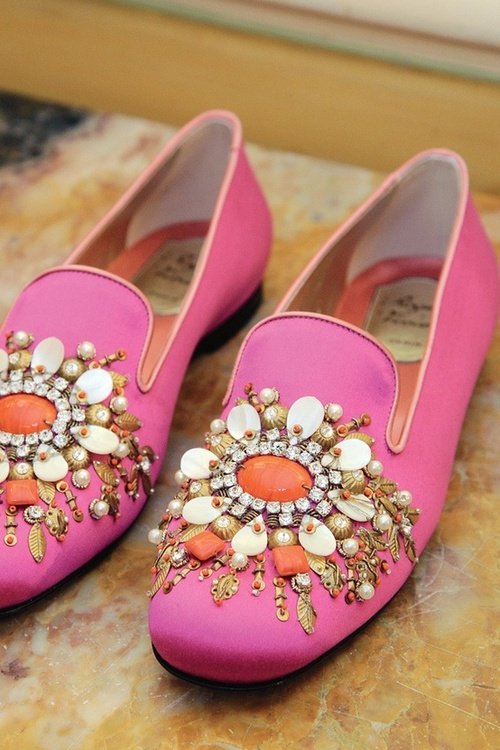
20 DIY Shoe Makeover Ideas: Paint, Glitter, Clips, and More
Twenty shoe upgrades—floral boots, glitter wedges, neon soles, crystal pumps, lace overlays, and novelty heels—with practical steps for each.