
Interesting Balcony Design Ideas: Seating, Plants & Small-Space Criteria
Balcony design inspiration with practical criteria for seating, vertical planting, privacy, flooring, and clutter control—so a small outdoor room actually gets used.
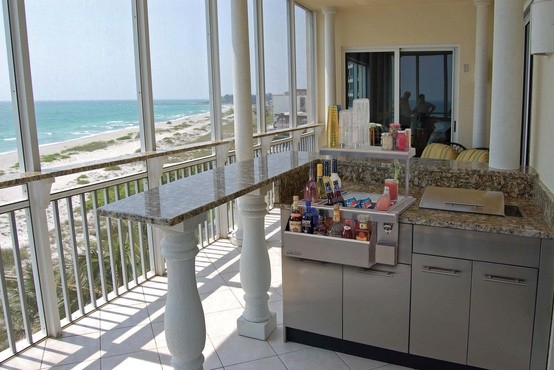
A balcony is a small outdoor room with hard limits: floor load, wind, landlord rules, and a view that may be glorious or awkward. Interesting balcony design is not about cramming every trend onto a few square meters. It is about criteria—privacy, shade, planting, seating, and storage—applied tightly enough that the space feels deliberate the moment you step outside.
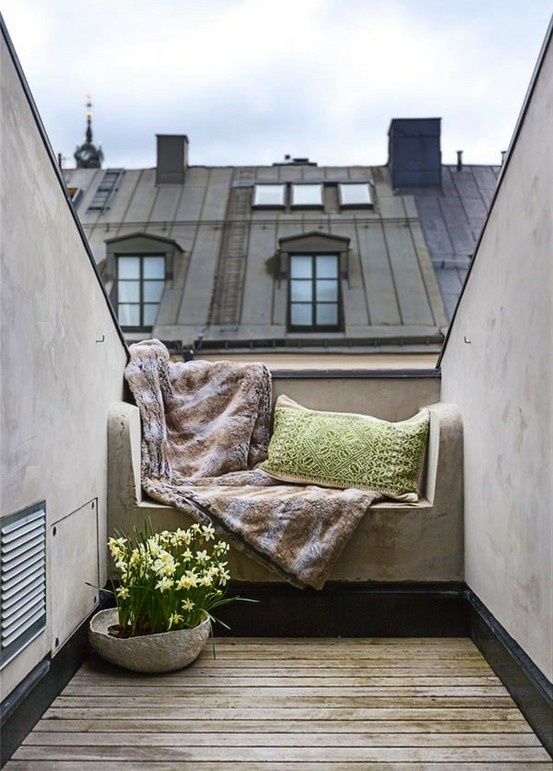
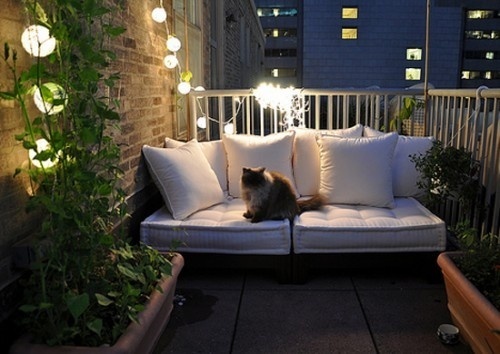
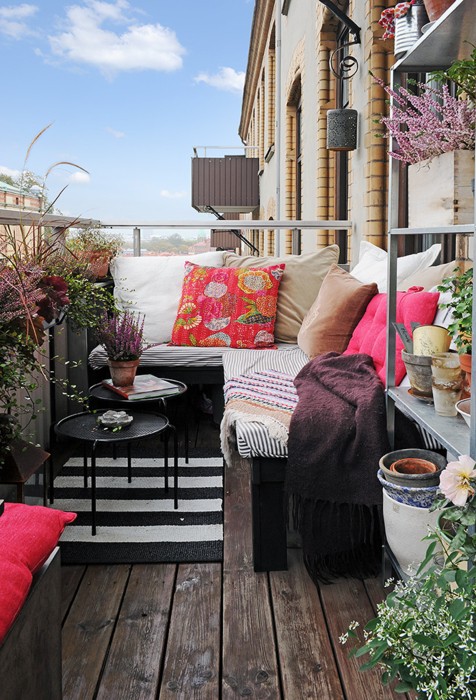
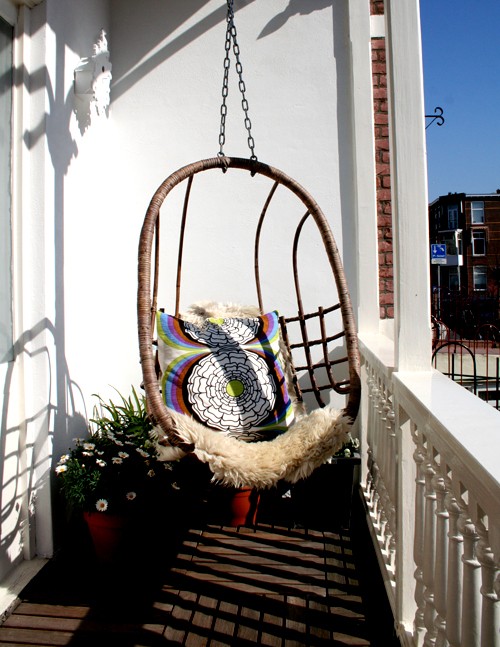
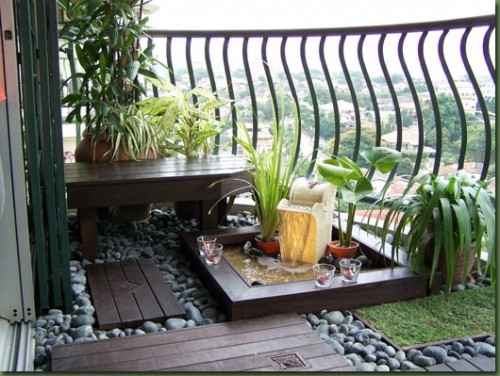
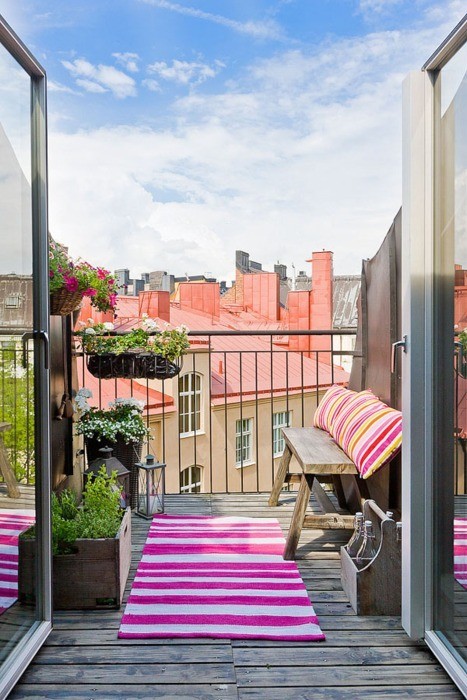
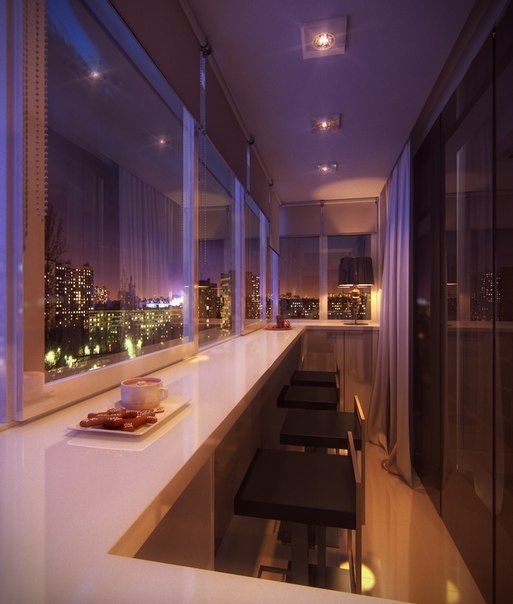
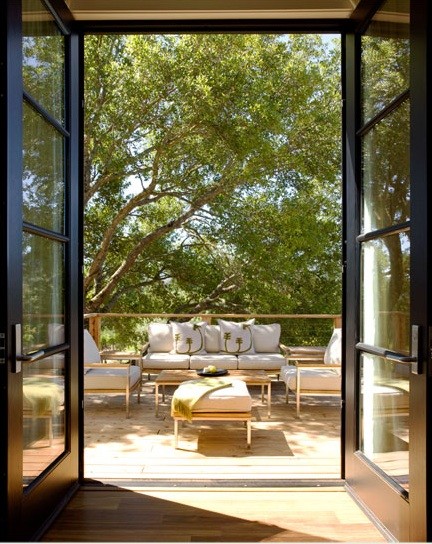
The photographs gathered here show how different balconies solve those problems with furniture, greenery, flooring, and railing treatments. Use them as case studies, not as shopping lists. Translate what works: a clear seating zone, a restrained plant palette, and surfaces that survive weather. The goal is a balcony you use, not a balcony you only photograph once.
Start with function, not decoration
Ask what the balcony must do on a typical week. Morning coffee for one person needs a different layout than weekend dinners for four. If you dry laundry, grill, or store bikes, those jobs need honest space before cushions arrive. Measure the floor, note door swing, and check how much weight your building allows for planters and furniture. Rules and engineering matter more than inspiration boards.
Wind and exposure rewrite every pretty idea. High floors get stronger gusts; west-facing rails bake furniture and plants. Choose pieces that can be secured or stored, fabrics that drain, and plants that match sun hours. A glass-front balcony may need privacy film or a planted screen; a solid parapet may need taller pots to catch light. Design for the climate you have, not the catalog patio shot.
Circulation is the first luxury on a small deck. Leave a clear path from the door to the rail so you are not sidestepping chairs every exit. Furniture that folds, stacks, or tucks under a table earns its footprint. Built-in benches with storage underneath solve seating and clutter in one move when construction is allowed.
Define a seating room
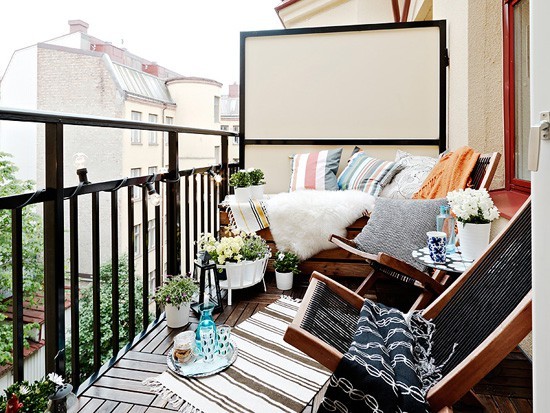
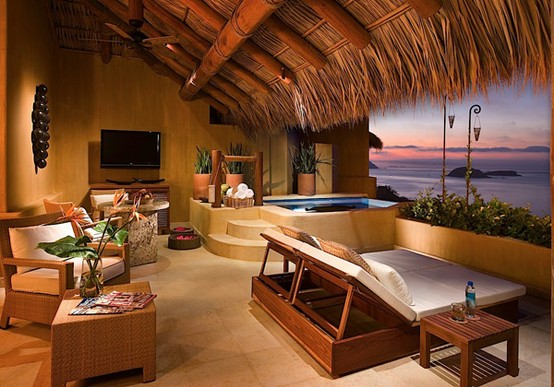
Interesting balconies usually read as rooms because seating has a place and a purpose. Two chairs and a low table facing each other create conversation; a single lounge chair aimed at the view creates retreat; a narrow dining set against the wall creates outdoor meals without blocking the rail. Pick one primary use and let secondary uses be temporary.
Scale furniture down. Deep sofas that belong on a terrace swallow a balcony and make the door feel blocked. Slim metal or wood frames, folding bistro sets, and benches along the long wall keep sightlines open. Soften with outdoor textiles you can wash or store: a runner, seat pads, a throw for cool evenings. Color can echo the interior so the balcony feels like an extension of the apartment rather than a disconnected afterthought.
Lighting turns evening use from harsh to inviting. A single string of warm bulbs, a battery lantern, or a wall sconce where permitted is enough. Avoid glare toward neighbors. If you read or work outside, add a directed task light rather than flooding the whole façade.
Plant with vertical logic
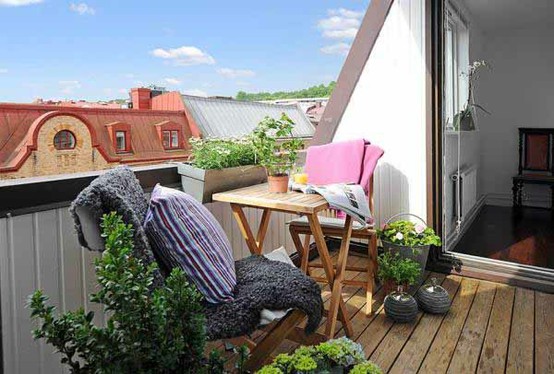
Floor space is scarce; height is freer. Rail planters, wall-mounted pockets, tall narrow pots, and climbing vines on a freestanding trellis multiply greenery without stealing the walking strip. Group plants by water need so you are not drowning drought-tolerant herbs next to thirsty ferns. Use saucers or self-watering inserts to protect floors and downstairs neighbors.
Choose a short plant cast and repeat it. Three large pots with matching shrubs look more designed than twelve tiny mismatched containers. Mix textures—something upright, something trailing, something leafy for privacy—rather than chasing every bloom. Evergreen structure keeps the balcony from looking empty in winter; seasonal color can arrive in a few swapped annuals.
Edibles belong when sun and access are good: herbs near the kitchen door, cherry tomatoes in a deep pot, salad greens in a trough. Keep harvest tools and a watering can within reach so care stays easy. A neglected plant wall is worse than a clean empty rail.
Floor, rail, and privacy as design tools
Flooring changes how the balcony feels underfoot and in photos. Outdoor rugs define a seating island; wood-look deck tiles or interlocking mats can soften concrete; painted floors can unify a tired slab if the coating is rated for exterior use. Keep surfaces non-slip when wet. Avoid heavy wet soil beds that stain and overload the structure.
Rails are both safety and composition. Transparent glass keeps the view open but offers little privacy. Solid panels create a room-like enclosure. Vertical slats or lattice can filter neighbors without full enclosure. Hanging textiles or reed screens work as temporary fixes where permanent changes are banned—secure them against wind and check fire rules.
Privacy and shade often travel together. An outdoor curtain on a simple track, a foldable screen, or a row of tall pots can carve a corner that feels sheltered enough to sit in a robe with coffee. Shade sails and cantilever umbrellas help on exposed upper floors, provided anchors and weights match the wind. Never rely on a free-standing umbrella that can become a sail.
Storage, clutter, and the quiet finish
Clutter kills balcony design faster than cheap furniture. A lidded box for cushions, a narrow shelf for lanterns, and wall hooks for tools keep the floor clear. If you grill, choose a compact unit with a cover and a clear ash or grease plan that respects building policy. Hide hose coils and fertilizer bags; they photograph poorly and trip feet.
Limit accessories to a few strong pieces: one sculpture-scale planter, one lantern family, one textile color. Seasonal swaps—winter throws, summer citrus bowls—refresh the space without a full remodel. Clean the glass door regularly; the indoor-outdoor view is part of the design whether you intend it or not.
Look back at the first image in this set: seating, plants, and a readable path share the same small floor. That balance is the real inspiration. Before buying another cushion, clear the walking line from door to rail, place one honest seating pair, and add only as many pots as you will water in a heat wave. When those three moves land, the balcony already looks interesting—because it finally works like a room.

Comments
Continue reading
Balcony Gardens: Small Outdoor Spaces, Dense Planting Ideas
How to read balcony garden inspiration—containers, light, wind, privacy, and practical layout ideas for a lush ledge without a backyard.
Window Seats That People Actually Sit In
Depth, cushions, storage, and light—how to build or dress a window seat so it becomes a reading spot instead of a dumping ground for laundry.
Garden Decoration Beyond Beds: Lace, Mosaiculture, and Upcycled Yard Art
From dressed topiary and floral cyclists to license-plate dragonflies and lace between trees—garden decorations that give a yard a voice.